Winter Camping Gear Checklist (2026)
Winter camping gear checklist for 2026: the complete cold-weather packing list, covering sleep system, layering, boots, stove and safety gear.
In this article · 15 sections
- Quick Answer: The Winter Sleep System and Layers That Actually Work
- The Two Rules That Change Everything
- "Winter Camping Checklist" vs "Packing List" vs "Gear List": Same List, Different Words
- Sleep System: Where Warm Nights Are Won
- Clothing: The Layer System That Works
- Cooking & Hydration in the Cold
- Light & Power
- Safety Gear That Isn't Optional
- The Complete Winter Camping Packing Checklist
- Winter Camping Tent: What Actually Changes Below 20°F
- Common Winter Packing Mistakes (Learn From Mine)
- Winter Camping Tips That Actually Separate a Good Trip From a Cold One
- Winter Camping Near Me: Which Guide to Open First
- Winter Camping Gear by Trip Type and Temperature
- FAQ
There's a moment at the top of a frozen ridge — 14°F, wind dropping off the snowfield, nobody else for miles — where winter camping stops feeling like a punishment and becomes the best camping there is. I didn't get there on bravery. I got there on a packing list, built one miserable trip at a time.
The good news: winter camping gear doesn't have to be exotic or expensive. The bad news: the mistakes are unforgiving. A summer checklist will kill your trip faster than any weather. Cotton kills, ratings lie, and one thin sleeping pad undoes an $800 sleeping bag.
This is the complete winter camping gear checklist — every category, real temperatures, real prices, budget alternatives where they exist. If you're new to snow camping, start with our winter camping for beginners guide for the full how-to; this list is the gear itself.
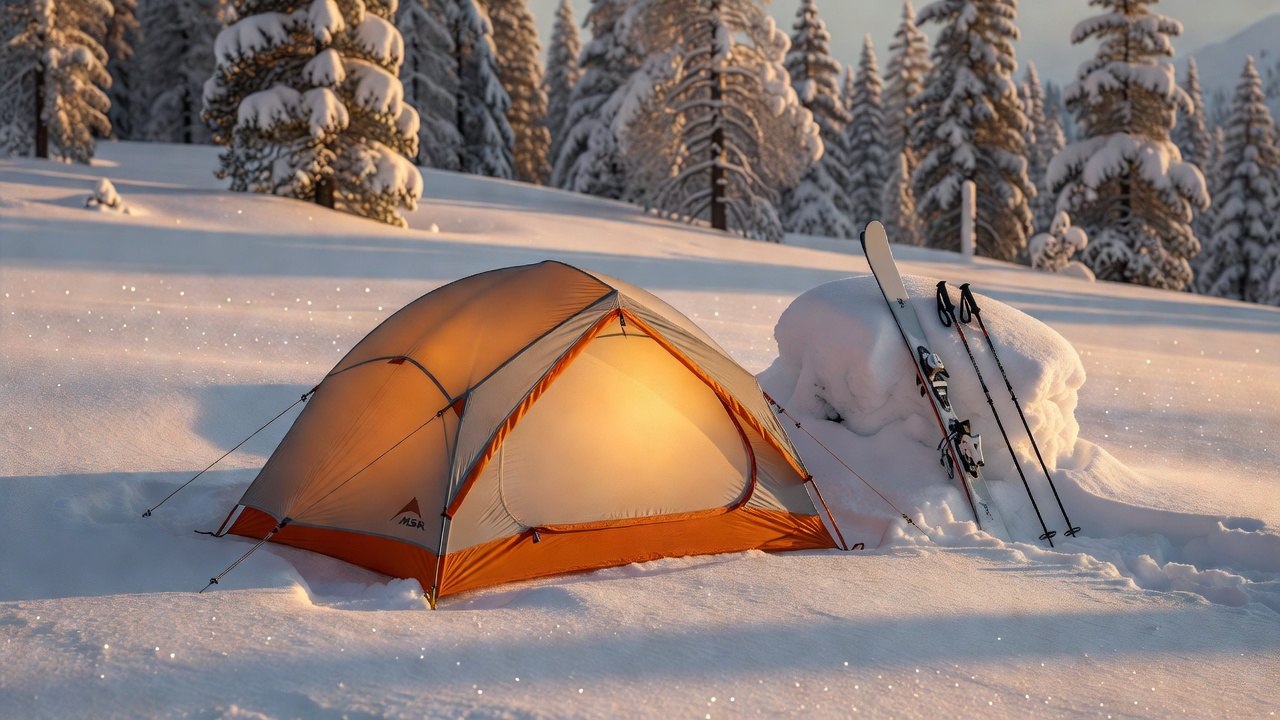
Shelter is the one category where a winter kit genuinely differs: a mesh-heavy summer tent vents your body heat straight out through the ceiling. If your overnight lows are heading below 20°F, that is the upgrade to make first — the MSR Access 2 is the true 4-season pick and the NEMO Kunai is the 3-4 season compromise that still works in July.
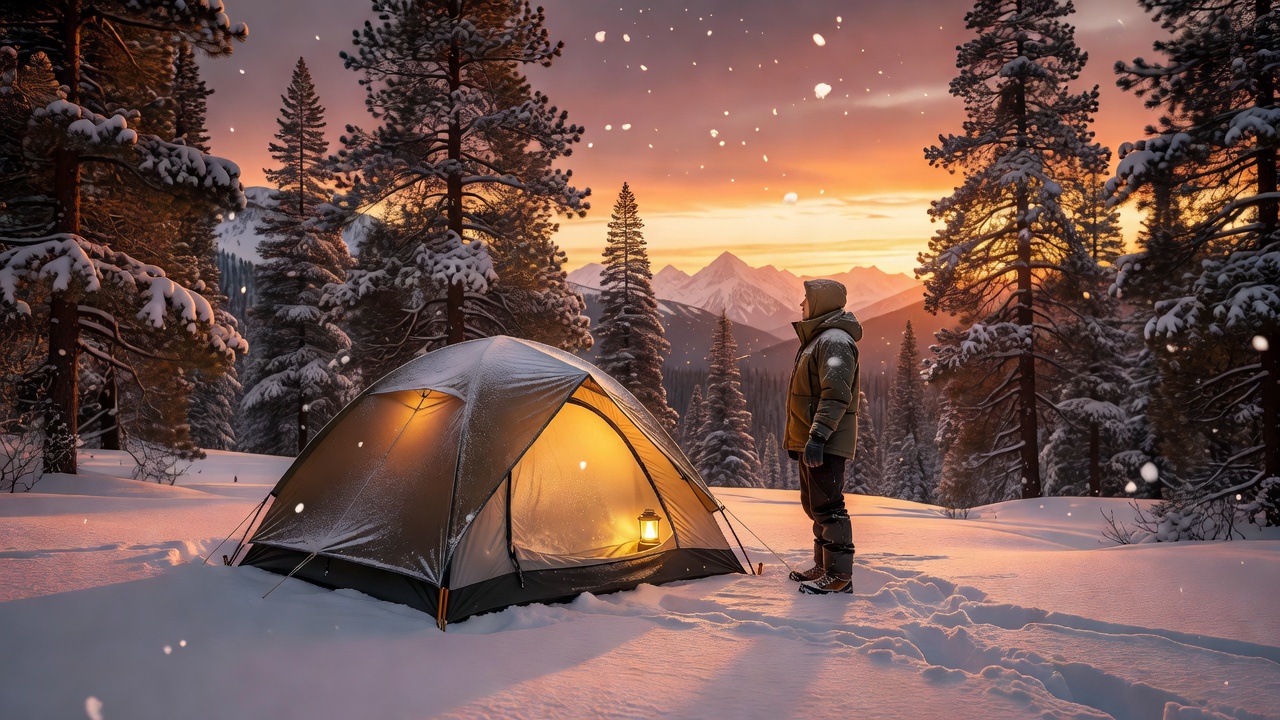
Quick Answer: The Winter Sleep System and Layers That Actually Work
- The biggest warmth upgrade for the money is a real insulated pad: the Klymit Insulated Static V at the budget end, or the Therm-a-Rest NeoAir XLite NXT if you want the best warmth-to-weight made. One thin summer pad undoes an $800 bag.
- Budget 0°F bag: TETON Sports Celsius Regular 0°F — the honest value pick for car and basecamp winter trips.
Buy it in late November if you can — Black Friday and Cyber Monday are when winter sleep systems and shelters hit their annual low.
- Better warmth-to-weight: Kelty Cosmic Down 20 — 550-fill down packs small and layers under a shell.
- Base layer that does the real work: Columbia Omni-Heat Midweight — and no cotton anywhere in the system.
- Two things people always forget: a Black Diamond Spot 400 headlamp (dark comes early in winter) and HotHands hand warmers, which rescue cold fingers faster than any glove. The third thing is heater fuel: a propane heater that quits in the cold is usually starving, not broken, and the Buddy heater troubleshooting guide explains why.
The Two Rules That Change Everything
Before the list, the two rules that most first-timers get wrong:
- Bag ratings are survival ratings, not comfort ratings. A "20°F" bag keeps you alive at 20°F — it does not keep you sleeping at 20°F. For the temperature you'll actually camp in, buy a bag rated 15-20 degrees below the expected low. Camping at 25°F means a 0°F bag.
- The ground steals more heat than the air. Your sleeping pad's R-value matters as much as your bag. In summer, R-value 2 is fine. In winter, you want R 4+ — ideally a pad with an R-value of 4.4 or higher under an insulating layer.
"Winter Camping Checklist" vs "Packing List" vs "Gear List": Same List, Different Words
Almost everyone arrives here through a slightly different search. Before the list itself, here's the translation table — these are all the same document, in the same order (sleep system → clothing → kitchen → light → safety):
| Your search said… | What it means on this page |
|---|---|
| winter camping checklist / cold weather camping checklist / snow camping checklist | The printable list below, "The Complete Winter Camping Packing Checklist" — print it, tape it to your gear bin |
| winter camping packing list / winter tent camping checklist / winter car camping checklist | Same items, same order. Car camping just means you're not carrying it — the list doesn't shrink |
| winter camping clothes checklist / cold weather camping clothes | The clothing block under "Clothing: The Layer System That Works," plus the Clothing section of the printable list |
| winter camping gear list / winter camping gear guide / winter camping gear essentials | This entire page, category by category, with prices |
| winter camping essentials / cold weather camping essentials | The five items in the Quick Answer above — if you only fix five things, fix those |
| winter camping gear for kids / winter camping gear for dogs | The Kids & Babies block under the sleep system, plus the kids-and-dogs lines in the printable list |
| winter camping rv / winter camping in a pop up camper | Destination + systems, not gear — see "Winter Camping Near Me" below |
| winter camping tips | Technique rather than gear: our winter camping for beginners guide is the how-to companion to this list |
One distinction worth keeping straight, because it changes what you pack: winter camping gear is equipment, while winter camping tips are technique. The equipment bottlenecks are the sleeping pad and the tent (both below), and the technique bottlenecks are ventilation and layering — a perfect kit used badly is still a cold night.
Sleep System: Where Warm Nights Are Won
Sleeping Bags for Adults
Budget pick — TETON Sports Celsius Regular 0 Degree ($59.99) — the single best value in cold-weather camping. 0°F rating, flannel-lined, 18,000+ reviews at 4.5 stars. It's heavy and bulky, but for car camping it's unbeatable at this price. If you're tall or broad-shouldered, the TETON Celsius XXL 0 Degree ($89.99) adds room without changing the rating.
Backpacking pick — Kelty Cosmic Down 20 Degree ($169.00) — 550-fill down compresses small enough for a sled or winter pack. Take it down to about 25°F; below that, pair it with a liner or wear your insulated layers to bed (the pro move that buys you 10 more degrees).
Cool-weather budget — Coleman Palmetto 40 Degree ($44.99) — this is a fall/early-winter bag, not a deep-snow bag. It's perfect for the 32-45°F shoulder season or as a kids' bag in milder camps. Don't take it below freezing and expect comfort.
Sleeping Pads: The R-Value Non-Negotiable
Best all-around — Klymit Insulated Static V ($94.99) — R-value 4.4, 7,200+ reviews at 4.5 stars. The V-shaped chambers lock out drafts and the insulation is real — this is the pad I'd hand to a first-time winter camper without a second thought.
Premium ultralight — Therm-a-Rest NeoAir XLite NXT ($209.95) — R-value 4.5 at just 12.9 oz. If you're sledding or backpacking into a winter camp, this is the gold standard. The price hurts; the sleep doesn't.
The 3-season trick — Therm-a-Rest Z Lite Sol ($54.95) — closed-cell foam with R-value 2.6. Stack it UNDER your air pad and the combined R-value jumps past 5. It also works as a camp seat, kneeling pad for stove work, and emergency pad. Every winter camper should own one, even if it's not their main pad.
Winter Camping Sleeping Bag, Blanket, or Quilt?
People search all three, and they solve overlapping problems — but they are not interchangeable:
- A winter camping sleeping bag is the primary system, and it's the one item where the rating math matters: rated 15-20°F below your expected low. The picks above (TETON Celsius 0°F for car camping, Kelty Cosmic Down 20 for weight) are the two I'd start from.
- A winter camping blanket — also searched as a cold weather camping blanket or a winter camping throw — is the layer that rescues a trip when the forecast is off by ten degrees. The Rumpl Original Puffy Blanket ($139.00) is a synthetic-insulated, water-resistant blanket that doubles as a camp seat and a dog bed topper — I keep one in the truck all winter, and it's the difference between a shoulder-season night and a genuine winter night when you throw it over your bag.
- A cold weather camping quilt is the same idea, cut open. An open-footbox quilt lets you vent on the way up a hill and cinch down at camp, and if you're sleeping in a hammock, an underquilt (not a bag) is the actual answer — the OneTigris Hideout full-length 4-season underquilt ($39.98) is the budget entry.
A blanket is not a substitute for the bag rating — it's an add-on. Adding a puffy blanket over an honest 20°F bag is worth roughly the same as dropping one rating step, for a fraction of the price.
Kids & Babies
Cold kids are miserable kids — and miserable kids end trips. Kids' sleep systems get the same rules as adults, just smaller.
- ** TETON Sports Celsius Jr Kids Sleeping Bag (20°F) ($49.99)** — a genuine 20°F bag sized for kids 4-8. This is the one I'd pick for real winter camping with a young kid.
- ** Kelty Woobie 30 Degree Kids Sleeping Bag ($39.95)** — lighter warmth, great for shoulder-season family trips and kids who sleep warm.
- ** Morrison Outdoors Little Mo 40° Baby Sleeping Bag ($69.95)** — for babies under 18 months. Note the 40° rating: babies lose heat fast, so this is for mild nights plus a warm sleeper, not deep winter.
Parent pro tip: put a closed-cell foam pad under the kids' pad too, and send them to bed in fleece pajamas plus a dry wool base layer. A warm kid sleeps through the night; a shivering one wakes everyone at 2 AM.
Clothing: The Layer System That Works
Winter camping clothing is a system, not a coat. Three layers — base (moisture-wicking wool or synthetic), mid (fleece or down), shell (windproof + waterproof). Cotton base layers are the #1 beginner mistake: cotton holds sweat, and wet cotton pulls heat off your body fast.
Boots:
- ** Merrell Men's Moab 3 Hiking Boot ($89.99)** — the classic all-rounder. Waterproof, grippy, zero break-in drama. For dry-snow car camping and trail hiking down to about 20°F with good socks, this is the value pick.
- ** Salomon Men's X Ultra 4 Mid GTX ($231.81)** — when the trail gets technical or wet-snow conditions get serious. Gore-Tex, mid-height ankle support, and the best traction in this price class. For snowshoeing and sloppy spring snow, this is the upgrade that earns its price.
Socks — Darn Tough Vermont Hiker Micro Crew ($27.95) — merino wool, lifetime warranty, and they stay warm even damp. Pack three pairs minimum: one on your feet, one drying, one dry for sleeping (sleeping in fresh socks is a small luxury that pays off big).
Shell — Outdoor Research Men's Helium Rain Jacket ($159.00) — 6.4 oz of windproof, waterproof protection that packs to fist size. In winter it goes over your insulation as the outer layer — it's the difference between a biting wind and a comfortable hike.
For the day-hike version of this clothing system, our winter hiking guide covers what to wear when you are moving rather than sleeping.
Cooking & Hydration in the Cold
Cold weather changes stove physics: fuel pressure drops, butane stoves sputter below freezing, and water bottles freeze overnight. Our cold weather & high altitude stove guide covers the fuel science; the checklist version:
- Stove: use a stove that performs in cold (isobutane blends or liquid fuel), and store fuel canisters in your sleeping bag overnight so they're warm at breakfast.
- Insulated bottles — CIVAGO 32 oz Insulated Stainless Steel Bottle ($19.99) — the classic winter double-duty trick: fill it with hot water at bedtime, tuck it in your sleeping bag. You get a warm foot-warmer at night and drinkable (not frozen) water in the morning.
- High-calorie food — your body burns 30-50% more energy keeping warm. Pack calorie-dense snacks and a hot, fatty meal for dinner.
Cold weather camping food, done right: the goal isn't gourmet, it's calories that don't require your fingers to work. Cold weather camping dinners should be one-pot, high-fat, and reheatable — chili, stew, pasta with oil, or a vacuum-jar meal you made at home. Cold weather camping meals at breakfast are the same logic: oatmeal with butter and nuts, or a bagel with peanut butter, both of which work at 20°F where a fiddly breakfast burrito does not. The three rules that matter: eat fat before bed (it burns slowly and keeps you warm at 3 a.m.), drink hot liquids with every meal, and never let your water bottle become a block of ice — refill it with hot water at bedtime and sleep with it.
Cold-weather cooking is its own skill: the fall camping meals guide is the closest thing to a cold-trip menu, the best firewood guide covers wood that lights when everything around it is damp, and campfire desserts that aren't s'mores is what keeps kids willing to sit outside after dark.
Light & Power
Winter nights are long — sunset at 5 PM means 14 hours of darkness. Red-light headlamps preserve night vision and battery life matters more than brightness.
- ** Black Diamond Spot 400 Headlamp ($39.95)** — dual-fuel (AAA or rechargeable), waterproof, red night-vision mode. The classic winter headlamp for a reason.
- ** Petzl Actik Core ($79.95)** — 625 lumens, rechargeable core battery with AAA backup. Worth it for night hikes and winter trail running.
- ** Goal Zero Lighthouse Micro Flash Lantern ($29.95)** — a tent lantern with a built-in USB port to top up your phone or headlamp. Cold drains batteries fast — bring spares and keep them in an inner pocket.
- ** Black Diamond Moji Lantern ($24.95)** — dimmable, 200 lumens, diffused light that makes a tent feel like a cabin. The budget tent-light pick.
Safety Gear That Isn't Optional
Winter trips don't have margin for error. These aren't nice-to-haves:
- First aid kit — frostbite and hypothermia awareness change what you pack. Our camping first aid checklist covers the cold-weather additions.
- Emergency blanket — a $5 mylar blanket weighs nothing and reflects 90% of body heat. In winter it's not a gimmick, it's a survival tool.
- Reusable beats disposable here: the Arcturus insulated tarp blanket ($24.99) is a 3-layer, grommeted sheet that survives a whole season of weekends, and a 4-pack of heavy-duty mylar blankets ($24.95, about $6.24 each) covers the pack, the car kit and the go bag.
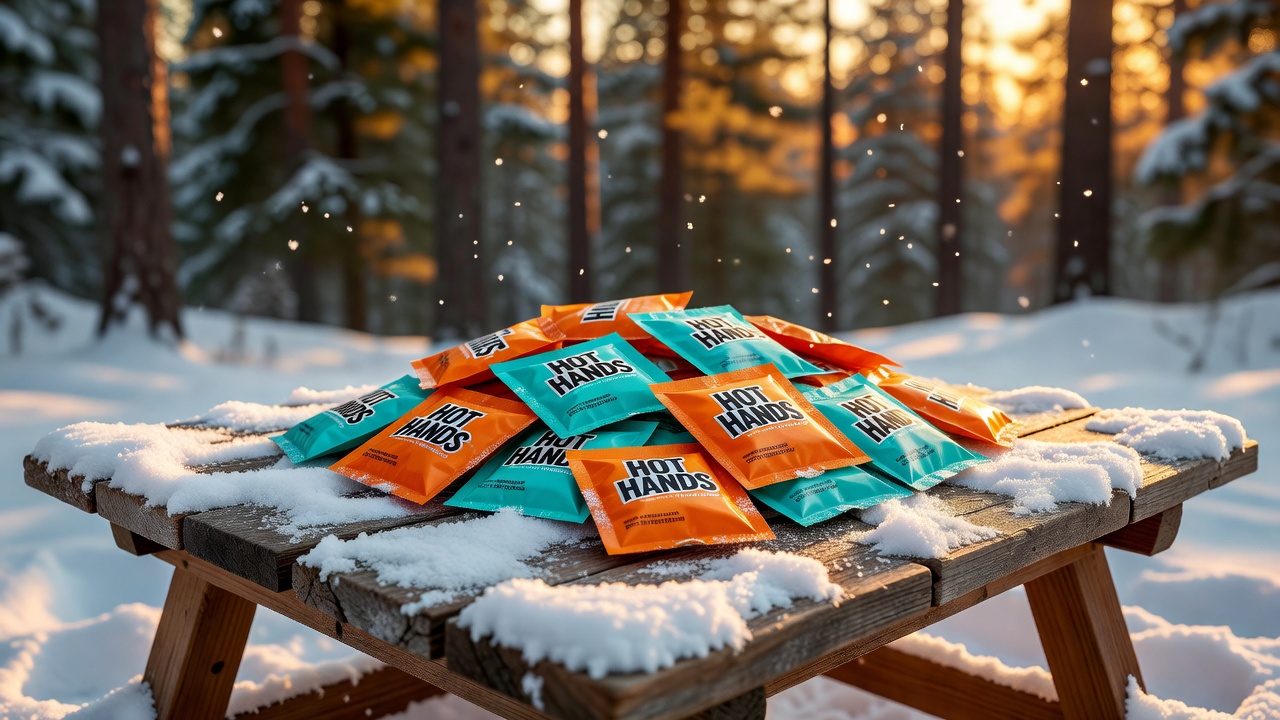
- Hand warmers — chemical warmers for gloves and boots are cheap insurance. The HotHands 40-pair bulk pack ($29.99) is the cheapest 10-hour insurance there is — one box covers the whole family all season.
- A plan for the tent — a 3-season tent works below treeline with snow stakes, but for exposed ridges and deep-snow camps you want a real 4-season tent. See our 4-season tent guide for the full breakdown.
- Tell someone your plan — winter cell service dies fast. Leave your route and return time with someone at home.
The Complete Winter Camping Packing Checklist
Print this, tape it to your gear bin, check it twice before you leave:
Clothing
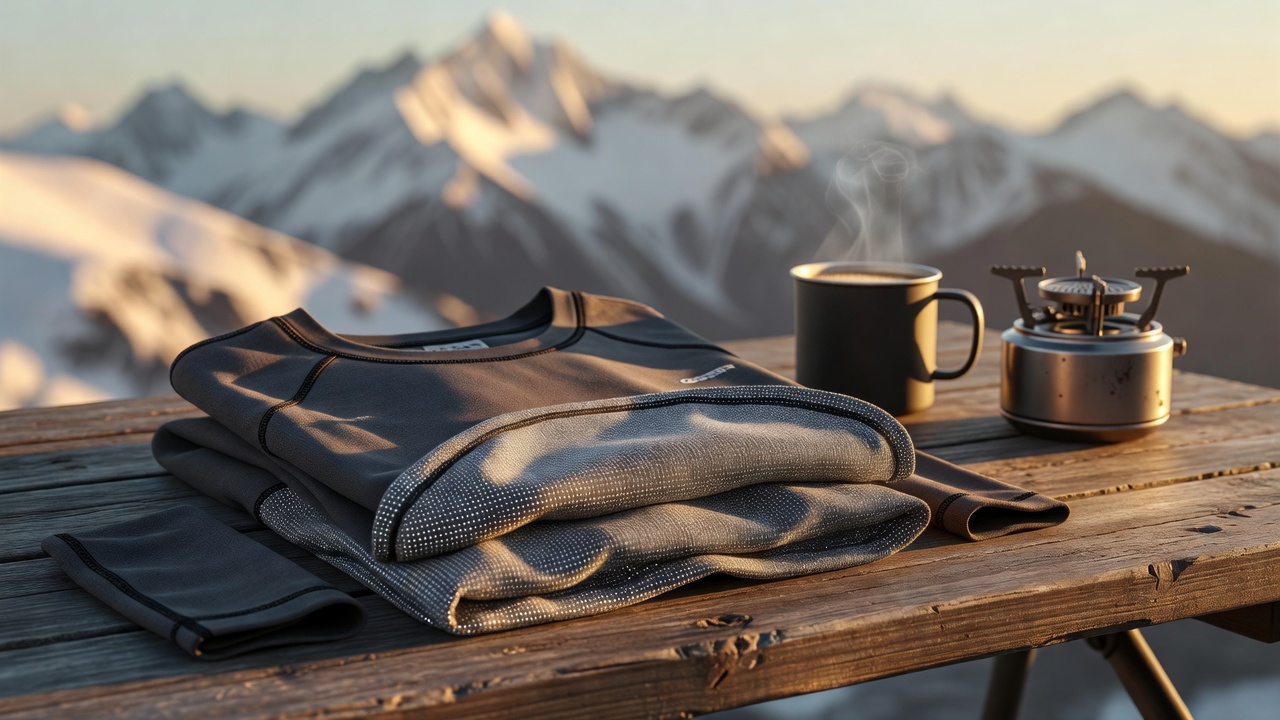
- Merino/synthetic base layer (top + bottom) — the Columbia Omni-Heat Midweight Base Layer ($49.99) is our budget pick — plus a dry sleep set. If you sleep cold and want wool you can wear two nights running, the Smartwool Women's Intraknit Thermal Max Merino Base Layer Bottom ($139, 4.6★ from 850+ buyers) is the premium version: a zoned 3D knit that puts insulation at the core and open knit behind the knees so you do not cook on the climb, and a Merino Sport blend that dries faster and resists odor better than a cheap synthetic thermal. Two honest caveats — it costs roughly triple a synthetic bottom, and merino needs gentle washing and air drying, so treat it as the one base layer you own rather than a spare.
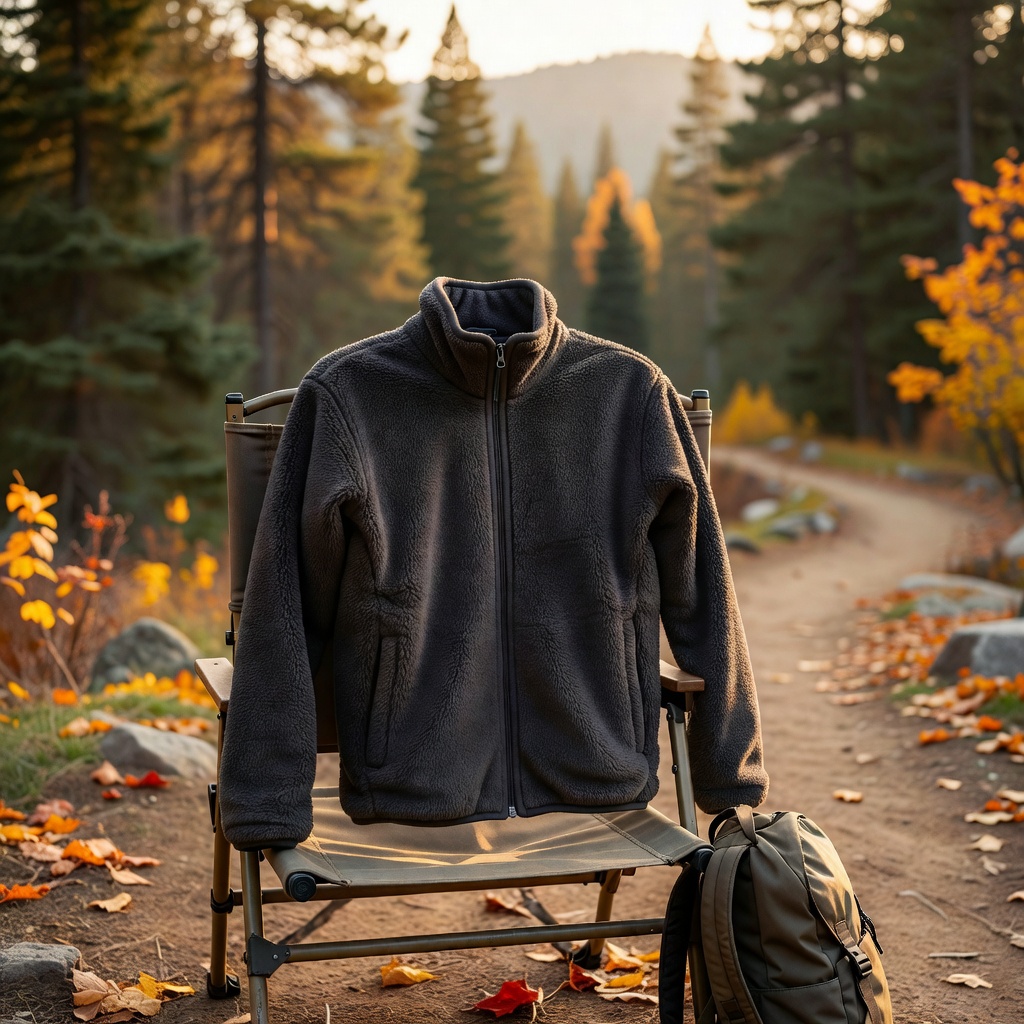
- Fleece or down mid layer — a brushed Legendary Whitetails flannel ($42.99) is the campfire version and layers well over a base layer in the 30s and 40s. When the forecast drops below freezing, the Columbia Powder Lite II Insulated Jacket ($94.91) is the synthetic mid layer that keeps insulating even if it gets damp.
- Waterproof shell jacket and pants
- Winter boots (insulated or waterproof with wool socks)
- 3+ pairs of wool socks (Darn Tough style) — the DANISH ENDURANCE thermal merino set is the affordable way to pack three pairs per person
- Insulated gloves + waterproof shell mittens — the Carhartt Waterproof Insulated Knit Cuff Glove ($32.99) for wet firewood and tent work, or the lighter TRENDOUX 3M Thinsulate Touchscreen Gloves ($19.99) as a backup pair
- Warm beanie + neck gaiter or balaclava — the Smartwool Thermal Merino Reversible Beanie ($35) is Merino 250 and stays warm when you sweat in it. For the neck, the matching Smartwool Thermal Merino Reversible Neck Gaiter ($32) is the same Merino 250 knit in a 10.25-inch reversible tube — or grab the budget Merino.tech Merino Wool Neck Gaiter ($19.99, 4.4★ from 3,100+ buyers) so there is one in every jacket.
- Sunglasses or goggles — snow glare is real
Sleep
- Sleeping bag rated 15-20°F below expected low (0°F bag for 20°F nights)
- Insulated pad (R-value 4+) plus closed-cell foam pad underneath
- Sleeping bag liner (adds warmth, protects the bag) — the Litume fleece mummy liner ($57.98) is rated to add up to 27°F, which is what turns a 20°F bag into a genuine winter bag
- Pillow or clothes-stuffed stuff sack
- Hot-water bottle (insulated bottle, not for kids under 5)
Shelter
- Tent rated for wind + snow stakes (or deadman anchors)
- Ground tarp and footprint
- Repair tape for tent pole/sleet emergencies
Kitchen
- Cold-weather-capable stove + extra fuel canisters
- Fuel stored warm (sleeping bag overnight)
- Insulated water bottles + wide-mouth Nalgene for hot water
- High-calorie food, hot drinks, pre-bed snacks
- Vacuum food jar for a hot lunch without lighting the stove — the THERMOS Stainless King Food Jar ($30.50) holds heat up to 14 hours and has a built-in bowl
Safety & Tools
- Headlamp with spare batteries (kept in inner pocket)
- First aid kit + emergency blanket + hand warmers
- Knife with fire starter
- Map, compass, and a satellite communicator for true backcountry
Kids & dogs (if along)
- Kids' bags rated below the expected low + foam pad underneath
- Dry sleep clothes and extra socks for kids
- Dog coat/booties for short-coated breeds and a sleeping pad for the dog
Winter Camping Tent: What Actually Changes Below 20°F
The tent is the second gear bottleneck after the pad, and it's where the phrase winter camping tent means something specific rather than just "the tent I own."
What matters, in order: wind resistance (a mesh-heavy summer dome turns into a sail), snow load on the roof, and ventilation. Venting sounds backwards in a cold tent, but a sealed tent is a wet tent: your breath and body put a pint or more of water into the air overnight, and in a sealed 3-season tent that condenses on the inner wall and rains on your bag at 3 a.m. Winter tents have high vents and often two doors for exactly this reason.
Cold weather camping tents vs a 3-season tent with snow stakes. If your nights are in the 20s°F and you're below treeline, a 3-season tent staked out with snow stakes and a wind-facing door is genuinely fine — that's the honest answer most gear sites won't give you because it costs them a sale. The upgrade to a real 4-season tent buys you a stronger pole set, less mesh, and a shape that sheds snow — which is what you're paying for on exposed ridges, above treeline, or in deep-snow camps where the roof load is real. Our 4-season tent guide breaks down which conditions justify which tent, and the MSR Access 2 is the reference pick when they do.
Winter camping tent with stove (hot tenting). If you've seen the wood-stove-inside-the-tent photos, that's a hot tent, and it needs one non-negotiable feature: a stove jack, the heat-resistant port in the roof or wall where the stovepipe exits. A winter camping tent with wood stove capability is a car-camping or sled-in setup — the stove and pipe together weigh more than the tent — but it turns a frozen evening into a genuinely warm one. The Naturehike Massif hot tent with stove jack ($269.00) is the affordable 2/4-person entry point into that world. One warning before you buy one: any fuel-burning heat source in a tent demands a carbon-monoxide plan — our tent heater safety guide covers the ventilation rules that keep it from becoming the last trip you take.
Feet are the most under-packed part of a winter kit. Our snow boots and winter traction guide covers kids snow boots by age, one-thumb-width sizing, waterproof shells versus rubber boots, and the traction devices that matter more than tread on ice.
Common Winter Packing Mistakes (Learn From Mine)
- Cotton anything. Cotton hoodie, cotton socks, cotton underwear — all of it. It absorbs sweat and then conducts heat away from your body. My first winter trip ended at 9 PM in a frozen cotton t-shirt.
- Trusting the bag rating. I bought a 20°F bag for a 20°F night and shivered until dawn. The rating is survival, not comfort. Buy colder than you think.
- One thin pad. I used my summer pad "plus extra blankets" and froze from the ground up. The pad is the system.
- Butane in the cold. A butane stove that sputters at 35°F ruins breakfast and morale. Check the fuel guide before you go.
- No spare batteries. Cold kills lithium fast. A dead headlamp at 6 PM on a 16-hour winter night is a genuine emergency.
Some of the coldest nights on a winter trip are desert nights, and our Camping in Arizona guide explains the elevation flip that turns a 70°F afternoon into a 35°F night. Texas winter camping is a warm-days-cold-nights problem rather than a snow problem, and the Texas guide has the region-by-region bag rating guidance.
For the destination side of the same kit, the Camping in New Mexico guide covers the parks, fees, permit systems and land-ownership rules these items are for.
Alabama is a good example of why one gear list does not fit one state — its coast and its mountains want different kits. See Camping in Alabama.
Planning the shoulder season? Camping in Louisiana explains why October through April is the only camping season that makes sense on the Gulf Coast, and what hurricane season does to the calendar.
Cold-weather hiking makes fit problems worse — a shoe that feels fine in July can be painful with a midweight sock and a swollen foot in October. Our wide-feet hiking shoe guide covers how to keep room in the toe box as your layers (and your feet) get thicker. Nights near or below freezing change what you need from a bag: the sleeping bag temperature ratings guide walks through each rating step and which bag-plus-pad pairing actually holds heat at 25F.
If winter nights are on the calendar, the surface under your bag matters as much as the bag itself. Our cot vs air mattress vs sleeping pad guide includes the R-value-to-temperature table and the two-pad stacking trick that gets you to winter warmth for less.
Packing specifically for a January trip? The Camping in January 2027 guide maps the kit to the region you're actually camping in — including why butane stoves quit in the cold while propane keeps working.
Winter Camping Tips That Actually Separate a Good Trip From a Cold One
Cold weather camping tips are mostly about sequencing - what you fix before dark, what you keep dry, and what stays on your body. These are the ones that changed my trips, plus the cold weather camping gear upgrades that earned a permanent place in the bag.
Winter Camping Tips for Beginners
If this is your first cold season, the best winter camping tip for beginners is to shrink the trip rather than the gear list: one night, a drive-in site, a forecast above 10°F, and a town within an hour. That combination removes every failure mode that actually gets people hurt, and it still feels like real winter camping.
- Fix the sleep system before anything else. Bag rated 15-20°F below the expected low, pad at R 4+, closed-cell foam underneath. A great stove cannot rescue a cold night, and a bad pad cannot be rescued by anything.
- Practice the layering system at home. Put on the base, the mid and the shell, then walk the dog for twenty minutes. You will feel immediately whether your insulation is too warm for moving and too thin for standing still - which is the exact decision the mountain asks you to make at dusk.
- Bring spares of the two things you cannot improvise: dry socks and a working headlamp. Almost everything else on this list can be borrowed from a neighbouring site.
- Do not trust a stove you have not run below 40°F. Fuel pressure drops with temperature and butane blends quit first. If your stove has only ever cooked at 70°F, it has not been tested.
Winter Camping Tips for Staying Warm: The Layering Table
Winter camping tips for staying warm always come back to one idea: warmth is a stack, not an item. The table below is the whole system, layer by layer - buy them in this order, because the base layer is not where warmth comes from, it is where dryness comes from.
| Layer | Its job | What to wear | The mistake that ruins it |
|---|---|---|---|
| Base (against skin) | Move sweat off skin so it can evaporate | Merino or synthetic, 150-250 gsm | Cotton anything - it holds sweat, then conducts heat away from you |
| Mid (insulation) | Trap the heat your body already makes | Fleece for moving, light down for standing still | Wearing the mid while hiking hard, soaking it, then freezing at the first rest stop |
| Shell (wind and water) | Stop wind stripping your warm layer away | A 2.5-layer waterproof shell that packs to fist size | Skipping it because it is not raining - wind alone destroys insulation |
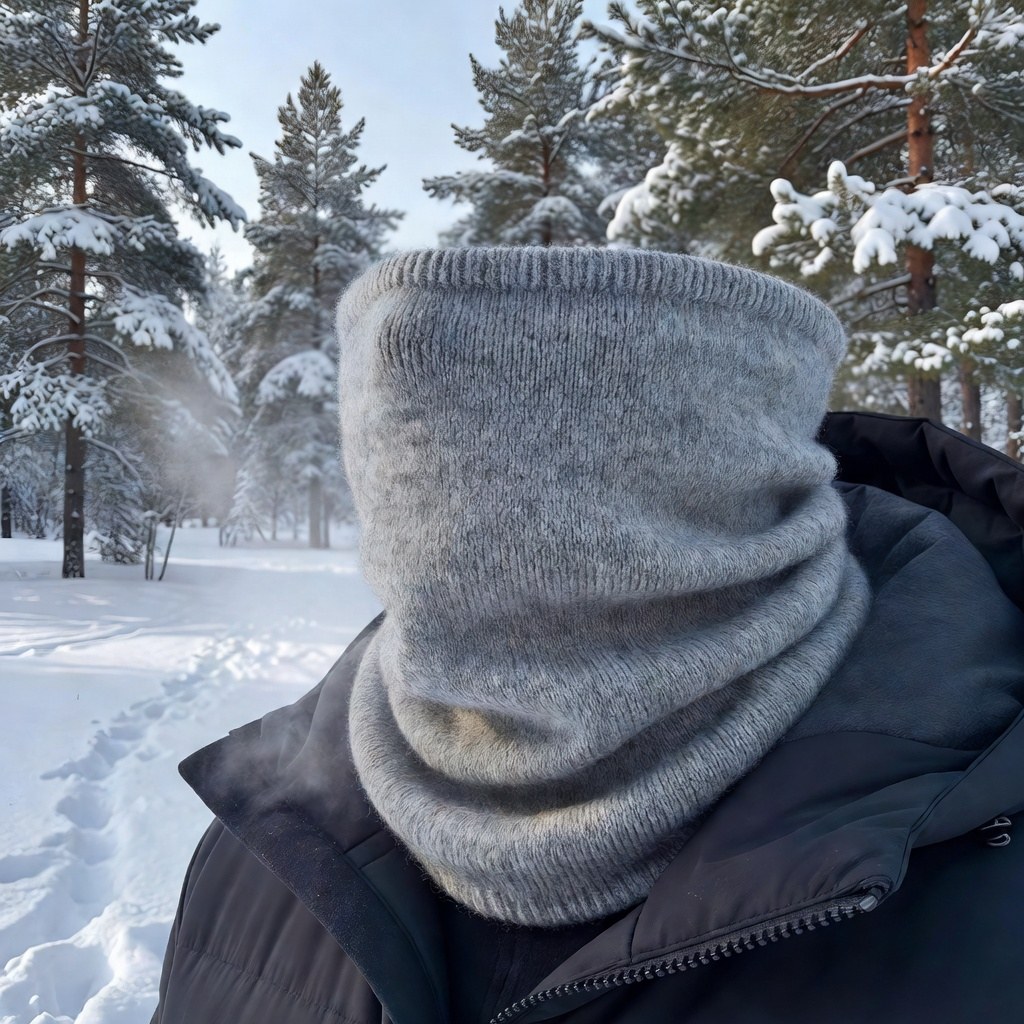
| Hands, head, neck | Cover the extremities, where heat loss feels like core heat loss | Liner gloves plus insulated gloves, a beanie, a neck gaiter | One pair of gloves and no hat; a frozen neck makes any temperature feel 10 degrees colder |
| Feet | Stay dry, three pairs deep | Midweight merino socks, three pairs minimum | Wearing the same pair two days running, then wondering why day three hurts |
Winter Camping Tips and Tricks From Cold Nights
These are the winter camping tips and tricks that came from bad nights rather than from a catalogue, and they are free:
- The hot-water bottle is the single best trick in winter camping. Boil water before bed, fill a hard bottle, seal it, and put it at your feet. It is ten hours of heat with no fuel, no flame and nothing to ventilate - and if you refill it warm in the morning you also have unfrozen water. The CIVAGO 32 oz bottle is the one I use for it.
- Sleep in tomorrow's mid-layer, not tonight's coat. Down compresses flat under you and stops insulating; a fleece worn inside the bag adds warmth and is the layer you want on at 6 AM anyway.
- Eat fat before bed. Digestion is a furnace. A spoon of peanut butter or a handful of nuts at 9 PM keeps you warm at 3 AM in a way that a carb snack does not.
- Pee before bed, every time. Warming a full bladder costs your body heat all night, and it is the only reason people leave a warm bag at 2 AM - which then costs you the night's heat again.
- Hand warmers are the cheapest tent heater there is. Two air-activated packs thrown in the foot of the bag do the same job as a heater for the twenty minutes that decide whether you sleep. A rechargeable pair covers a whole season of that same trick with no waste.
- Stake a windward snow wall. If there is snow, twenty minutes of digging beats a better tent. It also stops spindrift from burying your vestibule vents.
Winter wild camping checklist, if you are going off-grid. Everything above assumes a car or a campsite. Winter wild camping - dispersed camping on public land, no facilities, no plowed road, no help - adds three items to the list: a way to make water from snow (snow is mostly air; you need a lot of it), a satellite or personal locator device that does not depend on a phone signal, and a written plan left with somebody who will act on it. The dispersed camping guide covers the land rules, the free sites and the legal side of camping outside a campground.
Winter camping ideas if you would rather not deal with snow at all: the desert Southwest is peak season in December and January, Gulf Coast state parks stay open and mild, and a heated cabin at a state park gives you the winter light without the winter sleep system. You do not need deep snow to have a winter camping trip - you need long nights, a fire and the right layers.
Winter Camping Near Me: Which Guide to Open First
Gear is only half of winter camping — the other half is where you're standing. If your search was winter camping near me, the answer changes more by state than by any item on this list:
- Winter camping Colorado — elevation decides everything. A 60°F afternoon at 6,000 feet is a 25°F night, and a 9,000-foot camp is 15 degrees colder than the town you left. Our Camping in Colorado guide has the elevation-to-temperature math and which campgrounds stay open.
- Winter camping in Arizona — the elevation flip runs the other way: the desert floor is peak season while the rim and the high country hold snow. See Camping in Arizona for the region-by-region split.
- Winter camping near me, generically — the honest answer for a first winter trip is a drive-in campground within an hour of a town, with a heated bathroom if you can find one. Our where to camp in December guide ranks regions by how forgiving they actually are, and Camping in November is the same map one month earlier.
- Winter camping RV / winter camping in a pop-up camper — a camper solves the ground-sleep problem and creates three new ones: water lines freeze, tanks freeze, and propane consumption roughly doubles. The RV winterization checklist covers the plumbing side, and the Camping in January guide covers what actually stays open once the hard freeze arrives.
Cold weather camping with dog: dogs handle cold far better than most owners expect, with two exceptions — short-coated and senior dogs, and the ground itself. Cold weather camping with a dog is mostly a bedding problem: a raised cot or an insulated pad keeps them off frozen ground (the same rule as your sleeping pad), and a folding raised dog cot is the cheapest way to do it. For a dog that insists on sharing your bag, the Rumpl puffy blanket layered over a dog bed works as well as it does over yours.
Cold-weather camping plans live or die on whether the gate is still open, so it is worth knowing the actual dates before you pick a destination. Our when do campgrounds close for the season roundup covers every published 2026 closing date and the year-round fallbacks.
If the trip heads into canyon country instead, the Camping in Utah guide pairs the same gear decisions with 30°F desert nights and the campgrounds that stay open into November.
Our guide to camping in California applies the same cold-night logic to desert camping, where clear dry skies and 4,000-foot campgrounds drop temperatures fast after sunset — camping in California.
If your winter trip is heading to the Southeast rather than the Rockies, our North Carolina camping guide covers which campgrounds there stay open past December 1 — and what to expect at 3,000 feet versus sea level.
Planning to heat a tent with wood instead of a radiant heater? Start with the hot tent camping guide before you buy a stove.
Which parks will actually let you do it is a separate question from what to pack, and Minnesota publishes its answer directly: a named list of 26 state parks and recreation areas with winter campsites, plus which of them have electric sites, showers and firewood in the cold months.
Camping below 40°F? Start with the cold-weather dog camping guide — insulation, paw protection and the heater-plus-CO-detector rules.
For the states where the fall window runs longest, see the camping guide for Arkansas.
Three questions that come right after "where," and each one has a cheap answer:
Winter camping gear rental is the step most first-timers skip: renting a rated winter bag and an insulated pad for a single trip costs less than buying the wrong one, and university outdoor programs plus the larger REI stores rent both by the weekend. Winter camping gear for sale in October is almost always last season's model at 30–40% off, which for a down bag means the identical bag in a different colorway — that window closes when the November stock arrives. And if what you want is a shortlist instead of a catalogue, the winter camping gear recommendations in this guide are the ones that survived a real sub-freezing night, so start with the sleeping pad: no bag out-performs a cold ground.
Warm-climate gear checks out differently — the Mississippi camping guide pairs each season with the insulation, bug protection and stove setup that actually fits it.
Winter Camping Gear by Trip Type and Temperature
The checklist above is ordered by gear category, which is how you pack but not how you decide. Three different trips use three different subsets of the same list: a first-timer at a drive-in site, a family loading the car, and a hiker who is moving all day. This section sorts the same gear by the questions people actually type.
Best Cold Weather Camping Gear: The Four Items That Decide a Sub-Freezing Night
Four pieces do most of the work. Everything else is comfort.
- The pad, not the bag, is the first purchase. Ground conducts heat away far faster than cold air does, which is why a $300 bag on an R-2 pad sleeps colder than a $120 bag on an R-4.4 pad. The Klymit Insulated Static V is the value answer at R-4.4. If you already own a summer air pad, put a Therm-a-Rest Z Lite Sol (R-2.6) underneath it: stacked, the pair clears R-5 for about $55.
- The bag, rated against the right number. Buy 15-20 F below the coldest night you expect, and read the comfort rating rather than the "extreme" figure printed in the smallest type. A TETON Sports Celsius 0 F is the car-camping version of that math.
- The shell. Wind strips heat faster than still cold air, and a wet shell is worse than no shell. A packable waterproof layer like the Outdoor Research Helium goes over the insulation, never under it.
- A dry sleep layer, packed separately. The base layer you cooked dinner in holds moisture you cannot feel until 2 a.m. One dedicated dry set is the cheapest warmth in winter camping.
If the budget only covers part of that list, buy in exactly that order.
Best Winter Camping Gear for Beginners: A Starter Kit That Beats One Hotel Weekend
You do not need a four-season tent, a hot-tent stove, or an expedition parka for a first cold trip. The camping winter gear for beginners is a short list, and there is an order to buying it:
- Insulation under you - a pad at R-4 or better, or a foam mat stacked under whatever you own.
- A bag rated for the forecast, minus the 15-20 F margin.
- A wool or synthetic base layer - the Columbia Omni-Heat midweight is the budget pick, and cotton is the one fabric to leave at home.
- A headlamp with spare lithium batteries - the Black Diamond Spot 400 takes AAA lithiums, which hold voltage in the cold where alkalines fade.
- Cheap insurance - a foam sit pad, a fleece liner, and a box of hand warmers.
Skip on trip one: the four-season tent, the wood stove, down booties, and anything rated for -20 F. Pick a drive-in site, a forecast that stays above 20 F, and one night. If you are unsure about the bag, rent a rated one for a weekend - it costs less than buying the wrong one. The winter camping for beginners guide covers the site-selection half of that first trip.
Car Camping Gear Checklist: What the Car Lets You Bring
Car camping changes the gear math in both directions. You can bring the heavy, comfortable version of everything: cast iron, a 20 lb tank and hose instead of canisters, a real cooler, spare blankets, a full-size pillow, and hot food that stayed hot in a 24 oz vacuum food jar. What the car adds is two problems of its own:
- The battery. A lead-acid battery loses a large share of its cranking power near 0 F. Carry a jump starter, do not leave the hatch open for an hour while you unpack, and never plan to "just idle it for heat" in a buried car - exhaust under snow is how people die in parking lots.
- The moisture. Cooking and breathing in a sealed vehicle puts a surprising amount of water in the air, and it condenses on the coldest surface, which is the glass. Crack a window even at 20 F and vent while you cook.
Two habits that matter more in a car than in a tent: keep drinking water in the cab rather than the trunk so it does not freeze solid, and if you sleep in the vehicle, crack a window and keep any fuel-burning heater outside it, with a CO detector in the cab.
What to Wear Winter Hiking: The Moving Kit Is Not the Standing-Still Kit
Hiking and camping use the same layers in different amounts, and the difference is metabolic. You generate heat moving; you generate almost none sitting in camp. Use the moving column on the trail, then add the camp column the moment you stop.
- 40s F - base layer plus a light fleece; shell in the pack. Camp: add a synthetic puffy.
- 30s F - base, midweight fleece, shell on; light gloves and a beanie. Camp: add the puffy and a second hat.
- 20s F - base, heavy fleece, shell, insulated gloves, neck gaiter. Camp: down puffy, thick socks, sit pad.
- 10s F - base, fleece, synthetic puffy, hardshell, balaclava, insulated boots. Camp: down parka and mittens over liners.
- Below 10 F - add vapor-barrier socks and mittens, cover every inch of skin, and shorten the plan.
The single rule that beats the table: start cold and arrive warm. If you are comfortable in the parking lot you will be soaked twenty minutes up the trail, and wet is the real enemy, not cold. The winter hiking guide goes deeper on the moving kit, and the camping heater safety guide covers what happens when you try to fix a cold camp with a heater instead of a layer.
Clothing for Extreme Cold Weather Camping (Below 10 F)
Below roughly 10 F the rules change from "add a layer" to "protect the extremities and keep the insulation dry". This is also where the gap between camping and cold weather gear you already own becomes obvious: the summer kit has no answer for hands, feet, or a frozen face, and no amount of layering at the core fixes fingers.
- Vapor-barrier socks and liners stop sweat from soaking the insulation of your boot. Counterintuitive, but a vapor barrier keeps the insulating layer dry from the inside.
- Mittens beat gloves at every temperature, because fingers share heat. Wear thin liners inside them so you can still work a zipper.
- Down loses its loft when wet; synthetic keeps some. For wet-cold climates, a synthetic puffy under the shell is the safer choice. For dry cold, down wins on warmth per ounce.
- Two hats, one dry. A dry base layer and dry socks at bedtime do more than an extra blanket.
- Dry your boot liners inside the bag, not next to the fire - radiant heat cooks liners and glue.
- Know the stop signal. Uncontrollable shivering that stops is not improvement, and fumbling with zippers or confused conversation are hypothermia signs. Get the person into a bag, into dry layers, and into warm sweet liquids. Alcohol is the opposite of a fix.
Winter Camping Essentials Checklist: The Ten-Minute Pre-Trip Audit
The night before, run these ten lines. If any one is a no, that is the trip. Most camping winter gear tips you read are really about the pack; the ten that decide the night are the ones below.
- Forecast at your elevation, not the town's.
- Pad at R-4 or better, with a foam layer underneath.
- Bag rated at least 15 F below the forecast low.
- Dry sleep clothes packed separately from the day layers.
- Stove fuel that works in the cold, plus one spare canister.
- Headlamp tested, with lithium spares kept in an inner pocket.
- Two independent ways to start a fire.
- Water plan: about a gallon per person per day, in an insulated bottle.
- Emergency blanket, first aid kit, and hand warmers.
- Someone at home knows your site and your return time.
Spring trips and cold snaps use the same audit. If you are still deciding whether this is the year to try it, the November camping guide is the softer on-ramp: colder nights, but every campground still open and no snow load to think about.
If the winter trip is in Indiana, the Indiana November camping guide covers the state's two deer-hunt closure windows and which campgrounds actually keep a heated bathroom all winter.
Cold Weather Camping Gear: The Same List in the Words People Search
None of the gear changes when you call it "cold weather camping gear" instead of "winter camping gear" - only the shopping list you land on does. This is the same kit, sorted by the way the question usually gets typed.
| Question, as people type it | The answer |
|---|---|
| camping gear for cold weather | Four items decide the night: an insulated pad (R-4 or better), a bag rated ~20F below your forecast low, a windproof shell, and a dry sleep layer. Everything else is comfort. |
| best camping gear for cold weather | Best value first: an insulated sleeping pad, then a 0F bag, then a shell. A four-season tent is the last upgrade, not the first - see the sleep system above. |
| camping supplies for cold weather | Consumables are the part most lists miss: extra fuel (cold canisters lose pressure below 20F), hand warmers, a full water container kept inside the bag, and a backup lighter. |
| cold camping gear | Cold camping is 20-35F shoulder season. You need insulation under you and wind protection over you - not expedition gear. A 20F bag and an R-4 pad cover it. |
| cold camping gear list | The printable checklist above is the list. Print it, then cross off anything you cannot explain the failure mode for. |
| camping in cold weather gear | Layering beats thickness: merino base layer, fleece mid, windproof shell. Add or shed a layer per 15F of activity change. |
| cold winter camping gear | Deep winter (0-20F) adds three things: a stove that runs on white gas or an inverted canister, a pee bottle, and a bail-out plan. |
| camping gear for extreme cold weather | Below 0F the gear stops being camping gear: expedition bag, double pad, liquid-fuel stove, and no cotton anywhere. Budget doubles. |
| cold weather camping gear list | Same list, cold-weather column: pad R-4+, bag 0F, shell, insulated boots, wool socks, warm hat, gloves, headlamp with lithium batteries. |
| cold weather camping gear checklist | Use the ten-minute pre-trip audit above in the week before the trip, and the full checklist the morning you pack. |
| cold winter camping gear for the family car | Keep a wool blanket, a shovel, and a boot dryer in the vehicle - the drive is the part of winter camping people underestimate. |
| outdoor gear for cold weather | Outdoor gear for cold weather is a layer problem outdoors and an insulation problem at night. Solve the night first; it is where trips fail. |
Cold Weather Camping Clothes, Pants, and Hiking Gear
Camp clothing and hiking clothing are two different kits, because you are producing heat in one and sitting still in the other. The clothing section above is the camp kit; this is the moving version.
| Question, as people type it | The answer |
|---|---|
| camping clothes for cold weather | Merino base layer, fleece or grid mid, windproof shell, wool socks, warm hat, gloves with a liner. No cotton against the skin, ever. |
| camping pants for cold weather | Fleece-lined softshell or wool-blend hiking pants. Avoid rain pants as your only layer - they trap sweat and you get cold from the inside. |
| cold weather hiking gear | The moving kit: breathable shell, one less layer than you would wear standing still, and a dry base layer waiting at camp. |
| cold weather hiking gear list | Shell, insulating mid, base layer, wool socks, insulated boots, gloves, beanie, headlamp, water that will not freeze (insulated bottle, carried inside the pack). |
| cold weather hiking gear women | Same list, different fit priorities: a longer shell that stays over the hips, women's-specific pack straps, and a warmer hat that clears a ponytail. |
| hiking gear for cold weather | Add traction before you add insulation - ice cleats cost less than a hospital visit and turn a sketchy trail into a normal one. |
| hiking gear for colder weather | Below 20F, swap the trail runners for insulated waterproof boots and carry the puffy in the pack, not strapped outside it. |
Cold Weather Tents, Bags, Quilts, and Blankets (Including Sub-Zero)
| Question, as people type it | The answer |
|---|---|
| camping tents for cold weather | A three-season double-wall tent plus a full-coverage pitch handles most 20F nights. A true four-season tent is for wind and snow load, not for warmth - warmth comes from the pad and bag. |
| snow camping gear | Snow adds three needs: a shovel to build walls and a flat platform, stakes that hold in snow (or deadman anchors), and a pad rated well above what you would use on dirt. |
| sub zero camping | Sub-zero camping is a different sport: liquid-fuel stove, expedition bag, double pad, no exposed skin, and a plan for water freezing solid overnight. |
| sub zero camping gear | Read the temperature band above - at 0F and below, every item has to have a rated number attached to it. |
| sub zero camping tents | A four-season or hot tent with a stove jack. Condensation control matters as much as warmth: vent, and keep the door fabric off the sleeping bags. |
| sub zero camping bag | A -20F or lower rated bag, or a 0F bag plus a liner plus a quilt. Rated numbers are survival numbers, not comfort numbers. |
| sub zero camping quilt | A quilt over a bag is the cheapest warmth upgrade there is - an underquilt for hammocks, an over-quilt for ground sleepers. |
| sub zero camping blanket | Wool or a synthetic puffy blanket as the camp blanket; keep it dry and it doubles as an emergency layer. |
| below zero camping | Below zero, moisture is the enemy: change out of the day's base layer before bed, and sleep with your water bottle and your phone. |
| below zero camping blanket | Wool beats synthetic for a camp blanket below zero - it still insulates when damp, and it does not melt near a stove or fire. |
| below zero camping gear | Add a stove that will actually run, a boot drying plan, and a hard turnaround time. See the temperature bands above. |
| cold weather camping food ideas | Hot, wet, one-pot food: chili, stews, pasta, oatmeal, and anything you can eat with gloves on. The winter food guide covers what freezes and what does not. |
Cold Weather Camping Gear for Kids and Dogs
| Question, as people type it | The answer |
|---|---|
| cold weather camping gear for kids | A kid-specific bag rated for the low (not an adult bag they swim in), a pad with real R-value, a one-piece waterproof suit for slush, and a dry set of clothes sealed in a bag. Kids lose heat faster and complain later, so over-insulate the sleep system. |
| cold weather camping gear for dogs | An insulated dog jacket for short-coated breeds, a raised bed with a pad off the ground, booties for ice and road salt, and a towel-dry before the tent. Dogs handle cold better than wet. |
Two companion pages go deeper on the parts this list only flags: winter camping with kids for the kid-sized sleep system, and camping with dogs in cold weather for paw protection, jacket fit, and the breeds that should stay home. If the trip is a snow trip rather than a cold-weather one, the snow camping guide covers snow anchors, wall building, and meltwater management.
Gear worth pricing before you go: a Klymit Insulated Static V sleeping pad is the cheapest honest R-4.4 pad in this catalog, a TETON Sports Celsius 0F bag is the budget 0F entry point, a Rumpl Original Puffy blanket doubles as the camp blanket and an extra quilt layer, and ICETRAX V3 ice cleats are the traction answer for a frozen trailhead.
FAQ
What temperature sleeping bag do I need for winter camping?
Take the coldest temperature you expect, then subtract 15-20°F. Expecting 25°F nights? Buy a 0°F bag. Expecting 10°F? Look at a -20°F bag or a 0°F bag plus liner and insulated clothing to sleep in.
Can I use a 3-season tent for winter camping?
Yes, for most below-treeline winter camping. A 3-season tent with snow stakes, a wind-facing door, and a snow wall works fine in calm to moderate conditions. Exposed ridges, above-treeline sites, and deep snow call for a 4-season tent — see our 4-season tent buying guide.
How do I stay warm at night while winter camping?
It's a stack, not a single item: insulated pad (R 4+) under you, a bag rated well below the low, dry wool sleep clothes, a hot-water bottle at your feet, and a hat. Eat a high-calorie snack before bed — your body needs fuel to generate heat.
Is winter camping safe for beginners?
Yes, with preparation. Start with a car-camping site near civilization, a forecast above 10°F, and no big hikes planned. The full safety and technique walkthrough is in our winter camping for beginners guide.
What's the difference between fall and winter camping gear?
Temperature. Fall gear (down to about 32°F) is covered in our fall camping gear checklist. Winter adds: a colder-rated bag, an insulated pad, a real shell layer, cold-weather stove fuel, and winter safety gear. If you're new, do a fall trip first — it's the perfect rehearsal for the real freeze. For the tent-level warmth tactics — R-value math, bag liners, ventilation and safe heat — see how to stay warm camping.
What should be on a winter camping checklist?
Six categories, nothing more: the sleep system (bag rated 15-20°F below the expected low, pad at R 4+ with closed-cell foam underneath, liner, dry sleep clothes), the layer system (wool or synthetic base, fleece or down mid, windproof shell, insulated boots, three pairs of wool socks, gloves, hat, neck gaiter), kitchen (cold-weather stove, fuel stored warm, insulated bottle, calorie-dense food), light and power (headlamp with spares kept in an inner pocket), safety (first aid, emergency blanket, hand warmers, knife with a fire starter, map and compass), and the kids-and-dogs block if you're not traveling alone. The printable version is above, in "The Complete Winter Camping Packing Checklist."
Do I need a special tent for winter camping?
Usually not. A 3-season tent with snow stakes and a wind-facing door handles most below-treeline winter nights in the 20s°F. You need a 4-season tent for exposed ridges, above-treeline sites, or deep snow where snow load on the roof is the real risk. What you do need regardless is ventilation — condensation, not cold, is what makes most winter tents wet inside. If you want heat in the tent, that's a hot tent with a stove jack, which is genuinely a different piece of gear.
Either way, the moisture problem doesn't go away in January — it gets worse as the temperature gap between your breath and the fly grows. Tent condensation covers how to stop it without sealing the tent up, which is the mistake that turns a cold night into a soaked bag.
What clothes do I need for winter camping?
Three layers, no cotton, and one dry set reserved for sleeping. Base layer in merino or synthetic (moisture moves off your skin), mid layer in fleece or synthetic-insulated down (holds heat even if damp), and a windproof-waterproof shell over the top (6-8 oz is plenty for a packable one). Add insulated boots with room for a midweight wool sock, three or more pairs of wool socks, insulated gloves plus a waterproof mitt shell, a Merino beanie, and a neck gaiter. Sleep in the dry set only — the clothes you hiked in carry moisture and will chill you in the bag.
Can you winter camp in an RV or a pop-up camper?
Yes, and it solves the hardest problem (sleeping off frozen ground) while creating three new ones: fresh water lines and tanks freeze, propane consumption roughly doubles, and condensation inside the camper can be worse than in a tent because there's more warm, wet air in a sealed shell. Winterize the plumbing, plan on refilling propane twice as often as you'd expect, and vent while you cook and sleep. Our where to camp in December guide covers which campgrounds keep water and hookups open into the cold months.
Where can I go winter camping near me?
Start with a drive-in campground within an hour of a town — the goal on a first winter trip is a short retreat path, not remoteness. After that, elevation matters more than latitude: desert Southwest lows are mild enough for a 20°F bag, while a mountain camp ten miles away can be 20 degrees colder. Our December camping guide ranks regions by how forgiving they are, and the state guides for Colorado and Arizona cover the two most common winter camping geographies in detail.
For the Pacific Northwest version of this packing list — rain management first, insulation second — see our Camping in Oregon guide.
If your cold-weather trip is in the Midwest, the camping in Ohio guide covers the off-peak window that makes November the cheapest camping month in the state.
Planning a trip when the ground is white? Our snow camping guide covers site selection, snow anchors, and the sleep-system math.
What to wear when camping in winter if you only own summer gear?
You can get to about 30 F with summer clothes by stacking what you have: a synthetic or wool base layer, a fleece or hoodie over it, and a rain shell on top to block wind, plus wool socks, a beanie, and gloves. What summer gear cannot fix is the ground and the bag. A pad under R-3 and a 40 F bag are the two items that turn a cold night dangerous, so put the money there before buying another jacket.
Do I need a separate winter hiking gear checklist from my camp checklist?
They share the layer system but not the load. A hiking kit is lighter and spends its weight on shell, socks, and gloves, because you are generating heat and only need to stay dry. A camp kit carries the sleep system, fuel, cook set, and light, and adds insulation for the hours when you are standing still. Use the temperature table above for the moving layers, then add the camp column when you stop.
What is the best cold weather camping gear to buy first?
The sleeping pad. It is the cheapest big jump in warmth, it works with whatever bag you already own, and it fixes the failure mode that ruins most first winter nights - sleeping on cold ground. After the pad, buy the bag rated for your forecast, then a windproof shell, then a dry sleep layer. A four-season tent is last on the list, not first.
<!-- AFFILIATE_DISCLOSURE -->For the shoulder-season picture — who closes on Oct 31, who stays open all winter, and where the rates actually drop on Nov 1 — see the Washington state camping guide.
Packing for a child changes the list: winter camping with kids covers the kid-sized sleep system, the layering rules, and the family packing list.
Cold trips change the food plan as well — what to pack and what freezes in winter camping is the companion piece to this page.
Heading north instead? The Massachusetts camping guide carries the DCR closing dates, the Cape Cod campers' reality (no national park campgrounds), and the November self-contained-only rule at Scusset.