Camping in Washington in November 2026: What's Open
Camping in Washington in November 2026: state park rates drop to a flat $23 on Nov 1, which campgrounds stay open, and Rainier's Ohanapecosh closure.
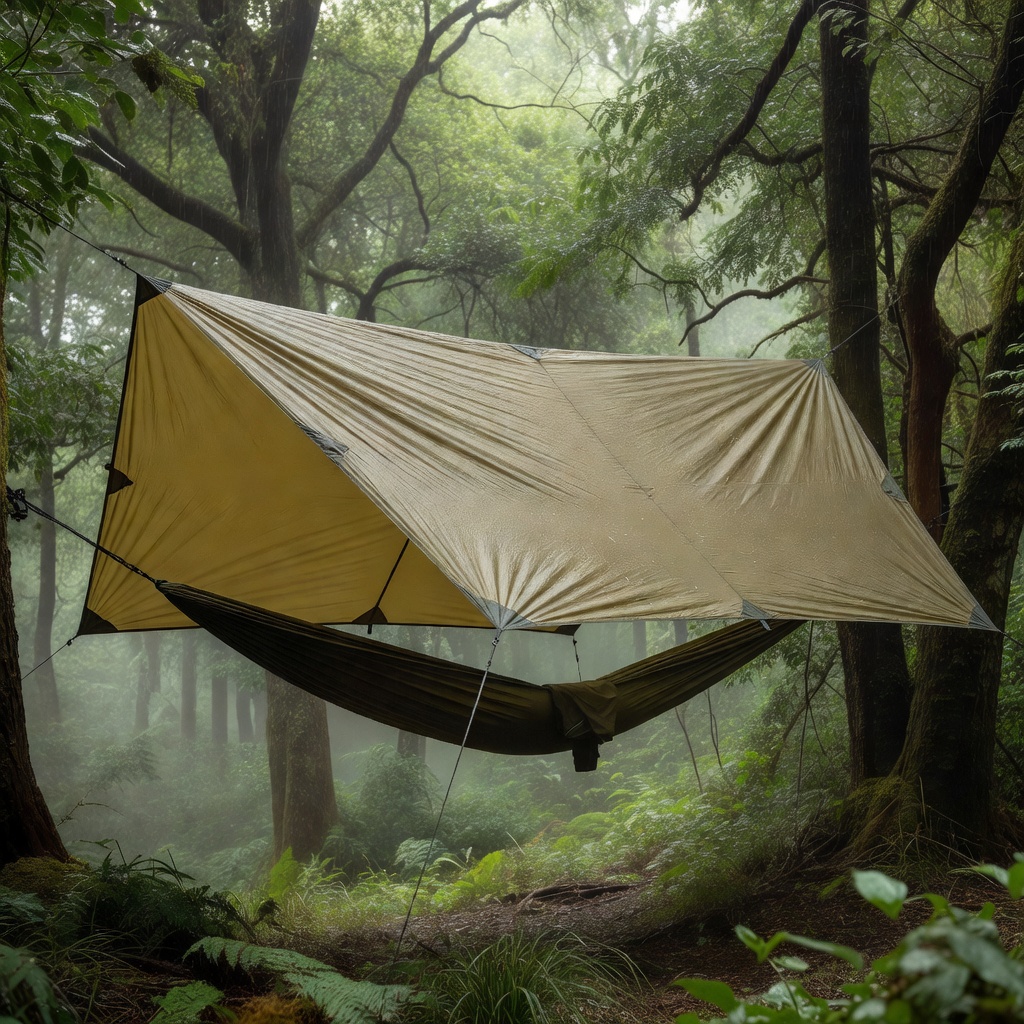 OneTigris Bulwark All-Season Camping Tarp (12.8 x 9.5 ft)$56.98
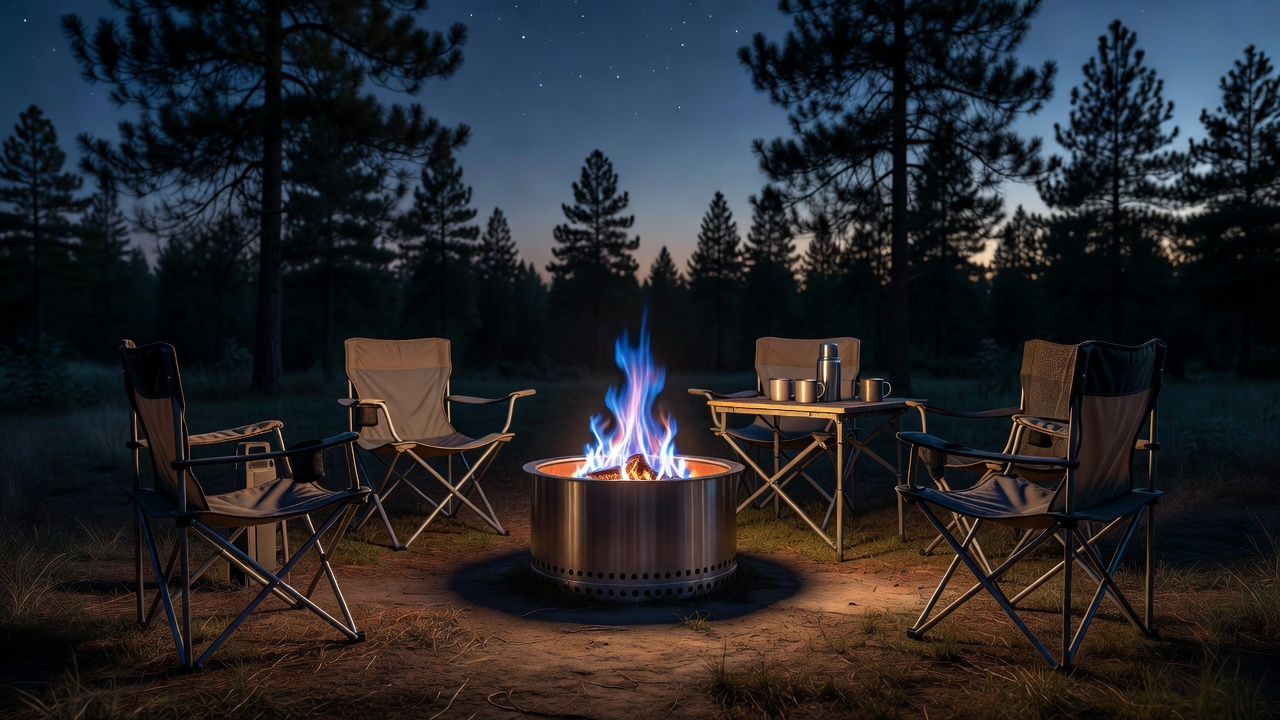 Outland Living Portable Propane Fire Pit, 19-inch, 58,000 BTU$142.64
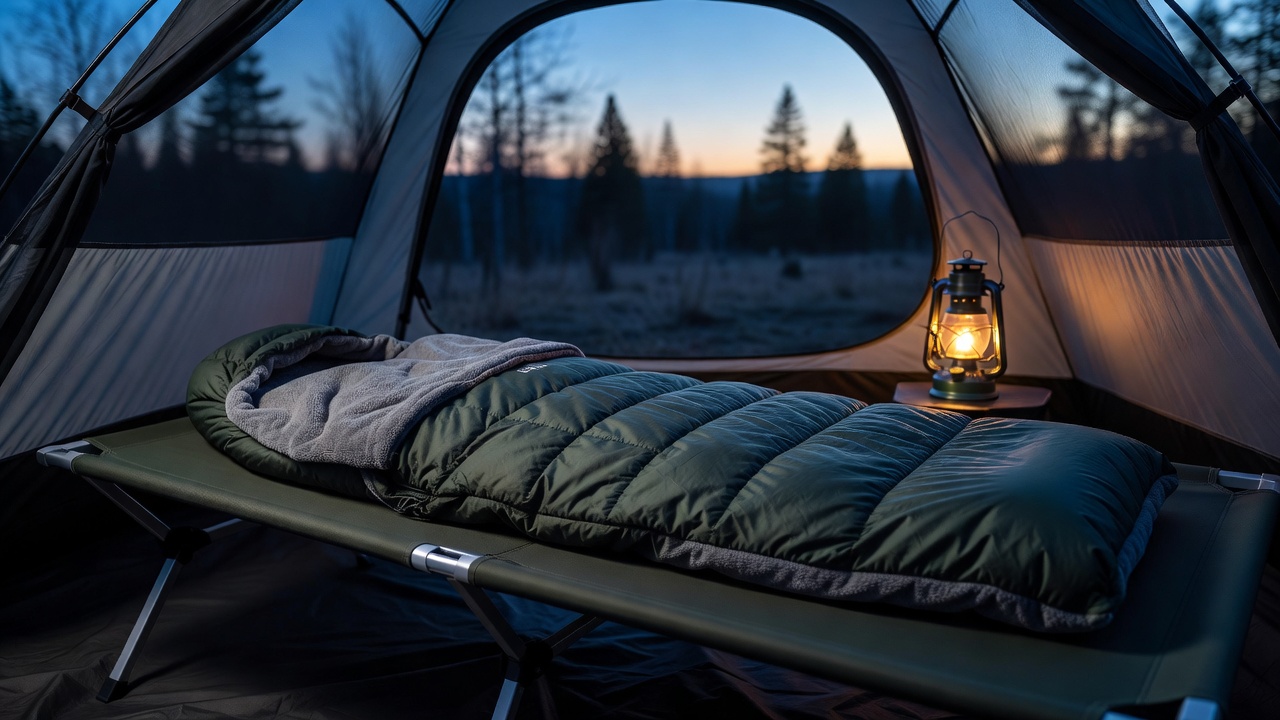 TETON Sports Celsius Regular 0 Degree Sleeping Bag$59.99
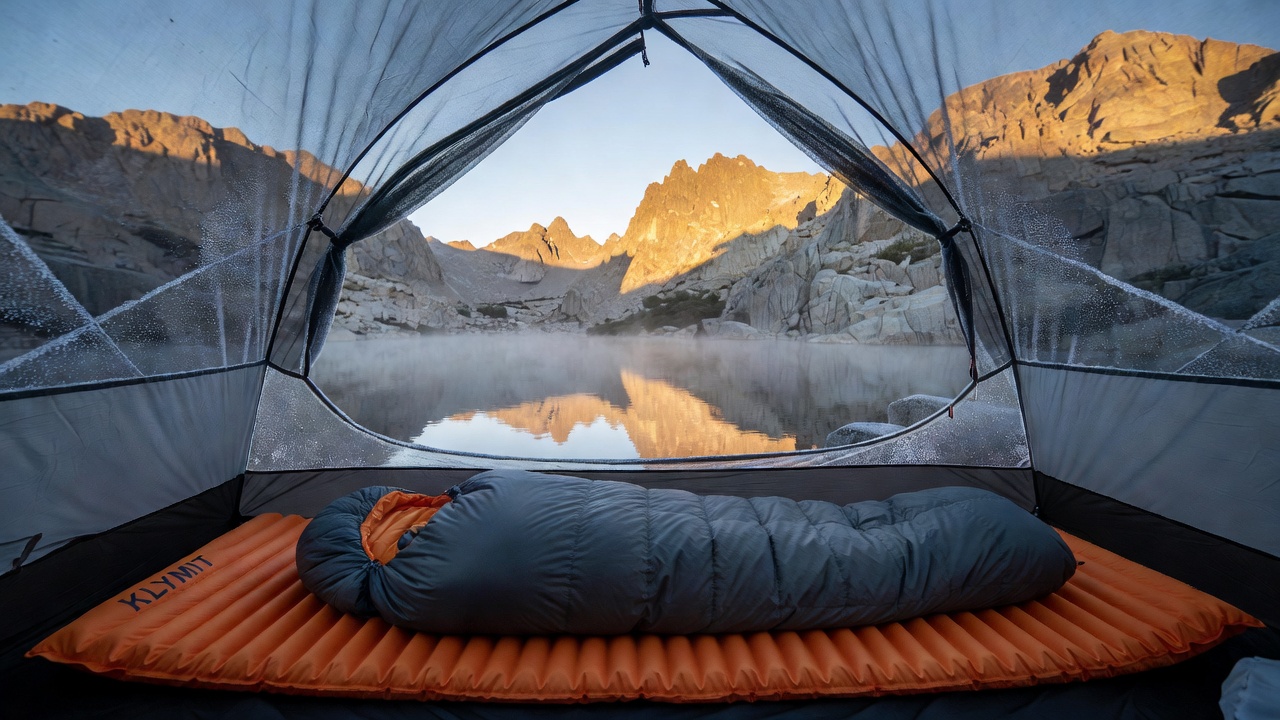 Klymit Insulated Static V Sleeping Pad$94.99
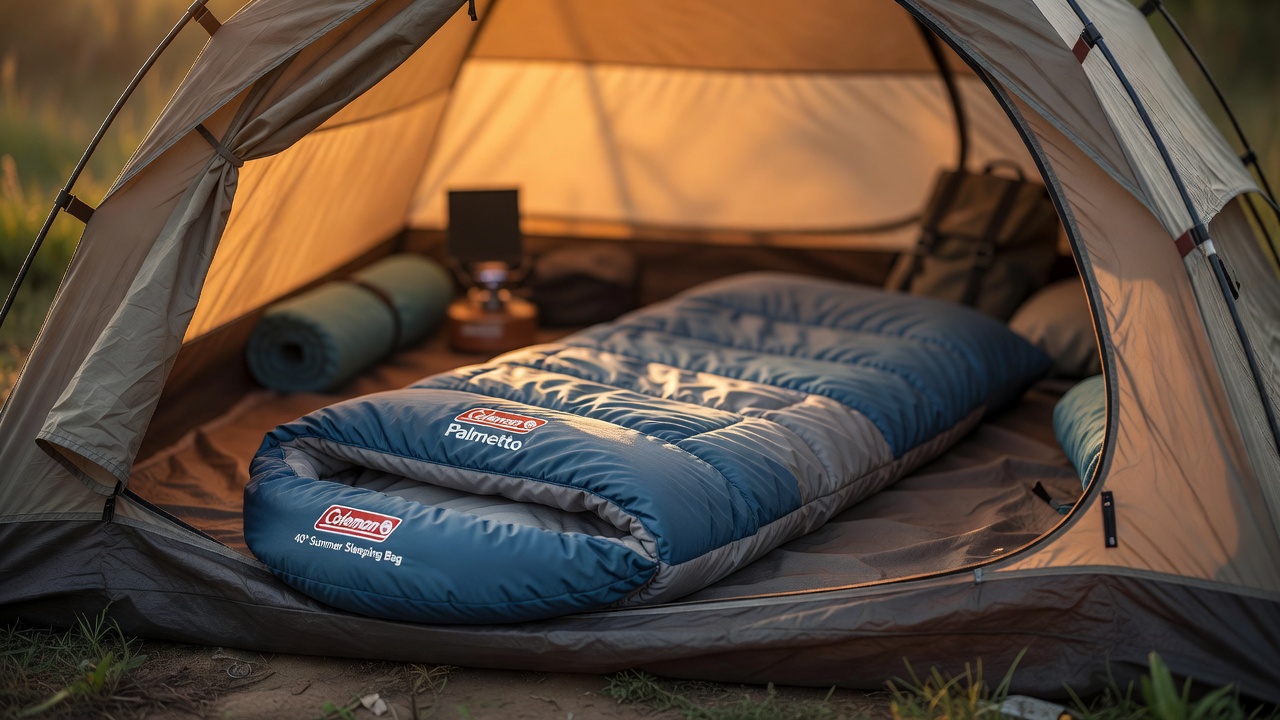 Coleman Palmetto 40 Degree Cool-Weather Sleeping Bag$44.99
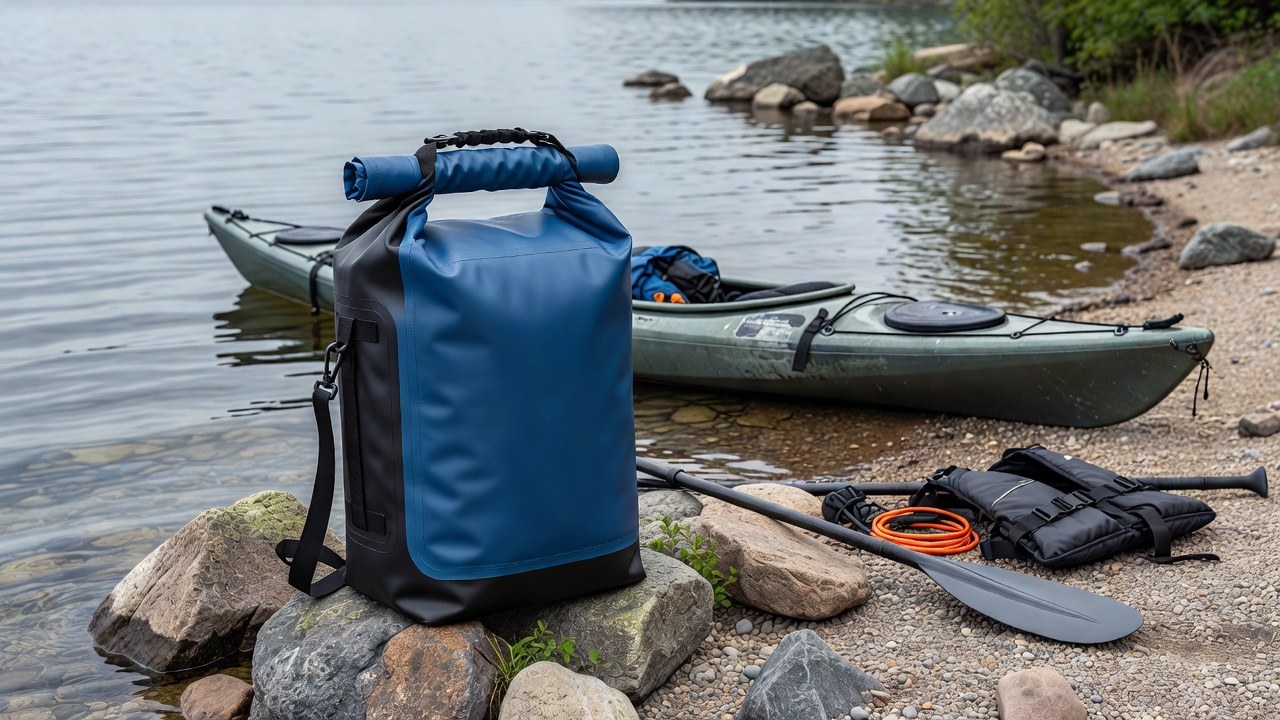 Earth Pak Waterproof Dry Bag — Roll Top Waterproof Backpack Sack$34.31
In this article · 22 sections
- Quick Answer: Can You Still Camp in Washington in October?
- What Just Changed for the 2026 Season
- Three Systems, Three Booking Portals, Zero Overlap
- The October Price Cliff Nobody Mentions: Shoulder Season Ends Oct 31
- Which Washington State Parks Are Still Open in October
- Camping in Washington State in October: What the Weather Actually Does
- Olympic National Park: The Coast That Never Closes
- Mount Rainier: Two Campgrounds, One of Them First-Come Only
- North Cascades: What's Actually Left After Sept 27
- San Juan Islands and the Marine State Parks
- Camping Near Seattle: The Honest Shortlist
- Leavenworth in October: Three Festival Weekends and the Campground Next Door
- Camping in Washington in November: The Second-Season Play
- Camping in Washington in December, January and February: The Winter Answer
- Fire Bans, Firewood and What You Can Actually Burn This Fall
- Camping With Dogs in Washington in the Fall
- Gear That Actually Matters for a Wet, Cold Washington Weekend
- Planning Shortcuts
- Where to Camp in Washington: The Two-Question Shortcut
- Questions People Type About Camping in Washington
- Washington Camping FAQ
- Bottom Line
Washington in October is the best-kept secret in American car camping, and it is also the most confusing state to book. The state parks system runs its own reservation portal. Olympic, Rainier and North Cascades each run their own campground seasons on Recreation.gov. The national forests are mostly first-come. And North Cascades — the park everyone pictures when they say "camping in washington state" — closes its drive-in campgrounds in mid-September, not October.
So this is the page I wish existed: one place that answers what is still open, what it costs after October, which systems need a reservation and which you can just drive up to, and what gear actually survives a wet 40-degree night with kids and a dog.
The short version: most Washington state park campgrounds stay open into late October, the coast never really closes, the price drops on November 1 instead of the campgrounds disappearing, and the one park you cannot camp in by car anymore this year is North Cascades.
Heading east instead? Our camping in Oklahoma guide works the same ground against a different set of rules — 33 state parks on a rolling 11-month booking window, plus a federal wildlife refuge and a national recreation area that each keep their own calendar.
Quick Answer: Can You Still Camp in Washington in October?
Yes — and in most of the state it is the shoulder season, which means fewer people, better rates and some genuinely beautiful weather windows.
- Washington state parks: campgrounds generally run to Oct 31, and many stay open year-round on a partial basis. Oct 31 is also the last day of shoulder-season pricing — on Nov 1 rates drop again, not up.
- Olympic National Park: the coast campgrounds at Kalaloch, Mora and South Beach are the reliable October answer, and several rainforest sites stay open year round.
- Mount Rainier: only Cougar Rock and White River are campable this fall. Ohanapecosh is closed for all of 2026 for rehabilitation.
- North Cascades: the drive-in campgrounds along State Route 20 closed Sept 14 and Sept 27, 2026. What's left is three free, no-services campgrounds that stay open year round.
- San Juan Islands marine parks: camping continues, but docks come out of the water in late October and water systems are already off at several islands.
- Burn bans are live right now. As of late September, parks across the state sit at Burn Ban Level 2 or Level 3, which means gas and propane stoves are fine and wood fires are restricted or banned depending on the park.
The window, in one line: camping in washington in october is the last full-service month; camping in washington in november is the price cliff rather than the closure; and camping in washington in winter is the coast, the Sound, and a much shorter list everywhere else.
If you only have one weekend, drive the Olympic Peninsula — the state park camping guide and the national parks camping guide cover the reservation mechanics on both sides of that trip. If you want a reservable site with hookups, book a state park before Oct 31. If you want the emptiest campground of your life, go the week after Columbus Day.
What Just Changed for the 2026 Season
Four things shifted this month, and they change where you should point the car.
1. North Cascades drive-in campgrounds are closed for the year. The park's own camping page lists it plainly: Colonial Creek North, Colonial Creek South and loop C of Newhalem Creek closed Sept 14, 2026, and loops A and B of Newhalem Creek closed Sept 27, 2026. Campgrounds reopen each year on the Monday before Memorial Day weekend — the park already lists May 17, 2027 as the next opening. Between now and then, the only camping in the park complex is at three year-round, first-come, free sites with no water and no trash service: Goodell Creek (19 sites), Gorge Lake (8 sites), and Colonial Creek South's walk-in tent sites #64–#73.
2. Mount Rainier's Ohanapecosh is out for the whole year. The rehabilitation project runs through November 2026, so the park's biggest campground is simply gone from the menu. That leaves Cougar Rock (178 sites, $20, reservable on Recreation.gov, RV up to 35 ft) and White River (13 tent pads, primitive walk-in, first-come only).
3. There are active fires affecting Rainier access. The park's campground page notes the Sunrise Road remains closed to vehicles — open to pedestrians and cyclists only — because of the Grand Park 2 and Wonderland Complex fires. White River campground is on that side. Check the park's current-conditions page before you commit, because the "open until early October" wording on White River is explicitly weather permitting, exact date TBD.
4. Statewide burn bans are in force. Washington State Parks currently carries the same banner on every page: conditions remain dry, all parks are under a Level 2 or Level 3 Burn Ban, and you should check park alerts before lighting anything. The levels matter, so here they are in plain English:
- Level 1 — wood fires allowed, but only in designated fire rings.
- Level 2 — wood fires restricted to fire pits in designated areas; gas and propane allowed; charcoal may be restricted.
- Level 3 — no charcoal, no wood at all; self-contained gas/propane camping stoves and portable propane fire pits are still allowed.
- Level 4 — no open flames of any kind; internal RV stoves only, no smoking, and trails may be closed to entry.
Most parks are at Level 2. A few, including Alta Lake, Beebe Bridge, Bridgeport and Anderson Lake, are at Level 3, and Brooks Memorial is at Level 4. One park-level closure is worth noting for fall travelers: Anderson Lake State Park is closed for construction from Aug 3 through Oct 30, 2026 — entrance road, restrooms, equestrian area and a new Olympic Discovery Trail extension.
That set of facts is why the gear section of this page leads with a propane fire pit and a dual-fuel stove rather than marshmallow sticks. If you are going to burn anything in a Level 3 park, the cold-weather and high-altitude stove guide is the companion read, and the propane versus butane versus isobutane fuel guide settles which canister to carry. In a Level 3 park, a portable propane fire pit is the difference between a campfire evening and no campfire evening.
Three Systems, Three Booking Portals, Zero Overlap
This is the part that trips up out-of-state visitors. Camping in Washington state means dealing with at least three completely separate reservation worlds.
Washington State Parks — one portal: washington.goingtocamp.com, one phone line: (888) 226-7688 ("(888) CAMPOUT"). This covers campsites, yurts, cabins, vacation houses, group camps and most day-use facilities. Most parks take reservations; walk-ups are welcome when space exists, but the state says reservations are recommended. A handful of facilities are off-system entirely — group facilities at Cama Beach, for example, are booked by calling (360) 387-1550.
National Park Service — Recreation.gov, per park. Olympic's bookable campgrounds (Fairholme, Mora, Staircase, Hoh, Kalaloch, Sol Duc) use it. So does Cougar Rock at Mount Rainier. North Cascades used it until the reservation season ended Sept 7, 2026.
- Camping in washington national parks is therefore a two-step process: find the campground on the park's page, then find the same campground on Recreation.gov. They are not the same information.
National forests and DNR land — mostly first-come, mostly cheap, with a Discover Pass requirement for parking. The Motor Vehicle Use Map for each ranger district is the governing document for where you can legally camp.
If you searched washington state camping reservations and ended up confused by three different websites, that is not you — that is the actual structure of the state.
The October Price Cliff Nobody Mentions: Shoulder Season Ends Oct 31
Here is the single most useful money fact on this page. Washington State Parks prices campsites in three seasons, and the middle one ends on Halloween.
| Site type | Peak (May 15 – Sept 15) | Shoulder (Apr 1 – May 14 and Sept 16 – Oct 31) | Winter (Nov – Mar) |
|---|---|---|---|
| Primitive / water-trail | $12 | $12 | $12 |
| Standard | $31 – $43 | $23 – $35 | $23 |
| Partial utility | $41 – $51 | $35 – $46 | $35 |
| Full utility | $46 – $56 | $41 – $51 | $41 |
Read the middle column again. A standard site that cost $31–$43 in August costs $23–$35 in October, and drops to a flat $23 in November. A partial-hookup site falls from $41–$51 to $35–$46 and then to $35. The four coastal and Sound parks where shoulder-season pricing extends straight through winter — Cape Disappointment, Grayland Beach, Pacific Beach and Fort Worden — are the winter bargain of the entire state.
On top of the site fee, budget these, all from the state's own fee page:
- Reservation fee: $8 online, $10 by phone. Non-refundable, charged per reservation.
- Non-resident fee: $15 per reservation on top, for anyone who does not live in Washington.
- Change or cancel: $8 online / $10 by phone. Reservation dates can be extended without a change fee.
- Extra vehicle: $10 per night. Campers are asked to leave extra cars at home — not every site can take one.
- Day-use parking: the Discover Pass, $45 annual or $10 daily. If you are camping in that park, you do not need one — but you do need one if you drive to any other state park, or to DNR or Fish & Wildlife land.
- Watercraft launch: $7/day with a Discover Pass. Trailer dump: $5. Overnight unattended vehicle at a trailhead: $10/night.
- No Discover Pass = $99 fine.
Washington state parks camping senior discount — the state does not run a general senior rate. What it does run is a Discount Pass for disabled veterans, foster parents, and limited-income seniors and disabled individuals who are Washington residents. Everyone else pays the table above. A permanent disability placard issued by the Department of Licensing gets you free day-use parking in state parks, which is a different benefit again.
Washington state parks camping promo code — there isn't a promo-code program. What exists instead is the state's free days calendar, and the fine print matters: free days apply to day-use parking only, and all other fees still apply. Free days do not make campsites free.
If you are keeping the family fed on a cold, wet morning, the camping breakfast ideas list assumes exactly this kind of weather, and the fuel planning guide tells you how many canisters a long weekend actually burns.
And the one rule that catches late arrivals: you are a no-show if you have not arrived by 1 p.m. the day after your scheduled arrival, and the state's wording is that you "will forfeit the cost of your entire stay." Book the night you can actually reach.
Which Washington State Parks Are Still Open in October
Washington State Parks publishes a winter schedule — a park-by-park table of campground closing dates, day-use closing dates, watercraft launch dates, and notes about which loops close. Nobody else assembles this, and it is the real answer to "what is still open." Here is the practical slice of it for fall and early winter, 2026–27:
| Park | Campground | Notes that matter |
|---|---|---|
| Deception Pass | Partial, stays open | Bowman Bay and Lower Loop B closed Oct 1; Lower Loop A closed Nov 1; Forest Loop closed Nov 1. Quarry Pond is open all year for reservations. Water off mid-Nov, weather dependent. West Beach facilities close for storm season Oct 15. |
| Moran (Orcas Island) | Partial | Northend Loop closed Oct 1 – May 14; Southend Loop closed Nov 1; Midway sites 41–66 closed Oct 16. Water off Oct 31. |
| Cape Disappointment | Open year round | Campgrounds open all year with water and sewer always on. Some ocean sites closed until winter storms pass. Shoulder pricing all winter. |
| Grayland Beach | Open year round | Most sites reservable all year; a long list of sites flips to first-come Nov 1 – Apr 15 (those are the ones that flood). Office closed Nov 26, Dec 25, Jan 1. |
| Pacific Beach | Open | Sites 9–15, 21, 22 first-come Oct 1 – May 14. |
| Fort Worden | Partial | Upper Forest Loop closed Oct 31 – Mar 15. Boat launch closed indefinitely. Water off Nov 1. |
| Fort Casey | Open | Water off Nov–Mar; picnic parking and restroom closed Nov 1. |
| Fort Ebey | Closes Nov 1 | Group camp closed Nov 1 – Mar 31. |
| Fort Flagler | Partial | Upper campground closed Oct 1 – Apr 30. Docks out mid-Oct. |
| Ocean City | Partial | Loops 2 and 3 closed Oct 1 – May 14; part of Loop 1 and Loop 4 first-come from Oct 1. |
| Twin Harbors | Partial | Entire eastside loop and westside sites 232–299 closed Nov–May 31 for seasonal flooding; everything else first-come Sept 15 – May 1. |
| Bay View | Partial | Sites 39–76 closed Oct 15 – May 15. Water off Nov 1. |
| Birch Bay | Partial | Loop A closed Sept 16 – May 14; Loop B open all year. |
| Camano Island | Partial | Upper Loop closed Sept 30 – May 1; Lower Loop takes reservations all year. |
| Belfair | Partial | Tree Loop closed Sept 15 – May 15. |
| Twanoh | Partial | Upper campground closed Sept 16 – May 15. |
| Bogachiel | Partial | Sites 1–25 reservable year round; sites 32–40 closed Nov 1 – Mar 31. |
| Beacon Rock | Partial | Upper campground closed Oct 1 – Mar 31. Woodard Creek (R1–R5 full hookup, A and B) reservable year round. Equestrian first-come all year. |
| Schafer, Rasar, Millersylvania, Rainbow Falls | Mixed | Mostly first-come by mid-fall; water may be off. |
| Steamboat Rock | Partial | Sage and Cove loops closed Nov 1 – Mar 31; Dune and Bay loops first-come from Nov 1. Water off mid-Oct. |
| Sun Lakes–Dry Falls | Partial | Sites 1–31 may close Oct 31 – Mar 16, weather dependent; all camping first-come Sept 16 – Apr 14. |
| Pearrygin Lake | Closes Oct 31 | West campground closed Oct 25; east closed Oct 31. Water off mid-Oct. |
| Curlew Lake | Closes Oct 31 | Day-use closes Oct 1. |
| Columbia Hills | Closes Oct 31 | Camping first-come Sept 16 – Oct 31. |
| Alta Lake | Closes Oct 31 | Loop 1 closed Sept 30; Loop 2 closed Oct 31; Loop 3 closed Sept 10. All sites first-come Oct 1–31. |
| Twenty-Five Mile Creek | Closes Oct 31 | First-come Sept 16 – Oct 31. Boat launch depends on Lake Chelan staying above 1,092 ft. |
| Lake Wenatchee | Weather dependent | Campground closure dates are weather dependent, Oct to mid-Nov. After that, winter camping moves to a designated area in the South Park day-use area — first-come, RVs and trailers 20 ft or less and trailers unhooked, with heated restrooms and showers nearby. |
| Larrabee | Closed Sept 15 | Reopens June 15, 2027. |
| Brooks Memorial | Closed Nov 1 | Camping first-come Sept 16 – Oct 31. East-of-Hwy-97 trails stay open in winter. |
| Conconully, Beebe Bridge, Bridgeport | Closed mid-Oct | Beebe Bridge closed Oct 16 – Apr 14; Bridgeport first-come Sept 15 – Apr 30. |
| Mount Spokane | Closed Sept 15 | Summit Road closed Oct 16 – June 30; Bald Knob closed Sept 16 – June 30. |
| Fort Townsend | Closed Oct 1 | Camping first-come Sept 16–30. |
Two more current-park notes that will not appear in any brochure: Anderson Lake is closed through Oct 30 for construction (including the entrance road and restrooms), and the Beacon Rock Trail closes every Tuesday, Wednesday and Thursday from Oct 1 through the end of May for decking replacement.
Camping in Washington State in October: What the Weather Actually Does
Here is the honest season map, because "October" means three different things in this state.
Puget Sound and the islands (Deception Pass, Fort Casey, Fort Ebey, Moran, Camano, Blake, Sucia). Cool, damp, often gorgeous. Days in the 50s and low 60s, nights in the 40s, rain in the forecast more often than not. This is the easiest October trip: short drives from Seattle, campgrounds that stay open, and the marine parks emptying out.
The Pacific coast (Cape Disappointment, Grayland, Twin Harbors, Pacific Beach, Ocean City, Kalaloch, Mora, South Beach, La Push). Storm season starts now. The state literally closes some ocean-front sites "until winter storms have passed and sites are evaluated." Expect sideways rain, huge surf, and the best storm watching of the year — plus the one thing that makes the coast the safest October bet in the state: the campgrounds stay open, and at Cape Disappointment, Grayland, Pacific Beach and Fort Worden the cheaper shoulder rate stays in effect all winter.
The Cascades and eastern Washington (Lake Wenatchee, Pearrygin, Sun Lakes, Steamboat Rock, Curlew, Conconully, Mount Spokane). This is where October becomes genuinely cold. Freezing nights are normal by mid-October, most of these campgrounds shut off water in mid-October, and a whole tier of them close outright on Oct 31. If you camp here, assume 20s at night and bring the real sleeping system.
The Olympic rainforest and high country. The rainforest campgrounds — Hoh, Graves Creek, Queets, North Fork — stay open year round and are at their moodiest and most beautiful in the fall. The high ones do not: Deer Park sits at 5,400 ft on a steep winding gravel road, opens June to mid-October "dependent on road conditions and snow melt," and is not RV accessible.
For a wider look at how the season runs across the country, the fall camping gear checklist and the winter camping gear checklist bracket the shoulder you are camping in.
the olympic peninsula rule of thumb: book the coast, not the alpine. Every year, October trips to Deer Park and to the hurricane-ridge high country get turned around by early snow, and every year the Kalaloch and Mora campgrounds are open, half empty, and 50 degrees.
Olympic National Park: The Coast That Never Closes
Olympic is the reason to plan a Washington fall trip rather than a summer one. Its campgrounds stretch across four completely different ecosystems — coast, rainforest, lake and alpine — and most of them are on the same 6-month Recreation.gov pattern, with several open year round.
| Campground | Open | Reservations | Sites / fee | Notes |
|---|---|---|---|---|
| Kalaloch | Year round | Required in peak season on Recreation.gov | Coastal | The classic ocean campground; 7-day limit during the reservation window |
| Mora | Year round | Required May 15 – Sept 20, 2026; first-come outside that | 94 sites, $24; dump $10 | Two miles from Rialto Beach. 7-day limit during the reservation window |
| South Beach | May 19 – Oct 10, 2026 | First-come, self-register | 55 sites, $20 | Bluff-top ocean views. No potable water. Flush toilets not wheelchair accessible |
| Fairholme | Apr 25 – Sept 29, 2026 | Required May 15 – Sept 29 | 88 sites, $24; dump $10 | Lake Crescent. Unreserved sites can be registered in person for one night at the B Loop board |
| Sol Duc | Primitive until the road closes for winter | Required March 20 – Nov 1, 2026 | Campground 82 sites $33; RV Park $58 | Riverside old-growth. RV Park has water + electric, back-in only, 26–36 ft |
| Heart O' the Hills | Year round, walk-in during heavy snow | — | — | Old-growth forest, summer ranger programs, closest to Port Angeles |
| Hoh | Year round | Required in peak season | — | Rainforest. 7-day limit during the reservation window |
| Staircase | Seasonally | Required July 8 – Sept 29 | 49 sites, $24 | Skokomish River, old growth |
| Ozette | Year round; some sites flood in winter | First-come | 15 sites, $20 | Lakeside; primitive in winter |
| Graves Creek | Year round | First-come | 30 sites, $20 | Quinault rainforest. No running water, no RVs |
| Queets | Year round | First-come | 20 sites, $15 | Reached via Upper Queets Road only — a past mudslide rerouted access. RVs not recommended |
| North Fork | Year round | First-come | 9 sites, $20 | Remote rainforest; pit toilets, no running water |
| Deer Park | June – mid October, road dependent | First-come, self-register | 14 sites, $15 | 5,400 ft, mountain views, steep gravel road, tents only |
| Log Cabin Resort | May – October 2026 | Call 866-405-2950 | 38 sites, $25–$44 | Lake Crescent; full hookup RV sites, showers and laundry, bike-in tent sites |
Three Olympic rules that change how you plan:
Not every campground is on Recreation.gov. Fairholme, Mora and Staircase are reservable only inside their published windows and flip to first-come outside them. Any unreserved or cancelled site is sold at the campground (or, at Sol Duc, at the resort) first-come. Landing a site outside the reservation window is easier than most people think.
Stay limits differ inside one park. The park-wide rule is 14 consecutive days per year, but Kalaloch, Mora and Hoh drop to 7 days during the reservation window through peak season.
On showers — there are almost none. If you searched olympic national park camping shower, the honest answer is that the NPS campgrounds have flush toilets and potable water but no showers; Log Cabin Resort on Lake Crescent is the one on-park option with showers, and only through October.
More Olympic answers, quickly. For olympic national park camping permits, you only need a permit when you leave the developed campgrounds — front-country sites are reservations, not permits. Olympic national park camping on beach usually means the coastal strip and the Kalaloch/Mora area; overnight beach camping outside developed campgrounds in the coastal wilderness requires a wilderness permit, and the coastal strip has specific tide and headland rules. The olympic national park camping map worth downloading is the park's own area brochures — each campground page links one (Lake Crescent, Quinault, Kalaloch, Sol Duc, Staircase). For a olympic national park camping itinerary, the standard fall plan is Lake Crescent or Heart O' the Hills first, the Hoh and the rainforest middle, and the coast last — the coast is where the weather is mildest.
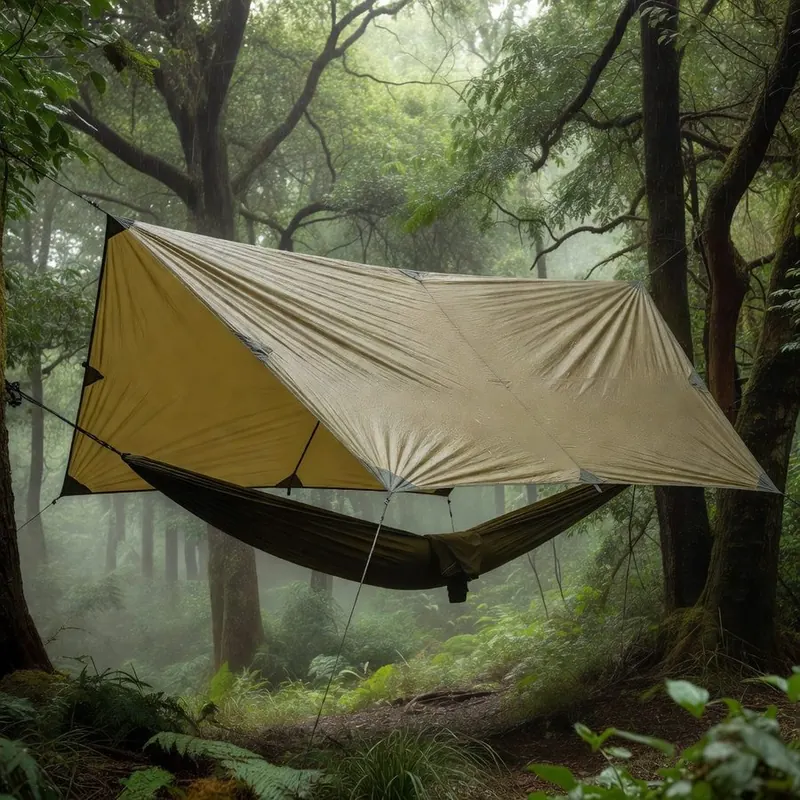
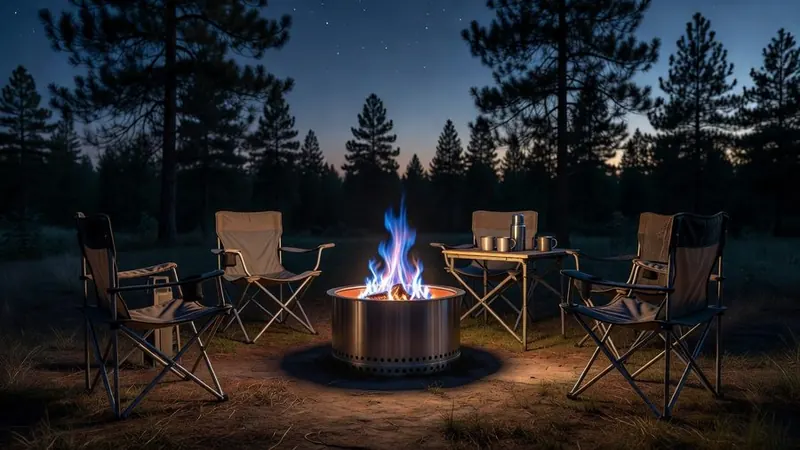
A first-aid kit belongs in the car on every one of these trips — the camping first aid checklist is short enough to actually pack. One way to make a rainforest weekend genuinely comfortable with kids: a set of camp chairs, a tarp for the sit-around area, and a propane fire pit for the evenings when a wood fire is banned or simply impossible. OneTigris Bulwark all-season tarp at $56.98 and the Outland Living portable propane fire pit at $142.64 are the two items that turn a wet 45°F evening into a good one.
Camping in Olympic National Park: October Through Winter
The coast answers the same way all year, which is why Olympic keeps surfacing in every version of this question. Whether the search was camping in olympic national park in october or camping in olympic national park in november — and the same three campgrounds do the work in march, may, june and september too — the campground set barely moves: Kalaloch, Mora and South Beach carry the calendar, with the rainforest sites (Hoh, Queets) on a shorter season.
Two phrasings of the same question are worth separating. Camping inside olympic national park is almost entirely front-country campground camping — there is no dispersed camping along the coastal strip, and the beach sites are first-come with a permit from the ranger station. Campgrounds inside olympic national park fill in the same order every year: coast first, rainforest second. If you are planning camping at olympic national park for a winter weekend, the tide tables and the water situation matter more than the temperature.
Mount Rainier: Two Campgrounds, One of Them First-Come Only
Rainier's fall camping picture is unusually simple this year, and it is worth writing down exactly.
- Cougar Rock — 178 sites, $20/night, season typically late May to early October, reservable on Recreation.gov, with first-come sites also available and paid at the campground office window. RV up to 35 ft, trailer up to 27 ft, water and RV fill station, flush toilets, dump station, fire grates. Location: the southwest section, near the Nisqually entrance.
- White River — 13 primitive walk-in tent pads, on the northeast side, first-come first-served only. You secure it with the Recreation.gov app's Scan & Pay — find an unoccupied site, then scan the QR code at the kiosk and pay when you regain signal. Cashless kiosks exist if you cannot load the app. There is no cellular service at White River, so download the app before you drive in.
- Ohanapecosh — CLOSED for 2026. The rehabilitation project runs through November 2026.
- Mowich Lake — the walk-in sites are not accessible by vehicle, pedestrian or bicycle from SR165 because the Fairfax Bridge is closed. They remain reachable on foot from the Wonderland Trail, with a wilderness permit.
So if you searched mount rainier camping reservations expecting three choices, you have two — and only one takes a reservation. The same page covers the rest of the family's questions: mount rainier campgrounds are the three auto campgrounds plus Mowich; mount rainier camping permits are the wilderness permits you need for backcountry nights (not for the drive-in sites); mount rainier camping sites range from 178-room Cougar Rock to 13 tent pads at White River; and if you were hunting mount rainier camp muir elevation, that one is not a campground at all — Camp Muir is a high camp reached on foot, which is why you will not find it on Recreation.gov.
A few Rainier-specific rules worth knowing before you pack: campsites are limited to 6 people (or one immediate family) and two tents; no sleeping in vehicles outside campgrounds; camping is capped at 14 consecutive days in a developed campground and 28 days total per calendar year; checkout is noon; and marijuana is illegal on federal land here regardless of state law, which the park states explicitly.
For a family fall weekend at Cougar Rock, the sleeping kit does the heavy lifting. TETON Sports Celsius XXL 0° sleeping bag at $89.99 and the Klymit Insulated Static V sleeping pad at $94.99 are the combination that keeps a 30-degree night from being the story of the trip; for a couple or a small kid, the Coleman Palmetto 40° bag at $44.99 is the budget option that still works in September but not in November.
Mount Rainier Camping in November and Winter
Rainier is the park where the search and the answer disagree most often. Mount Rainier National Park in october still has two campable campgrounds. Mount Rainier National Park in november usually means one, and it is the one with the plowed road. If the search was mount rainier camping in november, the practical translation is "Cougar Rock if it is still on the winter schedule, and a reservation you made before you left the house."
Mount Rainier National Park in march is still a snow season at Paradise, which is why the winter plan at Rainier runs into spring at elevation. For Mount Rainier National Park in december and Mount Rainier National Park in winter, plan as if the campgrounds are closed and the park is a day trip: the road to Paradise stays plowed on a weather-dependent basis, and overnight winter camping at Rainier means snow camping with a permit rather than a campground loop.
North Cascades: What's Actually Left After Sept 27
North Cascades is the trap in this article, so read this part twice.
The park's drive-in campgrounds along SR-20 — Newhalem Creek, Colonial Creek North and Colonial Creek South — are closed for the season. Reservations ended Sept 7, 2026, Colonial Creek North/South and Newhalem loop C closed Sept 14, and Newhalem loops A and B closed Sept 27. Campgrounds reopen on the Monday before Memorial Day — May 17, 2027.
What stays open, from the park's own page, is a short and very specific list, all first-come, year-round, no fee, no water, no trash service:
- Goodell Creek — 19 sites, old growth on the Skagit River
- Gorge Lake — 8 sites, next to Stetattle Creek
- Colonial Creek South — the 10 walk-in tent-only sites (#64–#73)
That is 37 drive-in-adjacent sites for an entire national park in the fall. If you searched north cascades camping october or north cascades camping reservations, the reason nothing is available is that there is nothing left to reserve — reservations are not required starting Sept 7, and all sites are first-come until they close.
Park-wide, the rules are strict and simple: no dispersed camping in the park complex at all (there is no legal pull-off-and-camp option, which is why north cascades dispersed camping leads to national forest land instead), 8 people, 3 tents and 2 vehicles per site, a 14-day limit from July 1 through Labor Day and 30 days the rest of the year. Firewood, ice, gas and all other services are not available in the park complex — the nearest services are in Marblemount. On north cascades campgrounds with showers, the honest answer is that there are none in the park; plan to shower in Marblemount, in Sedro-Woolley, or not at all.
For north cascades backcountry camping, you are in permit territory on the park's wilderness system, and for anyone holding out hope on a north cascades camping lottery, the permit system does not run a lottery — permits are issued through the park's wilderness permit process, and the backcountry is a different proposition in October, when early snow closes high passes.
San Juan Islands and the Marine State Parks
The marine parks are the most distinctive camping in Washington and the most poorly understood. These are island parks reached by boat, ferry plus a paddle, kayak or bike — which is exactly why they are quiet in October.
If you are doing the paddle version, the one piece of gear that decides whether the trip is fun is a dry bag. The Earth Pak roll-top dry bag ($34.31, 10L–55L) is welded 500D PVC with a proper roll-top closure — the difference between a sleeping bag and a wet brick when a hatch leaks or a squall catches you mid-crossing. Roll it three or four times to seat the seal; twice is a leak, and that is the single most common way people soak a bag. Split the load into sleep system, kitchen and clothes bags so one bad seal costs you a bag of socks instead of the weekend.
The October mechanics, straight from the winter schedule:
- Sucia Island — open. Docks are removed late October through March, and water is off mid-September to early April.
- Stuart Island — open, water off Sept 15 – April 1, weather dependent, camping first-come.
- Clark Island — open, no water, first-come all year.
- Blake Island — open, first-come Sept 16 – May 14; water off November to March 1, with a winter supply near the marina.
- Doe Island, Blind Island, Obstruction Pass, Hope Island — open, first-come, little or no water.
So san juan islands camping yurts is a trickier search than it looks — the marine parks are tent camping; the roofed options on the islands are private resorts and county park cabins rather than state marine-park yurts, so check the specific island before assuming. For san juan islands kayak camping, the classic plan is a launch at Deception Pass or Anacortes and a paddle out to one of the marine parks, and the fall is genuinely better than summer: no ferry queue, no crowd on the dock, and the same water. For san juan islands boat camping, remember that moorage is a separate fee from camping — collected between 1 p.m. and 8 a.m., charged at $1 per foot of vessel length with a $23 minimum, limited to 3 consecutive nights at a given park, and first-come (a dinghy on a buoy does not reserve your spot). For san juan islands rv camping, you are looking at the county parks and private resorts on San Juan and Orcas rather than the marine state parks — Moran State Park on Orcas is the closest thing to a drive-in base on the islands.
Camping Near Seattle: The Honest Shortlist
If you searched camping near seattle washington and got a list of private RV resorts, this section is the correction. The real options sort themselves by how far you are willing to drive.
Under 90 minutes. Deception Pass, Bay View, Birch Bay, Camano Island, Kitsap Memorial, Manchester, Illahee, Scenic Beach, Belfair, Twanoh, Joemma Beach, Jarrell Cove, Dash Point, Saltwater, Kanaskat-Palmer. Deception Pass is the standout — one of the state's most-visited parks with campgrounds that stay open on a partial basis, Quarry Pond open all year for reservations, and the famous bridge walk — but Bowman Bay and Lower Loop B close Oct 1.
Two hours. Moran State Park on Orcas (Northend Loop closed Oct 1), the Olympic Peninsula parks, and the eastern Cascade foothills. For campgrounds near seattle with cabins, the parks with year-round roofed accommodation are the ones to look at, because cabins book all year even when a loop closes — that is the difference between washington state parks camping availability in October and in July.
Free, cheap or dispersed. Free camping near seattle is limited on the west side of the mountains — most of the free options are national forest land reached over a pass. Dispersed camping near seattle is technically possible on national forest and DNR land (with the district's Motor Vehicle Use Map as the rulebook and a Discover Pass for parking), but it is a 2–3 hour drive to anything worth pitching a tent on. Car camping near seattle and tent camping near seattle both resolve to the same list: state parks inside 90 minutes, ideally booked before the Oct 31 price change. And for rv camping near seattle, the coastal parks that keep full-hookup sites open year round — Cape Disappointment, Grayland Beach, Pacific Beach and Fort Worden — are the answer once November arrives.
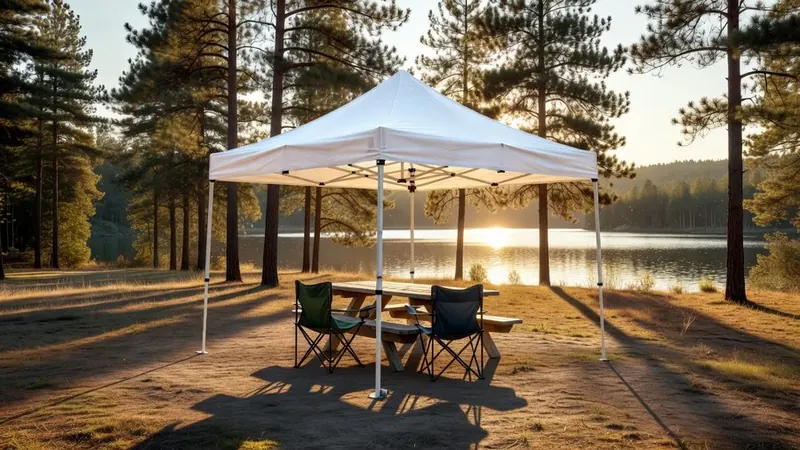
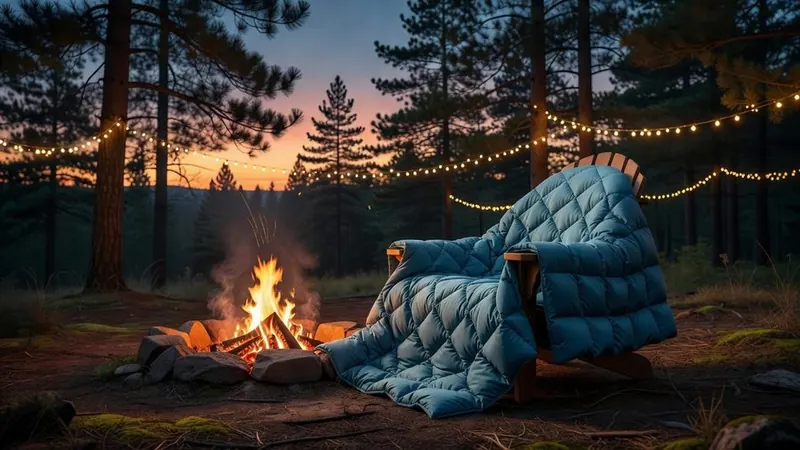
A couple of practical upgrades for a Puget Sound weekend: the CROWN SHADES 10x10 canopy at $139.99 takes the rain off the picnic table during the inevitable afternoon shower, the Coleman Pack-Away folding table at $99.99 gives you a usable surface even when the table is wet, and the Rumpl Original Puffy Blanket at $139.00 is the thing you will use on every single one of these trips, from the campsite to the ferry deck.
Camping Near Seattle in Winter (and the Rest of the Year)
The Seattle question changes shape in November but not substance. Camping near seattle in winter means the Puget Sound parks with a year-round loop — Deception Pass, Fort Worden, Dash Point on the Sound side, plus the Kitsap and Hood Canal options that stay on the winter schedule. Campgrounds near seattle open in winter are a shorter list than in July, and the ones that remain are the ones that never needed a water system to work.
Camping in washington near seattle in the shoulder months is the same 60-to-120-minute drive as always, and camping in washington state near seattle for a winter weekend is best treated as two nights at one park rather than a tour of three. If your plan is camping outside of seattle without a reservation, aim for a Thursday arrival — winter loops are small, and the Friday-night locals take the rest.
Leavenworth in October: Three Festival Weekends and the Campground Next Door
The most dateable October hook in the state is Bavarian: Leavenworth Oktoberfest 2026 runs October 2–3, 9–10, and 16–17, with Fridays 6 p.m. to midnight and Saturdays noon to midnight, and kids 12 and under free. Tickets are sold online and prices exclude service fees. That gives you three weekends to build a camping trip around, and the entire town books out — which is why camping is the smarter play.
leavenworth camping options split into three buckets: leavenworth camping icicle creek (the Icicle Creek corridor, national forest land with campgrounds and dispersed sites along the road), leavenworth camping rv (private RV resorts on the highway, which is the only place you will find full hookups in October), and leavenworth camping cabins (state park and private, generally booked early for festival weekends). Leavenworth camping reservations on the forest side often are not possible — several Icicle corridor campgrounds are first-come, so arriving Thursday beats arriving Friday.
The natural state park base is Lake Wenatchee, 20 minutes up the highway: a large park that stays open until weather closes it, first-come camping September through May, and after the campgrounds shut off the water, winter camping continues in a designated area of the South Park day-use area with heated restrooms, showers and a water fill station. Campsites there are reservable into October and April when the weather allows. Call the park at (509) 763-3101 for current conditions in October.
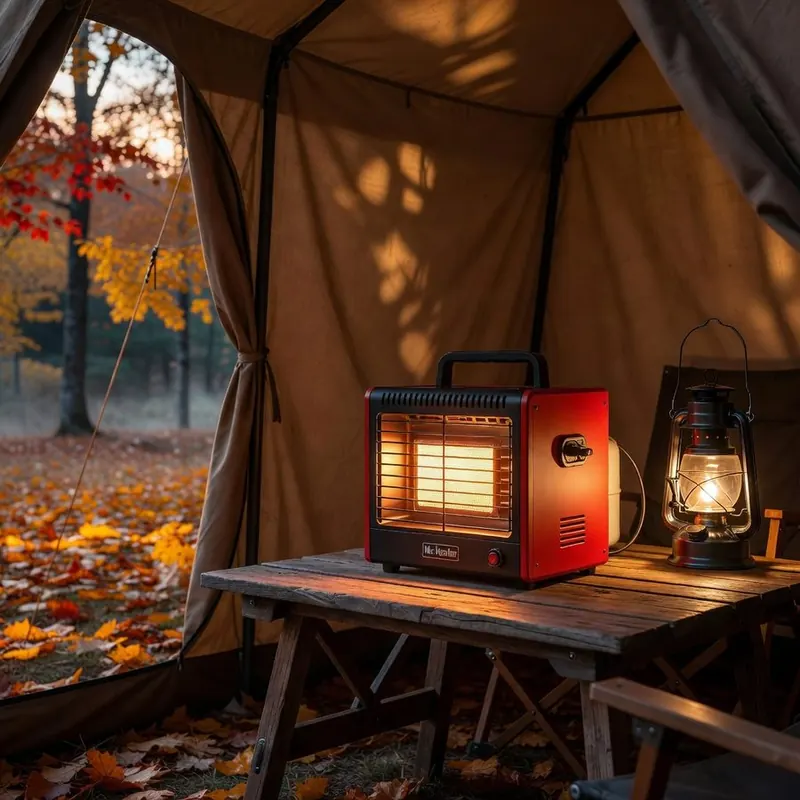
If you go, expect a real autumn: 60s in the afternoons and freezing by morning. The Coleman Trailhead II cot at $54.99 gets you off cold ground, the HotHands hand warmer bulk pack at $29.99 is cheap insurance for festival evenings, and the Mr. Heater Buddy at $74.00 is what makes a 30-degree tent morning survivable — with the caveat that it is indoor-safe rated and still needs ventilation, always.
Camping in Washington in November: The Second-Season Play
Once Columbus Day passes, Washington does something the rest of the camping map does not: it gets cheaper instead of closed.
- Rates drop again on Nov 1 — standard sites to a flat $23, partial utility to $35, full utility to $41 — and stay there through March.
- The coastal and Sound parks hold shoulder pricing all winter — Cape Disappointment, Grayland Beach, Pacific Beach and Fort Worden are the four the state names explicitly.
- The campgrounds that survive November are the partial-season ones on the winter schedule: Deception Pass (Quarry Pond), Cape Disappointment, Grayland, Ocean City, Twin Harbors, Fort Casey, Fort Worden (upper loop closes Oct 31), Bogachiel, Beacon Rock's Woodard Creek, Camano's lower loop, Steamboat Rock's Dune and Bay loops, and the three free North Cascades sites.
- Water is the thing that breaks, not the camping. Almost every park turns water off between Nov 1 and April 1, and the winter schedule tells you exactly where the winter supply is — near the restroom in Loop B at Birch Bay, at site 12 near the restroom at Bogachiel, at site 93 at Fort Flagler, at site T42 at Twanoh, at site 31 at Pearrygin. Bring containers and a way to carry water.
So if you searched camping in november washington state or where to go in washington in november, the answer is the coast and the Sound, plus eastern Washington parks that keep loops open. And yes — can you camp in november is a different question in Washington than almost anywhere else in the country, because the answer is yes, and it is cheaper than your summer trip.
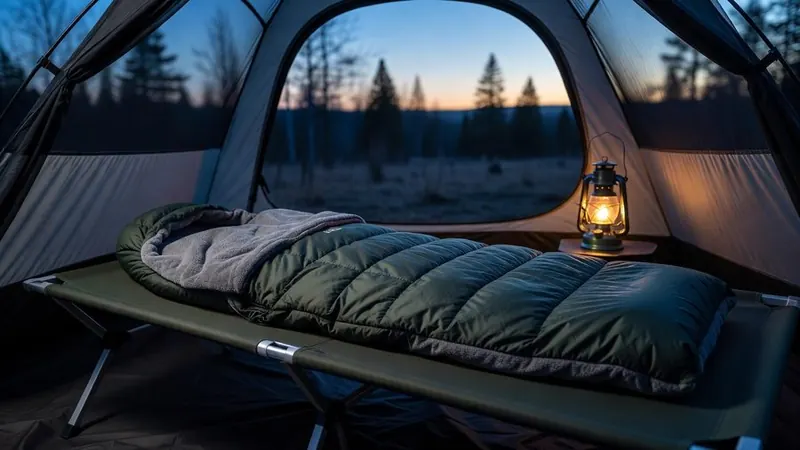
For November, the sleeping system matters more than the tent. A TETON Sports Celsius Regular 0° bag at $59.99, a Therm-a-Rest Z Lite Sol pad at $54.95 for a bombproof non-inflating option, and the Mr. Heater Buddy will carry you a lot further than a new tent will.
Camping in Washington in December, January and February: The Winter Answer
Once the calendar turns, Washington stops behaving like a shoulder-season state and starts behaving like a winter-camping state — the same parks, a stricter water calendar, and the lowest rates of the year.
- Rates hold in the winter tier through March — standard sites at a flat $23, partial utility at $35, full utility at $41 — so camping in washington in december costs less than a summer weekday almost anywhere else in the West
- Water is the variable, not the gate. Most parks shut their water systems off between Nov 1 and Apr 1; a winter loop substitutes vault toilets and a garbage run
- The coast and the Sound hold the longest calendar — Cape Disappointment, Grayland Beach, Pacific Beach and Fort Worden keep shoulder pricing, and Deception Pass (Quarry Pond) takes reservations all year
- Snow changes the gear list, not the destination list. Below roughly 2,000 feet, the honest answer to is it too cold to camp in washington in november is no — as long as your sleep system is honest about 25°F nights
If you searched camping in washington in january or camping in washington in february, it is the same short list as November with fewer neighbors and a real chance of snow on the pass you drive over to reach it. Camping in washington state in november, like where to camp in washington in november, narrows to the coast and the Sound; where to camp in washington state in the cold months is that answer plus the low-elevation east side; where to camp in wa is the same question in three words.
Winter Camping in Washington State: What Actually Changes in January
Winter camping in washington state is mostly a plumbing problem. Pick a park whose loop is on the winter schedule, plan to carry water, and expect the restroom to be a vault — that is the whole trade. Winter camping in western washington is the mild version of it: rain, mid-30s nights, campgrounds that never closed in the first place. Winter camping in wa east of the Cascades is the cold, clear version, with better stargazing and fewer services. And winter camping spots in washington that hold up for a family weekend are the same handful every year, which is why best winter camping in washington stays a short conversation rather than a ranking — and why camping in washington in winter being "closed for the season" was always true of the mountain parks, not of the coast.
Washington State Parks in Winter: Open Year Round, Partial, or Closed?
Washington State Parks sorts its campgrounds into three winter buckets, and each park page tells you which one applies: year round, partial season, or closed for the season. So are washington state parks open in winter? On the coast and around the Sound, mostly yes. In the mountains, frequently no. Two things decide the answer:
- The Washington State Parks winter schedule is the authority, not the park's summer page. A washington state parks open year round designation can still mean no water at the pedestal from Nov 1 to Apr 1, which is exactly the detail the summer listing leaves out
- Washington state parks winter camping is usually what is left when the federal campgrounds close — the same trade the national forest sites make, just with a longer calendar. Washington State Parks winter recreation access runs off a separate, permit-based day-use program at the washington state parks winter recreation website, so "the lot is open for snow play" and "the campground is open for overnight" are two different questions
Winter loops still book through the same portal — washington.goingtocamp.com or (888) 226-7688 — so treat walk-up as the fallback, not the plan.
Snow Camping in Washington: Low Elevation vs. Alpine
Snow camping in washington splits cleanly in two, and the difference is skill set rather than gear budget. The low-elevation version — a foot of snow on a coastal or foothill loop — is ordinary winter kit with a warmer pad and a real shovel. Snow camping in washington state at altitude is winter-mountaineering territory on national forest land, not a state park weekend with kids. If what you actually want is snow without a driveway, camp low and drive up for the day.
If this winter section is where your trip actually lives, two guides take you further than this page can: the winter camping guide for beginners walks the sleep system and the too-cold thresholds band by band, and the winter camping gear checklist is the pack-list version of everything above — and our full winter and cold-weather camping hub collects every winter guide on the site in one index.
Winter RV Camping in Washington State
Winter rv camping in washington state works at the parks that leave a utility loop open, and the limiting factor is water rather than power — a "year round" campground can still mean no water at the pedestal until April. RV camping on washington coast is the best of it: full-hookup sites at winter rates, and a heated hose away from a perfectly comfortable weekend. If you are winterizing between trips, our winter camping gear checklist covers the parts that freeze first.
Fire Bans, Firewood and What You Can Actually Burn This Fall
Given that every park in the state is under a ban level right now, here is the working version of the rules.
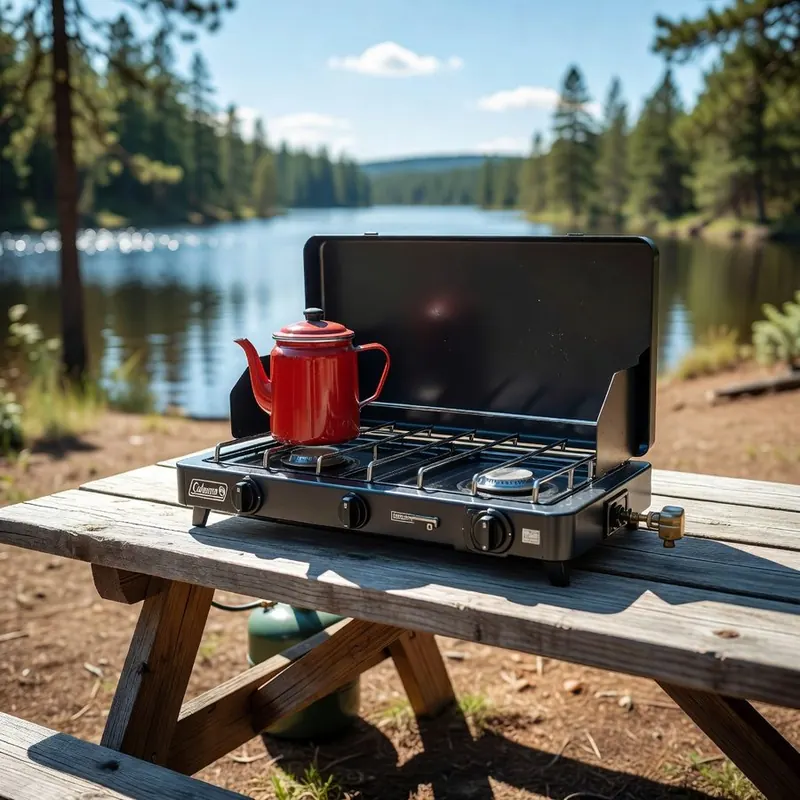
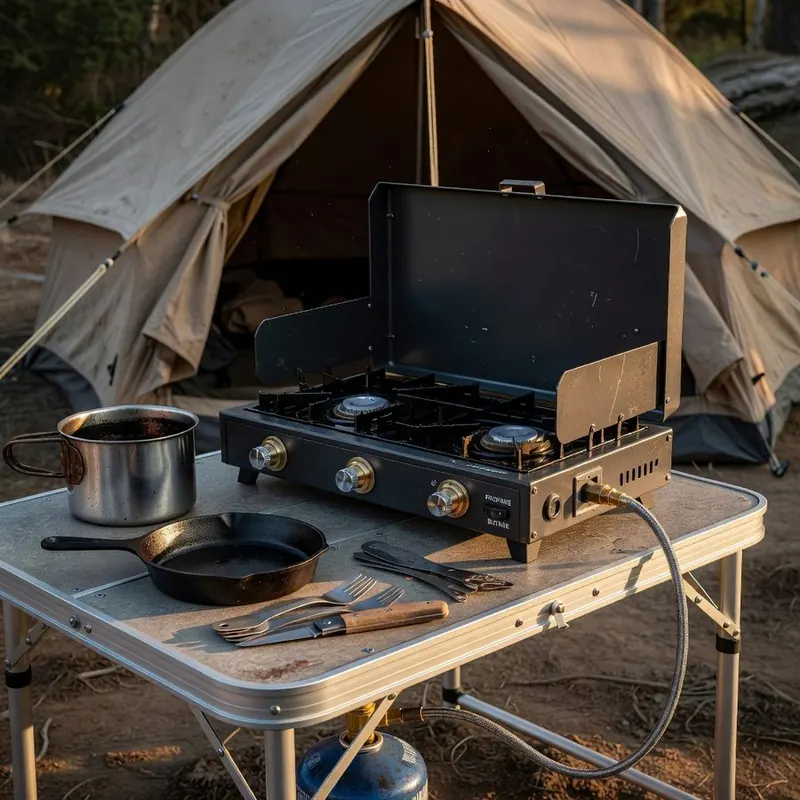
Cooking is almost always fine. At Level 2, gas and propane are allowed. At Level 3, self-contained gas/propane camping stoves and portable propane fire pits are still allowed — only wood and charcoal are out. Only at Level 4 does it tighten to internal RV stoves with no open flame at all. That means a dual-fuel stove is the single most useful piece of gear in Washington right now: the Gas One GS-3400P dual fuel propane and butane stove at $34.99 runs on either canister type, and the Coleman Triton+ 2-burner at $149.99 is the family-sized version. For a fire without a fire, the Outland Living propane fire pit at $142.64 is the piece of gear this specific burn-ban season was invented for.
Firewood rules in Washington are stricter than most visitors expect. The state asks you to buy firewood near your destination — within 10 miles is the guidance. If you bring firewood in from another state, it must be heat-treated to a minimum wood core temperature of 71°C (160°F) for at least 60 minutes, or receive an equivalent department-approved treatment, and must be labeled with its source and the statement "approved pest-free." Firewood that does not meet the requirement can be confiscated by the Washington State Department of Agriculture, and violations carry civil penalties up to $5,000. Nationally the parks ask for the same discipline: at Olympic, you may collect dead and down wood under 6 inches in diameter within 100 feet of campgrounds, below 3,500 ft elevation; at Mount Rainier the guidance is to buy wood cut within 50 miles of where you burn it.
Where fire is legal but you have no fire ring, and where alcohol and other rules shift between parks, the park's own alert page is the authority — not a general guide, including this one.
Camping With Dogs in Washington in the Fall
Washington is a good dog state with real exceptions, and the exceptions are what you need.
State parks. Dogs are allowed in most parks, but must be under physical control and on a leash no more than 8 feet. You must bag and pack out waste. Dogs are not permitted on designated swimming beaches, are not allowed inside vacation houses, and are permitted in designated yurts and cabins only — which means you have to check the individual park before booking a roofed site.
Olympic National Park is the strictest of the three parks and worth reading properly: pets are allowed on leash (up to 6 feet) in campgrounds, picnic areas and parking lots, plus a short list of trails — Rialto Beach for the first half mile to Ellen Creek, the Kalaloch beaches, Peabody Creek Trail, Madison Falls Trail and the Spruce Railroad Trail. Everywhere else in the park, including all other trails and the entire wilderness, pets are prohibited. For a dog-friendly Olympic trip, that list is your itinerary.
Mount Rainier requires that pets stay in campgrounds and on roads and parking areas — and remember the federal rules that come with the park generally: food and scented items must be secured, wildlife feeding is prohibited, and bears are real.
Leash rules are the floor, not the ceiling. "Under physical control" is the standard everywhere outside Olympic's short list, and off-leash time on a trail is a training outcome rather than a park permission you can count on. Our off-leash training collar guide breaks down voice, beep, vibration and static modes and what each one is actually for on a trail, and the voice collar comparison goes deeper on the mode most people end up using. Train recall on a long line at home before you test it in a wet Washington park.
State park specifics worth noting: equestrian camping is designated-park only, and horses and dogs should not be left tied to trees or tables. The dog camping checklist and the dog camping hub both assume a wet-weather trip; for bear country behaviour specifically, the bear safety guide is the one to read before Olympic or Rainier.
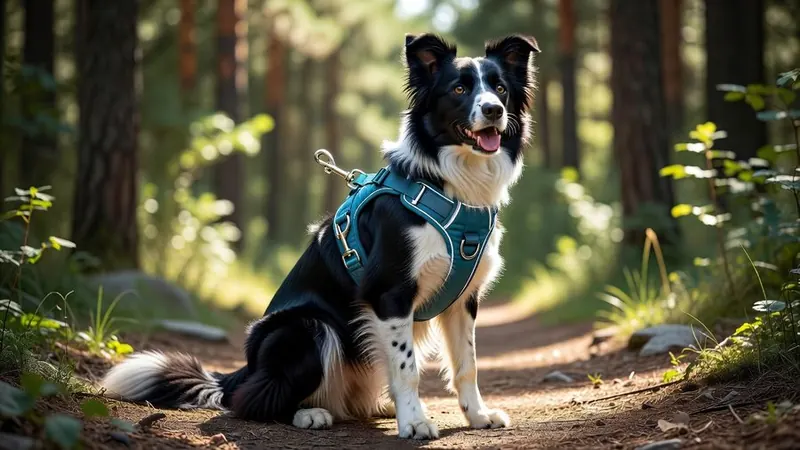
Practical fall dog kit for a wet Washington weekend: the Ruffwear Front Range harness at $44.95 and the Ruffwear Quencher collapsible bowl at $19.95 cover the walking half; the Ruffwear Dirtbag car seat cover at $119.99 is what saves the car after a wet beach walk; and for a tent-dog that needs its own dry floor, the Plusvivo pop-up dog tent at $69.99 keeps a muddy dog off your sleeping bag.
Gear That Actually Matters for a Wet, Cold Washington Weekend
Washington fall camping is not a gear-extremes problem — it is a wet plus cold plus darkness problem. Here is the kit, grouped the way you will pack it.
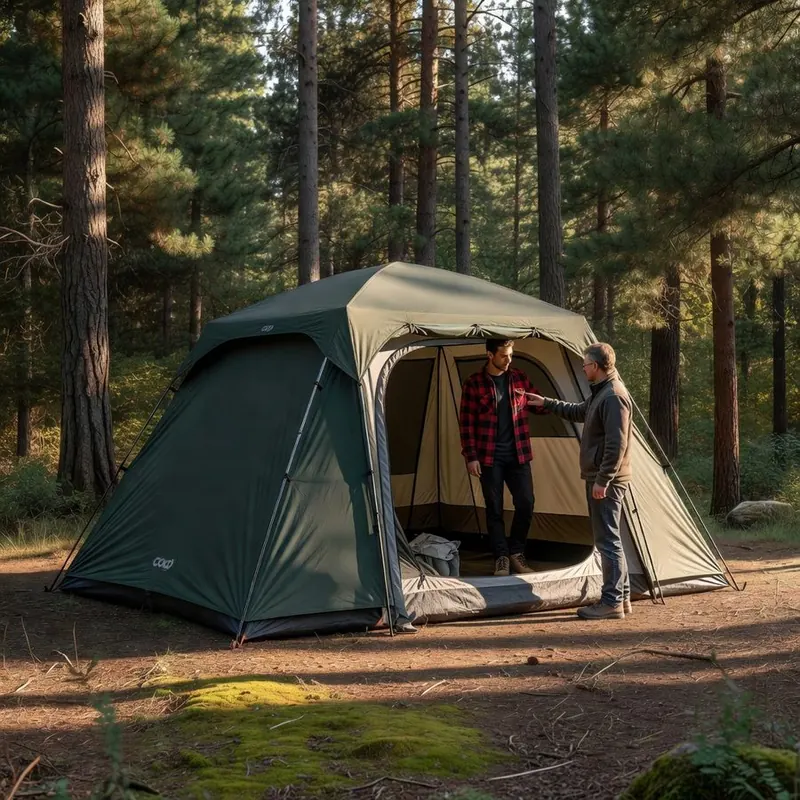
Shelter — a tent that handles wind-driven rain. The CORE 9 Person Instant Cabin Tent at $299.99 is the family default for a drive-up state park site; the CAMPROS CP 8 Person at $159.98 is the lighter-budget equivalent with a room divider. For storms, plan on a tarp over the tent or over the table — the OneTigris Bulwark all-season tarp at $56.98 is the one that packs small enough to bring anyway. And read the tent waterproofing repair guide before you leave — a leak you fix at home is a trip you save. Sizing help, if you are buying: the tent size guide covers 2P through 8P with real dimensions.
Sleeping — the layer that decides whether the trip was good. TETON Sports Celsius XXL 0° at $89.99 for adults, the Klymit Insulated Static V at $94.99 or the Exped MegaMat 10 at $239.95 for the pad, and a Sea to Summit Ether Light XT Insulated at $219.95 if you want the lightest warm option. For kids, the TETON Celsius Jr 20° at $49.99 and the Kelty Woobie 30° at $39.95 are the two that fit small bodies properly.
Under you and around you. Coleman Trailhead II cot at $54.99 for anyone who sleeps cold or is over 40; a Rumpl Original Puffy blanket at $139.00 for the evening; camp pillows if you want to actually sleep.
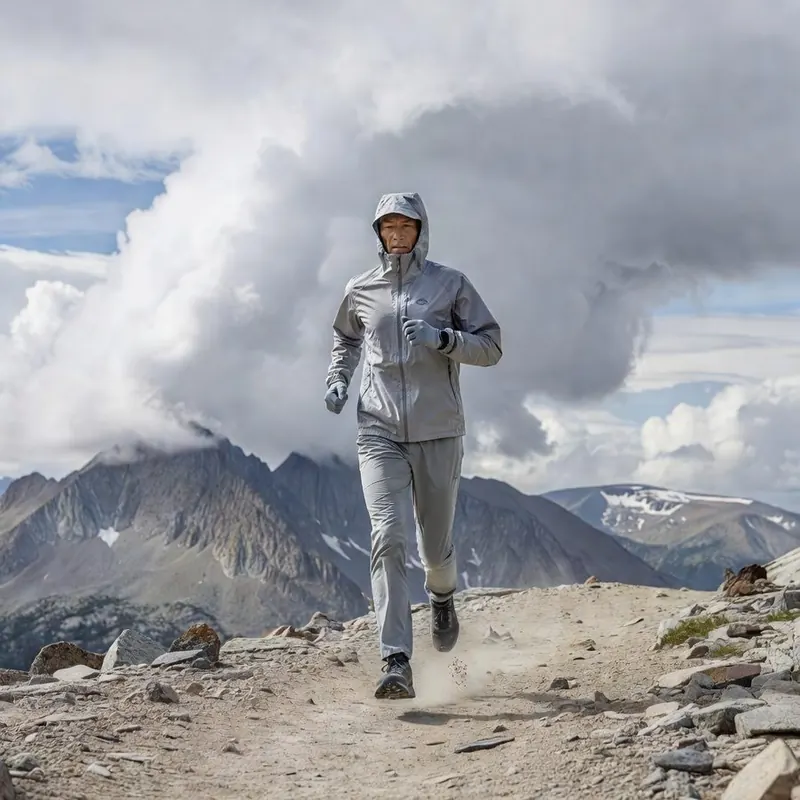
Layers — the Puget Sound uniform. A shell you trust: Outdoor Research Helium rain jacket at $159.00 or the budget-favourite Columbia Watertight II at $60.00. Warmth over it: a Columbia Steens Mountain fleece at $34.99, or the Omni-Heat midweight base layer at $49.99 for cold nights. Feet: Merrell Moab 3 Waterproof at $129.95 or KEEN Targhee 3 at $187.00, with Darn Tough Hiker socks at $27.95. Hands: Carhartt waterproof insulated gloves at $32.99. Kids: the OAKI kids one-piece rain suit at $32.99 is the single best item in this entire list for a wet Washington weekend with small children — it ends the "I'm wet, I'm going to the car" fight.
Kitchen and coffee. Jetboil Flash at $119.95 for boiling water fast in wind, the MSR PocketRocket 2 at $49.95 for a packable backup, the Camp Chef Explorer two-burner at $127.99 for a big family site, a Lodge cast iron Dutch oven at $59.95 for chili on a cold night, and a GSI percolator at $34.95 or AeroPress at $39.95 for mornings that start at 44°F.
Light, power and heat (the difference in a 5 p.m. sunset). A Petzl ACTIK CORE headlamp at $79.95 per adult, a Black Diamond Moji lantern at $24.95 for the table, a Jackery Explorer 300 at $199.00 or EF ECOFLOW RIVER 2 at $169.00 to keep phones, camera and a heated blanket alive, and a Sealy 12-volt heated car blanket at $31.99 which is a genuinely underrated car-camping item for October.
Safety. Adventure Medical Kits Ultralight .7 at $44.95 in the pack, SABRE Frontiersman bear spray at $39.99 for Olympic and Rainier backcountry (and know that bear canisters are required in parts of Olympic's wilderness — the BearVault BV450 at $89.99 is the standard), a Garmin inReach Mini 2 at $349.99 for anywhere without cell signal — which, on the Olympic coast and in the North Cascades, is most places — and UCO stormproof matches at $12.99 as the thing that works when lighters fail in the wet.
Water. Park water systems are being drained or switched to winter supplies right now. A Coleman 5-gallon water carrier at $13.99 for the site, Nalgene 32 oz at $16.99 or a Hydro Flask 32 oz at $44.95 per person, and a Sawyer Squeeze at $45.95 if you are filtering from streams — which matters most in the deep-park campgrounds where the taps are off.
If you are bringing the trailer or RV, October is when the water systems stop cooperating: a Camco heated drinking water hose at $134.53, a Camco water pressure regulator at $16.99, wheel chocks at $12.99, leveling blocks at $32.87 and a RhinoFLEX sewer kit at $60.02. And if you are keeping the rig in service into the cold, read the RV winterization guide before the first hard freeze — and if you are skipping hookups entirely, the boondocking guide covers the off-grid version.
Planning Shortcuts
If you skimmed to the bottom, here is the whole page compressed into the decisions you actually have to make.
By bookable system: Washington State Parks book at washington.goingtocamp.com or (888) 226-7688, add $8 online reservation and $15 if you live out of state, and charge $8 online / $10 by phone to change or cancel. National park campgrounds book on Recreation.gov per park — Fairholme and Mora's windows close in late September, Sol Duc's runs to Nov 1, and Cougar Rock's ends in early October. National forest and DNR camping is largely first-come with a Discover Pass.
By date: Before Oct 31 you are on shoulder-season rates and every park on the winter schedule is still open. Nov 1 drops rates further and drains a lot of water systems. Columbus Day weekend (Oct 10–12) is the last busy weekend of the year — see the Columbus Day camping checklist. The weekend after is the quietest of the season.
By region: the coast never closes and is the safest bet; Puget Sound and the islands stay open on a partial basis and are the easiest drive; the Cascades and eastern Washington close progressively through October and should be treated as a cold-weather trip; the Olympics are the one place where the rainforest is better in fall than in summer.
By what's still open: Deception Pass's Quarry Pond (year-round reservations), Cape Disappointment, Grayland Beach, Pacific Beach and Fort Worden (open year round, shoulder pricing all winter), Moran's Midway Loop until Oct 16, Beacon Rock's Woodard Creek year-round hookups, and the three free North Cascades sites.
By the questions everyone asks: washington state parks camping map — the park pages carry their own campground maps; washington state parks camping availability — check the portal, then check the winter schedule to confirm the loop you want is still open; washington state parks camping login — one account at goingtocamp covers every park, so registering once is worth doing before a festival weekend; washington state parks camping rules — 8 people per site, 10 nights in any 30-day period, 90 nights a year, check-in 2:30 p.m., checkout 1 p.m., quiet hours 10 p.m. to 6:30 a.m., generators only 8 a.m. to 9 p.m.; washington state camping pass — the Discover Pass at $45 annual or $10 daily, free for campers at their own park; washington beach camping — the coastal state parks and the Olympic coast, with the caveat that ocean-front sites get closed when storms move sand.
If you want the coast specifically: the beach camping gear checklist covers the salt-and-sand version of this kit, and the lakeside camping gear checklist covers the lake-and-boat version.
And a note on the free-camping searches. free camping near seattle and dispersed camping near seattle both point east and north, to national forest and DNR land where a Discover Pass and the local Motor Vehicle Use Map govern — and to the Olympic and Cascades national parks, where dispersed camping is simply prohibited. Do not plan a fall trip around it. Plan it around a state park you booked before Oct 31.
The state-level searches, answered in one pass. If you are planning camping in washington state for the first time, treat the winter schedule as the master document: it tells you camping in washington state parks is largely open through October, that camping in washington state parks reservations can be made a season or more ahead for any loop that stays open, and that camping in washington national parks runs on a completely separate Recreation.gov calendar. camping in washington national forest and DNR land are the first-come tier. For salt water, camping in washington coast means the four parks that never close, and camping in washington state near water narrows to Cape Disappointment, Grayland, Pacific Beach, Fort Worden, Deception Pass, Moran, Steamboat Rock and Lake Wenatchee. camping in washington state in october is the best-value version of all of it.
The two date questions. can you camp in october — yes, statewide, and where to camp in october is a list headed by the Olympic coast and the Puget Sound parks. can you camp in november — also yes, and where to camp in november is a shorter list: the coastal and Sound parks that hold shoulder pricing all winter, plus the eastern parks that keep a loop open.
Numbers and the portal first. washington state parks camping reservations and washington state parks camping reservations online both land at washington.goingtocamp.com, and the phone line is (888) 226-7688. washington state parks camping rates and washington state parks camping fees are the seasonal table on this page — $23–$35 standard in shoulder season, $23 flat in winter. There is a real washington state parks camping senior discount, but only for Washington residents who qualify for the Discount Pass. There is no washington state parks camping promo code program. The washington state parks camping cancellation policy is $8 online and $10 by phone, with a full-stay forfeit if you have not arrived by 1 p.m. the day after your arrival date. washington state parks camping availability is best checked against two sources: the booking portal and the winter schedule. For the wider trip, washington state camping map, washington state camping sites and washington state camping parks are all answered park by park, because washington state camping parks differ enormously in what stays open past October.
Puget Sound, in the words people actually search. camping near seattle washington and camping near seattle wa both resolve to the same 90-minute ring. A campsite near seattle is easiest at Bay View, Camano Island, Kitsap Memorial, Manchester, Illahee, Scenic Beach, Belfair, Twanoh, Joemma Beach, Jarrell Cove, Dash Point, Saltwater and Kanaskat-Palmer. campgrounds near seattle and campgrounds near seattle wa are that list plus Deception Pass; campgrounds near seattle with cabins are the parks with year-round roofed accommodation, which book even when a loop closes. free camping near seattle and dispersed camping near seattle both mean driving over a pass to national forest or DNR land with a Discover Pass and the district's Motor Vehicle Use Map. car camping near seattle, tent camping near seattle and rv camping near seattle split cleanly: tent and car camping to the state parks, RV camping to the coastal parks that keep full hookups open year round.
Deception Pass and the islands. deception pass camping reservations, deception pass camping map and deception pass camping best sites are all served by the park's own pages — and the map matters this year, because the loops close in sequence. deception pass camping cancellation policy and deception pass camping check in time follow the state rules above (change or cancel $8 online; check-in from 2:30 p.m.). deception pass camping cabins and deception pass camping spots are the two searches where the winter schedule saves you a wasted booking: some spots close Oct 1, some Nov 1, and the roofed options book all year. For the islands, san juan islands camping reservations and san juan islands beach camping are tent-and-paddle propositions by October, and san juan islands camping yurts is worth verifying island by island before you count on one.
Leavenworth and the east slope. leavenworth camping reservations is often not possible on the forest side, which is why camping leavenworth washington trips work better on a Thursday arrival; leavenworth camping icicle creek is the corridor itself, leavenworth camping cabins and leavenworth camping rv are the town-adjacent private options, and leavenworth camping is at its best on an Oktoberfest weekend.
Rainier. mount rainier camping reservations is a two-choice answer this fall; mount rainier campgrounds is three auto campgrounds with one closed all year; mount rainier camping permits are the wilderness permits rather than the drive-in reservations; mount rainier camping sites range from 178 sites at Cougar Rock to 13 tent pads at White River; mount rainier camping near paradise means Cougar Rock on the south side; and mount rainier camp muir elevation, if that was the search, is a high camp reached on foot rather than a campground.
North Cascades. north cascades camping reservations ended Sept 7, 2026. north cascades camping october is limited to Goodell Creek, Gorge Lake and Colonial Creek South's walk-in sites. north cascades dispersed camping is not permitted in the park complex at all — that is national forest land outside the boundary. north cascades backcountry camping and north cascades camping permits are the wilderness system, and north cascades camping lottery is not a mechanism the park uses. On north cascades campgrounds with showers, there are none inside the park complex.
Olympic. olympic national park camping reservations and olympic national park camping first come first serve are both true depending on the campground and the date — Fairholme, Mora and Staircase flip to first-come outside their windows. olympic national park camping on beach is the Kalaloch and Mora coast; olympic national park camping rules cover the 14-day park-wide limit, the 7-day Kalaloch/Mora/Hoh limit during the reservation window, quiet hours from 10 p.m., checkout at 11 a.m. and the pet list; olympic national park camping map means the park's own area brochures, one per campground area; olympic national park camping itinerary is best run coast-last, because the coast has the mildest weather; and olympic national park camping shower has exactly one on-park answer — Log Cabin Resort, through October.
One caveat on the coast. washington coast camping with dogs is the same four parks, with the state's rule attached: dogs are not permitted on designated swimming beaches, and at Olympic they are limited to campgrounds, picnic areas, parking lots and five named trails.
Where to Camp in Washington: The Two-Question Shortcut
Almost everyone asking where to camp in washington is really asking two questions — mountains or water, and how far from the city. Reduce it that way and the state sorts itself out.
- Water, close, year-round: Deception Pass, Fort Worden, Dash Point, Penrose Point — the Sound ring that keeps a loop open in winter
- Water, dramatic, longer drive: Cape Disappointment, Grayland Beach, Pacific Beach, Kalaloch — the outer coast, where camping in washington state with lakes gives way to camping on a dune
- Mountains, seasonal: Mount Rainier, North Cascades, Leavenworth — all of them summer-into-fall, all of them worth booking early
- A first trip: the state parks with camping in washington that have showers, flush toilets and a camp store are the forgiving ones, and that is where most families should start
Camping in washington state national parks is a separate booking world from the state parks — Recreation.gov versus goingtocamp.com — and mixing them up is the single most common planning mistake on this page. For the side-by-side version, the state park camping guide walks the reservation systems and the national parks camping guide covers the parks that now need an entry reservation.
Campgrounds in Washington With Cabins, Showers and Lakes
Not every Washington trip is a tent trip, and the amenity searches deserve a direct answer. Campgrounds in washington with cabins in the state system are the roofed accommodations booked through the same portal — yurts and cabins at parks like Cape Disappointment, Deception Pass and Fort Worden. Campgrounds in washington state with cabins, camping in washington state with cabins and camping in washington with cabins all point at the same inventory, and they are the units to price first, because roofed accommodation disappears months out.
For water-adjacent tent sites, campgrounds in washington state with lakes is really a list of reservoir and lake parks, and lakes in washington with camping that people actually drive to are dominated by the same handful. The amenity most people forget to check is the one that decides comfort: campgrounds in washington with showers are the larger, more developed parks — and they are also the ones that close first in the fall. For the best camping in washington state with lake views, look east of the Cascades.
When Do Campgrounds Open in Washington State?
Most Washington state park campgrounds run a seasonal calendar: a spring opening, a full-service summer, a partial fall, then the winter schedule. If the search was when do campgrounds open in washington state, the honest answer is "it depends on the park, and the park's own page is the only authority" — but the pattern repeats every year. The big destination parks open around April or May. The coast and Sound parks effectively never close. The mountain parks reopen when the snow allows.
Campgrounds open in washington all year are mostly the coastal and Puget Sound ones. Washington campgrounds open in october is nearly all of them, which is why October is the best-value month on the calendar. Campgrounds open in washington in winter are the winter-schedule list, and winter camping in washington state parks sits in exactly the same bucket as winter camping washington state parks by any other phrasing — and it is longer than the "closed for the season" assumption suggests.
Questions People Type About Camping in Washington
| Question, as people type it | The answer |
|---|---|
| washington state parks camping fee increase | The direction this year is down, not up. Shoulder-season pricing runs through Oct 31 (standard $23–$35), and Nov 1 drops standard sites to a flat $23, partial utility to $35, full utility to $41 — with four coastal and Sound parks holding the low tier all winter. What does stack on top: the $8 online reservation fee, $15 non-resident surcharge, $10 extra-vehicle night, and the $45 Discover Pass for day-use parking. |
| discovery pass where to buy · discovery pass online | This page lists the price ($45 annual or $10 daily) and the fine ($99) — it does not sell the pass. Buy it through the state's official Discover Pass portal, which every state park page links, before you drive to a second park, DNR or Fish & Wildlife land. Remember: if you are camping in the park, you do not need one for that park's lot. |
| camping in washington near olympia | This page's south Sound cluster — Belfair, Twanoh and Penrose Point — is the nearest group on its open list to Olympia, all on the partial-open winter schedule. Confirm the specific loop on the park's winter-schedule page before booking, because Sound parks close loops in sequence through October. |
| olympic national park camping cabins | The one roofed, lodge-style option named on this page is Log Cabin Resort on Lake Crescent — which is also the park's only on-park shower answer, through October. Cabin inventory is the resort's own, not Recreation.gov's, so verify directly. For the state-park side, yurts and cabins at Cape Disappointment, Deception Pass and Fort Worden book through the same goingtocamp portal. |
| camping in washington near waterfalls | The page's own campground tables put you closest to waterfall country at Sol Duc (riverside old-growth on the Sol Duc road), Staircase (Skokomish River) and Graves Creek (Quinault rainforest) — all listed above with their 2026 reservation windows. Fall trail and road status changes fast; check each park's current-conditions page before you plan a hike around one. |
| camping in washington near national parks | That is most of this page: the Olympic coast sections, the Mount Rainier section and the North Cascades section are the national-park answer, each with its 2026 reservation calendar. The state-park ring around them is in the Two-Question Shortcut above — and the booking systems do not mix: Recreation.gov for the parks, goingtocamp for the state system. |
| camping in northwest washington | The northwest corner of this page is Deception Pass (Quarry Pond open all year for reservations; Bowman Bay and Lower Loop B closed Oct 1), the San Juan marine state parks (tent and paddle, with the $1/foot moorage rule for boat campers) and the North Cascades — whose drive-in campgrounds are closed for 2026, leaving the three free first-come sites. |
| island camping near seattle | The closest island camping on this page is the Sound ring you can drive to over or around the water — Dash Point, Penrose Point, Fort Casey, Fort Ebey and Kitsap Memorial — plus the San Juan marine parks for a boat- or kayak-based trip, where moorage is $1 per foot of vessel length with a $23 minimum and first-come. |
Washington Camping FAQ
Can you camp in Washington state in October?
Yes, and it is one of the best months of the year. Washington state park campgrounds generally stay open through Oct 31 with many running year-round on a partial basis, the Olympic National Park coast campgrounds at Kalaloch, Mora and South Beach are open (South Beach through Oct 10), and the North Cascades drive-in campgrounds are closed for 2026 — the exception that catches people out. Burn bans are active statewide, so plan on a gas or propane stove rather than a wood fire.
What is the cheapest month to camp in Washington state parks?
November through March. State park rates drop into the winter tier on Nov 1 — standard sites fall to a flat $23, partial utility to $35, full utility to $41 — and Cape Disappointment, Grayland Beach, Pacific Beach and Fort Worden keep those lower rates all winter. October is already cheaper than summer because of shoulder-season pricing (standard $23–$35), but November is cheaper again.
Do I need a Discover Pass to camp in a Washington state park?
No — campers do not need a Discover Pass to park in the state park where they are staying. You do need one if you drive to a different state park, or to land managed by DNR or Fish & Wildlife. The pass is $45 annually or $10 daily, and the fine for not displaying one when required is $99. Free days do not help campers: they apply to day-use parking only.
How far in advance can I book a Washington state park campsite?
Reservations run through washington.goingtocamp.com or (888) 226-7688. Availability for popular loops and any roofed accommodation disappears first for holiday weekends and festival weekends like Leavenworth Oktoberfest. The practical advice for October isn't about the window — it's about the winter schedule: confirm the loop you want is still open past the date you booked, because some loops close Oct 1, Oct 15 or Oct 16 while the rest of the park stays open.
Are dogs allowed at Washington state parks and campgrounds?
Yes in most parks, but with rules: on a leash no more than 8 feet, under physical control at all times, waste bagged and packed out, and not on designated swimming beaches. Dogs are not allowed inside vacation houses and are allowed in designated yurts and cabins only — verify per park before booking. In Olympic National Park, pets are limited to campgrounds, picnic areas, parking lots and five specific trails; everywhere else, including the wilderness, they are prohibited.
Does Washington have free days at state parks?
Yes, but they are day-use parking free days only — the state says plainly that all other fees still apply, so camping is not free on those days. Separately, Washington runs a Discount Pass for disabled veterans, foster parents, and limited-income seniors and disabled individuals who are Washington residents, and a DOL disability placard gives free day-use parking.
What should I know about campfires in Washington in the fall?
Every park in the state is under a burn ban level right now, mostly Level 2 or Level 3. Level 2 restricts wood fires to designated fire pits and allows gas and propane; Level 3 bans wood and charcoal entirely but still allows self-contained gas and propane stoves and portable propane fire pits. Washington also enforces a firewood rule: bring wood that is heat-treated to a 160°F core for at least 60 minutes and labeled "approved pest-free" if it came from another state, or buy it within 10 miles of camp. Non-compliant firewood can be confiscated and violations carry penalties up to $5,000.
Is October too late for the Cascades and eastern Washington?
For the low-elevation eastern parks you still have until Oct 31 in most cases, but water systems are shut off in mid-October, freezing nights are normal, and a whole tier of parks — Pearrygin Lake, Curlew Lake, Columbia Hills, Alta Lake, Twenty-Five Mile Creek, Brooks Memorial — close on or around Oct 31. High-elevation sites go first: Deer Park at Olympic closes mid-October and Mount Spokane closed Sept 15. If you want the Cascades in October, go early in the month and plan for a hard frost.
Where can I camp near Seattle in October?
The closest reliable options are the Puget Sound parks that stay open on a partial basis — Deception Pass (Quarry Pond open all year for reservations; Bowman Bay and Lower Loop B close Oct 1), Bay View, Camano Island, Fort Casey, Fort Ebey, Belfair, Twanoh and Kitsap Memorial — all inside about 90 minutes. For a full-hookup fall trip, head to the coastal parks that stay open year round. And book before Oct 31 to stay on shoulder-season pricing.
The same parks take winter bookings — Quarry Pond at Deception Pass, Fort Worden, Bay View, Camano Island and the Kitsap parks all hold year-round or partial-season loops — and the coast is the upgrade if you want full hookups instead of a vault toilet. Park-specific winter status lives on each park's page, so check it before you reserve rather than after.
Do Washington State Parks Stay Open in Winter?
On the coast and around Puget Sound, mostly yes; in the mountains, mostly no. The park page carries the seasonal note, and the winter tier runs Nov 1 through March at the same rates as the rest of the cold season. If you are hunting for a specific winter loop, the December camping guide covers which states keep campgrounds open through the holidays, and the November guide is the month-by-month version of this page's advice.
Can You Go Camping in Washington in December?
Yes — December is a legitimate camping month in Washington, just a coastal and Sound one. It also answers the generic version of the question: can you go camping in november in this state? Yes, and the coast is where it stays easiest. Rates drop into the winter tier, water systems are off at most parks, and the parks that stay open are the ones with a loop designed to run without water. Bring your own water, expect a vault toilet, and the trip works.
Bottom Line
Washington rewrote the fall camping rules this year. North Cascades closed its drive-in campgrounds on Sept 27, Rainier's Ohanapecosh is out for all of 2026, the Sunrise Road is closed to vehicles because of the Grand Park 2 and Wonderland Complex fires, and every park in the state is under a burn ban — so a propane fire pit and a dual-fuel stove are the gear that matters more than the axe.
What is left is genuinely better than what closed. The Olympic coast stays open, the state parks stay cheap through Oct 31 and get cheaper on Nov 1, the four coastal-and-Sound parks keep shoulder pricing all winter, and the emptiest campgrounds of the year are the two weeks after Columbus Day. Book a state park on goingtocamp, or drive up to a first-come site on the Olympic coast, and pack for wet and 40 degrees rather than extreme cold.
Two things to do before you go: read the fall camping gear checklist against your own bin, and check the campground closing dates page for the national-park side, which runs on a completely different calendar. If leaf season is the point of the trip, the leaf peeping guide maps the timing; if you want the holiday version of the same trip, the Thanksgiving camping guide covers the late-November window, if you are heading south instead, camping in Oregon and camping in California both run warmer later into the fall, and camping in November covers the month that Washington actually does better than everyone else.
<!-- AFFILIATE_DISCLOSURE -->One state over, the Massachusetts state park guide answers the question this page can't: which campgrounds are still taking reservations, what they cost in 2026, and where the fire rules invert.