First Camping Trip Starter Kit and Planning Guide for Beginners (2026)
Planning your first camping trip? Here's what to buy, what to skip, when to book and how to pack, with budget picks and beginner mistakes for 2026.
Your first camping trip is equal parts exciting and terrifying. You've watched the YouTube videos, you've scrolled past the Instagram campsites, and now you're staring at a blank Amazon cart wondering what you actually need versus what the algorithm wants you to buy. I've been there. My first trip involved a Walmart tent that leaked in light drizzle, a sleeping bag rated for "50°F" that froze me at 45°, and a camp stove I couldn't light because I forgot to buy fuel.
The good news: you don't need a $2,000 REI shopping spree. A complete, functional camping setup — tent, sleeping gear, kitchen, and essentials — can come together for around $400-600. Here's exactly what to buy, what to skip, and why each piece matters.
Before you fill the cart, handle the trip-planning basics. Book the campsite first, check the forecast, confirm whether fires are allowed, and make sure your sleep system matches the overnight low — those four decisions shape every gear choice that follows. If you need the broader logistics side, our summer camping checklist covers the pre-departure rundown, while the camping first-aid checklist helps you avoid the classic "we brought the stove but forgot the blister care" mistake.
If you are planning a family trip into a new state this fall, the Oklahoma camping guide is a useful template: it walks the discounts, the pet fees, the parking-pass trap and the cabin rules before you book anything.
Quick Answer: The Six Things to Buy First
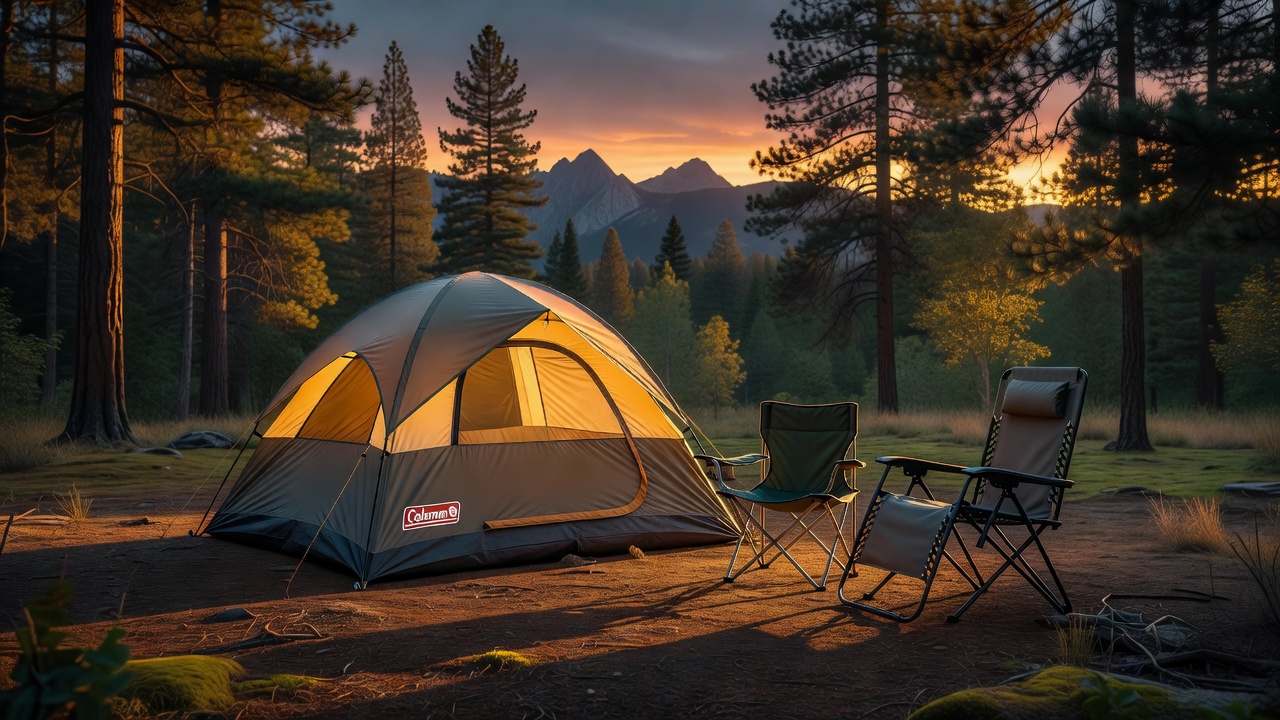
- Tent for a family of four: Coleman Skydome 4-Person Camping Tent with LED Lighting | Weatherproof Pre-Attached Poles — $122.99. Pre-attached poles make it quick to pitch, and the built-in LED light means nobody is hunting for a lantern on night one.
- Budget tent: Amazon Basics 3-Season Dome Camping Tent with Rainfly — $41.99. A four-person dome with a real rainfly for the price of one night at a campground; 4,000+ ratings.
- Sleeping bag: Coleman Oak Point Big & Tall 30°F Sleeping Bag — $74.99. A 30°F rating covers spring through fall almost anywhere in the lower 48.
- Sleeping pad: Klymit Static V Sleeping Pad — $64.95. Sleep gear is a system: the bag keeps heat in, the pad stops the ground taking it out.
- Stove: Coleman Bottle Top Propane Camp Stove — $21.99. Screws straight onto a 1 lb propane cylinder, so there is no separate fuel to forget and no table required.
- Water, light, first aid: Sawyer Squeeze Water Filtration System — $45.95. The three items beginners leave out and then wish they had. The Petzl Actik Core headlamp ($79.95) and a compact first aid kit ($44.95) both live in this same checklist below.
Everything below explains why each of these earns its place, plus the gear you can safely skip on a first trip.
Camping Trip Planning Basics Before You Buy Gear
A beginner starter kit works better when it's tied to a real trip plan instead of fantasy shopping.
- Pick the campsite style first. Drive-up campground, walk-in site, and beach camping all need slightly different gear. If you're still deciding what kind of trip feels realistic, our beach camping gear checklist and family camping gear checklist show how the setup changes by scene.
- Match the tent to your actual group size, not the marketing number. A weekend for two can fit a roomy 4P. A family of four usually wants a true 6P setup once duffels, shoes, and rainy-day space enter the picture. Use our tent size guide if you're unsure, then compare real layouts in the 4-person vs 6-person tent comparison.
- Plan your first three meals before you buy kitchen gear. Coffee + oatmeal + one-pot pasta needs far less equipment than pancakes, burgers, and campfire desserts. The camp stove fuel guide helps you avoid buying the wrong stove-and-fuel combination.
- Check weather, bugs, and local restrictions a week out. A warm-weather trip needs shade, water, and airflow. Bear country changes your food-storage plan. Burn bans can make a fire ring useless. Our bear safety camping guide is worth reading before any mountain or forest trip where food storage rules are strict.
Pick the Easiest Season for Your First Camping Trip
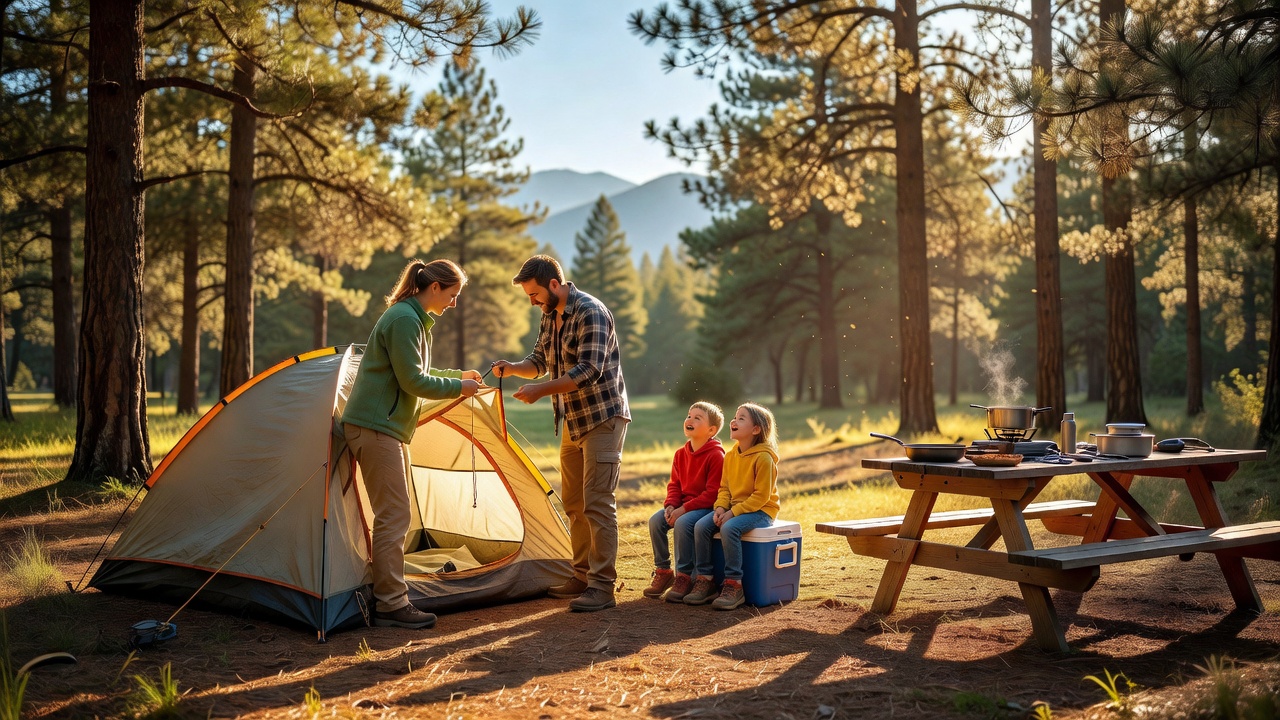
If you get to choose, make your first trip unfairly easy. A dry forecast, moderate overnight temperatures, and a campground with potable water do more for beginner confidence than any gear upgrade. Late spring and early fall are usually the sweet spot: fewer bugs, cooler sleeping weather, and less stress about overheating kids, dogs, or yourself.
- Hot midsummer camping needs its own plan. If your first trip will happen in July or August, shade, airflow, and hydration matter more than almost anything else. Read our hot weather camping gear guide before you buy your shelter and clothing layers, and if a dog is joining the trip, pair it with our dog summer hiking safety guide for paw-burn tests, cooling strategies, and the warning signs that mean a fun hike should turn into a shade break instead.
- Cold nights punish beginner gear mistakes fast. A forecast low in the 30s or low 40s changes your sleeping bag, pad, and bedtime routine. Start with our winter camping beginners guide so you understand what "sleeping bag rating" actually means before you trust it.
- Camping with kids means bigger shelter and more margin. If this first trip includes toddlers or grade-school kids, the tent, sleep setup, snacks, and backup clothes all need a little extra space. Our family camping gear checklist covers the family-specific details that turn a chaotic weekend into a fun one.
- Camping with a dog adds trail and campsite logistics. Water planning, leash rules, paw care, and where your dog actually sleeps all deserve attention before departure. Use the dog camping checklist to avoid learning those lessons at midnight in a muddy tent.
The Big Four: Shelter and Sleep
These four items determine whether you sleep well or spend the night shivering and cursing. Don't cheap out here — the difference between a $40 tent and a $130 tent is the difference between a dry night and a wet morning.
If your budget stops closer to $60, that is still workable — our roundup of the best camping tents under $100 sorts the budget shelters that genuinely hold up in rain and wind from the ones that are fair-weather toys.
Tent: Coleman Skydome 4-Person
The Coleman Skydome 4-Person Camping Tent ($122.99) is the tent I recommend to every first-time camper. The pre-attached poles mean setup takes about 5 minutes — even in the dark, even after a long drive, even when you're frustrated and just want to sleep. The nearly vertical walls give you actual headroom (you can stand up to change clothes), and the WeatherTec system has kept me dry through two surprise thunderstorms.
Budget alternative: The Amazon Basics 3-Season Dome Tent ($41.99) is the no-frills option. It's a basic dome with a rainfly — nothing fancy, but it keeps water out and sets up in 10 minutes. Good for fair-weather trips where you're not expecting heavy rain.
Size rule for beginners: A "4-person" tent fits two adults with gear, or three snuggly. Size up by two — a couple gets a 4P, a family of 3-4 gets a 6P. Our complete tent size guide walks through the math with real dimensions. If you're stuck between a roomy 4P for weekend trips and a true 6P family base-camp setup, our 4-person vs 6-person tent comparison shows the real floor-space tradeoffs with sleeping layouts you can actually picture.
Sleeping Bag: Coleman Oak Point 30°F
The Coleman Oak Point Big & Tall 30°F Sleeping Bag ($74.99) is the sweet spot for summer and shoulder-season camping. It's roomy enough for bigger bodies (fits up to 6'4"), the Coletherm insulation with Fiberlock construction keeps the fill where your body is instead of migrating into the corners, and the no-snag zipper prevents that infuriating 2 a.m. fabric-snag that cheaper bags are famous for.
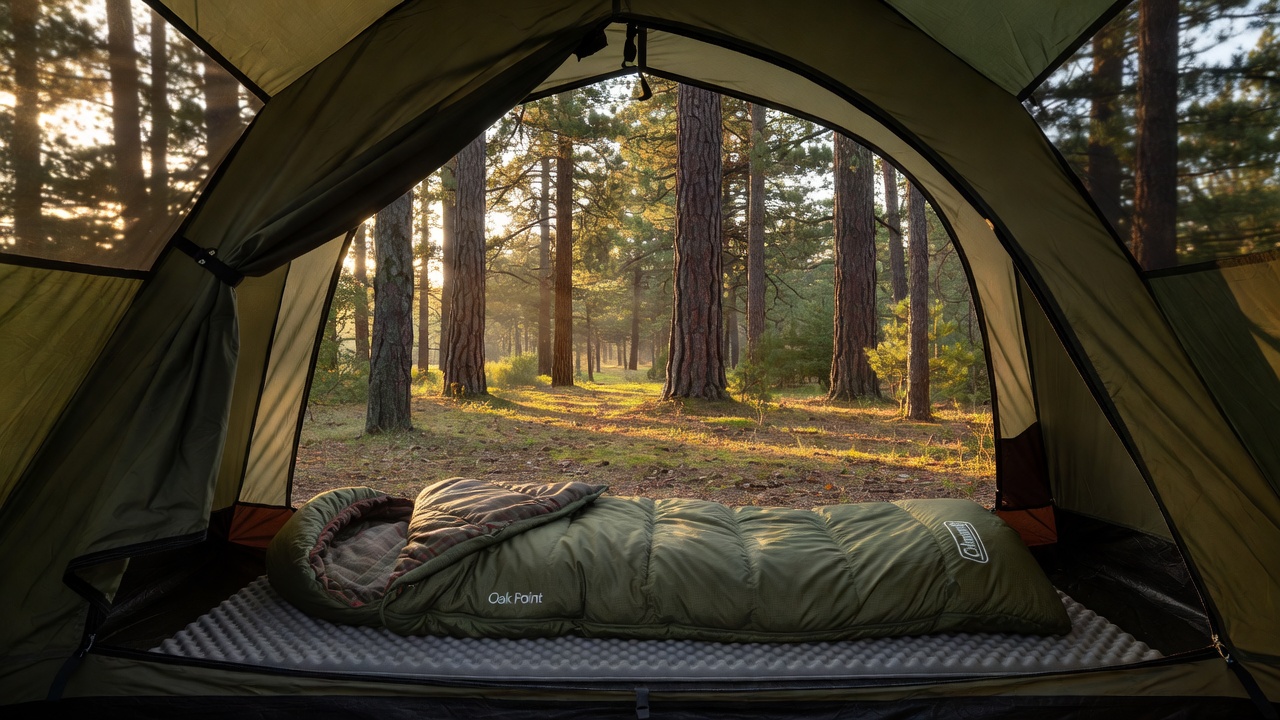
Temperature cheat sheet: A 30°F bag is comfortable down to about 40°F in real-world conditions. For shoulder-season trips where nights dip into the 30s, layer a fleece liner or wear thermals inside. If you're camping with toddlers or preschool-age kids, the Morrison Outdoors Big Mo 40 Kids Sleeping Bag ($79.95) is a smart warm-weather option — the wearable design keeps little campers covered even when they wiggle all night. Our family camping gear checklist covers the rest of the kid-specific sleep setup.
Sleeping Pad: Klymit Static V
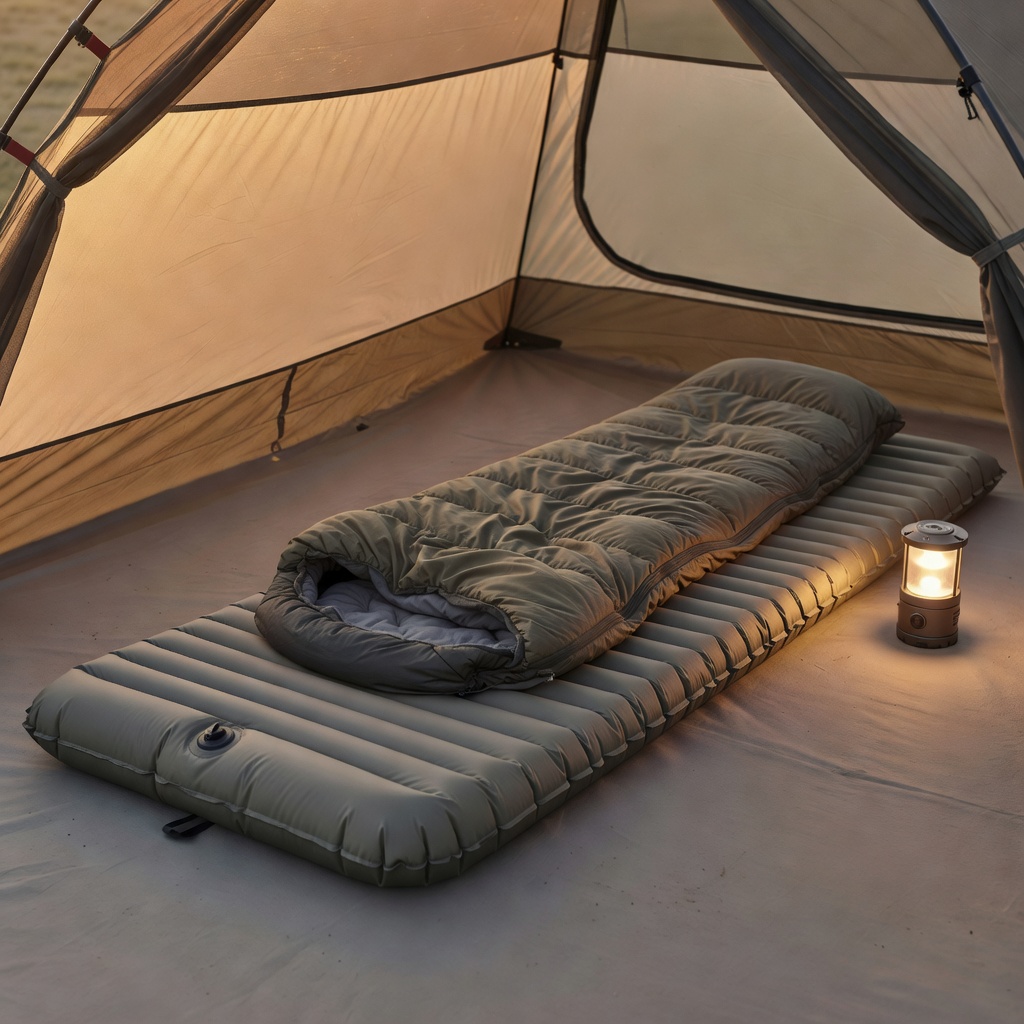
Most beginners skip the sleeping pad. Biggest mistake. The ground sucks heat out of your body about 5x faster than air — even a 30°F sleeping bag feels useless on bare ground. The Klymit Static V Inflatable Sleeping Pad ($64.95) is the best value in camping pads. The V-chamber design cradles your body and eliminates pressure points, and at 18.6 ounces it's light enough for car camping and short backpacking trips alike.
Want to stop waking up with a crick in your neck? A real camp pillow is the cheapest comfort upgrade in a beginner kit. The TREKOLOGY ALUFT 2.0 Ultralight Inflatable Camping Pillow ($16.99) packs down to fist-size and instantly beats a rolled-up hoodie. If you already know you'll be car camping a lot, the Sea to Summit Aeros Premium Inflatable Pillow ($49.95) adds a softer brushed top that feels closer to a real pillowcase. Our camp pillows comparison guide breaks down inflatable, compressible, and hybrid options so you can match comfort level to budget before trip one.
Don't use an air mattress from home. They're heavy, they deflate, and the PVC material conducts cold straight into your body. Get a camping-specific pad. Your back will thank you. If you're heading into warm weather and mostly sleeping at established campgrounds, our hammock camping guide for beginners is worth reading before you buy — it explains when a hammock-and-tarp sleep system beats a tent, what to do about underquilts, and why suspended sleep is often the easiest upgrade for solo campers who already know they'll chase shade and trees.
The Kitchen: What You Actually Need to Cook
Your first trip doesn't need a full chuckwagon setup. Two burners, one pot, and a cooler cover 90% of camp meals.
Camp Stove: Coleman Bottle Top Single Burner
The Coleman Bottle Top Propane Camp Stove ($21.99) is the definition of "good enough." It screws directly onto a 1-pound propane bottle, produces 10,000 BTU (boils water in about 4 minutes), and fits in a coat pocket. For solo campers or couples making simple meals — coffee, oatmeal, pasta, canned soup — this is all the stove you need.
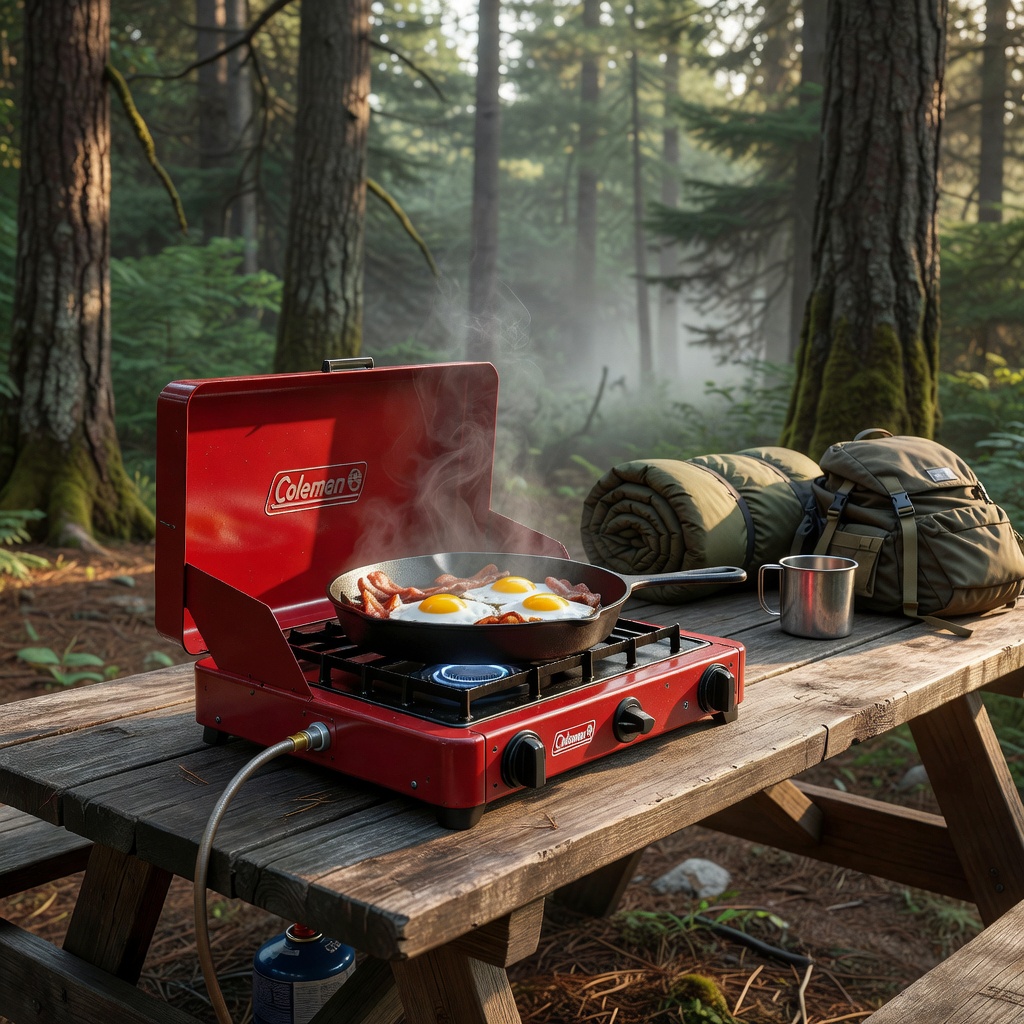
Want help choosing between single-burner simplicity and a real tabletop camp kitchen? Our best car camping stove guide compares the Coleman RoadTrip 225, the Coleman 2-in-1 Grill & Stove, and budget burners side by side so you can match your stove to the way you actually cook at camp.
Want a more stable tabletop option? The Coleman Classic 1-Burner Butane Camp Stove ($29.99) uses inexpensive 8-ounce butane canisters, lights with push-button ignition, and comes with a hard carrying case that doubles as a windscreen. It's still a single burner, but the flat tabletop design feels more beginner-friendly than a bottle-top stove when you're cooking on a picnic table.
For fuel strategy — propane vs butane vs isobutane, which lasts longer, and what works in cold weather — our camp stove fuel guide covers everything.
Cooler: Coleman 316 Series 62QT
The Coleman 316 Series 62QT Hard Cooler ($84.99) holds ice for 3-4 days in moderate weather. It fits a weekend's worth of food and drinks for 2-3 people, has cup holders molded into the lid (underrated feature), and the Have-A-Seat lid supports 250 pounds — doubles as extra camp seating.
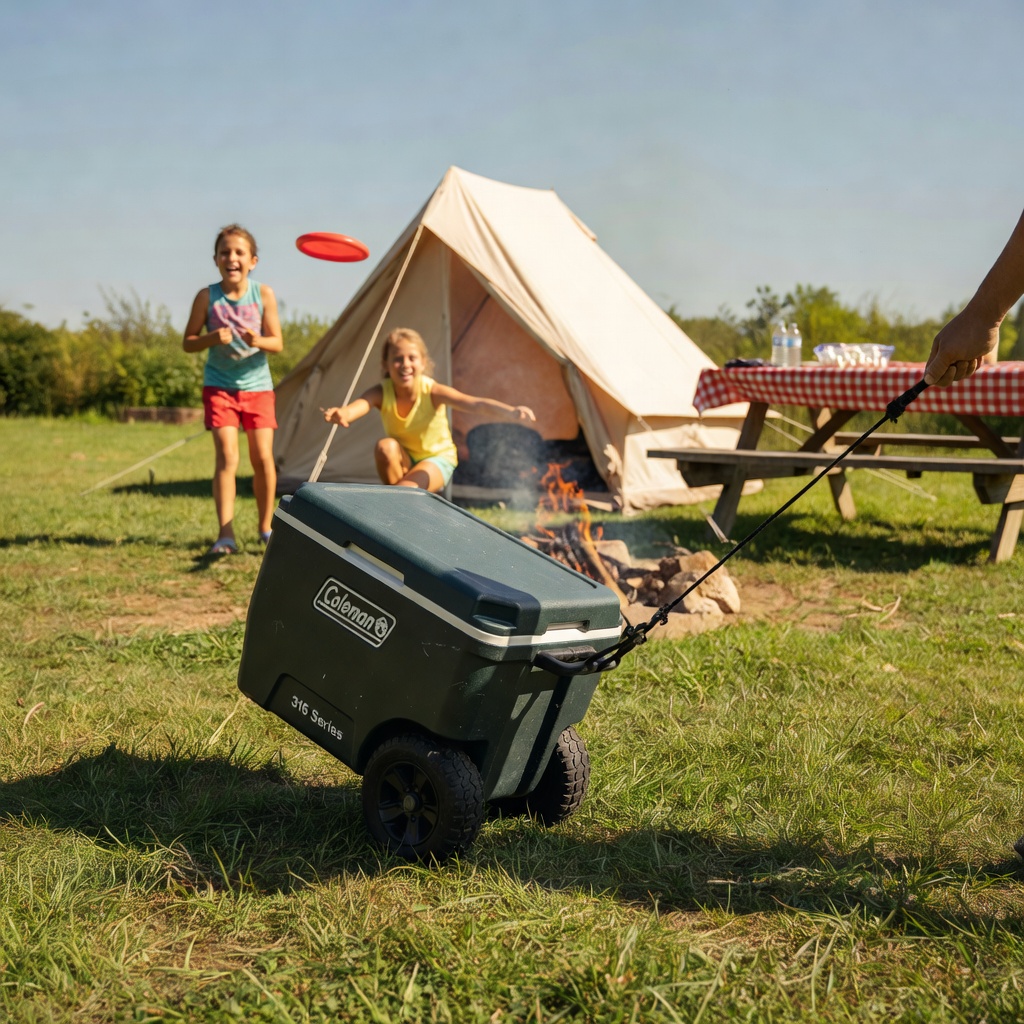
Pro tip: Pre-chill everything before packing. Warm drinks and room-temperature meat melt your ice in hours. Freeze water bottles the night before — they serve as both ice blocks and drinking water as they thaw.
Water: Sawyer Squeeze Filter
Never assume campground water is drinkable. The Sawyer Squeeze Water Filtration System removes 99.99999% of bacteria and protozoa (the stuff that gives you giardia — trust me, you don't want giardia). It weighs 3 ounces, filters up to 100,000 gallons, and screws onto standard water bottle threads. Fill the pouch from a stream, squeeze into your bottle, drink.
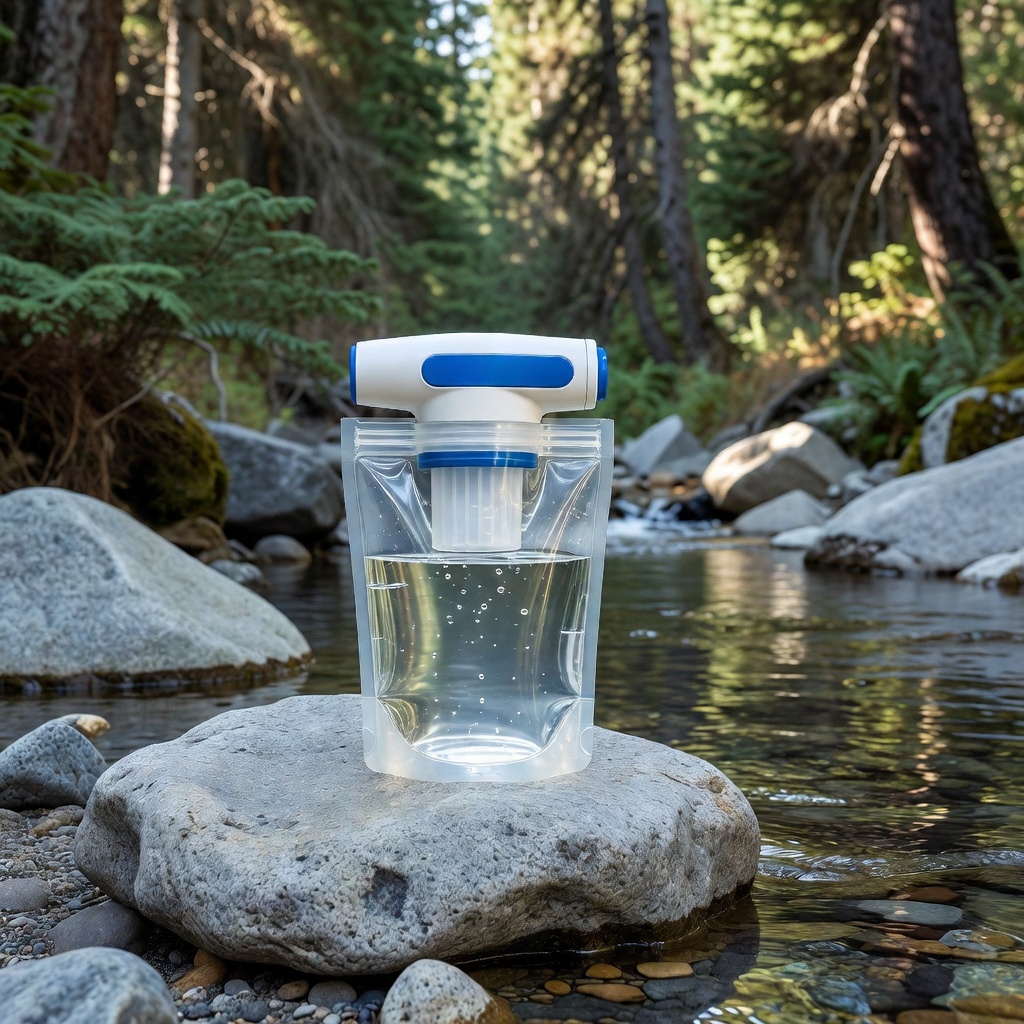
Bring at least 1 gallon of water per person per day as backup. The filter is your primary; the gallon jugs are your safety net.
The Other Essentials (Don't Skip These)
Headlamp: Petzl Actik Core
The Petzl Actik Core Headlamp is the headlamp I've used for three years. 625 lumens on max (bright enough to navigate a trail at night), red light mode preserves night vision, and the rechargeable battery saves you from buying AAs every trip. Nothing is more miserable than trying to set up a tent in the dark with your phone flashlight — a headlamp is the single best upgrade you can make to a first-trip kit.
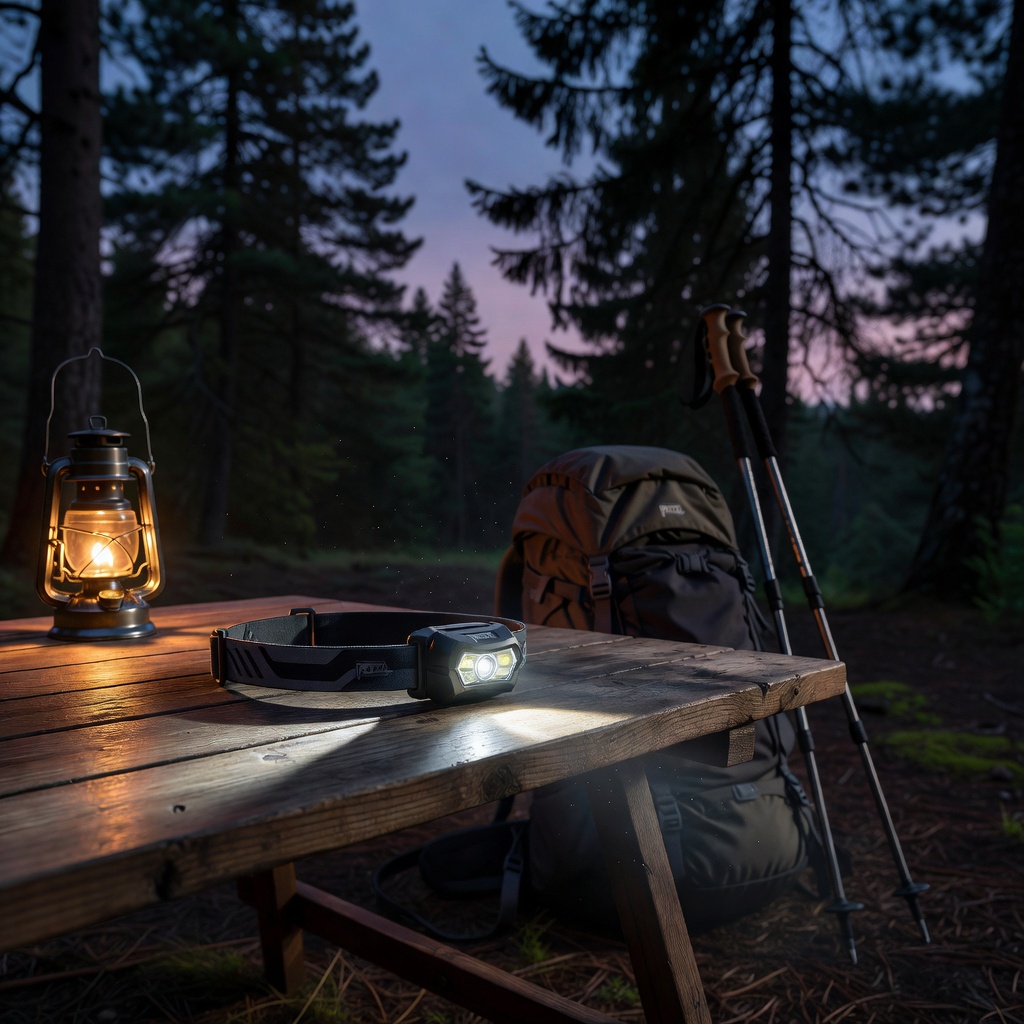
For a deeper dive into camp lighting options, our lanterns and headlamps guide covers everything from string lights to propane lanterns.
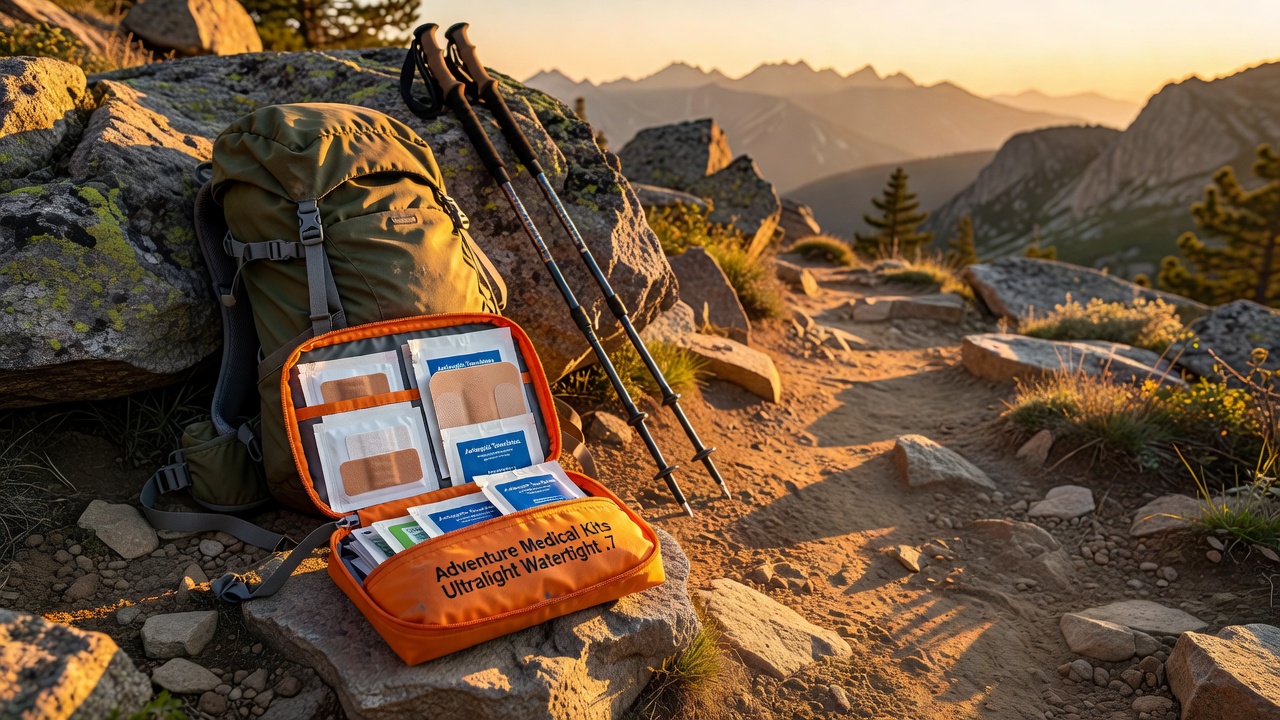
First Aid Kit: Adventure Medical Kits Ultralight .7
The Adventure Medical Kits Ultralight/Watertight .7 is the "throw it in your pack and forget it until you need it" kit. Hospital-grade supplies for cuts, burns, blisters, sprains, and insect stings, all in a waterproof bag the size of a paperback. Before you head out, run through our camping first-aid checklist so you know what to add for kids, dogs, and longer trips — and for a broader safety setup, our camping safety and survival gear guide covers the backup tools that turn small problems into non-events.
The Remaining Essentials (But Don't Skip)
Five more items beginners forget, each matched to a pick that fits a first-trip budget:
- Camp chair: Don't sit on the cooler all weekend — your back will hate you. A supportive chair changes how long you actually enjoy camp after dinner, especially on your first trip when you're still figuring out your setup. The Coleman Portable Camping Chair with 4-Can Cooler ($39.99) is the beginner pick — a built-in cooler pocket and cup holder in the armrest does two jobs at once. Our best camping chairs comparison guide breaks down padded quad chairs, lightweight options, and oversized picks so you can buy once instead of impulse-ordering a flimsy chair that sags by trip two.
- Bathroom plan: The question every first-timer is afraid to ask — and the one that stresses people out most before the first trip. A portable toilet, wag bag, or bucket setup runs under $50 and keeps 2 AM runs civilized and keeps your site Leave No Trace clean. The Reliance Luggable Loo ($24.99) is the cheapest bucket option, and a Cleanwaste WAG Bag kit ($44.99) packs everything out where no dump station exists. Our camping toilet & sanitation guide walks through the three main approaches (bucket, wag-bag, RV) so you can pick the one that fits your group and trip length.
- Lantern: A simple LED lantern lights the picnic table for card games and late dinners — the Black Diamond Moji ($24.95) takes AAAs and dims low enough not to blind everyone mid-hand.
- Multi-tool or pocket knife: You'll use it for food prep, gear repair, cutting cord, opening packages, and about twenty other things you didn't anticipate. The Leatherman Rev ($39.95) is the cheap-but-solid starter.
- Trekking poles: Optional for car camping, close to mandatory for hikes with elevation. They save your knees on the downhill.
What NOT to Buy (Common Beginner Mistakes)
I've made every mistake on this list so you don't have to:
- Huge multi-room tent as your first purchase. A 10-person cabin tent weighs 40 pounds, takes 30 minutes to set up, and requires a massive flat footprint. Start with a 4P and size up later if you love it.
- "Survival" gear you won't use. Fire starters, paracord bracelets, tactical shovels — YouTube camping influencers love these. You'll use none of them. Buy the basics first.
- Cotton everything. Cotton sheets feel nice until they get damp — then they stay wet for days and pull heat from your body. Synthetic or wool for sleeping; cotton for sitting around the fire.
- Cast iron cookware for your first trip. Yes, cast iron is amazing. It also weighs 8 pounds per pan and requires maintenance. Start with the pot your stove comes with and a cheap nonstick pan from home.
- A $300 cooler. A basic $85 Coleman keeps ice just fine for weekend trips. The premium rotomolded coolers (YETI, RTIC) are worth it for week-long trips — not your first weekend.
The Complete First-Trip Shopping List
Here's everything in one place. Total: approximately $540 for a complete, functional setup that'll last multiple seasons. Shopping for the camper in your life instead of yourself? Our best camping gifts guide collects 20+ vetted picks from $9 to $190 across every budget — stocking stuffers, camp-chef upgrades, and kid-friendly finds. If you would rather hand someone the whole kit in one box, our DIY camping gift basket guide turns this same starter list into five ready-made baskets.
| Category | Product | Price |
|---|---|---|
| ⛺ Tent | Coleman Skydome 4P | $122.99 |
| 🛏️ Sleeping Bag | Coleman Oak Point 30°F | $74.99 |
| 🛏️ Sleeping Pad | Klymit Static V | $64.95 |
| 🍳 Stove | Coleman Bottle Top | $21.99 |
| 🧊 Cooler | Coleman 316 62QT | $84.99 |
| 💧 Water | Sawyer Squeeze Filter | $45.95 |
| 🔦 Headlamp | Petzl Actik Core | $79.95 |
| 🩹 First Aid | Adventure Medical .7 | $44.95 |
What to Do the Week Before
A packing list is useless if you don't test anything. Here's the pre-trip checklist that prevents disaster:
- Set up the tent in your backyard or living room. Find the missing stakes BEFORE you're 50 miles from the nearest store. Practice the pole clips twice.
- Light the stove. Confirm you know how to attach the fuel canister and that it actually works. Buy a second fuel canister — running out mid-cook is a rite of passage you can skip.
- Sleep in the sleeping bag at home one night. You'll learn within 30 minutes whether the temperature rating is honest. Better to shiver at home than at 10,000 feet.
- Pack everything the night before. Don't leave packing for the morning of — you'll forget something crucial. Our summer camping checklist has the full item-by-item list.
- Check the weather and fire restrictions. Many campgrounds ban open fires during dry seasons. Bring the stove either way.
Before you book anything, consider the free rehearsal: camp in the backyard first. One night in the tent at home flushes out the leaky air mattress, the kid who won't sleep without a nightlight, and the dog who barks at every owl — with a real bathroom twenty feet away. Our backyard camping setup guide for kids covers the site layout, the lighting, and the s'mores protocol that turn a dry run into the trip they beg to repeat.
The Most Important Thing
Your first camping trip won't be perfect. Something will go wrong — the tent will take longer than expected, you'll forget the coffee, a raccoon will outsmart your food storage. That's part of it. The goal isn't a flawless Instagram post; it's waking up to birdsong, making oatmeal on a camp stove, and realizing you're not checking your phone every three minutes.
If you forgot something, the campground neighbor probably has a spare. Campers are surprisingly generous — we've all been the person who forgot the can opener. If you're doing this trip alone for the first time, our solo camping guide for beginners covers the campsite choice, check-in habits, and packing list that change when nobody is camping at the site next to you.
Once you've done this first trip, you'll know exactly what to upgrade next. Maybe a bigger shelter for family weekends — our best family tents guide compares budget-friendly 4P and 6P options, while the deeper best family camping tents 2026 guide ranks the best overall picks with side-by-side specs. If you're camping with kids, keep our family camping gear checklist handy for the little things that get forgotten. And before you pull out of the driveway, run through our camping first-aid checklist so a small cut or blister doesn't turn into the story everyone remembers.
If your next step is going lighter instead of bigger, our ultralight tent guide is the natural follow-up once you know you love sleeping outside. But start here. Start simple. Start with this list and a weekend you'll remember.
<!-- AFFILIATE_DISCLOSURE -->Shopping for your first pair with wide feet? Our wide-foot hiking shoe guide walks through the at-home foot measurement and the models with the roomiest toe boxes, so you don't waste a trip on blisters. If you already have the basics and you're planning your first short outing, our 2-day camping trip packing list covers what to bring for one night — and, more usefully, what to leave at home.
One planning trap catches almost everyone: the park's season and the campground's season are not the same thing, and closing dates vary by elevation and by which agency manages the land. We break down what closes when — and how to check your own campground in two minutes — in when do campgrounds close for the season.
For a first trip where the campground has actual restrooms and running water, the Pennsylvania state park tier is hard to beat — camping in Pennsylvania covers how to book it and what it costs.
First Camping Trip FAQ
What do I actually need for my first camping trip?
Four things decide whether you sleep well, so start there: tent, sleeping bag, sleeping pad, and pillow. The Coleman Skydome 4-Person Tent ($122.99) sets up in about five minutes with pre-attached poles, the Coleman Oak Point 30°F Sleeping Bag ($74.99) covers summer and shoulder season, and the Klymit Static V Sleeping Pad ($64.95) stops the ground from pulling the heat out of you all night.
Do I need a sleeping pad if I already have a sleeping bag?
Yes — and this is the mistake beginners make most often. The ground conducts heat away from your body about five times faster than air, so even a 30°F bag feels useless on bare ground. A pad is insulation first and cushioning second. Don't substitute an air mattress from home: they're heavy, they deflate overnight, and the PVC conducts cold straight into your back.
What size tent should a beginner buy?
Size up by two people. A "4-person" tent comfortably fits two adults with gear; a family of three or four wants a 6P. Tents are rated by floor area, not by bodies — sleeping pads, bags, duffels, and dog beds all eat into that number in the real world.
Can I use my 30°F sleeping bag in 30°F weather?
Not comfortably. Ratings assume you're wearing a base layer on a proper pad, and most people sleep colder than the rating suggests. A 30°F bag is realistically comfortable down to about 40°F. For nights in the 30s, add a fleece liner or sleep in thermals — or move up to a lower-rated bag for shoulder season.
For a worked example of how state and federal campground systems differ on the very same piece of land, see the Maryland camping guide — two parks, one barrier island, two booking portals, two season-end dates.