Best Camp Stove Fuel 2026: Propane vs Butane vs Isobutane (Complete Guide)
Propane vs butane vs isobutane camp stove fuel — which canister works in cold weather, what fits your stove, and what each one costs before you buy (2026).
The most humbling moment of my early camping career happened at 9,000 feet in late September. I'd packed a butane stove, proudly unpacked it at the trailhead, twisted on the canister — and nothing. The canister wouldn't light. Temperature at dusk: 38°F and dropping. Butane stops vaporizing around 31°F, and at altitude, it gives up even sooner. We ate cold granola bars for dinner and I spent the next morning researching everything I should have known before leaving the house.
If you're staring at a wall of green Coleman propane cylinders, blue butane cans, and silver isobutane canisters wondering which one your stove actually takes — and more importantly, which one won't leave you cold and hungry — this guide is for you. For the fastest no-regrets choice, the Gas One GS-3400P dual-fuel stove lets car campers switch between propane and butane, while the MSR PocketRocket 2 is the lightweight threaded-canister option for hikers. I'll cover every fuel type you'll encounter, cold-weather performance, cost per meal, and the one fuel mistake almost every beginner makes.
If you'd rather skip straight to a stove you can't get wrong, the four Top Stove + Fuel Pairings below cover car camping, backpacking, cold mornings, and even a no-fuel-to-buy wood-burning option — pick by trip, not by the label on the cheapest canister. Already know your trip type? Jump to the 60-second fuel compatibility check and confirm the connector before checkout.
Choose your next step: For a propane-ready car-camping setup, compare the best camp stoves for car camping. Expect freezing mornings or high elevation? Use the cold-weather and high-altitude camp stove guide before choosing a fuel blend. Camping in wind? Read the camp stove windscreen guide so you improve efficiency without creating a canister-safety problem. Planning autumn trips as the nights dip below 50°F? Our fall camping gear checklist pairs the right fuel with the cold-weather sleep and kitchen setup that keeps trips going through October.
Heading below 40°F, or topping up instead of buying? Two fuel decisions deserve their own read before you pack: the propane vs isobutane cold-weather breakdown shows which canister blends still light on a freezing morning, and the safe and legal way to refill 1 lb propane bottles covers the exact fill weights and the 80% limit. Running a cylinder-fed heater on those same October nights? Ventilation and carbon monoxide rules matter more than BTU — see the tent heater safety guide before you put any heat source inside a tent.
Before you buy fuel: match the stove connector to the canister, then use the product pages for the practical details: the Gas One GS-3400P accepts propane or butane for flexible car camping; the Coleman Bottle Top Propane Stove is a simple propane-only option; and the MSR PocketRocket 2 pairs with threaded isobutane canisters for backpacking. Check the forecast low before choosing between them—not just the daytime high.
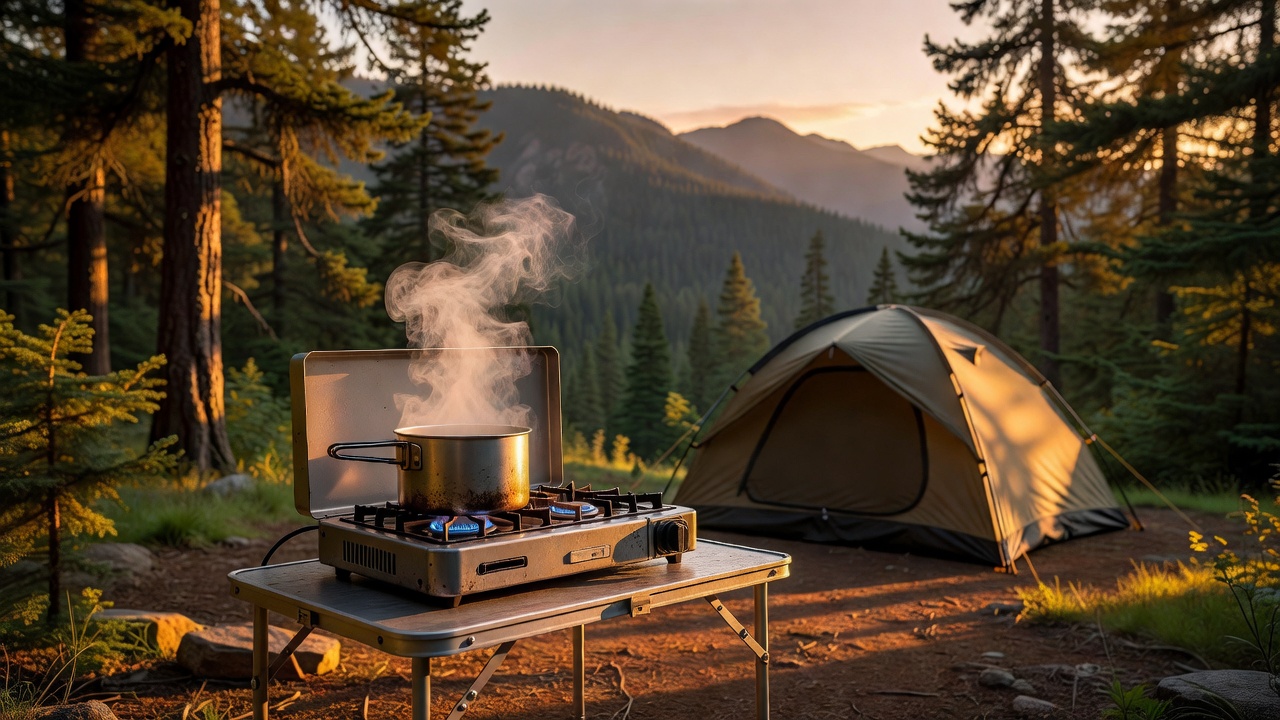
Quick Answer: Propane vs Butane vs Isobutane
Short version: propane for car camping and cold weather, isobutane for backpacking, butane only in warm weather. Butane stops vaporizing around 31°F — that is the single fact that ruins the most dinners.
- Propane — the cold-weather, cheapest-per-BTU choice. Propane boils at −44°F, so it keeps working in any weather you would realistically camp in, and a 12-pack of 16.4 oz Coleman cylinders runs $64.99 (4.8★, 10,500+ reviews). Trade-off: steel cylinders are heavy, and you have to match the stove's connector.
- Butane — warm weather only. Fine for tailgates and summer picnics with overnight lows above 45°F, useless at altitude or in a shoulder-season cold snap. Entry cost is low: 4 × 8 oz cans for $12.03, or a 12-pack for $29.99.
- Isobutane — the backpacking standard. Isobutane boils at roughly 11°F, which is why it is what threaded-canister stoves take. A 110 g MSR IsoPro canister is $8.95 (4.8★, 4,800+ reviews); the MSR PocketRocket 2 it feeds costs $49.95 and weighs 2.6 oz (4.8★). When the forecast low drops under 20°F, keep the canister in your sleeping bag overnight.
- Want a fuel decision you cannot get wrong? The Gas One GS-3400P is $34.99 (4.5★) and runs propane or butane, so you can switch when a cold front rolls in. The Coleman Bottle Top Propane Stove is $21.99, 10,000 BTU, and screws straight onto a standard cylinder — but it has no built-in igniter, so pack a long lighter.
- No fuel to buy at all: the BioLite CampStove 2+ ($199.95) burns twigs you gather on site and charges a phone from the fire. For international or deep-winter trips, the MSR WhisperLite Universal ($149.95, 4.7★) burns white gas, kerosene, or canisters.
Below 40°F, or camping above 4,000 ft? That is where the decision stops being about price and starts being about chemistry — propane keeps full pressure, butane gives up entirely, and "isobutane" canisters are actually blends that behave very differently as the mercury drops. Our side-by-side propane vs isobutane temperature breakdown shows what 80/20 and 70/30 canisters really do on a frosty morning, plus the three winter workarounds that keep a canister stove lit. And if you're thinking of topping up those green 1 lb cylinders instead of buying fresh ones every trip, read whether refilling 1 lb propane bottles is safe and legal first — the DOT-compliant route matters far more than the few dollars an adapter saves.
Check before checkout: confirm the connector. Threaded isobutane canisters and bayonet-style (click-in) canisters are not interchangeable, and no amount of fuel knowledge fixes a mismatched fitting. The 60-second compatibility check below walks it through.
Top Stove + Fuel Pairings (Skip the Reading, Just Buy Right)
If you already know your trip type and want the pairing that won't let you down, these four stoves cover almost every camper. Each one is matched to the fuel it actually takes — pick by trip, not by price.
- Best all-around for families: Gas One GS-3400P Dual-Fuel Stove — $34.99, 4.5★. Runs on propane OR butane, so you switch to propane when a cold front rolls in. The one stove that survives a surprise forecast change.
- Best budget propane for car camping: Coleman Bottle Top Propane Stove — $21.99, 4.5★. Screws onto a standard green propane cylinder, 10,000 BTU, lights cold mornings. Pack a long lighter (no built-in igniter).
- Best for warm-weather picnics & tailgates: Coleman Classic 1-Burner Butane Stove — $29.99, 4.5★. Compact tabletop unit with a carrying case. Perfect when overnight lows stay above 45°F — but butane quits below 31°F, so don't take it to the mountains.
- Best for backpacking: MSR PocketRocket 2 — $49.95, 4.8★. Threaded isobutane canisters, 2.6 oz, boils water in minutes. The dependable pick when pack weight matters more than skillet space.
- Best when you don't want to buy fuel at all: BioLite CampStove 2+ — $199.95, bundle with power bank. Burns sticks and twigs you gather on-site, so there's nothing to buy, carry, or run out of — and the USB output keeps your phone alive on long backcountry nights. The pick when fuel logistics matter more than budget.
Still unsure which fuel your stove takes? The 60-second compatibility check lower down solves that before you buy. The rest of this guide explains why each pairing works — cold-weather limits, cost per meal, and the one mistake that leaves beginners eating cold granola.
The Four Camp Stove Fuel Types (Quick Reference)
Before diving deep, here's the 30-second version. Skip to the section that matches your camping style:
| Fuel Type | Best For | Cold Weather? | Cost Per Meal | Stove Cost |
|---|---|---|---|---|
| Propane | Car camping, groups, winter | Yes (to -44°F) | ~$0.50 | $20-40 |
| Butane | Fair-weather car camping, picnics | No (dies ~31°F) | ~$0.35 | $15-30 |
| Isobutane | Backpacking, 3-season | Yes (to ~11°F) | ~$1.00 | $15-50 |
| Liquid Fuel / Wood | International travel, multi-fuel | Best (any temp) | ~$0.20 / Free | $100+ / $150 |
One naming note before the deep dives, because the same four options travel under several labels. The camp stove fuel options are propane cylinders, butane cartridges, isobutane canisters, and liquid or solid fuel, and no box or website changes that list. In the UK and much of Europe the same shelf is listed under camp stoves camping gas, which means butane or a butane blend in a click-in can. Search propane camp stove vs butane and you reach the car camping comparison. Search butane camp stove vs propane and the words swap while the answer holds, since propane keeps working on a cold morning and butane costs less on a warm afternoon. If your first stove came from a scout kit, you may know camp stove fuel tablets and a white gas camp stove fuel bottle from that trip. Those are the solid and liquid ends of the same range, and the sections that follow cover each one.
Pick Your Stove + Fuel Pairing in 30 Seconds
If you want the shortest path from planning to a hot meal, choose the trip, then buy the matching stove and fuel system—rather than picking a cheap canister first and hoping it fits. If you are still assembling your first kit, start with our first camping trip starter kit so fuel, cookware, shelter, and safety basics get planned together. For a family drive-in campsite, use the tent size guide before choosing a stove: a roomier 6-person shelter keeps sleeping gear, kids, and the cooking area from competing for the same cramped setup space. Once fuel and stove are locked in, make sure the food they cook stays cold all weekend — our how to pack a cooler for a weekend camping trip walks through ice-to-food ratios and how much ice you'll burn per day, so you're not running to the camp store for ice by Saturday morning.
- Family car-camping weekend, variable forecast: Choose the Gas One GS-3400P dual-fuel stove and bring propane. Its propane-or-butane flexibility is useful, but propane is the dependable packing default when mornings could turn cold. Add one spare cylinder beyond your meal calculation.
- Warm-weather picnic, beach day, or tailgate: Choose the Coleman Classic 1-Burner Butane. It is compact and simple when the overnight low stays above 45°F; buy a spare cartridge before leaving town.
- Solo or two-person backpacking trip: Choose the MSR PocketRocket 2 with threaded isobutane canisters. It makes the most sense when pack weight matters more than skillet-sized cooking space.
- One-pot meals from the car on a tight budget: Choose the Coleman Bottle Top Propane Stove. It is a compact, high-output propane option, but pack a long lighter because it does not have built-in ignition.
One non-negotiable: never try to adapt a canister to a stove it was not designed to accept. Confirm the connector and your campsite's forecast low before checkout; a spare compatible canister is cheaper than changing dinner plans at a remote trailhead.
Best Camp Stove by Trip Type: A Quick Router
If you already know what you are shopping for, skip the fuel theory and jump straight to the deep guide for your trip. These are the searches readers ask us most often:
- Best camp stove for car camping → our car-camping stove guide covers two-burner vs single-burner, wind protection, and table height.
- Best table to cook on → our camping table buying guide covers stove-station setup, heat barriers, and the table height that matches your camp chairs.
- Best camp stove for backpacking → the backpacking stove guide compares canister weight, pot support, and packed size.
- Best camp stove for high altitude or cold weather → the cold-weather and altitude stove guide explains why isobutane blends beat straight butane up high.
- Best camp stove for RV quick connect → our propane hose, regulator, and adapter guide is how you run a stove off an onboard tank instead of buying cylinders every trip.
- Best camp stove for boiling water fast → how many BTUs you actually need matches burner output to the pot you really cook in.
- Best camp stove for simmering → the simmer and heat-control guide covers the low-flame end of cooking, where most cheap stoves fail.
- Best camp stove for a power outage or emergency → the 1 lb propane tank buyers guide covers shelf-stable fuel and safe indoor-adjacent use.
- Best camp stove for van life or overlanding → the single-burner vs two-burner guide settles the space-versus-capacity trade-off.
- Best camping stove for a family of 4 or 5 → jump to what is the best camp stove for family camping below, where the two-burner picks and capacities live.
- Best camp stove for indoor use → a camping stove for indoors is a carbon monoxide question before it is a shopping question, since these stoves are built for open air. Read our tent heater safety guide before any flame goes under a roof, and use the 1 lb propane buyers guide for the cylinder that stores best between outages.
- Best camp stove for one person → a camping stove for one person is a single burner, and the backpacking stove guide sorts them by packed size and pot support.
Propane vs Butane for Car Camping: Make the Call Before You Pack
For a typical car-camping weekend, propane and butane are both easy to use; the deciding factor is the lowest overnight temperature, not the forecast high. Choose propane if the trip includes shoulder season, mountains, windy overlooks, or any morning below 45°F. Choose butane only when you know the trip will stay mild and you value the compact tabletop stove format.
Pick propane when:
- Morning temperatures may fall below 45°F, especially at elevation.
- You are cooking for a family, want stronger heat, or rely on one stove for every meal.
- You need fuel you can replace at a rural gas station or hardware store.
- You want to use a refillable larger tank for longer stays.
Pick butane when:
- Your trip is a warm-weather campground, picnic, tailgate, or beach day.
- You prefer a low, stable tabletop stove with a built-in case and simple cartridge loading.
- You can buy spare cartridges before leaving town and temperatures will remain comfortably above 40°F.
The practical compromise is a dual-fuel stove. The Gas One GS-3400P accepts either fuel, so use inexpensive butane on warm summer trips and switch to propane when a cold front is in the forecast. If you are deciding between a simple butane stove and the dual-fuel approach, see our Coleman Classic vs. Gas One butane stove comparison: it matches the choice to a picnic, tailgate, or chilly family campsite. If cost is your main concern, our best budget camp stoves for car camping guide compares the current under-$50 options and explains which fuel system each one needs.
Car-Camping Fuel Decision Card
- Warm summer campground (50°F+ overnight): Butane is convenient; bring one extra cartridge.
- Spring/fall campground (35–50°F overnight): Propane is the safer default; dual fuel is ideal.
- Mountain or high-desert campsite: Treat it like a cold-weather trip even if the afternoon is hot; use propane.
- Cooking for four or more: Use propane for faster boil times and easier resupply.
- One-pot backpacking meal: Use a threaded isobutane canister with a compact stove, not a bulky propane bottle.
The 60-Second Fuel Compatibility Check
Do this before putting a canister in your cart — fuel labels are not interchangeable. First, look at the stove connection: a side-loading bayonet slot takes butane cartridges, a threaded Lindal valve takes backpacking isobutane canisters, and a regulator/hose or bottle-top fitting takes propane. Never force a canister onto a stove that was not built for it.
Second, check the forecast low at the campsite, not your hometown high. A 68°F afternoon can become a 39°F breakfast at a mountain campground; in that case, a propane-compatible stove such as the Gas One GS-3400P gives you a practical fallback. Finally, buy fuel before the last small town: propane is broadly available, while butane and threaded isobutane canisters are much less dependable at rural gas stations.
If the connection, lowest temperature, and resupply plan all match, you have chosen the right fuel. If even one answer is uncertain, choose propane or a dual-fuel setup for a drive-in trip rather than gambling on a butane-only stove.
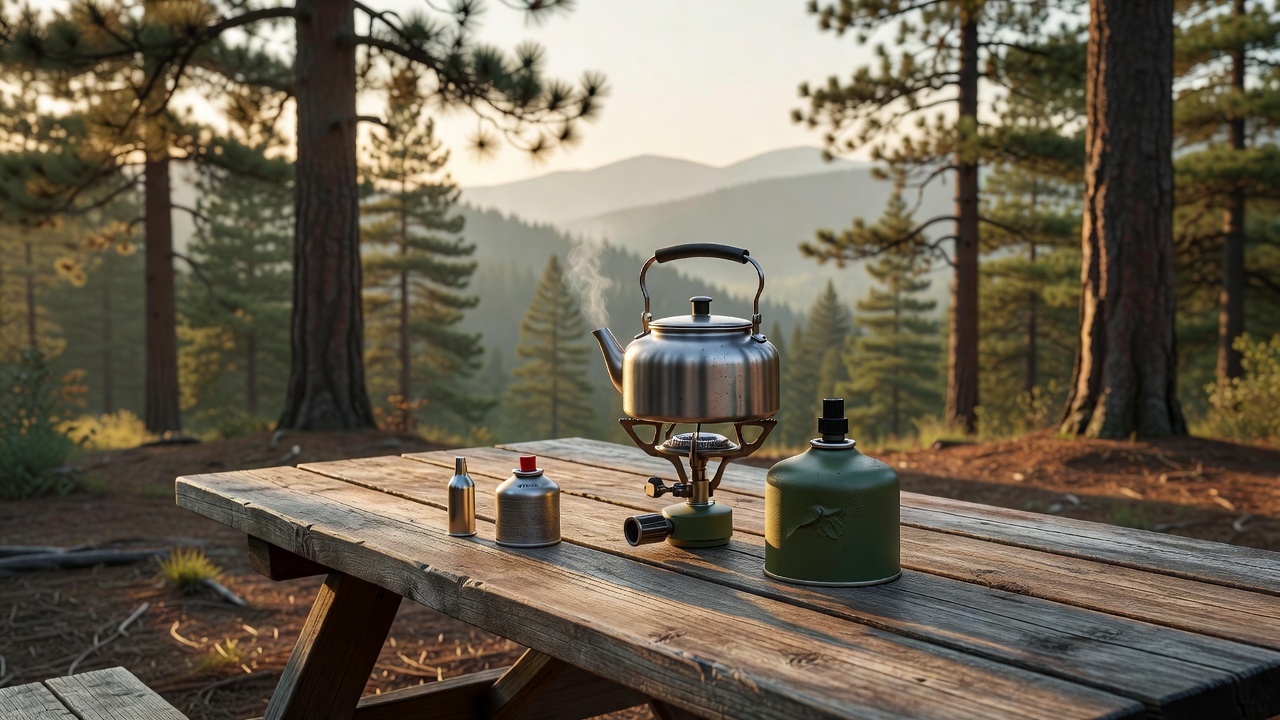
Propane: The Workhorse for Car Camping and Groups
Propane is what most people picture when they think "camp stove." Those squat green 1-pound Coleman cylinders are everywhere — Walmart, gas stations, ranger stations. If you're car camping, tailgating, or feeding a group, propane is almost certainly your answer. Building the full game-day parking-lot setup? Our tailgating gear checklist walks through the stove-to-cooler-to-chair lineup, fuel included.
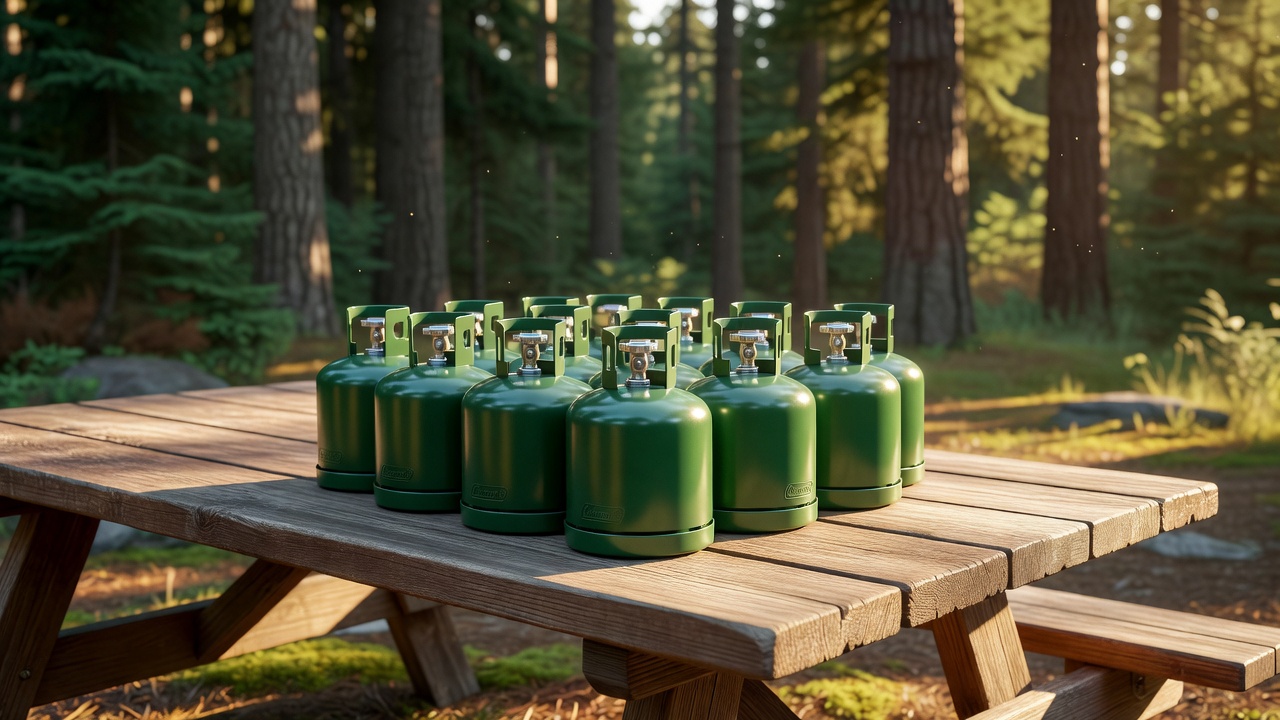
How Propane Stoves Work
Propane is stored as a liquid under pressure inside the cylinder. When you open the valve, it vaporizes into a gas that your stove burns. The critical advantage: propane vaporizes down to -44°F. You can cook breakfast on a frozen lake in January and the flame will be just as strong as it was in July.
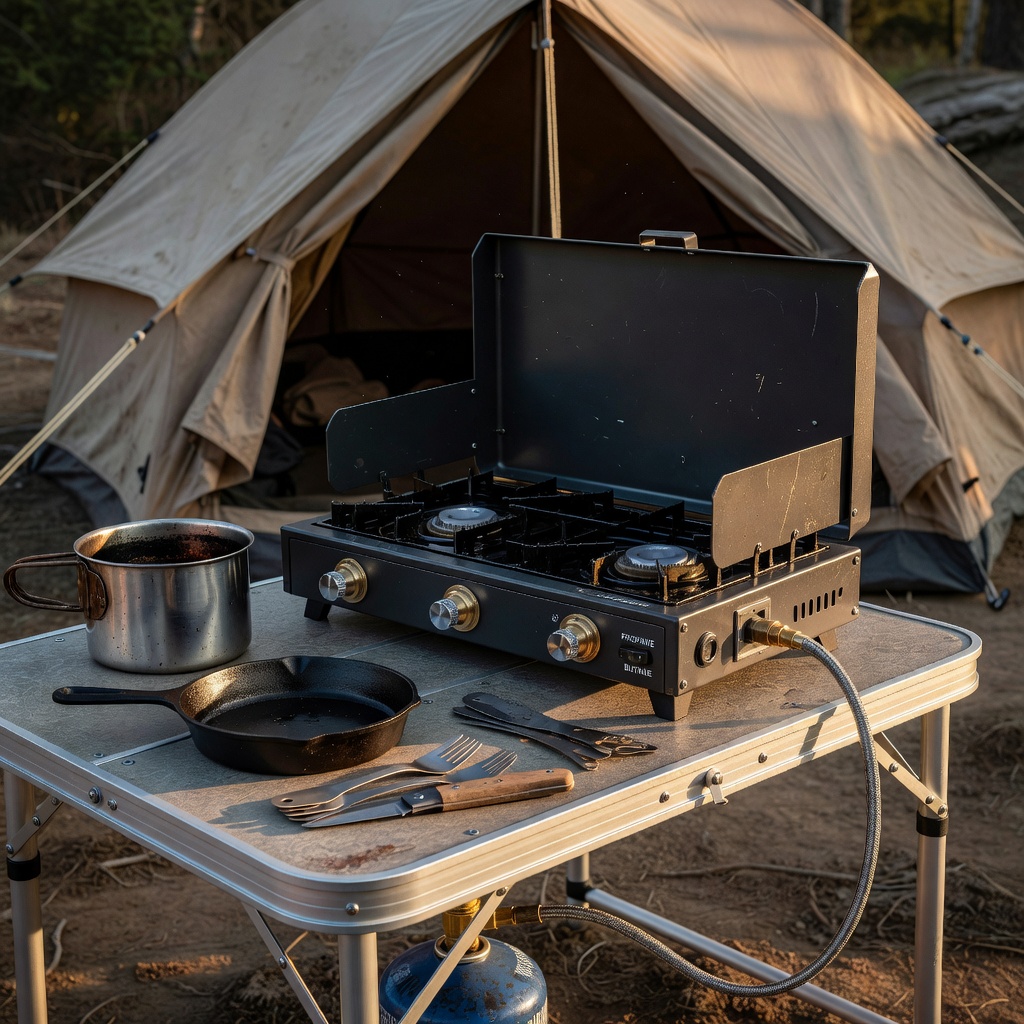
Our Pick: Gas One GS-3400P Dual Fuel
The Gas One GS-3400P Dual Fuel Propane & Butane Camp Stove ($34.99) is the smartest $35 you'll spend on camp cooking. It accepts BOTH propane cylinders AND butane canisters — meaning you're never stuck with the wrong fuel. The 8,000 BTU output is enough to boil a liter of water in about 4 minutes, and the built-in windscreen actually works (unlike most stoves at this price).
Specs: Dual fuel (propane + butane) · 8,000 BTU · Auto-ignition · Built-in windscreen · Compact carrying case
Budget Alternative: The Coleman Bottle Top Propane Camp Stove ($21.99) is the simplest propane stove on the market — screw it onto a 1-pound cylinder, twist the knob, light it. 10,000 BTU. No case, no frills, just heat. It's been Coleman's best-selling camp stove for a reason.
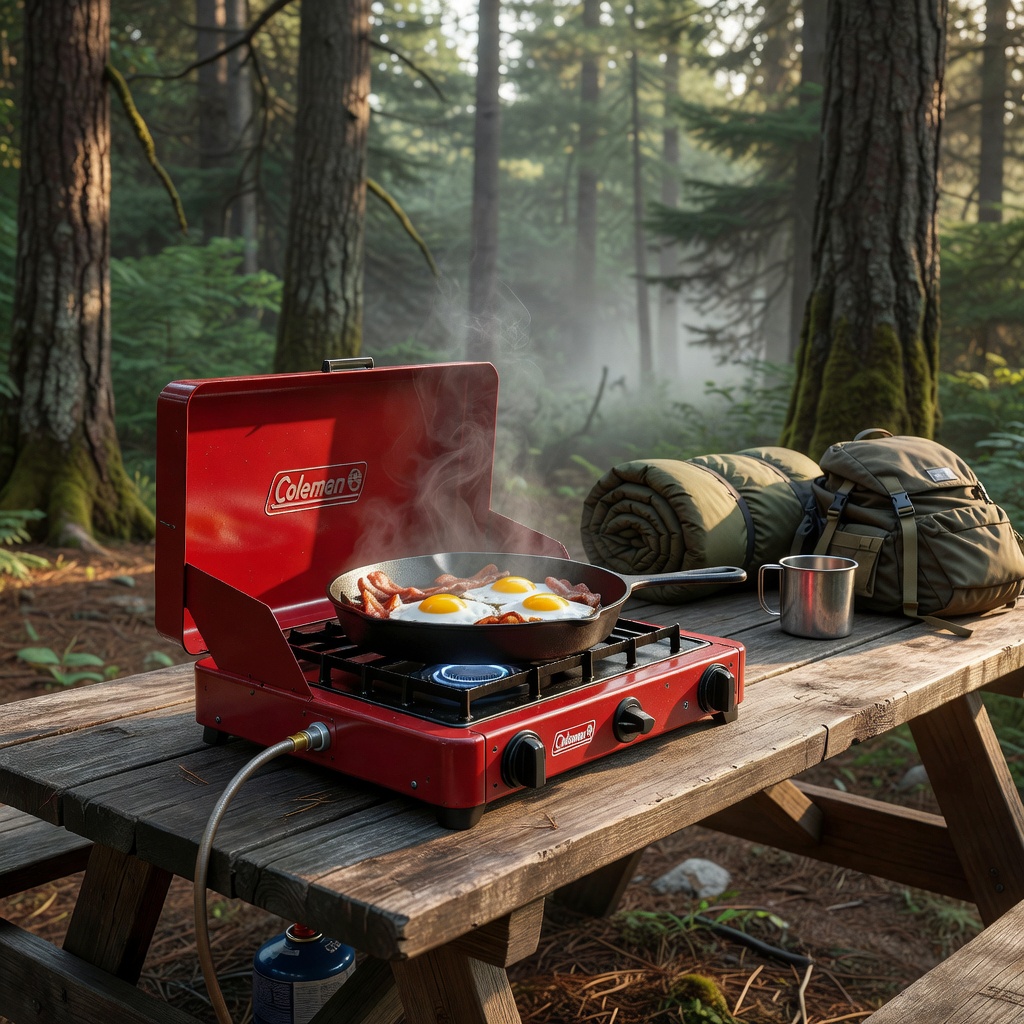
Fuel Is Only Half the After-Dark Plan
A cold-weather dinner problem is rarely only a stove problem. Once the temperature drops, both your fuel choice and your lighting plan have to work without a last-minute run to town. Propane is the sensible choice for a frosty car-camping breakfast; for a butane stove, a mild forecast is part of the gear requirement. For headlamps and lanterns, pack fresh batteries or a charged power bank, keep spares dry, and use lithium AAAs when nights will be near freezing—alkalines lose useful capacity fast in the cold.
Set the lantern and headlamps aside before you start cooking, rather than discovering after dinner that every battery is flat. Our camp lighting guide explains the simple two-light setup that keeps a tent, camp kitchen, and midnight bathroom walk covered without draining one phone flashlight.
Those two lights, as actual gear. A cold-weather dinner is a fuel problem and a lighting problem, so here is the pairing the guide describes — one hands-free light plus one shared light, in products you can buy today:
-
Hands-free, on your head: Black Diamond Spot 400 Headlamp ($39.95, 4.5★, 1,500+ reviews). 400 lumens with real dimming, waterproof, and a red-light mode that preserves night vision for a midnight bathroom walk or a canister swap at the stove. Dual-Fuel is the part that matters in October: run it on the AAAs you already carry, or drop in Black Diamond's rechargeable battery so a frosty weekend stops eating disposables.
-
Shared light for the camp kitchen: Black Diamond Moji Lantern ($24.95, 4.4★). A 200-lumen dimmable area light that hangs in the tent or off the table edge. Dimming matters more than raw output when four people are eating under it, and it takes either AAAs or the optional BD 1500 rechargeable battery.
-
One light per kid, under $25 total: MalloMe Camping Lantern 4-Pack ($23.99, 4.7★, 8,100+ reviews). Four collapsible lanterns (48 hours on three AA batteries, three brightness modes) in one box. If "set the lantern aside before you cook" turns into three people hunting for one light, this is the cheap fix — and each one folds flat into the camp box.
-
Lantern and power bank in one: LuminAID PackLite Max 2-in-1 ($49.99, 4.5★). A 150-lumen inflatable solar lantern with a 2,000 mAh reserve that tops up a phone, which covers the "fresh batteries or a charged power bank" line above without carrying both. It packs flat enough to live in the car all season.
And if the forecast turns wet on you, cooking is only half the battle — keeping your tent, sleeping bag, and spare clothes dry is the other half. Our rainy day hiking and camping gear guide covers the rain shell, pack cover, and camp-drying routine that keeps a storm from ending your trip early.
Propane Pros and Cons
Pros:
- Works in any temperature you'd actually camp in
- 1-pound cylinders available everywhere ($5-7 each)
- High heat output (8,000-10,000 BTU per burner)
- Refillable 20-pound tanks for extended trips ($20 refill = ~20 meals)
Cons:
- 1-pound cylinders are heavy and bulky for backpacking
- Cannot fly with propane cylinders (TSA prohibited)
- Partially-used cylinders are awkward to pack out
Butane: The Picnic and Fair-Weather Choice
Butane stoves are the ones you see at Korean BBQ restaurants and sidewalk food carts — slim, portable, with a rectangular canister that clicks in from the side. They're popular in Asia and Europe, inexpensive, and genuinely convenient for casual cooking. But they have one fatal flaw that catches new campers off guard.
The Temperature Problem (Read This Before Buying)
Butane stops vaporizing at 31°F (its boiling point). But in practice, performance drops off well before that. At 40°F, you'll notice a weaker flame. At 35°F, the stove sputters. At 31°F and below, it's a paperweight. If you camp in spring or fall — or anywhere with altitude where evenings get cold — butane alone is a gamble. And if you're already standing at a cold campsite with a stove that won't light at all, work through the camp stove troubleshooting checklist — fuel level, canister seating, and cold-weather pressure loss account for nearly every failure, and two of those three are fixable with your hands.
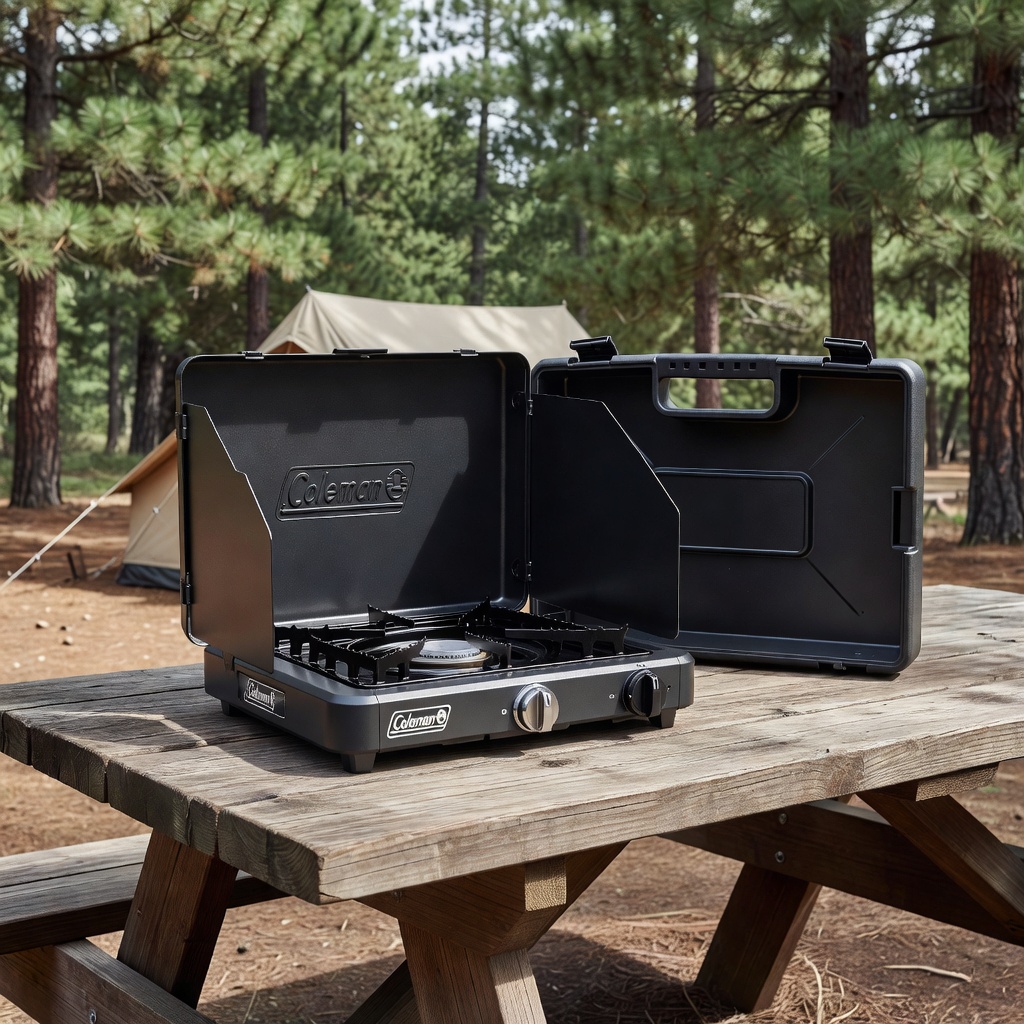
Our Pick: Coleman Classic 1-Burner Butane
The Coleman Classic 1-Burner Butane Camp Stove ($29.99) is the best butane-only stove for casual use. The carrying case doubles as a cooking surface. InstaStart ignition means no matches. 7,650 BTU — plenty for coffee, eggs, and soup. At under $30 with a case included, it's hard to beat for fair-weather picnics and beach days. Just don't take it above 5,000 feet in October.
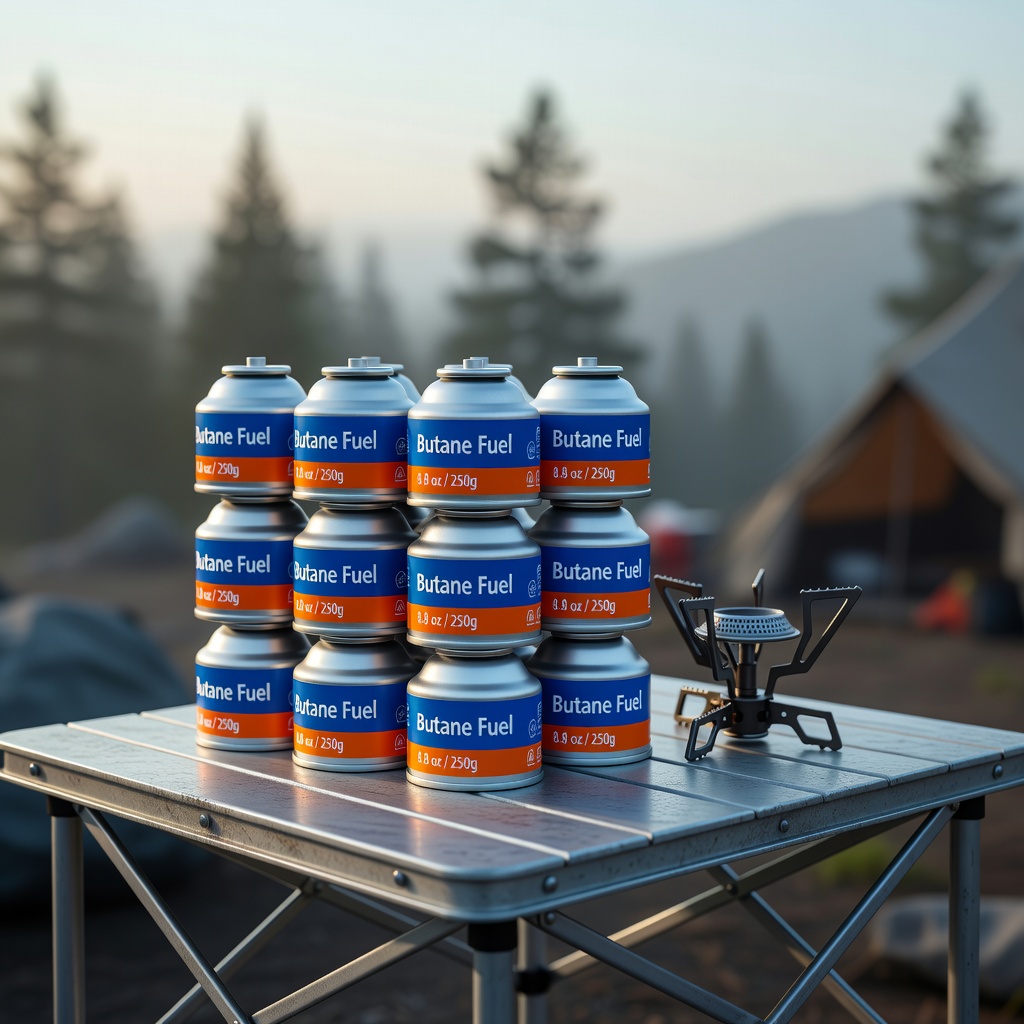
Fuel Up: Stock the pantry once and stop overpaying at camp stores — the GasOne 12-Pack Butane Fuel Canisters ($29.99) give you a full season of fair-weather cooking for about $2.50 a canister, and the universal valve fits the Coleman Classic, the Gas One GS-3400P, and most other portable butane stoves. Not sure butane is for you? The GasOne 4-Pack ($12.03) is the low-commitment trial size — four universal canisters cover a weekend of coffee and eggs before you spring for the season-stockpile 12-pack.
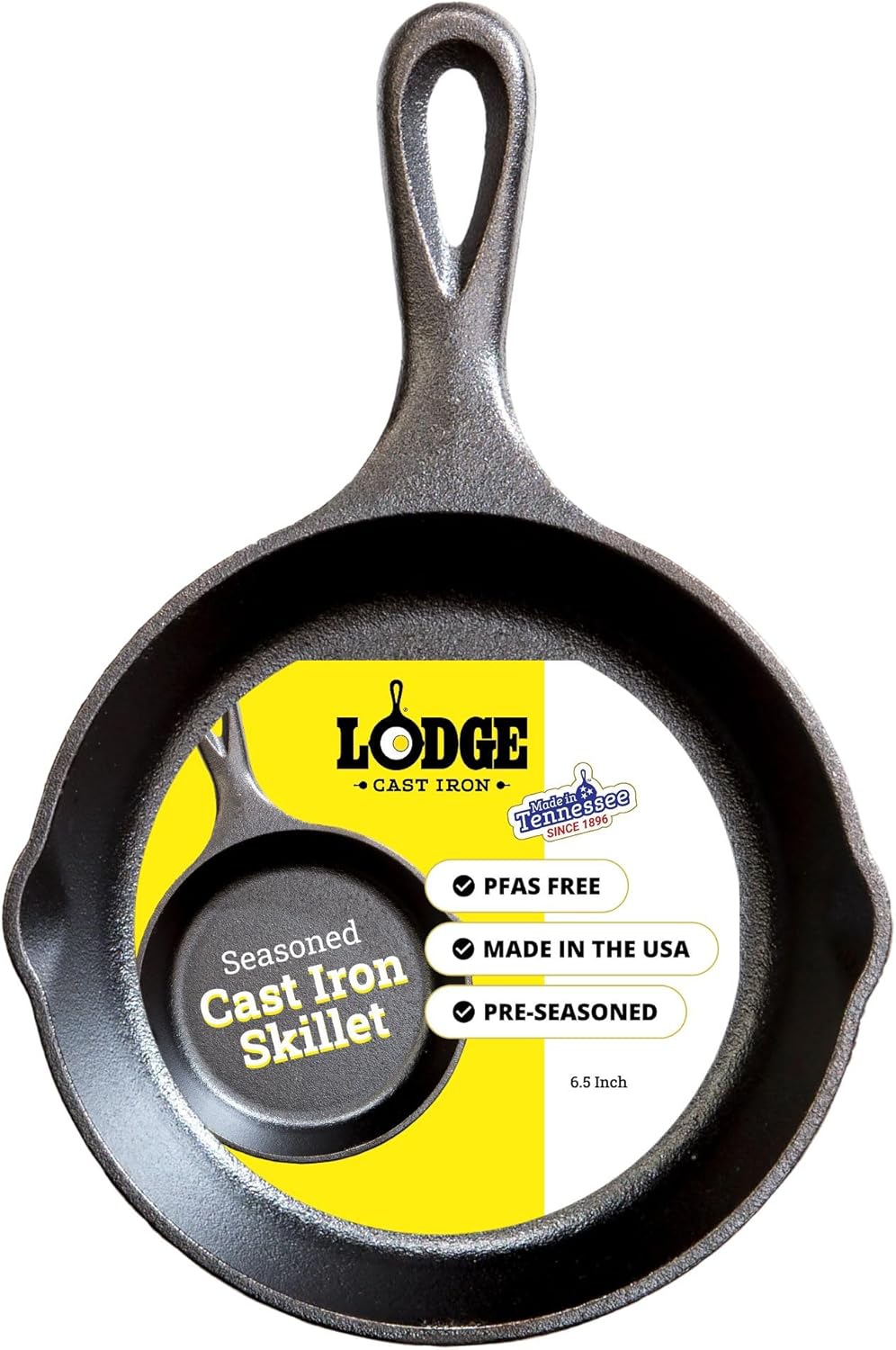
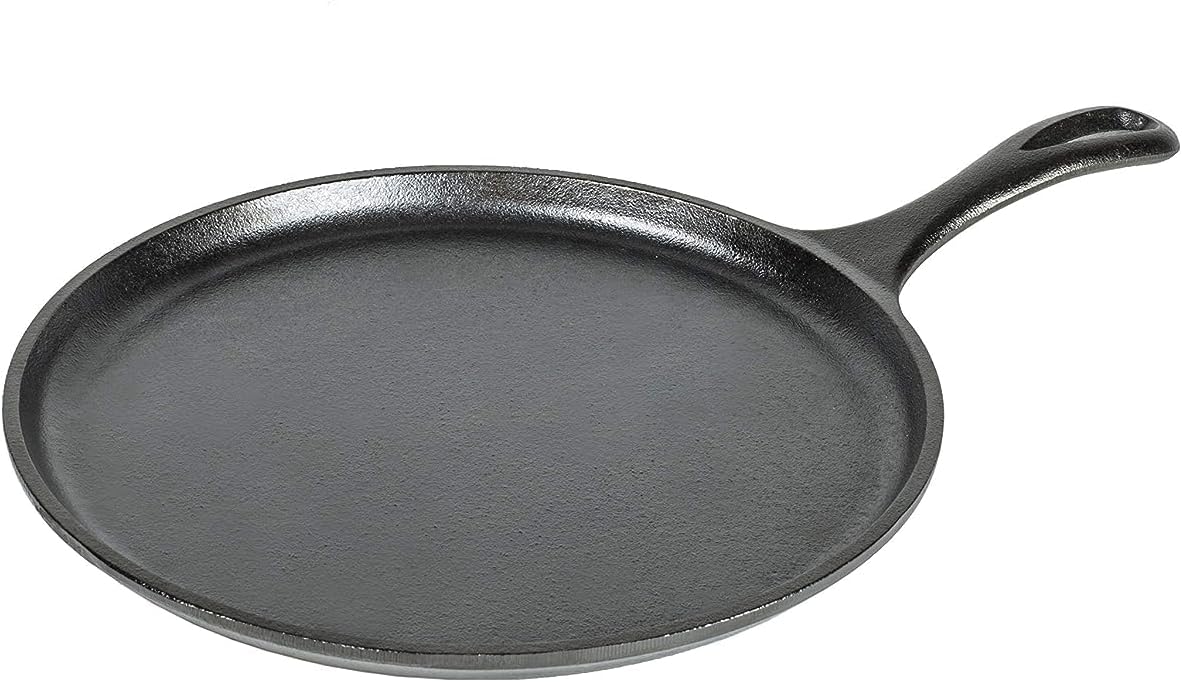
Cookware Pairing: A fuel-efficient burner is only useful with a pan that matches the meal. The Lodge 6.5-inch cast-iron skillet ($9.38) is a compact choice for eggs, toasted sandwiches, and one-person meals; for a family breakfast, the Lodge 10.5-inch round cast-iron griddle ($24.90) gives you more surface area. Either works best on a stable propane or dual-fuel stove—cast iron takes longer to heat, but holds heat well once it is hot.
Butane Pros and Cons
Pros:
- Cheapest per-canister fuel (~$2-3 per 8 oz can)
- Slim, portable stove design with carrying case
- Canisters are lightweight and easy to pack
- Clean-burning — less soot than propane
Cons:
- Useless below 40°F — spring/fall camping is risky
- Canisters not refillable
- Lower heat output than propane (7,000-8,000 BTU)
- Butane canisters harder to find than propane in rural US
Isobutane: The Backpacker's Fuel
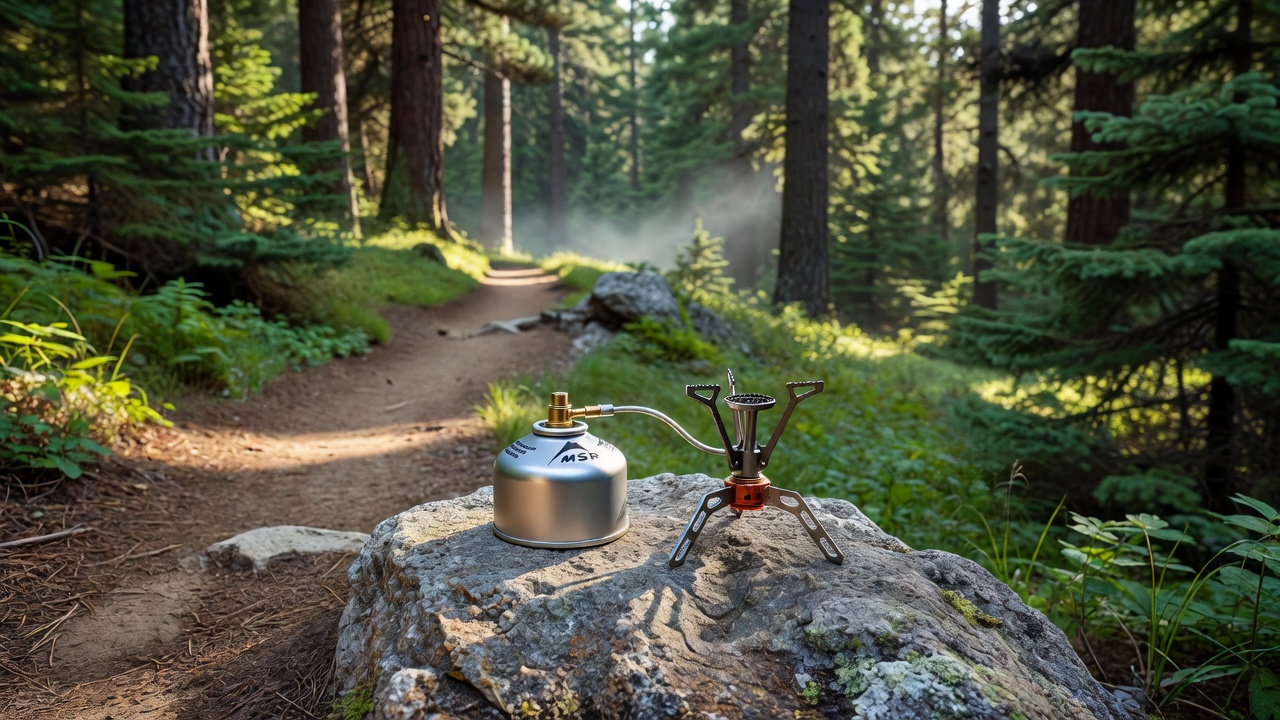
Walk into any REI and the fuel shelf is dominated by silver isobutane canisters — MSR IsoPro, Jetboil Flash, Snow Peak. These are the backpacking standard for a reason: they're lightweight, compact, and perform better in cold than straight butane. But "better" doesn't mean "good" — isobutane has its own temperature limits.
What Makes Isobutane Different
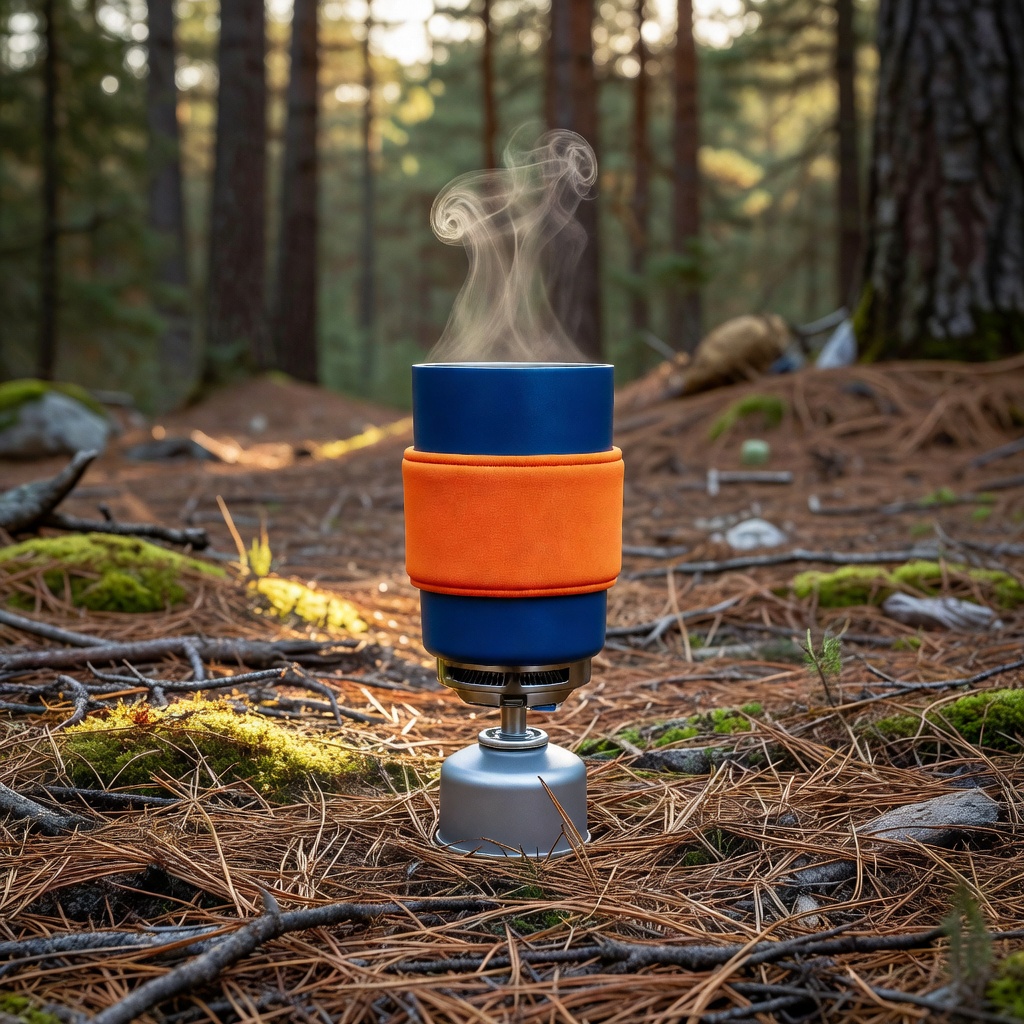
Isobutane is butane's chemically-rearranged cousin. The "iso" molecular structure lowers the boiling point from 31°F to about 11°F — still not propane-level cold performance, but good enough for three-season backpacking. Most backpacking canisters are actually an isobutane-propane blend (usually 80/20 or 70/30) to push cold performance further.
The cold-weather backpacking trick: Sleep with your canister in your sleeping bag. A canister warmed to body temperature will light easily even when the morning air is 25°F. Just don't confuse it with your water bottle at 3 AM.
There is a no-body-heat version of that trick worth carrying in winter. A pair of HotHands hand warmers ($29.99, 4.6★, 32,000+ reviews) dropped in the sleeping bag beside the canister does the same job without you waking up hugging a fuel cartridge; the air-activated packs run about 10 hours. If you would rather not buy disposables every season, the OCOOPA rechargeable hand warmer 2-pack ($39.99, 4.5★) holds up to 16 hours on four heat levels and doubles as a 5,000 mAh power bank. Either way the rule is the same: you are adding a few degrees to the canister, not heating fuel — warm the cylinder, never the valve, and never over a flame or a stove.
Our Pick: MSR PocketRocket 2
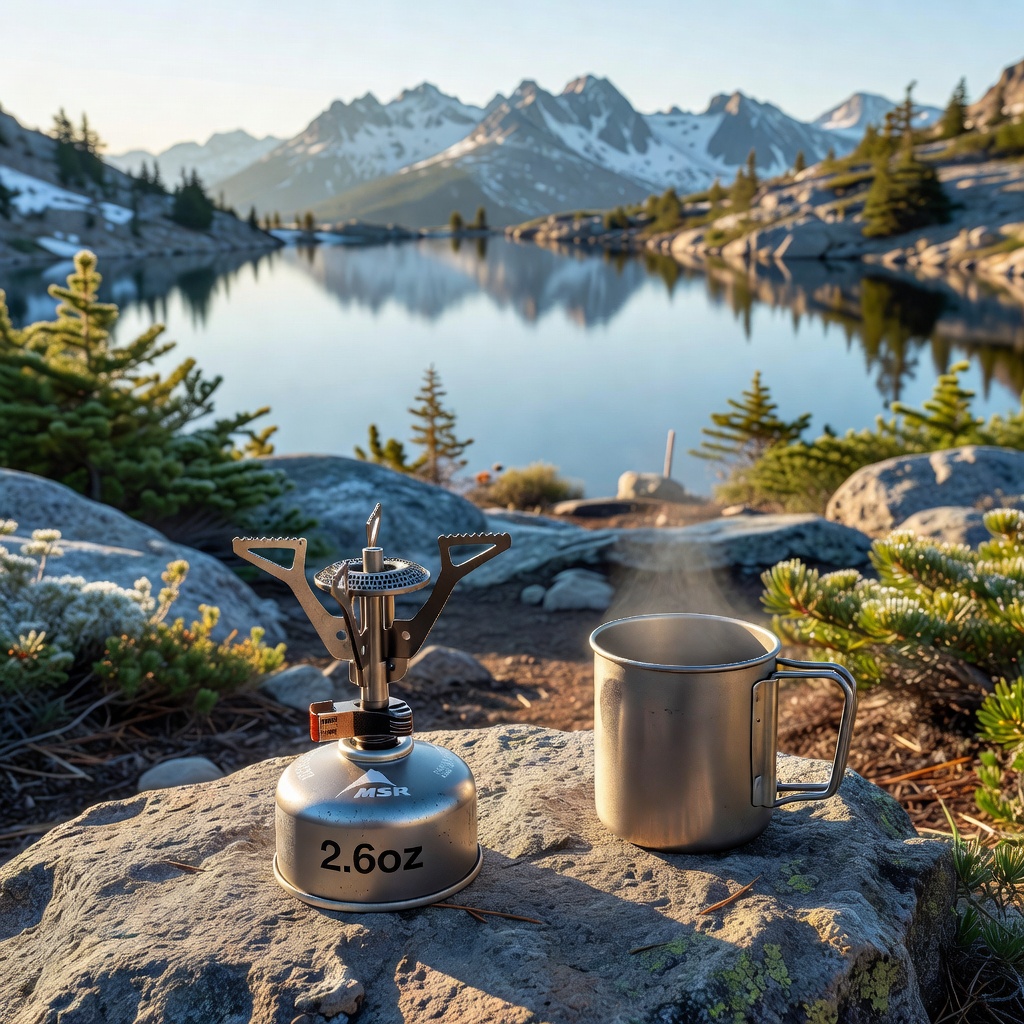
The MSR PocketRocket 2 Ultralight Backpacking Stove ($49.95) is a proven lightweight option for hikers using standard threaded isobutane canisters. At 2.6 ounces, it packs down small enough to disappear into a cook kit, while its 8,200 BTU burner is plenty for quick boils and simple one-pot meals. It costs more than the bargain burners, but the compact build and long track record make it a dependable choice when a hot meal matters.
Specs: 2.6 oz · 8,200 BTU · Folding pot supports · Compatible with EN 417 threaded isobutane canisters
Shopping for the stove itself rather than just the fuel? Our best backpacking stove guide compares the PocketRocket 2 against the Jetboil Flash, MSR WhisperLite Universal, and budget options on weight, boil time, and wind resistance. If you're weighing canister fuel against a propane tank for a specific trip — pack weight versus cost per boil, and exactly where the canister dies in the cold — that comparison gets its own deep dive in isobutane vs propane camp stove.
Isobutane Pros and Cons
Pros:
- Lightest fuel system — 4 oz canister + 3 oz stove = 7 oz total
- Better cold performance than butane (works to ~11°F)
- Canisters available at any outdoor retailer
- Clean-burning, no priming required
Cons:
- Most expensive per meal (~$1.00 per boil vs $0.35 butane)
- Still fails in deep cold — not for winter camping
- Can't tell how much fuel remains without weighing the canister
- Small canisters are single-use waste
Liquid Fuel and Wood: The Specialist Options
Two fuel types don't fit neatly into the propane-butane-isobutane spectrum but deserve mention because they solve specific problems.
Liquid Fuel (White Gas): The Global Traveler's Choice
Multi-fuel stoves that burn white gas (Coleman fuel), unleaded gasoline, kerosene, and even diesel are the choice of international expedition climbers and overlanders. When you're in rural Mongolia and the only fuel available is whatever the local truck runs on, a multi-fuel stove is your lifeline.
These stoves require priming — you preheat the generator tube with a small amount of fuel before the main burner lights. There's a learning curve, but the payoff is a stove that works anywhere on Earth in any temperature. The MSR WhisperLite Universal ($149.95) is the benchmark — a hybrid stove that burns canisters on easy weekend trips and switches to white gas, kerosene, or gasoline when the temperature drops or the fuel shelf runs out.
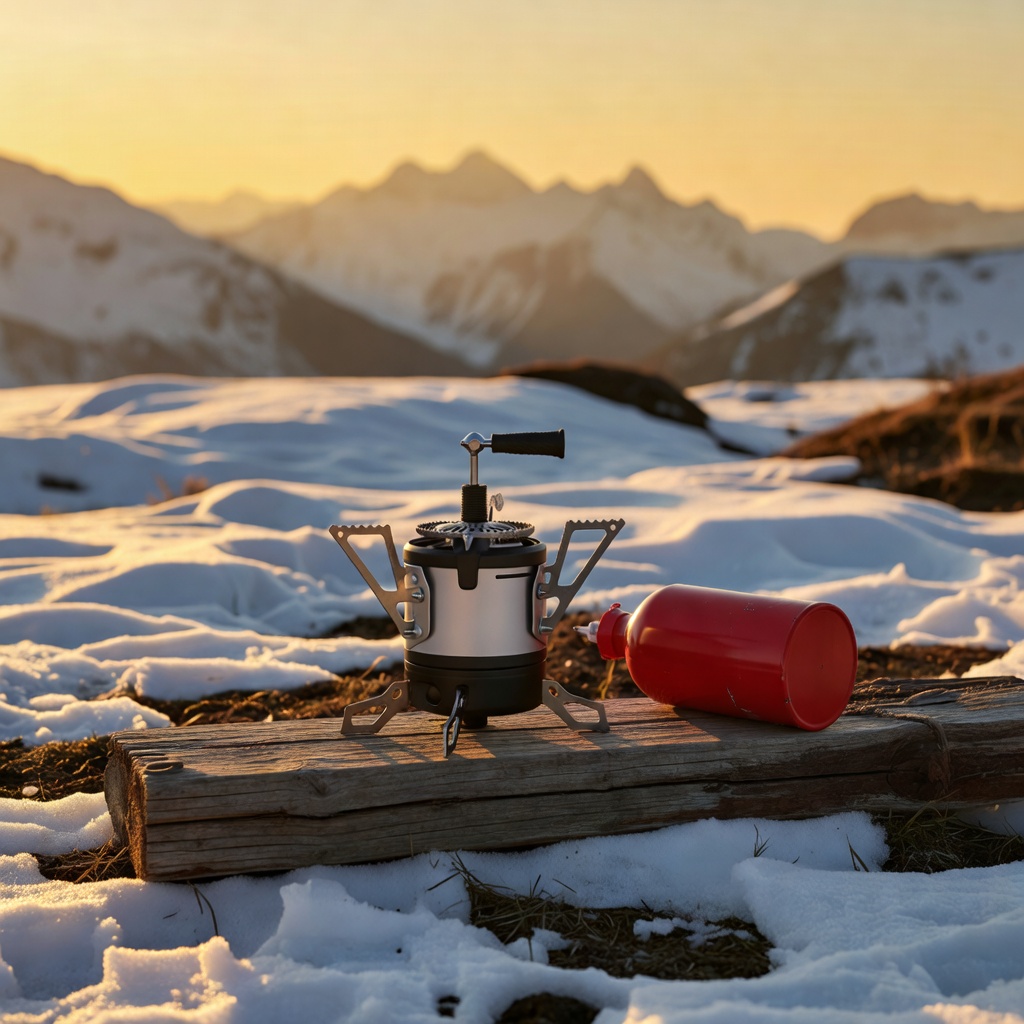
Best for: International travel, winter expeditions, disaster preparedness, anyone who wants one stove for every possible fuel.
Wood-Burning Stoves: The Zero-Fuel Option
The BioLite CampStove 2+ ($199.95) burns twigs, pine cones, and wood pellets — fuel you find on the ground. It also converts heat into electricity via a thermoelectric generator, charging your phone or headlamp through a built-in USB port while you cook. The 3,200 mAh internal battery stores power for later. Build the rest of that after-dark system with our camping lantern vs. headlamp guide: it explains why a hands-free headlamp and a shared tent lantern solve different problems once dinner runs past sunset. If that USB port is part of your plan rather than a backup, pair it with a properly sized battery: our portable power station camping guide shows how to estimate watt-hours for phones, lights, and a small cooler without hauling a power station that is bigger than your actual trip needs.
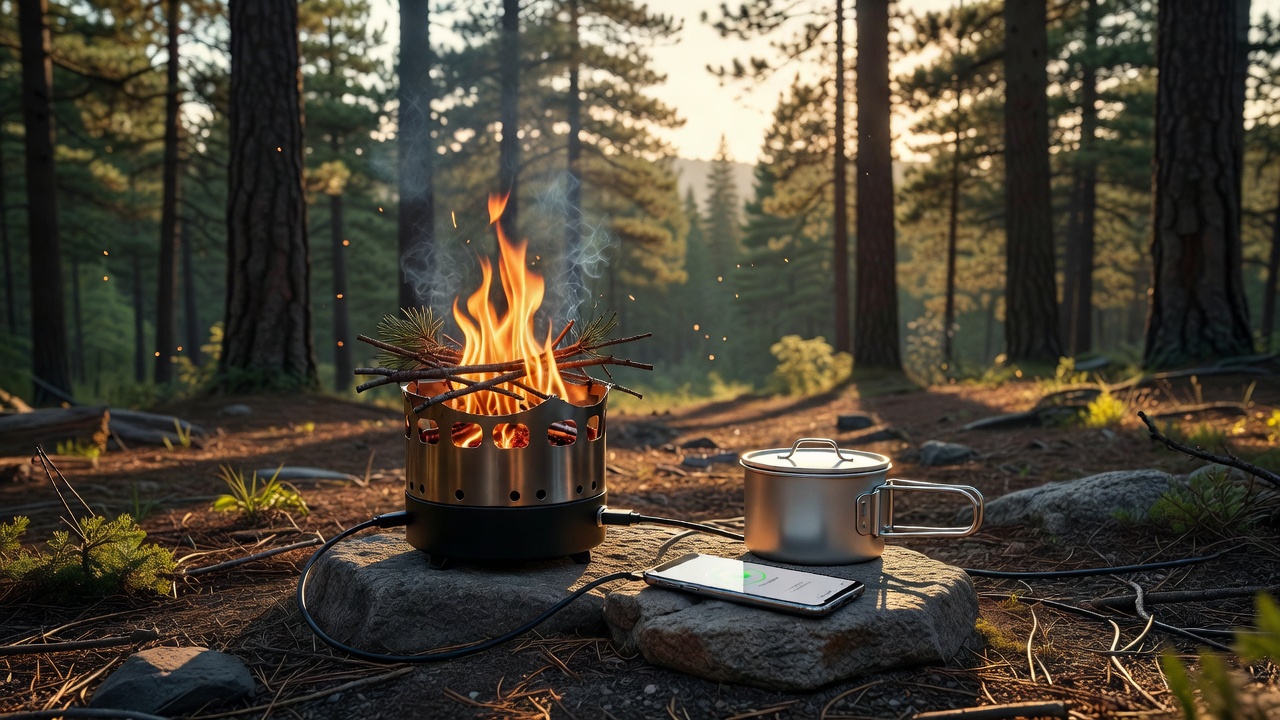
The trade-off: you're gathering and feeding fuel continuously (a handful of twigs every few minutes), and wind can disrupt the flame. But for multi-day trips where carrying fuel weight matters, or for emergency preparedness where you want a stove that works indefinitely without purchased fuel, nothing beats it.
Best for: Ultralight backpacking in wooded areas, emergency kits, anyone who hates buying disposable canisters.
Cold Weather Fuel Performance: What Actually Works
Here's where most fuel guides fail — they quote boiling points without explaining what happens in real conditions. I've cooked on all of these in freezing temperatures. Here's the honest truth:
| Temperature | Propane | Butane | Isobutane (80/20) | Isobutane (70/30) |
|---|---|---|---|---|
| 70°F | Full power | Full power | Full power | Full power |
| 50°F | Full power | Full power | Full power | Full power |
| 40°F | Full power | Weak flame | Good flame | Full power |
| 32°F | Full power | Dead | Weak flame | Weak flame |
| 20°F | Full power | Dead | Dead | Very weak |
| 0°F | Good flame | Dead | Dead | Dead |
The takeaway: If you camp in spring or fall anywhere temperatures dip below 45°F, skip butane. Isobutane with a high propane blend (70/30) can handle light frost. Propane handles everything short of Arctic expeditions. For dead-of-winter camping, liquid fuel is the only truly reliable option — but realistically, most of us aren't camping at -20°F. For a dedicated deep dive on picking the right stove for sub-freezing trips and high-altitude camps — with specific stove picks and field techniques for keeping canisters lit in the cold — see our best camp stove for cold weather and high altitude guide. Building your full sub-freezing kit around that stove — sleeping bag, insulated pad, boots, and lights — start from our complete winter camping gear checklist so the fuel system and the sleep system match the temperatures you're actually expecting.
Cold-Weather Fuel Questions, in the Words People Actually Use
Winter fuel questions are the same physics in different words. Each row below is a real query form; the answer is the short version of the chart above.
| What people search | The short answer |
|---|---|
| propane in freezing weather · propane gas in cold weather · using propane in cold weather · propane issues in cold weather | Nothing in a propane system freezes at camping temperatures — propane boils at -44°F. What falls is vapor pressure, so the same full cylinder pushes a weaker flame. |
| propane tank in cold weather · propane tank pressure in cold weather · propane tank in freezing weather | Expect roughly 110 psi at 70°F, about 54 psi at 32°F and about 25 psi at 0°F. A 10,000 BTU burner that roars in July cooks like a candle at 15°F on the same tank. |
| does cold weather affect propane tanks · do propane tanks work in freezing weather | Yes — but the effect is output, not function. Tanks do not freeze and the fuel does not change; a full cylinder, wind protection and one burner at a time recover most of the loss. |
| small propane tank cold · coleman propane tank cold | A 1 lb cylinder chills faster than a 20 lb tank because there is less liquid to hold heat, and draw-off cools it further. Below 20°F a bulk tank or a warm-stored cylinder holds output noticeably better. |
| propane grill in cold weather | Same physics as a stove, and the same trap: a grill will not hit its rated BTU in the cold, and a 20 lb tank keeps its output far better than a 1 lb cylinder. |
| What people search | The short answer |
|---|---|
| propane vs butane cold weather · propane or butane cold weather · butane propane mix cold weather | Propane keeps making gas down to -44°F; straight butane quits near 31°F. A mixed canister is the middle path — strong at the start on its propane fraction, fading as that burns off. |
| isobutane cold weather · best isobutane for cold weather | Isobutane vaporizes to about 11°F, and a 70/30 isobutane-propane blend holds a usable flame into the low 20s°F. That is the backpacking cold-weather answer when white gas is not an option. |
| butane gas cold weather · butane canister cold weather · using butane in cold weather | Butane is the fair-weather fuel — treat it as a 40°F-and-up cartridge. Below freezing it is not slow, it is empty: the fuel is still liquid in the can with no gas above it. |
| white gas vs canister stove · winter camping fuel | White gas has no vapor-pressure limit, so it is the only fuel that does not care how cold it is. Canisters win on convenience; white gas wins below about 20°F and above 8,000 ft. |
| do propane stoves work in cold weather | Yes — a propane stove lights and cooks in the cold, just at reduced output. Warm the cylinder, run one burner at a time, add a windscreen, and most of the loss is gone. |
How Much Fuel Do You Actually Need?
The classic mistake: bringing one 8 oz butane canister for a 3-day trip and running out halfway through breakfast on day two. Here's a practical fuel calculator based on real-world use:
How much propane for your trip, in one table. The numbers below use the standard car-camping case: two adults, two hot meals plus coffee a day, mild weather, a normal burner.
| Trip length | 1 lb (16.4 oz) propane cylinders | What changes the answer |
|---|---|---|
| 1 night | 1 | One cylinder covers the whole weekend, not just the night |
| 2 nights (weekend) | 1 | The standard no-think answer for a family weekend |
| 3 nights | 1–2 | One is tight if you cook three meals; bring the spare |
| 4–5 nights | 2 | Where a refillable or bulk tank starts paying |
| 6–7 nights | 2–3 | Or one 20 lb tank for the same trip |
| 8–10 nights | 3 | A 20 lb tank plus the $10 adapter is cheaper from here |
| 11+ nights / season | 20 lb tank (or a 5 lb refillable) | Drops cost to roughly $1 per equivalent cylinder |
Questions arrive in every wording, so here they are answered the same way: how much propane for 2 nights is one cylinder; how much propane for 3 nights is one with a spare; how much propane for a week is two to three; and how much propane do I need for a 10-day trip is three cylinders, or one refillable tank if you own one. The table does not change with the question.
Then scale it to your actual party and menu. Each additional adult adds roughly 1.5 oz of fuel per day — about one extra cylinder per week, per two extra people. A two-burner stove with a griddle running both burners at breakfast burns noticeably faster than a single simmer burner, so add a cylinder to the plan. And the single biggest hidden draw is not cooking at all: a radiant propane heater runs a 1 lb cylinder dry in a couple of hours on high, which is why heater nights belong on the bulk-tank math rather than in the cylinder count.
Butane and isobutane convert the same way:
| Trip length | 8.8 oz butane cartridges (2 adults) | Isobutane, 1 person, 2 boils a day |
|---|---|---|
| 1 night | 2 | 1 × 110 g |
| 2 nights | 3–4 | 1 × 110 g |
| 3 nights | 4–5 | 1 × 230 g |
| 5–7 nights | 8+ — switch to propane | 2 × 230 g |
Cold weather shifts all of this up, not down: a butane cartridge that runs a day and a half at 70°F can die at breakfast when the temperature drops below freezing, and wind can add a third to your burn. Bring the next size up rather than the exact calculated figure, and check the fuel temperature table further down before you pack for a shoulder-season trip.
Per meal (boiling water for 2 people + cooking):
- Propane: 1.5 oz per meal → 1 lb cylinder = ~10 meals
- Butane: 2 oz per meal → 8 oz canister = ~4 meals
- Isobutane: 1 oz per meal → 4 oz canister = ~4 meals (more efficient stove design)
- Wood: A double handful of dry twigs per boil
Want the full run-time breakdown — boil minutes, hours of full-blast cooking, and exactly how many weekend meals fit in one 16.4 oz cylinder? Our how long does a propane canister last guide does the complete math for propane, butane, and isobutane.
For a weekend car camping trip (2 people, 2 days, 5 meals):
- Bring one 1 lb propane cylinder
- OR two 8 oz butane canisters
- OR one 8 oz isobutane canister (backpacking)
Planning a holiday-weekend escape? Our Labor Day weekend camping checklist has the full packing list — shelter, kitchen, and safety — so the only thing you run out of is s'mores.
For a week-long backpacking trip (1 person, 7 days, 14 boils):
- Bring two 8 oz isobutane canisters
- OR a multi-fuel stove with a 20 oz fuel bottle of white gas
Pro tip: Always bring one more canister than you calculate. Fuel consumption goes up in wind, at altitude, and when cooking anything more complex than boiling water. Running out of fuel on the last morning sounds minor until it's the morning you really wanted hot coffee.
A frequent reader question is how much gas does a camping stove use across a full trip, which is this same math stated per day. For one person boiling water twice a day it settles near 2 oz of propane or 1.5 oz of isobutane. A canister stove with an integrated pot shows better backpacking stove fuel efficiency on every count, since a shielded flame loses less heat to the air. A figure of about 1 oz per boil is normal backpacking stove fuel consumption for a canister stove used with a windscreen.
Speaking of wind — it is the single biggest hidden fuel tax on any trip, and a $15 folding windscreen can cut your fuel use nearly in half on a breezy day. Our camp stove windscreen guide covers which windscreens are safe with canister stoves (never full-wrap a butane canister), how to pair a screen with each fuel type, and field fixes when you forget yours.
Heater Nights Change the Whole Calculation
If a propane heater is part of your cold-weather setup, size it as a second appliance, not an accessory. A radiant heater pulls roughly a pound of propane an hour on high — about the same as a full day of cooking for two — so a cylinder count built for meals alone will leave you cold on a 30°F night. This is the piece most fuel guides skip, and it is the one that decides whether your tank math actually survives a frosty weekend.
Match the heater to the space first:
- Mr. Heater Little Buddy (3,800 BTU) — $69.99, 4.5★. The small-vestibule and tent-entry pick, and the easiest on a 1 lb cylinder.
- Mr. Heater Portable Buddy (4,000–9,000 BTU) — $74.00, 4.7★ on 25,000+ reviews. The family-tent default: low setting overnight, high setting for the morning dress-and-eat sprint.
- Mr. Heater Big Buddy (up to 18,000 BTU) — $146.48, 4.6★. For a large cabin tent or an unheated trailer when the forecast goes under 20°F.
Then add the two cheap parts that keep it running right: the Mr. Heater universal propane fuel filter ($15.97) to keep oil residue out of the fuel line, and the 10-foot hose linked above so the bulk tank stays outside the sleeping space. These units carry an indoor-safe rating and a low-oxygen shutoff, but a zipped-up tent is not a room — leave a vent cracked and never sleep with one burning in a sealed space.
Once you know which fuel to burn, the next question is how much to bring. Our how much propane you need for a camping trip guide turns burner BTU ratings into cylinders per trip, with a tank-size table and a per-day planning formula you can run in the parking lot.
Camp Stove Fuel Cost Per Day: The Real Numbers
Fuel is the only part of a camp kitchen you buy again and again, so it is worth knowing what a day of cooking actually costs. Here is the arithmetic in current canister prices, for two people eating two hot meals plus coffee a day — call it 2 to 3 oz of fuel daily in mild weather.
Propane (the 1 lb green cylinder). A 12-pack of Coleman 16.4 oz cylinders runs $64.99, about $5.42 per cylinder. At roughly 1.5 oz per two-person meal you get close to 10 meals out of one cylinder — so about $0.54 per meal, or roughly $2.20 per cooking day for two people. It is the cheapest path that still works below freezing.
Butane (click-in cartridges). A 4-pack of GasOne 8.8 oz canisters is $12.03, about $3.01 per canister, and each burns roughly two hours on high — about four meals' worth. That lands near $0.75 per meal, or $3.00 per cooking day. The 12-pack ($29.99, about $2.50 a canister) brings it down to roughly $0.63 per meal, still just above propane — and you give up cold-weather performance — so treat bulk butane as convenience, not a savings play.
Isobutane (backpacking canisters). An MSR IsoPro 110 g canister is $8.95 and boils roughly 7-8 liters — about $1.15 per boil. That is the price of carrying 7 oz instead of 16. Backpackers pay it knowingly; car campers should not.
The refillable route is where the family budget actually changes. Two paths, both cheap:
- GASPRO's $9.98 brass adapter screws a bottle-top stove straight onto the 20 lb tank you already own for the grill, so small canisters disappear from your life entirely.
- The GasOne 1 lb refill adapter with hose ($14.99) or the Flame King DOT-compliant refillable 1 lb cylinder ($59.99, kit included) let you top up your own bottles instead of buying throwaways.
A 20 lb tank refill costs roughly $20-25 and holds the equivalent of about 20 one-pound cylinders, so fuel drops from $5.42 a cylinder to about $1 — near $0.11 per meal, roughly $0.66 per cooking day for two people.
Put a season on it: a family doing 15 weekend trips at 2.5 cooking days each burns through about 38 days of fuel. Disposable propane comes to roughly $82 for the season; an adapter plus one 20 lb tank is about $25. The $10 adapter pays for itself before the second trip out. If you go this route, our 1 lb propane refilling guide covers the technique and the safety checks.
How long does a 1 lb propane tank last?
Concretely: a 1 lb (16.4 oz) propane cylinder runs a typical 10,000 BTU burner on high for about 2.5 to 4 hours — for two people, roughly 8-10 meals, or 3 to 5 days of breakfast-and-dinner cooking. One cylinder is one weekend, not one-and-a-half. Simmering, wind, and cold all cut that number, which makes flame discipline the easiest fuel you will ever save: turning a boil down to a simmer once the water is rolling can stretch a cylinder by a meal or more. Our propane canister runtime guide does the burn math by burner output if you want to check your own stove, and the 1 lb propane buyers guide covers which cylinders and blends to buy. For the full arithmetic — bottle-by-bottle and weekend-by-weekend, including the adapter break-even and exchange-versus-refill pricing — our 1 lb vs 20 lb propane cost-per-trip breakdown runs the numbers.
Two wording variants of the same question keep arriving, so here they sit together. Ask how long does a 1 lb propane cylinder last and the figure matches the 2.5 to 4 hours above, because a cylinder and a tank name the same green bottle at this size. Ask how long does a 1 lb coleman propane tank last and nothing moves, since the brand printed on the label has no effect on the BTU content inside it. Both questions resolve to one weekend of family cooking per cylinder.
Camp Fuel Calculator: Run Your Own Numbers
No two trips burn the same amount, so here is the two-line version of the arithmetic behind every figure above. Fuel per day = burn rate (oz or lb per hour, from the stove spec or canister label) × cooking hours per day. Then cost per day = fuel per day ÷ usable fuel per cylinder × cylinder price. A 10,000 BTU single burner used 1.5 hours a day burns roughly 0.6 lb of propane — about a third of a 1 lb cylinder, which puts a solo weekend at one cylinder and a family weekend at two. Write the number down once and you will stop over-buying fuel every season.
What Is the Best Camp Stove for Family Camping?
The honest answer starts with a capacity decision, not a brand: go to two burners the moment you are feeding four or more, because breakfast is the bottleneck. With one burner the coffee waits while the eggs cook; with two, both happen in the same ten minutes, at the same table, before anyone gets hangry.
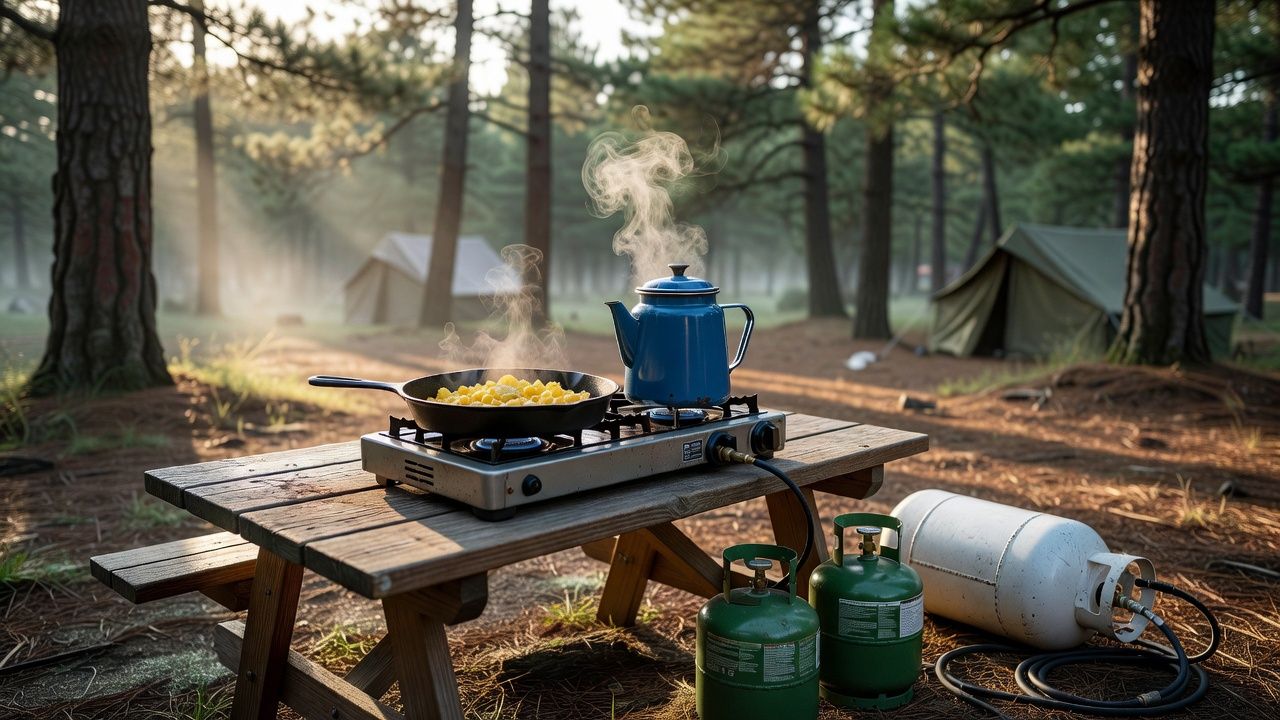
- Best all-round family camp stove — Coleman Triton+ 2-Burner ($149.99). 22,000 total BTUs across two independently adjustable 11,000 BTU burners, InstaStart push-button ignition, integrated wind guards, and a grate that lifts out for cleanup. It boils coffee and cooks breakfast at once and folds flat into a trunk. This is the stove we point most families at first.
- Best for big groups and base camps — Camp Chef Explorer Two-Burner ($127.99). 60,000 BTUs (30,000 per burner) across a 14 x 32-inch cooking surface that holds a 12-inch skillet and a 5-quart pot side by side. It runs on a bulk propane tank rather than 1 lb cylinders, which is exactly the fuel path that drops your per-day cost.
- Best if you also want a grill — Coleman Tabletop 2-in-1 ($166.01). A grill grate and a standard burner in one folding unit, so pancakes come off the griddle while the coffee pot sits on the burner beside it. Runs on a 1 lb cylinder or a 20 lb tank with a standard adapter.
- Best budget family starter — Gas One GS-3400P Dual Fuel ($34.99). 8,000 BTUs, a propane hose with POL fitting included, three-sided wind guards, and the option to burn whichever fuel is cheaper this season. Less cooking surface than a two-burner, so it suits a couple or a small family that mostly boils and one-pans. Add a Coleman Bottle Top burner ($21.99) as a $22 second flame for the coffee pot.
- Best for two-burner grilling instead of stovetop cooking — Coleman RoadTrip 225 ($199.99). Two independently controlled burners, swap-top grates that take a griddle plate, and folding side tables on a picnic-table footprint.
Whatever you choose, pair it with the fuel plan above rather than with a stack of disposables: a 20 lb tank and a $10 adapter change the running cost of a family stove more than any upgrade to the stove itself.
Three Fuel Mistakes Every Beginner Makes
Mistake #1: Buying Butane for a Mountain Trip
This is the one I made. Butane at 9,000 feet in September is a very expensive paperweight. If your trip involves altitude (above 5,000 feet) or temperatures below 50°F at night, buy propane or an isobutane blend. If you already own a butane stove, the Gas One GS-3400P Dual Fuel ($34.99) replaces it and works with both fuels — worth the upgrade for the peace of mind alone.
Mistake #2: Assuming All Canisters Are Refillable
Those green 1-pound Coleman propane cylinders are NOT designed to be refilled. Yes, there are adapters on Amazon. Yes, people do it. No, it's not safe — the relief valves on disposable cylinders aren't rated for repeated pressure cycles, and overfilling creates a bomb in your trunk. Either buy a refillable 5-20 lb tank with proper fittings, or accept that 1-pound cylinders are consumables. If you want the cost savings without the gamble, there are three legitimate routes — a brass refill adapter fed from a 20-lb tank, DOT-rated refillable 1-lb cylinders, or a converter fitting that runs a bottle-top stove off the big tank instead. Our how to refill 1 lb propane bottles guide walks through all three with the exact fill weights, the 80% limit, and the cold-weather trick that makes refilling actually work.
Mistake #3: Not Checking Local Fuel Availability
Propane cylinders are at every Walmart and gas station in America. Butane canisters are spotty — some hardware stores carry them, many don't. Isobutane canisters are reliably found at REI, Dick's, and outdoor shops, but rural gas stations won't have them. If you're driving to a remote trailhead, buy fuel in the last town with a supermarket, not the one-gas-station town 30 miles from the trail.
The Small Accessories That Keep a Stove Setup Useful
A compatible stove and enough fuel solve the big problem; a few purposeful accessories prevent the little failures that turn breakfast into a frustrating chore. Pack for the meals you will actually cook, not an imaginary expedition kitchen.
- For wind and no-igniter mornings: The SUPRUS windproof arc lighter is a USB-rechargeable flameless lighter with a flexible neck that reaches recessed burners and lights reliably in wind where butane sputters. Charge it before a trip, keep ordinary matches in a separate dry bag as a backup, and remember an arc lighter is convenient, not a substitute for a fire-safety backup.
- For family breakfasts on a propane stove: The Lodge 10.5-inch cast-iron griddle gives pancakes, bacon, burgers, and quesadillas more usable surface than a small pot. It is heavy, so it belongs in a car-camping tote rather than a backpack.
Build a Stove Kit That Works When Dinner Is Late
A stove recommendation is only useful if the little pieces around it work together. Before a first trip, make a three-part kit instead of buying a random pile of fuel and cookware:
- Choose the fuel system first. A green 1-pound cylinder goes with a propane fitting; a bayonet cartridge goes with a butane slot; a threaded EN 417 canister goes with a backpacking stove. Take a photo of your stove's connector before shopping. That one habit prevents the most expensive camp-kitchen mistake: arriving with a full canister that physically cannot connect.
- Match the pan to the burner and group size. The compact Lodge 6.5-inch cast-iron skillet suits eggs or a one-person skillet meal, while the griddle above makes more sense for a family breakfast. Keep heavy cast iron on a stable car-camping stove; use a light pot with a PocketRocket rather than balancing a wide skillet on its small supports.
- Pack ignition and a realistic backup. Auto-ignition can fail when it is wet or dirty. Carry the SUPRUS windproof arc lighter plus a UCO Stormproof Match Kit — 25 waterproof matches in a floating case that survive a dunk in the creek — and bring one spare compatible fuel unit for a weekend. Never improvise adapters, refill disposable cylinders, or cook inside a tent, vehicle, or closed awning.
- Add the one safety item a fuel kit is missing. A stove that runs right is still a gas appliance, and the two failures worth planning for are the ones you cannot reliably see or smell. For the invisible one, the Kidde battery-powered carbon monoxide detector ($23.97) runs on AA batteries with a digital readout, so it works in a tent, a cabin, or an RV with no wiring — the honest answer to whether you can cook under the awning on a wet night. For the one you can smell, the TECHAMOR Y201 portable gas leak detector ($25.99) sniffs propane at hose threads, regulators, and adapter joints in seconds, which beats re-soaping the same fitting for the third time on a cold morning. Both are small enough to live permanently in the stove tote, and both matter more the colder the trip gets, because that is when you start sealing up the space around a lit burner.
Quick decision: if your trip involves kids, a cool forecast, or more than one meal per day, favor the Gas One plus propane and a stable cooking surface. If every ounce matters, carry the PocketRocket, a compact pot, a threaded isobutane canister, and a lighter—then plan simple boil-and-eat meals rather than trying to recreate a family skillet breakfast on trail.
- For a solo or two-person stove kit: The Lodge 6.5-inch cast-iron skillet holds steady heat for eggs, vegetables, and compact skillet meals without taking over the whole vehicle bin.
- For the morning coffee person: The Snow Peak Titanium French Press can boil water over a compatible heat source and then brew in the same pot. It is a premium small-batch choice, but it eliminates the fragile glass press from your camp box.
The rule of thumb: choose one ignition backup, one cooking surface sized for your group, and one coffee method. More gear only earns its space when it replaces another item or makes a meal you genuinely look forward to cooking.
One more thing nobody packs for: the end of the trip. Empty canisters, half-used cylinders, and storage between trips all have a right way and a dangerous way — our camp stove fuel canister safety and disposal guide covers what to do with each canister type before you toss it in the bin. And while you are planning the full family camp setup around that stove, settle the bathroom plan before day one — our camping toilet and sanitation guide walks through bucket toilets, wag bags, and the Leave No Trace rules that keep a multi-day site comfortable.
Which Stove and Fuel Combo Is Right for You?
If you car camp with family: Get the Gas One GS-3400P Dual Fuel ($34.99) and a 4-pack of 1 lb propane cylinders. Cook anything, anywhere, any temperature. The dual-fuel capability means you can also grab butane cans when they're on sale. For the full field of options across every fuel type and budget, our best car camping stoves comparison ranks seven stoves by fuel, size, and price so you can match one to your exact setup. If you're feeding a family of four or more, a two-burner tabletop stove changes the whole math — our single-burner vs 2-burner camp stove guide breaks down when the second burner is worth the weight. Complete your camp kitchen setup with our essential camp cooking gear guide for pots, pans, and cleanup; for a full multi-day packing order, use the family camping gear checklist before loading the car. If you are choosing a roomy cabin tent for the same trip, compare real 4P and 6P layouts in our family tent space guide before committing to a footprint.
If you backpack solo: The MSR PocketRocket 2 ($49.95) plus two 4 oz isobutane canisters is a compact, proven setup for simple trail meals. More stove options and tent pairings in our ultralight backpacking guide.
If you're a beginner on a budget: Start with the Coleman Classic Butane ($29.99) for summer-only camping, or spend the extra $5 for the Gas One GS-3400P ($34.99) so you're covered year-round. Pair it with our camp cooking for beginners guide for meal plans and shopping lists.
If you want zero fuel to buy: The BioLite CampStove 2+ ($199.95) burns sticks and charges your devices. It's an investment, but over 50+ trips, the fuel savings add up — and the USB charging has saved my phone on more than one backcountry night.
If you're weighing a flat-top setup, the camp stove griddle guide covers fit and fuel burn for griddle cooking — worth reading before you commit to a bigger stove.
Canister Interchangeability: What Actually Fits What
Interchangeability is a two-part question that most guides answer with one word, which is why people get it wrong at camp. The physical fit and the gas mixture are separate problems: a canister can screw onto your stove perfectly and still be the wrong thing to bring in November.
- are isobutane canisters interchangeable — within the gas-canister family, yes. Once your stove has the standard screw valve, a 4 oz, 8 oz, 100 g, 110 g, 230 g or 450 g canister from any mainstream brand will thread on and seal. What changes is gas mix, not fit.
- are all isobutane canisters the same — no, and the label is the tell. "Isobutane" alone, "isobutane/propane mix" and "butane/propane mix" are three different performance classes that happen to share a can.
- are isobutane canisters universal — universal in thread, not in pressure. A canister sold as a 70/30 isobutane-propane mix holds usable pressure well below freezing; a pure-butane picnic can derates far sooner.
- are propane and butane interchangeable — in a burner, largely yes; in a canister, no. Propane needs a heavier-walled vessel and a different valve (1 lb disposable cylinder or a refillable tank), so it never appears in the 4 oz screw-top format.
- is isobutane the same as propane — same molecule family, different boiling point. Isobutane boils near 11 °F, propane near −44 °F, which is the entire reason a winter blend exists.
- difference between isobutane and propane — pressure curve and packaging. Propane stays pressurized in deep cold and ships in 1 lb cylinders; isobutane packs into a light screw-top canister that fades as the mercury drops.
- isobutane canister vs butane canister — same can, different gas. The isobutane version has a lower boiling point, so it keeps delivering fuel on a cold morning when a straight butane can has gone flat.
- isobutane vs butane canister — for three-season car camping, indistinguishable; for a cold-weather backpacking trip, the isobutane can is the one that still lights.
- butane stove vs propane stove — butane stoves are lighter, quieter and cheaper per BTU at the counter; propane stoves work in real cold and connect to bulk tanks, which is what a family campsite actually needs.
- butane vs gas stove — the phrase usually means butane versus LPG. Butane wins on clean burn and portability, LPG wins on availability and cold-weather pressure.
- universal fuel camp stove and universal fuel backpacking stove — a genuine multi-fuel stove accepts canisters, white gas and sometimes kerosene; it is not the same thing as "accepts any canister", and the distinction matters if you plan to travel by air.
Practical takeaway: buy canisters by their performance class, not their size. If the trip is May–September, the cheapest canister on the shelf is fine. If you might see frost, buy a mixed-gas can.
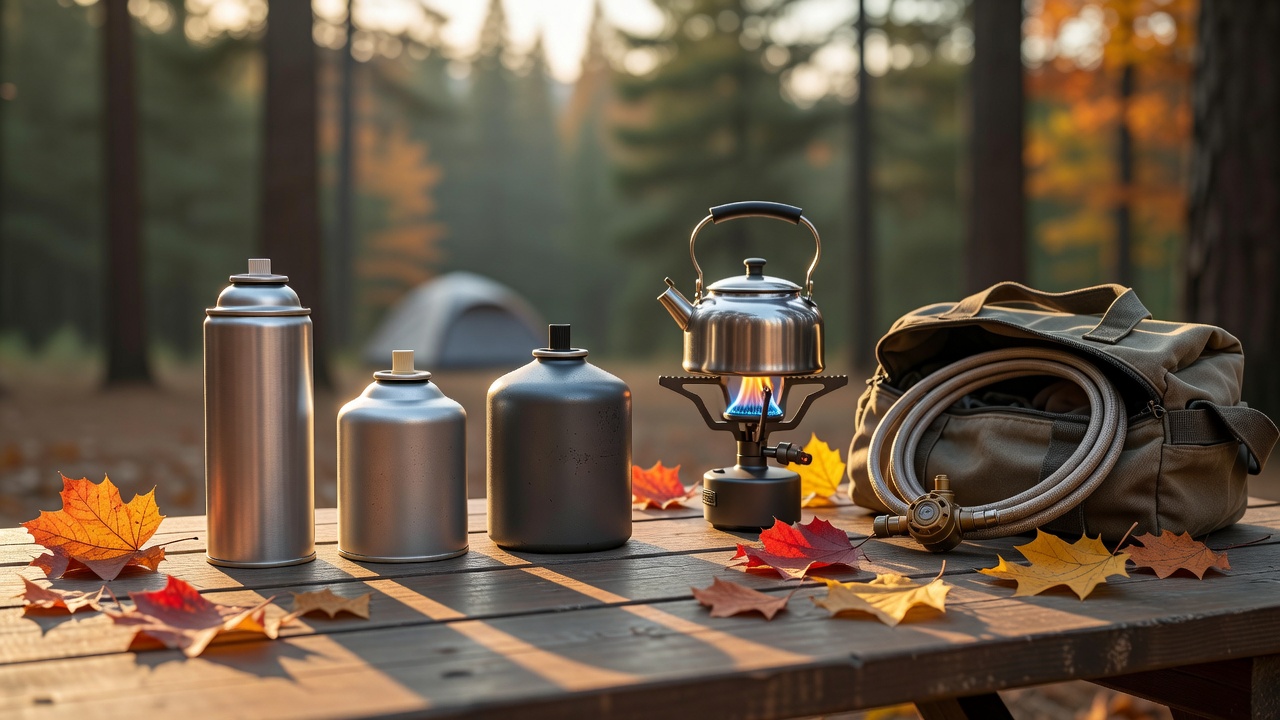
Valves, Threads, and Adapters: The EN 417 Connection
Almost every screw-top canister sold in North America, Europe and Australia follows the same voluntary standard, which is why a $6 can and a $200 stove can be strangers from different continents and still work together. Knowing the three parts of that connection turns a drawer of mysterious brass fittings into an obvious shopping list.
- camping stove gas en417 — this is the standard itself: a self-sealing valve, a specific thread pitch and a collar diameter. If a stove is described as taking EN417 cans, it takes nearly every cartridge you will find on a shelf.
- isobutane propane canisters en417 threaded — the fuel mix is irrelevant to the fitting. A mixed-gas can, a pure-butane can and an iso-butane can share the same threaded collar.
- isobutane propane canister en417 threaded valve — the valve is what makes the canister self-sealing: unscrew it and the can re-seals, so a half-used canister travels safely loose in a tote.
- camping stove thread pitch and isobutane canister thread size — in practice there is one consumer size. If the can threads on finger-tight and seals without cross-threading, the pitch is right; there is no second consumer standard worth hunting.
- lindal valve canister — "Lindal" is the valve type behind the standard, and the name shows up in product listings far more often than it does in the campground.
- lindal valve stove, lindal valve burner — a stove described this way takes screw-top cans and nothing else; budget models in this class cannot accept a 1 lb propane cylinder without an adapter.
- lindal valve to propane — the conversion runs through an adapter hose, not through a different stove. Buy the stove you want and change the plumbing later.
- camp stove screw on / camping stove gas screw on — screw-on describes the connection: the can screws up into the burner. The alternative is a bayonet or pierceable can, which this guide does not recommend for family camping.
- camp stove gas valve and camping stove gas valve replacement — the valve is the one field-serviceable part on most stoves. If the flame pulses or the knob feels gritty, replace the valve or the O-ring before replacing the stove.
- isobutane canister valve — the canister's own valve. Never try to defeat it; a can with a stuck valve should be emptied outdoors and retired, not repaired.
- isobutane canister transfer valve / isobutane fuel canister transfer — a transfer valve lets you move gas from a part-used can into another, or into a stove with an external feed. It is a niche tool, and it only makes sense if you are already comfortable with the risks.
- camp stove fuel transfer and camp stove gas transfer — the same operation described two ways: moving fuel between vessels. Outdoors, away from flame, never into a can that is not designed for it.
- propane tank to camp stove hose / propane tank to camping stove adapter — the family-camping upgrade. A hose puts the fuel on the ground and the burner on the table, which removes the tip-over risk of a canister balanced on a camp table.
- propane tank adapter for camping stove, propane tank camp stove adapter — the same part under two search phrases. Look for a regulator-plus-hose assembly rated for the stove's input, not a bare brass elbow.
- propane tank to coleman stove adapter / propane tank to coleman stove hose — older Coleman liquid-fuel stoves need a different conversion than a modern canister stove. Check which family your stove belongs to before ordering.
- camp stove gas adapter, camp stove fuel adapter, camping stove fuel adapter — an adapter changes the connector, never the pressure. If a listing promises to make a high-pressure cylinder safe on a low-pressure burner with brass alone, walk away.
- camping stove gas bottle adapter and camping stove gas canister adapter — the ones worth owning convert a 1 lb disposable cylinder to a hose feed, and convert a bulk tank to the same.
- isobutane canister adapter / isobutane gas canister adapter / isobutane canister connector / isobutane canister en417 — these are the input side of the same adapter family: a canister-to-hose fitting for runtimes measured in days rather than meals, built on the same EN417 collar the stove already uses.
- butane propane stove adapter — sold for cartridge stoves that take a flat butane can. It lets a screw-top canister feed a cartridge-style burner, and it is the one adapter worth owning if you have both stove types in the garage.
- lindal valve output — the output side of the standard valve: a fixed, unregulated flow of whatever pressure the gas can make. Any control you want lives on the stove, which is exactly why cold-weather performance is a fuel property rather than a stove feature.
- camping stove gas refill adapter — used with a bulk tank to refill small canisters. Legal in many places, banned on commercial premises in others, and never a job for a lit stove.
- camp stove gas connector, camp stove gas fittings, camp stove gas line — the plumbing vocabulary. On a modern stove this is one moulded assembly; on a vintage one it is three parts you should inspect every season.
- camp stove gas hose with control — a hose with an inline valve lets you shut the gas off at the tank and leave the burner knob alone, which is the safer shutdown order.
- camp stove fuel hose, camp stove fuel regulator, camp stove gas regulator, camp chef fuel regulator — the regulator is what keeps the flame stable as the tank empties and cools. A regulator that ices up is a cold-weather problem, not a defective part.
- camp stove tube — the tube is the burner's air-fuel mixing path. Spiders and dust love it; a pipe cleaner through the tube fixes more "weak flame" complaints than any new purchase.
Order of operations at the campsite: tank upright, regulator attached hand-tight, hose routed so nobody steps on it, burner knob closed, then open the tank valve and listen for ten seconds before you strike a flame.
Inside an Isobutane Canister: Anatomy, Sizes, and Specs
A canister is a pressure vessel with a valve, a collar and a lid — which is why so many searches about one are really searches about a part you can buy separately. This decoder covers the sizes you will actually be offered and the pieces that go missing in a gear bin.
The sizes, and what each one buys you
| Canister | Fuel weight | Realistic burn time | Built for |
|---|---|---|---|
| isobutane canister 4oz | ~110 g | 45–70 minutes on a full boil setting | A weekend solo stove, one hot meal a day |
| isobutane canister 8 oz | ~230 g | 2.5–3.5 hours of cooking | A 2–4 person car-camping weekend |
| isobutane canister small | 100–110 g class | Same as above, shorter pack profile | Ultralight kit where every gram is counted |
| isobutane canister 230g | 230 g | The default two-to-three-day can | The can most people should buy first |
| isobutane fuel canister 110 g | 110 g | One long weekend of coffee and noodles | Backpacking, where fuel weight is carried |
| isobutane fuel canister 230 g | 230 g | Four to six cooked meals for two | Family stoves on a short trip |
| mini isobutane canister | 100 g or less | Coffee-and-oatmeal duty only | Emergency kits and day hikes |
| ultralight isobutane canister | 100 g class, thin wall | Marginally less fuel per dollar | Fast-and-light backpacking |
| isobutane canister bulk | Multi-pack cartons | Cheapest cost per gram you will find | Keeping a season's worth at home |
isobutane fuel canister sizes run roughly 100 g, 110 g, 220/230 g and 450 g. isobutane fuel canister weight is the number that matters to a backpacker: the empty can weighs 90–130 g on its own, so a 230 g canister starts a trip at roughly 340 g total. isobutane canister 16 oz is the imperial label for that 450 g can — the family size, and the best value per gram on most shelves. At the other end, an isobutane canister large format is a bulk four-pack rather than a bigger vessel, and the largest isobutane canister you will commonly see is 450 g because above that a canister stops being carryable. small isobutane canister weight lands near 200 g all-in, which is why lightest isobutane canister is a genuine spec race between brands at the 100 g size. If you want to skip the landfill entirely, a reusable isobutane canister is a refillable steel vessel sold by a handful of makers that fills from a bulk tank.
Parts and add-ons people search for by name
- isobutane canister cap — the plastic lid. Losing it is harmless; a can with a damaged valve is not.
- isobutane canister case / isobutane canister cover / isobutane fuel canister cover / isobutane canister sleeve — the same accessory under four phrases: a fabric or neoprene wrap that keeps a cold can a few degrees warmer and stops it rattling against cookware.
- isobutane canister stand / isobutane canister stabilizer / isobutane canister base / isobutane canister feet / isobutane canister legs — the clip-on tripod that widens a top-mounted stove's footprint. It is the cheapest safety upgrade in this whole guide.
- isobutane canister holder — a bracket that clamps the can to a pack strap or a table edge.
- isobutane canister gauge — a pressure or weight gauge for estimating what is left. Useful, never exact: a cold can reads low while still being half full.
- isobutane canister puncture tool — punches a can so it can be recycled as scrap. Do it outdoors, once the can is truly empty, and never near a flame.
- isobutane canister filler, isobutane canister bag, isobutane canister accessories — the filler is the refill side of the transfer question; the bag is storage; "accessories" is the umbrella listing you will find all of the above under.
- isobutane canister comparison, isobutane canister cost, isobutane canister price, cheapest isobutane canister, best isobutane canister — shop these by cost per gram of gas, not by sticker price per can.
Specs, safety and the questions that get asked most
- isobutane canister pressure and isobutane canister psi — a warm can sits around 40–60 psi; leave one in a hot car and you are testing a design limit, not a fuel.
- isobutane canister temperature range — the working window for a mixed-gas can is roughly 15 °F to 100 °F. Below that, keep the can in a jacket pocket before use.
- isobutane canister empty weight and isobutane canister weight chart — weigh a part-used can against its stamped empty weight to learn what is left to the nearest few grams.
- isobutane canister diameter — collar diameter is standardized; body diameter is not, which is why a "universal" canister stand is only ever nearly universal.
- isobutane canister explosion and isobutane canister safety — the real hazards are a can heated in a closed vehicle, a can punctured before it is empty, and a stove used inside a tent. Every one of those is avoidable, and none of them is a normal failure mode.
- isobutane canister storage — cool, dry, upright, away from the house. A garage that hits 120 °F in August is not storage, it is a slow stress test.
- isobutane fuel canister disposal and isobutane canister uses — dispose of the can as scrap metal once it is provably empty; use it for a stove, a lantern, or the isobutane canister lantern category, which puts the same can on a different burner head.
- how many gas canisters camping — a 230 g canister covers roughly four to six cooked meals for two people, so a two-night family trip with real cooking is a two-can weekend, and a coffee-and-oatmeal backpacking night is a third of one.
- isobutane canister on plane — not allowed in carry-on or checked baggage on US flights, full or empty.
- isobutane canister for camp stove / isobutane canister for camping — the two phrases that mean "the normal can".
- do isobutane canisters expire — the gas does not spoil, but the valve seal ages. Retire a can you have had for five years.
- can isobutane canisters be recycled — the steel body is recyclable once it is provably empty; the valve assembly makes curbside bins unwilling, so a puncture tool plus a scrap-metal drop-off is the honest answer.
- can isobutane canisters be refilled — aftermarket adapters exist, and fuel transfer is legal in many jurisdictions. The safe version uses a bulk tank, cold canisters and no open flame.
- can you refill isobutane canister with butane — physically possible, functionally pointless: you would swap a cold-tolerant mix for one that quits sooner.
- can you refill isobutane canisters with propane — the reverse trade. Propane raises the pressure beyond what a thin canister and its valve are designed to hold, so no.
- isobutane canister vs propane canister — a canister for carry weight, a cylinder for cold and volume.
- isobutane canister fuel, isobutane canister camping, isobutane canister coleman, isobutane canister msr, isobutane canister snow peak, gsi isobutane canister, isobutane canister rei, isobutane fuel canister rei — brand and retailer shorthand for the same standardized can, listed here so you know the phrase is not a warning when it appears on a listing.
What Fuel Does Your Stove Take? Brand by Brand
Brand names are the most confusing part of this subject, because three different companies have all sold a "Coleman fuel", a "dual fuel" and a "multi fuel" — and the words overlap without meaning the same thing. Here is the map.
Coleman and the liquid-fuel family
- what fuel for coleman stove / what fuel does coleman stove use — for a current Coleman propane stove, a 1 lb propane cylinder or a canister. For a vintage two-burner suitcase stove, white gas (Coleman Fuel), never unleaded.
- what fuel for coleman camp stove / what fuel does a coleman camp stove use — the same split, and the model number on the case is what tells you which side of it you are on.
- what fuel is coleman camp stove fuel — "Coleman Fuel" is a brand name for white gas: a naphtha blend sold in a one-gallon can for lanterns and liquid-fuel stoves.
- what is coleman camp stove fuel — the same question asked the other way round, and the answer is not "a special gas": it is white gas under a brand label, and unleaded gasoline is its sanctioned substitute in the dual-fuel models.
- best fuel for coleman stove / camp stove fuel coleman — white gas for the classic stoves, propane for the modern ones, and do not cross the two.
- coleman camp stove fuel type / coleman camp stove fuel tank / coleman camp stove fuel line / coleman camp stove fuel refill — the liquid-fuel parts: a pump-pressurized tank, a generator line to the burner, and a refill from a one-gallon can with a funnel.
- coleman camp stove dual fuel 424 — the 424 is the classic dual-fuel two-burner: it runs on white gas or unleaded gasoline, and it is the reason "dual fuel" and "multi fuel" trip people up.
- what fuel do old coleman stoves use / what fuel do coleman stoves use / vintage coleman camp stove fuel — white gas, with a new filler cap gasket and a fresh pump cup before you trust a thirty-year-old tank.
- coleman camp stove gas canister / coleman butane camp stove fuel / coleman butane fuel for camp stove — Coleman's canister stoves take the standard screw-top can, including butane and butane-propane mixes.
- coleman butane vs propane stove / propane canister for coleman stove / propane tank for coleman stove — butane for mild weather and a light kit, propane for cold mornings and a family setup.
Gas One, Camp Chef, MSR and the rest
- camp stove gas one / gas one butane fuel camp stove / gasone butane fuel camp stove / gasone camp stove and butane fuel — the same company spelled two ways, and its signature product is a butane cartridge stove. Those cartridges use a different connector from a screw-top canister; buy the fuel that matches the stove you own.
- camp chef dual fuel stove / camp chef multi fuel / camp chef everest fuel — Camp Chef's line splits into propane workhorses (the Everest class) and dual-fuel models that add a liquid-fuel option; the Everest itself is propane.
- camp stove fuel msr / msr camp stove fuel type — MSR's canister stoves take standard screw-top canisters, and MSR's own IsoPro can is the reference mix; the liquid-fuel lines take white gas.
- what fuel do camp stoves use — the honest umbrella answer: canister (isobutane/butane mix), disposable propane cylinder, bulk propane tank, white gas, or alcohol/solid in a specialist burner. Match the fuel to the connector, then to the weather.
- propane tank for camp chef / propane bottle for camp stove / propane canister camp stove / small propane tank for camp stove / propane tank for camper stove / isobutane propane canister fuel — all of these mean a bulk-tank or 1 lb cylinder feed. A hose plus regulator is the accessory that makes a tabletop stove run all weekend without changing cans.
Refilling, Transferring, and Retiring Empty Canisters
- camp stove gas refill / camp stove refills / camp stove gas bottle refill / how to refill camp propane bottles / how to refill small gas canister — refilling a small canister from a bulk tank needs cold cans, a proper adapter and a scale. It is legal in many states and banned on commercial premises in others, so check the local rule before you build a routine.
- can you refill camp stove propane / refillable propane tank for camp stove — a 1 lb refillable cylinder is the sanctioned version of this idea, and it is a better answer than a home transfer rig.
- how to refill camp stove — for canister stoves, the real answer is usually "you do not": buy the next can and keep the part-used one for a short trip. If you do build a refill routine, isobutane fuel canister refill is the operation worth learning — cold donor can, cold receiver, a scale, and a shut-off valve you trust.
- camp stove fuel rei — the store-brand shorthand that turns up in searches for canisters sold through outdoor co-ops; the fuel itself is the same standardized can every other brand sells.
- camp stove no gas — the mid-trip failure. Before blaming the can, reseat the valve, check the regulator is open a quarter turn, and confirm the can is not cold-soaked.
- does camp stove fuel expire / camp stove fuel disposal — the gas keeps, the seal ages, and the empty can is scrap metal once it is provably empty.
- camp stove fuel checked luggage — no. Canisters cannot fly in checked or carry-on baggage on US carriers, full or empty.
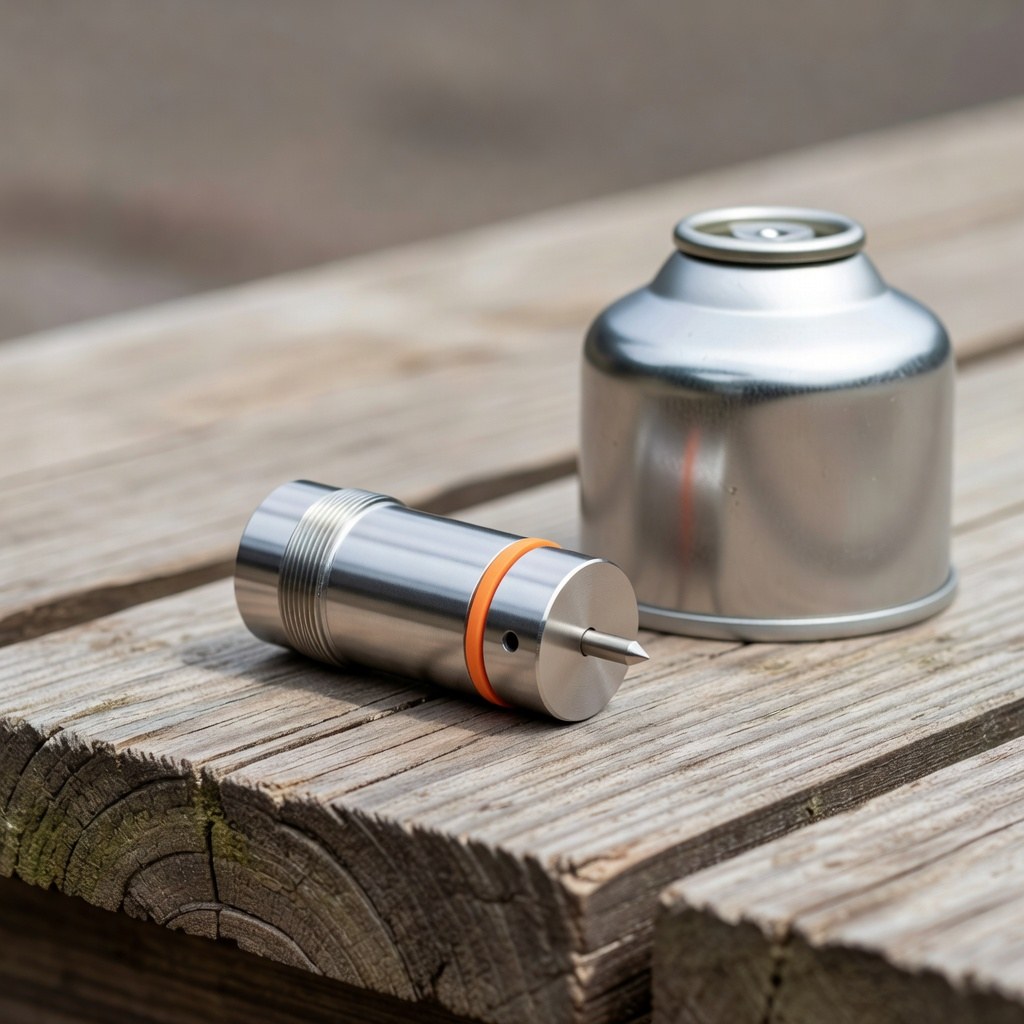
Once a canister is provably empty, the last chore is getting it out of the drawer and into a recycling stream. The Jetboil CrunchIt canister tool punctures and vents a spent isobutane can so the steel goes in with normal recycling — which is the difference between an empty that sits in the garage for two years and one that actually leaves.
The Last Word on Fuel Choice
If you read nothing else on this page, read these three bullets: they are the decision the whole article exists to support, and they are also the three phrasings that bring most people here.
- what fuel for camp stove / what is camp stove fuel / best fuel for camp stoves / best fuel for camping / which is better butane or propane — for a family weekend: a 1 lb propane cylinder or a bulk tank, because they work cold, refill cheaply and run all weekend. For a solo overnight: a 230 g mixed-gas canister. A September picnic: butane. Frost on the tent: mixed gas or propane, no exceptions.
- best dual fuel camp stove / best multi fuel camp stove / best fuel for alcohol camp stove — the specialist picks. A dual fuel stove buys you the option of liquid fuel when canisters are unavailable; an alcohol stove is quiet, light and slow, and belongs in a kit for ultralight trips rather than family weekends.
- camp stove fuel alcohol / camp stove fuel pellets / camp stove wood fuel / ultralight camp stove fuel — the alternatives worth knowing about even if you never buy them. Alcohol is silent and slow, pellets and twigs are free and smoky, and an ultralight canister kit is the lightest thing that still boils water in a hurry.
And the one thing to buy today: a canister stand and a folding windscreen. Neither costs much, both extend the fuel you already paid for, and together they solve more cold-weather camping complaints than any upgrade to the stove itself.
That folding screen is a $16 purchase, and MSR makes the one that pairs with the liquid-fuel stoves on this page: the MSR Heat Reflector and Windscreen ($16.97, 4.5★) clips around a WhisperLite Universal or any MSR liquid-fuel burner, reflects heat back into the pot and blocks the wind that eats your fuel. On a canister stove, use a screen that shields the burner without wrapping the canister — the windscreen guide covers which ones are safe, and a full wrap traps heat at the canister, which is the one thing you never want.
Butane vs Propane vs Isobutane: Every Comparison That Matters
Three gases, one question asked a hundred ways. The table below answers the comparison; the bullets after it cover the fuel types people search for when they are holding a stove with no idea what goes in it.
| Comparison | The short answer |
|---|---|
| isobutane vs propane vs butane | One family, three boiling points. Isobutane lights near 11 °F, propane near −44 °F, butane near 32 °F. |
| propane vs butane difference / propane vs butane propane mix / iso butane vs butane propane mix | A mix can is the practical middle: enough propane to start in the cold, enough isobutane to burn cleanly and pack light. |
| isobutane propane vs propane / isobutane propane vs butane propane / isobutane propane mix vs propane / isobutane vs isobutane propane mix / isobutane vs butane propane mix / isobutane vs propane mix | Pure isobutane for mild-weather efficiency; isobutane-propane mix for shoulder season; butane-propane mix when the can came from a discount bin. |
| isobutane vs propane butane mix | The shortest version of the trade: a mix can gives up a little cold-weather pressure to gain a little efficiency and a lower price, and for most three-season trips that is the right trade. |
| isobutane vs propane btu / propane vs butane heat / isobutane vs propane temperature | BTU per gram is close enough to call it a tie — the difference that matters is usable pressure at temperature. |
| isobutane vs propane pressure / isobutane vs propane cold weather | Propane holds pressure far colder. That is the whole argument for a 1 lb cylinder in November. |
| isobutane vs propane cost / isobutane vs propane price / camp gas burner price | Per usable BTU, bulk propane is cheapest, canisters are the most expensive and the most convenient. |
| isobutane vs propane stove / propane vs isobutane stove / propane vs isobutane for camping | The stove is a connector decision, not a fuel decision: screw-top canister versus hose-fed cylinder. |
| isobutane vs propane for camping / isobutane vs propane for backpacking / isobutane vs propane camping | Car camping: propane. Backpacking: canister. Two stoves if the family trips are frequent. |
| propane vs butane camp stove / propane vs butane gas stove / isobutane fuel vs propane / isobutane gas vs propane / is isobutane or propane better | For a three-season family stove, propane; for a light solo kit, isobutane. |
| butane vs propane for stove / butane vs propane stove camping / butane vs propane stove for camping / butane vs propane portable stove / butane vs propane outdoor stove | If the stove lives in a tote and gets used on a picnic table, either works — until the first cold morning. |
| butane or propane stove better / butane or propane stove for camping | Better for what: butane wins portability and price at the counter, propane wins cold and run time. |
| butane vs propane burner / butane vs propane single burner / propane canister stove burner | On a single burner, the gas choice changes ignition reliability, not peak output. |
| butane vs propane stove safety / butane vs propane gas stove / butane and propane gas stove / butane and propane portable stove | Both are safe when the stove is used outdoors or in a ventilated shelter, and neither is safe inside a closed tent. |
| butane vs isobutane vs propane / butane propane isobutane gas canister / butane propane stove canister / butane fuel canister for camp stove / butane camp stove gas / isobutane butane canister / isobutane propane gas canister / isobutane propane mix canister | The canister family in one line: any of the three, or a blend, in the same steel can with the same valve. |
| isobutane gas canister sizes | 100 g, 110 g, 230 g and 450 g are the sizes you will actually be offered. |
| fuel efficient camp stove / most efficient camp stove fuel / ultralight camp stove fuel | Efficiency is mostly a windshield problem. A $12 windscreen does more for fuel economy than a $200 stove. |
Fuel types: the rest of the vocabulary
- camp stove types / camp fuel types / camp stove gas types / camping stove gas canister types — canister, disposable cylinder, bulk tank, liquid fuel, alcohol, solid and wood. Every "which fuel" question is really a question about which of those seven you own.
- camp stove canister fuel / camp stove fuel butane / camp stove with fuel / camp stove with gas bottle — listings phrased as bundles. Check the connector before buying a stove-plus-fuel package.
- camp stove fuel liquid / camp stove liquid fuel vs propane / camp stove that uses liquid fuel / camp stove white fuel / camp stove fuel pump — the liquid-fuel class: white gas in a tank pressurized by a hand pump. Unbeatable in extreme cold, fussier everywhere else.
- camp stove unleaded gas / camp stove multi fuel — a genuine dual-fuel stove accepts unleaded gasoline. Use it as a fallback, not a habit: it soots the generator.
- camp stove fuel alcohol — alcohol stoves are silent and ultralight, and they are slow. Treat them as a specialty option.
- camp stove fuel pellets / camp stove wood fuel — twig and pellet gasifiers. Free fuel, real smoke, and banned during fire restrictions.
- camp stove cans / camp stove gas cylinder / camp stove gas tank — the containers. A "tank" usually means bulk; a "cylinder" usually means 1 lb disposable.
- camp stove tent — if that is your search, the answer is no: no fuel-burning stove belongs inside a closed tent. Use the vestibule with the door open, or a stove-rated shelter.
- can you check camp stove fuel — you can estimate, not measure. Weigh the can, shake it, or run it for a minute and listen for sputter.
- how to use butane camp stove — cartridge in, latch closed, knob a quarter turn, ignite, then let it burn blue for ten seconds before the pan goes on.
What People Actually Ask About Camp Stove Fuel
These are the fuel questions this page gets in the search box, typed the way people actually type them. Each row is a real query form, and each answer is the short version of the section above it - so you can stop at the row that matches your stove, your fuel, and your forecast.
What fuel do camp stoves actually use
| What you searched | The short answer |
|---|---|
| what fuel do camping stoves use · what kind of fuel do camp stoves use · camping stove gas bottle types · what type of fuel do camp stoves use · what gas does a camping stove use · what gas do camping stoves use · types of camping fuel | Four families cover the whole shelf. Propane ships in a 1 lb cylinder or a refillable tank, butane in a flat cartridge for tabletop stoves, isobutane or an isobutane-propane blend in a screw-top canister, and liquid fuel or wood at the specialist end. Car camping and winter want propane; a mild-weather picnic is the butane case; backpacking is a blended canister. |
Propane vs butane: which is right for your camp stove
| What you searched | The short answer |
|---|---|
| is propane or butane better for a camping stove · cooking with propane vs butane · propane vs butane uses · is propane and butane the same · is propane and butane gas the same · can you use butane or propane · propane vs butane stove · propane vs butane stove camping · propane vs butane pressure · propane vs butane safety · propane vs butane for camping · propane vs butane temperature · propane vs butane weight · propane vs butane camping · camp stove propane and butane · propane vs butane for camp stove · propane vs butane canister · propane vs butane for cooking · propane vs butane for camping stove · propane vs butane gas bottle · what is propane or butane · is propane and butane the same gas · propane vs butane tank · isobutane vs butane vs propane · propane vs butane gas cylinder · propane vs butane which is better | The forecast low decides it, not the stove. Propane boils near -44 F so it never stops making gas in camping weather; butane stops vaporizing around 31 F, which is why a butane stove goes flat on a frosty morning with fuel still in the can. Above about 45 F butane is the cheaper meal (~$0.35 vs ~$0.50); below it, pack propane or a mixed-gas canister. |
Propane canisters and bottles, in plain terms
| What you searched | The short answer |
|---|---|
| can i use a 1 lb propane tank instead of 20 · can i use a 30 lb propane tank instead of 20 · can i use a 15 lb propane tank instead of 20 · can i use a large propane tank on a small grill · can i use a 20 lb propane tank on my rv · propane canister valve · propane canister camping · propane canister gas · camp stove propane gas · camp stove propane small · camp stove propane valve · propane tank uses · propane canisters for camping · propane canister small · camp stove propane cylinders · propane canister storage · propane canister for camp stove · propane canister for camping · propane tank small · propane canister 8 oz · propane tank valve types · propane tank how to use · propane tank how to store · propane tank with stove · propane canister vs butane · propane tank large | The 1 lb (16.4 oz) disposable cylinder is the camping standard: it screws straight onto a bottle-top burner, feeds a hose-and-regulator conversion, and stores for years upright and capped. Anything larger - 5, 10, 20 lb, or an RV tank - is refillable and needs a regulated hose, not a direct connection. Small propane cylinders are also the cold-weather answer, because they keep pressure where a butane cartridge quits. |
Butane and isobutane canisters, in plain terms
| What you searched | The short answer |
|---|---|
| propane isobutane canister · isobutane burner · butane canister nozzle · are all butane canisters the same · butane canister for stove · isobutane camping fuel · butane canister with long nozzle · butane canister types · camping butane fuel canister · butane canister long nozzle · butane canister storage temperature · butane canister with nozzle · butane canister run time · butane gas canister how to use · butane canister camp stove · isobutane fuel cartridge · isobutane gas cartridge · butane canister cooking · butane canister how to use · butane canister for cooking · butane canister cartridge · butane fuel canister uses · butane canister gas · isobutane bottle | A flat butane cartridge belongs to a picnic stove; a threaded isobutane canister belongs to a backpacking stove. The label matters more than the size: pure butane derates near 40 F while an isobutane-propane mix keeps pushing gas below freezing. Both are self-sealing once unscrewed, and both come in the 100 g to 450 g range, with 230 g the default for a weekend. |
Matching fuel to the stove you already own
| What you searched | The short answer |
|---|---|
| can i use coleman propane with jetboil · can i use propane with jetboil · can you use butane with jetboil · can i use a bernzomatic propane with coleman stove · can i use butane propane mix for jetboil · can you use butane propane mix for jetboil · can you use coleman butane propane mix with jetboil · camp stove propane butane · can you use butane on a propane stove · can you use butane and propane for the same · camp stove that uses propane · how to use camp stove propane · can you use butane to cook with · can you use butane for camping stove · can i use propane on butane stove · can you use butane in propane stove · can you use butane to cook · can i use butane stove with propane · can you use butane in a propane tank · can you use butane for a propane stove · can you use butane for cooking · can you use butane on propane stove · can you use butane gas to cook · can i use butane on a propane stove · can you use butane to cook food · can you use propane on butane burner | Match the connector, not the brand. A screw-top canister stove takes threaded canisters only; a 1 lb bottle-top burner takes 1 lb cylinders; a two-burner car-camping stove takes either a 16 oz cylinder or a hose to a bulk tank. Canisters and 1 lb cylinders are not interchangeable without the right adapter, and a flat butane cartridge needs a cartridge-style burner or a dedicated adapter. |
Coleman, MSR and Jetboil: does the brand change the fuel?
| What you searched | The short answer |
|---|---|
| camping fuel coleman · camping fuel msr · camping fuel jetboil · camping gas jetboil · butane canister jetboil · coleman camp stove propane fuel · coleman camp stove propane bottles · camp stove propane coleman · coleman 413g camp stove fuel type · coleman 425 camp stove fuel type | No - the fuel rule is identical across brands, which is why a $6 canister from any maker feeds a $200 stove. The connector decides what you can buy: 1 lb cylinder, flat butane cartridge, or threaded EN417 canister. What the brand changes is the burner and the air mix, not the fuel. For the vintage stoves, read the case stamp - Coleman 413G and 425-series suitcases are white-gas stoves, not propane. |
Camping fuel: the words people mix up
| What you searched | The short answer |
|---|---|
| camping fuel for cooking · isobutane uses · camping fuel vs propane · camping fuel propane · camp fuel uses · camping fuel isobutane · camping fuel burner · camping fuel uses | "Camping fuel" is four unrelated products on one shelf: propane cylinders, butane cartridges, isobutane canisters and liquid fuel. "Camping gas" in the UK and Europe usually means butane or a butane blend in a click-in can. "Camp fuel" in the US usually means white gas. When a listing says fuel canister, check the valve - threaded EN417 or bayonet and pierceable - before you buy. |
If you want this worked out for your own stove rather than read off a table, the camping propane calculator takes your burner's BTU rating and your canister or tank and returns burn hours, meals per container and cost per 100,000 BTU.
Propane Usage Quick Reference: Burn Time, Meals, and Cost
Everything on this page so far is about which fuel to buy. This section is about how much — the numbers you actually need to plan a trip, in one place, so you can stop guessing whether a green bottle is enough for a weekend.
The short version: a 16.4 oz disposable holds about 21,500 BTU, which is roughly two hours of full-blast cooking on a 10,000 BTU single-burner stove, 15–20 quarts of boiled water, or six to eight real camp meals. Everything below is that one fact, scaled up. If you'd rather not do arithmetic at the picnic table, the propane burn-time calculator does it for your exact stove and trip length.
How Much Propane Lasts, By Cylinder
Propane carries roughly 21,500 BTU per pound, so runtime is just tank size divided by your burner's draw. Two columns, because a single-burner stove and a two-burner stove differ by exactly a factor of two:
| Cylinder | Propane (BTU) | Hours on a 10,000 BTU/hr burner | Hours on a 20,000 BTU/hr two-burner stove | Covers |
|---|---|---|---|---|
| 16.4 oz disposable ("1 lb", "green bottle", "16 oz") | ~21,500 | ~2.1 h | ~1.1 h | A weekend of one-pot meals for two |
| 1 lb refillable | ~21,500 | ~2.1 h | ~1.1 h | Same fuel, refilled instead of thrown away |
| 5 lb tank | ~107,500 | ~10.7 h | ~5.4 h | A long weekend with a griddle or heater |
| 11 lb tank | ~236,500 | ~23.6 h | ~11.8 h | A week of real cooking |
| 20 lb tank | ~430,000 | ~43 h | ~21.5 h | Ten to fourteen days of trips |
The formula in one line: tank BTU ÷ stove BTU/hr = hours. A 20 lb tank on a 20,000 BTU two-burner stove is 430,000 ÷ 20,000 ≈ 21.5 hours, which is why the tank that feeds your summer grill also lasts most of a camping season.
Two corrections that matter more than the table: wind adds 30–50% to your burn time on an exposed table, and cold weather degrades butane and isobutane long before it bothers propane. Plan by burn minutes, not by meal count — a bacon-and-pancakes breakfast can eat half a green bottle on its own.
Know what is left in a part-used tank. The table above assumes a full cylinder, and halfway through a season that is no longer true. The two honest ways to check are weighing the tank against its stamped tare weight, or reading a gauge — the DOZYANT Universal Propane Tank Gauge ($15.99) hand-tightens onto any 5 to 40 lb tank's QCC1/Type 1 valve with no tools, and it carries separate HOT DAY and COLD DAY arcs, which is the part that matters: propane pressure sags with temperature, so a single-arc gauge reads low on a tank that is still two-thirds full.
What Propane Costs, By the Pound
The single biggest cost lever in camp cooking is not the stove — it is the package the fuel comes in. Disposables cost three to five times more per pound than bulk propane:
| Where the propane comes from | Roughly what you pay | Cost per pound |
|---|---|---|
| 16.4 oz cylinders in a 12-pack | ~$5.42 a bottle | ~$5.30–5.42 |
| Single 16.4 oz cylinder, big-box store | $5–7 | $5–7 |
| Green bottle from a campground store | $7–10 | $7–10 |
| 20 lb tank, refilled by weight | $20–30 for a true 20 lb fill | $1.00–1.50 |
| 20 lb tank, exchange swap | $25–30, usually filled to 15–17 lb | $1.75–2.00 |
A 20 lb tank holds about 20 times the fuel of one green bottle and costs roughly a quarter as much per pound. The break-even is not subtle: a $9.98 adapter to run your 1 lb stove off a bulk tank saves about $4.40 per bottle-equivalent, so it repays itself in under three bottles — often a single weekend. Add a 10-foot hose so the tank sits upright on the ground and you are done for the season with one $20–30 refill.
If you want to stay small instead of going bulk, the third option is a refillable 1 lb cylinder with a refill kit, refilled from a 20 lb tank with a 1 lb-to-20 lb refill adapter. It keeps the bottle form factor your stove already expects and removes the disposable cost entirely. For occasional weekenders, the convenience of the Coleman 16.4 oz 12-pack is a perfectly good trade.
How Much Propane for a Camping Trip
Work in pounds per day, not bottles per trip. A couple cooking two hot meals a day burns about one pound per day on a single burner, and closer to 1.5–2 lb per day on a two-burner stove used for both meals and coffee. Add roughly one pound per night if you are running a propane heater. That gives you: a green bottle is one weekend for two people; a 20 lb tank is ten to fourteen days of the same trips.
| what people search | the short answer |
|---|---|
| how much propane for camping | Budget about one pound per person per day for cooking, plus one pound per night if you run a heater. |
| how much propane do i need for camping | A three-day trip for four people is about four to six pounds — one 20 lb tank with plenty left over, or four to six green bottles. |
| how long does a propane tank last | The name is the only thing that varies: a "1 lb," "16.4 oz," "16 oz," "green bottle," "little" and "small" cylinder are all the same ~21,500 BTU container at roughly two hours of full-blast burn. |
| how long does a 20 lb propane tank last | ~21.5 hours at 20,000 BTU/hr (two burners), ~43 hours at 10,000 BTU/hr, or ten to fourteen camping days of normal cooking. |
| how long will a 1 lb propane tank last | About two hours at full blast on a 10,000 BTU stove, three to four hours on a 5,000–8,000 BTU backpacking stove, or 15–20 quarts of boiled water. |
| how many hours does a propane tank last | Tank BTU divided by burner BTU/hr. A 10,000 BTU burner empties a green bottle in ~2.1 hours and a 20 lb tank in ~43. |
| how long does one camping propane tank last | One green bottle is one weekend for two people; one 20 lb tank is ten to fourteen days of the same trips. |
| how long does a propane tank last camping | Longer than the trip if you plan by pounds per day: ~1 lb/person/day cooking, +1 lb/night for a heater. |
| 1 lb vs 20 lb propane tank | 20 lb holds ~20x the fuel and costs ~1/4 as much per pound; 1 lb wins only for backpacking, one-pot weekends and air travel. |
| how many propane tanks for camping | One 20 lb tank per two weeks of trips, or one green bottle per couple per weekend — add one for every extra day or extra appliance. |
| camping propane tank sizes | 16.4 oz disposables, 1 lb refillables, 5 lb, 11 lb, 20 lb and 30 lb tanks; 20 lb is the standard exchange size. |
| propane tank refill cost | $20–30 by weight for a true 20 lb fill, or ~$1.00–1.50 per pound — never pay refill prices for a partial fill. |
| propane cost per pound | ~$5.30/lb in disposable packaging versus ~$1.00–1.50/lb for a refilled 20 lb tank. |
Two rules keep this honest in the field. Buy by the pound, not by the bottle — the ratio holds in every market even when the retail prices move. And carry a spare — running out of propane at breakfast is the most common camping failure there is, and a second green bottle costs less than the breakfast you would otherwise eat cold.
These three deep dives carry the same numbers with the full working shown, and each one is worth reading before you buy:
- How long a propane canister actually lasts — boil-time math, meals per canister, and the wind and altitude corrections.
- How much propane your trip needs — meal-by-meal planning for a family trip, plus tank sizes compared.
- 1 lb vs 20 lb cost per trip — the break-even math on disposables, exchanges and refills.
If you are still deciding what to cook on, the Coleman Bottle Top 10,000 BTU and the Gas One GS-3400P dual-fuel both run standard 1 lb or 20 lb propane with no proprietary canisters, which is the property that makes all of the math above usable.
Camp Stove Fuel FAQ
Quick answers to the questions campers actually ask before buying fuel — the full details for each are in the sections above.
What are the different types of camp stove fuel?
There are four main types, and your stove dictates which one you can use. Propane (green 1 lb cylinders) is the car-camping workhorse: dependable in cold down to about -44°F, ~$0.50 per meal. Butane (click-in cartridges) is cheap and compact for warm-weather picnics but loses pressure below about 31°F. Isobutane (threaded canisters) is the backpacker's fuel — light, works to about 11°F, and screws onto ultralight stoves like the MSR PocketRocket 2. Liquid fuel (white gas) and wood are the specialists: white gas for international travel and extreme cold, wood for zero-fuel trips. The quick-reference table at the top of this guide compares all four side by side — the rule to remember is never force a canister onto a stove it was not designed to accept.
Is propane or butane better for camping?
Choose propane when temperatures, elevation, or meal size are unpredictable. It is easier to find in many small towns and stays more dependable on cold mornings. Choose butane for mild-weather picnics, beach days, and simple one-pan cooking when you value a compact tabletop stove and readily available cartridge fuel. The deciding factor is your stove: a butane-only stove cannot safely take a propane cylinder, so check the manual before stocking up.
Can I use butane when it is cold?
It may light, but that is not the same as performing well. As temperatures approach about 40°F, butane loses pressure and cooking slows dramatically; high elevation and wind make the problem worse. For a shoulder-season trip, carry a propane-compatible setup such as the Gas One GS-3400P, or use an isobutane canister stove for a small backpacking cook kit. Do not try to warm a canister with a flame or put it in hot water.
How much camp stove fuel should I bring for a weekend?
For two people boiling water and making two simple meals a day, plan one extra fuel unit beyond your calculation: a spare 1-pound propane cylinder for a car-camping stove, or a second small threaded canister for a backpacking stove. Wind, cold, simmering, and a forgotten morning coffee all consume more fuel than a boil-time estimate. Buying the backup before the last service town is cheaper and less stressful than searching for the right canister near camp.
Does tent size change how I set up a camp kitchen?
Yes—especially on a family trip. Keep every fuel-burning stove outside the tent, on level ground, downwind of the door, with clear space from dry grass and the fabric. A larger shelter does not make indoor cooking safe; it simply gives wet boots, sleeping gear, kids, and meal bins somewhere separate to go while one adult cooks outside. If you are deciding how much living space your group needs, start with the family tent size guide, then compare the weather-ready layouts in our best family camping tents guide before choosing both the tent and the stove system.
Can I bring camp-stove fuel in my car or RV?
Transport cylinders upright, capped, and secured so they cannot roll or overheat. Keep them out of a sealed passenger compartment when possible, never leave them in direct sun, and check the valve for damage before connecting. For RV trips, store fuel in the exterior compartment designed for it and follow the RV manufacturer and campground rules; our RV camping setup guide covers the broader arrival-and-hookup routine. A portable stove belongs outside on a stable, ventilated cooking surface, never inside a tent or vehicle.
Cold-weather RV checklist: Choose propane rather than a butane-only cartridge before you leave, secure a spare cylinder in the rig's approved exterior compartment, and do a quick valve-and-hose check in daylight. The winter camping for beginners guide explains the rest of the overnight system—dry sleep layers, insulation under your pad, and a realistic temperature margin—while the essential RV accessories checklist helps you match surge protection, water-pressure gear, and electrical adapters to the campsite. Fuel is only one part of arriving prepared, but it is a miserable one to discover after breakfast has gone cold.
How do you dispose of or recycle camp stove fuel canisters?
Never throw a pressurized canister in the trash or a curbside recycling bin — puncturing at a recycling facility is a real fire risk. The correct path: burn the fuel completely first. Run the stove outdoors until the flame sputters and dies, then close the valve. An empty 1 lb propane cylinder or threaded isobutane canister can then go to a household hazardous waste (HHW) drop-off — many counties run these free or low-cost, and some outdoor retailers (REI and many local outfitters) accept used fuel canisters for recycling at their stores. Fully empty steel canisters can also be recycled as scrap metal where your local program allows it; check with your city's waste department before putting one in any bin. A few extra minutes of disposal research before the trip beats leaving a hissing cylinder at a trailhead — or worse, in a campfire, which can rupture.
The one rule that covers every canister: empty it completely, never puncture or crush it, and route it through a recycling or HHW program rather than general waste.
What is the best camp stove for family camping?
For four or more people, a two-burner propane stove is the right answer — it lets coffee and breakfast happen at the same time instead of one after the other. The Coleman Triton+ ($149.99, 22,000 BTUs total) is the best all-round pick, and the Camp Chef Explorer ($127.99, 60,000 BTUs on a 14 x 32-inch surface) is the one to step up to for six people or a base camp. Below four people, or on a tight budget, the Gas One GS-3400P dual fuel at $34.99 does the job with a smaller cooking surface. Run whichever you buy on a 20 lb tank with an adapter if you cook all season.
How much does camp stove fuel cost per day?
About $2.20 per cooking day for two people on 1 lb propane cylinders ($5.42 a cylinder, roughly 10 meals), or roughly $3.00 a day on butane cartridges. Move to a refillable 20 lb tank and the same day of cooking costs about $0.66 — a 20 lb refill is about $20-25 and holds the equivalent of some 20 one-pound cylinders. Over a season of 15 weekend trips that is roughly $82 of disposables versus about $25 of bulk fuel.
How long does a 1 lb propane tank last?
A 1 lb (16.4 oz) cylinder gives roughly 2.5 to 4 hours of full-blast burn on a 10,000 BTU stove — for two people, about 8-10 meals, or 3 to 5 days of breakfast-and-dinner cooking. In practice one cylinder is one weekend. Wind, cold, and long high-heat boils all shorten it, so simmering rather than boiling hard is the cheapest fuel lesson there is.
Can you use butane in a propane stove?
No — and the reverse is also a no. Butane cartridges use a click-in valve system while propane cylinders screw on with a threaded connection, and the two fuels run at different pressures. Forcing a butane cartridge onto a propane fitting (or using a cheap adapter) risks a leak at the connection and a flame that behaves unpredictably. If you want the option to burn whichever fuel is in stock, buy a dual-fuel stove that is designed to accept both, like the Gas One GS-3400P — flexibility is a fuel-safety feature.
What sizes do camp stove fuel canisters come in?
Propane: the standard disposable green 1 lb (16.4 oz) cylinder, plus refillable 5, 10, and 20 lb tanks for RV and basecamp use. Butane: the common 220g cartridge for tabletop stoves, with smaller 100g cartridges for ultralight picnic setups. Isobutane: threaded canisters in 100g, 230g, and 450g sizes — the 230g (8 oz) canister is the backpacking sweet spot, boiling roughly 10-12 liters of water. Match the canister size to trip length: a weekend of two-person cooking eats about one 230g isobutane or one 1 lb propane.
How long does camp stove fuel last (shelf life)?
Stored properly — upright, capped, cool, out of direct sun — canister fuel lasts for years. Propane cylinders are effectively indefinite (5+ years is conservative), and butane/isobutane cartridges stay good for 3-5 years or more. What ages is the valve seal, not the fuel: a canister that sat in a garage for three seasons can still be fine, but check it before a trip by sniffing the valve, confirming it threads cleanly, and testing pressure outside. The fuel canister safety and disposal guide covers storage checks, transport, and what to do with canisters that are past their prime. Fuel is only half the reliability story — the other half is a burner and air tube that are not clogged, which our camp stove cleaning and maintenance guide walks through step by step.
Does camp stove fuel go bad, and how should you store it?
Straight answer: no, the fuel itself does not spoil — propane, butane, and isobutane are stable, and a closed cylinder will still burn years later. What actually fails is the valve seal, not the gas. So camp stove fuel storage comes down to four rules: keep cylinders upright and capped, store them cool and out of direct sun, never leave them in a hot car or a sealed trunk in summer, and keep every cylinder away from the tent and any ignition source. Before each trip, check for a hiss at the valve, confirm the collar threads cleanly, and retire anything dented or rusted. Need fuel tonight? Search camp stove fuel near me and start with hardware stores, Walmart, and sporting-goods chains — they stock camp stove fuel cans (the standard 1 lb propane cylinder and 8 oz butane cartridges) year-round and are the fastest last-minute option once a specialty shop has closed. Shelf life by fuel type is in the section above, and the fuel canister safety and disposal guide covers transport and disposal.
Want the whole shortlist in one place? Our Best Camp Stoves guide ranks every stove we recommend by burner type, fuel, and price.
Are Isobutane Canisters Interchangeable Across Brands?
Nearly always, yes. Because are isobutane canisters interchangeable across brands is a thread question rather than a brand question, any stove built to the standard screw-valve will accept a canister from any manufacturer — Coleman, MSR, GSI, Snow Peak, Gas One or the store brand. Buy on price per gram and on whether the mix suits the season, not on whether the logo matches your stove.
Can You Refill Isobutane Canisters With Propane?
No, and it is worth knowing why. When people ask can you refill isobutane canisters with propane, the answer is that propane's vapour pressure at room temperature exceeds the design range of a thin canister and its small valve. A refill from a bulk propane tank through a proper adapter is a different and sometimes legal practice; propane poured into a canister's own valve body is not.
Do Isobutane Canisters Expire?
The gas does not, and do isobutane canisters expire is really a question about the seal. Valve rubber ages, so a can that has sat in a garage for five years can weep slowly even though the fuel inside is fine. Mark canisters with the month you bought them and use the oldest first; if an old can smells faintly of gas with the lid off, it is done. A can stored above 100 °F for a summer ages faster than one kept in a cool basement.
Is Isobutane the Same as Propane?
Close cousins, different boiling points. Asking is isobutane the same as propane gets you to the heart of cold-weather camping: isobutane boils around 11 °F and propane around −44 °F, so propane keeps pushing gas on a morning when an iso can has gone quiet. They are interchangeable in a stove's plumbing and not interchangeable in performance. If a stove label says it takes isobutane, it will happily burn a propane blend; the reverse is not true for a straight butane cartridge.
Can You Take Camp Stove Fuel on a Plane?
Not in the United States. Camp stove fuel cannot travel in carry-on or checked luggage on US carriers whether the canister is full or empty, and the same rule covers the 1 lb cylinders that feed a tabletop stove. Plan to buy fuel at your destination, and ask your airline before you pack a liquid-fuel stove in the hold. Empty canisters are refused for the same reason full ones are, because the valve cannot be verified at the check-in counter.
Is Butane or Propane Better for a Camp Stove?
Depends on the temperature you expect. Which is better butane or propane is decided by the forecast: butane for mild-weather picnics and short car trips, propane or a mixed-gas canister for anything that will see frost. Below about 40 °F a butane cartridge stops delivering usable pressure long before it is empty. If nearly all of your trips are summer car camping, butane’s lower price per cartridge is the deciding factor.
How Long Does a Gas Canister Last on a Camping Stove?
Roughly 45–70 minutes of hard boiling from a 110 g can, and 2.5–3.5 hours of ordinary cooking from a 230 g can. How long does a gas canister last on a camping stove depends far more on wind and lid discipline than on the stove itself — a windscreen can add a third to that number for the price of a sandwich. Measure your own stove once with a full can and a stopwatch, and you will never have to guess again.
What Fuel Does a Coleman Camp Stove Use?
It depends on the model — and what fuel does coleman stove use is the question that trips up second-hand buyers. Modern Coleman propane stoves take a 1 lb cylinder or a screw-top canister; the classic green suitcase stoves take white gas (Coleman Fuel), with some 424-series models also accepting unleaded gasoline. Read the case stamp before you buy fuel.
Is Isobutane Better Than Propane in Cold Weather?
No — the reverse. Isobutane vs propane cold weather always favours propane, because propane maintains vapour pressure far below freezing. Isobutane's advantage is weight and a clean burn in the other three seasons, which is why a blend rather than a pure gas is the compromise most backpackers actually carry. Below freezing, keep the can in an inside pocket until the moment you light it and it will behave noticeably better.
Can Isobutane Canisters Be Recycled?
Usually, once they are provably empty. Can isobutane canisters be recycled is a municipal question: many scrap-metal and household hazardous-waste sites accept them after the valve has been punctured outdoors by an adult; mixed curbside recycling often will not, because the residual valve assembly counts as mixed material. Check your county’s household hazardous-waste calendar before you put one in the kerbside bin.
What kind of gas do camp stoves use?
Almost all of them run propane, butane, or a propane-isobutane blend, and the connector tells you which. A stove with a 1 lb cylinder or a hose to a bulk tank runs propane; a tabletop stove with a flat click-in can runs butane; a backpacking stove with a screw valve runs a threaded canister, usually an isobutane-propane mix. The brand never decides it - the valve does.
Does isobutane go bad?
The gas does not spoil; the seal ages instead. Isobutane, propane and butane are stable, so a closed canister stored upright and out of the sun still burns years later. What fails is the valve rubber, which can weep after five or six seasons. Mark the month you bought each can, use the oldest first, and retire anything that smells of gas with the lid off or shows dents and rust.
Can a butane camp stove use propane?
Not by swapping the cartridge - a flat butane can and a 1 lb propane cylinder use completely different connectors, so a butane-only tabletop stove needs a dedicated propane adapter, and many cannot take one at all. What people usually mean is a dual-fuel stove, which accepts either a butane cartridge or a screw-top canister by design. If your stove is butane-only, plan on butane and watch the overnight low.
Which is better propane or butane gas?
Propane, whenever mornings might drop below about 45 F - it boils near -44 F against butane's 31 F, so it keeps producing gas while a butane cartridge is already flat. Butane is better in exactly one situation: mild-weather car camping, picnics and tailgates where the lower cartridge price and quieter flame matter more than cold performance. Buy on the trip, not on the price tag.
Do camping stoves use propane?
Most family and car-camping stoves do, because a 1 lb cylinder is the cheapest reliable fuel to buy almost anywhere in the US and it works in the cold. Butane and isobutane cover the tabletop and backpacking ends of the same market, and liquid-fuel stoves exist for international travel. If someone says camping stove, propane is the safe assumption - just confirm the connector before you buy fuel.
How long does a green propane tank last?
Two hours of full-blast cooking on a 10,000 BTU single-burner stove — the green bottle is exactly the same 16.4 oz / ~21,500 BTU cylinder as any other "1 lb" propane tank, just painted differently. Expect 15–20 quarts of boiled water or six to eight real camp meals. A two-burner stove on high halves that to about an hour.
How many propane tanks can I transport?
There is no federal limit on how many 1 lb cylinders you may carry, but DOT rules require each one to be upright, secured and valve-closed in transit — loose bottles rolling in a hot trunk are the actual hazard. For a 20 lb tank, keep it upright, valve closed, and never inside a closed passenger compartment.
How long does a small camping propane tank last?
"Is it the green one or the five-pounder?" is the only useful question. Every small disposable — 16.4 oz, 1 lb, 16 oz, "little green" — is the same cylinder and gives about two hours of full blast, while a 5 lb refillable tank holds five times that at roughly 10.7 hours on the same 10,000 BTU burner.
How long do isobutane canisters last?
A 110 g isobutane canister is roughly a backpacking day — one person's breakfast, coffee and a rehydrated dinner — while a 220 g canister covers a two-night solo trip. Isobutane has slightly less energy per gram than propane, but it feeds a backpacking stove much better in the cold, which is the trade you are actually making.
How long does a propane tank last unused?
Propane itself does not expire, so a sealed cylinder keeps its charge for five years or more and can easily outlast the trip you bought it for. What ages is the hardware: check the cylinder's date stamp before a big trip, and inspect the valve and O-ring for corrosion before you rely on it.
How long should a propane tank last?
Long enough to plan around, which is the whole point of this section. Run the arithmetic once — tank BTU divided by your stove's BTU/hr — and you will pack one green bottle per couple per weekend, or a 20 lb tank for two weeks of the same trips, instead of guessing and carrying twice the fuel you need.
Beyond the stove itself: camp cooking gear and camping kitchen gear rank the pots, griddles and coffee kit worth pairing with it, sorted by rating with current prices.
For a state that runs four separate camping systems, our Camping in Kentucky guide separates the national forest pass rule from the state park portal and Mammoth Cave's permit system.
Buy the Stove That Matches Your Next Trip
For the mechanics that apply everywhere, camping in Wisconsin covers how one state's single reservation system, fee ladder and ground-condition fire rule actually work in practice.
If you are still deciding at checkout, use the forecast and meal plan—not the label on the cheapest canister—to make the final call:
- Warm-weather picnic, tailgate, or beach weekend: Choose the Coleman Classic 1-Burner Butane at $29.99. Its case and click-in cartridges keep a simple coffee-and-breakfast setup compact, provided overnight temperatures stay comfortably above 45°F.
- Glamping weekend where coffee and dinner are the point: The stove is only one piece — our glamping gear guide pairs a burner with the table, cooler, and coffee gear that make the dining zone feel like home, with a full setup that stays under $200.
- Car camping with uncertain mornings: Choose the Gas One GS-3400P Dual Fuel at $34.99 and pack propane. The small price step buys a practical cold-weather fallback instead of leaving a butane-only stove struggling when the temperature drops.
- Overnight hiking where every ounce matters: Choose the MSR PocketRocket 2 at $49.95 with a threaded isobutane canister. It is the compact option for boils and one-pot trail meals—not the right tool for a family skillet breakfast.
Before you order: check your stove connection, the overnight low at camp, and whether you can buy a spare compatible canister on the drive. If one of those answers is uncertain, the dual-fuel Gas One with propane is the lowest-risk car-camping choice.
If you've settled on propane, the 1 lb propane tank and camp stove buyer's guide narrows the field to the stoves that take the standard green cylinder — plus the refill routes that stop the disposable pile-up.
A 60-Second Checkout Test
Use this last check before you add a stove to the cart:
- Will the overnight low stay above 45°F, and are you cooking for one or two? Pick the Coleman Classic Butane Stove. Its compact case and click-in canisters make it the cleanest, least-fussy warm-weather option.
- Could a cool morning, elevation, or an uncertain forecast change the plan? Pick the Gas One GS-3400P Dual Fuel Stove and take a 1-pound propane cylinder. The small price difference buys a usable fallback rather than a weak butane flame.
- Are you hiking in with every ounce on your back? Pick the MSR PocketRocket 2 with a threaded isobutane canister. It is built for boiling water and compact pots, not a car-camping skillet.
That is the real fuel decision: choose the stove for the coldest and most demanding meal you realistically expect, not the sunniest photo in the product listing.
Start with the stove that matches how you actually camp, not the one you imagine yourself using on an expedition you haven't planned yet. For most of us, that's a simple propane or dual-fuel stove that boils water fast and doesn't require an engineering degree to light. Pair it with the right fuel for your season and altitude, and you'll never eat cold granola bars at 9,000 feet like I did.
Fall camping changes the fuel math. The stove that breezed through summer tailgates needs a colder-morning plan once the leaves turn — our Thanksgiving camping guide walks through pulling off a real holiday meal over camp stoves and fire instead of a kitchen range. For crisp apple-country weekends, the apple picking camping guide pairs orchard trips with simple one-pot camp meals that run fine on a single burner. And when your fall plans revolve around peak color, the leaf peeping guide plans the classic October road trips — where a dual-fuel stove and a 1-pound propane cylinder earn their keep on those first frosty mornings.
Related guides: Camp Kitchen Setup & Essential Gear · Camp Cooking for Beginners · Best Camp Coffee Makers · Best Budget Camp Stoves · Campfire Cooking Gear & Recipes
Related: Camp Stove Propane Hose, Regulator & Tank Adapter Guide — which hose, adapter, and regulator you actually need to run a stove off a 20 lb bulk tank, what each fitting costs, and the 60-second leak test.
Related: Camp Stove Simmer & Heat Control Guide — why cheap burners scorch, the 60-second simmer test to run before you buy, and the cast-iron fix for a stove with no low setting.
Related: Camp Stove BTU Guide: How Many BTU Do You Really Need? — BTU by group size, boil times at 8,000 vs 11,000 BTU per burner, and the fuel-burn math behind why a big flame is not always the better stove.
One more failure worth knowing before your next trip: if you ever smell gas at the stove, that is a seal problem and not a fuel-choice problem. Our camp stove propane leak test guide covers the five-minute soapy-water check and which joint is normally to blame.
If your flame is running yellow or orange instead of blue, that is a combustion symptom rather than a fuel one — our camp stove flame color guide walks through what each flame color means and how to fix a rich burn.
One state where all four public-land camping systems behave completely differently is Oregon; the Camping in Oregon guide walks the state park portal, the state forests, the national forests and BLM separately.
One pricing note that belongs with this guide: fuel barely moves on sale calendars while stoves do — the Black Friday and Cyber Monday camping gear guide explains which is worth waiting for and which to buy in bulk now.
<!-- AFFILIATE_DISCLOSURE -->Our camping in Washington state guide documents the three booking systems, the state's own winter-schedule table of per-park closing dates, and the burn-ban levels that decide whether you can have a fire.