Camp Cooking for Beginners: Easy Meal Planning, Gear & Recipes That Actually Work
Master camp cooking with this beginner-friendly guide to meal planning, essential camp stoves, cookware, and 5 no-fail recipes. GSI, Stanley, Coleman, Gas One — gear picks for every budget.
I've eaten some truly terrible camp meals. Burnt chili. Undercooked rice with crunchy centers. A "stir fry" that was basically wet vegetables on a too-cold pan. The worst part? It was all my own cooking.
Camp cooking has a steep learning curve, but it doesn't have to. The difference between a frustrating trip where everyone's hangry and a trip where meals are a highlight comes down to three things: the right stove for your style, one decent cook set, and a meal plan that doesn't require a professional kitchen.
This guide covers all three — with gear recommendations that span $13 ultralight backpacking burners to full two-burner propane setups.
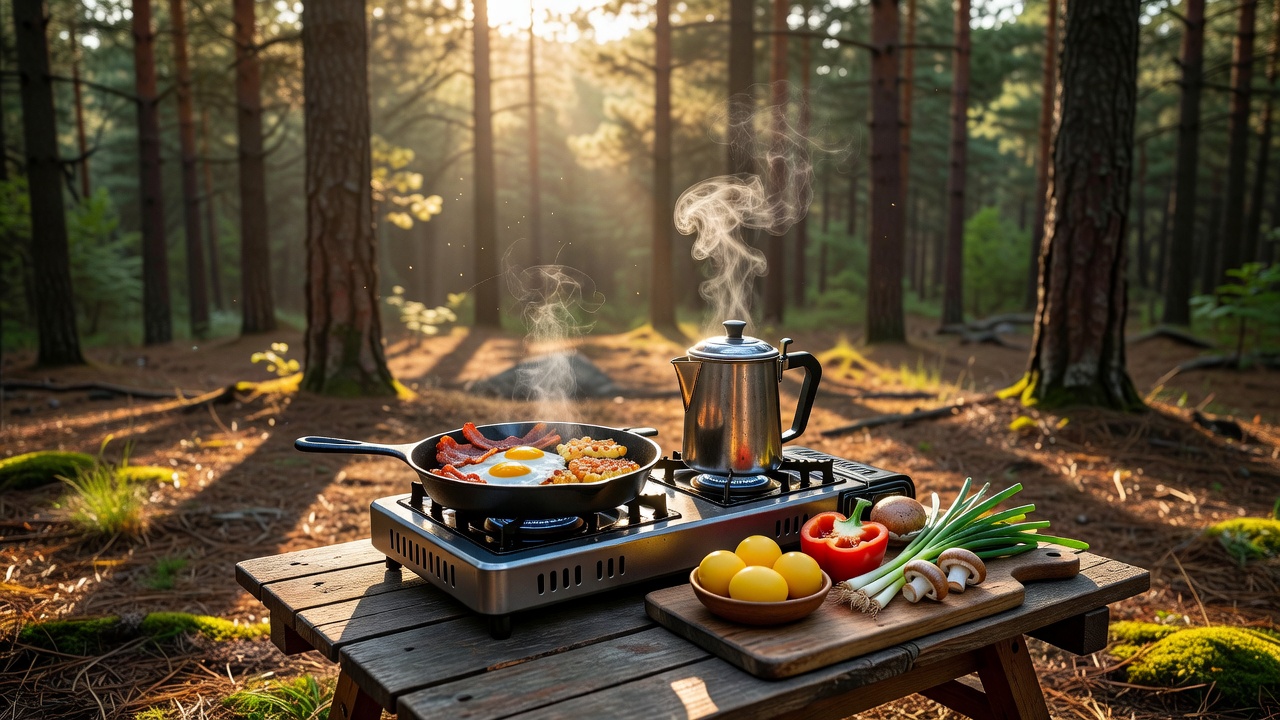
Quick Answer: The Beginner Camp Kitchen
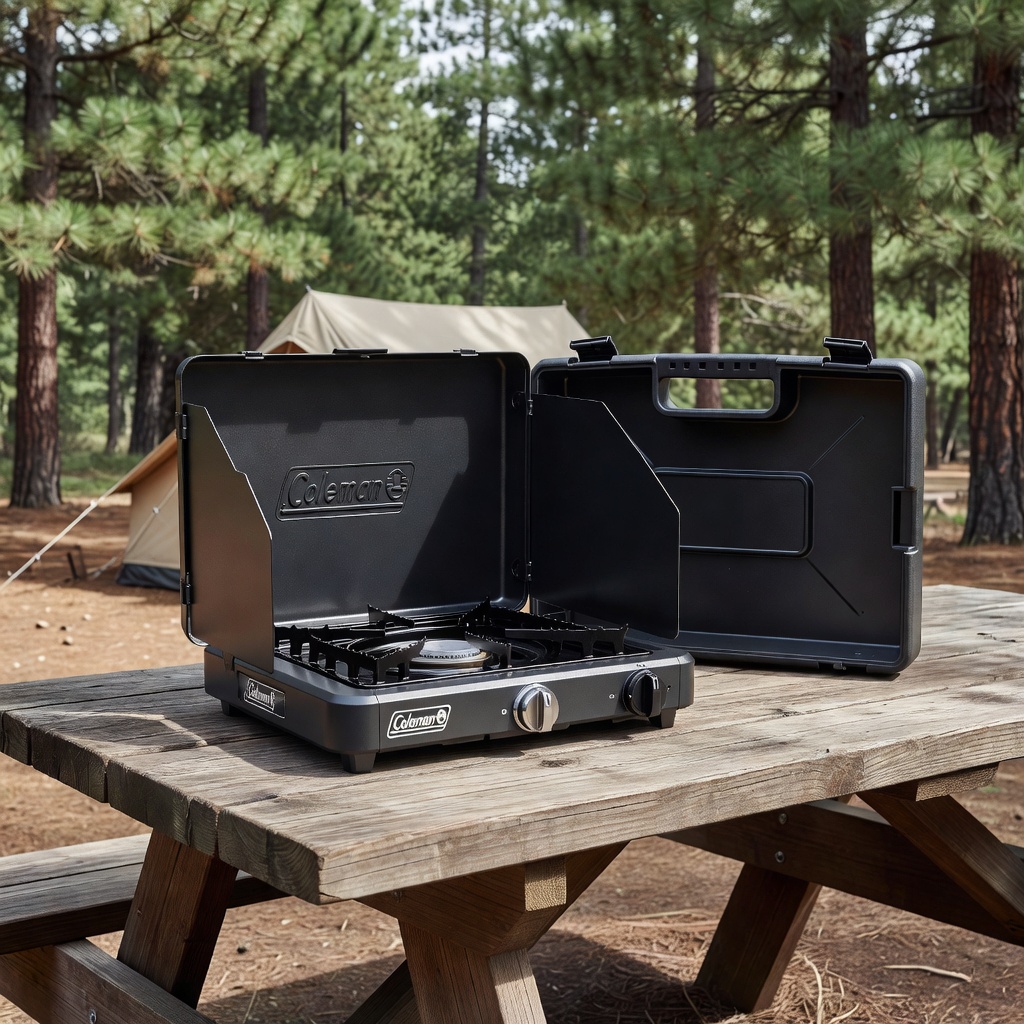
- The stove most beginners should buy: Coleman Classic 1-Burner Butane Stove — $29.99. One burner, one pan, zero learning curve.
- If you carry your kitchen: MSR PocketRocket 2 — $49.95. The backpacking standard for weight and reliability.
- Cooking for four or more: Gas One GS-3400P Dual Fuel — $34.99. Two burners means dinner and coffee at the same time.
- Pots and pans in one bundle: MalloMe 17-Piece Mess Kit — $32.99. Nests into one bag and covers a family of four.
- The one pan worth owning: Lodge Round Cast Iron Griddle — $24.90. Works over coals, on the grate, or on the stove.
- Dinners with zero cleanup: Mountain House Expedition Bucket — $176.99. Just add boiling water and eat out of the pouch.
Why Most People Get Camp Cooking Wrong (And How to Fix It)
The #1 mistake I see: treating camp cooking like home cooking, just outdoors. It's not the same. You don't have a full spice rack, unlimited prep space, or the ability to run to the store for a missing ingredient.
The second mistake: under-investing in the stove but over-investing in everything else. A $200 cooler full of ingredients cooked on a $15 stove that can't maintain temperature is a recipe for frustration.
Here's the framework that actually works:
- Pick your stove first — based on your camping style (car camping vs backpacking vs group trips)
- One good cook set — not a mishmash of old pots from home
- Plan meals, not ingredients — bring exactly what you need, pre-portioned
- Embrace the one-pot philosophy — fewer dishes, less cleanup, more time enjoying camp
Choosing Your Camp Stove: Car Camping vs Backpacking
Your stove decision drives everything else. The stove that's perfect for car camping (heavy, powerful, stable) is a nightmare on a backpacking trip. Here's how to pick:
If you're still fuzzy on fuel types, our camp stove fuel guide breaks down when propane, butane, and isobutane actually make sense. And if you already know you want a butane stove but cannot decide between the Coleman Classic and the Gas One dual-fuel, our Coleman vs Gas One butane stove comparison matches each one to a real trip scenario.
Best Budget Car Camping Stoves
For car camping, you want power, stability, and the ability to use standard propane canisters.
Coleman Classic 1-Burner Butane Camp Stove — $29.99. This is the entry-level workhorse. Single burner, runs on butane canisters, fits in its own carrying case. Perfect for couples or solo campers who just need to boil water and cook one-pan meals. The built-in wind baffles actually work, which is more than I can say for most stoves at this price.
Backpacking Pick: MSR PocketRocket 2 Ultralight Backpacking Stove ($49.95). If you're hiking in, this is the ultralight standard. It weighs 2.6 ounces, packs down tiny, and boils water fast enough for freeze-dried dinners, coffee, and oatmeal. Not the cheapest option, but it's the stove I'd trust more when a cold, tired night depends on hot water.
Quick Stove Matchup for First-Time Campers
Pick the stove around where you will cook and what the overnight low will be—not the largest BTU number on the box. These three common setups cover nearly every first trip:
- Warm picnic, beach day, or summer campground — Coleman Classic 1-Burner Butane, $29.99. The hard case, push-button ignition, and single 7,650-BTU burner make it the least fussy choice for coffee, eggs, soup, and one-pan meals. Keep it for mild-weather trips; butane loses its edge when mornings are cold.
- Drive-in camp with an uncertain forecast — Gas One GS-3400P Dual Fuel, $34.99. Spend the extra $5 if you want an easy beginner safety net: use butane in pleasant weather, then connect the included propane setup when a cold morning or limited resupply changes the plan. It is the best one-stove answer for couples and small families making breakfast or a simple pasta dinner at a picnic table.
- Hike-in overnight for one or two — MSR PocketRocket 2, $49.95. At 2.6 ounces, it belongs with a compact pot and threaded isobutane canister—not a family skillet. It is the purpose-built choice when coffee, oatmeal, and dehydrated dinners need to fit in a backpack.
The beginner decision: choose Coleman for reliably warm, casual cooking; choose Gas One when car-camping flexibility matters; choose the PocketRocket only when every ounce matters. Before buying fuel, use our propane vs butane vs isobutane fuel guide to match the canister to the stove—fuel types are not interchangeable.
Best Mid-Range & Dual Fuel
Gas One GS-3400P Dual Fuel Propane & Butane Camp Stove — $34.99. This is the smart suitcase-stove pick for beginners because it runs on either butane or 1-pound propane cylinders. The 8,000 BTU output is enough for breakfast pans, pasta water, and quick campsite dinners, and the fuel flexibility matters when one canister type is sold out.
Cold-weather note: Butane loses pressure below 40°F. That's why a dual-fuel stove like the Gas One GS-3400P is the safer shoulder-season choice — you can switch to propane when mornings turn cold and still get reliable boil times.
Best Premium / Multi-Purpose
Coleman Bottle Top Propane Camp Stove — $21.99. Don't let the price fool you — this 10,000 BTU burner connects directly to a 1lb propane cylinder and puts out serious heat. Perfect for boiling large pots of water for group pasta nights or chili cook-offs.
BioLite CampStove 2+ Bundle — $199.95. This is the tech-forward pick. Burns twigs and biomass (no fuel canisters needed), generates electricity to charge your devices via USB, and has a built-in fan for efficient combustion. It's heavier than gas stoves, but the "unlimited fuel" aspect is a game-changer for extended backcountry trips.
Essential Camp Cookware: You Don't Need a Full Kitchen
The cookware aisle at REI will convince you that you need a 12-piece nesting set with specialized omelet pans. You don't. Here's what actually matters.
For a fuller breakdown of tables, wash bins, utensils, and how to organize the whole kitchen, see our camp kitchen setup guide.
The Two-Cook-Set Strategy
Stanley Adventure 9-Piece Camp Cook Set — $29.99. This is still the kind of value-focused nesting setup beginners should look for: a compact pot, basic bowls, simple utensils, and a strainer-friendly lid. If you already own a set like this, keep using it. Camp cooking rewards familiarity more than fancy features.
Our budget pick: MalloMe 17-Piece Camping Cookware Mess Kit — $32.99, 4.5 stars from 9,500+ reviews. It's a complete nest: a 1.1L kettle, a 1.7L pot, plus bowls, plates, mugs, and utensils that all stack into one tidy bundle. The anodized aluminum heats fast on a backpacking stove, the non-stick interior cleans up in seconds, and everything stays put in your pack instead of rattling loose. Same brand as our favorite camp lantern pick, and it's the set I'd hand a first-time backpacker without hesitation.
GSI Outdoors Pinnacle Camper Cookset — $159.95. If you're feeding 4+ people and car camping, this is the sort of premium family cookset worth splurging on: bigger pots, a real frying pan, plates and mugs for the whole crew, and better heat distribution than bargain cookware. Expensive, yes — but much less frustrating when you're cooking full meals instead of just boiling water.
The Two Items I Actually Use Every Trip
A good water setup. I carry the Sawyer Squeeze Water Filtration System ($34.95) for backpacking — filters 100,000 gallons and weighs 3 ounces. For car camping, the Owala FreeSip Insulated Water Bottle ($27.99) is the bottle I actually reach for: sip upright through the straw or tilt back and chug, with insulation that keeps water cold all day. Both have earned permanent spots in my kit.
A cast iron skillet or griddle. If you do ONE cooking upgrade, bring cast iron. The Lodge Round Seasoned Cast Iron Griddle ($24.90) works on any stove, handles direct fire, and makes campfire quesadillas, grilled sandwiches, and pancakes better than most thin camp pans ever will. It's cheap, durable, and the kind of piece you'll keep for years.
5-Day Camp Meal Plan (No Refrigeration Needed Past Day 1)
Here's a tested meal plan for a 3-night car camping trip. Everything past Day 1 needs no cooler — this is the real test of camp cooking.
For the breakfast slot specifically, camping breakfast ideas has 15 options sorted by how much effort they actually take.
The lunch slot is the one most people forget to plan — camping lunch ideas has 25 no-cook, make-ahead and hot options sorted the same way.
The dinner and dessert slots are where a plan earns its keep once the weather turns: fall camping food and meals plans around colder mornings and earlier sunsets, and easy campfire desserts has the Dutch oven cobblers and pie-iron cakes that finish a trip. Planning around kids is a different checklist — kid-friendly camping meals sorts the food that survives a picky eater and a long drive.
| Meal | Day 1 | Day 2 | Day 3 |
|---|---|---|---|
| Breakfast | Bacon + eggs + tortillas (use cooler items first) | Instant oatmeal + dried fruit + coffee | Pancakes (just-add-water mix) + shelf-stable bacon bits |
| Lunch | Pre-made sandwiches from home | Canned tuna + crackers + apple | Peanut butter + tortillas + honey |
| Dinner | Foil-packet sausage + peppers + potatoes (cook over coals) | One-pot chili mac (canned chili + elbow pasta + cheese packet) | Backpacker's pad thai (ramen + peanut butter packet + soy sauce + lime) |
| Snack | Trail mix | Beef jerky + dried mango | Granola bars |
The One-Pot Chili Mac (Real Recipe)
This feeds 2 hungry campers and uses exactly one pot:
- Boil 2 cups water in your Stanley pot
- Add 1 cup elbow macaroni, cook 8 minutes, drain (use the strainer lid)
- Dump in 1 can of your favorite chili, stir, heat 3 minutes
- Top with shredded cheese (bring the small pre-shredded bag from home)
- Eat directly from the pot. Zero dishes.
Backpacker's Pad Thai (No Stove Needed Past Boiling)
- Boil water, pour over 1 pack ramen noodles in your bowl
- Drain most water after 3 minutes, save a splash
- Stir in 1 tablespoon peanut butter + 1 soy sauce packet + squeeze of lime
- Crush a handful of peanuts on top. Sriracha if you're feeling fancy.
5 Common Camp Cooking Mistakes (Learn From Mine)
1. Forgetting the can opener. I've opened cans with a multi-tool and it's exactly as frustrating as it sounds. Check your kit.
2. Not pre-measuring ingredients. "Eyeballing" pasta portions at camp means either not enough or way too much. Pre-portion at home into zip-top bags labeled with the meal name. Takes 10 minutes, saves 30 minutes of camp confusion.
3. Bringing glass jars. They're heavy, breakable, and become trash you have to pack out. Transfer sauces, oils, and spreads into small squeeze bottles or travel-sized containers.
4. Underestimating boil time at altitude. Water boils at 200°F at 6,000 feet instead of 212°F. That means pasta takes longer, rice takes longer, and your coffee won't be as hot. Add ~25% more cook time above 5,000 feet.
5. Not having a windbreak. Even a 10mph breeze can cut your stove's efficiency by half. Use your cook set's stuff sack filled with rocks, a folded windshield reflector, or just position your pack upwind.
Camp Kitchen Setup: The 3-Zone System
On arrival, set up three distinct zones:
- Cook Zone — Stove(s) on a stable surface, windbreak in place, fire extinguisher or water bucket within arm's reach
- Prep Zone — Cutting board, knife, ingredients laid out. A folding camp table or even a flat rock works
- Clean Zone — Wash bin (collapsible sink), biodegradable soap, drying towel hung on a line
Keep raw meat and ready-to-eat food in separate coolers. Sounds obvious, but at camp when space is tight, cross-contamination happens fast.
Camp Kitchen Setup Ideas: Car Camping, Small Spaces, and With a Sink
Worth saying once about vocabulary: whether you're looking up a camp kitchen setup with sink, a camper kitchen setup, or camp kitchen design ideas for a truck bed, you're solving the same three problems — a stable cooking surface, a prep surface at waist height, and a place to wash up. The three camp cooking setups below are ordered from most space to least.
The 3-zone system above is the skeleton. These are the three setups people actually search for before their first trip — pick the one that matches your vehicle and you'll skip a season of countertop improvisation.
Camp kitchen setup with a sink. You don't need plumbing — you need two bins. One wash bin with warm water and biodegradable soap, one rinse bin, and a 26-piece camp cook set ($179.99) that nests so the clean and dirty sides of the operation never share a surface. Set both bins on a folding table at counter height ($99.99), never on the ground: bending to wash dishes for four people is the single most-hated chore at camp.
Camping kitchen setup in a car (or SUV / truck bed). Car camping setups work best as layers, not piles. Bottom layer: the cooler and the water jug. Middle layer: the cook set and dry goods in one crate. Top layer: the stove, which comes out first and goes back last. Keep a camp mug ($25.00) and a percolator ($34.95) in their own bin so the first action of the morning doesn't require unpacking dinner's leftovers.
Camper and small-space setups. In a van or teardrop, every item does two jobs. A Stanley Julienne soft cooler bag ($100.00) doubles as a lunch box and a soft-sided overflow cooler, which means one less hard cooler to wedge into a cabinet. Collapsible everything: bin, sink, dish rack, and a roll-up table if you have floor space to spend while you're parked.
One design rule that covers all three. Whatever your camp kitchen design looks like, keep the stove on a surface whose height puts the pan handle at your hip and keep the prep surface within one step of the stove. Every camp cooking guide says "be organized" — those two measurements are what organized actually means in practice.
What to Bring: The Essential Camp Kitchen Checklist
- Camp stove + extra fuel canisters
- Cook set (pot, pan, utensils)
- Cast iron skillet (optional, game-changing)
- Cutting board + chef's knife
- Biodegradable soap + scrub sponge
- Collapsible water container (for washing)
- Trash bags (multiple — you'll produce more than you think)
- Aluminum foil + zip-top bags
- Seasoning kit: salt, pepper, garlic powder, red pepper flakes, olive oil (small squeeze bottles)
- Fire extinguisher or dedicated water jug
- Reusable plates/bowls/utensils for each person
- French press or pour-over for coffee (instant works in a pinch)
If the coffee is the part of the morning you actually care about, our camp coffee guide compares the brewers, gives the exact percolator and cowboy-coffee timings, and adds a cold brew method that needs no heat at all.
Camping Meals for Families (4, 5, and 6 People)
The math changes the moment you're feeding four instead of two. Two people eat one pot of chili; four people eat one pot of chili and then look for more. Here's how the meal plan actually scales.
Camping meals for family of 4. One two-burner stove, two pots, one cooler. Breakfast is a single griddle item (pancakes, breakfast burritos, or eggs and bacon) — cooking four different breakfasts is how you spend your morning at the stove instead of on the trail. Dinner is one large one-pot meal plus bread. Lunch is assembled, never cooked: sandwiches, wraps, or a 24 oz food jar ($30.50) of hot soup or stew that you filled at breakfast and forget about until noon.
Camping meals for family of 5 and camping meals for family of 6. Add one burner, not one dish. At five or six people you need a second heat source so the side and the main finish at the same time — a two-burner propane stove ($127.99) gives both pots full-size burners instead of making one pot wait. Practical scaling rules that hold for any family size:
- Double the pot, not the recipes. Four recipes for six people take longer than two recipes doubled. Choose meals that scale linearly — pasta, chili, curry, foil packets, tacos.
- Serve from the stove. Plating six portions means six plates, six sets of cutlery, and a wash bin nobody wants to touch at 9pm. Serve buffet-style and reuse.
- Camping dinners for family trips should have exactly one "assembly" step. Foil packets: assemble, then ignore for 25 minutes.
- Plan snacks as a real meal slot. Camping snacks for family trips are what prevents the 4pm meltdown — trail mix, fruit leather, apples, and jerky in one accessible bin, not buried in the car.
- Camping lunches for family should never require the stove. You're out hiking or at the lake when hunger hits. Sandwiches, wraps, cheese and crackers, and a soft cooler bag ($100.00) that holds a family's worth of cold cuts without taking up a hard cooler's footprint.
What camping food for family trips looks like on paper: build the menu as a rotation of easy camping dinner recipes for family, add at least two easy camping dinner recipes for kids that need no chopping at camp, and most of the trip's friction is solved before you leave the driveway. Doubling one recipe always beats cooking two easy camping dinner meals back to back, and the crowd-scale versions — camping food ideas for large groups, taco bars, potato bars, chili bars — are the same recipes in bigger pots.
On campfire meals for family and camping recipes for family generally: the crowd-pleasers are almost never the ambitious ones. Quesadillas on a cast-iron griddle, hot dogs with a build-your-own topping bar, and breakfast-for-dinner all beat a complicated dish with kids, because they're fast, forgiving, and every person can customize. If you want the kid-tested version of this list — including picky-eater workarounds and a snack-packing system — see our kid-friendly camping meals guide.
Easy Camping Dinner Recipes (and Even Easier Campfire Dinner Ideas)
Here are the five I actually rotate through, ordered by how little attention they need. All of them are real camp recipes, not Pinterest fantasy.
1. Foil packet chicken and vegetables (easy campfire chicken recipes, zero cleanup). Chicken thigh, sliced potato, onion, bell pepper, butter, salt, pepper, paprika — all in heavy foil, sealed twice, into coals or on a grate for 25-30 minutes, flipped once. Thighs beat breasts here: they forgive the temperature swings a fire produces. This is the answer to easy campfire foil dinner recipes and it works on a camp griddle too.
2. One-pot pasta with jarred sauce. Boil pasta, drain most of the water, add sauce, sausage, and parmesan, stir until it thickens. One pot, one burner, 15 minutes. The single most reliable easy camping dinner meal there is, and it works identically on a cheap burner or a full two-burner stove.
3. Quesadillas on a griddle. Tortillas, cheese, leftover protein, into a hot griddle for two minutes a side. This is the easiest camping dinner idea for kids because they assemble their own, and the griddle wipes clean with a paper towel.
4. Skillet chili with cornbread. Brown the meat, add canned beans, tomatoes, and a chili packet, simmer 20 minutes, drop cornbread batter on top in dollops and cover for 15. One skillet feeds six.
5. Freeze-dried, but chosen deliberately. Not a compromise meal if you pick well: a 4-pack of freeze-dried beef stroganoff ($69.00) is the emergency stash for the night a storm rolls in and nobody wants to cook. Peak Refuel's biscuits and sausage gravy ($14.95) does the same for a camp breakfast, and it's 34g of protein out of one pouch.
If you want more easy campfire dinner recipes than the five above, our campfire dessert recipes guide covers the sweet half — and the number-one failure at camp is still dessert, not dinner.
Want more easy campfire dinner ideas without opening twenty tabs? A foil packet, a cast-iron skillet, and one backup freeze-dried pouch cover every night of a three-day trip — variety at camp comes from changing the sauce and the protein, not from learning new techniques.
When you're feeding a crowd — easy camping dinner ideas for large groups. Two two-burner stoves beat one giant one, because the bottleneck is stove real estate, not recipe size. Taco night, baked-potato bar, and pasta bar all scale to eight or ten people with almost no extra effort. More campfire dinner ideas, including the dessert course, live in our campfire dessert recipes and fall camp meals guides.
Camping Food Ideas by Trip Type (No-Cook, No-Fridge, No-Fire, Big Groups)
Most "camping food ideas" lists ignore the constraint that actually decides your menu. Start from the constraint instead.
Camping food ideas no cooking. You're hiking all day, back at dark, and the stove is staying in the car. Tortillas with tuna packets and avocado, bagels with cream cheese, hummus with pita and cucumber, summer sausage with cheese and crackers, nut butter sandwiches, canned beans eaten cold with chips, a food jar filled with boiling soup in the morning that's still warm at lunch, and freeze-dried meals hydrated with hot water from a thermos if you have one.
The combination to plan for: camping food ideas no cooking no refrigeration. That's a backpacking or fire-ban trip where you're also miles from ice. It narrows to pouches, jars, and dry goods — nut butter, tuna packets, instant couscous, cured meat, hard cheese, dried fruit, and a 4-pouch freeze-dried meal pack you eat with water heated on a single burner or straight from a thermos.
Camping food ideas no refrigeration. Cured and shelf-stable: hard salami, summer sausage, hard cheese (parmesan, aged cheddar), eggs, apples, oranges, onions, potatoes, bread, tortillas, canned chili, instant rice, oatmeal, peanut butter, nuts, and freeze-dried meals. The trick is that shelf-stable doesn't have to mean boring — eggs and potatoes with an onion make breakfast, and a potato-onion-packet dinner needs no cooler at all.
Camping food ideas with no fire. This is a burn-ban day or a campground with a fire restriction. Propane and butane stoves are still allowed in most of those conditions, which is exactly why a bottle-top propane stove ($21.99) belongs in every kit, plus a Jetboil Flash ($119.95) when the priority is hot food in the shortest possible time. If you're building around the phrase camping food ideas easy, no-fire is the constraint where one-burner simplicity wins.
Camping food ideas for kids. Low-stakes, high-speed, and customizable: quesadillas, hot dogs, mac and cheese, pancakes with toppings they add themselves, fruit skewers, popcorn over coals, s'mores. Keep a snack bin at kid height so nobody has to ask an adult to dig through a cooler.
Camping food ideas dinner for a big group. Taco bar, chili bar, baked potato bar, pasta bar, hot dog bar. Every "bar" scales because the only cooked component is the protein.
Camping food ideas blackstone (or any flat-top). If you already own a griddle — Blackstone, Pit Boss, or a comparable flat-top — camp food gets much simpler: smash burgers, breakfast hash, fajitas, smash potatoes, and fried rice all happen on one surface with one cleanup. Our closest catalog equivalents are a tabletop 2-in-1 grill and stove ($166.01) with a flat side, and the round cast-iron griddle that turns any existing burner into a flat top.
What to Cook When Camping: Match the Meal to Your Gear and Time
The question "what to cook when camping" has one honest answer: pick the meal that matches the heat source you brought and the attention you're willing to spend. Use this to plan before the trip instead of staring at a cooler at 6pm.
| Heat source / situation | What to make when camping | What to cook while camping it replaces |
|---|---|---|
| One small burner, 10 min | Ramen plus egg, instant rice plus tuna, oatmeal | A full dinner you'll abandon when you're tired |
| One small burner, 20-30 min | One-pot pasta, chili from a can plus sausage, curry | Anything with a side dish |
| Two burners, 30 min | What food to cook when camping for four: pasta plus sauce plus garlic bread | Waiting for one pot to free the burner |
| Coals / fire ring | Foil packets, corn on the cob, s'mores, popcorn | Pan cooking over flames you can't regulate |
| Griddle over a burner | Quesadillas, pancakes, smash burgers, fried rice | Multiple rounds of one-at-a-time cooking |
| No heat allowed | Cold wraps, cured meat and cheese, a thermos of hot soup | Everything — this is where the no-cook menu lives |
One question comes up often enough to answer directly — what to cook with steak when camping. The answer is nothing complicated: a cast-iron combo cooker ($49.97) over coals or a two-burner stove, three to four minutes a side for a one-inch ribeye, then rest it on a plate under foil while you throw sliced onions and peppers into the same pan. The pan sauce is the reason to bring steak camping at all, and you get it with one pan and one spatula. Skip the marinade — salt the steak at home, pack it in the cooler, and cook it on night one while the ice is still solid.
Two more decisions worth making in advance. What meals to cook when camping backpacking-style (tent camping, long hike in): freeze-dried pouches and instant couscous or ramen, because fuel weight is the real constraint — what to cook when tent camping is a weight problem before it's a taste problem. What to cook camping stove versus what to make when camping with a cooler and a car: the cooler unlocks fresh meat and vegetables for the first two days, so front-load the ambitious meals and move to shelf-stable meals as ice melts. And what to cook during camping trips with kids should always have a fallback snack, because a hungry kid doesn't care how good dinner will be in forty minutes.
If you're still choosing the stove itself, our fuel guide covers propane versus butane versus isobutane — including how long each canister actually lasts — and the simmer and heat control guide explains why cheap burners scorch and how to test one before you buy.
Camp Oven Recipes for Beginners: The Shortcut Nobody Mentions
Camp oven recipes for beginners sound intimidating because Dutch oven cooking gets described like a craft. It's mostly one measurement: heat above and heat below, in roughly a 3:1 ratio — that's what a "325°F oven" translates to at camp. Coals on the lid, coals under the pot, and a 6-quart camp Dutch oven ($59.95) with a flat lid designed for exactly that.
Start with three things and you'll look competent on your first attempt:
- Biscuits. A can of refrigerated biscuits in the bottom of a lined Dutch oven, 12-15 minutes, done. No mixing, no measurement.
- Dump cake. Canned fruit, dry cake mix, butter slices on top. Cover, coals on the lid, 40 minutes, and you've made dessert for a family of eight.
- Chicken and rice. One can of cream soup, one cup of rice, one cup of broth, chicken thighs on top. Forty minutes later, dinner.
The whole camp cooking list of gear for this is: oven, gloves, and a lid lifter. A full camp cooking recipes collection isn't required — three recipes you can make without thinking beat twenty you have to look up on a phone with no signal.
The Verdict: Start Simple, Build Over Time
You don't need a $200 stove and a $160 cook set to eat well at camp. A $14 Etekcity burner and a $30 Stanley cook set will make better meals than any fancy gear if you plan your meals and pre-portion your ingredients.
Start with one stove, one cook set, and a 2-night trip. Master the one-pot meals. Add cast iron when you're ready for pancakes and cornbread. Every trip, your camp kitchen gets a little better — and so do the meals.
The best camp meal I've ever had wasn't the one with the fanciest ingredients. It was a one-pot chili mac eaten straight from the pot at 9pm after a 12-mile day, sitting on a log, watching the fire die down. It tasted better than any restaurant because I was hungry, exhausted, and exactly where I wanted to be.
If breakfast is your goal rather than dinner, the camp stove griddle guide covers flat-top cooking and the one measurement that decides which griddle to buy.
Camp Cooking Meal Planning FAQ
How do I plan camp meals without overpacking?
Plan by meal slot, not by recipe. Three breakfasts, two dinners, one lunch — then buy only what those need. The beginner trap is packing a full pantry "just in case," which is how you end up with a cooler you can't close. Write the menu first, then the shopping list, then the gear list, in that order. If you'd rather skip planning entirely for one trip, a 30-serving freeze-dried meal bucket ($176.99) covers breakfast and dinner for a family weekend at roughly $5.90 a serving — no cooler, no ice run, no menu.
What's the best stove for a camp cooking beginner?
A single-burner propane stove. It lights reliably, takes any cheap pot, and doesn't require you to learn fuel logistics on the same trip you're learning to cook — the Coleman Classic 1-Burner is the simplest start. If you're feeding a family and want two burners at once, the Gas One GS-3400P is the upgrade, and backpackers who care about weight should look at the MSR PocketRocket 2.
How much water do I need to bring for cooking and cleaning?
More than you think — budget roughly one gallon per person per day for drinking plus cooking, and add a liter for washing up. If your site has no potable water, a gravity filter turns a lake or stream into a kitchen supply: the Sawyer Squeeze weighs 3 oz and handles 100,000 gallons, which removes water anxiety entirely.
What food should I not bring camping?
Anything that needs a fridge to stay safe, anything that needs exact timing, and anything with a long fragile cook. Raw chicken on a hot weekend is the classic mistake; eggs, hard cheese, cured meat, and vegetables all travel far better. If you want one hot one-pot meal that forgives everything, the Lodge round griddle plus a foil packet is the lowest-risk first dinner.
What cookware is actually worth bringing for two people?
A nesting set, not a stack of individual pans. The Mallome 17-piece mess kit covers pot, pan, kettle, and plates in one bundle that packs into itself, and a folding camp table gives you an actual prep surface — cooking on the ground is the thing that makes beginners hate camp cooking.
How do I keep food safe without a fridge?
Cooler discipline: pre-chill, keep it closed, and drain the meltwater. Keep raw meat in its own sealed bag at the bottom, and use frozen bottles as block ice. A Coleman 316 Series 62-Quart cooler holds ice for days if you don't open it every twenty minutes, and a lantern so you can actually find things after dark saves both dinner and cooler temperature.
What are easy camping meals for a family of four?
Three that never fail, in order of effort: quesadillas on a griddle, one-pot pasta with jarred sauce, and foil packet chicken with potatoes. All three need one heat source, one pan, and no chopping at camp if you pre-cut the vegetables at home. A family of four eats roughly double the volume a two-person recipe produces, so plan on two pounds of meat or one full pound of dry pasta per dinner — leftovers at camp are never actually leftovers.
What can I cook when camping with no fire?
Anything your stove can do, plus cold assembly. Fire bans in dry months usually restrict open flames but still allow propane and butane stoves, so one-pot pasta, skillet chili, pancakes, and quesadillas all remain on the menu — a single #10 can of fuel and a bottle-top burner ($21.99) covers dinner for four. If stoves are restricted too, you're on the no-cook menu: wraps, cured meat and cheese, and a thermos of soup carried hot from breakfast.
How many meals should I actually plan per day camping?
Plan three meal slots and one snack bin, then cut one hot meal on any day that includes a hike. The realistic pattern for a weekend trip: two cooked breakfasts, one cooked dinner, one no-cook dinner, one assembled lunch, and everything else from the snack bin. Beginners over-plan hot meals and under-plan snacks, which is why the 4pm hunger window ruins more trips than bad cooking does.
Related: Camp Stove Simmer & Heat Control Guide — why cheap burners scorch, the 60-second simmer test to run before you buy, and the cast-iron fix for a stove with no low setting.
<!-- AFFILIATE_DISCLOSURE -->