Summer Camping Checklist 2026: 25 Essentials You Actually Need
Packing for summer camping? Here are the 25 items you'll actually use — from tents and coolers to first aid and headlamps. Curated picks from Coleman, Owala, Merrell, Petzl, and more for 2026.
Every June, the camping aisle at the big-box stores gets the same refresh: shiny new gear, colorful packaging, and a hundred things you "absolutely need." Most of it ends up in a garage bin by August.
I've been there. I've bought the collapsible kettle that leaked on its second boil. The solar shower that sprayed cold water like a garden hose with a kink. The "ultralight" chair that folded me into a pretzel.
This checklist is different. It's what I actually load into the car for a weekend trip — organized by shelter, kitchen, clothing, and safety — with specific product picks that have survived multiple seasons of real use.
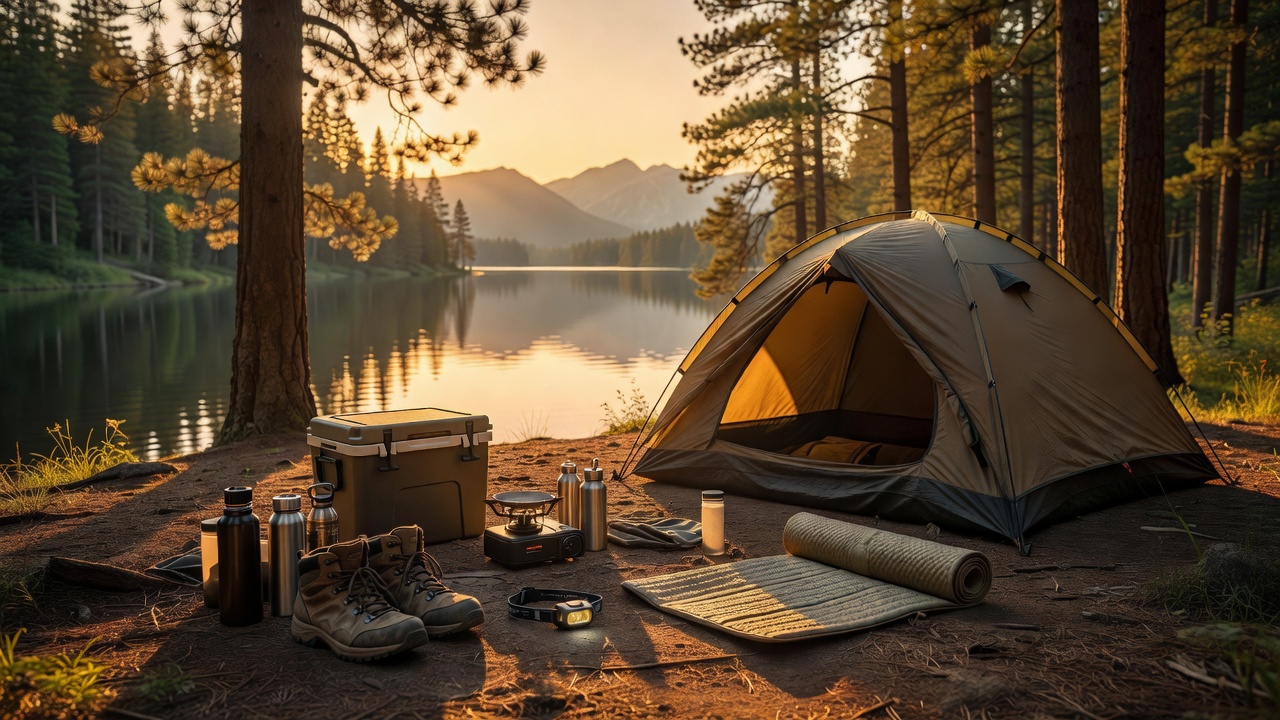
Quick Answer: The Summer Camping List, Trimmed to What Works
- Shelter: Coleman Skydome 4-Person — 2 minutes to pitch with pre-attached poles, room for two adults plus gear. A $600 mountaineering tent is wasted on a state park site.
- Sleep: Klymit Static V + Coleman Oak Point 30°F Big & Tall — the pad campers skip, and a 30°F bag that covers most of the lower 48 from June through September.
- Kitchen: Gas One GS-3400P — runs on 1 lb propane or butane, so you are never stuck holding the wrong canister.
- Cooler + hydration: Coleman 316 Series 62QT + Owala FreeSip 24 oz — ice that survives a full weekend, and a bottle that does not leak in a pack.
- Light + feet: Petzl ACTIK CORE 625 lm + Merrell Moab 3 Waterproof — a rechargeable headlamp for after-dark camp chores and a shoe that still grips the mud the morning after a storm.
🏕️ Shelter & Sleeping (8 Items)
The tent ecosystem is where most money gets wasted. You don't need a $600 mountaineering tent for a state park campsite. You need something that goes up fast, keeps bugs out, and doesn't flood when the afternoon thunderstorm rolls through.
1. Tent — 4-Person for Versatility
A 4-person tent sleeps two adults comfortably with gear, or a small family. The Coleman Skydome 4-Person Tent ($121.99) sets up in under 5 minutes with pre-attached poles — no threading poles through sleeves in the dark. Its near-vertical walls add 20% more headroom than a traditional dome, and the full-coverage rainfly keeps you dry when an afternoon storm rolls through.
If you're on a tighter budget, look for a 3-season dome tent in the $80-100 range. Avoid "instant" tents over 8-person — they're heavy, bulky, and the hinge mechanisms break after a season.
2. Sleeping Pad — Don't Skip This
The ground is harder than it looks. A sleeping pad isn't about luxury — it's about insulation. The Klymit Static V Inflatable Sleeping Pad ($64.95) packs to the size of a Nalgene bottle and inflates in 10-15 breaths. The V-chamber design keeps you centered on the pad all night. R-value of 1.3 is plenty for summer — you're insulating from the cold ground, not snow.
Budget alternative: Closed-cell foam pads cost $20-30. They're indestructible and never leak. Just not as comfortable.
3. Sleeping Bag — 30°F Rating is the Summer Sweet Spot
Summer nights can dip into the 50s even when daytime hits 85°F. The Coleman Oak Point Big & Tall 30°F Sleeping Bag ($74.99) fits campers up to 6'4" and uses Coleman's Coletherm insulation with Fiberlock construction. It's machine-washable — crucial after a weekend of campfire smoke and bug spray residue.
If your summer plans include high-altitude destinations where nights hit the 40s, step up to a 20°F bag like the Kelty Cosmic Down 20°F. The 550-fill down packs smaller than most synthetic summer bags and gives you more warmth without hauling a bulky rectangle bag.
4. Camp Pillow
No, stuffing clothes in a stuff sack isn't a pillow. A compressible foam pillow weighs nothing and makes the difference between waking up refreshed or with a crick in your neck. Spend $15-25 — your spine will thank you.
5. Headlamp (Not a Flashlight)
You need both hands to set up a tent at dusk, cook after dark, or walk to the bathroom at 2 AM. The Petzl Actik Core Headlamp ($79.95) puts out 650 lumens on max, has a red light mode that doesn't wreck your night vision or attract bugs, and recharges via micro-USB. The rechargeable battery saves you from the "dead headlamp, no spare AAA" problem that I guarantee will happen on trip three.
Budget pick: Any $15-25 LED headlamp with a red mode. The feature matters more than the brand.
6. Camp Chairs
Two per vehicle minimum. Look for cupholders that actually fit a can (not just a 12oz Red Bull) and a seat height that doesn't require a squat to get out of. Avoid "ultralight" camp chairs under 2 lbs — they're for backpacking, not car camping, and the comfort tradeoff isn't worth it.
7. Tent Footprint / Tarp
A $15 tarp under your tent protects the floor from rocks, roots, and moisture. Cut it slightly smaller than the tent floor so it doesn't channel rainwater underneath. Pro tip: fold the edges inward by 2-3 inches.
8. Rainfly + Extra Stakes
If your tent's rainfly is the "half-cover" style that only covers the top, bring a separate tarp. Summer thunderstorms appear in minutes. Having six extra stakes means you can guy out the fly properly — a flapping rainfly at 3 AM is the sound of regret.
🍳 Camp Kitchen (7 Items)
You can survive on granola bars and jerky for a weekend. But cooking at camp — the smell of bacon on a Coleman stove, coffee brewing as the fog lifts — is what separates a camping trip from "sleeping outside."
9. Camp Stove — Two Burners or One
A compact dual-fuel stove like the Gas One GS-3400P Dual Fuel Camp Stove ($34.99) handles 90% of camp cooking: boil water, fry eggs, heat chili. The big win is flexibility — you can run it on easy-to-find butane canisters for short trips or hook it to propane when you're staying put for the weekend.
For bigger groups, bring a two-burner. For coffee nerds and gadget enthusiasts, the BioLite CampStove 2 ($199.95) burns twigs and pinecones, generates USB power from the heat differential, and gives you a legitimate campfire cooking experience without needing to buy fuel canisters.
10. Cooler — Hard-Sided, 60+ Quarts
A 62-quart cooler holds ice for 3-4 days in summer if you pre-chill it overnight. The Coleman 316 Series Wheeled Cooler 62QT ($84.99) earns its keep the moment you have to move a fully loaded cooler across gravel, grass, or a long campground parking loop. Wheels are not a luxury once it's packed with ice, drinks, and two days of food.
Avoid: Soft-sided coolers for multi-day trips. They're fine for a day at the beach but won't keep ice past 24 hours in 85°F heat.
11. Water Bottles — Double-Walled Insulated
Hot water tastes disgusting. Cold water on a 90°F day tastes like victory. The Owala FreeSip Insulated Water Bottle ($27.99) has the straw-and-spout design that makes it easy to sip while driving or chug after a hot hike. It keeps water cold for hours, and the locking lid helps keep camp dust and pine needles out of the mouthpiece.
Bring at least 32oz per person per day. More if you're hiking or at elevation.
12. Cookware — Keep It Simple
A 2-pot nesting set, a 10-inch frying pan, and a spatula. That's it. The "14-piece camp kitchen set" is a trap — you'll use the spatula and one pot. Cast iron is great over a fire but heavy; stainless is lighter and heats faster on a camp stove. Bring a pot grabber unless you enjoy burning fingerprints off.
13. Plates, Utensils, Mugs
Reusable plastic or enamel plates. Real forks, not the spork that snaps when you try to eat steak. One insulated mug per person, or classic speckled enamel mugs ($26.97) if you want the traditional camp look to match enamel plates. Paper plates work for one meal but disintegrate under anything with sauce.
14. Trash Bags + Paper Towels
Pack it in, pack it out. Two contractor-grade trash bags. One roll of paper towels. You'll use both.
15. Fire Starters
Waterproof matches, a Bic lighter (two, because one WILL disappear), and a handful of cotton balls dipped in petroleum jelly stored in a ziplock. The cotton balls burn for 3-4 minutes each — enough to ignite damp kindling. No, you don't need a ferro rod. Yes, it's fun to try. Bring a lighter anyway.
👕 Clothing & Footwear (5 Items)
Summer camping clothing has one rule: no cotton after sunset. Cotton holds moisture, moisture conducts heat, and a damp cotton shirt at 55°F is a hypothermia risk. Sounds dramatic. It's not.
16. Hiking Boots or Trail Shoes
Sneakers work until you hit mud or loose rock. Real hiking footwear has a shank (stiff midsole) and aggressive tread. The Merrell Moab 3 Waterproof Hiking Shoes ($129.95) are the best-selling hikers for a reason — comfortable out of the box, Vibram TC5+ outsole for grip on wet rock, and waterproof membrane for stream crossings.
For wider feet, the KEEN Targhee 3 Low Waterproof Hiking Shoes ($139.95) have a roomier toe box. Both run true to size.
17. Rain Jacket (Yes, Even in Summer)
Summer thunderstorms don't check the forecast. A packable rain shell weighs 8-12 ounces and lives in the bottom of your daypack. Look for taped seams, pit zips, and a hood that fits over a baseball cap. No, the $5 emergency poncho isn't enough. It rips on branch three.
18. Sun Protection
Wide-brimmed hat. Polarized sunglasses. SPF 50 sunscreen. Reapply every 2 hours when you're sweating. The sun at 8,000 feet is 40% stronger than at sea level — you'll burn in half the time.
19. Layers for Evening
One long-sleeve synthetic or merino wool shirt. One pair of sweatpants or fleece pants. One hoodie. The temperature drops 15-20°F after sunset in most camping regions. Being cold at the campfire because you only packed shorts and a t-shirt is a beginner mistake you make exactly once.
20. Extra Socks
Three pairs per person per 2-day trip. At least one pair of wool or wool-blend. Change into dry socks before bed — dry feet sleep warmer and blister less. Store the spare pair in your sleeping bag so they're warm in the morning.
🚑 Safety & Tools (5 Items)
This section is short because most "emergency" camping gear is fantasy prepper cosplay. You don't need a survival knife, a signal mirror, or a ham radio. You need to handle cuts, bugs, and the dark.
21. First Aid Kit — Compact but Complete
The Adventure Medical Kits Ultralight/Watertight .7 ($44.95) covers the camping basics: bandages, antiseptic wipes, blister treatment (moleskin), ibuprofen, antihistamine, and tweezers. Weighs 8 ounces and fits in a cargo pocket. Add a roll of athletic tape — it's better than band-aids for blisters and doubles as emergency gear repair tape.
For treating sprains, burns, and heat illness at camp, our 10-item camping first aid checklist covers exactly what to pack (and the one item most campers forget) — keep it saved offline on your phone.
22. Multi-Tool
The Leatherman Signal (See current price on Amazon) is a 19-in-1 multi-tool built for camping and survival. Knife, pliers, saw, can opener, and backup fire-starting capability cover the repairs and little camp problems that always show up at the least convenient moment. Overkill for car camping? Maybe. But I've used every tool on a good multi-tool at least once, and "I wish I had packed a worse one" is a sentence nobody has ever said.
23. Bug Protection
Summer means mosquitoes, ticks, and biting flies. A DEET-based spray (25-30%) for skin, permethrin treatment for clothes (pre-treat at home, lasts 6 washes), and a head net if you're in black fly country. The complete bug protection guide covers treatment schedules and product comparisons in detail — read it if ticks are a concern in your area.
24. Daypack
A 15-20L backpack carries your water, snacks, rain jacket, and first aid kit on day hikes. The BECOJADDE 15L Packable Hiking Daypack ($25.99) makes sense for summer car camping because it rides flat in a duffel until hike time, then unfolds with enough room for water, layers, snacks, and the little things that otherwise end up stuffed in your pockets. If you're still deciding how much gear a weekend really requires — and whether you're planning a one-night beginner trip or a more ambitious family setup — our camping trip planning guide walks through campsite selection, budgeting, and the packing timeline that keeps trip one easy instead of chaotic.
25. Navigation: Phone + Paper Backup
Your phone's GPS works without cell service if you download offline maps beforehand (Google Maps, AllTrails, or Gaia GPS). Bring a power bank. But also bring a paper map of the area — $12 at the ranger station. When your phone dies, gets wet, or falls off a rock, the paper map still works.
🌊 Why This Checklist Works (What's NOT On It)
The gear industry wants you to buy specialized equipment for every scenario. You don't need a "camping-specific" towel — a regular microfiber towel from the gym works identically for half the price. You don't need a camp shower — baby wipes and a swim in the lake cover 95% of hygiene needs. When a real shower does earn its space (multi-day trips, kids who've turned trail dust into a second skin, or a hot afternoon rinse), our camp shower guide sorts the solar bags that actually warm up from the ones that spray cold water. You don't need a $300 camp table — the picnic table at your campsite is free.
The money goes where it matters: shelter (dry sleep = good trip), cooking (hot food = morale), and footwear (blisters = trip over).
Common Summer Camping Mistakes
Bringing too much stuff. A packed car is a red flag. If you can't find your headlamp in under 60 seconds because it's buried under the inflatable kayak you haven't used in three years, you overpacked.
Skipping the gear test at home. Set up the tent in your backyard at least once. Light the stove. Inflate the sleeping pad. Discovering that the tent pole shock cord snapped during winter storage is better discovered on your lawn than at a campsite 2 hours from home at sunset.
Ignoring the fire restrictions. Check the park website before you go. Much of the western US has burn bans by mid-July. Bring the camp stove even if you plan to cook over a fire — it's your backup.
No site reservation. "We'll find a spot" works in April. Not in July. Reserve at recreation.gov or your state park's website at least 2 weeks ahead for weekends.
More Summer Camping Resources
This checklist covers gear. For the planning side — where to go, how to handle kids and dogs in summer heat, and what to cook — here's where to look next:
- First Camping Trip Starter Kit for Beginners — the exact gear list for your first overnight trip, broken down by budget tier with alternatives at every price point
- Camp Cooking for Beginners — meal planning, prep-ahead recipes, and the one-pot cooking strategy that saves you 45 minutes of cleanup
- Camp Lighting Guide: Lanterns & Headlamps — how many lumens you actually need, battery vs. rechargeable, and why red light matters
- Camping Water Filtration & Hydration Guide — when to filter, when to bring water, and what to do if the campground spigot runs dry
- Beach Camping Gear Checklist 2026 — sand stakes, wind strategy, and the gear that survives salt air
- Labor Day Weekend Camping Checklist — the last long weekend of summer is the busiest of the year; this one covers the 60-minute trip audit, last-minute booking fallbacks, and the 15-point gear check
- Solo Camping for Beginners — safety, mental prep, and why your first solo trip should be 1 night, not 5
- Fall Camping Guide & Gear Checklist — when the nights start dipping below 50°F, swap the summer kit for this autumn setup: a warmer sleeping bag, a stove that works in the cold, and a lantern for the long evenings
- Fall Family Camping Guide 2026 — the full shoulder-season weekend playbook: weather-proofing the campsite, keeping kids and dogs happy through 40°F mornings, and the shelter, kitchen, and clothing swaps that make October trips as easy as July ones
Grab this checklist, book your site, and go. The forecast is good, the gear is packed, and the campfire is waiting. 🏕️
Summer Camping Checklist FAQ
Do I really need a different sleeping bag for summer?
Yes — and it's the most common summer mistake. A 0°F bag traps heat you don't want in July and you end up sleeping on top of it. Either bring a lighter bag or, cheaper, just unzip the one you own and use it as a blanket. The Coleman Oak Point Big & Tall 30°F bag is the right temperature class for a summer weekend, and the Kelty Cosmic Down 20 covers you if the trip is high-altitude where nights still drop into the 40s.
How do I keep food and drinks cold in July heat?
Hard-sided coolers win every time, and pre-chilling is half the battle. Freeze your water bottles the night before: they act as block ice and you drink them as they melt. The Coleman 316 Series 62-Quart Wheeled Cooler holds ice for days in real heat and rolls over gravel, which matters more than you'd think when it's full.
What should I pack for shade and sun?
Shade is the difference between a great summer trip and a miserable one. The Coleman Skydome 4-Person has a full rainfly that doubles as a sun block in the afternoon, and a wide-brim hat plus a long-sleeve layer beats sunscreen for a full day outdoors. Pack the Keen Targhee 3 too — breathable waterproof footwear dries fast after a swim.
How do I sleep comfortably when it's hot at night?
Sleep on top of insulation, not inside it. A Klymit Static V pad gives you padding without the sauna effect of a heavy bag, and you want the tent fly open for cross-ventilation. In humid climates a battery fan and a quick-dry liner makes more difference than any expensive piece of gear.
Is a summer camping trip worth bringing a stove when you can cook on the fire?
Bring one anyway. Fire bans are common in July and August across the West, and a fire takes 45 minutes before it's cookable. The Gas One GS-3400P dual-fuel stove lights instantly and runs on either propane or butane, so you eat breakfast before the fire would even be ready. The Biolite CampStove 2 covers the middle ground — wood-fired, and it charges your phone while it cooks.
What's the one thing people forget in a summer first-aid kit?
Heat treatment and bug care. Most kits are built for cuts and cold. Add electrolyte tabs, a tick remover, and hydrocortisone to a compact medical kit before you leave — the Leatherman Signal also earns its packed weight for gear repairs and fire prep.