Camping Gear Maintenance Guide: Care, Cleaning & Repair (2026)
Tent waterproofing, stove cleaning, boot care and sleeping bag washing: the 2026 camping gear maintenance guide, with the kit that does the work.
You pull the tent out of the stuff sack and it smells like a gym locker. The stove burner sputters orange instead of blue. Your boots look like they went through a mudslide and nobody hosed them off.
Sound familiar? Most campers treat gear like it is disposable. It is not. A $200 tent should last ten seasons, not two. A $150 rain jacket should bead water for five years, not five months. The difference is almost always maintenance — or the lack of it.
This guide covers how to clean, waterproof, store, and repair every major piece of camping gear. No special tools. No industrial solvents. Just the stuff you already have plus one roll of the right tape.
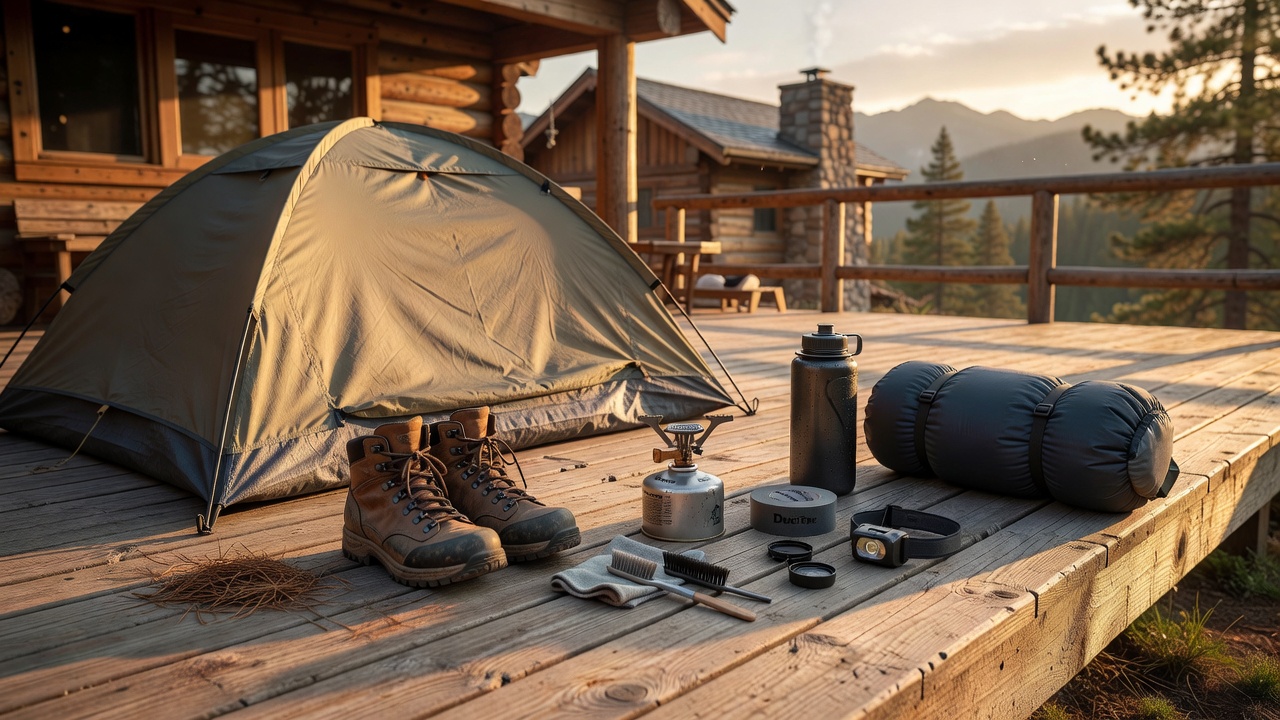
Quick Answer: What Actually Keeps Camping Gear Alive
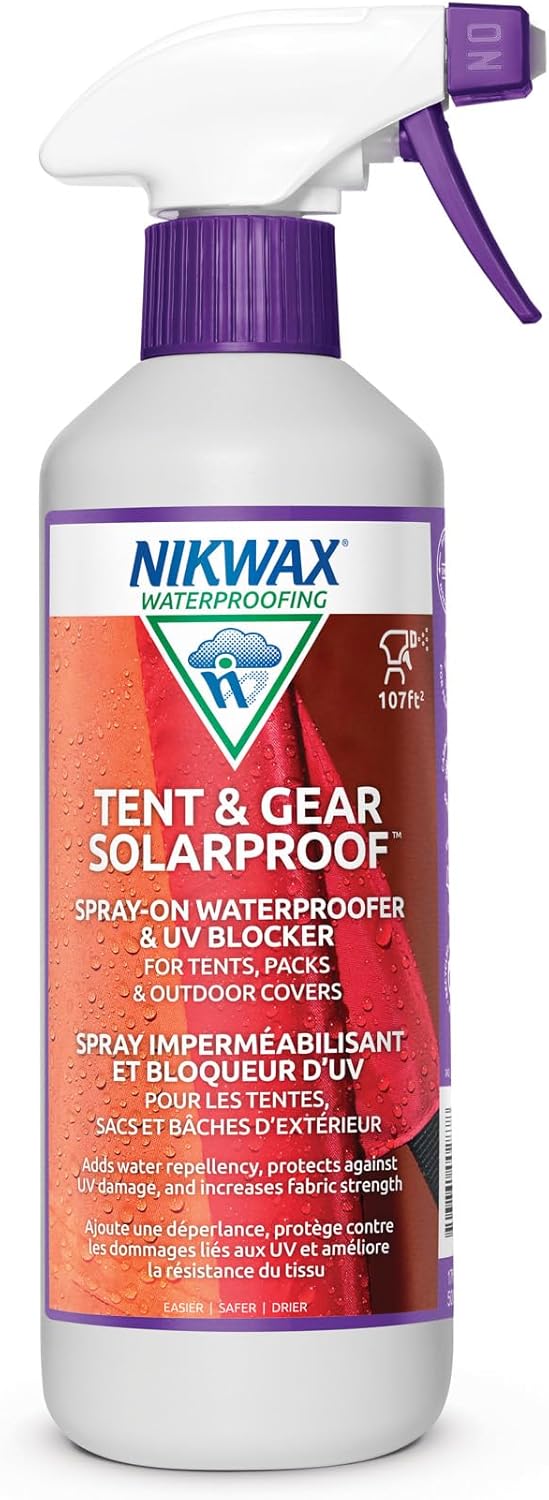
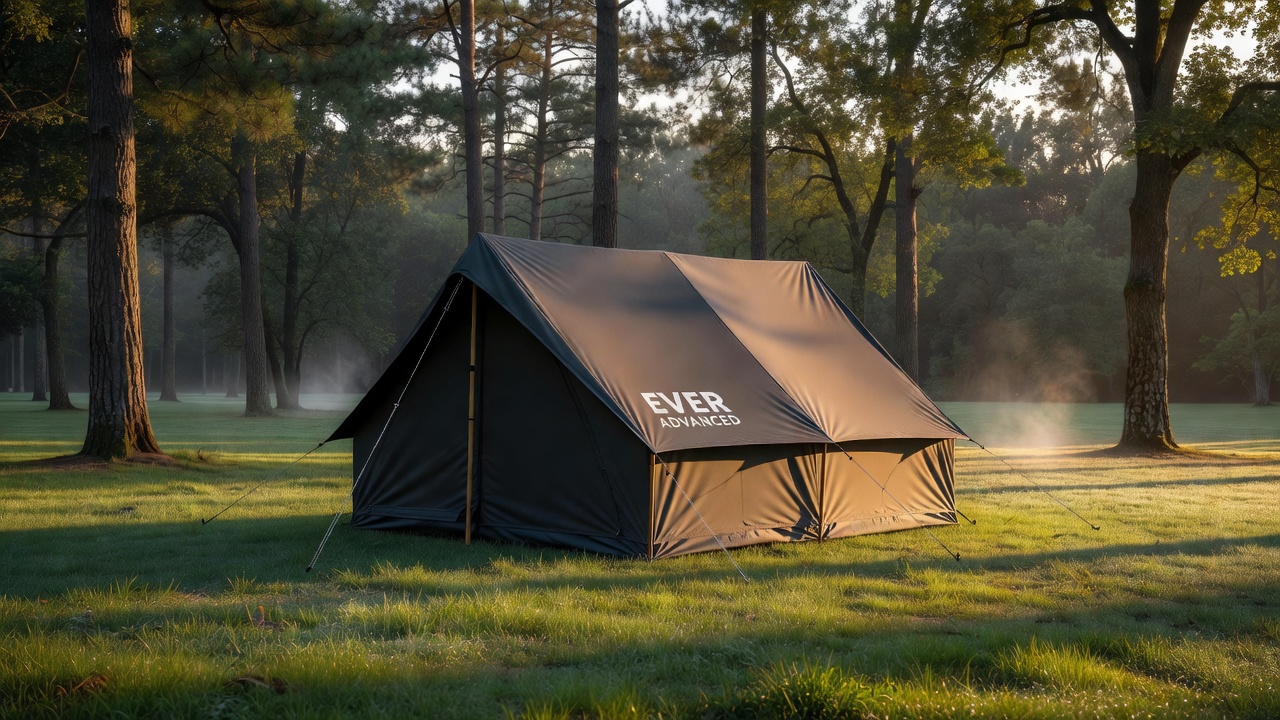
- Nikwax Tent & Gear SolarProof — $19.95. UV and dirt kill coatings long before fabric fails, and the EVER ADVANCED 6-Person Blackout Tent it protects retails at $169.99.
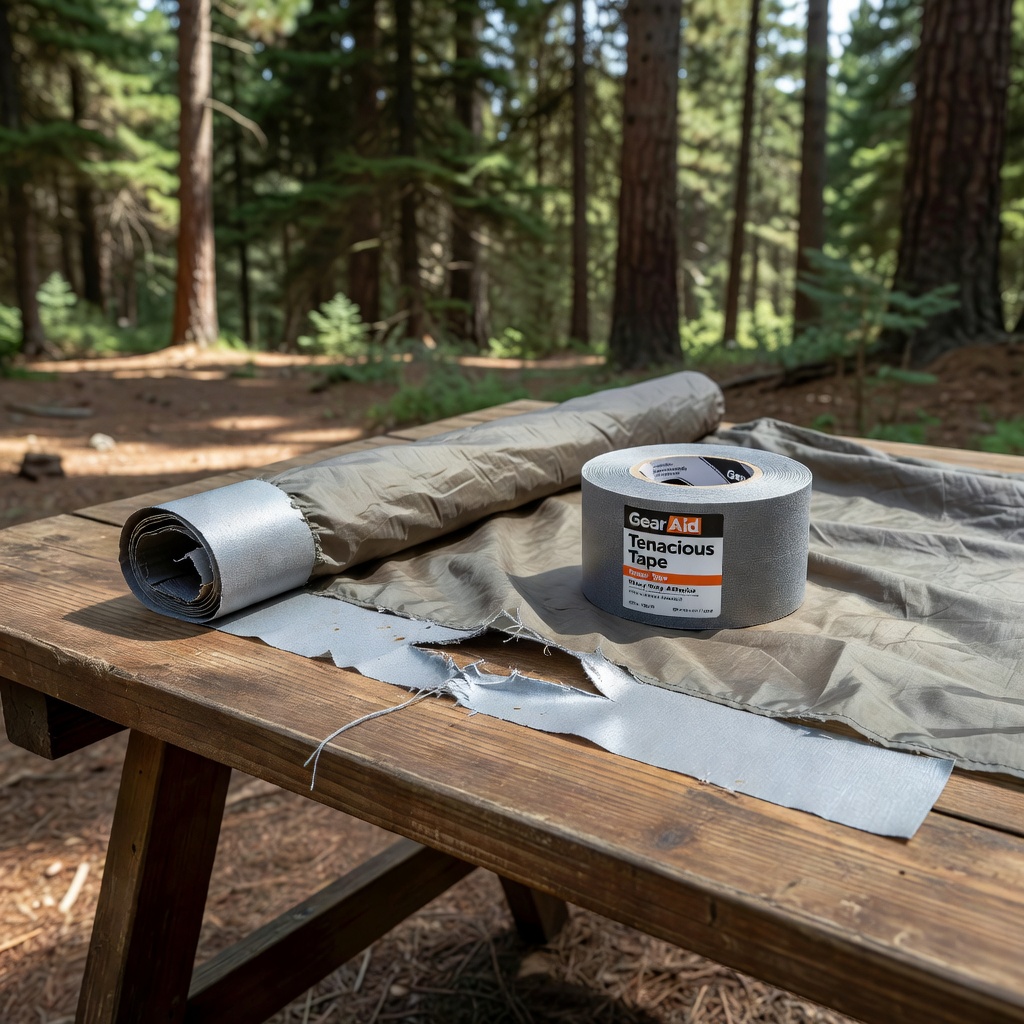
- GEAR AID Tenacious Tape — $14.39. A roll in your repair kit saves trips, not just jackets.
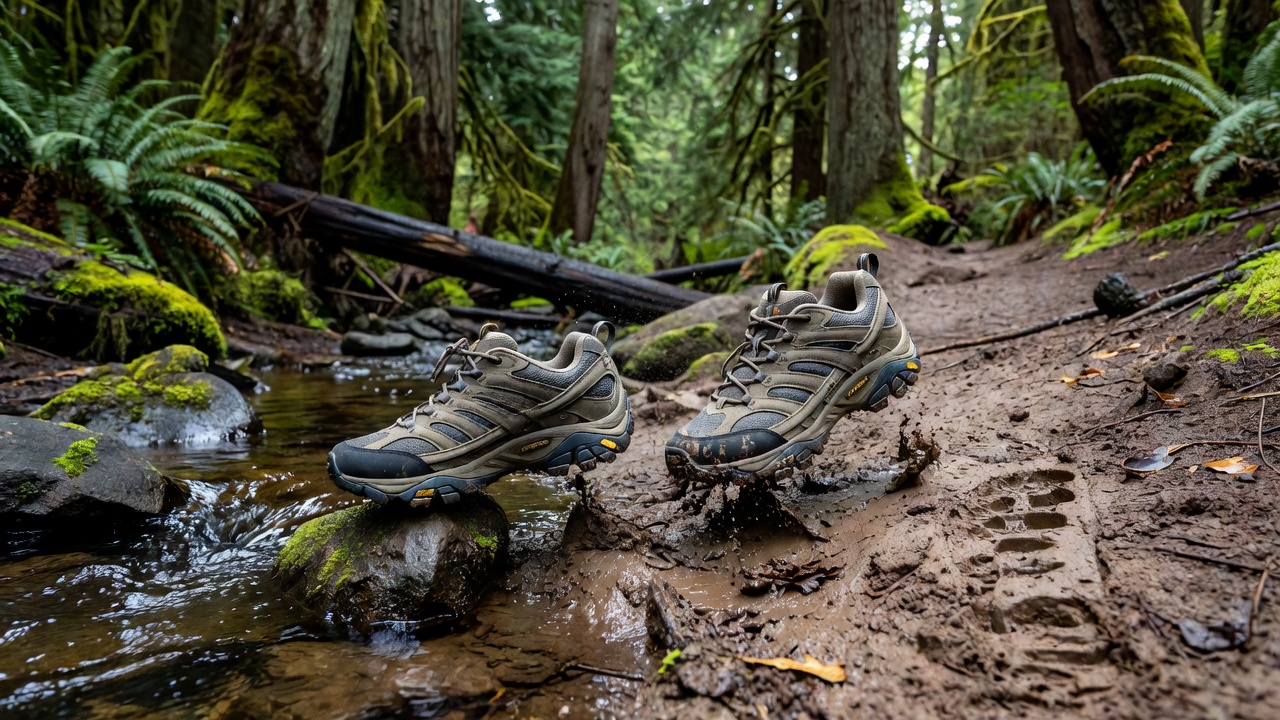
- Merrell Moab 3 Waterproof — $129.95 lasts years if you clean the mud out instead of letting it dry in.
- Outdoor Research Helium rain jacket — $159.00. DWR dies from dirt and detergent, not from age.
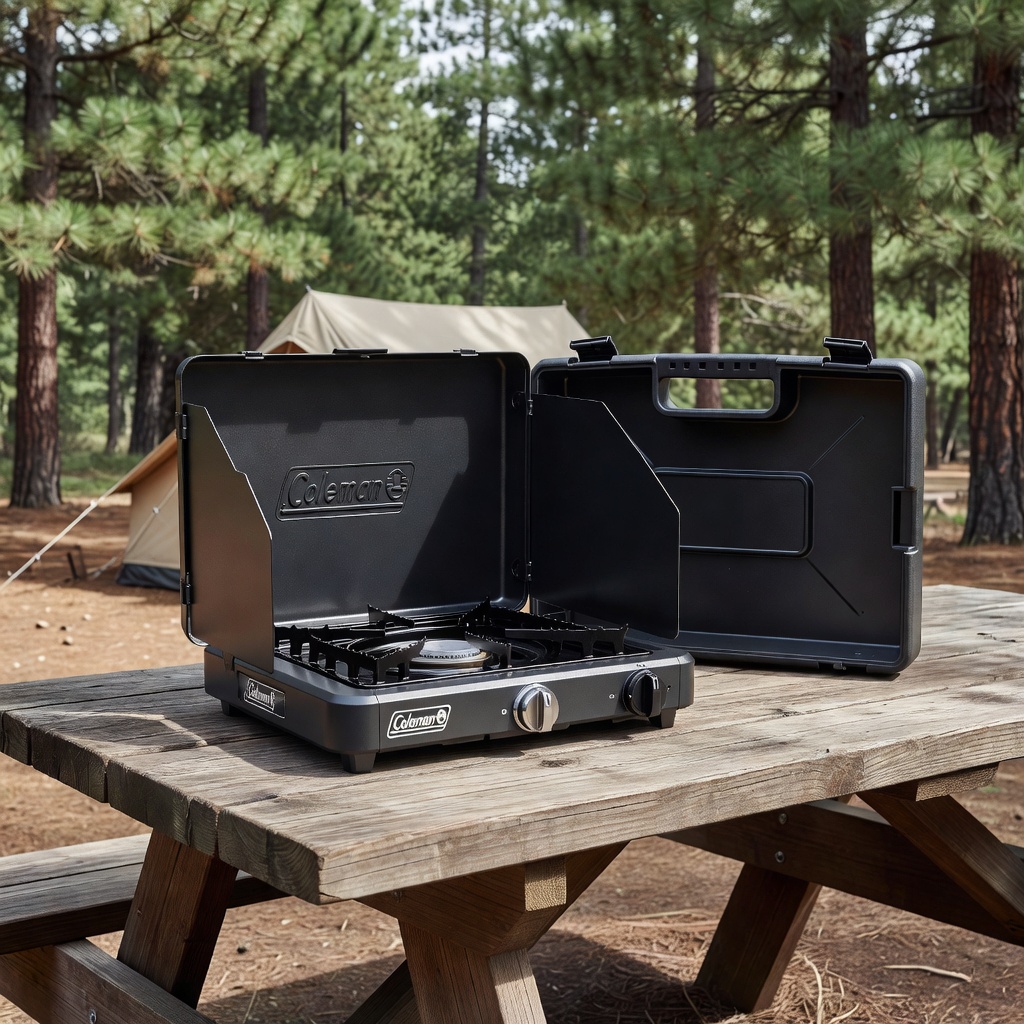
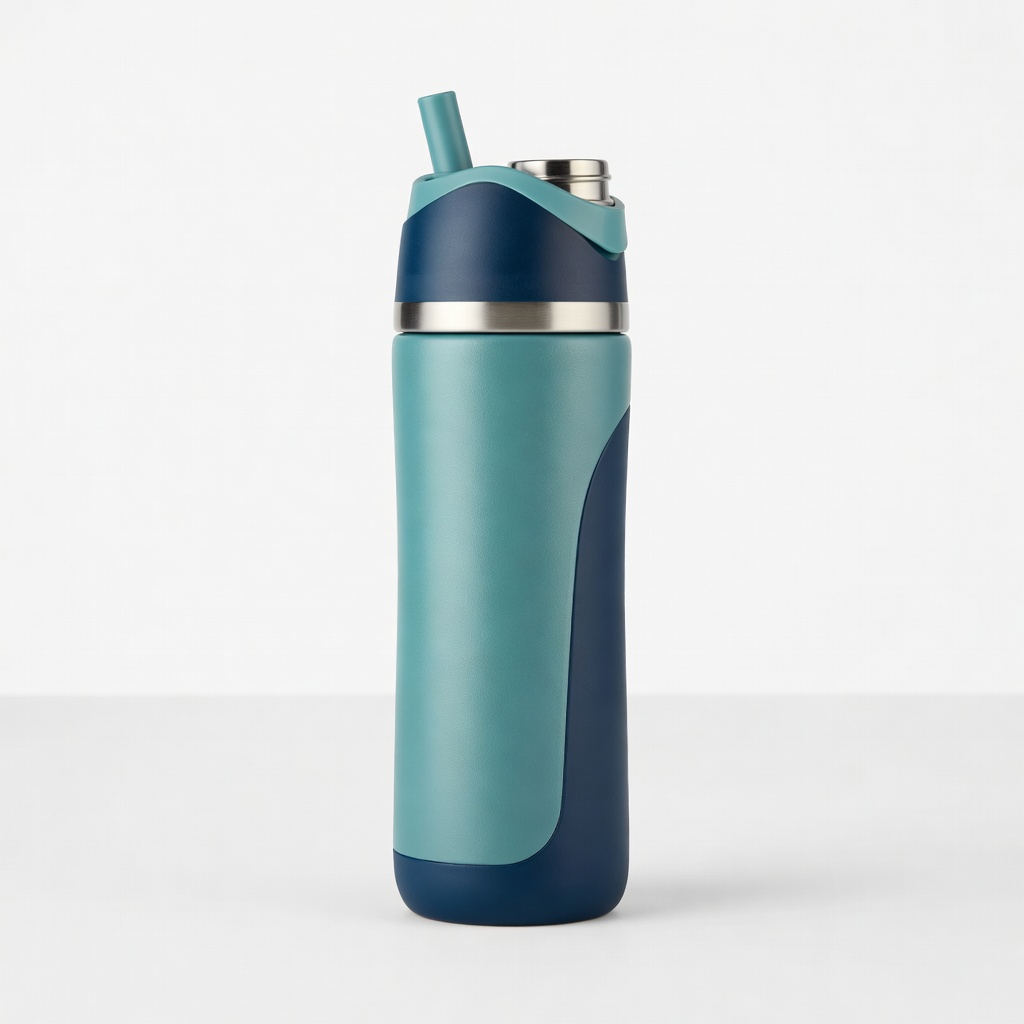
- Coleman Classic 1-Burner stove — $29.99 and an Owala FreeSip bottle — $29.99 both fail from residue left sitting, not from wear.
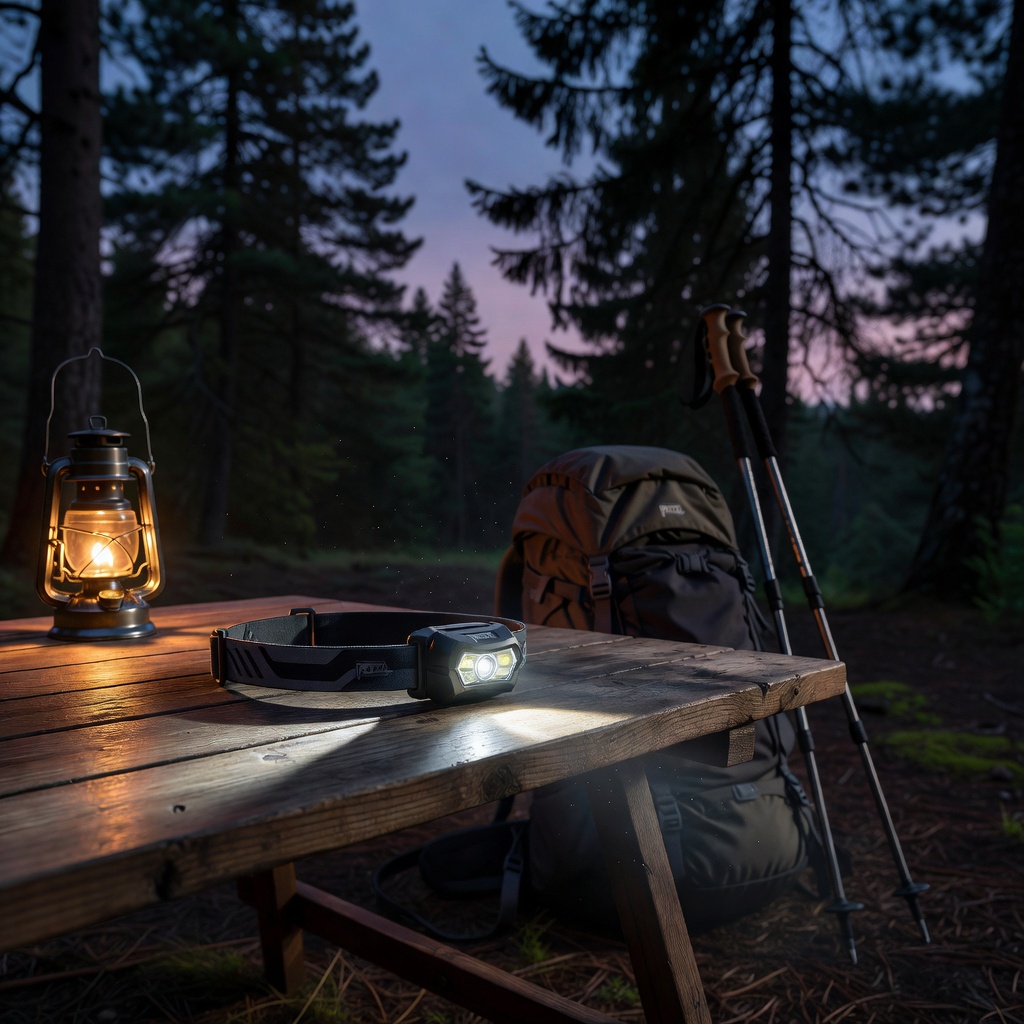
- Petzl ACTIK CORE headlamp — $79.95 and a Leatherman Rev multi-tool — $39.95 corrode in storage with the batteries or juice left in them.
Maintenance is unglamorous and it is the entire difference between a two-season tent and a ten-season tent. The material-by-material routine is below.
Tent Care: The 80/20 of Gear Longevity
Tents fail for three reasons: mildew from storing wet, UV damage from too much sun, and seam tape peeling from heat. Two of those three are storage mistakes, not field problems.
After Every Trip
Shake out the tent completely. Open every zipper and turn the tent inside out. Let it air-dry in the shade — never direct sun, which degrades the fly coating faster than anything else. If you packed the tent wet, pitch it in the garage or hang it over a shower rod the day you get home. A weekend of dampness in the stuff sack is how mildew starts.
Deep Cleaning (Once Per Season)
Fill a bathtub with lukewarm water. No detergent unless it is specifically made for technical fabrics — regular laundry soap strips the waterproof coating. Nikwax Tech Wash or Gear Aid Revivex are the standards. Soak for 15 minutes, gently agitate, rinse until the water runs clear. Never machine-wash a tent. Never dry-clean a tent. Hang to dry in shade.
Reproofing the Fly and Floor
After two or three seasons of heavy use, the DWR (Durable Water Repellent) coating wears off and water stops beading. You will know because the fly wets out — it gets heavy, dark, and eventually seeps through. A spray-on reproofer like Nikwax Tent & Gear SolarProof ($19.95) restores beading in minutes and adds UV protection at the same time — worth having on any fly that spends its life in the sun. Pitch the tent, spray the fly and floor evenly, let it cure 24 hours. For the Coleman 4-Person Instant Cabin Tent ($79.99) or the EVER ADVANCED 6-Person Blackout Tent ($169.99), this takes ten minutes of work per year and doubles the tent's lifespan.
Field Repairs
You rip the mesh on a branch. The seam tape peels in Arizona heat. A mouse chews a corner in the garage. None of this is the end of the tent.
Gear Aid Tenacious Tape ($14.39 for two 3" x 20" rolls) is the one thing every camper should carry. It is a clear, fabric-backed adhesive tape that bonds permanently to nylon, polyester, and mesh. Round the corners when you cut a patch — square corners peel. Clean the repair area with an alcohol wipe before applying. Press firmly for 30 seconds. It holds through rain, sun, and trail vibrations.
For mesh tears, sandwich the rip between two strips of Tenacious Tape, sticky sides together. For seam leaks, a dab of seam sealer on the inside of the tent along the affected seam. Do not fix seams from the outside — water pressure pushes sealant off.
Storage
Stuff loosely in a breathable cotton or mesh bag. Never store a tent compressed in its stuff sack for months — the creases become permanent weak points in the coating. Keep it in a cool, dry closet. Attics and garages with summer heat cycles destroy seam tape in a single off-season.
Sleeping Bag and Pad Care
Washing a Sleeping Bag
Front-loading washer only. Top-loaders with agitators will shred the baffles. Use a down-specific detergent like Nikwax Down Wash Direct if it is down, or a mild technical wash if it is synthetic. Cold water, gentle cycle. Two full rinse cycles — residual soap destroys loft. Dry on low heat with three or four clean tennis balls. The balls break up clumps so the down re-lofts. This can take two to three hours. Do not shortcut this — damp down stored for weeks rots.
If your sleeping bag has lost loft even after washing, the fill may simply be worn out. Synthetic insulation permanently compresses after roughly 100 nights of use. Down lasts decades if kept dry.
Sleeping Pad Care
A TETON Sports Camp Pillow at $24.99 is easy to wash — just remove the cover and machine-wash on gentle (our best camp pillows comparison covers which covers actually survive a washer). For inflatable pads, the most common failure is a slow leak from a pinhole you cannot see. Inflate the pad fully, submerge it in a bathtub section by section, and watch for bubbles. Mark the pinhole, dry the area completely, and apply a dab of Gear Aid Seam Grip. Let it cure 24 hours before rolling the pad.
Never store a self-inflating pad compressed with the valve closed. Leave the valve OPEN so the foam can fully expand in storage. Compressed foam loses its rebound memory permanently after a few months.
Hiking Boot and Jacket Waterproofing
Boot Care
Mud is the enemy. Dried mud pulls oils out of leather, causing cracks. Rinse boots after every muddy hike. Use a soft brush, cold water, and nothing else. Stuff with newspaper to absorb moisture from the inside — do not put them near a fire or heater. Direct heat shrinks leather and melts the glue holding the sole on.
Once dry, treat leather boots with a conditioner like Nikwax Waterproofing Wax for Leather. Fabric boots get a spray-on DWR treatment. The Merrell Moab 3 Waterproof Hiking Shoes at $129.95 and the KEEN Targhee 3 Waterproof Hiking Shoes at $187.00 both have waterproof membranes that stay effective longer with regular DWR treatment on the outer fabric.
Test your boots before a big trip. Pour a cup of water over the toe. If it soaks in instead of beading up, it is time to reproof. If your feet rather than your boots are the problem, our hiking foot care and blister prevention guide is the next read.
Rain Jacket Reproofing
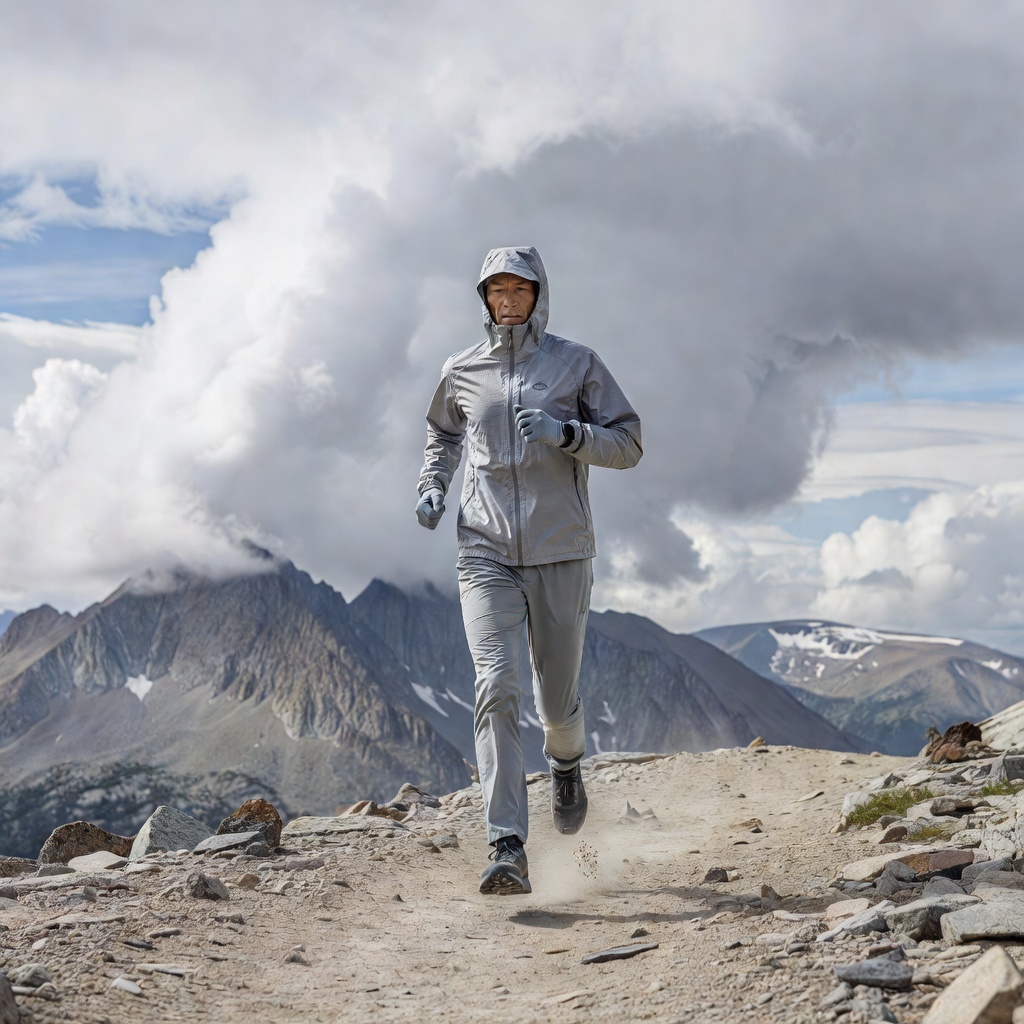
The Outdoor Research Men's Helium Rain Jacket at $159.00 uses a Pertex Shield membrane that stays waterproof indefinitely — but the outer DWR layer wears off. When the jacket face fabric wets out, you feel clammy and cold even though no water gets through.
Reproofing process: Wash the jacket in a technical wash (Nikwax Tech Wash) to remove dirt and body oils. Then run a second cycle with a spray-on or wash-in DWR treatment. Tumble dry on medium heat for 20 minutes — the heat activates the DWR. Your jacket will bead water again like it did on day one. Do this once or twice per season depending on use.
Camp Stove Maintenance
A camp stove is mechanically simple. The problems are always the same: clogged jets, dirty burners, and leaking seals.
After Every Trip
Wipe down the burner with a damp cloth. Spilled food attracts critters and corrodes metal over time. Check the fuel line for cracks. Propane hoses dry-rot after a few seasons of UV exposure and temperature swings. A cracked hose is a fire hazard — replace it immediately.
Deep Cleaning (Twice Per Season)
For the Coleman Classic 1-Burner Butane Camp Stove at $29.99 and similar models, remove the burner grate and drip pan. Soak in warm soapy water. Use a soft brush — steel wool removes protective coatings. For a clogged burner jet, a single bristle from a wire brush or a dedicated jet cleaning tool clears it in seconds. If you want the stove-specific deep dive — burner ports, venturi air tubes, spider webs, rust, and end-of-season storage — our camp stove cleaning guide goes further than this overview. Do not use a pin or needle larger than the jet hole — you will widen it and ruin the fuel-air mixture.
Common mistake: Running the stove on high with an empty pan. This overheats the burner and warps the grate. Always have something in the pan when the flame is on. Never sure which canister fits which stove? Our camp stove fuel guide settles propane vs butane vs isobutane for good.
Water Bottle and Hydration Reservoir Cleaning
The unpleasant truth: your water bottle is probably disgusting. Studies have found more bacteria on reusable water bottles than on a toilet seat. The mouthpiece is the worst offender.
Daily Cleaning
Hot water and dish soap, every day. Disassemble the lid completely — the bite valve, the straw, the gasket. Soak the components in warm soapy water for ten minutes. Use a bottle brush to scrub the inside. The Owala FreeSip Insulated Water Bottle at $29.99 has a two-way spout that fully disassembles for cleaning — remove the silicone gasket and clean underneath it.
Deep Clean (Weekly)
For plastic and stainless bottles, denture cleaning tablets work better than anything marketed as a "bottle cleaner." Drop one tablet in, fill with warm water, let it fizz for 15 minutes. Rinse thoroughly. No aftertaste. No residue. A box of 120 tablets costs about five bucks.
For hydration reservoirs (CamelBak, Platypus, Osprey), rinse immediately after every use, especially if you added electrolytes or drink mix. Sugar residue grows mold fast inside the tube. Hang the reservoir open with a reservoir hanger or a coat hanger wedged inside so it fully air-dries. Store with the bite valve open.
Headlamp and Electronics Care
The Petzl ACTIK CORE Headlamp at $79.95 uses a rechargeable battery that can also run on AAA batteries as a backup. For any headlamp:
- Remove batteries during long-term storage. Alkaline batteries leak and corrode contacts.
- Clean the battery contacts with a cotton swab and rubbing alcohol if you see green or white corrosion.
- After a wet trip, open the battery compartment and let everything dry completely before storing.
- The headband collects sweat salt that degrades the elastic. Hand-wash it every few months.
The Pre-Season and Post-Season Routine
Pre-season (spring):
- Pitch every tent and check seams, zippers, and poles
- Fire up every stove and verify the flame burns clean blue, not orange
- Wash all sleeping bags — even if they were stored clean
- Reproof rain jackets and boots
- Replace any fuel canisters older than two years
Post-season (fall):
- Deep-clean everything — tents, bags, pads, stoves, cookware
- Dry completely before storage — this is the single most important rule
- Store loose, not compressed
- Inspect for damage and repair now, not the night before your first spring trip
- Make a list of what needs replacing so you can shop off-season sales
Maintenance is half the off-season battle — knowing what to bring next is the other half. Our fall family camping guide covers cold-weather kit, and the tent size guide settles how much shelter your group actually needs.
Common Gear Maintenance Mistakes (Learn From Mine)
- Storing a tent wet. I did this once in college. Pulled it out three months later and the entire floor had rotted through. The tent was trash. If you do nothing else, dry your tent before storing it.
- Machine-washing a down sleeping bag in a top-loader. The agitator wrapped a baffle around itself and tore the internal stitching. Bag went from 20-degree rated to "good for summer in Florida."
- Using WD-40 on a stove burner. WD-40 is not a lubricant for high-heat applications. It burns off, leaves residue, and makes the flame sputter. Use a dry lubricant or nothing.
- Storing a hydration bladder wet and sealed. Came back to a biology experiment. The tube was black inside. Replaced the whole thing.
- Ignoring a tiny tent rip. A quarter-inch hole becomes a six-inch tear the first time wind catches it. Tenacious Tape at home costs five minutes. Tenacious Tape in the field in the rain costs a dry sleeping bag.
What to Keep in Your Gear Repair Kit
A small stuff sack with these items fixes 90% of field problems:
- Gear Aid Tenacious Tape (clear, 3" roll)
- One spare tent pole repair sleeve (matches your pole diameter)
- Two spare tent stakes
- Seam sealer (small tube)
- Lighter (for melting frayed cord ends)
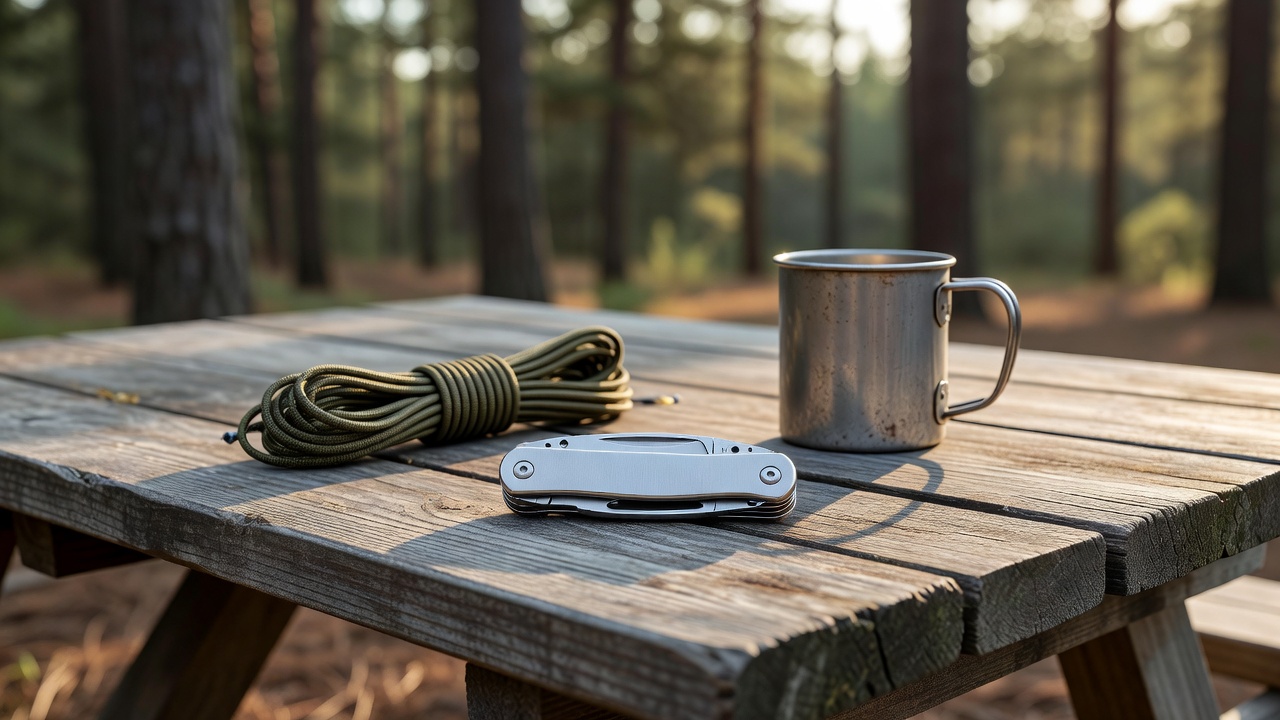
- Multi-tool with pliers — a Leatherman Rev ($39.95) lives in mine
- Spare buckle (matches your backpack sternum strap size)
- Alcohol wipes (for cleaning repair surfaces)
- Two zip ties
Total weight: under four ounces. Total cost: under $20. The first time you use any of it, it pays for the entire kit.
For the repair side of tent ownership — seam sealer, spray-on proofer, groundsheets and mildew cleanup — see our tent leaking repair guide.
Camping Gear Maintenance FAQ
For the mechanics that apply everywhere, camping in Wisconsin covers how one state's single reservation system, fee ladder and ground-condition fire rule actually work in practice.
How often should I clean my camping gear?
After every trip — that's the honest answer, and it's far less work each time than a deep clean at the end of the season. Tents and sleeping bags mainly need to be dry before storage, boots need mud and salt rinsed off, and stoves need a wipe-down. The 80/20 rule is moisture: almost all gear damage is mold, mildew, or rust caused by packing something away wet.
Can I wash a sleeping bag in a washing machine?
Usually yes, but check the care tag first — most synthetic and down bags survive a gentle front-loader cycle, while top-loaders with an agitator can tear baffles and shell fabric. Use a mild, non-detergent soap rather than household laundry detergent, which strips the water-repellent finish. Never dry-clean a sleeping bag, and dry it on low heat with a couple of clean tennis balls to break up clumps.
How do I re-waterproof a tent or rain jacket?
Start by cleaning the item — dirt and body oils mask the factory finish and reduce its performance. Then reapply a wash-in or spray-on water repellent made for technical fabrics. For jackets, a low-heat tumble dry often reactivates the original DWR treatment before you apply anything new. Re-proof when water stops beading and the fabric starts soaking through, not on a fixed schedule.
How should I store camping gear for the off-season?
Loose and dry, never compressed. Sleeping bags keep their loft best when hung or stored in a large mesh sack rather than a stuff sack. Tents should be folded loosely somewhere dry and out of direct sunlight. Stoves should be run until the fuel line is clear, and fuel canisters stored away from living spaces per their labeling. A damp bag in a hot garage is how gear dies young.
How do I keep a hydration reservoir from getting moldy?
Empty it completely after every hike — standing water in a warm car grows slime fast. Rinse with warm water, and periodically use a mild cleaning tablet or a water-and-baking-soda soak. Dry it fully with the reservoir propped open or hung upside down so air reaches the inside, and store the tube and bite valve disconnected if you can. Never store it sealed and damp.
When should I replace gear instead of repairing it?
Repair while the fix costs a fraction of replacement: seam sealant, a patch on a tent floor, a new buckle, a re-waterproofing treatment. Replace when the failure is structural or safety-critical — a cracked stove fitting, a boot sole delaminating from the upper, a strap with a cut in load-bearing webbing, or a sleeping bag whose insulation has lost its loft. Anything holding your weight or holding back weather should fail on the side of replacement.
Your gear can last a decade or it can last a season. The difference is not the brand. It is not the price. It is whether you spend fifteen minutes cleaning it after a trip or shove it in the garage wet and forget about it until the next adventure.
<!-- AFFILIATE_DISCLOSURE -->For a worked example of how state and federal campground systems differ on the very same piece of land, see the Maryland camping guide — two parks, one barrier island, two booking portals, two season-end dates.