Best Camp Lighting 2026: Lanterns, Headlamps, and the Setup That Actually Works
Best camp lighting for 2026 — lantern vs headlamp, how many lumens you really need, and family tent setups with Black Diamond, Goal Zero & Petzl. FAQs included.
Camp lighting does not have to be complicated. You just need enough light in the right place at the right time — soft tent light for winding down, brighter table light for cooking, and hands-free light when you leave camp or hear a weird noise outside the rainfly.
The fastest way to stop fumbling around at night is to build a simple two-zone setup: one lantern for the shared space and one headlamp per adult. That alone fixes 90% of the annoying dark-camp problems families and beginners run into.
In this 2026 guide, I’ll break down the best camp lanterns and headlamps for family camping, car camping, and beginner overnights, including where premium lighting is worth paying for and where a budget setup works just fine.
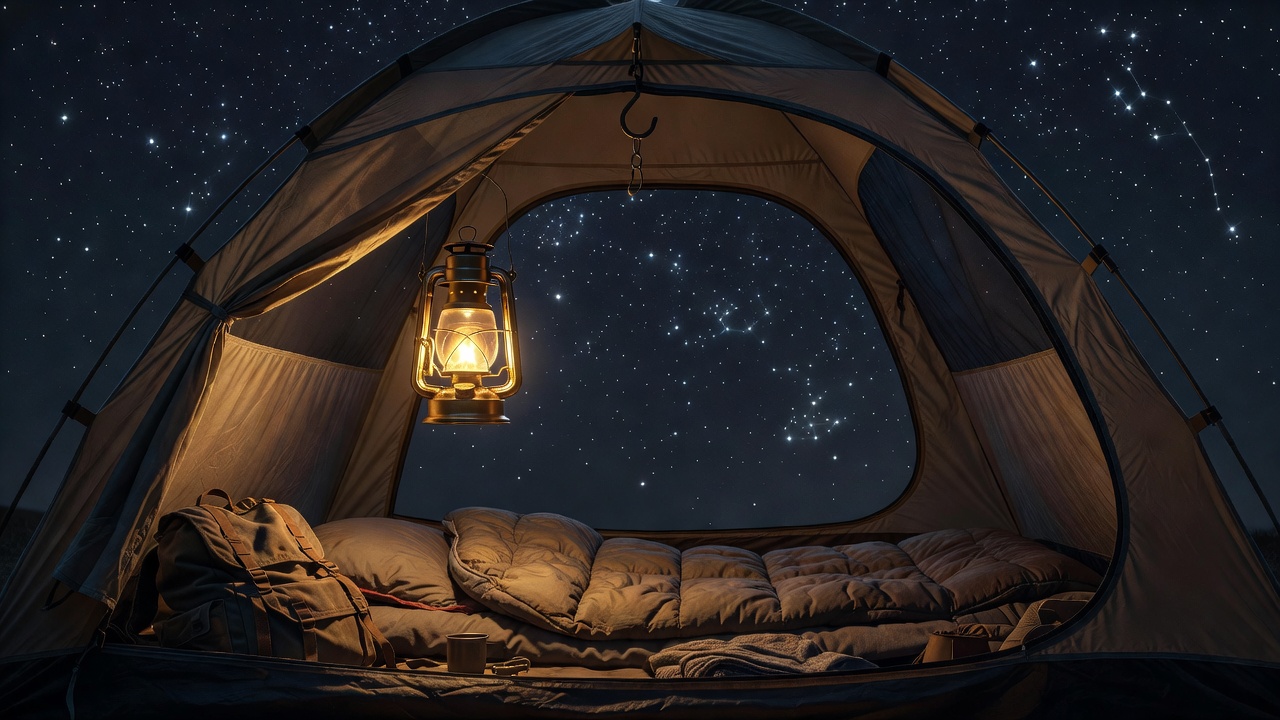
Quick Answer: The Two-Light Camp Setup
- Lantern, best all-round: Black Diamond Moji — 200 dimmable lumens in a package that hangs from a tent loop or a branch.
- Lantern, budget backup: Goal Zero Lighthouse Micro — USB-rechargeable, rain-proof, and doubles as a flashlight.
- Headlamp, best value: Black Diamond Spot 400 — 400 lumens, waterproof, and dual-fuel so it runs on AAA or its rechargeable cell.
- Headlamp, premium: Petzl ACTIK CORE — 625 lumens with a red mode that does not wreck your night vision.
- Ambience: Twinkle Star 100-LED String Lights — not for seeing, for making the site feel lit rather than spotted in darkness.
You need both a lantern and a headlamp
They solve different problems.
A lantern throws ambient light across a shared space. Cooking, playing cards, reading in the tent. You set it down and it lights a 10-foot radius. Everyone benefits.
A headlamp puts light exactly where you're looking. Finding the bathroom at midnight. Digging through a pack. Setting up a tent when you rolled into camp late. Hands-free is the whole point.
The budget play: one lantern for the group ($20-30) and a headlamp per person ($30-50). A family of four can get fully lit for under $100 and you'll use the gear every single trip.
Black Diamond Moji: the lantern that just works
The Black Diamond Moji is a baseball-sized orb that puts out 200 lumens. Enough for a 4-person tent or a camp kitchen table. One button: on, dim, off. No cycling through modes you didn't want.
Three AAA batteries last about 70 hours on low. It weighs 2.5 ounces with batteries installed, meaning you will forget it is in your pack until you need it. The double-hook top hangs from a tent ceiling, a tree branch, or a ridge line. IPX4 water resistance handles rain and splashes fine. Do not submerge it.
200 lumens is plenty for personal use and tent lighting, but it won't illuminate a large group cooking area. That is what the next lantern handles.
This is the one I recommend to friends who just want to buy something and never think about camp lighting again. $19.95. If you want the exact model, the Black Diamond Moji Lantern is the dead-simple buy: clip it overhead, tap the button, and your tent instantly feels civilized.
Goal Zero Lighthouse Micro: rechargeable, rain-proof
The Goal Zero Lighthouse Micro is for people who hate buying batteries. USB rechargeable, dimmable, and IPX6 weatherproof. Heavy rain is fine. You can rinse mud off under a faucet.
Smooth dimming takes it from "night light" to a full 120 lumens. The claimed runtime is 7 hours on high, 170 on low. In practice, a full charge handles 3-4 nights of casual use. The built-in carabiner loop clips to whatever is nearby.
The catch: 120 lumens max versus the Moji's 200. The Lighthouse trades raw brightness for weatherproofing and USB convenience. It is also slightly bulkier than the Moji.
For multi-day trips where you carry a power bank anyway, or if you camp in rain often, this is the right call. $29.95. The Goal Zero Lighthouse Micro earns its keep on wet weekends because you can top it off from the same battery pack you already bring for phones and GPS watches — or straight from a portable power station if you run one for the cooler.
My go-to 2-light setup
For a family of four, this covers everything:
- 1x Goal Zero Lighthouse Micro, hanging in the tent as ambient light
- 1x Black Diamond Moji, on the camp kitchen table for cooking and cards
- 2x headlamps, one per adult
Total cost: about $130. I use every piece on every trip.
String lights: the family favorite
Lanterns handle function; string lights handle feeling. Drape a set of warm-white star strings around the tent ridge line and the picnic table, and the campsite stops being "a patch of dirt with a tent" and starts feeling like a place kids actually want to be after dark. The Twinkle Star 2-Pack 100 LED Star String Lights ($19.99) run 100 LEDs per 49-ft string, are IP44 waterproof for dew and drizzle, and sip only 3-5W — a small power station keeps them glowing all weekend. They're decorative light, not task light, so keep a lantern for cooking and a headlamp for bathroom runs.
Black Diamond Spot 400: the headlamp sweet spot
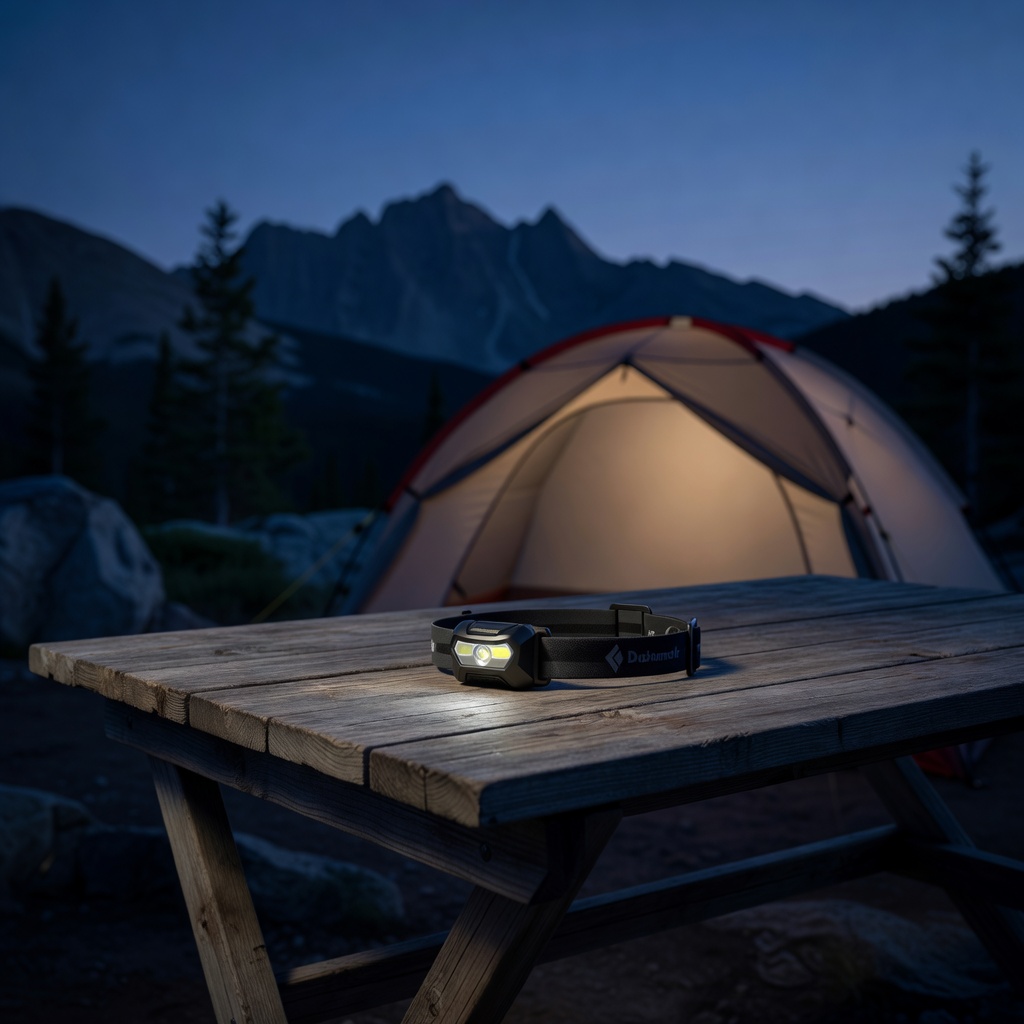
If you buy one headlamp this year, the Black Diamond Spot 400 is the one. 400 lumens. IPX8 waterproof, meaning fully submersible to 1 meter. Red LED mode that actually preserves night vision.
The red mode matters more than you think. White light at 2 AM wakes your tentmate and ruins your night vision for 30 minutes. Red mode does neither.
PowerTap lets you smack the side of the headlamp to jump to max brightness instantly. Handy for "what was that noise" moments. Runtime is about 200 hours on low. In practice I get 4-5 nights of heavy use before swapping batteries.
The tradeoff: it runs on three AAA batteries. Not rechargeable. If USB everything is your religion, the Petzl below fits better.
At $39.95, this is the best lumen-to-dollar ratio in camp headlamps. It does not feel like budget gear.
Petzl ACTIK CORE: when you need 650 lumens
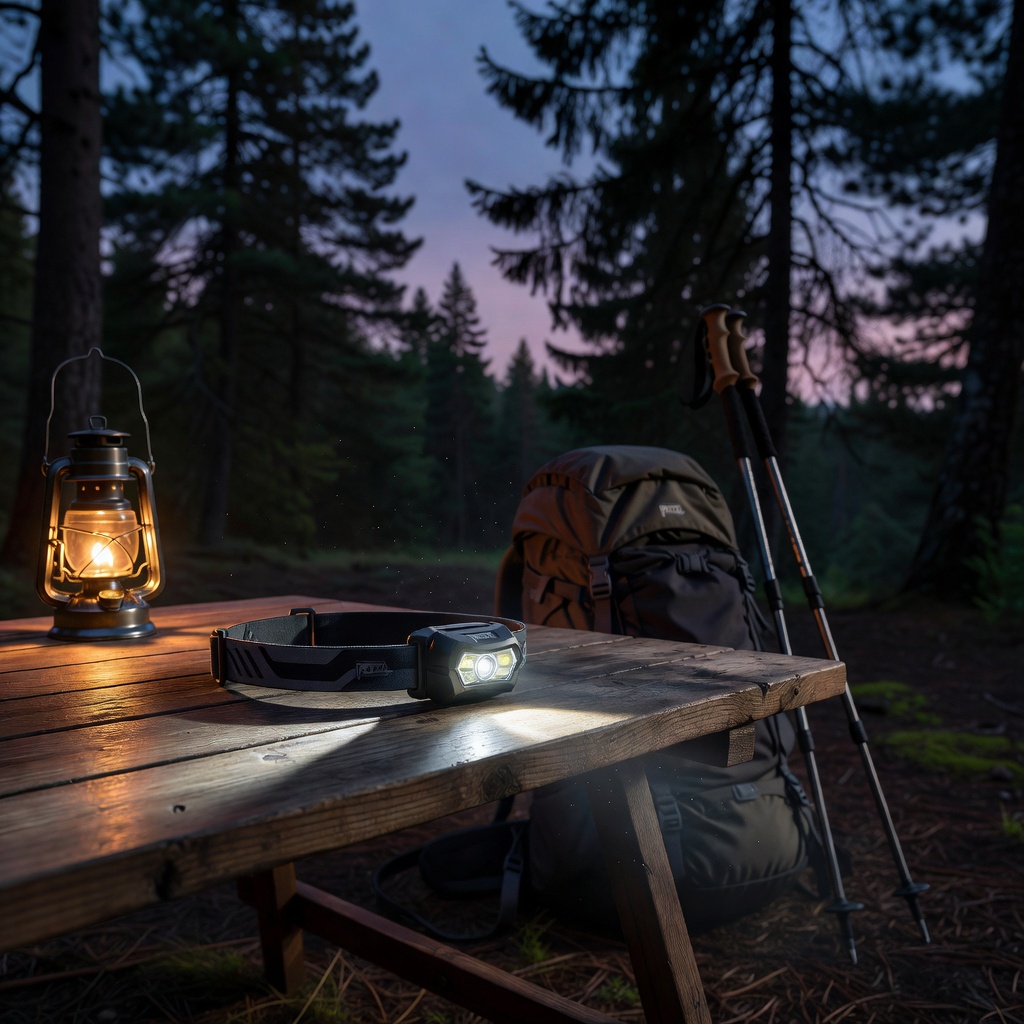
The Petzl ACTIK CORE is what you buy when lighting is not a category you want to think about again. 650 lumens is "light up the whole trail" territory. More than double most budget headlamps.
The hybrid battery system is the smartest part. It comes with a USB-rechargeable CORE battery, but the housing also accepts three AAA batteries. You cannot be stranded without power unless you forgot both formats, which at that point is on you.
Red lighting has its own dedicated button. No cycling through white modes to get there. It weighs 88 grams, which is lighter than the Spot 400 despite the higher output. The lock function prevents the headlamp from turning on inside your pack and greeting you dead at sunset.
At $64.95, it costs nearly double the Spot 400. Worth it if you night-hike regularly or want hybrid battery flexibility. If you're planning to be out after dark, our night hiking gear and safety guide covers the full kit — lights, layers, and the trail habits that keep you safe.
Best family car-camping lighting setup: put light in the tent before you even unpack
If you camp with kids, the smartest lighting upgrade is not a brighter lantern. It is reducing the number of little after-dark problems in the first place: finding pajamas, locating the water bottles, seeing where muddy shoes belong, and getting everyone settled without one adult holding a flashlight in their teeth.
That is why I like the CORE 6 Person Instant Cabin Tent for beginner family setups. Its fast cabin-style setup helps you get the shelter organized before daylight disappears, leaving you free to hang a lantern at the ceiling loop and hand each adult a headlamp. You still want a lantern for the picnic table and a headlamp for midnight bathroom runs, but a roomy, quick-pitch shelter removes a lot of the after-dark scramble inside camp.
My simple family setup looks like this:
- Inside the tent: Coleman Skydome LED tent for bedtime routines, clothing changes, and finding the pacifier or dog leash without waking everyone up.
- At the picnic table: Black Diamond Moji or Goal Zero Lighthouse Micro for cards, dinner cleanup, and late-night cocoa.
- On your head: Petzl ACTIK CORE for bathroom walks, bear-box runs, and anything that needs both hands.
That picnic-table light doubles as your cooking light, so pair it with the right fuel — our camp stove fuel guide explains how propane, butane, and isobutane behave differently on cold nights.
If you are still building your first full setup, pair this guide with our first camping trip starter kit for beginners and the more detailed camping tent size guide. Those two articles help you choose the rest of the shelter system around your lighting plan.
Common Camp Lighting Mistakes (I've Made Every One)
Buying one lantern for a group of four. One light means one person has it, and three people are in the dark. By night two, someone is annoyed. Two lanterns minimum. One at the kitchen, one in the tent.
Using max brightness for everything. You do not need 400 lumens to stir chili or find your water bottle. High mode kills batteries five times faster. Use the lowest setting that works and save full power for trail-finding and "what was that noise" moments.
Forgetting to check batteries before leaving. The headlamp that died 20 minutes into your last trip is still dead. It did not magically recharge in the gear closet. Pack one spare set per light.
Hanging lanterns at ground level. A lantern on the floor casts long shadows that make every guy line look like a snake. Hang at head height. Light at eye level eliminates tripping hazards and shadows.
Skipping red mode after 10 PM. White light at midnight wakes your tentmate and destroys night vision for 30 minutes. Red mode preserves both. If your light lacks red mode, hold it low and pointed down.
Not marking the bathroom path. The 3 AM walk in total darkness is character-building in the worst way. Put a small light near the path or at least leave a glow stick where you can find it.
Stuff I learned the hard way
Hang your lantern at head height, not on the ground. Light at eye level eliminates shadows and tripping hazards. A lantern on the floor casts long, creepy shadows and gets kicked over constantly.
Use red mode after 10 PM. Your eyes adjust in minutes instead of 30-plus after white light exposure. If your light lacks red mode, hold it low and pointed at the ground.
Bring lithium batteries for cold trips. Alkaline batteries lose roughly 30% of their capacity at freezing temperatures. Lithium AAAs do not.
Put one lantern in the tent and one at the kitchen. Do not shuttle a single light between zones. At $20-30 per lantern, having two changes how camp flows. Two lights minimum. One light for the whole group sounds fine until someone needs the bathroom while someone else is cooking and a third person wants to read. By night two, everyone is annoyed.
Check batteries before every trip. A headlamp that died 20 minutes into your last outing is probably still dead. Pack one extra set per light.
You do not need 400 lumens to stir chili. Use the lowest setting that works. Your batteries will last five times longer and you will not blind your kids.
Most tents have a loop at the ceiling peak specifically for hanging a lantern. Use it.
Put a small light near the bathroom path. The 3 AM walk in total darkness with a dying phone flashlight is a character-building experience you do not need.
Pick your setup
- Solo backpacker: BD Spot 400 and BD Moji
- Car camper / family: Goal Zero Micro, BD Moji, and 2x BD Spot 400
- Night hiker: Petzl ACTIK CORE and BD Moji
- Tight budget: 2x BD Spot 400, one worn and one pointed into a water bottle as a lantern
- Rain-or-shine camper: Goal Zero Micro and Petzl ACTIK CORE
Every light here has survived real trips, not just unboxing videos. Pick the combo that matches how you camp.
More from TrailMapz: camping safety and survival gear guide, best camp pillows comparison guide, and best camping sleeping bags 2026. If you're building out a first hiking kit too, our how to choose a hiking backpack guide breaks down fit, capacity, and the features that matter before you spend more than you need to.
Lighting choices get stricter in a designated dark-sky park. camping in Pennsylvania covers Cherry Springs and the rest of Pennsylvania's camping options, including what to bring instead of white light.
FAQ: Camp Lighting Questions, Answered
How many lumens do I need for camping?
Split it by job rather than memorizing a single number. Inside a 4-person tent or for personal use, 100-200 lumens from a lantern is plenty — the Black Diamond Moji's 200 and the Goal Zero Lighthouse Micro's 120 both handle tent and table duty. At the picnic table for cooking and cards, stay at 200 or above. For trails after dark, you want 300+ lumens from a headlamp: the Spot 400's 400 lumens is the sweet spot, and the Petzl ACTIK CORE's 650 lights up the whole trail. String lights are the exception — they're decorative ambience, not task light, so don't count on their 100 LEDs per string for anything you need to see clearly.
Lantern or headlamp: which do I actually need for camping?
Realistically, both — they solve different problems and the two-zone setup (one lantern for the shared space, one headlamp per adult) fixes 90% of dark-camp frustrations. If you can only buy one first, pick based on your nights: buy the headlamp first if you hike, arrive late, or camp solo — hands-free light follows your eyes and works on the trail. Buy the lantern first if you mostly sit around the picnic table with family and want one light that serves everyone at once.
How long do camping lantern batteries last?
The Moji runs about 70 hours on low from three AAA batteries. The Spot 400 headlamp claims about 200 hours on low — in practice that's 4-5 nights of heavy use before a battery swap. The USB-rechargeable Goal Zero Lighthouse Micro gets 7 hours on high or 170 on low, and a full charge handles 3-4 nights of casual use. Two habits stretch any of these: use the lowest setting that works (max brightness drains batteries about five times faster), and carry lithium AAA batteries for cold trips — alkaline cells lose roughly 30% of their capacity near freezing.
Is 200 lumens enough to light a tent?
Yes. 200 lumens comfortably lights a 4-person tent or a camp kitchen table, which is why the Moji works for both. Even the 120-lumen Lighthouse Micro is fine as a tent night-light. What 200 lumens won't do is illuminate a large group cooking area — for groups of four or more, the fix isn't a bigger single light, it's a second lantern (one at the kitchen, one in the tent) so nobody is left in the dark.
Rechargeable or battery-powered camp lights: which is better?
Both have a place. USB-rechargeable lights like the Goal Zero Lighthouse Micro make sense on multi-day trips where you already carry a power bank — you top the lantern off from the same pack that charges your phone. AAA-powered lights (Moji, Spot 400) win on simplicity: batteries are everywhere, and lithium AAAs hold up in the cold. The best of both is a hybrid like the Petzl ACTIK CORE, which takes its USB-rechargeable CORE battery AND three AAA backups — you can't be stranded unless you forgot both formats.
What's the best camp lighting setup for a family with kids?
From our family car-camping setup, the winning combo is: one lantern hanging from the tent's ceiling loop for bedtime routines, one lantern on the picnic table for cooking and cleanup, a headlamp per adult for midnight bathroom runs and bear-box trips, and warm-white string lights around the ridge line so the campsite feels like a place kids actually want to be after dark. Hang everything at head height (ground-level lanterns cast long shadows), switch to red mode after 10 PM, and pack one spare battery set per light — the headlamp that died last trip is still dead in the gear closet.
How many lumens do I need for hiking at night?
Plan on 300 lumens or more for night hiking. The Spot 400's 400 lumens is the value sweet spot — bright enough for rough trail, with a red mode that preserves your night vision. The ACTIK CORE's 650 lumens genuinely lights the whole trail ahead, which matters on unfamiliar or technical ground. Whichever you carry, keep the red mode one tap away for map checks and camp arrivals. For the full after-dark kit — layers, trail habits, and light discipline — our night hiking gear and safety guide walks through everything.
<!-- AFFILIATE_DISCLOSURE -->