Beach Camping Gear Checklist 2026: 15 Essentials for Sand, Sun & Surf
15 must-have items for beach camping in 2026 — from sand-proof coolers and UV-blocking tents to dog life jackets and insulated water bottles. Complete gear checklist with real product picks.
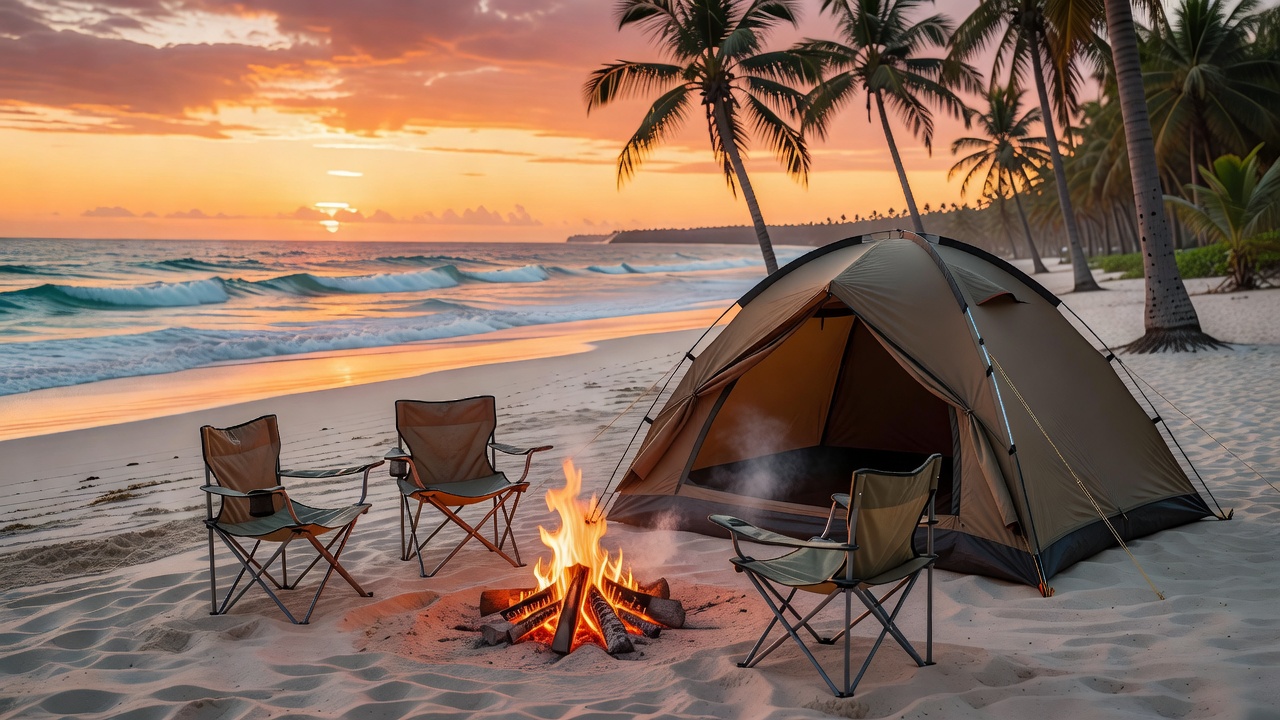
Quick Answer: The Beach Camping Gear That Actually Matters
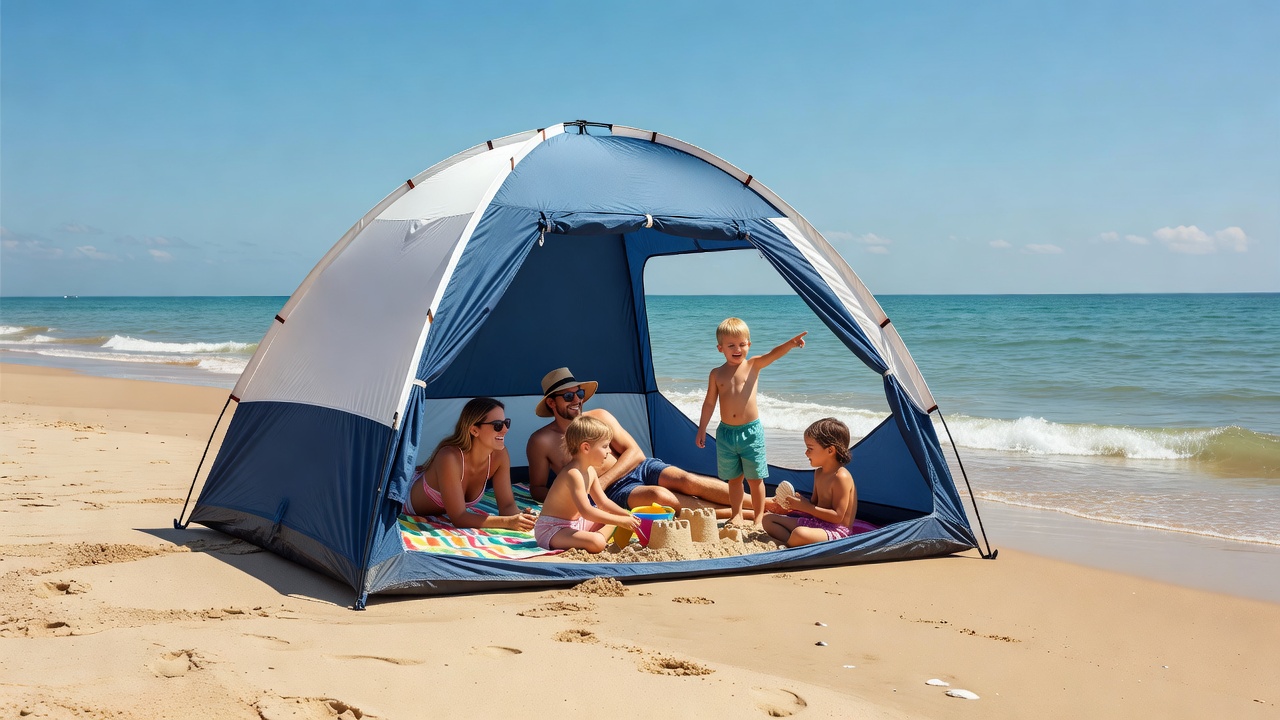
- Gorich Beach Tent Sun Shelter, UPF 50+ — $49.99. Shade with airflow; a sealed tent with no cross-breeze cooks you at noon.
- Klymit Static V Sleeping Pad — $64.95, and for a bigger group the EVER ADVANCED 6-Person Blackout Tent — $169.99.
- Coleman 316 Series Wheeled Cooler 62QT — $84.99. Wheels matter more than capacity once the soft sand starts.
- Owala FreeSip 24 oz — $29.99 and polarized Babiators kid sunglasses — $19.99. Sun and water are the two things you cannot improvise.
- Ruffwear Float Coat life jacket — $99.99 if the dog is coming.
- Coleman Bottle Top Propane Stove — $21.99 for cooking on site without hauling a full stove.
Shelter, shade and water do the heavy lifting; everything else is comfort. The wind-proofing details and the full packing list are below.
What Makes Beach Camping Different
Beach camping isn't just regular camping with a better view. Sand gets into everything. Salt spray corrodes zippers. The sun reflects off the water and sand, doubling your UV exposure. And the wind — the wind at 3 AM when your tent stakes pull out of loose sand will teach you things about tent design you never wanted to learn.
I've done beach camping from the Oregon coast to Florida's Gulf shores, and every trip teaches me something new about what gear actually matters when you're sleeping 50 feet from the ocean.
Here are the 15 items that make the difference between a magical beach weekend and a sandy, sunburned disaster.
Shelter That Survives Wind and Sand
1. A Tent That Stakes in Sand (Not Dirt)
Beach camping punishes tents in three specific ways: wind loads are higher because there's no tree cover, stake-holding is terrible in loose sand, and UV exposure ages fabric faster than mountain camping ever will.
For beach camping, look for: full-coverage rainfly (blocks wind-driven sand), plenty of stake loops (the more anchor points, the better), and dark fabric that doesn't turn your tent into a greenhouse by 7 AM.
The EVER ADVANCED 6 Person Blackout Camping Tent ($169.99) gives you 90 square feet of floor space — enough for a queen air mattress with room to walk around. The blackout fabric blocks 90% of sunlight, which means you can actually sleep past sunrise after a late-night beach bonfire. The instant-cabin design sets up in 60 seconds, which matters when coastal wind is trying to turn your tent into a kite.
Budget pick (under $85): For solo beach campers or couples, a 4-person pop-up tent with automatic setup skips the pole-threading battle entirely. Look for mesh doors (cross-breeze on hot beach days), a full rainfly (blocks wind-driven sand), and pre-attached poles so you're not chasing parts across the beach. At this price point you sacrifice some durability, but for 2-3 trips a year it's the right tradeoff.
Pro tip: Bring sand-specific tent stakes (the spiral kind, not the standard nail pegs). Standard stakes pull out of sand with one gust. Wrap the stake loops around driftwood or buried sand anchors if you forgot the spiral stakes.
For more tent options across sizes and budgets, see our tent size guide and 4P vs 6P tent comparison.
2. A Sleeping Pad That Doesn't Absorb Beach Moisture
Sand looks dry on top but holds moisture underneath. An inflatable sleeping pad keeps you off the damp ground and insulates better than a foam pad in coastal conditions.
The Klymit Static V Inflatable Sleeping Pad ($64.95) packs down to the size of a water bottle and inflates in 10-15 breaths. The V-chamber design keeps you centered on the pad even when the ground underneath is uneven sand. At R-value 1.3, it's ideal for warm-weather beach camping.
If you're bringing a cooler — and you should be — place your sleeping pad on top of it during the day. It keeps the pad out of the sand and stops it from heating up in direct sun.
Coolers and Hydration: The Beach Makes You Thirsty
3. A Hard Cooler That Seals Out Sand
Nothing ruins a beach trip faster than a cooler full of sandy drinks and melted ice by noon. Hard-sided coolers keep ice longer and seal better than soft coolers when sand is blowing.
A 62-quart hard cooler ($55-85) holds ice for 4 days in temperatures up to 90°F. That's enough for a long weekend without buying ice. The Have-A-Seat lid on Coleman models doubles as, well, a seat — which matters when you don't want to sit directly on hot sand. At 62 quarts, it fits food and drinks for 2-3 people for 2-3 days.
For bigger groups or longer trips, the Coleman 316 Series Wheeled Cooler ($84.99) adds wheels and a telescoping handle for dragging across sand. The wheels are wide enough that they don't sink as much as you'd expect on packed sand.
Ice management tip: Freeze water bottles instead of buying loose ice. They stay frozen longer, you can drink them as they melt, and nobody gets sandy ice chips in their drink.
4. Insulated Water Bottles That Stay Cold in Direct Sun
Plastic water bottles left on a beach towel turn into hot tea in about 20 minutes. Insulated stainless steel bottles keep water cold for hours even in direct sun.
The Owala FreeSip Insulated Water Bottle ($27.99) has a dual-function spout — sip through the straw or tilt-and-chug from the wide mouth. The FreeSip lid covers the drinking surface, keeping sand off the part your mouth touches. At 24 ounces, it fits in most car cup holders for the drive to the beach.
If you want more capacity than the 24-ounce Owala, size up to a 30-ounce insulated bottle or bring a second cold bottle in the cooler for afternoon use. The real win is the covered spout and insulation — those matter more on a sandy beach than chasing a specific lid variation.
If you're tossing the bottle into a beach bag with electronics or towels, prioritize a locking lid and fully sealed mouthpiece. Sand gets everywhere, and a lid that protects the drinking surface matters almost as much as insulation.
Sun, Skin, and Comfort
5. A Quick-Dry Performance Shirt (Not Cotton)
Cotton T-shirts at the beach become heavy, abrasive, and stay wet for hours. A polyester dry-fit shirt wicks moisture, dries in minutes, and won't chafe when you're sandy and sweaty.
The MAGCOMSEN Dry-Fit Performance Polo ($19.99) looks presentable enough for the drive home but performs like athletic gear on the beach. The collar protects your neck from the sun, and the moisture-wicking fabric keeps you from feeling sticky in coastal humidity.
Layering tip: Bring two — one for daytime (gets sunscreen and salt on it), one clean one for the evening campfire. The dry-fit fabric rolls up to nothing in your bag.
6. A Headlamp for Nighttime Tide Pools and Bathroom Trips
Beach campgrounds have no streetlights. Walking to the restroom or checking tide pools after dark without a headlamp means either using your phone flashlight (and draining the battery) or tripping over driftwood.
The Petzl Actik Core Headlamp ($79.95) produces 650 lumens on max — enough to light up 100 yards of beach. The red light mode preserves your night vision for stargazing and won't blind other campers. The rechargeable battery charges via micro-USB, so you can top it up from a car charger or portable battery on multi-day trips.
7. A Beach Towel That Actually Dries (And Doesn't Hold Sand)
Standard terry-cloth towels hold sand like they're designed for it. Microfiber camping towels dry faster, shake out sand completely, and pack down to a fraction of the size.
You probably already own one — most camp towels work perfectly at the beach. The key is bringing two: one for drying off after swimming, one for laying on. If you're shopping, the PackTowl Personal Quick Dry Towel ($24.95) is the one we keep coming back to: a full 25 x 54-inch body towel that weighs just 6.4 ounces, dries about four times faster than cotton, and shakes sand out completely instead of trapping it. Keep the "lay on" towel completely sand-free by rolling it up when you're not using it and storing it in your tent.
Sun Shelter Bonus: If you're camping through the middle of the day — especially with kids — a pop-up shade is the difference between a great beach day and a sunburned one. The Gorich Beach Tent Sun Shelter ($49.99) pops up in seconds, blocks 98% of UV rays with UPF 50+ fabric, and fits 3-4 people in a footprint about 30% larger than comparably priced shelters. It won't survive a real storm, but for shade duty it's the best $50 you'll spend at the beach.
Beach Dog Gear (If You're Bringing the Pup)
8. A Dog Life Jacket — Even If Your Dog Can Swim
Rip currents, sudden drop-offs, and exhaustion from swimming against waves are real dangers for dogs at the beach. A life jacket isn't a sign your dog can't swim — it's insurance against fatigue and current. Our full dog water safety guide covers rip-current signs, blue-green algae, life jacket fitting, and the after-swim rinse routine that prevents ear and skin infections.
The Ruffwear Float Coat Dog Life Jacket ($99.99) has a reinforced handle on top for lifting your dog out of the water and into a boat or onto a dock. The reflective trim makes your dog visible from shore at dusk. It's the standard for a reason — the fit is secure without restricting movement, and the foam panels are positioned to keep even nervous swimmers balanced.
After-swim care: Rinse your dog with fresh water after ocean swimming. Salt dries out their skin and they'll lick it off, which can cause stomach issues. A gallon jug of fresh water for the dog is worth the space in your trunk.
For a deeper dive on camping with your dog — covering first-aid essentials, multi-day trail etiquette, and the best dog camping gear for every season — see our complete camping with dogs guide.
Cooking at the Beach
9. A Single-Burner Stove (Keep It Simple)
Beach cooking is windier than forest cooking. Complicated multi-burner setups get blown out. A single-burner stove with a wind guard handles beach conditions and covers 90% of meals for 1-3 people.
The Coleman Bottle Top Propane Camp Stove ($21.99) screws directly onto a 1-pound propane cylinder and lights with a built-in igniter. At 10,000 BTU, it boils water for coffee in under 3 minutes and handles a 10-inch skillet of bacon and eggs without struggling.
The Coleman Classic 1-Burner Butane Stove ($29.99) comes in its own carrying case and uses cheap butane canisters ($3 each). It's the stove I recommend for first-timers because there's literally nothing to figure out — load the canister, turn the knob, press the button.
10. A Soft Cooler for Day-Trip Food
Hard coolers are great for base camp, but if you're walking half a mile down the beach to your spot, a soft cooler is easier to carry.
The Stanley All-Day Julienne Soft Cooler ($100.00) keeps food cold for 12 hours and has a leakproof zipper — sand won't work its way into the seal the way it does with Velcro closures. It's overkill for sandwiches, but exactly right for perishable beach snacks like cheese, fruit, and cold drinks.
The "I Wish I'd Brought This" Section
These are the items nobody tells you about before your first beach camping trip.
11. A Broom (Seriously)
A small whisk broom or brush lives in my beach camping kit permanently. You use it to sweep sand off your feet before getting in the tent, off your cooler lid before opening it, and off your sleeping pad before inflating it. Ten seconds of sweeping saves hours of sleeping in sand.
12. Extra Tent Stakes (Spiral Type)
Standard nail stakes pull out of sand the first time the wind gusts. Spiral stakes screw into sand like a corkscrew and hold in conditions that would send your tent tumbling down the beach. Bring at least 8 — four for the corners, four for the guylines.
13. A Dry Bag for Electronics
Sand and salt spray kill phones, cameras, and portable batteries faster than water does. A roll-top dry bag keeps your electronics sealed. Clip it to your tent pole so it doesn't get buried when the wind shifts.
14. Sunscreen That Won't Sweat Off
Standard sunscreen runs into your eyes the moment you start setting up camp. Sport-specific sunscreen sticks are less messy and stay put in coastal humidity. Apply before you leave the car — once you're on the beach and sandy, reapplication is a losing battle.
Sun protection for the littlest campers needs one more layer: babies can't keep sunscreen out of their eyes, and a floppy hat only covers so much. The Babiators Baby Navigators are polarized, 100% UV-blocking shades sized for ages 0-2, with a bendable frame that survives being dropped in the sand, chewed on, and sat on.
15. A Trash Bag for Beach Cleanup
Leave the beach cleaner than you found it. Bring contractor-grade trash bags (they don't tear on driftwood or shells). Most beach campgrounds don't have trash cans at every site, and the walk to the dumpster at midnight is the worst.
Quick Packing List
Copy this to your phone before you leave:
- Tent with full rainfly + spiral stakes
- Sleeping pad (inflatable, not foam)
- Hard cooler (pre-chilled, frozen water bottles inside)
- Insulated water bottle (1 per person)
- Headlamp with red light mode
- Quick-dry shirt + backup
- Microfiber towels (2 per person — PackTowl Personal dries fastest)
- Dog life jacket (if bringing dog)
- Single-burner stove + fuel
- Soft cooler for day snacks
- Whisk broom
- Dry bag for electronics
- Sport sunscreen stick
- Trash bags
- Fresh water jug for dog rinse
Paddling in instead of driving up? If your campsite only exists by boat — a sandbar island, a remote cove, the far shore of a lake — our kayak camping gear checklist is this same beach kit rebuilt for dry bags: the sleep system, kitchen, and sun protection above, packed to float. The one rule that changes everything is that every item must earn its space in the boat.
FAQ
What do I need for beach camping?
At minimum: a shelter with sand stakes, a pre-chilled cooler, insulated water bottles, microfiber towels, sun protection (UPF shirt + sport sunscreen), a single-burner stove, a headlamp, and a whisk broom for sand control. If you're bringing a dog, add a life jacket and a jug of fresh water for rinsing salt off their paws and coat. The full 15-item breakdown is in the sections above — start with the GORICH UPF 50 beach tent and the Coleman 316 wheeled cooler and build from there.
What kind of tent is best for beach camping?
Look for three things: a full rainfly (ocean mist settles on everything), UPF-rated fabric, and a design that handles wind. A dedicated beach shelter like the GORICH UPF 50 sun shelter gives you shade for daytime and a sand-floored hangout spot, while a regular dome tent with a rainfly works for sleeping. Dome tents shed wind better than cabin-style tents, and you'll want one with extra guy-out points for staking in loose sand.
How do I keep my tent from blowing away on the beach?
Swap the skinny stakes that came with your tent for 8-inch spiral sand stakes, stake at a 45-degree angle, and guy out every loop — not just the corners. Then add weight: a dry bag full of clothes or a couple of gallon jugs of water sitting on the guy lines makes a surprising difference in a 3 AM gust. On exposed beaches, orient the narrow end of the tent into the prevailing wind.
How do I keep food and drinks cold at the beach?
Pre-chill the Coleman 316 62-quart wheeled cooler for 24 hours before the trip and pack it with frozen water bottles instead of loose ice — they keep things cold longer and give you drinking water as they melt. Keep it in the shade with a towel over it, and use a Stanley soft cooler for the day snacks so you're not opening the big cooler every hour. Fill it once, close it, and it stays cold for a full beach weekend.
Can I take my dog beach camping?
Yes, with the right prep: a properly fitted life jacket like the Ruffwear Float Coat even if your dog swims well — rip currents and exhaustion are real risks in the surf. Rinse their paws and coat with fresh water after every ocean swim, and bring a collapsible bowl like the Ruffwear Quencher so they're drinking fresh water, not salt water. See our complete camping with dogs guide for first-aid and trail etiquette before you go.
Is it safe to sleep on the beach?
It can be, but check three things first: tide tables (camp above the high-tide line — the beach shrinks at night), local regulations (many US beaches ban overnight camping or require a permit), and the forecast (wind and lightning move in fast at the coast). Choose a spot with some natural windbreak and never camp in a dry riverbed or wash that could flood overnight.
How do I cook at the beach?
A single-burner stove is all you need — the Coleman bottle-top propane stove screws straight onto a 1-lb canister and packs small. Cook behind a windbreak (your cooler, a log, or a towel draped over chairs) because coastal breezes murder small flames. Remember: many state beaches ban open wood fires, so a stove is often your only legal cooking option anyway.
For a Gulf-coast trip specifically, our Camping in Florida guide covers the state park campgrounds worth booking, the Keys reservation-only rule, and the shade-and-tarp setup a Florida beach site demands.
Padre Island National Seashore is the Texas version — first-come only, no hookups anywhere in the park; the Texas camping guide covers the rules.
New Mexico is a good test case for all of the above — see Camping in New Mexico 2026 for its six-month state park window, the 14-day BLM dispersed limit, the day-of-only backcountry permit at Carlsbad, and the state trust land exception.
Alabama's Gulf State Park is one of the few beach camping options with full hookups and 11 bathhouses — see Camping in Alabama.
For a worked example of how a state system can invert every rule you know, Camping in Louisiana covers the 30-day dispersed limit and the no-campground national parks.
A good case study for check-the-map fire rules is the Arkansas camping guide.
More Beach and Summer Camping Resources
For the system-vs-system version of this question in the Southeast, camping in Georgia walks through five separate booking systems in one state — state parks, Cumberland Island, Corps lakes, the national forest, and the WMAs that are not a camping system at all.
- Lakeside Camping Checklist 2026 — Freshwater version of this guide: shore camping, hammocks, and keeping drinks cold on the water
- Summer Camping Checklist 2026 — Broader warm-weather packing guide covering all types of summer camping
- Desert Camping Guide 2026 — Sun protection, hydration, and hot-ground shelter for canyon country and dunes
- Tent Size Guide 2026 — How to pick the right tent capacity for your group
- 4P vs 6P Tent Comparison — Real-world floor plans and which size your group actually needs
- Camp Kitchen Setup Guide — Full outdoor kitchen setup with stove and cookware picks
- Camping With Dogs: The Complete Guide — First-aid, trail etiquette, and the best dog camping gear for every season
One state where all four public-land camping systems behave completely differently is Oregon; the Camping in Oregon guide walks the state park portal, the state forests, the national forests and BLM separately.
<!-- AFFILIATE_DISCLOSURE -->Beach camping is my favorite kind of camping, but it took me three trips to learn what gear actually works in sand and salt. Start with the shelter (tent + stakes + pad), add hydration (cooler + bottle), protect your skin and your dog, and the rest follows. You don't need to buy all 15 items — borrow what you can, buy what you'll use every trip, and upgrade as you go.
Now go find some sand.
Our camping in Washington state guide documents the three booking systems, the state's own winter-schedule table of per-park closing dates, and the burn-ban levels that decide whether you can have a fire.
For a worked example of how state and federal campground systems differ on the very same piece of land, see the Maryland camping guide — two parks, one barrier island, two booking portals, two season-end dates.