RV Boondocking for Beginners (2026)
RV boondocking for beginners — power, water, toilet, and solar without hookups. Tank math, battery sizing, site-finding apps, and a first-trip checklist.
In this article · 22 sections
- Quick Answer: The Boondocking Setup, Decided
- What Is Boondocking (and Why It's Worth Trying)
- Power: The #1 Boondocking Challenge
- Water: Making Every Gallon Count
- Waste and Sanitation: Handle It Like a Pro
- Staying Warm, Cool, and Lit
- Camp Kitchen and Food Storage
- Leveling and Setup
- The 10-Item Boondocking Checklist
- Common Boondocking Mistakes (Learn From Mine)
- Final Thoughts
- Boondocking vs Dry Camping: What the Words Actually Mean
- How to Boondock in Every Rig — Camper, Travel Trailer, Car, and Winter
- Your Dry Camping Checklist and Packing List
- Boondocking Power: Batteries, Options, and Generators
- Boondocking Solar: Panels, Kits, and Solar vs Generator
- Water, Toilets, and Tank Upgrades for Off-Grid Days
- Finding Boondocking Sites: Maps, Apps, and Free Land
- Where to Boondock: The Winter Southwest and Beyond
- Dry Camping Food and Meals Off-Grid
- Boondocking, Search by Search: What Beginners Actually Ask
- RV Boondocking FAQ
The first time I parked an RV at a Bureau of Land Management site with nothing but dirt, junipers, and silence around me, I made every classic mistake: I ran the heater off battery alone, filled the fresh tank to the brim thinking "more is better," and assumed the grey tank could hold a week of showers. It couldn't. By day three I was rationing water by the cup and charging my phone in the truck.
Boondocking — camping without hookups, water, sewer, or electric — is the best way to escape crowds and pay nothing for a campsite. It's also a skill, and it's all about three numbers: watts, gallons, and days. Get those right and a 100-acre campsite with a million-dollar view costs you nothing but fuel. Get them wrong and you'll be driving to a dump station on day two.
This guide walks you through exactly what to pack, how to size your power and water, and what to skip. For the full planning framework, start with our RV camping setup guide, then come back here for the off-grid specifics.
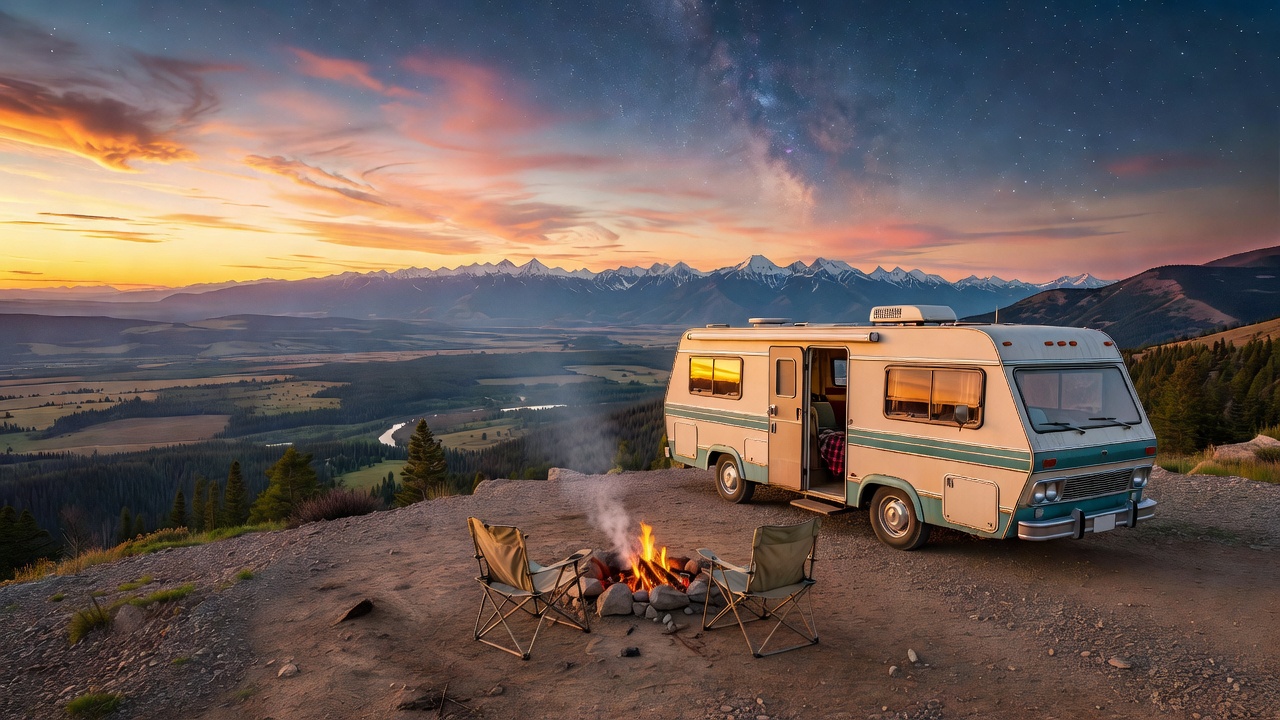
Quick Answer: The Boondocking Setup, Decided
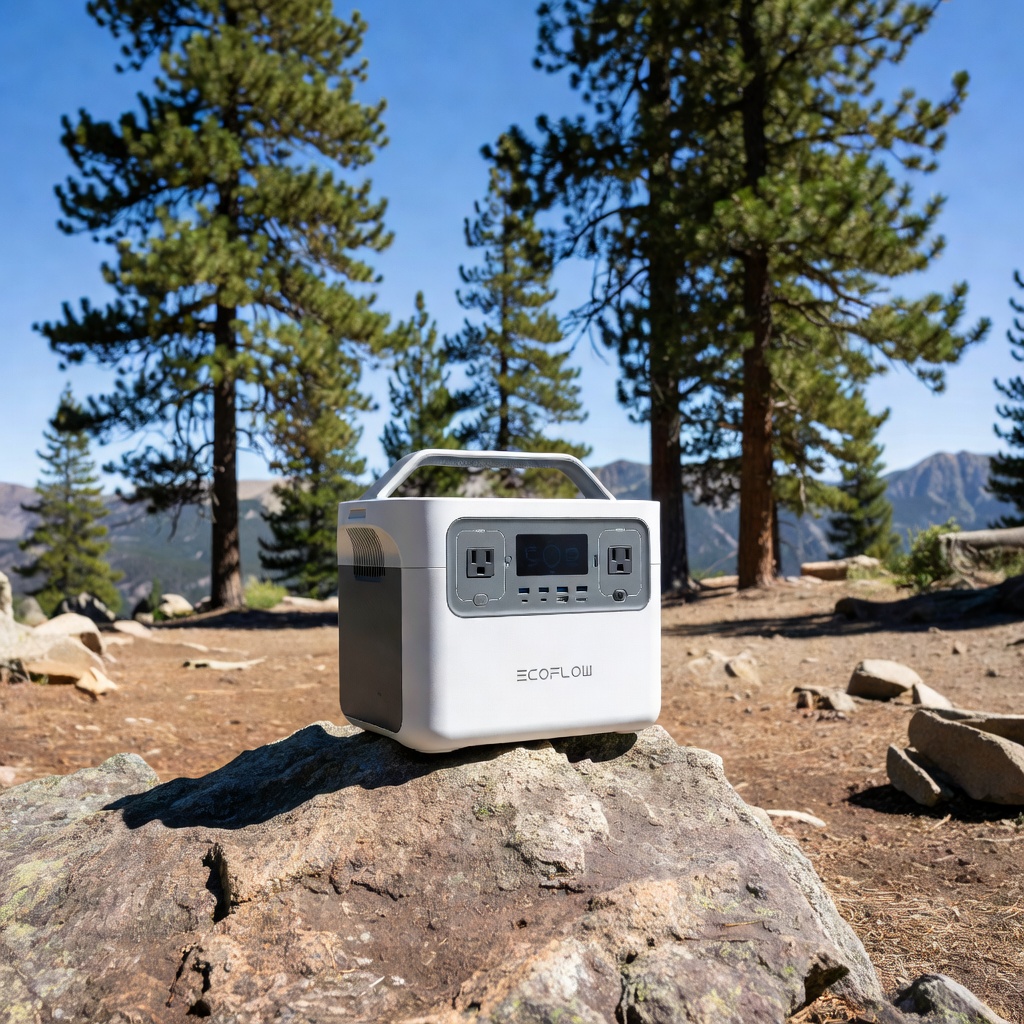
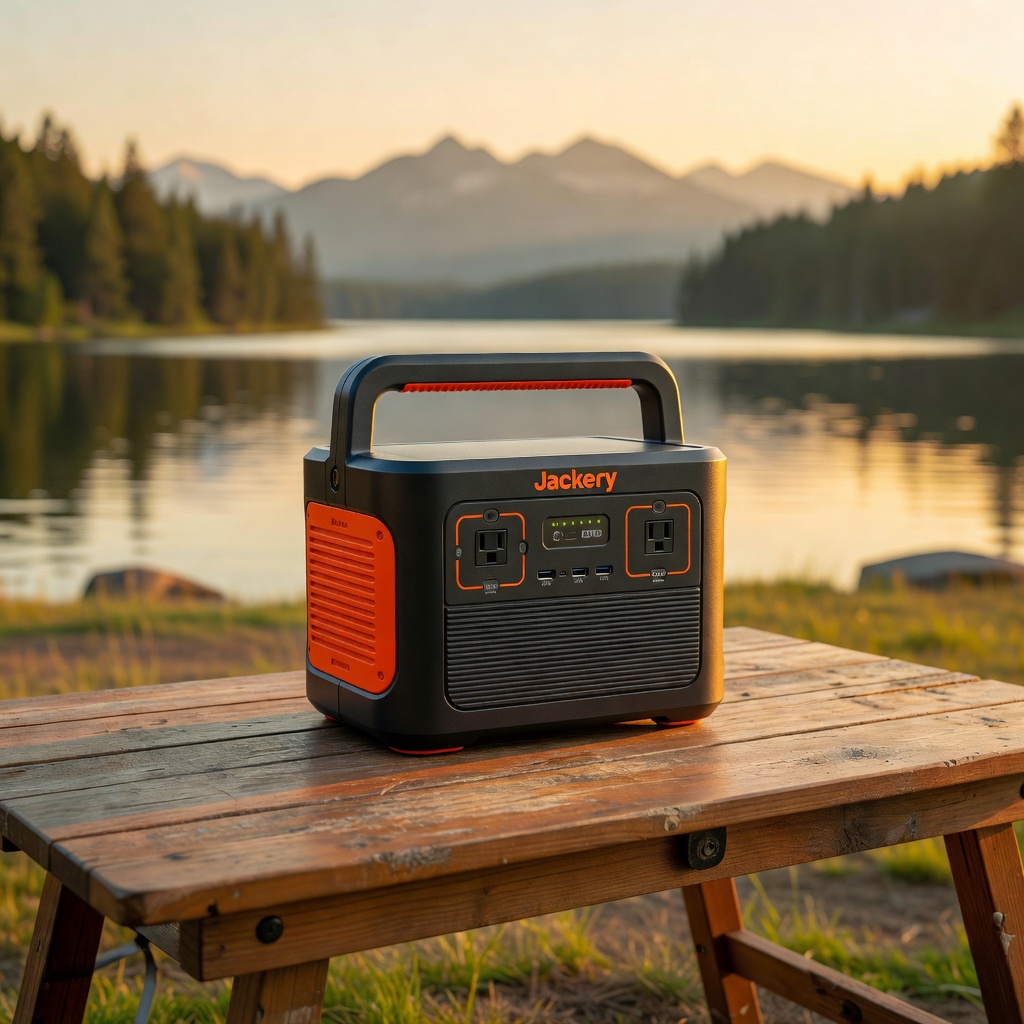
- Power, solo or couple: EcoFlow RIVER 2 — $169.00 for 256Wh, or the Jackery Explorer 300 — $199.00 for 292Wh and a more established brand.
- Power for a full rig or a CPAP: EGO POWER+ 3000W Station — $499.00; the class that runs a small A/C.
- Water in: a lead-free Camco TastePURE hose — $13.97, an inline filter — $17.99, and a brass pressure regulator — $16.99 so an 80 psi spigot cannot burst your fittings.
- Waste out: the Camco RhinoFLEX 20-ft sewer kit — $60.02; no toilet in the rig? Cleanwaste WAG Bags — $44.99 pack it out legally.
- Level before anything else: RVMATE leveling blocks — $32.87 plus wheel chocks — $12.99, or the fridge, doors, and shower all misbehave.
What Is Boondocking (and Why It's Worth Trying)
Boondocking (also called dry camping or dispersed camping) means staying in a self-contained RV with zero hookups: no shore power, no city water, no sewer connection. You rely entirely on your batteries, fresh tank, and holding tanks.
The trade-offs are real — you generate your own power, conserve water, and manage your own waste. The payoff is bigger than free campsites:
- Crowd-free spots in national forests and BLM land that developed campgrounds can't offer
- Dark skies — the stargazing at a boondock site beats any KOA parking lot
- A real night-sky plan — the whole reason a boondock night beats a campground one is that there is no light dome over your rig; our family stargazing camping guide covers how to pick the darkest site near you, the red-light rule, moon phase, and the 2026 meteor shower dates
- Flexibility — no reservations, no check-in window, no neighbors 20 feet away
Most beginners start with 1 to 3 nights. That's the sweet spot: enough to learn your rig's real capacity without pushing into survival mode.
Power: The #1 Boondocking Challenge
Your RV battery can't run the air conditioner off-grid for long, but it can absolutely handle lights, the water pump, the furnace fan, and device charging for days — if you know your numbers. The math is simple: add up the watt-hours you use per day, then match your battery and solar to that number.
A typical boondocking evening — LED lights, furnace fan cycling, water pump, two phones, a laptop, and a fridge on propane — uses roughly 400–700 watt-hours per day. That's the sweet spot for a 256–300Wh portable power station paired with solar, or your RV's house battery if you have one. For the full breakdown of panel sizes and the wattage math, our camping solar guide explains what actually works off-grid.
Portable power stations are the easiest way to add capacity without touching your RV's electrical system:
| Power Station | Capacity | Best For | Price |
|---|---|---|---|
| EcoFlow RIVER 2 | 256Wh / 300W | Solo or couple, 1–2 nights, phone + laptop + lights | $169 |
| Jackery Explorer 300 | 292Wh | 2–3 nights with modest use, trusted brand, 11k+ reviews | $199 |
| Anker SOLIX C300 | 288Wh | Fast charging, USB-C heavy setups, small appliances | $330 |
| EGO POWER+ 3000W Station | 3000W output | Full RV power, CPAP users, even a small A/C window unit | $499 |
Two things to know before you buy:
- LiFePO4 chemistry matters for camping. All three picks above use lithium iron phosphate — they hold charge better in cold, last thousands of cycles, and don't mind being topped off daily by solar. That's a real advantage over older lead-acid setups.
- 300W output covers the essentials but not a hair dryer. A 300W station runs phones, laptops, a fan, a CPAP (with a DC adapter), and small LED strings. For anything with a heating element — hair dryer, kettle, induction cooktop — you need the 3000W class or a generator-style unit.
Need 120V AC on the cheap? The EGO POWER+ 400W Inverter plugs into your existing battery bank and quietly converts DC to AC — enough for a laptop, TV, or small fridge without a second power station.
For a deeper dive on sizing, see our portable power station camping guide.
Solar: The Boondocker's Best Friend
Solar turns a 2-night trip into a 2-week trip. The rule of thumb: 100W of solar ≈ 300–500Wh of usable charge on a sunny day — roughly your entire daily budget.
- Jackery SolarSaga 100W — pairs natively with Jackery stations, folds to a briefcase, 4.6★ from 226+ owners. The natural companion to the Explorer 300.
- BigBlue 28W Folding Panel — a budget trickle charger for topping off phones, tablets, and small stations while you hike or fish. 4.4★ from 4,500+ reviews, and it's genuinely waterproof.
Pro tip: park to face the sun and run your panels from 9am–3pm for peak output. Trees are the #1 solar killer — scout your site in the morning, not at dusk.
Protect Your RV's Electrical System
Boondocking means plugging into nothing — but the moment you visit a friend's driveway or a partial-hookup site, shore power can bite. Two cheap insurance policies:
- Camco Power Defender 30A Surge Protector — catches voltage spikes and wiring faults before they fry your converter. 4.7★ from 5,100+ reviews.
- Camco Power Grip 30A Dogbone — doubles as an adapter and a circuit analyzer that lights up to show reversed polarity or open ground. Cheap peace of mind.
Water: Making Every Gallon Count
This is where most first-time boondockers fail. The math: the average camper uses 10–20 gallons of fresh water per day (shower: 5–10, dishes: 2–3, drinking/cooking: 1–2, toilet flush: 1–2). A 40-gallon fresh tank = roughly 2–4 days of comfortable use. A 30-gallon tank = 1–2 days unless you get serious.
Your three water rules:
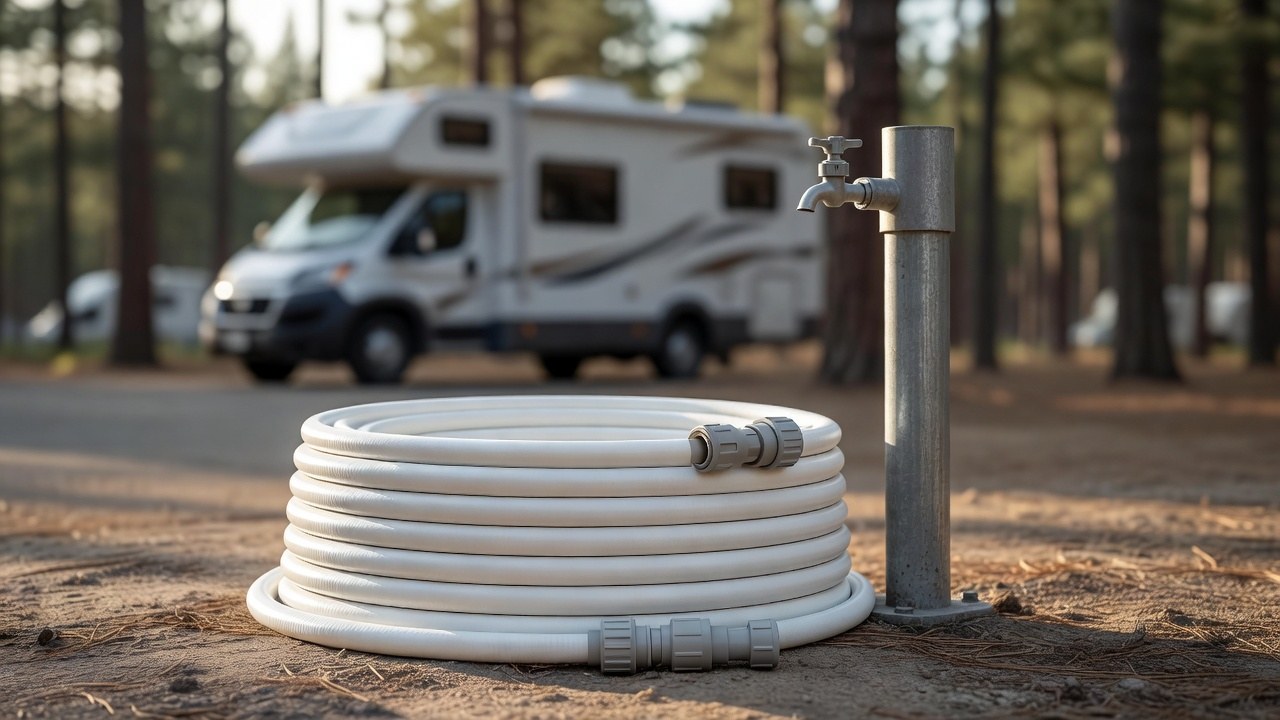
- Fill before you leave. Carry a Camco TastePURE 25-ft drinking water hose — it's lead-free, BPA-free, and 4.5★ from 17,700+ reviewers. Never use the same hose for drinking water and sewer.
- Filter at the tap. The Camco TastePURE Inline Water Filter removes sediment, chlorine, and odors before water hits your tank. 22,000+ reviews, and it threads inline so there's nothing to mount.
- Regulate pressure. Campsite spigots can push 80+ psi — enough to burst cheap fittings. A brass Camco 40055 Water Pressure Regulator drops it to a safe 40–50 psi.
Showers and Washing Up
Real showers on a boondock budget: navy showers (wet down, off, soap up, rinse — 2 minutes total). If your rig has a shower, the Oxygenics BodySpa handheld uses a venturi design that increases water force while reducing flow — a 4.5★ favorite from 11,300+ owners for exactly this situation.
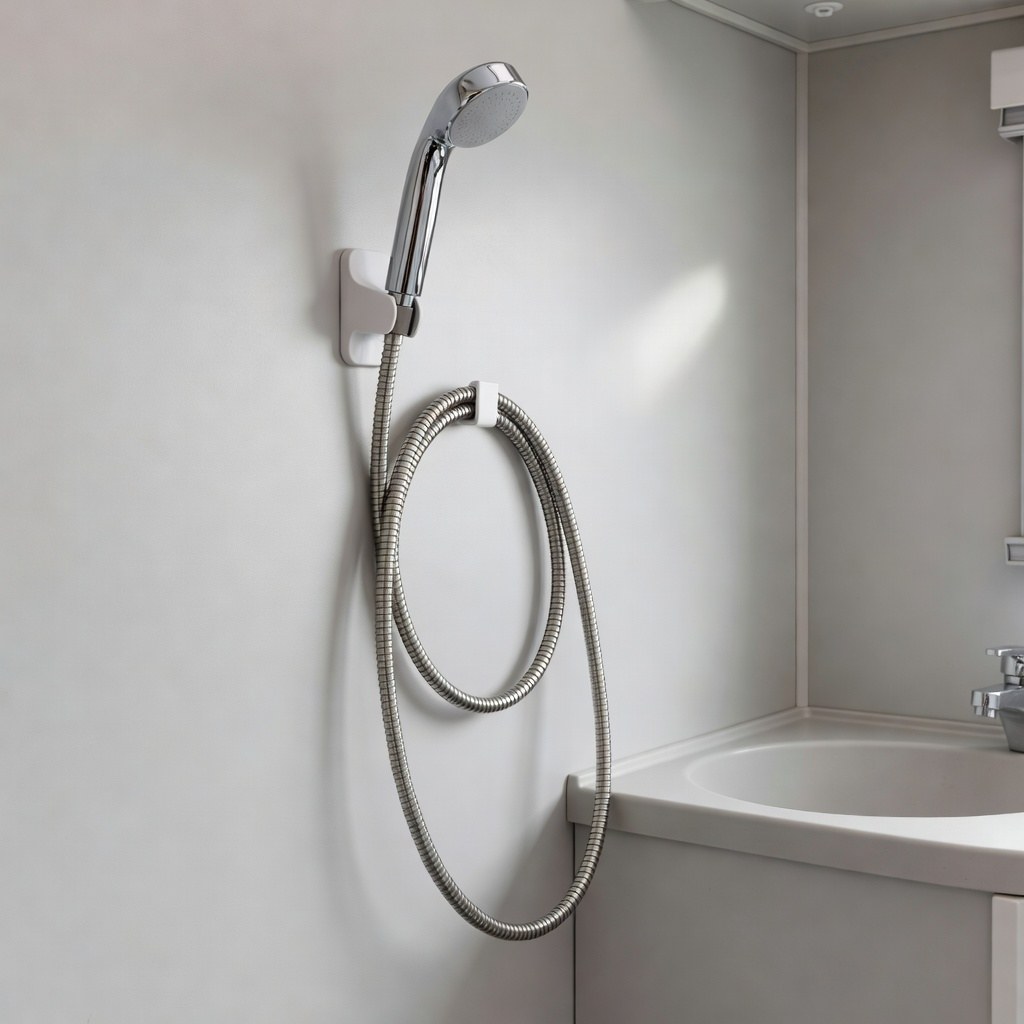
No shower in your rig? A 5-gallon solar shower hung from a tree gives you a warm rinse after a dusty day. Full sanitation planning is in our camping toilet & sanitation guide.
Waste and Sanitation: Handle It Like a Pro
The golden rule of boondocking: your tanks are a resource, not a backup. Track them like your fuel gauge.
- Grey water fills fastest. One shower = several gallons. One sink of dishes = another few. When in doubt, wash dishes outside with a basin and scatter the water (biodegradable soap only, 200 ft from water sources).
- Black tank: never leave it empty, never leave it full. Add treatment and a little water before you leave home.
For the dump run, the Camco RhinoFLEX 20-ft sewer hose kit is the standard for a reason — 4.7★ from 22,900+ reviews, crush-resistant, and the kit includes the fittings you'll actually need.
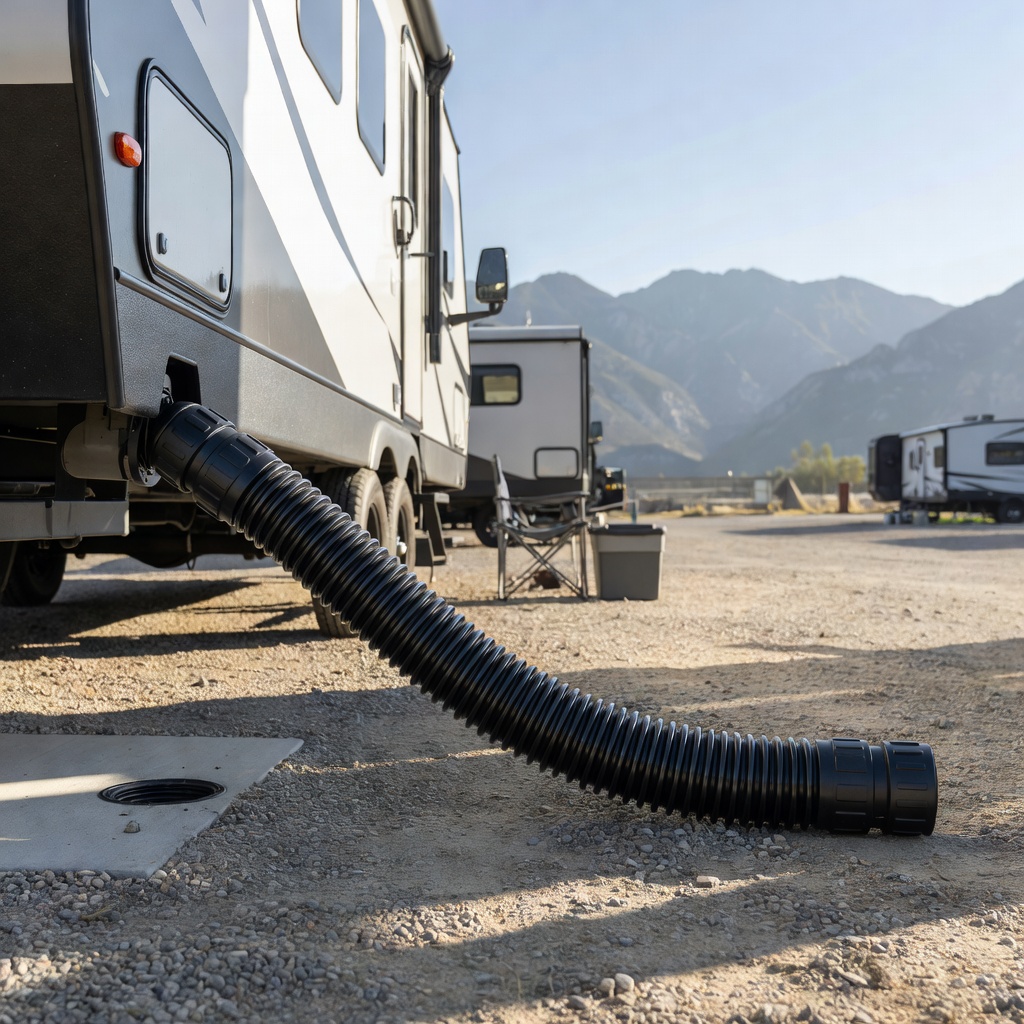
Boondocking without a toilet? Two legit options:
- Cleanwaste WAG Bags — the go-to for dispersed camping. Gel packs solidify waste and neutralize odor; you pack it out. 4.6★ from 3,100+ reviewers, and many public-land agencies now require pack-it-out waste.
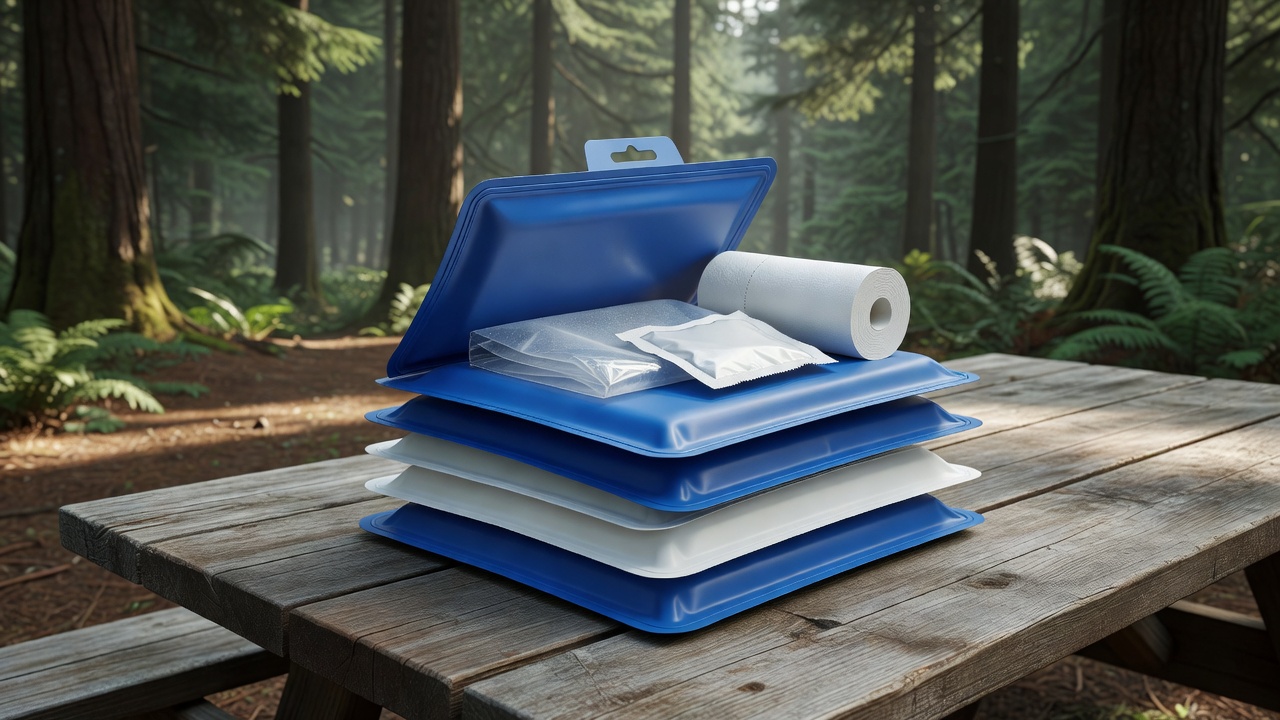
- Reliance Luggable Loo — a 5-gallon bucket toilet with a snap-on seat for when you have a few days of capacity. 4.5★ from 5,200+ owners.
Staying Warm, Cool, and Lit
Off-grid comfort is a chain — power, heat, and light all feed each other.
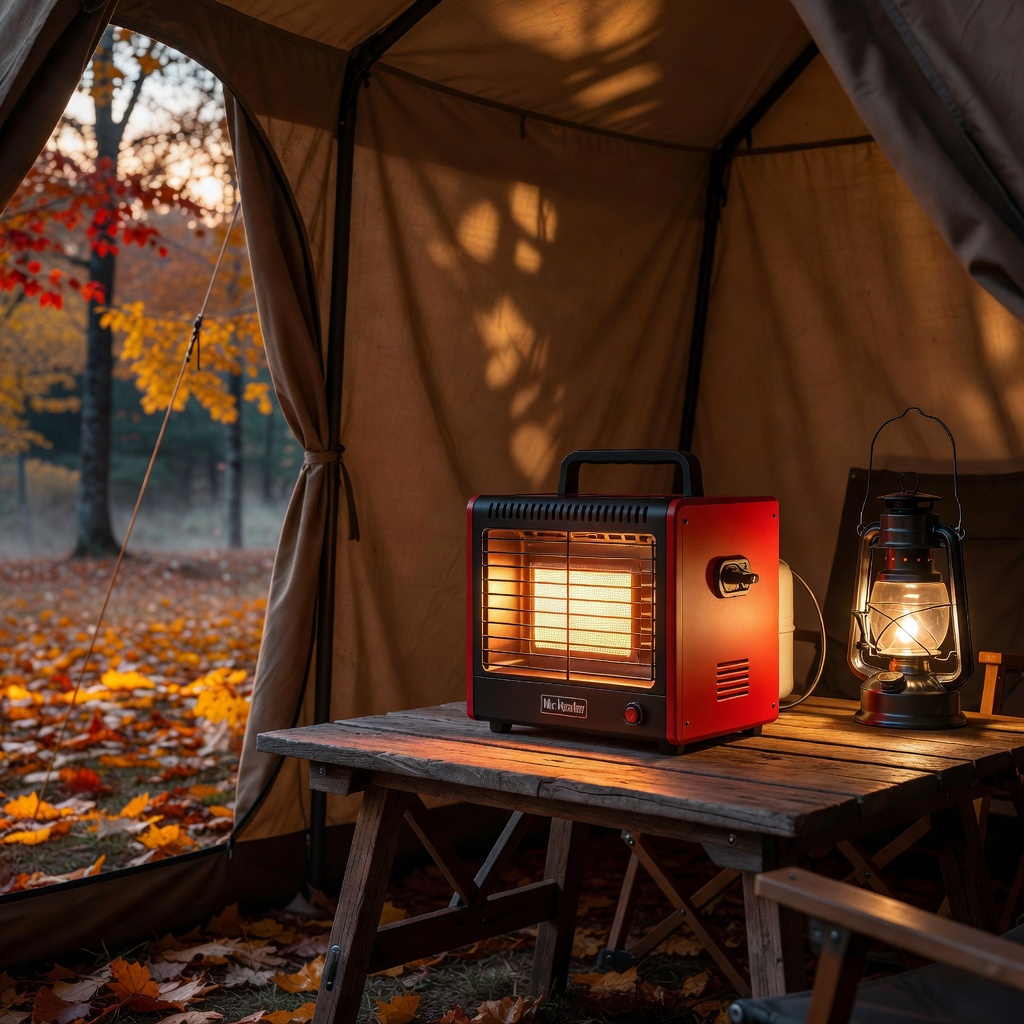
- Heat: The Mr. Heater Buddy runs on 1-lb propane canisters, shuts off automatically if it tips or detects low oxygen, and is the most-recommended RV heater in the country — 4.7★ from 25,000+ reviews. Critical: always crack a vent or window when using any propane heater indoors, and run a CO detector. For propane math and canister questions, see our camp stove fuel guide and how long does a propane canister last.
- Air movement: The FRIZCOL 3-in-1 Camping Fan is a fan, lantern, and 24,000mAh power bank in one — perfect for hot nights and it charges your phone too.
- Light: The Goal Zero Lighthouse Micro Flash Lantern is USB-rechargeable, dimmable, and doubles as a phone charger. More ideas in our camp lighting guide.
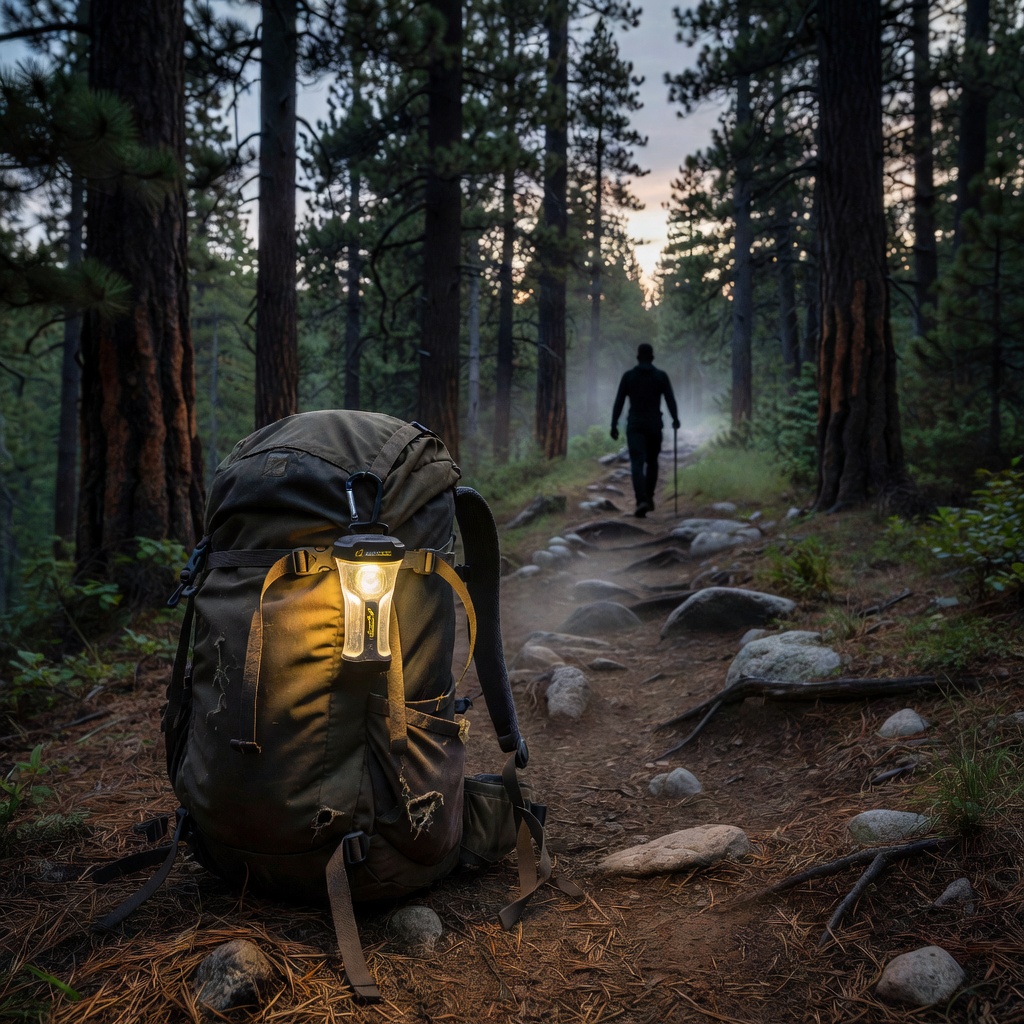
- Sleep warmth: The furnace fan is the load you cannot run all night (see the mistakes section below), so the sleeping layer does the real work. A TETON Sports Celsius 0°F sleeping bag ($59.99, 4.5★ from 18,000+ owners) is the cold-weather default for two adults, the Kelty Cosmic Down 20°F ($169, 4.5★) is the packable upgrade if the same bag also has to work in a car, and the Coleman Palmetto 40°F ($44.99, 4.4★ from 9,500+ owners) is the cheap third bag for a kid who sleeps warm. Under any of them, the Klymit Insulated Static V pad ($94.99, 4.5★ from 7,200+ owners) stops the cold coming up through the mattress — an RV bunk on a bare platform sleeps colder than it feels — and a Therm-a-Rest Z Lite Sol closed-cell pad ($54.95, 4.7★ from 11,500+ owners) is the indestructible backup for a car build. For the couch-and-lantern hour before bed, the Rumpl Original Puffy Blanket ($139, 4.7★) is the one that survives a dropped marshmallow. And if your rig has no bed at all — a van or car setup — the Coleman Trailhead II cot ($54.99, 4.4★ from 24,900+ owners) gets you off the floor, which is most of the battle once the temperature drops.
Camp Kitchen and Food Storage
You're off-grid, but you're not roughing it. A Coleman Classic 1-Burner Butane Stove is a great outdoor cooking backup that keeps heat and smells out of the RV. For a zero-fuel option, the BioLite CampStove 2+ burns twigs and converts the heat into USB power — free fuel and free electricity on a long stay.
Food storage is where boondocking differs from hookup camping: your RV fridge on propane is fine, but every open costs you. Keep drinks and snacks in a dedicated cooler so you're not opening the big fridge all day. The Coleman 70-Quart Xtreme holds 5 days of ice in warm weather — see our best camping coolers guide for the full comparison.
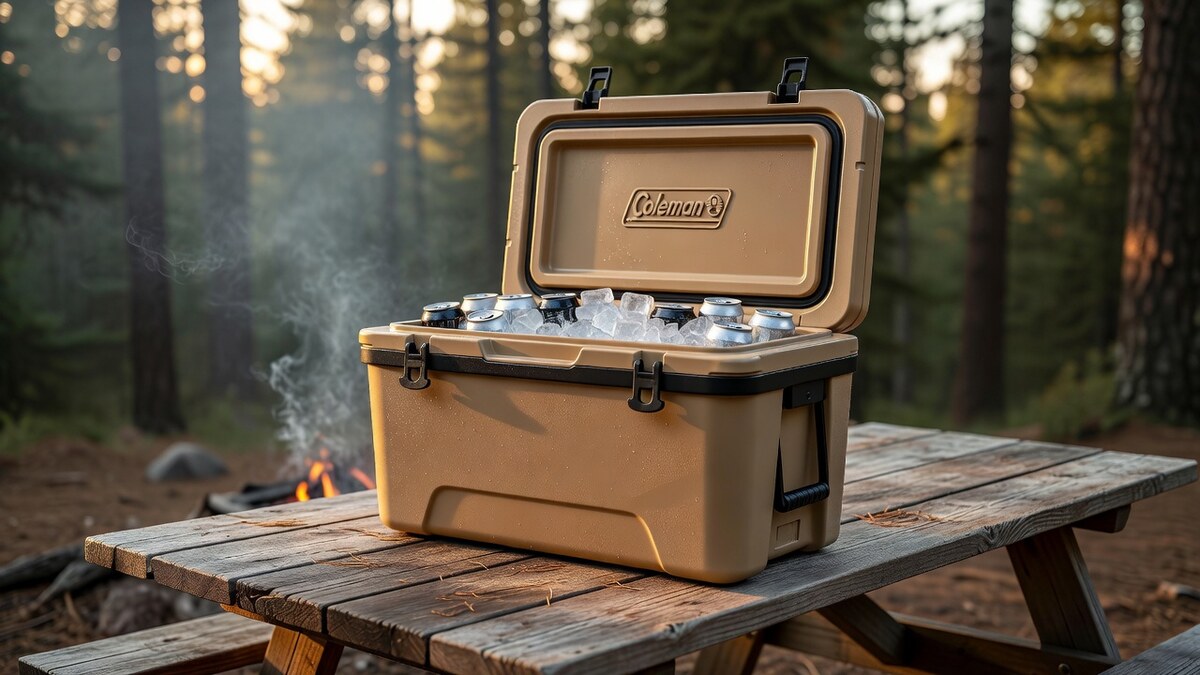
If you'd rather not top up ice mid-trip, the YETI Tundra 45 is the rotomolded size that fits a boondocking week of drinks and cold cuts without taking over the aisle.
Leveling and Setup
A tilted RV is a miserable RV — the fridge doesn't cool right, doors swing, and water pools in the shower. Level the rig before you do anything else:
- RVMATE 12-Pack Leveling Blocks — stackable, interlocking, and rated for heavy trailers. Drive up slowly until the bubble is centered, chock the wheels, then set up camp.
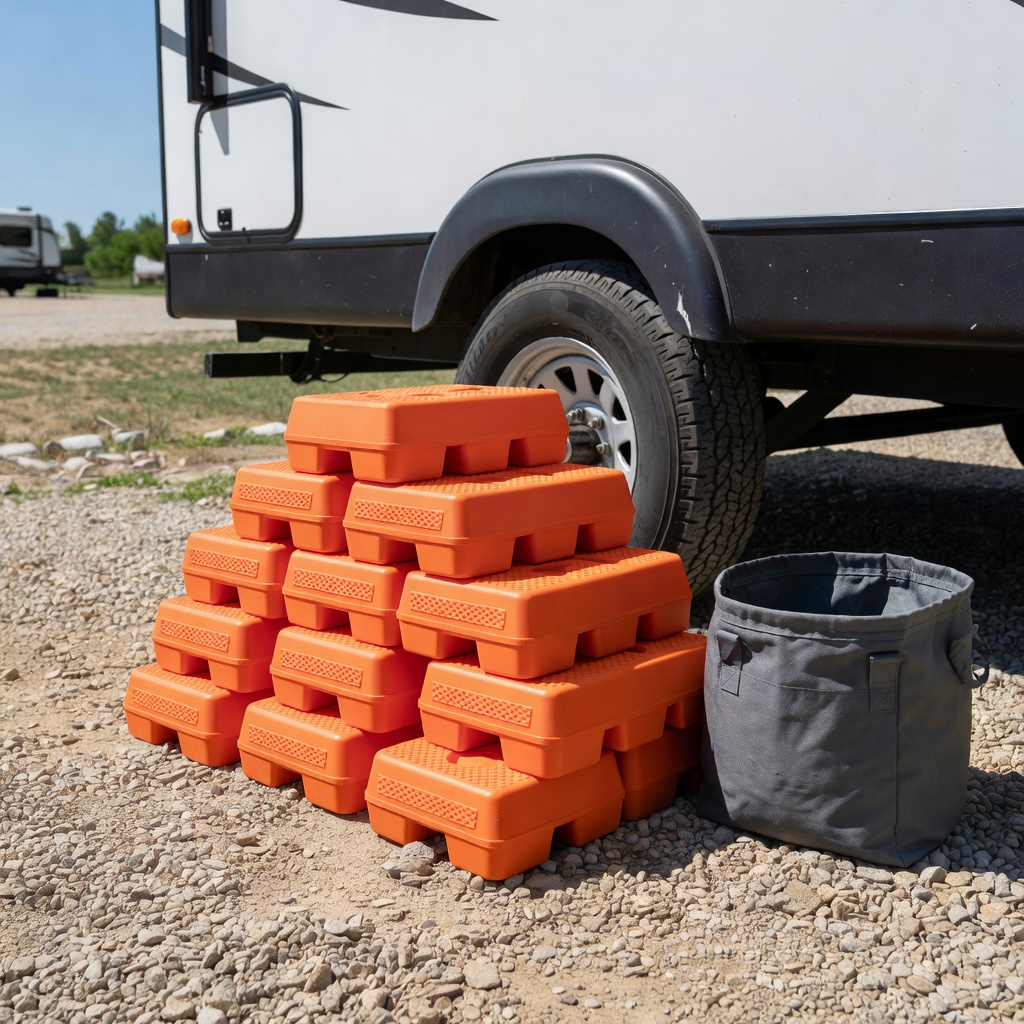
Setup order that saves your back: level → chock → disconnect tow vehicle → power system check → water on → awning. Ten minutes of discipline beats two hours of re-work.
The 10-Item Boondocking Checklist
- Power plan — know your daily watt-hours and bring a station that covers 2× that (e.g., EcoFlow RIVER 2 or Jackery Explorer 300)
- Solar — 100W panel if you're staying 2+ nights in sun
- Fresh water — full tank, filtered hose, inline filter, pressure regulator
- Waste plan — know your tank capacities; bring WAG bags as backup
- Sewer kit — RhinoFLEX for the dump run
- Heat and CO safety — Mr. Heater Buddy + a working CO detector + cracked window
- Light and air — lantern + fan
- Leveling — blocks + wheel chocks
- Propane — full tanks, spare 1-lb canisters, and knowledge of how long they last
- A dump station plan — know where the nearest one is before you need it (Sanidumps and campgrounds are your friends)
Common Boondocking Mistakes (Learn From Mine)
"More water is better." Wrong — more water is more weight and more grey water to manage. Fill 3/4, conserve, and know where the next fill is. I've driven 40 miles to a campground just for a water spigot; it happens to everyone.
Running the furnace off the house battery all night. The fan draws 3–5 amps constantly. A cold night can eat a third of your battery. Sleep cold but safe (layered bags + the Mr. Heater for the evening hours only), and check your battery at midnight.
Assuming solar works in the shade. Parked under junipers, my 100W panel produced 12W. Parked in the open, 80W+. Trees cost you two days of power — always scout the sun path.
Not knowing your tank capacities. Read the sticker on your RV. A 30-gallon grey tank with two showers and a sink habit = dump on day two. Know the numbers before you leave.
Skipping the site scouting trip. Google Earth and free apps like Campendium (with cell booster, if you have one) find you the flat, shaded, open spot instead of the rocky one.
Final Thoughts
Boondocking rewards preparation. Size your power, budget your water, respect your waste, and you'll trade crowded campgrounds for sunsets nobody else can see. Start with one night close to home — somewhere with cell service and a bail-out plan — then stretch it to three. By the time you've done a long weekend off-grid, you'll wonder why you ever paid for a full-hookup site.
Ready to build the rest of your kit? Our essential RV accessories checklist covers the full rig, and the RV vs tent camping comparison helps you decide what's right for your family. And if you're planning the whole trip, don't skip our camping trip planning guide.
Prices and availability checked at publication time; they change often. As an Amazon Associate we earn from qualifying purchases.
Arizona is the best test case in the country for the paid-permit end of boondocking — our Arizona camping guide covers the $180 seven-month Long Term Visitor Area permit. Texas changes the free-camping maths — no BLM land, dispersed camping in the East Texas national forests — and the Texas guide explains it.
New Mexico is a good test case for all of the above — see Camping in New Mexico 2026 for its six-month state park window, the 14-day BLM dispersed limit, the day-of-only backcountry permit at Carlsbad, and the state trust land exception.
Alabama has no equivalent to western BLM land, and its free camping sits in national forests instead — Camping in Alabama explains the difference.
For a worked example of how a state system can invert every rule you know, Camping in Louisiana covers the 30-day dispersed limit and the no-campground national parks.
For a state-level worked example of how BLM, Park Service, state park, and national forest systems layer on top of each other in one trip, see the Camping in Utah guide.
Boondocking vs Dry Camping: What the Words Actually Mean
A beginners guide to boondocking usually stalls on the vocabulary, so let's settle it first. The boondocking definition most land agencies use is narrow — camping in a self-contained rig with no electrical, water, or sewer connection. The boondocking camping meaning people actually use is far looser: they say boondocking camping when they mean any stay on undeveloped ground, whether that's a graded gravel pad off a BLM access road or a spur road in a national forest. Add one qualifier for the rv boondocking meaning — the rig has to be self-contained, because a tent and a cooler in the back of a hatchback is camping, not boondocking.
The plainest answer to what is rv boondocking is that you're carrying your own utilities. Here are the boondocking basics in one line each, and they hold whether you call what you're doing boondocking rv travel or plain dry camping:
- Boondocking — off-grid, self-contained, usually on public land, usually free.
- Dry camping — no hookups, but often at a site you paid for: a state park, a fairground, a county lot. The dry camping meaning is about the hookups, not the location.
- Wet camping — full hookups at a paid site. That's the entire substance of dry camping vs wet camping: the same rig, the same water, just a spigot and a pedestal.
The question we get most is dry camping vs boondocking. The honest answer is "functionally yes, legally no." Boondocking camping means free and dispersed; the dry camping tips below apply to both, so read every dry camping tip here as a boondocking tip too. Treat the pair as dry camping versus boondocking in terms of cost and location, never in terms of the gear you carry.
The other version of that question — what does boondocking mean in camping when the land is private? — has an answer most people don't like: usually nothing good. A Walmart or Cracker Barrel overnight is a courtesy stop, not boondocking, and "camping" on someone's ranch without permission is trespassing.
If a glossy rv boondocking basics video made it look effortless, that's because the host skipped the three numbers that decide every trip: watts, gallons, and days. For a boondocking for dummies framing, remember just this — you are trading hookups for math. Size the math right and you get a free campsite with a view; size it wrong and you're driving to a dump station on day two. The rig-side systems are covered in our RV camping setup guide; the off-grid specifics are what follows.
How to Boondock in Every Rig — Camper, Travel Trailer, Car, and Winter
The mechanics of how to boondock camp never change. Arrive in daylight, level, check your three numbers, unhitch, then relax. What changes with the rig is how much water and power you can carry, and how far you can go before you can't back out.
- For how to boondock in an rv (Class A/B/C), you have the most tank and battery capacity and the most weight to sink. Committing a 30-foot Class C to a soft forest road is the fastest way to end a trip; walk the last 100 yards first.
- For how to boondock in a travel trailer, your constraint is the tow vehicle, not the trailer. You can't reverse out of a bad road as easily, and every gallon of fresh water is tongue weight you feel on a grade.
- For how to boondock in a camper — truck campers, pop-ups, and teardrops — you can reach spots the big rigs can't and use so little power that a 256Wh station genuinely covers a weekend.
- For how to boondock in a car, it's its own discipline: no tanks, no furnace, no fridge. Everything goes in and comes out with you, so the checklist collapses to water, a way to cook, and a way to sleep warm.
Winter changes the whole problem. Knowing how to boondock in the winter is really two jobs — keeping water liquid and keeping yourself warm. Fill the fresh tank to three-quarters only (ice expands and can split a tank), leave the cabinet doors under the sinks open so cabin air reaches the plumbing, and never run a propane heater overnight in a sealed rig.
How to boondock on blm land starts with a map, not a reservation. BLM districts publish motor-vehicle-use maps, and most allow dispersed camping for up to 14 days inside a 28-day window with buffers near water and developed sites. No permit is needed for the standard stay, but you do need to know which district you're standing in, because the rules change at the boundary line.
Full-timers ask how to boondock full time, and the answer is mostly logistics rather than gear: string together 14-day stays inside one district, move at least 25 miles, and treat paid campgrounds as your water-and-dump stations. The tank math never changes — you just get better at it.
For how to live in a camper without hookups for weeks instead of nights, it's an upgrade project, not a packing project. Two upgrades pay for themselves fastest:
- For how to boondock with a 12v refrigerator, know that a compressor fridge is far more efficient than a propane absorption unit — but it runs continuously. Budget 400–700Wh a day and match it with panels.
- For how to boondock without a generator, remember that it's entirely possible with 200W of solar and a 300Wh station, as long as you don't try to run a microwave or an air conditioner. Boondocking without a generator is a habit more than a purchase: cook outside, charge at midday, and go to bed with a warm bag instead of a hot cabin.
If you're still choosing a rig, the best rv for off grid camping is the smallest one that sleeps your family. Tank capacity and solar real estate do scale with length — but so does the chance of getting stuck. A 20-foot trailer with 200W of panels beats a 35-footer with one 100W panel every single time, and the whole rv boondocking setup fits in a smaller footprint than most people expect.
Your Dry Camping Checklist and Packing List
There's no secret to an off grid camping checklist — every version comes down to the same ten items. Here's the planning version; the gear picks are above, so treat this as your dry camping checklist and your boondocking camping list rolled into one:
- Tank capacities — write your fresh, grey, and black numbers on a sticky note and put it where you'll see it.
- A daily watt-hour budget — the single most useful number in dry camping essentials, and the one nobody writes down.
- A water plan — where you fill, how much you carry, where you dump.
- A power plan — station or house battery, plus a solar plan for any stay over two nights.
- Propane — a full tank plus spares, since the furnace is the biggest consumer on board.
- Heat and CO safety — the Kidde portable CO detector is $23.97 and is not optional in a rig you sleep in.
- Leveling and chocks — first thing out of the bay, last thing packed.
- A waste plan — WAG bags or a cassette, plus the nearest dump station.
- Comms — a Garmin inReach Mini 2 satellite messenger if you're going far in. A cell booster only helps where there is already at least a faint tower signal.
- A bail-out plan — one night close to home before you commit to a week.
If you want a dry camping list you can hand to a partner who's never done this, print the ten lines above and ignore the rest of this article until you're home. The long-form version, including first-trip packing detail for a family of five, is in our camping packing list guide — and for off grid camping ideas beyond "somewhere free," the state-by-state guides are the fastest way to find a first trip that won't go wrong. Two rv boondocking hacks worth knowing before your first night: arrive with a full fresh tank even if you think you won't need it, and leave your grey valve closed until you're at a dump station so you can see exactly how much you use. Those two rv boondocking tips alone save most beginners a day. A dry camping packing list and a solid set of rv boondocking essentials are the same document, really — tanks, watts, gallons, and a way to stay warm.
Boondocking Power: Batteries, Options, and Generators
Ask ten owners for the best boondocking battery and you'll get ten answers, because the right answer depends on chemistry and size, not brand. The short version: lithium iron phosphate wins for camping. It holds charge in the cold, tolerates a partial charge every day, and lasts thousands of cycles. Lead-acid is cheaper up front and heavier forever.
How to think about boondocking battery life. It's a division problem. A 100Ah lithium battery delivers roughly 100 usable amp-hours; a 100Ah lead-acid gives you about half that. Boondocking battery life for a typical evening — LED lights, a furnace fan cycling, the water pump, two phones — is 400–700Wh, so a single 100Ah lithium bank covers two to three nights. The other half of the equation is boondocking battery charging: solar adds 300–500Wh back on a good day, a DC-DC charger adds more on travel days, and shore power when you visit a friend's driveway resets everything.
The order that works, every time:
- Measure your draw before you buy anything.
- Size for two nights, not one — the overnight furnace fan is the load that surprises everyone.
- Add solar before you add a second battery. Extra capacity with no way to refill it just delays the same math by a day.
If you'd rather not touch the rig's wiring, a portable station is your boondocking battery setup and the easiest rv boondocking battery setup there is — no lugs, no fuses, no 12V panel work. For a proper best rv boondocking battery replacement, look at amp-hour rating and cycle life, never at the CCA number meant for starting an engine.
Here are boondocking power options, ranked by how much you want to spend:
- A weekend boondocker power supply — a 256–300Wh portable power station covers lights, phones, a laptop, and a CPAP all weekend. The EcoFlow RIVER 2 is $169 and the Anker SOLIX C300 adds USB-C fast charging.
- Real boondocking power solutions for a full rig start with the 3000W inverter class, like the EGO POWER+ 3000W Station at $499, which runs a coffee maker, a hair dryer, or a small window A/C.
- Both camper boondocking power and travel trailer boondocking power come down to the same thing: a house battery sized for the furnace plus a way to recharge it. Rv boondocking power isn't a mystery once you know your amp-hours.
An off grid rv setup that runs a microwave for weeks costs real money. Most families are happier with a smaller bank, panels, and a cook-outside habit. And on the generator question: the best boondocking generator is the one you rarely start. A dual-fuel inverter generator is what most people mean by rv boondocking generator, but if you're only charging batteries, a solar-plus-station setup is quieter, has no fuel to store, and never wakes your neighbors at 7am.
Boondocking Solar: Panels, Kits, and Solar vs Generator
Nothing turns a two-night trip into a two-week trip like boondocking solar panels. The rule of thumb: 100W of panel yields 300–500Wh of usable charge on a sunny day — roughly your whole daily budget. That single number is what makes a boondocking solar setup worth the money.
- A starter boondocking solar kit — 100W folding panel plus a station. The Jackery SolarSaga 100W pairs natively with Jackery stations; at $179 it's the most common first purchase we see.
- A bigger setup for real boondocking — the Jackery SolarSaga 200W bifacial at $699 doubles the harvest and doubles as a rain-rated panel.
- A budget trickle charger — the BigBlue 28W folding panel at $59.97 tops off phones and small stations while you hike.
A boondocking solar generator — a station bundled with a matching panel — is the cheapest way to buy both halves at once, and it's what most beginners should start with. The choice of boondocking solar vs generator is really a question about noise and fuel: a generator wins on cloudy weeks and for running an air conditioner, while solar wins on weight, silence, and the fact that it never needs a gas can. Most experienced boondockers end up with both and use the generator as an emergency backup, not the primary source.
Going boondocking without solar is possible — you can charge from your tow vehicle, a DC-DC charger, or a campground pedestal between stops — but any stay past three nights in summer will show you why every boondocking rv solar panels diagram you'll find online starts with "measure your draw." If you're shopping for the best solar panels for rv boondocking, size the array for your worst day, not your best; and any rv boondocking solar setup you copy from a forum needs to be sized to your draw, not the poster's. The full wattage breakdown lives in our camping solar guide.
Water, Toilets, and Tank Upgrades for Off-Grid Days
Water is where first-timers lose. The math: the average camper uses 10–20 gallons a day (shower 5–10, dishes 2–3, drinking and cooking 1–2, toilet 1–2). A 40-gallon tank is two to four comfortable days; a 30-gallon tank is one to two unless you get serious about boondocking water usage.
Getting water in. Knowing how to get water when boondocking starts with knowing your sources. Fill at a known potable spigot with a Camco TastePURE hose, then treat anything questionable. A boondocking water filter — the Camco inline or a Sawyer Squeeze for drinking water — removes sediment, chlorine, and taste before it reaches the tank. Your rv boondocking water supply plan also needs a boondocking water storage answer: a 5-gallon jerry can or a collapsible boondocking water bladder in the truck bed, because the nearest spigot is often 30 miles from the nearest good campsite. A boondocking water tank fills slowly from a jerry can, so plan ten minutes per five gallons with a funnel.
Upgrades that matter. A boondocking water pump that can prime from a jerry can saves you hauling buckets; boondocking with tankless water heater units is fine off-grid as long as the pump holds pressure. If you have a boondocking water heater with a pilot, use it sparingly — the Oxygenics BodySpa shower head cuts flow while keeping pressure, which is the cheapest conservation upgrade there is.
Two very different problems get lumped together: rv camping without water hookup, and rv camping without sewer hookup. Both are solved by the same habits — navy showers, paper plates on heavy days, dishwashing in a basin outdoors with biodegradable soap, and a rule that the grey valve stays closed so you can see your consumption. The full planning framework is in our RV water system guide.
The boondocking bathroom question. Most rigs have one; the issue is capacity, not plumbing. If yours doesn't, your boondocking toilet options are a Cleanwaste WAG Bag kit (pack-it-out, and now required on a lot of public land) or a bucket toilet like the Reliance Luggable Loo. For a middle option, the Camco portable travel toilet at $54.99 flushes like a real toilet and empties like a cassette, and the Camco 5-gallon bucket toilet at $34.99 is the cheapest thing that isn't a hole in the ground.
The question every beginner eventually asks — can you poop in a portable camping toilet? — has a boring answer: yes, that's what it's for. The portable camping toilet instructions themselves come down to three rules: line it or dose it, empty it at a proper dump point, and never in a vault toilet or a trash can. The best boondocking toilet for your rig is the one that's easy enough to empty that you actually will. Add Camco TST drop-in treatment to the black tank and a dry camping toilet stops being a chore. The camping toilet and sanitation guide covers dump-point etiquette in detail.
Hookup mechanics, for the days you're not off-grid. What is required for rv hookup at a full-service site is just three things — water, power, and sewer — but the order matters. Learning how to hook up rv at campsite properly means pressure regulator first, then filter, then hose; electric before sewer; and gloves for the last step.
Finding Boondocking Sites: Maps, Apps, and Free Land
The best boondocking app is whichever one you'll actually open at 4pm with 40 miles of graded dirt ahead of you. In practice you need two things: a boundary layer and a boondocking camping apps tab you trust. Campendium and iOverlander are the two we've had the most luck with — but no app, not even a good rv boondocking app, will tell you the road surface, which is the thing that actually strands people.
Here's how to find boondocking sites, step by step:
- Start with the boundary, not the pin. BLM and national forest motor-vehicle-use maps decide where the boondocking sites legally are.
- Cross-check with an app. The boondocking campsites in Campendium and iOverlander are user-submitted, so read the newest reviews for road condition and cell signal.
- Look for a boondocking camping sites pin on a spur road, not the main drag — you'll be off the dust and away from the 5am diesel. Most dry camping spots on the main road are exactly the ones you came out here to avoid.
- Assume no signal. Off grid rv sites are often valleys; download offline maps before you leave.
Think of it in layers. An rv boondocking map shows you the legal envelope; an rv boondocking locations list gives you pins inside it. Treat any rv boondocking places list as a starting point only, and cross-check rv boondocking sites against the newest review before you commit a rig to the road. The line between off grid camping sites and off grid rv sites is not as blurry as it looks: a boondocking rv spots list usually needs a flat, graded pull-through, while off grid rv camping in a canyon with a 12-foot clearance bridge is a different plan entirely. If you're in an off grid rv camper or a small trailer, an off grid camping site can be almost any clearing — and off grid camper camping in national forests is the cheapest version of any of this. Full-time off grid rving is a matter of stringing 14-day stays together inside one district, then moving on. A boondocking campgrounds listing (the paid kind, with water and a dump) is your replenishment stop, not your destination — and a state or national campground mid-loop is the cheapest way to refill water and dump before the next stretch.
Our habit is to answer two questions in every forum thread — is boondocking free, and is boondocking safe — before anyone even asks. Is boondocking free? On BLM, Forest Service, and most state trust land, yes. On wildlife management areas, tribal land, and anywhere near a developed water source, no, or not without a permit. Is boondocking safe? Generally yes, with the same precautions you'd take at any remote campsite: tell someone your plan, arrive before dark, keep the tank full, and don't camp alone somewhere you feel unsure about. One real advantage of this whole approach is rv camping without reservations — no six-month booking window, no fees, no site you couldn't see before you paid. For the family version of that calculus, the camping trip planning guide walks through a two-adult check-in routine that works well on trips with kids.
Where to Boondock: The Winter Southwest and Beyond
Once you can find a site, the next question is where to drive in January. Three regions carry most of the traffic.
Ask anyone who winters in the desert where to start and the answer is boondocking arizona — Quartzsite alone hosts hundreds of thousands of rigs each winter on Long Term Visitor Areas. There's more to it than Quartzsite, though. Boondocking flagstaff runs into the Coconino National Forest south of town once the snowpack is set, and the Mogollon Rim country is what people mean by boondocking payson az and boondocking near greer az — high, cool, pine, and closed by snow from roughly November to April. Red rock country is the other half: boondocking sedona means the national forest roads off 89A and Loy Butte, and boondocking williams az and boondocking near flagstaff az are the two we hear most from families who want cooler summer nights. Dry camping in Arizona is a genuine year-round option; July at 1,500 feet is not. Our Arizona camping guide has the permit details, including the $180 seven-month Long Term Visitor Area pass.
Other winter options. Off grid rv camping Colorado is the summer counterpart — high-elevation national forest land, 14-day limits, and snow closures above 9,000 feet from roughly November. The other warm-winter picks are covered in our New Mexico and Texas guides; Texas is worth flagging because it has almost no BLM land and dispersed camping instead happens in the East Texas national forests.
A note on private "off-grid" ranches. If a listing advertises off the grid rv ranch camping with a fee attached, you're looking at a private campground with a marketing angle. That's fine — but don't confuse it with public-land boondocking, which is what the rest of this guide describes.
Dry Camping Food and Meals Off-Grid
Dry camping food planning starts with one constraint: every open of the fridge costs you. A propane absorption fridge is fine off-grid, but each door-open cycle dumps cold air and burns propane. Two habits fix it — keep drinks in a separate cooler so nobody opens the big fridge for a soda, and prep what you can before you leave.
Here are dry camping meals that actually work off-grid:
- One-pot dinners — chili, pasta, curry. One burner, one pot, one washing-up job.
- Breakfast you don't cook — yogurt, fruit, granola, and a French press instead of a stove-and-skillet production. Our camping breakfast ideas guide is mostly about not turning breakfast into a two-burner event.
- Lunch as an assembly job — wraps, sandwiches, and a jar of something cold from the cooler you're already carrying.
- A no-cook night — canned or pouch food on the day you move campsites.
Once you stop treating every meal as an event, dry camping food ideas get much more interesting. For dry camping food storage, a Coleman 70-Quart Xtreme cooler holds five days of ice in warm weather and doubles as a bench. If you want the full comparison before you buy, our camping coolers guide covers ice retention by price tier.
Packing the rig out? The ranked pages are the fastest way to fill the gaps: RV accessories, solar and power gear and safety and tool gear.
For a state that runs four separate camping systems, our Camping in Kentucky guide separates the national forest pass rule from the state park portal and Mammoth Cave's permit system.
Nevada is the extreme version of that same problem: camping in Nevada walks through five land systems that share no booking portal, and it is the cleanest illustration of why the agency, not the state, sets the rule.
Boondocking through the holidays is a distinct trip — the rig is the kitchen, the heating and the dining room at once. Our Christmas and New Year's camping guide covers the holiday week specifically: what stays open on Christmas Day, how to hold a New Year's Eve site, and the menu that works without a full kitchen.
Boondocking, Search by Search: What Beginners Actually Ask
The questions below are the ones that actually come up before a first off-grid night, written the way people type them. Every answer is sized against the three numbers that decide a trip — watts, gallons and days — rather than against a product label.
Boondocking Power Questions, Decoded
| Search form | The honest answer |
|---|---|
| rv off grid solar system packages with batteries | Lithium iron phosphate wins for camping: it holds charge in the cold, tolerates a top-off every day, and lasts thousands of cycles. A 100Ah lithium bank gives roughly 100 usable amp-hours, which is two to three nights against the 400–700Wh a day a typical boondocking evening uses. |
| best deep cycle rv battery for boondocking | Think in amp-hours, not brand names. A 100Ah lithium battery delivers about 100 usable amp-hours; the lead-acid equivalent gives you half that for the same footprint. Size for two nights rather than one, because the overnight furnace fan is the load that surprises everyone. |
| best lithium battery for rv boondocking | Look at amp-hour rating and cycle life, never the CCA number meant for starting an engine. Two 6V golf-cart batteries in series are the old-school answer; a single 100Ah lithium is the modern one, and the easiest version of all is a portable station with no wiring at all. |
| best portable generator for boondocking | The best boondocking generator is the one you rarely start. A dual-fuel inverter unit earns its space for air conditioning, a microwave, or a long cloudy stretch; for lights, phones and a furnace fan, solar plus a battery bank is quieter, carries no fuel, and never wakes your neighbours at 7am. |
| best inverter generator for boondocking | Buy an inverter generator, not an open-frame construction unit — quiet enough to run at a campsite and clean enough for electronics. Most experienced boondockers carry one as an emergency backup and start it a handful of times a season. |
| best solar generator for rv boondocking | A solar generator is a station and a matching panel bought together — the cheapest way to buy both halves at once, and the right first purchase for most beginners. 100W of panel replaces roughly 300–500Wh of the 400–700Wh daily budget, which is what turns a two-night trip into a two-week one. |
| best battery setup for rv boondocking | A 256–300Wh station covers lights, phones, a laptop and a CPAP all weekend, which is why most first-timers start there instead of rewiring the rig — no lugs, no fuses, no 12V panel work. Add solar before you add a second battery; capacity you can't refill just delays the same math by a day. |
| best lithium battery for boondocking | A 256–300Wh station covers lights, phones, a laptop and a CPAP all weekend, which is why most first-timers start there instead of rewiring the rig. Add solar before you add a second battery — capacity you can't refill just delays the same math by a day. |
| best solar generator for boondocking | A solar generator is a station and a matching panel bought together — the cheapest way to buy both halves at once, and the right first purchase for most beginners. 100W of panel replaces roughly 300–500Wh of the 400–700Wh daily budget, which is what turns a two-night trip into a two-week one. |
| best battery for boondocking camper | Lithium iron phosphate wins for camping: it holds charge in the cold, tolerates a top-off every day, and lasts thousands of cycles. A 100Ah lithium bank gives roughly 100 usable amp-hours, which is two to three nights against the 400–700Wh a day a typical boondocking evening uses. |
| best 6v rv battery for boondocking | Think in amp-hours, not brand names. A 100Ah lithium battery delivers about 100 usable amp-hours; the lead-acid equivalent gives you half that for the same footprint. Size for two nights rather than one, because the overnight furnace fan is the load that surprises everyone. |
| best generator for rv boondocking | The best boondocking generator is the one you rarely start. A dual-fuel inverter unit earns its space for air conditioning, a microwave, or a long cloudy stretch; for lights, phones and a furnace fan, solar plus a battery bank is quieter, carries no fuel, and never wakes your neighbours at 7am. |
| best solar panels for boondocking | Size the array for your worst day, not your best. 100W of panel yields 300–500Wh of usable charge on a sunny day, which is roughly the whole 400–700Wh daily budget; a 200W bifacial panel doubles that harvest and is rain-rated. Portables beat roof-mounted if the site is wooded. |
| boondocking with electric fridge | A compressor 12V fridge uses a fraction of the power of a propane absorption unit and doesn't care about being level — but it runs continuously, so budget 400–700Wh a day and match it with panels. That's exactly what 100–200W of solar replaces in summer. |
| solar power for off grid camping | For a full rig it comes down to the house battery sized for the furnace plus a way to charge it: solar by day, a DC-DC charger on travel days, a campground pedestal between stops. That's the whole off-grid power system, and measuring your draw is step one of it. |
| best solar setup for boondocking | Size the array for your worst day, not your best. 100W of panel yields 300–500Wh of usable charge on a sunny day, which is roughly the whole 400–700Wh daily budget; a 200W bifacial panel doubles that harvest and is rain-rated. |
| best rv battery for boondocking | Look at amp-hour rating and cycle life, never the CCA number meant for starting an engine. Two 6V golf-cart batteries in series are the old-school answer; a single 100Ah lithium is the modern one, and the easiest version of all is a portable station with no wiring at all. |
| rv off grid solar power systems | For a full rig it comes down to the house battery sized for the furnace plus a way to charge it: solar by day, a DC-DC charger on travel days, a campground pedestal between stops. That's the whole off-grid power system, and measuring your draw is step one of it. |
| best generator for boondocking | Buy an inverter generator, not an open-frame construction unit — quiet enough to run at a campsite and clean enough for electronics. Most experienced boondockers carry one as an emergency backup and start it a handful of times a season. |
| off grid camping power systems | For a full rig it comes down to the house battery sized for the furnace plus a way to charge it: solar by day, a DC-DC charger on travel days, a campground pedestal between stops. That's the whole off-grid power system, and measuring your draw is step one of it. |
| best generator for dry camping | The best boondocking generator is the one you rarely start. A dual-fuel inverter unit earns its space for air conditioning, a microwave, or a long cloudy stretch; for lights, phones and a furnace fan, solar plus a battery bank is quieter, carries no fuel, and never wakes your neighbours at 7am. |
| best way to power rv off grid | For a full rig it comes down to the house battery sized for the furnace plus a way to charge it: solar by day, a DC-DC charger on travel days, a campground pedestal between stops. That's the whole off-grid power system, and measuring your draw is step one of it. |
| best battery for dry camping | A 256–300Wh station covers lights, phones, a laptop and a CPAP all weekend, which is why most first-timers start there instead of rewiring the rig. Add solar before you add a second battery — capacity you can't refill just delays the same math by a day. |
Water and Tank Questions, Decoded
| Search form | The honest answer |
|---|---|
| water filter for off grid camping | Two separate jobs: getting water into the tank, and making unknown water safe to drink. Fill from a known potable spigot with a lead-free hose, then filter anything questionable — an inline filter for tank fills, a hollow-fibre squeeze for drinking water. Never assume a forest spigot is potable. |
| water tank for off grid camping | You'll use 10–20 gallons a day — shower 5–10, dishes 2–3, drinking and cooking 1–2, toilet 1–2. A 40-gallon tank is two to four comfortable days; a 30-gallon tank is one to two unless you get serious. Fill to three-quarters rather than full, because more water is also more weight and more grey water to manage. |
| off grid camping water heater | Tankless units are fine off-grid as long as the pump holds pressure; a pilot-light heater should be used sparingly because it burns fuel the whole time it's lit. The cheapest conservation upgrade is a venturi shower head that keeps the pressure while cutting the flow. |
| off grid camp water system | Know the sticker numbers before you leave: a 30-gallon grey tank with two showers and a sink habit means dumping on day two. Carry a jerry can in the truck bed and expect about ten minutes per five gallons through a funnel. |
| off grid camping hot water | Hot water is a fuel-and-water problem, not a plumbing one. Navy showers — wet down, off, soap, rinse — get two people through a shower on a couple of gallons, which is what actually stretches the tank. |
| dry camping water supply | You'll use 10–20 gallons a day — shower 5–10, dishes 2–3, drinking and cooking 1–2, toilet 1–2. A 40-gallon tank is two to four comfortable days; a 30-gallon tank is one to two unless you get serious. Fill to three-quarters rather than full, because more water is also more weight and more grey water to manage. |
| dry camping water pump | A pump that can prime from a jerry can saves you hauling buckets, and it's the upgrade to make before you think about a second tank. Pair it with a pressure regulator, because campsite spigots can push 80 psi at fittings rated far lower. |
| boondocking black tank | Never leave it empty, never leave it full. Add treatment and a little water before you leave home, keep the grey valve closed so you can see your consumption, and plan the dump run into the trip instead of discovering it on day two. |
Toilet and Tank Questions, Decoded
| Search form | The honest answer |
|---|---|
| dry camping toilet options | Three legitimate answers: pack-it-out WAG bags, which a lot of public land now requires; a 5-gallon bucket toilet with a snap-on seat; or a flushing portable that empties like a cassette. Line it or dose it, empty at a proper dump point, and never in a vault toilet or a trash can. |
| dry camping toilet bags | The one you'll actually empty is the right one. Gel-pack bags for public land that requires pack-it-out, a bucket toilet for a few days of capacity, and a flushing portable if you want something that feels like a household toilet. Add drop-in treatment and it stops being a chore. |
Where to Boondock: States, Maps and Apps, Decoded
| Search form | The honest answer |
|---|---|
| where can you boondock in california | California's free camping sits mostly on BLM and national forest land, with the Mojave and the Eastern Sierra as the year-round standouts. The limit is the district's — typically up to 14 days in one spot inside a 28-day window — not the state's. See the California guide for the ground rules that actually bind. |
| where can you boondock in michigan | Michigan has almost no BLM land: you're looking at dispersed camping in the national forests (Huron-Manistee, Ottawa) and state forest land, each with its own limit and its own map. See the Michigan guide for the ground rules that actually bind. |
| where can you boondock in colorado | Colorado is the high-country counterpart — national forest land at elevation, 14-day limits, and snow closures above roughly 9,000 feet from November into spring. See the Colorado guide for the ground rules that actually bind. |
| where can you boondock in florida | Florida's free camping runs through state forest and water-management-district land rather than BLM, so the rules are per-tract and some districts require a no-cost permit before you park. See the Florida guide for the ground rules that actually bind. |
| free boondocking apps for android | Campendium and iOverlander are the two we've had the most luck with, and both are free to use — a paid tier buys offline maps and filtering, not better pins. No app tells you the road surface, which is the thing that actually strands people. |
| where can you boondock for free | On BLM, Forest Service and most state trust land, yes — free and dispersed, typically up to 14 days in one spot inside a 28-day window, with buffers near water and developed sites. Start from the agency's motor-vehicle-use map rather than a pin on a map. |
| boondocking sites in minnesota | Minnesota's dispersed camping is state forest land plus the Superior National Forest, not BLM — and the state forest rules are the ones worth reading first, because they differ from the national forest next door. See the Minnesota guide for the ground rules that actually bind. |
| where to boondock in wisconsin | Wisconsin allows dispersed camping in the Chequamegon-Nicolet National Forest and on some county forest land; the state park system is mostly developed sites, so the free version lives on federal and county ground. See the Wisconsin guide for the ground rules that actually bind. |
| where to boondock in colorado | Colorado is the high-country counterpart — national forest land at elevation, 14-day limits, and snow closures above roughly 9,000 feet from November into spring. See the Colorado guide for the ground rules that actually bind. |
| boondocking sites in michigan | Michigan has almost no BLM land: you're looking at dispersed camping in the national forests (Huron-Manistee, Ottawa) and state forest land, each with its own limit and its own map. See the Michigan guide for the ground rules that actually bind. |
| best winter boondocking spots | Quartzsite is the winter capital of the whole hobby — Long Term Visitor Areas host hundreds of thousands of rigs a season on the $180 seven-month permit. Arizona also works year-round at elevation in summer, while Flagstaff and the Mogollon Rim country are snowed in from roughly November to April. |
| boondocking sites in florida | Florida's free camping runs through state forest and water-management-district land rather than BLM, so the rules are per-tract and some districts require a no-cost permit before you park. See the Florida guide for the ground rules that actually bind. |
| where to boondock in florida | Florida's free camping runs through state forest and water-management-district land rather than BLM, so the rules are per-tract and some districts require a no-cost permit before you park. See the Florida guide for the ground rules that actually bind. |
| where can you boondock camp | The legal envelope decides it, not the scenery: find which district you're standing in, check that district's motor-vehicle-use map, then pick a spur road rather than the main drag so you're off the dust. |
| michigan boondocking rules | Michigan has almost no BLM land: you're looking at dispersed camping in the national forests (Huron-Manistee, Ottawa) and state forest land, each with its own limit and its own map. See the Michigan guide for the ground rules that actually bind. |
| boondocking sites in maine | Maine's version of free camping is public reserved land and the North Maine Woods, which charges a per-person access fee rather than a per-site fee — cheap, but not free. See the Maine guide for the ground rules that actually bind. |
| best free boondocking apps | Two sources beat one: the BLM or Forest Service motor-vehicle-use map for the legal envelope, then an app for actual site pins, road condition and cell signal. Read the newest reviews only — a campsite report from three years ago tells you nothing about today's road. |
| boondocking sites in utah | Utah is the layered example: BLM, Park Service, state park and national forest systems all sit inside one trip and each sets its own limit, so the district map decides the stay. See the Utah guide for the ground rules that actually bind. |
| best rv boondocking apps | Campendium and iOverlander are the two we've had the most luck with, and both are free to use — a paid tier buys offline maps and filtering, not better pins. No app tells you the road surface, which is the thing that actually strands people. |
| free boondocking sites | On BLM, Forest Service and most state trust land, yes — free and dispersed, typically up to 14 days in one spot inside a 28-day window, with buffers near water and developed sites. Start from the agency's motor-vehicle-use map rather than a pin on a map. |
| best boondocking apps | Two sources beat one: the BLM or Forest Service motor-vehicle-use map for the legal envelope, then an app for actual site pins, road condition and cell signal. Read the newest reviews only — a campsite report from three years ago tells you nothing about today's road. |
| boondocking apps free | Campendium and iOverlander are the two we've had the most luck with, and both are free to use — a paid tier buys offline maps and filtering, not better pins. No app tells you the road surface, which is the thing that actually strands people. |
| where to boondock rv | The legal envelope decides it, not the scenery: find which district you're standing in, check that district's motor-vehicle-use map, then pick a spur road rather than the main drag so you're off the dust. |
| free boondocking map | Two sources beat one: the BLM or Forest Service motor-vehicle-use map for the legal envelope, then an app for actual site pins, road condition and cell signal. Read the newest reviews only — a campsite report from three years ago tells you nothing about today's road. |
Free Boondocking, Decoded
| Search form | The honest answer |
|---|---|
| where can i boondock for free | On BLM, Forest Service and most state trust land, yes. On wildlife management areas, tribal land, and anywhere near a developed water source, no — or not without a permit. That distinction is why the same rig can park free one mile away and get moved on the next. |
| boondocking free camping app | Free is the default on federal land out West and on plenty of state forest land elsewhere; it is not free on private ranches advertising off-grid camping, which are paid campgrounds with a marketing angle. |
| free boondocking in florida | Florida's free camping runs through state forest and water-management-district land rather than BLM, so the rules are per-tract and some districts require a no-cost permit before you park. See the Florida guide for the ground rules that actually bind. |
| free boondocking in texas | Texas is the exception that proves the rule: it has almost no BLM land, so free camping happens in the East Texas national forests instead of on desert ground, and the state park system runs its own booking window. See the Texas guide for the ground rules that actually bind. |
Winter Boondocking, Decoded
| Search form | The honest answer |
|---|---|
| winter boondocking in arizona | The desert Southwest carries most of the traffic: southern Arizona and southern New Mexico hold the warmest winter nights, and the same districts keep their 14-day dispersal windows open all season. |
Rigs, Meals and Comms, Decoded
| Search form | The honest answer |
|---|---|
| can you boondock with a travel trailer | Your constraint is the tow vehicle, not the trailer: you can't reverse out of a bad road as easily, and every gallon of fresh water is tongue weight you feel on a grade. Fill to three-quarters and take the smaller trailer when the road is unknown. |
| boondocking in a class c motorhome | You have the most tank and battery capacity and the most weight to sink. Committing a 30-foot rig to a soft forest road is the fastest way to end a trip — walk the last 100 yards before you drive it. |
| what is boondocking in a camper | Boondocking is camping in a self-contained rig with zero hookups — no shore power, no city water, no sewer — usually on public land and usually free. It's the same thing as dry camping in gear terms; the difference is cost and location, not equipment. |
| travel trailer boondocking tips | Travel-trailer boondocking is mostly a habit: cook outside, charge at midday, and go to bed with a warm bag instead of a hot cabin. Tank math doesn't change between rigs — you just get better at it. |
| boondocking in a travel trailer | Your constraint is the tow vehicle, not the trailer: you can't reverse out of a bad road as easily, and every gallon of fresh water is tongue weight you feel on a grade. Fill to three-quarters and take the smaller trailer when the road is unknown. |
| best boondocking camper trailer | Truck campers, pop-ups and teardrops reach spots the big rigs can't and use little enough power that a 256Wh station covers a weekend. The trade-off is water: you carry less, so navy showers stop being optional. |
| boondocking in a pop up camper | Small rigs change the constraint from power to water. Plan your fill and dump points before the sites, and treat the 10–20 gallons a person uses per day as the number that decides the trip length. |
| boondocking in a truck camper | Truck campers, pop-ups and teardrops reach spots the big rigs can't and use little enough power that a 256Wh station covers a weekend. The trade-off is water: you carry less, so navy showers stop being optional. |
| boondocking teardrop trailer | Small rigs change the constraint from power to water. Plan your fill and dump points before the sites, and treat the 10–20 gallons a person uses per day as the number that decides the trip length. |
| how to run a camper off grid | Truck campers, pop-ups and teardrops reach spots the big rigs can't and use little enough power that a 256Wh station covers a weekend. The trade-off is water: you carry less, so navy showers stop being optional. |
| boondocking in a camper van | A small rig is the better boondocking rig: a 20-foot trailer with 200W of panels beats a 35-footer with one 100W panel, and tank capacity and solar real estate are the only things that scale with length — so does the chance of getting stuck. |
| best boondocking camper van | Class B and camper vans win on reach, not capacity. You can use so little power that a 256Wh station genuinely covers a weekend, but every gallon of fresh water is weight you feel on a grade. |
| boondocking trailer camping | Travel-trailer boondocking is mostly a habit: cook outside, charge at midday, and go to bed with a warm bag instead of a hot cabin. Tank math doesn't change between rigs — you just get better at it. |
| best boondocking class c rv | The big rig pays you back in comfort and costs you in access. Level first, chock, check the three numbers (watts, gallons, days), then unhitch — ten minutes of discipline beats two hours of re-work. |
| boondocking travel trailer | Your constraint is the tow vehicle, not the trailer: you can't reverse out of a bad road as easily, and every gallon of fresh water is tongue weight you feel on a grade. Fill to three-quarters and take the smaller trailer when the road is unknown. |
| best boondocking motorhome | You have the most tank and battery capacity and the most weight to sink. Committing a 30-foot rig to a soft forest road is the fastest way to end a trip — walk the last 100 yards before you drive it. |
| boondocking camping meals | One-pot dinners (chili, pasta, curry), lunch as an assembly job, and a no-cook night on the day you move sites. The rule that matters: every open of the fridge costs you, so keep drinks in a separate cooler and nobody opens the big fridge for a soda. |
| best boondocking internet | Assume no signal: boondock sites are often valleys, so download offline maps before you leave and treat the cell booster or satellite messenger as the bail-out plan, not the convenience. |
| boondocking truck camper | Small rigs change the constraint from power to water. Plan your fill and dump points before the sites, and treat the 10–20 gallons a person uses per day as the number that decides the trip length. |
| easy boondocking meals | Prep what you can before you leave, then treat breakfast as the meal you don't cook — yogurt, fruit and a French press rather than a two-burner event. Fewer pans also means less dish water, which is the second half of the water budget. |
| best boondocking meals | One-pot dinners (chili, pasta, curry), lunch as an assembly job, and a no-cook night on the day you move sites. The rule that matters: every open of the fridge costs you, so keep drinks in a separate cooler and nobody opens the big fridge for a soda. |
| off grid camping meals | Prep what you can before you leave, then treat breakfast as the meal you don't cook — yogurt, fruit and a French press rather than a two-burner event. Fewer pans also means less dish water, which is the second half of the water budget. |
First-Timer Questions, Decoded
| Search form | The honest answer |
|---|---|
| how many days can you boondock in an rv | Your limit is almost always holding tanks, not water — a family of four fills a black tank in about three to four days. On federal land the other clock is the district's 14-day stay limit, and you move at least 25 miles when that window closes. |
| how long can you boondock on blm land | Plan in three numbers: watts, gallons and days. A 40-gallon fresh tank is two to four comfortable days, and the standard dispersed-camping limit is 14 days inside a 28-day period per district — some are stricter, some allow longer on a Long Term Visitor Area permit. |
| what is the definition of boondocking | The definition land agencies use is narrow: self-contained, no electrical, water or sewer connection. The meaning people actually use is looser — any stay on undeveloped ground, from a graded gravel pad off a BLM access road to a spur road in a national forest. |
| what is boondocking in the rv world | The word pair does the heavy lifting: boondocking is free and dispersed, dry camping just means no hookups (often at a site you paid for), and wet camping is full hookups. Same rig, same water, different pedestal. |
| how long can you boondock in an rv | Your limit is almost always holding tanks, not water — a family of four fills a black tank in about three to four days. On federal land the other clock is the district's 14-day stay limit, and you move at least 25 miles when that window closes. |
| can you boondock in north carolina | North Carolina's free camping is national forest and Forest Service roads in the mountains and the Piedmont, plus some game-land rules that differ sharply from the federal ones. See the North Carolina guide for the ground rules that actually bind. |
| how long can you dry camp in an rv | Plan in three numbers: watts, gallons and days. A 40-gallon fresh tank is two to four comfortable days, and the standard dispersed-camping limit is 14 days inside a 28-day period per district — some are stricter, some allow longer on a Long Term Visitor Area permit. |
| boondocking and dispersed camping | Dispersed camping is the land agencies' term for it; boondocking is the RV crowd's word for the same thing. Either way it means undeveloped ground with no hookups, which is why the district map matters more than the label. |
| best small boondocking trailers | The trailer is the easy half; the tow vehicle sets your limits. Every gallon of fresh water is tongue weight, and reversing out of a bad road is a different problem than driving in. |
| boondocking camping essentials | Tank capacities written down, a daily watt-hour budget, a water plan, a power plan, full propane plus spares, a CO detector, leveling blocks and chocks, a waste plan, comms, and a bail-out plan. The watt-hour number is the one that nobody writes down and everybody needs. |
| what is boondocking with an rv | Boondocking is camping in a self-contained rig with zero hookups — no shore power, no city water, no sewer — usually on public land and usually free. It's the same thing as dry camping in gear terms; the difference is cost and location, not equipment. |
| boondocking camping checklist | Ten items, one page: tanks, watts, gallons, heat and CO safety, leveling, waste, comms, propane, a dump-station plan, and one night close to home before you commit to a week. |
| how do you boondock in an rv | Arrive in daylight, level, check your three numbers (watts, gallons, days), then unhitch. What changes with the rig is how much water and power you can carry and how far you can go before you can't back out — everything else is the same ritual. |
| what is boondocking camping | The definition land agencies use is narrow: self-contained, no electrical, water or sewer connection. The meaning people actually use is looser — any stay on undeveloped ground, from a graded gravel pad off a BLM access road to a spur road in a national forest. |
| boondocking tips and tricks | Three numbers decide every trip — watts, gallons and days — and two habits keep them honest: arrive with a full fresh tank even if you don't think you need it, and keep the grey valve closed so you can see your consumption. |
| dry camping tips and tricks | Measure your draw before you buy anything, size for two nights rather than one, and add solar before you add a second battery. Those three orderings prevent most first-season upgrade regret. |
| boondocking with 12v fridge | It changes your battery sizing more than anything else in the rig. The upside is real: no propane, no levelling, and food that stays cold in a hot canyon. Measure your draw before you buy one. |
| boondocking tips and hacks | Three numbers decide every trip — watts, gallons and days — and two habits keep them honest: arrive with a full fresh tank even if you don't think you need it, and keep the grey valve closed so you can see your consumption. |
| rv boondocking accessories | Tank capacities written down, a daily watt-hour budget, a water plan, a power plan, full propane plus spares, a CO detector, leveling blocks and chocks, a waste plan, comms, and a bail-out plan. The watt-hour number is the one that nobody writes down and everybody needs. |
| essential boondocking gear | Ten items, one page: tanks, watts, gallons, heat and CO safety, leveling, waste, comms, propane, a dump-station plan, and one night close to home before you commit to a week. |
| best solar for boondocking | A kit that bundles panels with batteries only makes sense after you've measured your draw. Panels first: extra battery capacity with no way to refill it just delays the same math by a day. |
If you are comparing states by how their campgrounds are managed, the Mississippi camping guide breaks down four separate systems that share no booking portal.
RV Boondocking FAQ
How much power do I need for off-grid camping?
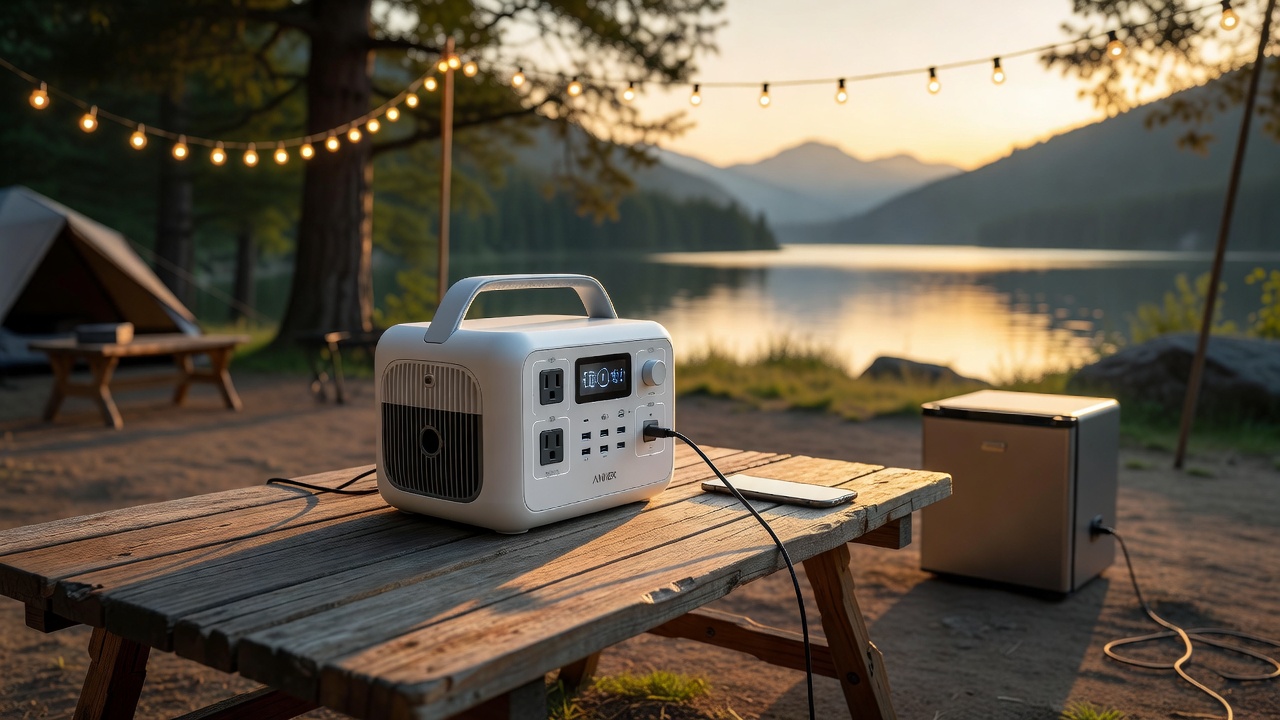
Budget your usage, not your battery marketing number. A typical boondocking day is fridge control board, lights, phone charging, and a laptop — that's roughly 50-100Wh, which any decent power station handles. Running a CPAP, an electric kettle, or a 12V compressor fridge changes the math entirely. An Anker Solix C300 covers light use with solar recharge, while a Jackery Explorer 300 is the long-standing benchmark for the same class.
How do I get drinking water off-grid?
Two separate problems: getting water into the tank, and making unknown water safe to drink. Fill from a known potable source with a Camco TastePURE hose, then filter anything questionable with a Sawyer Squeeze or an inline filter. Never assume a forest spigot is potable.
How long can I stay in one spot off-grid?
Your limit is almost always holding tanks, not water — a family of four fills a black tank in about three to four days. Plan around a dump station and a fresh-water fill, and treat water conservation (navy showers, paper plates) as the real skill. The camp shower guide covers how to stay clean on five gallons.
Is boondocking legal?
On most BLM and national forest land, yes — typically up to 14 days in one spot, with restrictions near developed areas and water. Bureau of Land Management and Forest Service offices publish motor-vehicle-use maps by district; check the local one, since rules differ dramatically between two districts an hour apart.
What's the biggest beginner mistake?
Arriving after dark with no idea what the road surface looks like ahead. Scout your spot in daylight, know your turning radius and clearance, and never commit a rig to a road you can't back out of. The leveling blocks and chocks come out before anything else.
Can you boondock in a car?
Yes, and it's the cheapest version of this whole hobby. You're giving up the three systems that make RV boondocking comfortable — no fresh tank, no furnace, no fridge — so everything comes down to what you carry. A 256Wh power station covers a phone, a light, and a laptop for three days. The real limits are sleep warmth and where you're allowed to park, so plan one night close to home before committing to a long drive.
How do I find boondocking sites without a reservation?
Layer two sources: the BLM or Forest Service motor-vehicle-use map for where dispersed camping is legal, and a user-driven boondocking app like Campendium or iOverlander for actual site pins, road condition, and cell signal. Read the newest reviews only — a campsite report from three years ago tells you nothing about today's road. Arrive before dark, and never commit a rig to a road you can't back out of.
Do I need a generator to boondock?
No. If your loads are lights, phones, a laptop, a CPAP, and a furnace fan, solar plus a battery bank will run you indefinitely in summer and most of the shoulder season. A generator earns its space for air conditioning, a microwave, or a long cloudy stretch — and then it's a backup, not a primary source. Most experienced boondockers carry both and start the generator a handful of times a season.
How do I keep my tanks from freezing in winter?
Fill fresh to three-quarters only — water expands when it freezes and a full tank has nowhere to go. Leave the cabinet doors under the sinks open so cabin heat reaches the plumbing, use the fresh tank rather than a city-water hose (hoses freeze solid), and keep a little water in the black tank at all times so solids don't set. If you're parked for weeks below freezing, a heated hose is cheaper than a cracked fitting.
What's the cheapest way to add power off-grid?
For most people, it's a portable power station plus a folding solar panel — no wiring, no lugs, no 12V panel work, and it moves between the RV and the house. The next tier is replacing a tired lead-acid house battery with a lithium one of the same amp-hour rating; you'll get roughly double the usable capacity for the same footprint. Adding solar before adding a second battery is almost always the better money.
What toilet do I need if my RV doesn't have one?
One of three things: a Cleanwaste WAG Bag kit if you're on public land that requires pack-it-out waste, a bucket-style Reliance Luggable Loo if you have a few days of capacity and a real dump point plan, or a flushing Camco portable travel toilet if you want something that feels like a household toilet. Whichever you pick, add treatment and empty it properly — never into a vault toilet or a trash can.
How long can I stay on BLM land?
The standard dispersed-camping limit is 14 days within a 28-day period, per district. Some districts are stricter, some allow longer on Long Term Visitor Areas with a permit, and buffers apply near water sources and developed sites. The rule that matters more than the number: move at least 25 miles when your window closes, and know which district you were in, because two adjacent districts can have different limits.
Is a 12V fridge worth it for boondocking?
If you're off-grid for more than a weekend and you're carrying anything perishable, yes. A compressor 12V fridge uses a fraction of the power of a propane absorption fridge and doesn't care about being level. Budget 400–700Wh a day for it, which is exactly what 100–200W of solar replaces in summer. The trade-off is that it runs continuously, so it changes your battery sizing — measure your draw before you buy one.
Can You Boondock in National Parks?
Mostly no, and this is the exception that catches people out. Park Service land is campground-only in practice — you book a site, you don't pick a spur road. The legal envelope for free dispersed camping comes from Bureau of Land Management and Forest Service districts, which is why the same trip can be legal two miles outside a park boundary and illegal inside it.
What States Allow Boondocking?
The state doesn't set the rule — the agency that owns the ground does, which is why the answer changes at a district boundary line rather than a state line. BLM and Forest Service land generally allows dispersed camping, typically up to 14 days in one spot inside a 28-day window; wildlife management areas, tribal land and most places within a few hundred feet of water do not, or need a permit. Our state guides run through the layers one state at a time.
Boondocking With Dogs: What Actually Changes
Two things. There's no potable water at the site, so the dog's water comes out of your fresh tank — budget an extra gallon a day on top of the 10–20 gallons a person uses. And shade and shade-equivalent matter more than at a campground: a site with no hookups usually means no shade structure, so the awning or a tarp goes up before the dog does. Check the district's leash rule before you pick a pin, since some motor-vehicle-use areas require dogs on lead the whole stay.
Boondocking With Kids: The Two Things That Actually Change
Power and a bail-out plan. Kids burn the battery on lights, tablets and a fan, so the 400–700Wh daily budget sits at the top of its range rather than the bottom, and one night close to home is the trip that teaches you whether your setup holds. The rest of the family routine is in our camping trip planning guide — arrive before dark, level the rig while there's still light, and keep the second night flexible.
Tent and car campers skip the tank math entirely — the dispersed camping guide is the non-RV half of this same conversation.
<!-- AFFILIATE_DISCLOSURE -->Our camping in Washington state guide documents the three booking systems, the state's own winter-schedule table of per-park closing dates, and the burn-ban levels that decide whether you can have a fire.
Heading north instead? The Massachusetts camping guide carries the DCR closing dates, the Cape Cod campers' reality (no national park campgrounds), and the November self-contained-only rule at Scusset.