Camping Trip Planning Guide 2026: How to Book, Budget, Pack, and Actually Enjoy Weekend One
Planning a camping trip in 2026? Choose the right campsite, build a realistic gear budget, pack smart and avoid the mistakes that ruin a weekend.
Planning a camping trip is supposed to feel exciting. In real life, it usually starts with 14 browser tabs, a weather app you don't trust, and a half-finished shopping cart full of gear you may or may not need.
That is the moment most first-time campers go wrong. They obsess over buying gadgets before they've chosen the campsite, checked the overnight temperature, or decided whether this is a two-adult weekend, a family trip with kids, or a dog-inclusive chaos experiment. Good camping trips are not built by owning the most gear. They're built by making a few smart planning decisions in the right order.
This guide is the planning-first version of the camping advice I wish every beginner got: book the right kind of site, build a realistic budget, match your shelter to your real group size, simplify meals, and pack like someone who wants an easy first weekend instead of a survival story. If you still need a full beginner shopping list after this, our first camping trip starter kit covers the buy-this-first gear stack, while the family camping gear checklist helps if kids are coming along. Booking a trip over a peak holiday weekend like Labor Day? Our Labor Day weekend camping checklist covers the booking fallbacks and timing tricks for the year's busiest camping weekend. If your window is this autumn instead, three dates are worth planning around: the National Park Service waives entrance fees on Constitution Day, September 17 and again on Public Lands Day, September 26 — both land on or beside a weekend this year — while the Columbus Day three-day weekend (October 12) is the last big camping getaway before the season turns genuinely cold.
When you shortlist dates, note that Veterans Day, November 11, 2026 is the final fee-free national park day of the year — good motivation for one more shoulder-season trip.
If you are planning a family trip into a new state this fall, the Oklahoma camping guide is a useful template: it walks the discounts, the pet fees, the parking-pass trap and the cabin rules before you book anything.
Quick Answer: The Planning Calls That Make a First Trip Work
- Pick the easiest trip, not the best one. A drive-up site two hours from home beats a hike-in site for trip one.
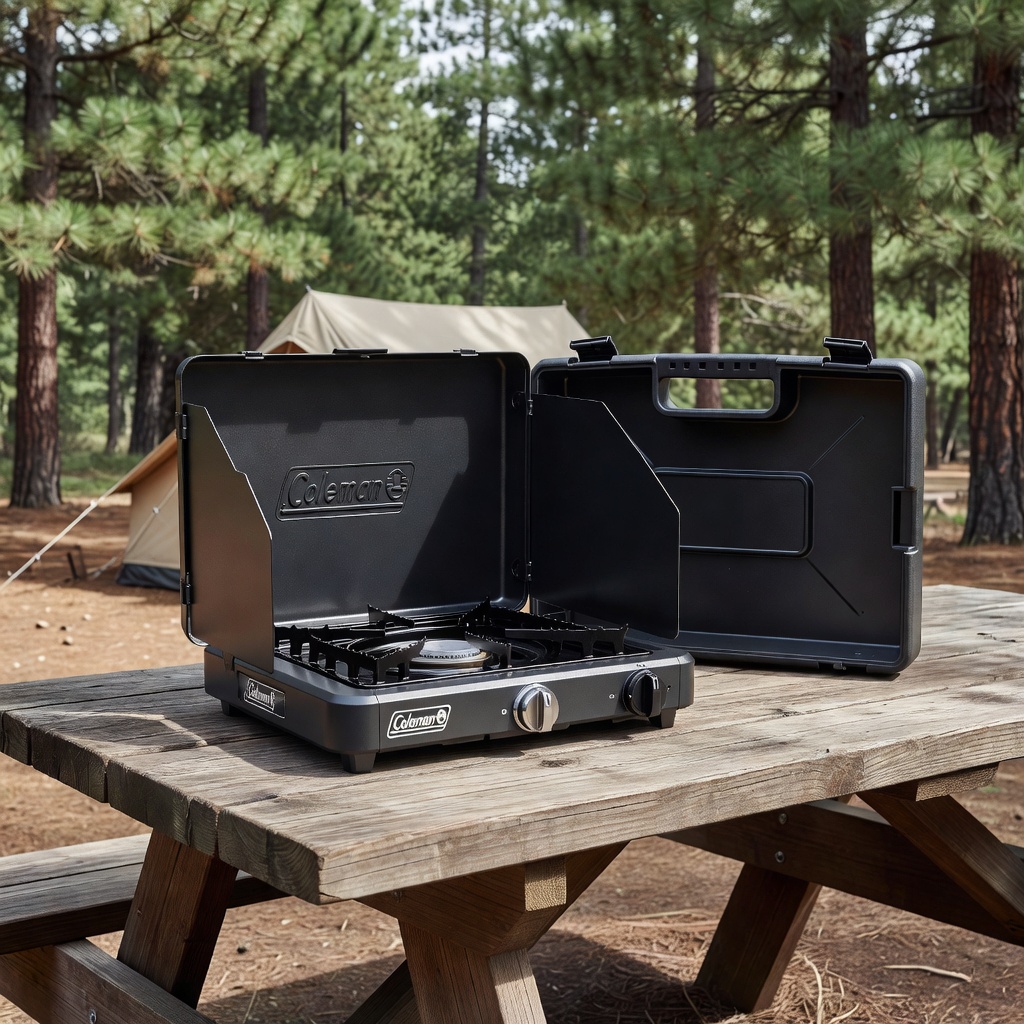
- Budget before you buy gear. Two pieces carry most of it: the Coleman Classic 1-Burner stove — $29.99 and the Sawyer Squeeze water filter — $45.95.
- Size shelter one step above your headcount. The CORE 6-Person Instant Cabin — $169.99 is the right call for a family of four.
- Plan meals before shopping for camp kitchen gear. A Coleman 316 Series 62QT wheeled cooler — $84.99 holds a weekend of food for four.
- Treat weather and darkness as planning problems. An Outdoor Research Helium rain jacket — $159.00 and a Petzl ACTIK CORE headlamp — $79.95 cover the two failures that ruin weekends.
- Water, kids and first aid are not optional. Morrison Outdoors Big Mo 40 kids bag — $79.95, and the Adventure Medical Kits Ultralight .7 — $44.95.
Seven decisions, made in this order, before you spend a dollar on gear. The step-by-step version is below.
Part of that choice is picking a state whose booking system you can actually work with. Colorado is a good stress test: it has four separate systems with different portals and different seasons, and our Camping in Colorado guide walks through all four so you can see how much the destination choice matters before you book anything.
Step 1: Choose the Easiest Possible First Camping Trip
Your first trip should be unfairly easy.
That means an established campground, a drivable site, bathrooms within walking distance, potable water on-site, and a forecast that does not dip into the low 40s unless you already know your sleep system can handle it. The goal of weekend one is not proving toughness. The goal is learning how your setup works so trip two feels natural. If you are deliberately planning a cold-weather trip, switch to our winter camping for beginners guide before reserving: it covers sleep-system temperature margins, frozen-ground insulation, and the stove-fuel choices that change once nighttime lows drop.
A few easy rules:
- Pick one or two nights, not four. A single overnighter or a Friday-to-Sunday campground trip gives you enough time to learn without turning mistakes into misery.
- Stay close to home. Within 90 minutes is ideal. If something goes wrong, leaving feels manageable instead of dramatic.
- Prefer late spring or early fall. Milder temperatures solve half of beginner camping problems automatically.
- Avoid ultra-busy holiday weekends. Crowded bathrooms, booked-out sites, and loud neighbors make everything harder.
- Match the trip to the people coming. A couple can get away with a smaller footprint. A family needs more space, more food, and a looser schedule.
If you already know this will be a hot-weather trip, read our summer camping checklist and hot weather camping gear guide before you finalize your shelter. If you're bringing children, the family camping gear checklist is the better planning companion. If a dog is coming too, our dog camping checklist covers the water, leash, sleep, and paw-care details people usually remember too late, and the dog camping hub ties every dog-trip guide together in one place.
A shortcut worth stealing for Step 1: pick a destination that carries its own deadline. Maine's state park campgrounds stop camping around October 15 and are first-come, first-served in 2026, so the calendar makes the planning decision for you. Our Camping in Maine guide covers the regions, the booking systems, and the cold-weather gear list for a family fall weekend.
Step 2: Build a Trip Budget Before You Start Buying Gear
A lot of bad camping purchases happen because beginners do not separate trip planning costs from gear ownership costs.
Your budget usually breaks into five buckets:
- Campsite reservation
- Core shelter and sleep gear
- Cooking and food storage
- Clothing and weather layers
- Food, ice, fuel, and last-minute supplies
For a basic campground weekend, most first-time campers can stay sane with this mindset:
- Spend the most on tent + sleep quality
- Spend medium on cooling, hydration, and cooking reliability
- Spend less on novelty accessories
That means you do not need a premium $300 cooler for a weekend trip. You do need a tent that sets up without an argument and a sleep system that matches the forecast. A real camp pillow comparison guide belongs in that planning stack too, because neck pain and bad sleep turn an easy two-night trip into a long weekend fast. If your dog will be hiking around camp off leash only after solid recall work, the best dog training collar guide helps you compare voice, beep, vibration, and static options before you buy something too harsh or too weak for your trail setup. And if your group meal plan already sounds bigger than one skillet and a kettle, our best camp stove for car camping guide is the right companion read before you buy burners, fuel, and cookware you do not actually need.
If your shelter budget is capped, our best family tents under $200 guide is one of the most useful places to start. It narrows the field fast and keeps you from buying the wrong giant tent just because the sale price looked attractive.
Step 3: Match Shelter to Real Humans, Not Marketing Capacity Numbers
The fastest way to ruin a first trip is to under-buy tent space.
A tent marketed as 4-person usually means four pads fit edge to edge. It does not mean four real people with duffels, jackets, damp shoes, and bedtime chaos will feel comfortable inside. For actual trip planning:
- 2 adults → roomy 4-person tent
- 2 adults + 1 child → 4-person minimum, 6-person preferred
- Family of 4 → true 6-person tent
- Anyone expecting a rainy afternoon inside the tent → size up
For couples or two adults who want the easiest beginner setup, choose a tent with pre-attached poles or a fast-pitch design. The time savings matter when you arrive late, and the interior should feel usable instead of cave-like.
If the budget is tight, know which low-cost shelters are actually weatherproof before you buy — the best camping tents under $100 covers that bracket with real waterproof ratings.
For families, the CORE 6 Person Instant Cabin Tent is a much better planning anchor. Sixty-second setup matters more than people admit when you're arriving late, kids are restless, and daylight is disappearing.
If your real goal is better sleep for early-rising kids, prioritize a blackout or dark-rest tent design. It solves a genuinely practical problem: too much morning light and too much internal heat too early in the day.
And if small children are part of the trip, plan their sleep separately instead of assuming kid-sized comfort happens automatically. The Morrison Outdoors Big Mo 40 Kids Sleeping Bag is a much better first-trip choice than stuffing a toddler into a giant adult sleeping bag and hoping for the best. For the full baby-proofing rundown — sleep setup, feeding, nap schedules, and the gear that actually earns its trunk space — our camping with a baby and toddler guide covers it from the first trip onward.
For the full sizing logic, floor-space tradeoffs, and rainy-day reality check, our tent size guide and 4-person vs 6-person comparison are worth reading before you hit reserve.
Step 4: Plan Meals Before You Decide What Camp Kitchen Gear You Need
Beginners often buy camp kitchen gear backwards. They start with the stove, then a pot, then random accessories, and only later ask what they're actually cooking.
A better planning question is: What are the first three meals?
That meal planning step also tells you what kind of fuel system makes sense. If your trip means fast oatmeal, coffee, grilled cheese, and one-pan dinners, you want easy starts and predictable flame control — not the cheapest canister you grabbed at checkout. Our camp stove fuel guide explains when butane is perfectly fine, when propane is easier for family basecamps, and why shoulder-season temperatures change the equation.
For most first trips, keep it stupid simple:
- Breakfast: coffee, instant oatmeal, fruit
- Lunch: wraps, sandwiches, trail snacks
- Dinner: one-pot pasta, soup, chili, or grilled sausages
- Snacks: nuts, bars, marshmallows, cut fruit
That meal plan does not require a giant chuck-box or fancy cookware.
The Coleman Classic 1-Burner Butane Camp Stove is ideal for beginner coffee, oatmeal, boiling water, and basic one-pan dinners. If your first trip is really a planning exercise for future family weekends, our best camp stove for car camping guide compares bigger tabletop cook systems, and our camp stove fuel guide explains why butane is perfect for warm-weather beginners but a risky choice once spring nights, mountain campgrounds, or shoulder-season lows start creeping toward freezing.
Cold food planning matters just as much. The Coleman 316 Series Wheeled Cooler 62QT is exactly the kind of practical first-trip cooler that makes sense: large enough for a weekend, easy to move when fully loaded, and not absurdly expensive.
A few planning moves save more money than upgrading gear:
- Pre-chill drinks and food at home
- Freeze some water bottles overnight to use as dual-purpose ice
- Keep one cooler for food and another for drinks if the group is large
- Prep dinner ingredients before leaving home so you are not chopping onions on a picnic table at sunset
Step 5: Treat Water, Weather, and Safety as Planning Problems, Not Emergencies
The most stressful camping problems are usually predictable 48-72 hours before departure.
Water plan
Even if the campground lists potable water, bring backup. Jugs run dry, taps break, and hikes create more water demand than people expect. The Sawyer Products SP129 Squeeze Water Filtration System is one of the easiest low-weight backups to carry, especially if your weekend includes any trail time, water refills away from camp, or the possibility of turning a campground trip into an easy day-hike weekend.
Weather plan
If the forecast shows even moderate rain, every adult needs a real rain layer. The Outdoor Research Helium Rain Jacket is the kind of packable shell that earns its keep because it lives in the bag until you need it, then suddenly matters a lot. One rain jacket in the car is not enough. Plan per person.
Light plan
A phone flashlight is not a lighting strategy. The Petzl ACTIK CORE Headlamp is especially good for first trips because it solves two common problems at once: hands-free setup after dark and bathroom trips that do not wake everybody up. If you are still deciding between table lanterns, headlamps, and rechargeable camp lights, the camp lighting guide breaks down what belongs at the picnic table versus what belongs in your pack.
First-aid plan
You do not need to become a wilderness medic for a campground weekend. You do need blister care, wound cleaning, bandages, pain relief, and whatever child- or dog-specific extras your group needs. The Adventure Medical Kits Ultralight/Watertight .7 covers the basics well, and our camping first-aid checklist helps you fill in the practical gaps.
If you're heading somewhere with strict food storage rules, wildlife concerns, or more remote trail time, skim the bear safety camping guide, the camping safety and survival gear guide, and our complete hiking for beginners guide before leaving.
Step 6: Use a 24-Hour Packing Timeline Instead of Packing by Panic
The easiest way to feel organized is to divide packing into waves.
The day before
- Check reservation details, gate code, and check-in rules
- Re-check weather and overnight low
- Lay out shelter, sleep, kitchen, clothing, and safety gear in separate piles
- Charge phones, headlamps, battery packs, and any rechargeable lights
- Freeze water bottles and prep cooler items
- Pack one full change of dry clothes per person in a dedicated bag
The morning of departure
- Load tent, stakes, mallet, chairs, cooler, and camp box first
- Load food last so the cold chain stays intact
- Keep headlamps, rain shells, bug spray, and the first-aid kit accessible
- Put paper directions or campground info in the glove box in case signal disappears
At the campsite
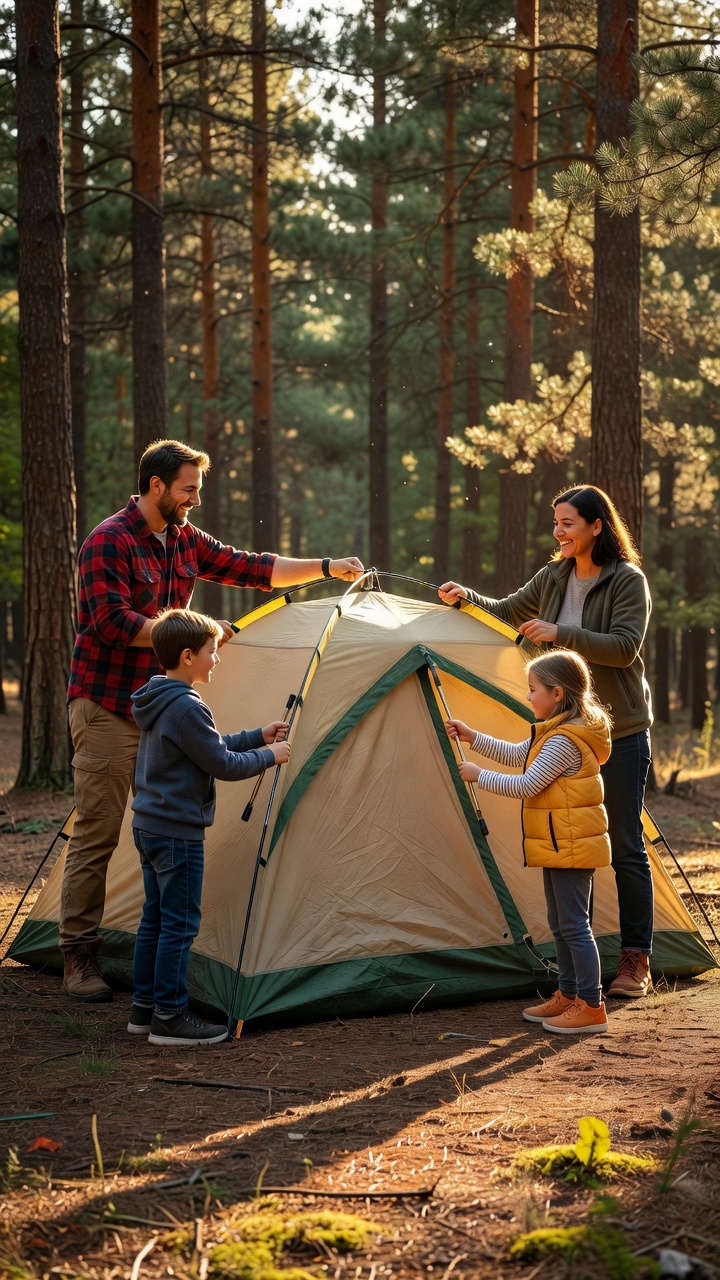
- Pitch the tent before doing anything else
- Get the sleep system inside and protected immediately
- Set up water and lighting before sunset
- Cook the simplest possible first dinner
That last point matters. The first meal should not be a project. Save the "real camp chef" ambitions for trip three.
Step 7: Common Planning Mistakes That Make a Weekend Feel Harder Than It Should
These cause more first-trip stress than bad luck does:
- Booking the prettiest site instead of the easiest site. Shade, bathroom distance, and parking convenience matter more than the Instagram angle.
- Overpacking clothing but underpacking warmth. You need fewer outfits and more temperature margin.
- Trying to cook too much. Simple meals create better evenings.
- Arriving too late. First trips should aim for setup in daylight, not a headlamp scramble.
- Buying too many "just in case" accessories. Spare batteries beat novelty gadgets every time.
- Assuming kids or dogs will adapt automatically. Their sleep, water, shade, and routine need deliberate planning.
If you're still building your full system, pair this guide with the first camping trip starter kit for beginner buying priorities, the family camping gear checklist for group packing details, and the best family tents under $200 guide if the biggest decision left is which tent gives you the most comfort per dollar. Planning an autumn trip instead? Our fall camping gear checklist covers the cold-weather swaps — a warmer sleeping bag, a cold-capable stove, and layers for 40°F mornings — that keep shoulder-season weekends comfortable, and the fall family camping guide pulls the whole weekend together: weather plans, kid- and dog-friendly outings, and the gear that earns its space when the temperature drops. Booking the Thanksgiving week? Our Thanksgiving camping guide maps the holiday version — Dutch oven feast, cold-weather sleep setup, and the packing checklist that keeps a family Thanksgiving stress-free.
How to Plan a Camping Trip: The Decisions, Answered in Order
These are the questions that actually decide a first weekend out. The answers follow the same order as the steps above: site first, budget second, gear last.
| Planning query | What actually decides it |
|---|---|
| how to plan a camping trip | Start with the site, not the gear. Pick a drive-up campground within two hours of home, then let its fire ring, shade and bathroom decide the rest of the load-out. |
| plan a camping trip | Book a shoulder-season weekend first. May, June, September and October sites are easier to reserve and easier to sleep in than a July Saturday. |
| plan my camping trip | Work backwards from the departure hour: reservations, then meals, then who packs what. The gear list is the last thing you build, not the first. |
| plan a weekend camping trip | Two nights maximum for trip one. Friday evening is setup, Saturday is the day you actually use, Sunday is pack-out by noon. |
| planning a camping trip route | Keep total drive time under three hours each way, or the weekend quietly turns into a road trip with a tent in it. |
| planning a camping trip across america | Treat it as a chain of three-to-four-night stops with a laundry and a real bed between legs. Camp cooking and water resupply are the limits, not fuel. |
| how to plan a camping road trip | Book the last night's site before the first one, so a slow middle day can't strand you without a place to sleep. |
| plan a camping road trip | One tank of gas between stops is the honest planning unit for a family car towing or hauling nothing. |
| plan a car camping trip | Everything lives in bins that stay packed: kitchen bin, bedding bin, repair bin. That is what makes a Friday departure possible. |
| plan a tent camping trip | Add a half hour to your setup estimate for any tent you have never pitched, and practice it once in the yard before you leave. |
| plan a family camping trip | Assign each kid one job and one bag. The trip gets dramatically easier the moment nobody has to ask you where anything is. |
| how to plan camping with family | Plan in two-hour activity blocks with an early dinner. Kids' energy decides the itinerary, not the map. |
| how to plan a solo camping trip | Tell someone your site number and expected check-in time. Solo planning is mostly a verified return plan plus a charged phone. |
| how to plan a campervan road trip | Reserve hookups only where you will actually run the fridge or the AC. Every boondocking night needs a water fill and a dump plan attached to it. |
| how to plan a cross country camping trip | Alternate camp nights with a real bed every third night, and treat laundry access as the schedule constraint it is. |
| how to plan a camping trip out west | Plan around elevation and smoke, not state lines. A 6,000-foot site runs about 15 degrees colder at night than the town you drove through. |
| how to plan remote camping trips | Carry water for the whole stay, not the whole drive. Remote sites rarely have a potable tap within the last hour of the road. |
| how to plan a hiking and camping trip | Choose the campsite first and the day hike second, so you are never carrying a full pack on the scenic detour. |
| national park camping trip planning | Book the minute the window opens. Most park campgrounds release dates on a rolling six-month calendar and the popular loops sell out in minutes. |
| prep for a camping trip | Do the weather check 48 hours out, not a week out, and pack for the overnight low rather than the afternoon high. |
| first camping trip essentials | Shelter, sleep, water, stove, light, first aid. Six systems carry weekend one; nothing else is actually required. |
| first camping trip ideas | A state park with flush toilets and a lake beats a scenic backcountry site for trip one, every single time. |
What Changes by Trip Type: Packing and Planning Index
A cabin weekend and a tent weekend are not the same packing problem. Find the row that matches the trip you are actually taking, and start from the six systems in Step 6.
| Trip type or checklist query | What to add or drop |
|---|---|
| checklist for a camping trip | The universal six, plus a paper copy of the campground map. Phones die and offline maps fail exactly when you need the loop number. |
| camping trip essentials checklist | A rain shell and a spare pair of socks outrank every gadget upgrade you could make with the same money. |
| what to bring on a camping trip checklist | One outfit per day plus one dry set. Camp laundry is a myth on a two-night trip. |
| couples camping trip checklist | One tent you both fit in, two separate sleeping pads rather than one shared inflatable, and a headlamp each. |
| family camping trip checklist | Kids get their own bag and their own light. It removes most of the traffic that ends family weekends early. |
| toddler camping trip checklist | A portable bed or travel crib, a familiar blanket, and a plan for the 5 a.m. wake-up that does not wake the whole loop. |
| camping checklist for kids | Headlamp, whistle, water bottle, and one job they own. Ownership is what keeps them interested past the first hour. |
| cabin camping trip checklist | You are packing bedding, kitchen and a cooler. Leave the tent, the footprint and the repair kit at home. |
| camping in a tent checklist | Footprint, extra stakes, a mallet for hard ground, and a groundsheet you do not mind getting dirty. |
| camping road trip checklist | A car organizer, one trash bag per day, and a cooler that actually seals. Driving is when spills and snack chaos happen. |
| road trip camping checklist | Keep the first night's setup gear on top of the load. You do not want to unpack the whole car in the dark to find the poles. |
| rv checklist for camping | Leveling blocks, sewer hose, water pressure regulator and a spare fuse. Those four failures end RV weekends. |
| travel trailer camping checklist | Weight matters more than volume. Load heavy items over the axle and travel with the tanks empty. |
| checklist for rv trip | Confirm the hookup type, 30A or 50A, before you leave. An adapter is cheap; a dark night is not. |
| camping and hiking packing list | A day pack with water, layers and a small first-aid kit. Leave the camp kitchen in the car. |
| rv camping packing list | Paper plates and one pot. RV sinks and counters are smaller than the brochure photo suggests. |
| cabin camping packing list | Sheets, pillows, a dish towel and a knife that actually cuts. Rental cabins rarely stock more than the basics. |
| basic camping packing list | Bug spray, sunscreen, toilet paper, and a lighter as backup to your lighter. |
| packing list for camping trip | Pack by system into bins so an extra unplanned night out never means unpacking the entire car. |
| list for camping trip | Write it once, laminate it, and stop rebuilding the list from memory every single trip. |
| camping trip packing checklist | Put the coffee and the lantern in the same bin. The 6 a.m. fumble is the same fumble every trip. |
| pre trip camping checklist | Test the tent for leaks and the stove for fuel before you load the car, not after you arrive. |
| camping checklist for beginners | Borrow or rent the big items for trip one. You learn what you actually want by using somebody else's tent first. |
| remote camping packing list | Extra water capacity, a second fuel canister, and either a satellite messenger or a written itinerary left with someone. |
Camping Trip Planning FAQ
How much should a first camping trip cost?
The trick is separating trip costs from gear ownership costs. A campground weekend splits into five buckets: the campsite reservation, shelter and sleep gear, cooking and food storage, clothing and weather layers, and consumables like food, ice, and fuel. Spend the most on the tent and sleep system, medium on cooling, hydration, and cooking reliability, and as little as possible on novelty accessories — you do not need a premium $300 cooler for a two-night trip.
What tent size do you actually need?
Ignore the marketing capacity number and size up. A "4-person" tent typically means four sleeping pads fit edge to edge, not four real people plus duffels, jackets, and damp shoes. For two adults, pick a roomy 4-person tent; for two adults plus a child, a 6-person is more comfortable; a family of four needs a true 6-person. If you expect a rainy afternoon inside, size up again.
What gear should you spend the most money on first?
Tent and sleep quality, in that order. Those two decide whether anyone sleeps, which in turn decides whether a first trip ever gets repeated. Cooking reliability, cooling, and hydration come next. Everything else — gadgets, specialty cookware, extra lighting — is optional until you know how your family actually uses a campsite.
Should you buy gear before or after planning the trip?
After. Most bad beginner purchases happen because people buy equipment before deciding where they are going, who is coming, and what the weather will be. Plan the site, the group, and the menu first; then the gear list writes itself and you avoid buying a giant tent or a huge cooler you never needed.
How do you handle rain on a first camping trip?
Treat weather as a planning problem rather than an emergency. Build a weather plan into your preparation, size the tent up so a wet afternoon inside is survivable, and pack layers so damp and cold do not turn into misery. A tarp or a covered picnic shelter at the campground also gives everyone somewhere to be that is not the inside of the tent.
Do you need reservations, and how far ahead should you book?
Reservation rules vary widely by land manager and season, so check the specific campground rather than assuming. Popular state park and national park campgrounds commonly fill for summer weekends well in advance, which makes booking early the cheapest way to protect a trip. Once your dates are firm, reserve first and buy gear second.
For a worked example of planning around a booking window, the camping in Virginia guide shows how four camping systems in one state open their calendars on four different clocks.
Destination matters as much as dates here: the Tennessee camping guide shows how one state runs four separate booking systems on four different calendars, which is the most common way a fall trip goes wrong.
Once the booking side is handled, packing is its own list — see our 2-day camping trip packing list for the one-night version of the kit.
Planning tools only help once you know the rules: camping in Pennsylvania walks through a state where one extra night in the same forest area flips you from no-permit to permit-required.
If this trip is a cabin instead of a campsite, run our cabin camping with kids checklist first — it covers bedding, indoor-cooking rules, and the fees that don't show in the nightly rate.
Final Takeaway: Plan the Weekend, Then Buy the Gear That Supports It
For the mechanics that apply everywhere, camping in Wisconsin covers how one state's single reservation system, fee ladder and ground-condition fire rule actually work in practice.
A good camping trip is not the one with the most equipment. It's the one where the site fits the group, dinner is easy, the tent is dry, the kids sleep, and nobody is hunting for a headlamp in the dark.
If you choose an easy campground, size your shelter honestly, simplify the meal plan, and pack on a timeline instead of in a frenzy, your first weekend has a very good chance of being fun enough to do again. And that is the real goal. When you want to go deeper than the checklist — water filtration, camp cooking, RV setup, winter trips — the Camping Knowledge Library collects every how-to guide we have written in one place. Shopping for someone else's first trip? The DIY camping gift basket guide turns a gear list into five ready-made baskets at $50 to $150.
<!-- AFFILIATE_DISCLOSURE -->For a worked example of how state and federal campground systems differ on the very same piece of land, see the Maryland camping guide — two parks, one barrier island, two booking portals, two season-end dates.