Fall Camping Gear Checklist: Stay Warm and Cozy When Temperatures Drop
Don't let dropping temperatures ruin your trip. Complete fall camping gear checklist with our top picks for sleeping bags, tents, stoves, and layering essentials. Stay warm, stay outside.
Fall Camping Gear Checklist: Stay Warm and Cozy When Temperatures Drop
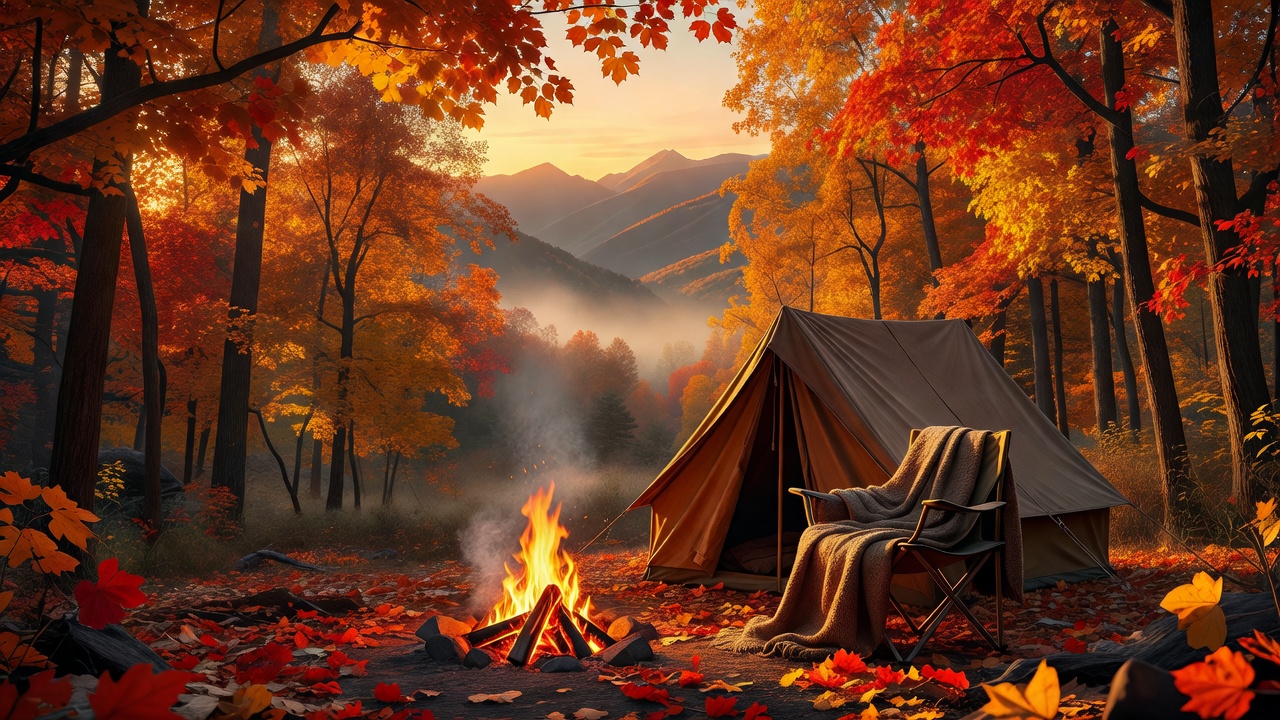
Fall camping hits different. The crowds are gone, the bugs have died off, and the forests put on a color show that makes every hike worth it. But there's one thing that catches first-timers off guard: the temperature drop. That crisp autumn air that feels perfect at 2 PM turns into a shiver-inducing chill by 9 PM, and if you didn't pack for it, you're spending the night counting the hours until sunrise.
I've done my share of shivering in a sleeping bag rated for summer, so trust me — the right gear makes the difference between "magical fall weekend" and "why did I think this was a good idea."
Here's your complete fall camping gear checklist, built around products we've tested and stand behind.
Sleeping Bags: The #1 Cold-Weather Priority
Your sleeping bag is your primary defense against overnight cold. Fall temperatures in most regions drop into the 30s and 40s at night, sometimes lower at elevation. A 30°F or 20°F rated bag is the sweet spot.
Kelty Galactic Down 30 Degree Sleeping Bag — Our top pick for fall camping. The 650-fill down insulation packs small and lofts up warm, hitting that 30°F comfort rating that covers most fall conditions. At under 3 pounds, it won't weigh down your pack if you're hiking in. The draft collar and hood cinch tight when the wind picks up.
Coleman Brazos 20/30°F Adult Cool-Weather Sleeping Bag — The budget champion. Coleman's no-snag zipper is genuinely frustration-free, and the synthetic fill keeps insulating even if it gets damp (a real concern on dewy fall mornings). Rated to 20°F, it's the warmest option per dollar in this guide.
TETON Sports Celsius Junior 20°F Sleeping Bag — Don't let "Junior" fool you — this bag fits campers up to 5'6" and is perfect for shorter adults, teens, or legitimately for kids. The mummy shape traps heat better than rectangular bags, and at 20°F it's serious about warmth.
Pro tip: Bring a sleeping bag liner. It adds 10-15°F of warmth, keeps your bag cleaner, and doubles as a lightweight summer bag on its own.
Tents: Block the Wind, Trap the Heat
Fall winds can be brutal. A tent that was "airy and breathable" in July becomes "a wind tunnel" in October. You want solid construction that blocks drafts, plus a full-coverage rainfly for surprise autumn showers.
EVER ADVANCED 6 Person Blackout Camping Tent — The standout feature here is blackout fabric. Fall means earlier sunsets and later sunrises, and blackout panels mean you're not waking up at 6 AM with the sun in your eyes. The instant cabin setup (under 60 seconds) is a blessing when you're setting up camp in fading light. 72-inch peak height means you can stand up to change into warm layers.
Coleman Sundome 4-Person Camping Tent — The classic for a reason. Coleman's WeatherTec system (welded floors + inverted seams) keeps morning dew and surprise rain where it belongs — outside. At 4-person capacity, it's roomy enough for two adults plus gear. The dome shape sheds wind better than cabin-style tents.
Night Cat 2-Person Backpacking Tent — If you're hiking to your campsite, this ultralight (3.3 lbs) option won't punish you on the trail. The waterproof rainfly extends to the ground, and double-layer construction reduces interior condensation — a big deal when cold outside air meets your warm breath inside.
Camp Lighting: Because Sunset Comes Early
In fall, the sun sets around 6 PM in most regions. You've got hours of darkness ahead, and relying on your phone flashlight is a quick path to a dead battery. Real lighting changes the experience.
Black Diamond Spot 400 Headlamp — Hands-free illumination for cooking, reading, and late-night bathroom trips. 400 lumens is plenty bright for camp tasks, and the red light mode preserves your night vision (and doesn't blind your tentmate). Waterproof to IPX8 — rain, dew, or accidental dunk won't kill it.
Petzl ACTIK CORE Headlamp — 650 lumens is serious output. The rechargeable battery (micro-USB) saves you from buying AAs, and the mixed beam pattern throws light both wide and far. If you're night hiking or need to spot trail markers after dark, this is the one.
BioLite Luci Charge 360 Inflatable Solar Camping Lantern — For the communal camp table. Inflate it, set it in the middle, and everyone can see their cards (or s'mores). Solar charging means it tops up during the day while you're hiking. The warm white light feels like a real lantern, not a harsh LED panel.
Black Diamond Moji Lantern — Tiny but mighty. At 200 lumens it lights up a 4-person tent or a small cook area. The double-hook hang system clips to tent ceilings, branches, or the inside of your car hatch. Runs on AAA batteries, so pack spares.
Camp Kitchen: Hot Meals, Hot Drinks
Cold weather cranks up your calorie burn — your body's working harder just to stay warm. A hot dinner and a warm drink aren't luxuries in fall; they're part of your warmth strategy.
Camp Chef Everest 2X 2-Burner Portable Camping Stove — 20,000 BTU per burner. That's enough to boil water fast, sear a steak, or simmer a stew for hours. The matchless ignition works in wind (no more fiddling with a lighter in the dark). Two burners mean coffee + breakfast simultaneously — essential when mornings are cold.
Jetboil Flash Camping Stove System — For solo campers and backpackers, the Jetboil boils water in 100 seconds flat. The insulated cozy keeps your water hot after boiling, and the whole system nests into itself. Make coffee, oatmeal, ramen, or rehydrate a freeze-dried meal in minutes.
AeroPress Go Portable Travel Coffee Press — Something about a hot cup of coffee hits different when the air is crisp and your hands are cold. The AeroPress Go packs into its own mug, brews in under a minute, and produces coffee that actually tastes good (unlike most camp coffee). No electricity, no paper filters to pack out — the micro-filter is reusable.
Layering System: The Art of Staying Comfortable
The temperature swings in fall are dramatic: 25°F at night, 65°F by noon. The key is layers you can add and shed without unpacking your whole bag.
Base Layer (Next to Skin)
Darn Tough Vermont Hiker Midweight Micro Crew Socks — Merino wool is the cheat code for fall hiking. It wicks sweat (so you don't get clammy), insulates even when wet (fall puddles happen), and resists odors over multi-day trips. Darn Tough's lifetime guarantee means you buy them once. Midweight is the right thickness for fall — heavy enough for warmth, light enough for hiking.
Outdoor Research Astroman Sun Hoodie — A sun hoodie in fall? Absolutely. Those crisp autumn days still pack UV, and the hood gives you a layer of warmth without committing to a jacket. The lightweight fabric breathes on ascents and blocks wind on ridges. When you stop for lunch, throw a fleece over it — perfect layering piece.
Mid Layer (Insulation)
Pack a fleece or lightweight puffy jacket for when the temperature drops. The Astroman hoodie underneath + a fleece on top + a rain shell for wind is the three-layer system that handles everything fall throws at you.
Footwear
KEEN Targhee 3 Low Height Waterproof Hiking Shoes — Waterproof is non-negotiable in fall. Wet leaves, morning dew, and shallow stream crossings will soak through mesh shoes in seconds. KEEN's waterproof membrane keeps your feet dry, and the wide toe box accommodates thicker fall socks without pinching. The multi-directional lugs grip wet leaves and muddy trails.
Merrell Moab 3 Hiking Shoes — The Moab 3 in waterproof version handles puddles and wet grass without complaint. Vibram TC5+ outsoles stick to slick rock and wet roots. If you prefer a more traditional fit (narrower heel, snugger midfoot) compared to KEEN's wider last, the Moab is your pick.
Head and Hands
Columbia Bora Bora Booney UPF 50 Sun Hat — Sun protection + warmth. The wide brim keeps cold rain off your face and neck, while the UPF 50 rating handles that sneaky autumn UV. The adjustable chin cord means it stays on in wind — no chasing your hat down a ridge.
Don't forget: A warm beanie for camp and a pair of insulated gloves. Your extremities lose heat fastest, and cold hands make every camp task miserable.
Hydration: Drink Warm, Stay Warm
Nalgene 32 oz Wide Mouth Water Bottle — Here's an old-school trick: fill your Nalgene with hot water before bed, seal it tight, and throw it in the foot of your sleeping bag. It's a DIY hot water bottle that'll keep your toes warm for hours. In the morning, you've got room-temperature water ready to drink. The wide mouth makes filling from streams and purification pumps easy, and the Tritan plastic is practically indestructible — boil-safe, freeze-safe, drop-off-a-cliff safe.
CamelBak Crux 3L Hydration Reservoir — For day hikes from your base camp, the Crux delivers 20% more water per sip than previous CamelBak models. The 3L capacity covers a full day of fall hiking. The quick-seal cap and leak-proof bite valve mean no wet surprises in your pack when temperatures fluctuate.
Extras That Make the Difference
YETI Tundra Haul Portable Wheeled Cooler — In summer, you're fighting ice melt. In fall, your cooler becomes a bear-proof food locker that keeps things cold for days. The Tundra Haul's rotomolded construction is certified bear-resistant (with padlocks), and the wheels make the 40+ pound loaded weight manageable from car to campsite.
ALPS Mountaineering King Kong Camping Chair — A camp chair rated for 800 pounds with a built-in side table and cup holder. When you're sitting around the fire on a cold evening, a solid chair with armrests and a place to set your hot drink is worth every ounce.
Helinox Chair One Lightweight Camping Chair — For backpackers who still want a real chair at camp. At just 2.1 pounds, it assembles in under a minute and supports 320 pounds. The elevated seat keeps you off the cold ground, and the breathable mesh means no condensation on your back.
Fall Camping Pro Tips
Common Fall Camping Mistakes (Learn From Mine)
- Trusting the sleeping bag rating blindly. A 30°F rating means you'll survive at 30°F, not be comfortable. Add 10-15°F to the rating for comfort. A 30°F bag is comfortable around 40-45°F.
- Forgetting an insulated sleeping pad. The ground pulls heat from your body faster than cold air. Your sleeping bag's insulation compresses underneath you and does almost nothing. A pad with an R-value of 4+ is ideal for fall.
- Cotton anything. Cotton kills in cold weather — it absorbs moisture, loses all insulation when wet, and takes forever to dry. Stick to wool, synthetic, or down.
- Setting up in a low spot. Cold air pools in valleys and depressions. Camp on slightly elevated ground and you'll be 5-10°F warmer than the campers in the hollow.
- Skipping the rainfly because "it's not raining." Fall weather changes fast, and a rainfly adds 5-10°F of warmth just by trapping your body heat. Always put it on at night.
Quick Gear Checklist
- Sleeping bag rated for 20-30°F
- Insulated sleeping pad
- Tent with full rainfly
- Headlamp with red light mode
- Camp lantern for group area
- 2-burner stove or fast-boil system
- Coffee maker (warm mornings are worth it)
- Merino wool socks (2+ pairs)
- Waterproof hiking shoes
- Sun hoodie or base layer
- Fleece or puffy mid layer
- Rain shell / windbreaker
- Warm beanie and gloves
- Wide-mouth water bottle for hot water trick
- Extra fuel canisters (cold burns fuel faster)
- Hand warmers (cheap insurance)
Bottom Line
Fall camping is the best season most people skip. The parks are empty, the scenery is peak, and with the right gear, you'll be more comfortable than you were in July's humidity. The key is planning for the cold before it arrives — a 30°F sleeping bag, a tent that blocks wind, layers you can adjust through the day, and lighting for those long autumn evenings.
Don't overthink it. Pick up a solid sleeping bag, grab a reliable headlamp, and head out before the snow closes the trails. The forest in October is waiting.
<!-- AFFILIATE_DISCLOSURE -->