Wilderness Survival Skills: 10 Essentials Every Hiker Should Know (2026)
Master the 10 essential wilderness survival skills every hiker needs — from navigation and fire-starting to emergency shelter and water purification. Be prepared before you hit the trail.
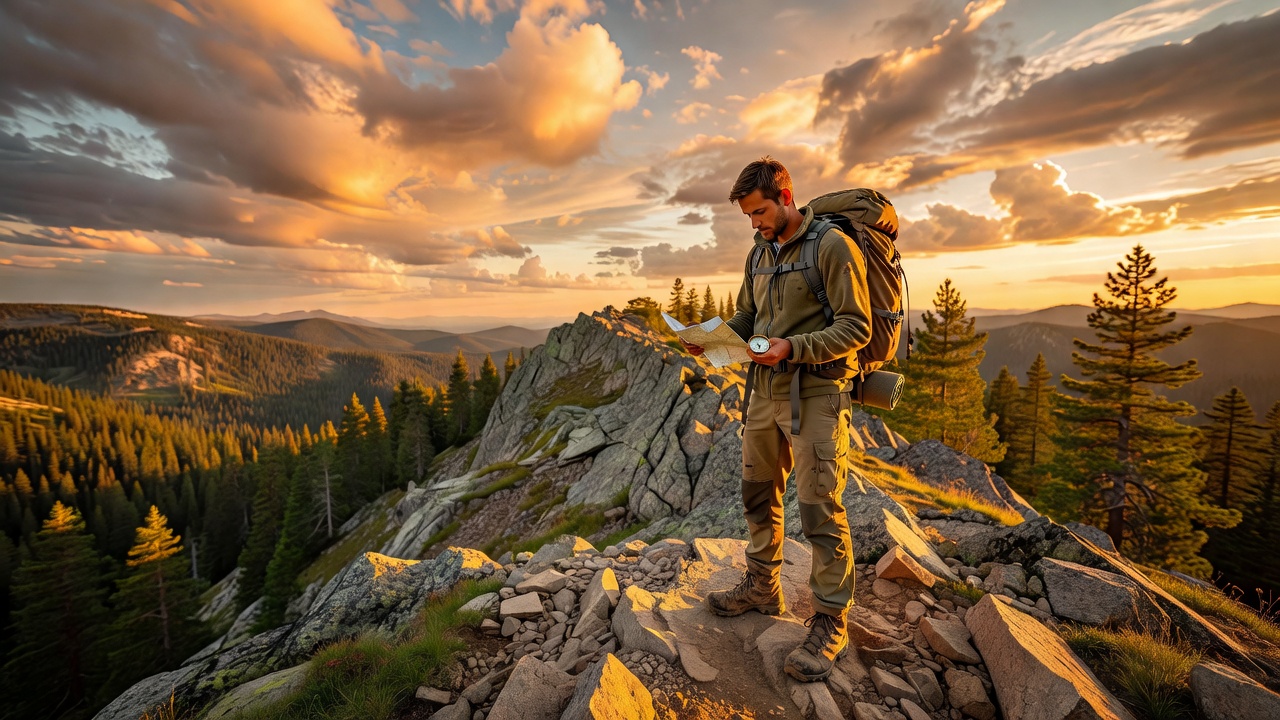
Most hikers spend more time researching which tent to buy than learning what to do when things go sideways three miles from the trailhead. I get it — gear is fun to shop for, and survival skills feel like homework. But here's the thing: every year, search and rescue teams pull people off trails who had $500 worth of gear and zero minutes of preparedness.
The 10 Essentials isn't just a gear list. It's a framework for thinking about risk in the backcountry. This guide covers the skills that actually make the difference — not the theoretical stuff from survival TV shows, but the real-world techniques you can practice on your next day hike.
1. Navigation: Don't Be the Person Who Followed the Wrong Trail
Your phone GPS is great until the battery dies, you lose signal, or you drop it in a creek. Paper map and compass skills aren't just for Boy Scouts — they're the number one skill that separates found hikers from lost ones.
What to Practice
- Read a topographic map: Understand contour lines, elevation changes, and terrain features. If you can look at a topo map and visualize the landscape, you're ahead of 90% of hikers.
- Orient with a compass: Take a bearing, account for declination, and triangulate your position from visible landmarks.
- Dead reckoning: Track your route by pace count and compass bearing. Know approximately how far you've gone and in what direction at all times.
Gear Worth Carrying
A Garmin Instinct 2S Solar GPS watch gives you GPS coordinates, altimeter, barometer, and compass in a solar-charging package that never needs a wall outlet. But always carry a physical map and compass as backup — electronics fail, paper doesn't.
Pro tip: Before every hike, take a photo of your map with your phone. Even if GPS fails, you can zoom in on the photo and reference landmarks.
2. Fire-Starting: One Skill, Three Methods
Being able to start a fire in wet conditions is the survival skill that impresses people — and the one most people overestimate their ability to do. Practice until you can get a fire going with ONE method, then learn a second as backup.
The Three-Method Rule
- Primary: BIC Maxi Pocket Lighters — cheap, reliable, works at altitude. Carry two in separate waterproof locations.
- Secondary: Ferrocerium rod + striker. Produces 3,000°F sparks that work even when wet. Takes practice but never runs out of fuel.
- Emergency: Waterproof matches in a sealed container. Know how to use them with natural tinder (birch bark, dry grass, pine needles).
Common Mistakes (Learn From Mine)
- Assuming dry wood exists: In wet forests, look for standing dead wood (not on the ground). Split it open with your knife — the inside is dry even after rain.
- Skipping the tinder bundle: A fist-sized ball of fine, dry material (cedar bark, dry grass, cotton balls with petroleum jelly) must be ready BEFORE you strike the first spark.
- Building the fire too big too fast: Start pencil-lead thin, graduate to finger-thick, then wrist-thick. Going straight to logs kills your fire.
A Gerber Bear Grylls Ultimate Knife with its built-in fire starter and emergency whistle covers three survival functions in one tool. The serrated edge is specifically designed for batoning — splitting wood by striking the blade spine — which gives you access to dry inner wood in wet conditions.
3. Emergency Shelter: Stay Alive Overnight
Hypothermia kills more hikers than bears, falls, and snakebites combined. The ability to create shelter — even a basic one — is what buys you time when you're benighted or injured.
Shelter Priorities
- Insulation from the ground: You lose more heat to the cold ground than to the air. A TETON Sports Celsius XXL sleeping bag rated to 0°F gives you a survival margin, but even a layer of leaves 6 inches thick under your body makes a measurable difference.
- Wind block: Position your shelter with the opening facing away from prevailing wind. Use natural features — rock overhangs, fallen logs, dense evergreen stands.
- Overhead cover: A tarp, poncho, or even an ENO DoubleNest Hammock with a rain fly keeps precipitation off. In a pinch, lean branches against a ridgepole at a 45° angle and cover with leaf litter.
Field-tested tip: If you're lost and it's getting dark, STOP and build shelter immediately. Every minute of daylight you spend wandering is a minute you could have spent building something that keeps you alive. Search teams find stationary people much faster than moving ones.
4. Water Purification: Giardia Is Not a Souvenir
You can survive three weeks without food. You've got about three days without water — less in hot conditions or at altitude. Knowing how to make water safe is non-negotiable.
Methods Ranked by Reliability
- Filter + chemical combo: A CamelBak Crux reservoir paired with purification tablets covers both sediment filtration and microorganism kill. Filters catch bacteria and protozoa; chemicals handle viruses that slip through filter pores.
- Boiling: Rolling boil for 1 minute at sea level, 3 minutes above 6,000 feet. Requires fire and a metal container, but zero ambiguity about effectiveness.
- UV pen: Fast and lightweight, but requires batteries and clear water (turbidity blocks UV). Not reliable as your only method.
Carry water in something durable. Both the Owala FreeSip Sway and CIVAGO 32 oz insulated bottle keep water accessible and cold, but for survival scenarios, a wide-mouth bottle you can scoop from streams and boil in is ideal.
Critical rule: Never assume alpine streams are safe. Dead animals upstream, mineral contamination, and giardia cysts exist above treeline too. Treat everything.
5. Signaling: How to Be Found
If search and rescue is looking for you, your job is to make yourself as visible as possible. Three bursts of anything — whistle blasts, signal mirror flashes, headlamp strobes — is the universal distress signal.
Signaling Tools
- Whistle: Three sharp blasts, wait, repeat. The Gerber Bear Grylls knife has an integrated emergency whistle — one less thing to forget.
- Signal mirror: Aim the reflected flash at aircraft or distant searchers. Even on cloudy days, it's visible for miles.
- Headlamp strobe: The Black Diamond Spot 400 Headlamp has a strobe mode visible from a mile away at night. Point it at search aircraft or ridgeline rescuers.
- Ground signals: Arrange rocks, logs, or bright clothing into a large X or SOS visible from above. Contrast with the surrounding terrain.
Don't do: Yell until you're hoarse. A whistle carries farther, uses less energy, and doesn't sound like wildlife. Save your voice for when you hear rescuers nearby.
6. First Aid: Stop Bleeding, Stabilize, Signal
You don't need to be a wilderness EMT, but you need to handle the three things most likely to kill you: severe bleeding, hypothermia, and anaphylaxis.
The Critical Three
- Bleeding control: Direct pressure, elevate, tourniquet as last resort for limbs. Carry a proper pressure bandage, not just Band-Aids.
- Hypothermia management: Get the person dry, insulated from the ground, and warm. Skin-to-skin contact in a sleeping bag works. Feed them warm (not hot) liquids if conscious.
- Allergic reactions: If you or anyone in your group carries an EpiPen, know where it is and how to use it. Anaphylaxis can kill in minutes.
The Repair Tape You'll Actually Use
Gear Aid Tenacious Tape is the duct tape of the outdoor world. It fixes torn tents, ripped rain jackets, leaking sleeping pads, and split boot seams. Throw a roll in your first aid kit — it weighs nothing and you will use it.
A UST Monarch 5-in-1 Survival Tool combines fire starter, whistle, signal mirror, compass, and waterproof storage in a $12 package that fits in your palm. It's the perfect "throw it in every pack and forget about it" insurance policy.
7. Wildlife Awareness: Prevention Beats Reaction
Most wildlife encounters end uneventfully because the animal detected you first and moved away. The encounters that go wrong usually involve surprising an animal, getting between a mother and her young, or habituation to human food.
Animal-Specific Protocols
- Bears: Make noise while hiking (talk, clap, bell). Carry Sabre Frontiersman bear spray — 7.9 oz canister with 40-foot range, accessible on your hip or chest (not in your pack). Know the difference between black bear and grizzly bear response protocols. NEVER run.
- Mountain lions: Make yourself look large, maintain eye contact, back away slowly. If attacked, fight back — unlike with bears, playing dead doesn't work.
- Snakes: Watch where you step and place your hands. Most bites happen when people reach onto ledges or into wood piles without looking.
What actually deters animals (not what Instagram tells you): Noise, proper food storage (bear canister or hang), and giving them space. Essential oils and ultrasonic repellers are marketing, not protection.
8. Weather Reading: The Sky Tells You Everything
Weather changes fast in the mountains, and the forecast you checked at the trailhead is obsolete by noon. Learn to read the sky:
- Cumulonimbus clouds (tall, anvil-shaped): Thunderstorms incoming. Get below treeline immediately.
- Lenticular clouds (lens-shaped, stationary): High winds aloft. Expect worsening conditions within 12-24 hours.
- Mare's tails (cirrus uncinus, wispy high-altitude clouds): Warm front approaching. Rain or snow within 24-36 hours.
- Rapidly dropping barometric pressure: A Garmin Instinct 2S Solar has a built-in barometer with storm alert — it'll vibrate your wrist when pressure drops sharply, giving you a 15-30 minute head start on incoming weather.
Decision rule: If you can hear thunder, you're close enough to be struck. Lightning can travel 10+ miles from the storm center. The 30-30 rule: count seconds between flash and thunder — if it's less than 30 seconds, seek shelter immediately and wait 30 minutes after the last thunder before resuming activity.
9. Self-Arrest & Fall Prevention
Falls are the number one cause of backcountry fatalities, and most happen on seemingly easy terrain where people let their guard down. The skills that matter:
- Trekking pole technique: Plant poles downhill when descending, adjust length (shorter uphill, longer downhill). LEKI Makalu FX Carbon poles (on our Hiking Gear guide) provide the stability that prevents 90% of slips.
- Self-arrest without an ice axe: On snow or scree, roll onto your stomach, dig in with toes, elbows, and anything you're holding. Spread your weight to maximize friction.
- Scree field navigation: Move diagonally across scree, never straight down. Test each foothold before committing weight. Trekking poles planted downhill create a tripod with your legs.
Golden rule of exposure: If a fall in this section would kill or seriously injure you, treat it with the respect of technical terrain — even if the trail rating says "moderate."
10. Mental Resilience: The Skill Nobody Practices
Panic kills more people than any single piece of missing gear. The ability to recognize the onset of panic and consciously override it is a trainable skill.
The STOP Method
- Stop: Physically stop moving. Sit down. Take three deliberate breaths.
- Think: What's the immediate threat? What resources do I have? What's the safest action right now?
- Observe: Look around. Landmarks, weather patterns, terrain features, visible trails or water sources.
- Plan: Make a simple, actionable plan with one clear next step. "I will walk downhill to find water" or "I will build shelter here and wait for morning."
Nighttime Is Harder
Everything feels worse in the dark. Your mind fills in gaps with worst-case scenarios. A Black Diamond Spot 400 headlamp with 400 lumens and a red night-vision mode lets you function after dark without destroying your night vision — practical light reduces psychological stress significantly.
The best survival tool is the one between your ears. Practice these skills before you need them. Take a wilderness first aid course. Navigate a section of trail using only map and compass. Start a fire in the rain in your backyard. Build a debris shelter on a day hike just to see if you can.
The 10 Essentials Gear Checklist
If you're building a survival kit for your day pack, here's what should be in it — fully linked to our reviewed gear:
| Essential | Recommended Gear | Price |
|---|---|---|
| Navigation | Garmin Instinct 2S Solar GPS Watch + paper map + compass | $299.99 |
| Light | Black Diamond Spot 400 Headlamp | $44.95 |
| Fire | BIC Maxi Lighters (15-pack) + ferro rod | $11.59 |
| First Aid | UST Monarch Survival Tool + Tenacious Tape + personal meds | $11.99 + $4.95 |
| Knife/Tool | Gerber Bear Grylls Ultimate Knife | $39.00 |
| Shelter | TETON Celsius XXL Sleeping Bag or ENO DoubleNest Hammock | $84.99 / $69.95 |
| Water | CamelBak Crux Reservoir + purification tablets | $35.00 |
| Hydration | Owala FreeSip Sway or CIVAGO 32oz | $27.99 / $16.99 |
| Wildlife | Sabre Frontiersman Bear Spray | $44.99 |
| Insects | Cliganic Mosquito Bracelets (10-pack) | $13.99 |
The total cost for a complete survival-ready kit comes to roughly $580-$630 depending on which options you choose — less than a single night in a hotel, and it could literally save your life.
Common Wilderness Survival Mistakes (Learn From Mine)
- "I'll just follow the trail back": Trails look different in the reverse direction, especially at dusk. Take waypoint markers at every junction.
- "The forecast said sunny": Mountain weather doesn't read the forecast. Pack rain gear and an insulation layer regardless.
- "I don't need to tell anyone my route": Always leave a trip plan with someone — trailhead, expected route, return time, and "call for help if I'm not back by X." This is the single most common factor in successful SAR operations.
- "I'll figure out the gear on the trail": Practice using every piece of survival gear at home first. Starting a ferro rod fire the first time in the rain with cold fingers is not the learning environment you want.
- "Bear spray is for Alaska": Black bears exist in 41 US states. A $45 canister is cheaper than an ER visit.
Final Take
Wilderness survival isn't about being Rambo. It's about making good decisions before bad things happen, and having practiced the skills that keep small problems from becoming emergencies.
Start with navigation and fire — those two skills alone resolve the majority of backcountry incidents. Add first aid and shelter, then build from there. Practice one skill per hike until it becomes automatic.
The goal isn't to survive a plane crash in the Andes. It's to handle the very real scenario of being three miles from the car when a thunderstorm rolls in, the temperature drops 20 degrees, and your phone dies. That's the wilderness survival situation that actually happens to real people — and the one you should prepare for.
Ready to build your kit? Check out our complete Hiking Gear buying guide and Safety & Tools guide for more vetted recommendations.
Stay safe out there. The trail will still be there tomorrow — make sure you are too.
<!-- AFFILIATE_DISCLOSURE -->