Dog Camping Hub: Complete Trail & Camp Guide Collection (2026)
Every dog camping and hiking guide from TrailMapz in one place: gear checklists, summer safety, off-leash training, backpacking and trail first aid.
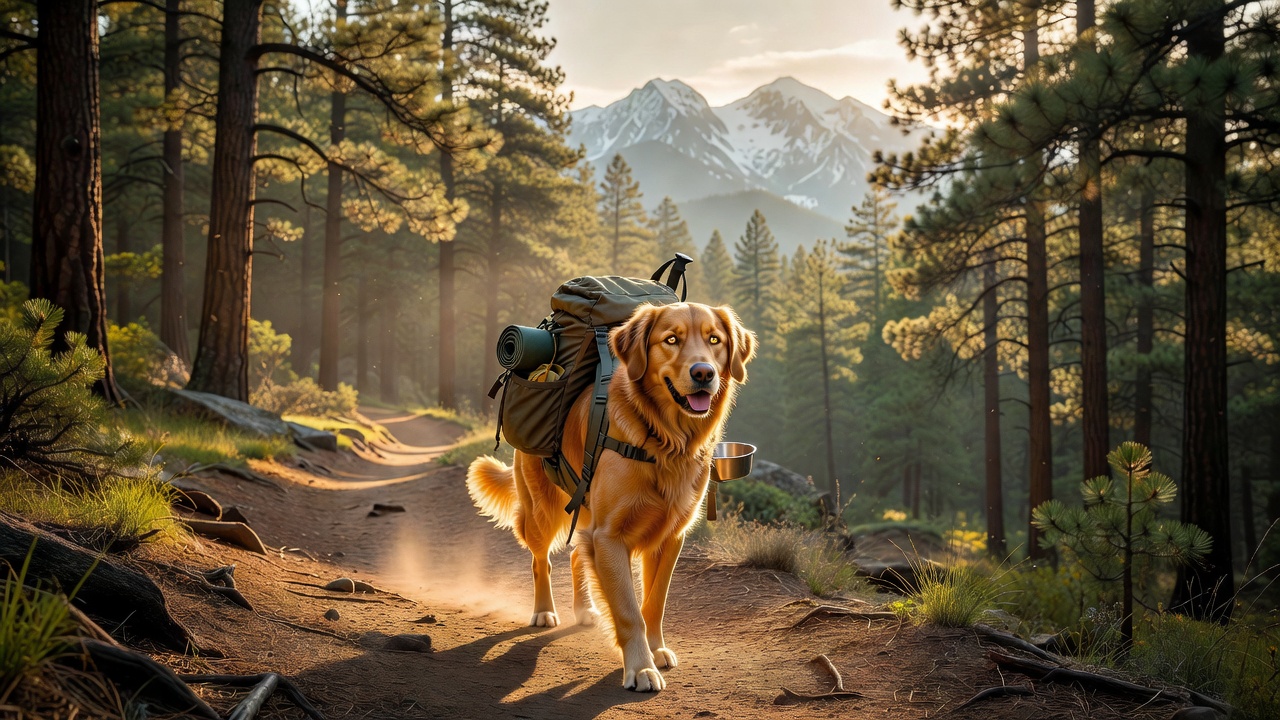
Taking your dog camping is one of the best things you'll ever do together. It's also one of the easiest ways to turn a relaxing weekend into a midnight vet visit if you skip the basics — paw burns on hot sand, a dog who won't come back when you call, a tent that's too small for everyone to sleep, heatstroke on a trail with no shade.
I've been writing about trail dogs and camp dogs for TrailMapz since the beginning, and the same questions come up over and over: What gear do I actually need? How do I keep my dog safe in summer heat? What training collar works for off-leash hiking? How big a tent do I need for two adults, two kids, and a dog?
Instead of making you hunt through the blog, this hub puts every dog-focused guide in one place. Read the one that matches your trip — or work through the whole collection before your next adventure.
Taking the dog? The Oklahoma camping guide maps the state's per-pet nightly fees, cabin charges and rabies-documentation rules, plus where the federal refuges close the gate entirely.
Quick Answer: Start Here With Your Trail Dog
- The three things to buy first: CIBAABO dog water bottle ($14.98), Ruffwear Quencher bowl ($19.95), and a waterproof camp bed ($29.99).
- Brand new to this? Read the complete dog camping guide before your first trip.
- Off-leash on the trail: best dog training collars for hiking.
- Tent space math: how much tent 2 adults, 2 kids and a dog need.
- Fall hunting season: keep your dog visible with blaze orange.
How to Use This Hub
- First time camping with your dog? Start with the complete camping-with-dogs guide — it's the overview everything else builds on.
- Summer trip coming up? Read the summer hiking safety guide and the summer gear checklist together — they cover different angles of the same heat problem.
- Hiking September through December? Hunting season overlaps public trails across most of the US — and brown, black, and white dogs are routinely mistaken for game. The blaze orange hunting-season safety guide covers the vest, the collar light, and what to do when you meet hunters on the trail.
- Cool-weather trip (fall or winter)? The part everyone gets wrong is the sleep setup — a blanket on a bare tent floor does nothing. The dog sleeping pad and camp bed guide covers cold-ground insulation, cot vs pad vs waterproof bed, and the layered setup that actually keeps a dog warm overnight.
- Want to go off-leash on the trail? The training collar guide and the dog backpacking guide both cover recall and trail discipline from different starting points.
- Bringing the whole family? The tent sizing guide for 2 adults, 2 kids, and a dog answers the space question everyone asks too late.
The Overview: Camping With Dogs (2026)
This is the hub's anchor — the complete camping-with-dogs guide is the article everything else refers back to. If you read nothing else, read this one.
It covers the full picture: a practical dog camping gear checklist, campground etiquette (the unwritten rules that keep you welcome at sites), trail safety fundamentals, heat protection, hydration, and a first-aid framework for common trail incidents. The piece is built around real campground experience — not a list of products, but a list of decisions you'll actually face, from "can my dog sleep in the tent vestibule" to "what do I do if she cuts her pad on a rock."
It's the most comprehensive dog article on the site and the natural starting point for anyone planning a first dog camping trip. The gear checklist inside it is the short version; the summer gear checklist below is the expanded warm-weather edition.
Summer Heat & Paw Safety
Summer is where most dog camping trips go wrong. Dogs overheat faster than humans, their paws burn on surfaces you'd walk barefoot without thinking, and the signs of heat exhaustion are easy to miss until it's an emergency.
The dog summer hiking safety guide is the deep dive. It includes a real paw-burn test (what temperatures are actually dangerous on different surfaces), hydration rules that account for exertion and heat, tick prevention for trail-heavy summer trips, and the specific gear that prevents vet visits — cooling bandanas, paw wax, proper trail boots, and shade setups. If you're hiking in anything above 75°F, read this first.
The summer gear checklist is the companion piece — a focused gear list for warm-weather hikes. It covers cooling gear, water and shade solutions, paw protection, and the trail gear that prevents heat-driven mistakes. Where the safety guide tells you why heat is dangerous, the checklist tells you what to pack to handle it.
Read the two together for any summer trip — they answer different halves of the same question and there's real overlap that reinforces the critical points.
If your summer trip involves water — lakes, rivers, or the beach — add the dog water safety guide to that stack. It covers the five water dangers that aren't drowning (rip currents, exhaustion, blue-green algae, cold-water shock, and sudden drop-offs), when a life jacket actually matters, and the post-swim care that keeps a fun lake day from ending at the vet.
Off-Leash Training & Trail Recall
Off-leash hiking is the dream — your dog trotting ahead, checking back in, coming when called. It's also a disaster if your recall isn't solid. The best dog training collar guide for off-leash hiking compares the four collar types — voice, beep, vibration, and static — and explains which training modes actually build reliable trail recall versus which ones just create noise.
The piece isn't a product pitch. It's a training framework: which collar type matches which dog personality, how to layer beep and vibration before ever using static, and the trail-specific scenarios where a training collar genuinely saves a dog's life (wildlife chasing, cliff-edge curiosity, encountering other leashed dogs). It also covers the legal side — where off-leash is allowed, where it's not, and how a training collar changes your responsibility.
For the full trail-behavior picture — packing, pace, water crossings — the dog backpacking guide takes over. It's the multi-day version of off-leash training: how to load a dog pack, how to condition your dog to carry weight, trail training that goes beyond recall, and paw protection for rough terrain.
Backpacking With Your Trail Pup
The dog backpacking guide is the most ambitious piece in the collection — it covers multi-day backpacking with a dog, not just day hikes or car camping. That means a complete gear checklist (packs, boots, food, first aid), trail training for distance and terrain, paw protection for rocks and scree, and water safety for crossings and lakes.
It also gets into the planning side: how far can a dog actually hike in a day (less than you think), how much weight is safe to carry (a percentage of body weight, not a fixed number), and how to build up trail fitness before a big trip. If you're moving from car camping to backpacking with your dog, this is the guide that makes the transition safely.
The guide pairs naturally with the training collar guide — backpacking requires the most reliable recall of any dog activity, and the collar guide explains the training layer that makes a multi-day off-leash trip realistic.
Family Camping: Fitting Everyone (And The Dog)
The question that lands in search every week: what size tent do I need for two adults, two kids, and a dog? The tent sizing guide for families with a dog answers it with real measurements and real-world setups.
It explains when a 6-person tent works, when you actually need 8-person space, and how a dog changes the math — dogs take more floor space than people expect, they sprawl, and they need ventilation. The guide covers the cramped-camping mistakes that make families miserable (insufficient headroom, no separate sleeping zones, vestibule gear overflow) and the tent features that solve them.
This one connects to the broader camping tent size guide for the full tent-sizing framework — the dog-specific guide is the family-with-dog version of the same logic.
Once you know the size, the next question is which tent to actually buy. Our best tents for camping with dogs 2026 roundup compares six shelters — CORE instant cabins, CAMPROS with a room divider, blackout fabric for dogs that wake at dawn, a budget Coleman, and a dedicated pop-up dog tent — with setup tips that keep muddy paws out of your sleeping bag.
Sleep Setup: Dog Beds, Cots & Sleeping Pads
The most under-prepared part of dog camping is where the dog actually sleeps. Fur does almost nothing for the underside of a dog resting on cold ground, and a tent floor in October pulls heat out of anything touching it all night. The dog sleeping pad and camp bed guide is the dedicated deep dive.
It compares four camp beds — a water-resistant travel pillow bed, a raised folding cot, a budget waterproof outdoor bed, and a pop-up mesh dog tent — and explains the barrier-layer-plus-comfort-layer setup that makes a three-season bed work below freezing. It also covers sizing (measure nose to tail, not curled up), placement inside the tent (away from the condensation on the walls), and the mistakes that leave a dog shivering at 2 a.m.
If you read one more dog article this season, make it that one — the comfort gain per dollar is higher than almost anything else in the kit.
The Gear Checklist (Quick Reference)
If you're packing right now and need the short version, the summer gear checklist is your fastest reference — cooling, water, shade, paw protection, and trail gear in one scannable list. For cold-weather or shoulder-season trips, the main camping-with-dogs guide includes the year-round checklist with seasonal notes. And if you want the printable, tick-off-everything list that covers documents, meds, food, sleep, and recall gear in one page, the camping with dogs checklist is the one to keep in the glovebox.
The key gear categories every dog trip needs:
- Hydration — more water than you think, plus a collapsible bowl like the Ruffwear Quencher
- Paw protection — wax for rough terrain, boots for hot ground or snow
- Cooling — bandana or mat for summer; shade is non-negotiable
- Water safety — a dog life jacket for lake, river, and beach days: the Outward Hound Granby Splash ($24.99) for calm water, or the Ruffwear Float Coat ($99.99) for open water
- First aid — tick remover, bandages, antiseptic, vet wrap
- Sleep — a dog pad or camp bed; dogs get cold at night too (see the dog camp bed guide)
- Recall — a training collar if you're going off-leash, a long lead if you're not
Things I Wish I'd Known
A few things that don't fit neatly into the guides above but have saved me trouble more than once:
- Condition your dog before the trip. A dog who walks two miles a day at home is not ready for a ten-mile trail day. Build up gradually — the backpacking guide covers how.
- Test paw protection at home first. A dog who won't wear boots on your living room carpet won't wear them on hot sand. Break them in before you need them.
- Carry more water than the math says. Dogs drink more on the trail than at home, and you'll share. The summer safety guide has the real hydration numbers.
- Know the closest vet before you set up camp. It takes five minutes and it's the difference between a minor incident and a disaster if something goes wrong.
Where to Go Next
If you've read the dog guides and want to go further, the camping-with-dogs guide connects to the broader TrailMapz camping library — bear safety, camp cooking, family camping, and the full gear guides. The dog collection above is the dog-specific slice; the rest of the site covers everything else you'll need for a complete trip.
Start with the overview, read the pieces that match your trip, and you'll be ready for a safer, more comfortable adventure with your trail dog.
If the trip is heading southwest, the Camping in New Mexico guide covers the dog and kid rules at Carlsbad Caverns and Chaco specifically.
Alabama allows leashed dogs on most state park trails, which is not true of every state — Camping in Alabama covers the exceptions.
If the dog is coming along, Camping in Louisiana includes the Louisiana leash rules, the pet-friendly cabin filter and the bug protection that matters down there.
One state is worth a specific warning for dogs: our North Carolina camping guide notes that pets are not allowed on the ferry to Bear Island, and that Smokies and Parkway trails are closed to dogs outside a handful of paved paths.
Planning a cold-weather trip with your dog? The cold-weather dog camping guide breaks down bedding, heat sources and the body signals that mean it is time to head inside.
If the dog is coming and the route runs south, the Camping in Kentucky guide has the Red River Gorge walking notes plus the state's late tick season.
If your trip includes a dog and a cabin, the Arkansas camping guide lists the per-dog fee.
Dog Camping FAQ
If the dog is coming, camping in Wisconsin covers the campground-yes, beach-no rule and what that means for an October trip.
For a fall trip with the dog, our West Virginia camping guide lists which campgrounds keep four pets per site and where the tick season actually ends.
Does my dog need a bed for camping?
Yes — a bed is 20 pounds of insulation between your dog and cold, wet ground, and it also gives them an unmistakable "this is mine" spot at a strange campsite. A waterproof outdoor dog bed works directly on the ground, while a travel pillow bed is the light option for pack-in trips. The dog sleeping pad guide compares the options in detail.
How do I keep my dog hydrated on the trail?
Carry water for them the way you carry it for yourself. A portable dog bottle with a food container lets you water and feed without stopping long, and a collapsible bowl stays flat in a daypack. Offer water every 20-30 minutes on a hot hike rather than letting them drink heavily once.
How do I keep a dog clean at camp?
Waterless shampoo plus a towel handles muddy feet and dog smell without a full bath. A waterless no-rinse shampoo gets used on every trip — a muddy dog in a shared tent is the fastest way to ruin everyone's sleep.
Where can I legally camp and hike with my dog?
Rules vary enormously: many national parks allow dogs only on paved paths or not at all, most national forests and BLM land are far more permissive, and state parks sit in between. Never assume — check the specific park's rules before you plan the trip, and remember that leashed-only is the standard on most trails.
The park-by-park version: national parks are the strictest case, and their rules are far from uniform — a handful allow leashed dogs on most or all of their trails while most restrict dogs to developed areas with no trail access at all. Our dog-friendly national parks guide sorts the parks into those buckets, with the 6-foot leash rule and the B.A.R.K. Ranger program explained.
How do I keep my dog under control off-leash?
Only where it's legal, and only with a reliable recall. A training collar is a tool for reinforcing recall, not a replacement for it — the off-leash hiking guide covers how to build the skill before you rely on the hardware.
What about heat and paw safety?
Hot sand, asphalt, and rock can burn paw pads in minutes; if it's too hot for your hand, it's too hot for their feet. Plan hikes for early morning, carry water, and watch for heavy panting — the summer paw protection guide covers booties, wax, and heat-stress signs.
Camping with a dog on the Oregon coast comes with its own leash and trail rules — the Camping in Oregon guide covers state parks, state forests and Crater Lake separately.
<!-- AFFILIATE_DISCLOSURE -->For park-by-park dog rules — including the five Olympic National Park trails where leashed dogs are allowed — see the Washington state camping guide.