Family Camping Gear Checklist 2026
Don't forget the tent stakes or the kid-sized sleeping bag. Our printable family camping gear checklist covers shelter, kitchen, clothing and safety.
In this article · 11 sections
- Quick Answer: The Family Camping Shortlist
- Shelter: Where Everyone Sleeps
- Camp Kitchen: Feeding the Crew
- Comfort & Seating
- Clothing & Footwear
- Daypacks & Carrying
- Safety & First Aid
- The Master Checklist
- Camping Checklist Questions, Answered by Trip Type
- The One Thing First-Timers Always Forget
- Family Camping Checklist FAQ
Your first family camping trip feels like packing for a small expedition. You've got three lists going, someone's already asked "do we really need pillows" three times, and deep down you're pretty sure you're forgetting something important.
I've been there — unloading the car at a dark campsite, realizing the lantern batteries are dead and the kids' sleeping bags are still in the garage. This checklist exists so you don't make the same mistakes. It covers every category you actually need, organized by how you set up camp, not by store aisle. Planning to take the family out on Labor Day weekend, when campsites book out months ahead? Our Labor Day weekend camping checklist adds the trip-audit and booking steps that keep the busiest camping weekend of the year from turning into a last-minute scramble. And when the leaves turn, our Halloween camping with kids guide is the full game plan for a spooky-but-not-scary October weekend — glow-stick games, 40°F-night gear, and the safety checklist that keeps the fun from freezing over.
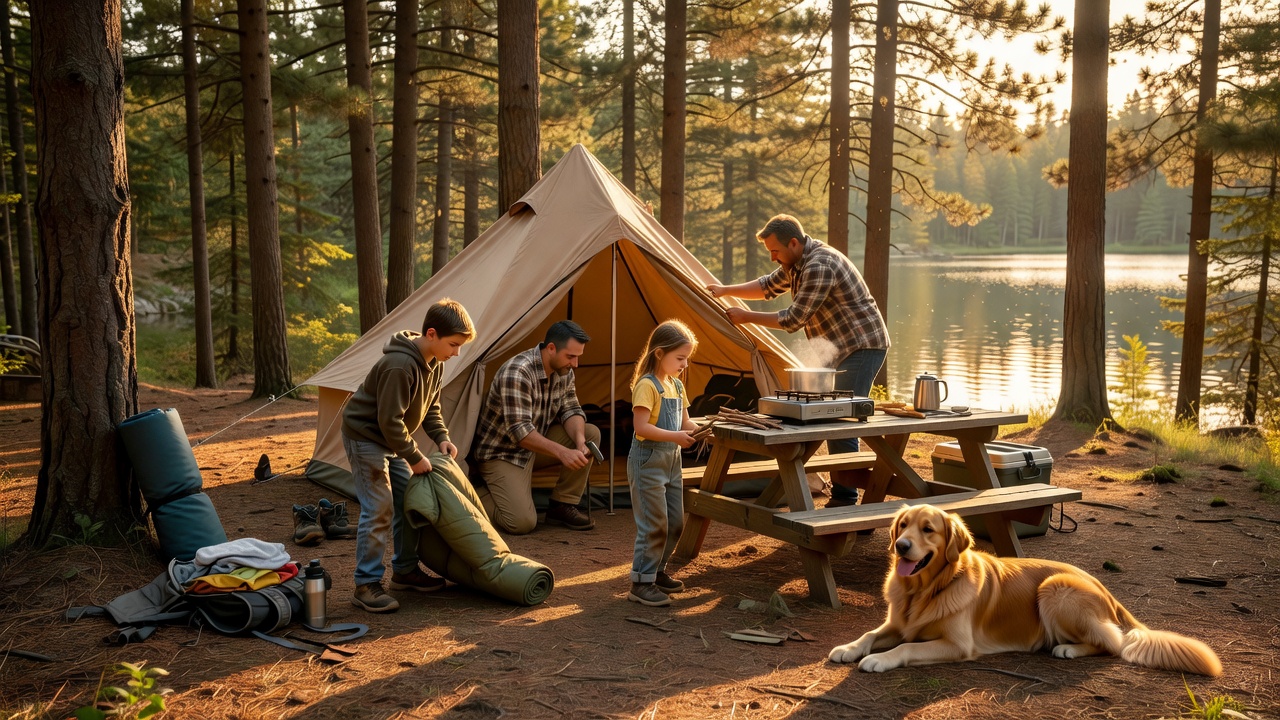
Quick Answer: The Family Camping Shortlist
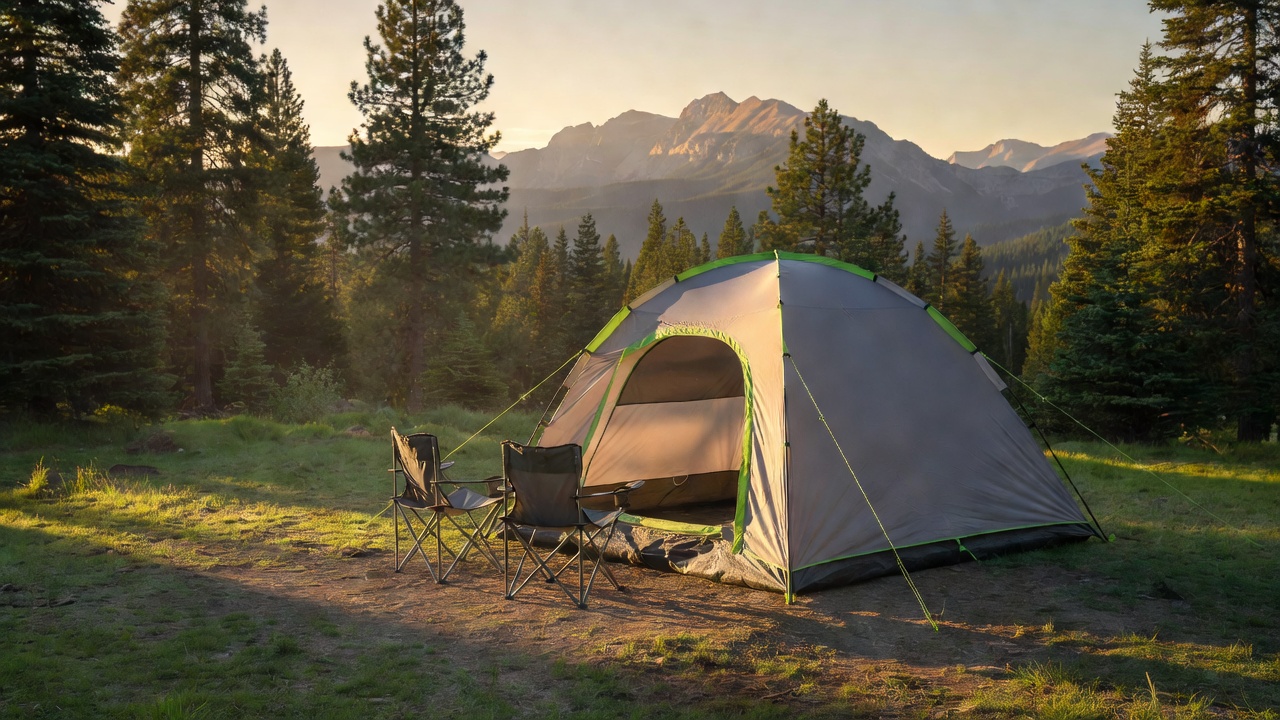
- Shelter for four: CORE 6 Person Instant Cabin — instant setup matters when you arrive at dusk with tired kids.
- Bags by age: the TETON Sports Celsius XXL 0°F for adults, the Morrison Outdoors Big Mo 40 for ages 2—4, and the Little Mo 40 for babies 6—18 months.
- Food and cold storage: the Coleman 316 Series Wheeled 62QT cooler and the Gas One GS-3400P dual-fuel stove — propane or butane, so you are never stuck hunting one canister type.
- Seating that survives kids: the Coleman chair with built-in cooler — a cup holder and a 4-can cooler built into the armrest.
- Safety kit that lives in the car: the Adventure Medical Kit .7, sized for three people with real supplies rather than a box of band-aids.
Shelter: Where Everyone Sleeps
Shelter is the foundation. Get this wrong and nobody sleeps well — which means nobody has fun on day two. Your tent, sleeping bags, and sleeping pads form a system; they all need to work together.
The Family Tent
A 4-person tent fits two adults with zero gear. A family of three with bags, boots, and a cooler needs a 6-person tent at minimum. Don't let the capacity number fool you — it counts sleeping pads laid side by side, not real humans with stuff.
Working to a tight budget? Our sub-$100 tent shortlist narrows that bracket down to the shelters that still handle a rainy weekend.
Our pick: the ** CORE 6 Person Instant Cabin Tent ($169.99)**. Pre-attached telescoping poles lock into place in 60 seconds — no pole threading, no arguing over which end goes where. The 99 sq ft floor fits two queen air mattresses side by side, and the 72-inch peak height lets adults stand fully upright to change clothes. For a full breakdown of tent sizes and which one fits your family, see our camping tent size guide. If you want side-by-side picks before you buy, our best family camping tents guide compares budget, blackout, and premium instant-cabin options in one place. If darker mornings are high on your wishlist, our new best 6 person family tents with blackout fabric guide focuses specifically on dark-room and instant-cabin models that help kids sleep past sunrise. If you're trying to stay under a hard shelter budget, our best family tents under $200 guide narrows the shortlist to value picks that still feel livable for a real weekend with kids.
Also bring: Tent footprint or heavy-duty tarp (protects the floor), extra stakes (you will bend at least one), and a mallet (rocks work until they don't).
Sleeping Bags for Everyone
Match the temperature rating to where you camp, not the coldest place you might someday visit. A 20°F bag in July is a sweat lodge. A 40°F bag in October is a bad night.
-
Adults: ** TETON Sports Celsius XXL 0°F Sleeping Bag ($89.99)** — an oversized cut with a mummy-style hood. Plenty of shoulder room for adults who hate feeling wrapped like a burrito. The compression sack gets it down to manageable car-camping size.
-
The sack that makes the bags fit: ** Sea to Summit Lightweight Compression Sack ($39.95, 20L)** — a 20°F or 0°F family bag is the bulkiest thing in the vehicle, and this is the durable 70D nylon compressor that gets it down to a size you can stack. For a bin full of kids' synthetic bags, the Frelaxy Compression Sack ($16.99) does the same job across 11–52L at a third of the price.
-
Warm-weather alternative: ** Kelty Cosmic Down 20°F Sleeping Bag ($169.00)** — 550-fill down packs smaller and breathes better than synthetic. Worth the upgrade if you camp across three seasons.
-
Babies (6-18 months): ** Morrison Outdoors Little Mo 40° Baby Sleeping Bag ($69.95)** — sleeveless, wearable design that can't be kicked off or pulled over the face. No loose blankets in the tent.
-
Toddlers & preschoolers (2-4 years): ** Morrison Outdoors Big Mo 40° Kids Sleeping Bag ($79.95)** — same wearable safety design, sized up. Kids can roll around without escaping the warmth.
Also bring: Sleeping pads for everyone (insulation from the cold ground matters as much as the bag), camp pillows (a rolled-up hoodie is not a pillow after night one — our guide compares inflatable, hybrid, and plush camp pillows for every sleep style), and one dry sleep-only clothing set per person so nobody crawls into bed in damp base layers.
Kids-Specific Shelter Extras
- Nightlight or glow sticks — one per kid. A dark tent at 2 AM is terrifying for a 4-year-old. The ** Petzl ACTIK CORE Headlamp ($79.95)** has a red LED mode that preserves night vision — use it for midnight bathroom runs without waking the whole tent.
- Favorite stuffed animal — the one non-negotiable item. Pack it in a dry bag so it can't get damp.
- Extra blanket — kids kick off sleeping bags. A fleece throw solves this without adding bulk.
If your crew always ends up arguing over balled-up hoodies and flattened travel pillows by the second night, our best camp pillows comparison walks through which pillow styles actually stay comfortable for side sleepers, restless kids, and car campers who care about real sleep.
Camp Kitchen: Feeding the Crew
Cooking for a family at a campsite is half the fun and about 80% of the mess. The right gear makes it a highlight instead of a chore.
Before you pack the cooler, it helps to think in systems instead of random items: cold drinks that stay cold, clean water that is easy to refill, and one reliable stove setup that keeps breakfast moving. That is why our camp stove fuel guide pairs so well with a family checklist like this one. Fuel choice sounds like a technical detail until you are standing at camp with hungry kids, a weak flame, and the wrong canister for the temperature.
Cooler
A family of four eats three meals a day for a weekend trip. That's 12 meals of food that needs to stay cold. Buy a bigger cooler than you think you need — every family camping veteran says this.
** Coleman 316 Series Wheeled Cooler 62QT ($84.99)** — 62 quarts holds enough food and drinks for a 3-day family trip. The wheels are the killer feature: a full 62QT cooler weighs over 50 pounds, and you'll be glad you can roll it from the car to the picnic table instead of carrying it.
Also bring: A separate drinks-only cooler (opening the food cooler every time someone wants a soda kills your ice), pre-frozen water bottles as dual-purpose ice packs, and a camp kitchen organizer for utensils and spices.
When family breakfasts keep taking way longer than they should, our best camp stove guide for car camping compares the burner layouts, wind control, and cleanup tradeoffs that matter most once you are cooking for 3-5 people instead of just boiling coffee for two. If everyone in your crew goes to bed grumpy after a long setup day, our camp lighting guide is the companion read that helps you build a calmer after-dark routine with the right mix of lanterns and headlamps.
Hydration
Each person needs about a gallon of water per day — drinking, cooking, washing hands. Four people × three days = 12 gallons. Bring more than you calculate.
** Owala FreeSip Insulated Stainless Steel Water Bottle ($27.99)** — the two-way spout switches between sipping through the built-in straw (upright) and chugging through the wide mouth (tilted). Triple-layer insulation keeps water cold for 24 hours. One per person is ideal; two for adults, one per kid works on a budget.
Camp Stove & Cooking
A two-burner propane stove is the family-camping standard. One burner for coffee water, one for pancakes. The ** Gas One GS-3400P Dual Fuel Camp Stove ($34.99)** runs on propane or butane, giving you flexibility for boiling water and simple one-pot meals, but most families want a full two-burner setup. Check our budget camp stoves guide for options at every price point, then use the camp stove fuel guide to avoid the classic beginner mistake of buying a butane setup for cold-weather or high-elevation family trips.
Also bring: Cast iron skillet (indestructible, works on fire or stove), long-handled spatula and tongs, biodegradable camp soap and scrubber, trash bags (pack it in, pack it out), and paper towels (you'll use twice as many as you packed).
For full camp kitchen setup guidance, see our camp kitchen setup guide and camp cooking for beginners.
Comfort & Seating
You spend more time sitting around camp than hiking. Bad seating makes everyone cranky by dinner.
** Coleman Cooler Quad Camping Chair ($39.99)** — the built-in 4-can cooler in the armrest is one of those features that sounds gimmicky until you use it. No getting up for drinks during card games. The cushioned seat and back mean you can sit through an entire campfire without shifting around.
Also bring: A folding camp table for food prep (the picnic table at your site may be sticky, splintered, or occupied), and a hammock if you have trees — kids will use it more than chairs. For a side-by-side comparison of the best camp chairs across budgets and use cases (ultralight, couples 2-packs, big-and-tall), our camping chairs comparison guide breaks down seat height, weight capacity, and pack size so you don't buy the wrong chair for your family's camping style. If your family relies on phones for trail maps, a rechargeable lantern, a cooler, or a medical device, add a portable power station camping guide to the planning list; it explains watt-hours and solar charging without making you guess what will run overnight.
Clothing & Footwear
The packing rule: one outfit per day plus one spare. Then add a warm layer and a rain layer, even if the forecast says 75 and sunny. Mountain weather does not care about your app.
Rain Protection
** Outdoor Research Men's Helium Rain Jacket ($159.00)** — 6.4 ounces, packs into its own chest pocket, and sheds rain without turning into a sweatbox. Pricey but the weight-to-protection ratio is best-in-class. One per adult; kids can use whatever rain jacket fits.
A rain jacket alone won't save a trip, though. If you've ever watched a family weekend wash out because the tent leaked or the sleeping bags soaked through, our rainy day hiking and camping gear guide walks through the full wet-weather kit — pack covers, footprint tarps, the drying routine that saves your next morning, and the one cheap trick for keeping kids' spirits up inside the tent.
Hiking Footwear
Cotton socks inside sneakers = blisters by mile two. Wool socks inside hiking shoes = happy feet.
** Merrell Men's Moab 3 Waterproof Hiking Shoes ($129.95)** — the Moab 3 is the default recommendation for a reason: comfortable out of the box, waterproof membrane works, Vibram outsole grips on wet rock and loose dirt. No break-in period needed.
Also bring: Wool hiking socks (Darn Tough Hiker Midweight Crew Socks or equivalent — avoid cotton), water sandals for creek crossings and camp lounging, wide-brim hats for sun protection, and a fleece or puffy jacket for evenings.
Daypacks & Carrying
Everyone over age 5 should carry their own daypack on hikes. It builds independence and lightens your load.
** BECOJADDE 15L Small Hiking Backpack ($25.99)** — this is the kind of day-hike pack that earns its spot on a family trip because it disappears when you don't need it. It packs flat in the car, then unfolds at the trailhead to carry layers, snacks, water, a first aid kit, and the random rock collection your kid insists on bringing back. For more backpack options and sizing guidance, see our how to choose a hiking backpack guide.
Also bring: A small backpack per kid (school backpacks work fine), dry bags for electronics and spare clothes, and a dedicated trash bag for trail litter.
Safety & First Aid
The stuff you hope you never use but are genuinely glad to have.
** Adventure Medical Kits Ultralight/Watertight .7 First Aid Kit ($44.95)** — hospital-quality supplies in a waterproof bag: bandages, blister treatment, wound irrigation, medications, and a compact wilderness first aid guide. Add kid-specific items: children's ibuprofen, antihistamine, and character band-aids that make a scraped knee feel like an adventure instead of a disaster.
Also bring: Sunscreen (SPF 50+, reapply every two hours), insect repellent (our bug protection guide covers what actually works), a whistle per child, headlamps with fresh batteries, and a printed copy of the nearest hospital's address and phone number.
The Master Checklist
📄 Download the free one-page printable PDF — print it, stick it on the fridge, and check off each box before you leave. (Prefer to print this page directly? Ctrl/Cmd+P formats cleanly on paper.)
(Searching for a camping checklist printable or a camping checklist PDF you can save? The download above is exactly that sheet — the one file covers the family camping checklist PDF, the tick-box camping checklist for families version, and the family camping essentials shortlist in the same order. Print one copy and tape it inside the camping bin.)
Shelter
- Tent + footprint + stakes + mallet
- Sleeping bags (one per person, temperature-rated for conditions)
- Sleeping pads
- Camp pillows
- Extra blanket (kids)
Kitchen
- Cooler + ice
- Water bottles (one per person)
- Camp stove + fuel
- Cookware (skillet, pot, utensils)
- Biodegradable soap + scrubber
- Trash bags
- Paper towels
Comfort
- Camp chairs (one per person)
- Folding table
- Lantern (see our camp lighting guide)
- Headlamps (one per adult)
Clothing
- Rain jacket
- Hiking shoes or boots
- Wool socks (2 pairs per person)
- Warm layer (fleece or puffy)
- Sun hat
- Water sandals
Safety
- First aid kit (stocked with kid-specific items)
- Sunscreen
- Insect repellent
- Whistles per child
- Emergency contact info
Daypacks
- Adult daypack
- Kid backpacks
- Dry bags
Camping Checklist Questions, Answered by Trip Type
Most "camping checklist" searches aren't asking for a longer list — they're asking for the right list for their one trip: two nights with a toddler, one night in a cabin, a week in an RV, a rainy weekend at a state park. So this section answers the phrasing people actually type, trip first.
If you want the short version before the detail: shelter, sleep system, kitchen, water, light, layers, first aid, hygiene, repair. Nine groups. The failures are almost never missing gear — they're light, layers, and something to keep the food cold.
The Checklist by Trip Length and Format
| Question as people type it | The answer |
|---|---|
| camping checklist | Nine categories: shelter, sleep, kitchen, water, light, layers, first aid, hygiene, repair. That covers a family of four for a weekend out of one hatchback. |
| camping essentials | The six items with no substitute: tent, pad, sleeping bag rated for the forecast, water, headlamp, rain shell. Everything else is a comfort upgrade. |
| camping essential checklist | Same nine categories as the full checklist, just print the four you tend to forget: light, layers, medication, can opener. |
| camping essentials checklist | Build it in the order you'll use gear — setup first, kitchen second, sleep third — because you unpack the same way. |
| camping essentials list | For a family of four, one weekend: 1 tent, 4 pads, 4 bags, 4 camp pillows, stove plus fuel, cooler, 2 headlamps, 2 lanterns, first aid, repair tape. |
| what to bring camping | Shelter, sleep, kitchen, water, layers, light, first aid, hygiene, seating. The two most-forgotten are spare batteries and a dry change of clothes kept in the car. |
| what to bring camping checklist | Print it by category, not alphabetically. You pack by activity, so a category list actually gets read and ticked. |
| what to bring camping list | Same nine groups, plus one item per person for boredom: cards, a field guide, a kite. Rainy afternoons are what break first-timers. |
| what to pack for camping | Pack what you'll use in the first two hours on top — tent, stakes, mallet, chairs, water. Digging for a mallet at dusk is the classic first-night failure. |
| what to pack for camping trip | One bag per person for clothing, one tote for the kitchen, one bin for tent and sleep. Three containers total keeps a car trunk navigable. |
| what to pack for camping weekend | Two breakfasts, two dinners, one lunch, snacks, 1.5 gallons of water per person, and one full change of clothes that stays dry in the car. |
| what to take camping checklist | Split "take" from "buy": the take list is your gear, the buy list is food and ice. Shopping the morning of the trip is why people arrive late. |
| camping checklist 2 days | One night out: one change of clothes, one canister or half a 1 lb propane bottle, and no spare bedding beyond a camp pillow. |
| camping checklist 2 nights | Add one extra meal and a second set of socks. Everything else is identical to a one-night kit — two nights is not two of everything. |
| camping checklist 3 days | Three days is where laundry math breaks. Bring four pairs of socks and rotate two shirts, or plan a laundromat stop on day three. |
| camping checklist for 2 days | Identical to a weekend kit: tent, pads, bags, stove, cooler, water, headlamps, first aid. Cut the "maybe" pile, never the safety items. |
| camping checklist for 3 nights | Food for four days, plus a spare fuel canister. You will cook more than the plan says, usually the morning it rains. |
| camping checklist for 4 days | Four days needs a resupply plan. One cooler meal cycle is 48 hours, so day three is a grocery stop or a dry-goods dinner. |
| camping checklist for one night | Tent, pad, bag, pillow, one pot dinner, coffee, headlamp, toothbrush, rain shell. If it fits in a laundry basket, you've packed correctly. |
| camping checklist one night | Treat it as a sleepover outdoors. The three things that ruin it are being cold from below, no light at the tent door, and no breakfast plan. |
| camping overnight checklist | Insulation under you matters more than the bag: a pad with an R-value of 4 or better decides whether anyone sleeps. |
| camping trip checklist | Group by the order you use things and pack in reverse, so setup gear comes out first and the coffee kit comes out second. |
| camping list for a weekend | Two breakfasts, two dinners, one lunch, snacks, ice, and a water jug — then one change of clothes for each person, kept in a duffel that never opens in the rain. |
| camping list for a week | A week is two weekend kits plus laundry. Three days of clothing washed midweek beats seven days of dirty laundry in the tent. |
| camping gear checklist for a week | Add a second fuel source, a repair kit with tape and a pole splint, and a 5-gallon water jug to the weekend kit. |
| camping checklist clothes | Per day: one base layer, one pair of socks, one underwear. Per trip: one insulating layer, one rain shell, one dry set for sleeping. Sleep clothes never leave the tent. |
| camping checklist food | One cooler meal cycle per 48 hours, one dry-meal backup per day, and coffee that doesn't need refrigeration. Assume one meal gets skipped for weather. |
| camping checklist cooking | Stove, fuel, lighter plus matches, one pot, one pan, spatula, knife, cutting board, plates, mugs, and a wash tub. The wash tub is the item everyone forgets. |
| camping checklist kitchen | Kitchen tote: stove, fuel, lighter, pot set, utensils, oil, salt, foil, trash bags, dish soap, sponge, towel, can opener. |
| camping meal checklist | Breakfast, lunch, dinner and one snack per person per day, plus a dry emergency meal. Pre-chop at home; camp cleanup is the bottleneck, not cooking. |
| camping grocery checklist | Shop by meal, not by aisle. Buy ice the day you leave, keep a separate cooler for drinks, and freeze water bottles to double as cooler packs. |
| camping toiletries checklist | Toothbrush, toothpaste, biodegradable soap, hand sanitizer, sunscreen, lip balm, bug spray, toilet paper in a zip bag, and a small towel. |
| camping hygiene checklist | Add a collapsible basin, a quick-dry towel, and baby wipes. Wipes do more for a family trip than a shower does. |
| camping checklist personal items | Medication, glasses or contacts plus solution, phone cable and battery bank, ID, cash for firewood, and any permit or reservation printed on paper. |
| camping list for kitchen | One tote, one stove bag, one wash bag. Three containers you can carry in one trip and set down in the same order at every campsite. |
| camping gear list with pictures | Pictures help for kids and for packing help — photograph your own bins and tape the photo to the lid, so anyone can repack them correctly. |
| camping checklist printable | Print the nine categories as headings and leave three blank lines under each. A list you can add to beats a perfect list you ignore. |
| camping checklist free printable | Free templates are fine; the useful part is category order. Any printable that leads with "tent, stakes, mallet" matches how a campsite actually gets built. |
| camping checklist printable free | Print two copies — one for the gear bin, one for the car door pocket — and tick the return trip too, so nothing gets left in the grass. |
| camping checklist pdf | Keep it as a PDF on your phone as a backup; paper still wins at a campsite with no signal. |
| camping checklist free | Free version, category-based: setup, kitchen, sleep, clothing, hygiene, safety, repair, kids, dog. Nine headings covers almost every trip. |
| camping checklist download | Download once, edit once, reuse forever. Pre-fill quantities for your family's size so future packing is ticking boxes, not decisions. |
| camping checklist pdf free download | Any free PDF works if it has a "return trip" column. Losing a tent stake per trip adds up faster than any gear upgrade. |
| camping essentials checklist printable | Print the gear side, write the food side by hand. Food changes every trip; gear rarely does. |
| camping checklist template | Columns that work: item, category, quantity, packed, returned. Five columns, and the last one saves the most money. |
| camping checklist sheets | One sheet per bin is the upgrade most families never make — tape the sheet inside the lid and stop re-inventorying the whole garage. |
| free camping list checklist | Free lists tend to be complete and unusable. Cut yours to what fits your car, then add one comfort item per trip. |
| camping list checklist printable | Print it landscape with a checkbox column and pack by bin, not by room. |
| camping list checklist pdf | A shared PDF in a group text ends "who has the stove" — assign owners per category and write the names on it. |
| camping gear checklist | Gear checklist means durable goods: shelter, sleep, cook, light, seating, tools. Consumables — food, ice, fuel, batteries — belong on a separate sheet. |
| camping gear list | Same as the gear checklist, plus a duplicate set of small items: one lighter per stove, one spare headlamp, one roll of tape. |
| camping equipment checklist | Read "equipment" as the things that break: stove, lantern, pump, poles, zippers. Test each at home, once, in daylight. |
| camping kit checklist | A "kit" is a permanent bin that never gets unpacked except to clean. Build one per function — kitchen kit, sleep kit, repair kit — and stop repacking from scratch. |
| camping materials checklist | Materials means consumables: fuel, matches, tape, cordage, batteries, trash bags, toilet paper, wipes. Restock the bin the day you get home. |
| camping necessities checklist | Necessities are the items whose absence ends the trip: water, warmth, light, medication, first aid. Everything else degrades the trip instead of ending it. |
| camping needs checklist | Write needs as problems, not products: "somewhere dry to sit", "hot water in the morning", "light to find the bathroom". Then match gear to each. |
| camping checklist items | Group items by the six campsite zones: tent pad, kitchen table, fire ring, seating, car trunk, bathroom kit. Zone lists pack faster than category lists. |
| camping checklist categories | Nine categories: shelter, sleep, kitchen, water, clothing, light, hygiene, safety, repair — plus one for kids and one for the dog if either is coming. |
| camping checklist list | Keep one master list and one trip list. The master never changes; the trip list is what you actually tick, with food and weather added. |
| camping checklist basic | Basic is a car-camping night: tent, pad, bag, light, water, food, rain shell. Everything past that is weight and comfort, not survival. |
| camping checklist simple | Simple means one bin per job and no duplication. If two people pack the same item twice, you own too many copies. |
| camping checklist minimalist | Minimalist car camping: one shared duvet instead of four bags, one pot, one headlamp per person, and no chairs if the site has a picnic table. |
| quick camping checklist | The 60-second version: shelter, bedding, stove, fuel, water, light, layers, food, first aid, trash bags. Ten items, one trip to the car. |
| camping master checklist | The master list is the one you never delete from — every item you've ever needed, grouped by zone. Trip lists are copies with rows removed. |
| camping ultimate checklist | "Ultimate" lists become unusable past about 80 rows. Cap yours at what fits your vehicle and add one comfort item per trip instead. |
| camping checklist must haves | Must-haves by consequence: water, warmth, light, medication, first aid, food safety (ice). Those six are the only true non-negotiables. |
| camping essentials for beginners | Beginners need fewer items and better decisions: a tent you've pitched once at home, a bag rated below the forecast, and a stove you've lit before. |
| camping checklist beginner | Beginner list: tent, stakes, mallet, pad, bag, pillow, headlamp, stove, fuel, pot, cooler, water, wipes, first aid, rain shell, one change of clothes. |
| camping checklist for beginners | Start with borrowed gear for anything used once. Buy the three items you'll use every trip: sleeping pad, headlamp, and a proper cooler. |
| camping for beginners checklist | Add one practice night in the backyard. Every beginner failure — missing stake, wrong fuel, cold feet — is cheap to fix at home and expensive at a campground. |
| camping gear list for beginners | Buy in this order: sleeping pad, cooler, headlamp, stove, tent. That order fixes comfort first, which is what makes families come back. |
| camping list for dummies | The dummy-proof version is a bin per zone with a photo taped inside the lid. If a bin is empty on return, you know exactly what's missing. |
| camping checklist to bring | "To bring" is gear plus food. Write the food list last, after you've decided the meals, or you'll shop twice. |
| camping checklist to pack | "To pack" is the same list sorted by container: trunk bin, kitchen tote, clothing bag, bathroom kit, car-door pouch for maps and permits. |
| camp out checklist | A camp out is a one-night, often group, event: tent, bedding, light, snacks, water, and a shared game. Someone else usually brings the big kit, so don't overpack. |
| camping 3 days checklist | Three days is 48 hours of ice. Two coolers — one for food, one for drinks — beat one big cooler you open fifty times. |
| camping checklist essentials | Essentials first, comfort second: water, warmth, light, medication, first aid — then chairs, coffee, and the tarp. |
| camping checklist gear | The gear side of the checklist is shelter, sleep, cook, light, seating, repair. Consumables get their own sheet, or they get forgotten. |
| camping checklist packing | Pack in reverse use order: setup gear at the trunk door, kitchen next, bedding last so it stays dry during setup. |
| checklist for camping | Start the checklist with the campsite, not the gear: site number, arrival time, fire rules, water source, bathroom distance. |
| list for camping items | Items you need at the site: tent, stakes, mallet, bedding, light, stove, fuel, cooler, chairs, table, trash bags, toilet kit. |
| list for camping needs | Needs are the trip's chokepoints: water, ice, light, fuel, dry layers, and a bathroom plan. Solve those and everything else is comfort. |
The Checklist by Camper
| Question as people type it | The answer |
|---|---|
| camping checklist for kids | Per child: sleeping bag, pad, pillow, headlamp, two full outfits, rain shell, water bottle, hat, spare shoes, and one comfort item. Kids get cold from the ground up, so pads matter more than bags. |
| camping checklist kids | Let each kid own a small pack with their headlamp, water bottle, and snacks. Ownership is what stops the "where's my water bottle" loop. |
| camping checklist with kids | Add wipes, a change of clothes per child per day, a small shovel, and a bedtime routine that works without a bedroom. |
| camping list with kids | Pack one bin per child instead of one bin for all children. Sorting four kids' clothing out of a single duffel at 9 p.m. is the trip's low point. |
| camping list with kids pdf | Print one page per child with their name at the top and let them tick it — that's the whole trick for getting help with packing. |
| camping list with kids printable | Same printable, one per kid, laminated. Dry-erase markers turn packing into a job they can finish. |
| camping list with young kids | Under five, the list changes: no camp chairs (they tip), a travel cot or pad with sides, and twice the wipes you think you need. |
| camping packing list with kids | Multiply clothing by days and add one full spare set per child that stays in the car. Wet children end trips earlier than cold ones. |
| camping packing list kids | Kids' packing list: bag, pad, pillow, headlamp, outfits, rain gear, water bottle, hat, sunscreen, bug spray, toothpaste, comfort item, small toys. |
| camping gear list for kids | Kids' gear worth buying: their own headlamp, a properly sized sleeping bag, and a pad with an R-value of 3 or better. Skip the toy camping sets. |
| camping essentials for kids | Essentials for kids: warmth from below, their own light, a full water bottle within reach, and sun protection. |
| camping checklist for families | Family list: one tent sized two people up from your headcount, one pad and bag per person, one shared kitchen tote, and one adult-owned first aid kit. |
| camping checklist for family | Assign the family list by adult, not by category. One adult owns food and kitchen, the other owns shelter and kids — that's how it actually gets packed. |
| camping essentials for family | Family essentials: a tent with two doors, a 5-gallon water jug, a cooler that holds ice 48 hours, and a lantern that lights the whole table. |
| camping gear list for family | Buy bigger than you think on shelter and cooler, smaller on everything else. Families outgrow tents in two seasons, coolers in five. |
| family camping holiday checklist | Holiday trips add reservation paperwork, a printed site map, cash for firewood, and a plan for the one day it rains. |
| camping checklist baby | Baby adds: travel cot or bassinet, more layers than you expect, bottle washing kit, diapers for two extra days, a thermometer, and a shade solution. |
| camping checklist with baby | Keep the baby's sleep setup identical to home — same sleep sack, same white noise — and the trip stops being an experiment. |
| camping checklist for toddler | Toddler list: travel cot, sleep sack (a 40°F kids bag sized for ages 2-4 beats an adult bag folded in half), two spare outfits per day, wipes, a potty or training seat, snacks in a reachable pocket, and a familiar blanket. |
| camping checklist with toddler | Toddlers get cold and lost in that order — dress them warmer than you're dressed and put a whistle on a lanyard. |
| camping essentials for toddlers | Toddler essentials: cot with sides, easy-off shoes, a full water bottle, sun hat, snacks, wipes, and a light they can switch on themselves. |
| camping packing list for toddler | Two outfits per day plus one warm layer. Toddlers spill, fall in creeks, and find mud — pack for three wardrobe changes a day and you're covered. |
| camping list with a toddler | Add a folding step stool for the bathroom, a night light, and a small rug for inside the tent door. Tiny comfort items prevent 2 a.m. wake-ups. |
| camping with infant checklist | Infants: shade, a firm flat sleep surface, layers, feeding kit, diapers at double the home rate, a thermometer, and a plan to leave early. |
| what to bring camping with a baby | Bring a portable bassinet or travel cot, a mosquito net for the cot, layers, an extra blanket, feeding gear, and a battery thermometer. |
| what to bring camping with kids | Kids: their own bag, pad, headlamp, water bottle, two outfits per day, rain gear, and a job at setup — the job matters more than the gear. |
| what to bring camping with toddler | Toddler: cot with sides, sleep sack, wipes, snacks, potty, spare shoes, hat, sunscreen, and a comfort item that doesn't get lost easily. |
| what to pack for camping with kids | Pack one outfit per day per child, one warm layer, one rain layer, and one dry set that lives in the car. Kids don't reuse clothing. |
| camping checklist with dog | Dog adds: leash, long line, a tie-out stake (the Ruffwear Knot-a-Hitch is the 28 ft version that stakes anywhere), collapsible bowls, food in a sealed bin, poop bags, first aid, towel, and a bed that isn't your sleeping bag. |
| camping dog checklist | Campgrounds want a leash at all times; bring a 15-30 ft long line for exercise time, plus a stake for hands-free moments at the site. |
| camping list for dogs | Dog list: food, bowls, water, leash, long line, stake, bags, towel, brush, medication, and a copy of rabies vaccination if the park requires it. |
| camping essentials for dogs | Essentials: water they'll drink (bring from home if they're picky), shade, a mat to lie on, and paw protection for hot or frozen ground. |
| camping checklist for couples | Couples can halve everything except water and layers: one stove, one pot set, two pads, two bags, one cooler. Bring two headlamps anyway. |
| camping checklist couple | The couple's split that works: one person owns shelter and sleep, the other owns food and water. Nobody owns "everything" — that's how fights start. |
| camping list for one person | Solo: one-person tent, pad, bag, stove, small pot, one bottle of fuel, headlamp, water filter, first aid, and a printed plan someone at home has. |
| camping checklist solo | Solo camping adds a safety layer: someone knows your site number and return time, and you carry a whistle and a charged phone. |
| camping checklist women | Women's list additions are mostly fit: a properly sized pack, a women's-cut sleeping bag, a pee funnel if wanted, and layers that don't gap at the waist. |
| camping essentials for women | Beyond the standard nine: a women's-specific pack fit, a bag rated for your cold tolerance (often 10°F below the label), and comfort items for hygiene. |
| camping packing list women | Same core list, women's fit: sleeping bag sized to your height, a pack with a shorter torso range, and moisture-wicking base layers. |
The Checklist by Camp Type and Conditions
| Question as people type it | The answer |
|---|---|
| camping checklist tent | Tent camping: tent, footprint, stakes, mallet, pump or repair kit for air mattresses, a broom and dustpan, and a door mat. The mat keeps the tent floor clean all weekend. |
| camping checklist for tenting | Tenting in shoulder season adds a ground tarp, a warmer pad, and a lantern you can hang. Assume condensation and ventilate from the first night. |
| list for camping in a tent | Tent-specific list: shelter plus footprint, sleep system, small broom, door mat, and an inside light. Everything else stays in the car. |
| camping checklist car | Car camping means weight doesn't matter: bring the big cooler, the folding table, the camp chairs, and a real pillow. |
| jeep camping checklist | Jeep camping adds recovery and storage: a compressor or 12V inflator, recovery strap, molle bags on the cage, and one dry bag per person. |
| camping checklist rv | RV adds systems, not stuff: leveling blocks, hose and regulator, surge protector, sewer kit, and a checklist for arrival and departure of each system. |
| camping packing list rv | RV packing is storage-first: bin everything by compartment, label the bins, and keep a departure checklist taped inside the door. |
| camping list for rv | RV list: bedding, kitchen kit, hose and filter, leveling blocks, chocks, toilet chemicals, bin for trash, and a small tool kit. |
| rv camping list checklist | For an RV trip, the checklist is two lists: what goes in the rig, and what gets checked before you drive — antenna, steps, hoses, jacks. |
| camping checklist camper | A camper adds bedding and dishes to a car-camping kit, plus a written arrival routine so the water and power get hooked up in the right order. |
| camping checklist for camper | Pop-up or travel trailer: add bedding, a small vacuum, leveling blocks, and a wheel chock. Mattress upgrades pay off more than any accessory. |
| camping list for a camper | Camper list: bedding, kitchen kit, hose, power cord adapter, chocks, levelers, toiletries, trash bin, and a spare fuse assortment. |
| list for camping in a camper | Camping in a camper means fewer layers and more storage: pack clothing in soft bins that fit overhead cabinets. |
| camping checklist with camper | With a camper, bedding and dishes stay loaded. Your checklist shrinks to food, clothing, hoses, chocks, and a walk-around before driving. |
| camping checklist pop up camper | Pop-up checklist: roof latches, canvas condition, bedding, leveling blocks, chocks, and a crank handle stored where you'll find it. |
| camping checklist trailer | Trailer trips add: weight-distribution check, tire pressure, chocks, levelers, and a departure walk-around with a written sequence. |
| camping checklist travel trailer | Travel trailer essentials: bedding, kitchen kit, water hose and filter, sewer kit, levelers, chocks, and a surge protector. |
| camping checklist van | Van camping: window covers, a small fan, bedding that doubles as seating, a water jug, and a leveling plan for sloped sites. |
| camping van checklist | Van list: insulated window covers, bedding, small table, water, stove with ventilation planned, and a place for wet gear that isn't the bed. |
| camping checklist cabin | Cabin camping shrinks the list to kitchen and bedding: cookware, food, bedding or linens if not provided, towels, light, and cleaning supplies. |
| camping checklist for cabin | Cabin list: food, cookware, bedding if unclear, towels, dish soap, sponge, trash bags, and a headlamp for the walk to the bathroom. |
| list for camping in a cabin | In a cabin, weight is irrelevant and comfort is cheap — bring the real pillow, the coffee setup, and a broom. |
| what to bring camping in a cabin | Cabin: food, cookware, bedding or linens, towels, toiletries, dish soap, paper towels, trash bags, matches, and a board game for rain. |
| what to pack for camping in a cabin | Pack perishables in one cooler and dry goods in one tote. Don't trust the cabin's kitchen inventory — bring a knife and a can opener. |
| yurt camping checklist | Yurts are cabins with thin walls: bedding, slippers, a headlamp, layers for the pre-dawn cold, and a plan for cooking outside. |
| camping checklist beach | Beach camping adds sand control: a mat at the door, a separate water jug for rinsing feet, a shade shelter, and stakes rated for sand. |
| lake camping checklist | Lakeside camping adds water time: swimsuits, quick-dry towels, a throw rope, life jackets for kids, and dry bags for phones. |
| camping checklist summer | Summer swaps insulation for ventilation: shade tarp, battery fan, electrolyte mix, extra water, and lighter layers. Heat is the risk, not cold. |
| camping checklist hot weather | Above 90°F: shade first, then airflow, then hydration. Plan hikes before 10 a.m. and treat the tent as a sauna by noon. |
| light camping checklist | Light camping is a bin size, not a gear philosophy: one tent, one pad and bag per person, one stove, one cooler. Nothing gets a second copy. |
| luxury camping checklist | Luxury camping spends on sleep and food: a real mattress topper, proper pillows, a two-burner stove, a coffee method you like, and a lantern that isn't a headlamp. |
| camping checklist no electricity | No-electricity sites: battery lanterns, extra power banks (a 300Wh power station runs lights and phones for a weekend), a cooler with ice discipline, and a stove — never a heater or a hot plate inside a tent. |
| camping checklist backcountry | Backcountry swaps car comfort for weight: 3-season tent, 20°F bag, R-4 pad, filter, stove and one canister, and no duplicate anything. |
| camping checklist backpacking | Backpacking: shelter, sleep, carried water plus filter, one pot, one canister, layers, first aid, and a repair patch. Weigh the pack loaded before you leave. |
| camping checklist hiking | Hiking day list: water, snacks, layers, rain shell, headlamp, map or offline route, first aid, and a way to signal. Ten essentials, minus the sleep system. |
| camping hiking packing list | A hiking-plus-camping trip needs two lists: the daypack list that stays on your back, and the basecamp bin that stays in the car. |
| camping list for rainy weather | Rain list: tarp and extra cord, rain shells, dry bags, boots that can get wet, a covered cooking plan, and one dry set of clothes per person sealed in a bag. |
| what to pack for camping in the rain | For rain: a tarp big enough to cook under, a groundsheet, dry bags, and twice the towels. Assume the tent floor will get damp and keep bedding off it. |
| camping list for yosemite | Yosemite camping: reserved site paperwork, bear canister where required, layers for 30°F nights, and no food left in the car overnight. |
| what to pack for camping in yosemite | Yosemite packs like the Sierra: warm layers for cold nights, sun protection for granite, a bear canister, and water capacity for dry campgrounds. |
| yosemite camping checklist | Yosemite checklist additions: reservation, bear canister, cold-night layers, and a plan for valley traffic — drive early or don't drive. |
| zion camping checklist | Zion adds heat management: extra water, shade, early starts, and layers for nights that drop 30°F from the afternoon high. |
| yellowstone camping checklist | Yellowstone adds distance and cold: a full fuel supply, layers for near-freezing nights, binoculars, and bear-aware food storage. |
| camping gear list for yellowstone | For Yellowstone: warm sleep system, rain shell, binoculars, bear spray where legal, and a cooler that holds ice for three days between stores. |
| camping list for joshua tree | Joshua Tree: water for two days, sun protection, warm layers for cold nights, and a headlamp — the park is at its best after dark. |
Printables, Files, and Long-Trip Lists
| Question as people type it | The answer |
|---|---|
| camping checklist template free | Free templates work when the columns are item, category, quantity, packed, returned. Everything past five columns is decoration. |
| camping checklist pdf with kids | Print one page per kid with their name on it and let them pack their own bin — faster for you, and they learn the list. |
| camping checklist with kids pdf | Same printable, one page per child, laminated with dry-erase markers so it survives juice and rain. |
| camping checklist with kids printable | Add pictures for pre-readers — a photo of the headlamp does more than the word does. |
| camping essentials checklist pdf | Keep the PDF on a phone as backup and a paper copy in the kitchen tote. The paper one is the one that gets used. |
| camping essentials checklist with kids | With kids, essentials mean warmth from below, their own light, water within reach, wipes, and a change of clothes in the car. |
| camping gear checklist pdf | Gear PDFs are worth keeping because gear rarely changes: test each item once a season and update the file when you buy. |
| camping gear list pdf | Keep the gear PDF in the bin, not the cloud — you'll read it standing in the garage at 7 a.m. |
| camping packing list checklist | A packing list plus the two lists people skip: setup order, and the departure sweep — bins, stakes, trash, leftovers. |
| camping packing list printable | Print it, tick it, and keep the ticked sheet as next trip's starting point instead of re-deciding from scratch. |
| camping packing list pdf | A PDF is a checklist you'll actually carry. Print at 60% so it folds into a pocket. |
| camping packing list template | Columns: item, container, quantity, packed, returned, owner. The owner column ends "who has the stove" arguments. |
| camping packing list for 2 nights | Two nights: one clothing bag per person, one kitchen tote, one cooler with 48 hours of ice, one bedding bin. |
| camping packing list one night | One night: bedding bin, kitchen tote, one cooler, one change of clothes. Four containers, one trip to the car. |
| camping packing list kitchen | Kitchen packing: stove, fuel, lighter, pot, pan, spatula, knife, board, plates, mugs, wash tub, soap, sponge, towel, trash bags. |
| camping packing list yosemite | Yosemite packing: bear canister where required, cold-night layers, sun protection, extra water capacity, and printed entry reservation. |
| camping list for yellowstone | Yellowstone list: warm sleep system, rain shell, binoculars, bear-safe food storage, and a cooler that holds ice three days between stores. |
| camping list for one night | One-night list: tent, pad, bag, pillow, headlamp, one-pot dinner, coffee kit, water, toothbrush, rain shell. It fits in a laundry basket. |
| what to bring camping for 2 nights | Two nights: one change of clothes, one spare meal, a second set of socks, and ice that lasts 48 hours. |
| what to bring camping for one night | One night: bedding, light, dinner, breakfast, water, toothbrush. Skip the second cooler and the extra chairs. |
| what to pack for camping clothes | Clothing: one base layer per day, one insulating layer, one rain shell, one dry sleep set, and shoes you've already walked in. |
| what to pack for camping food | Food: one cooler meal cycle per 48 hours, one dry backup meal per day, coffee, snacks in a reachable bag, and ice bought the day you leave. |
| what to bring camping food | Bring meals you can cook in one pot and coffee that doesn't need refrigeration. Freeze water bottles as ice — you get cold water at the end. |
| camping vacation checklist | Vacation camping adds a travel day: printed reservations, car snacks, a route with a backup campground, and a laundry plan past four nights. |
| camping vacation packing list | Vacation packing adds volume: more clothing, a bag for dirty laundry, and spare bedding so one wet night doesn't end the trip. |
| camping holiday packing list | Holiday camping is a longer trip: pack in three-day cycles, add laundry soap and a drying line, and plan one town day for resupply. |
| Whichever list you use, the last step is the same: write down what you actually missed. One ticked sheet with three handwritten additions beats any downloadable template next season. If you're packing for a specific trip shape, our two-day overnight packing list times everything to a 36-hour window, the family-of-5 packing list sizes quantities per person, and the camping-with-dogs checklist covers the gear a dog needs that a human list never includes. Cold-weather trips belong on the winter camping gear checklist, and if the forecast turns windy, read the high-wind camping guide before you stake anything down. |
The One Thing First-Timers Always Forget
An extra set of car keys. Someone will lock the keys in the trunk while unpacking, or drop them in the fire, or leave them in a pants pocket that went into the tent. Hide a spare somewhere on the car before you leave your driveway. Everything else on this list is replaceable at a Walmart near the campground. Car keys are not.
If your family camps with bikes — and many do once the kids outgrow the hiking-only phase — a quality hitch rack matters more than you'd think. A loaded cooler, a tent, sleeping bags, and four pairs of bikes don't all fit in a trunk. Our Thule Epos 2 hitch bike rack review covers whether the tool-free tilt and 2-bike capacity justify the $749 price, and the broader hitch bike rack buying guide compares budget and premium options for getting everyone's bikes to the trailhead.
For more first-trip guidance, read our complete beginners camping gear guide and family camping with kids guide. Not sure which tent actually fits two adults, two kids, and the dog? Our tent size guide for 2 adults, 2 kids and a dog walks through the real floor-plan math before you buy. If your first trip is tent-based but your next one might be an RV weekend with the same crew, our RV camping for beginners setup guide shows how hookups, leveling, and campsite routines change when you swap the tent for a trailer or motorhome — and the essential RV accessories checklist covers the surge protection, pedestal diagnostics, and holding-tank basics that new RV campers usually learn the hard way. If better sleep is the thing most likely to save your second family trip, our best camp pillows comparison guide breaks down which camp pillow style actually works for side sleepers, kids, and comfort-first car campers. And when bedtime goes long because everyone is fumbling with flashlights, our camp lighting guide shows how to combine lanterns and headlamps so the campsite stays usable after sunset without turning the whole tent into a spotlight. If breakfast cleanup or one-burner dinner bottlenecks are what usually derail family camp routines, our best camp stove for car camping guide is the next read — it compares family-friendly stove layouts and explains when it is worth moving beyond a minimalist single-burner setup.
If a child (or an adult) complains about squished toes in shoes that "fit" by length, start with our wide-feet hiking shoe guide — a genuinely roomy toe box solves fit problems that no sock or insole can. Most of the gear above is written for a multi-day trip. If you're only out for one night, the 2-day camping trip packing list trims it to what actually earns space in the car.
If you're weighing a colder bag against a better pad, the temperature ratings explainer is the short version - the number on the tag is a lab measurement, and the pad is roughly half your warmth.
Bikes are the gear nobody plans for. If the kids are bringing bikes — and on a family weekend they usually are — the rack ends up mattering more than the bikes. Our Thule Epos 2 hitch bike rack review covers what actually holds two bikes at highway speed, how to load a 20-inch kids bike beside an adult bike, and the receiver-size check that has to happen before you order anything.
Planning the same crew on a red rock trip? Our Camping in Utah guide covers which Utah campgrounds work with kids and dogs, the leashing limits inside the national parks, and the BLM land where dogs are welcome.
Family Camping Checklist FAQ
What should a family of four pack for a first camping trip?
Start with the basics that make the first night survivable: a tent rated for your family size plus one (a 6-person tent for four people leaves room for bags and a blow-up mattress), sleeping bags and pads for everyone, a two-burner stove with fuel, a cooler with ice, one water bottle per person, and the safety items — first aid kit, headlamp, and a printed copy of the checklist above. Everything else is an upgrade. The complete beginners gear guide walks through the first-trip kit item by item if you want the full breakdown before you spend.
What size tent do two adults and two kids need?
For two adults and two kids, a 6-person tent is the sweet spot: four people plus sleeping pads and luggage fit without everyone tripping over each other. A 4-person tent technically sleeps four, but only if you treat "person" as "one sleeping bag, no gear." Our tent size guide for 2 adults, 2 kids and a dog runs the real floor-plan math, and the best family camping tents guide compares the top 6-person models side by side.
How many sleeping bags does a family need — and what temperature rating?
One per person, always — sharing sleeping bags is a recipe for cold, unhappy nights. For summer family camping, a 30–40°F rated bag works for most of the US; if you camp in the mountains or shoulder seasons, step down to a 20°F bag. Kids' bags should be rated warmer than adults' because children lose heat faster. The best camping sleeping bags guide covers the full temperature math and kid-specific picks.
What is the most forgotten item on a family camping checklist?
In our experience, it is not gear at all — it is an extra set of car keys (hide a spare before you leave the driveway) and the headlamp batteries. After that, the most-forgotten gear items are sleeping pads (not bags — people remember bags, then sleep on cold ground), extra tent stakes, and biodegradable soap. Print the master checklist above and check it off category by category; that catches 90% of first-trip forgets.
How do I keep food cold for a weekend camping trip?
Pre-chill everything for 24 hours before loading, pack the cooler in reverse meal order (dinner on the bottom, breakfast on top), use a 2:1 ice-to-food ratio with block ice for multi-day trips, and open the lid as rarely as possible. A separate drinks cooler keeps the food cooler sealed. Our best camping coolers guide ranks the coolers that actually hold ice for 3+ days if yours is past its prime.
What should each child carry in their own daypack?
Water, a whistle on a lanyard, a headlamp or flashlight, a snack, and a light rain layer — about five pounds max for younger kids. Keep the heavy gear (first aid, extra layers, the map) in the adult pack. Kids feel ownership over their own kit, and the whistle-plus-rules rule ("stop where you are and blow three times if you can't see the trail") is the single best safety habit you can teach before the trip.
Crossing items off this list by buying them? Our Black Friday and Cyber Monday camping gear guide shows which categories are cheapest in the fall clearance window, which to hold for late November, and which to skip entirely.
The women's-specific pieces in that checklist are covered separately in the women's camping and hiking gear guide.
<!-- AFFILIATE_DISCLOSURE -->TrailMapz is reader-supported. When you buy through links on our site, we may earn an affiliate commission at no additional cost to you. All prices and ratings are accurate as of July 2026.
One calendar note worth acting on: National Public Lands Day (September 26) has passed, and it was never a systemwide National Park Service fee-free day in 2026. The next free-entrance dates are Tuesday, October 27 (Theodore Roosevelt's birthday) and Wednesday, November 11 (Veterans Day) — the last one of the year. Our 2026 fee-free calendar and family camping guide has both dates plus a plan for turning a midweek free gate into a long weekend.
Winter is a different list. Our winter camping with kids guide carries the cold-weather family packing list and the kid-sized sleep system that makes it work.