Camping in Vermont in November 2026: What's Open
Camping in Vermont in November: the state parks are shut. Here is what still takes you - private campgrounds, cabins and Green Mountain forest sites.
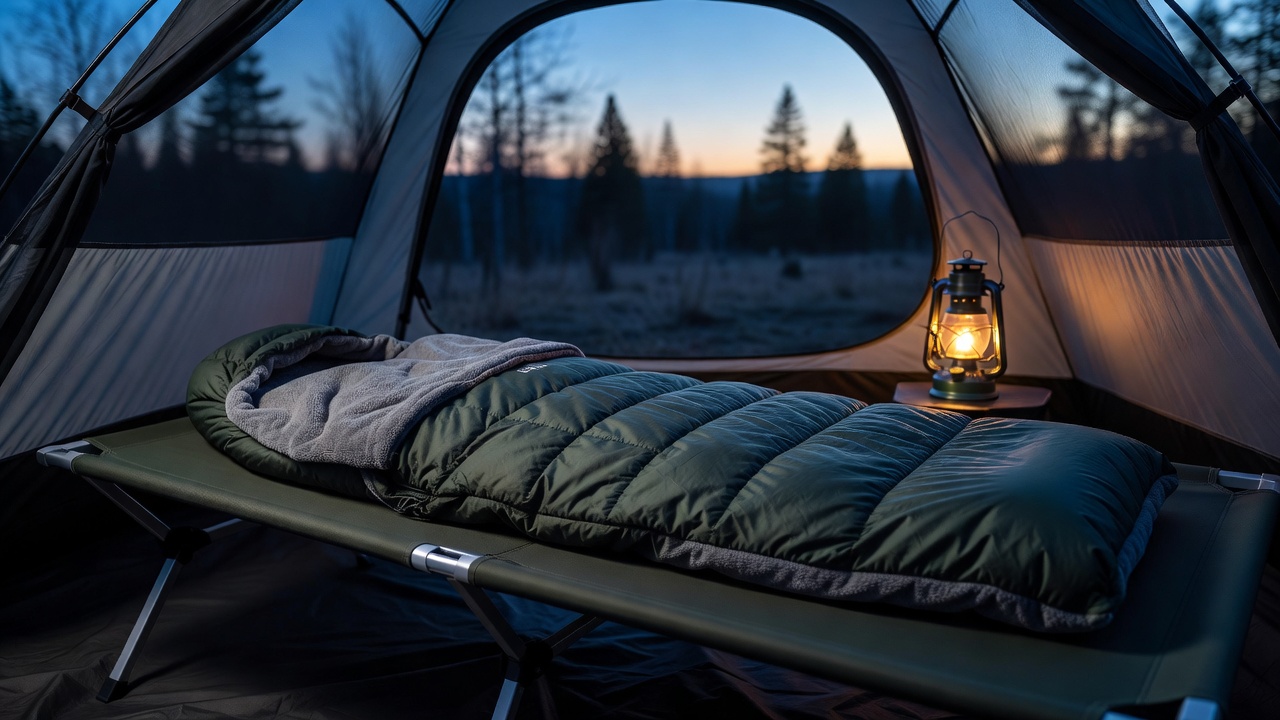 TETON Sports Celsius Regular 0 Degree Sleeping Bag$59.99
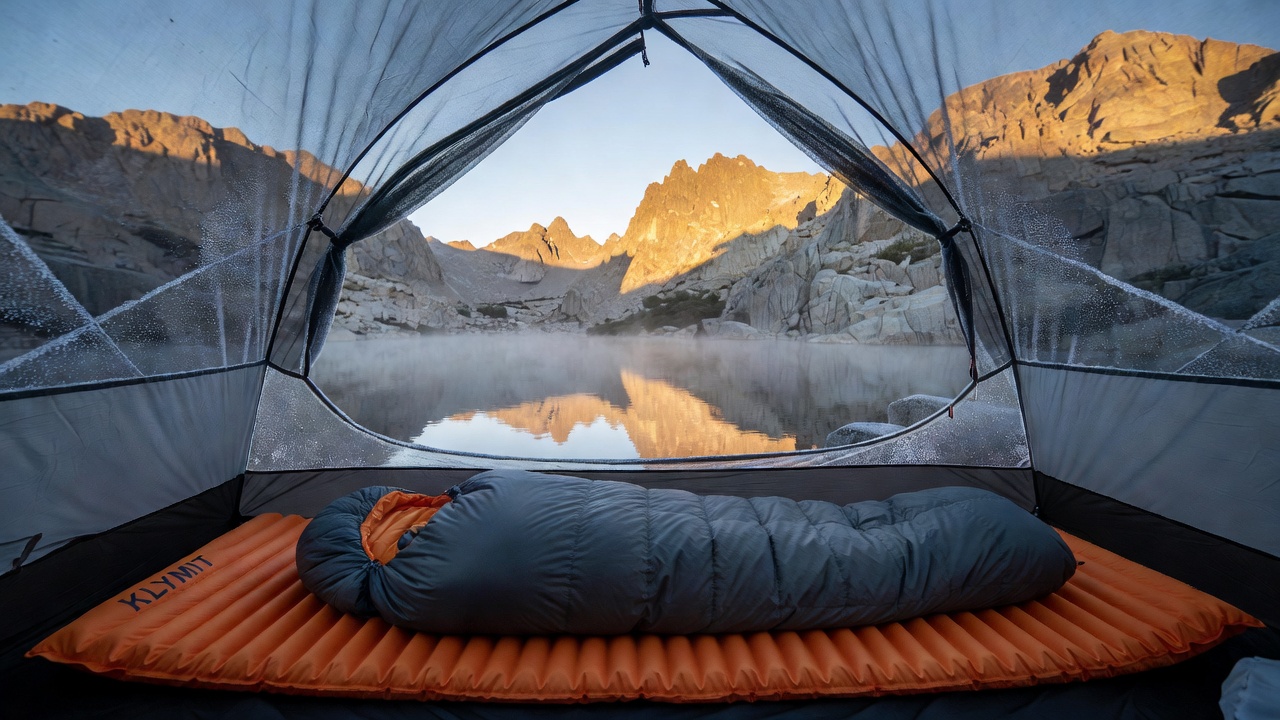 Klymit Insulated Static V Sleeping Pad$94.99
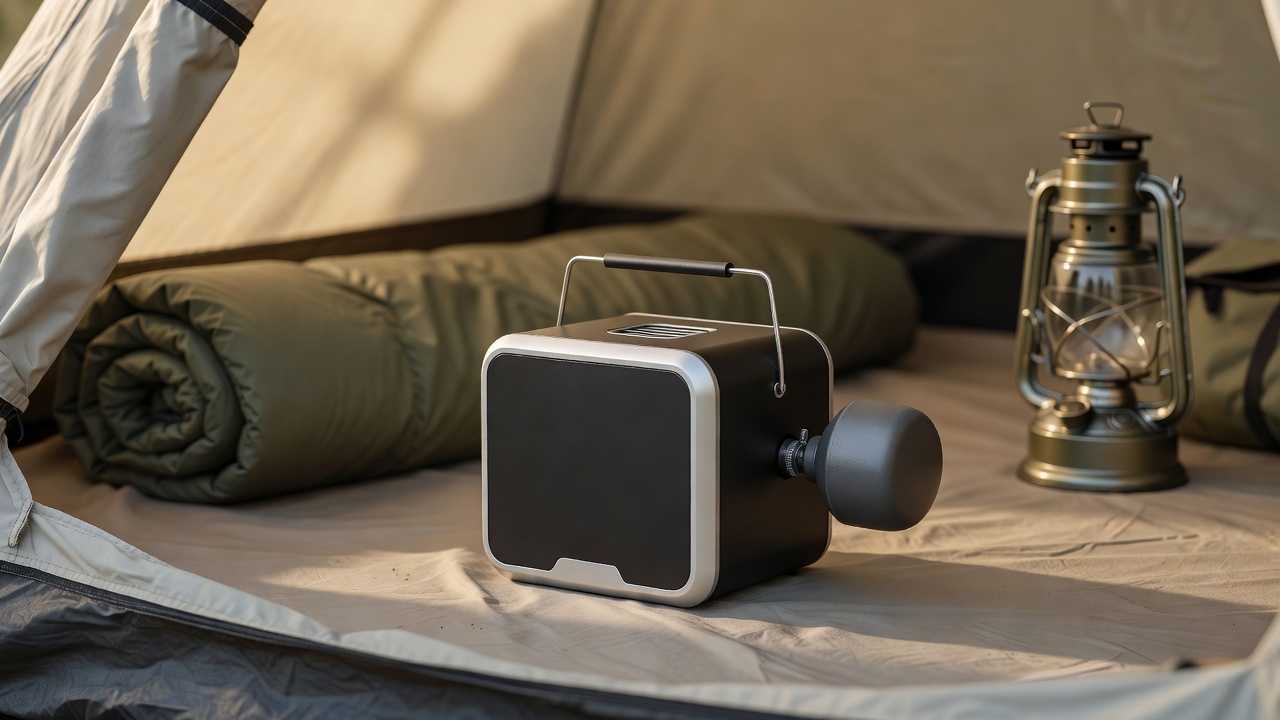 Mr. Heater F215100 Little Buddy 3,800 BTU Indoor-Safe Portable Radiant Propane Heater$69.99
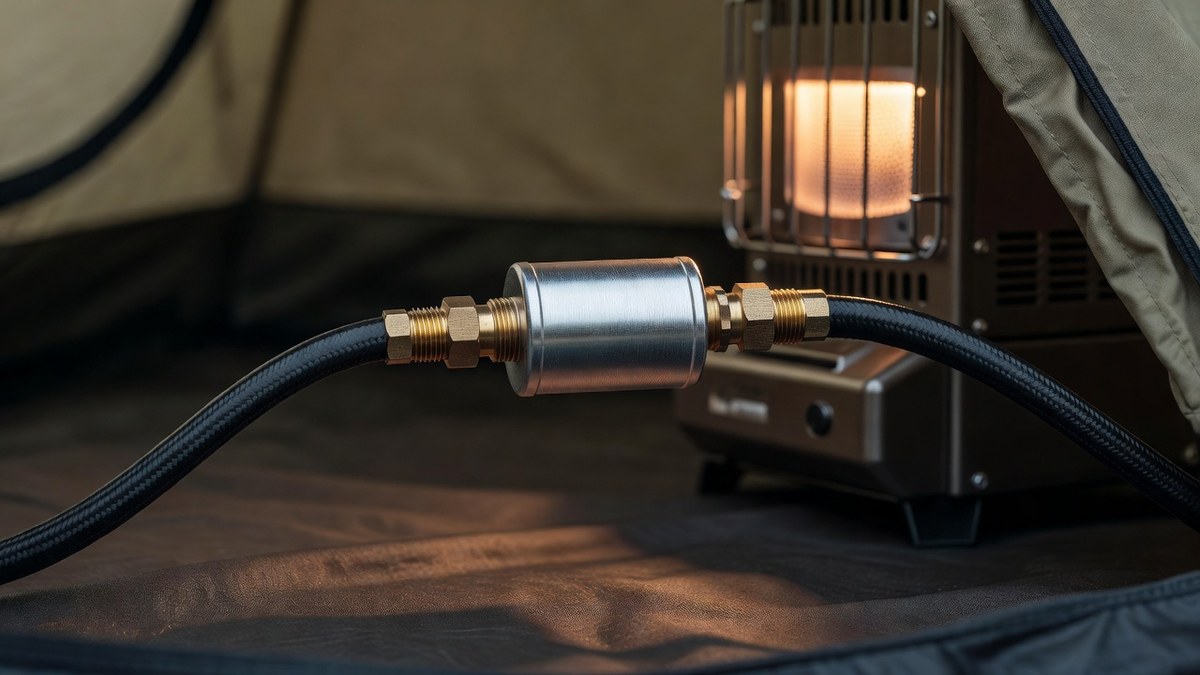 Mr. Heater F273699 Universal Propane Fuel Filter for Buddy Heaters$15.97
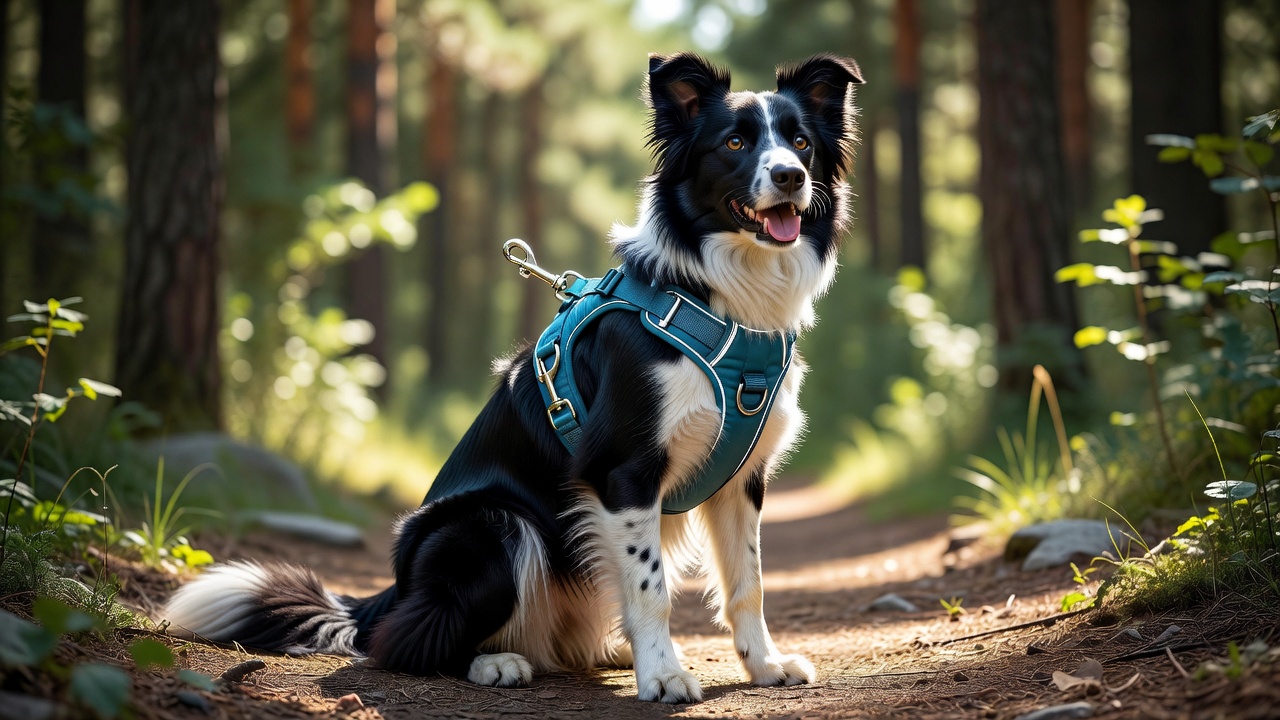 Ruffwear Front Range Dog Harness$44.95
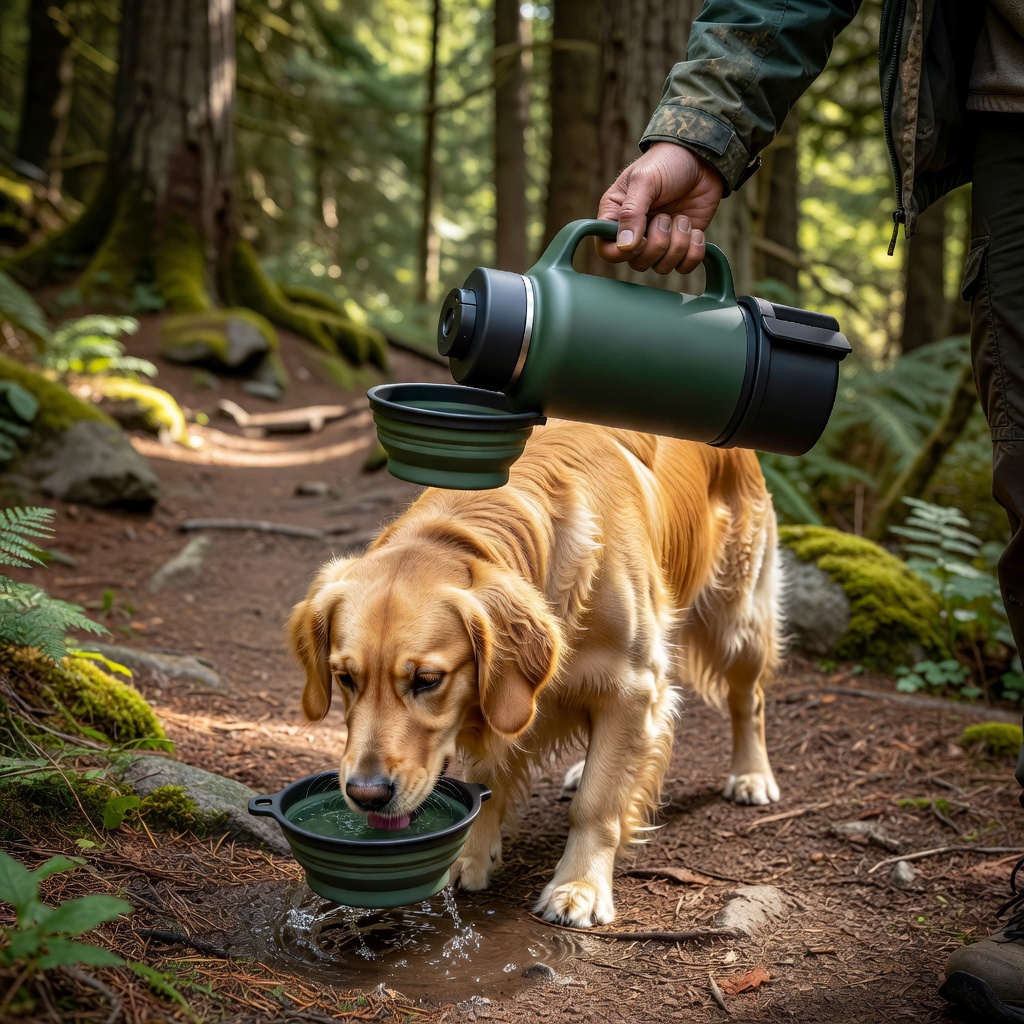 Cibaabo Dog Water Bottle Portable with Food Container & Filter$14.98
In this article · 19 sections
- Quick Answer: Where to Camp in Vermont
- Vermont's Camping Season Is Shorter Than You Think
- Camping in Vermont in November: What's Actually Open
- How Vermont State Park Reservations Actually Work
- You Can't Camp Just Anywhere in Vermont
- Lake Champlain Camping
- Lean-Tos, Cabins and Cottages: When to Skip the Tent
- Camping With Dogs in Vermont: The Rules
- Firewood and Generator Rules (The Ones People Get Wrong)
- The Fall Gear Setup for 35°F Vermont Nights
- Where to Base: Vermont's Camping Regions
- Vermont State Park Camping: Seasons, Reservations, Fees and Rules
- Free and Dispersed Camping in the Green Mountain National Forest
- Car Camping, Hookups and Off-Season Vermont Trips
- Fall Foliage and Leaf Peeping: Timing and Bases
- Where to Camp in Vermont: Lakes and Burlington
- Cabins, Kids, Dogs, RVs and Campground Maps in Vermont
- Vermont Camping FAQ
- The Bottom Line
Vermont is the single best fall camping state in the country, and it is also the one where the paperwork trips people up. The state park system is small, the season is short, and the rules are stricter than most of the West — which means a Vermont camping weekend is won or lost at the reservation screen, not at the campsite.
This guide is the logistics half of the trip: where you can actually camp, when the gates close, how the reservation system works, and what the rules are for dogs, firewood and generators. For the timing half — which week the colors peak and where to base for overlooks — pair this with our leaf peeping guide. If you are choosing between states, our New Hampshire camping guide covers the other side of the Connecticut River, where camping runs on two separate systems — state parks plus White Mountain National Forest — with different booking windows and a 4-day minimum on forest sites. Maine is the third side of that triangle, and its booking rules changed most recently of the three: state park reservations closed on September 12 and campsites went first-come/first-served on September 14. Our Maine camping guide covers the coastal and Downeast sites, Acadia's recreation.gov window, and Baxter State Park's four-month rule and no-dogs policy.
Quick Answer: Where to Camp in Vermont
- Vermont State Parks — the default for families. Drive-in tent/RV sites, lean-tos, cabins and cottages. Most parks run Memorial Day to the second Monday in October. Reserve up to 11 months ahead; same-day bookings close at 2 PM.
- Lake Champlain — the state's best water camping: several state parks sit right on the lake, plus remote islands you reach by boat or paddle.
- Green Mountain National Forest — the main option for free, undeveloped camping, under federal rather than state rules.
- Private campgrounds and RV parks — the fallback once the state parks shut for the season, and the only realistic option for late-October and November trips.
One correction up front, because it is the most common assumption: you cannot camp just anywhere in Vermont. It is not a dispersed-camping state the way Colorado or Utah are. If free national forest camping is what you were hoping for, our Camping in Colorado guide explains the 14-day rule and how to find a legal site. And because Vermont's rules differ so much from the national picture, it is worth skimming our general state park camping guide first if this is your first state-park trip — then come back here for the Vermont specifics.
Vermont's Camping Season Is Shorter Than You Think
Most Vermont state parks open around Memorial Day and close on Labor Day, or stay open until the second Monday in October — which is Columbus Day. A handful open earlier or run longer, so the only reliable source is the parks department's own Operating Schedule page rather than any blog, including this one.
That deadline matters more than it looks. The second Monday in October is usually right at or just before peak color in northern Vermont, which means the best foliage weekend and the last camping weekend are frequently the same weekend. Columbus Day weekend is also the busiest weekend of the year in the state. Our Columbus Day weekend camping checklist covers how to handle the crowds; the short version is to book the weekend before or after, not the holiday itself.
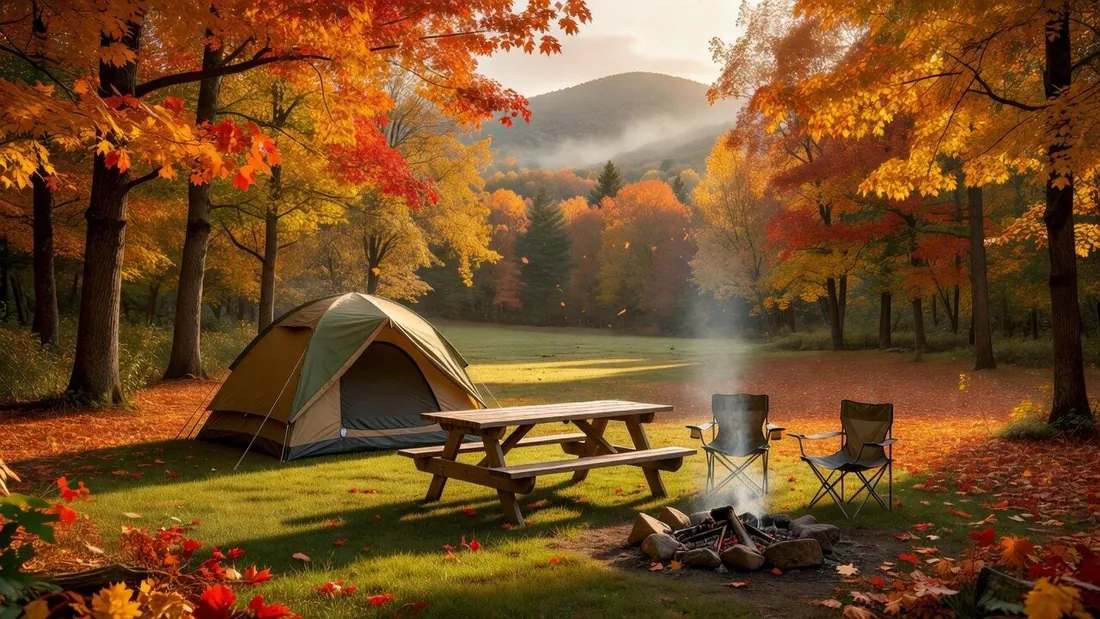
Camping in Vermont in November: What's Actually Open
November is when Vermont stops being a campground state. The state park gates close around the second Monday in October, so no state campground is bookable for a November tent trip — the honest answer to "can you camp in Vermont in November" is yes, but never in a state park.
Three things replace the state system: private campgrounds and RV parks, which run later than the parks and are the only realistic late-October and November option; cabins and cottages booked direct; and free dispersed sites in the Green Mountain National Forest, which have no closing date at all but get harder to reach once the forest roads hold snow. Expect hard overnight freezes rather than the 35°F fall nights this guide's gear section is built around, and confirm each private park's own closing date — a number of them shut the weekend after Columbus Day.
| The way people search it | The straight answer |
|---|---|
| camping in vermont in november | Not in state parks — every state campground closes around the second Monday in October. November camping happens at private campgrounds, at cabins, and at Green Mountain National Forest dispersed sites. |
| vermont camping in november | The same answer from the other direction: Vermont camping in November is a private-park and forest-road trip, and the last full-service weekend is the one before Columbus Day. |
| november camping in vermont | The coldest version of the fall trip: nights routinely below freezing, no state facilities, and the smallest crowds of the year. |
| camping in vt in november | Vermont shorthand, same rules — the state parks shut, the private parks and the national forest stay usable. |
| can you camp anywhere in vermont | No. State park campgrounds are seasonal, and sleeping in a vehicle at a trailhead or a roadside pull-off outside the national forest is not legal. Inside the forest, dispersed camping is legal unless an area is posted closed. |
| can you go camping in november | Yes — in Vermont that means a private campground, a cabin, or a national forest site with winter-grade sleep gear. Day-use areas and trails stay open longer than campgrounds do. |
| is november a good time to visit vermont | Only if you want quiet. Foliage peaks between late September and mid-October, so November is bare trees, cold nights, cheap rates and empty roads. |
| winter camping in vermont | Private campgrounds and cabins carry the winter, plus national forest sites for anyone with real winter gear. State park campgrounds are closed. |
| winter rv camping in vermont | Private RV parks with 30/50-amp hookups — Vermont state park campgrounds have no electric, water or sewer hookups at any park, in any season. |
| winter camping vermont state parks | Not a thing at the campground level: the parks close in October, and only day-use areas and trails stay accessible through the winter. |
The sleeping setup is what makes or breaks a November night. A TETON Sports Celsius 0 Degree bag ($59.99) is the cheap honest answer once the temperature is below freezing, and an insulated sleeping pad matters as much as the bag because the ground pulls heat out from below. For a lean-to or an unheated cabin, a Mr. Heater Little Buddy is the standard answer — and a propane hose and filter lets you run it off a 20 lb tank instead of buying 1 lb bottles.
How Vermont State Park Reservations Actually Work
This is where most out-of-state visitors get caught out. The mechanics, straight from the parks department:
- Book up to 11 months in advance, on a rolling basis. Popular lake parks and anything with a lean-to go early.
- Three ways to book: the online reservation site, the Reservation Center at 1-888-409-7579 (Monday–Friday, 9 AM–4 PM), or by calling the park directly during the camping season.
- Same-day sites can be booked until 2 PM — useful if you are already on the road.
- Site capacity is capped at 8 people and 2 vehicles. Larger family groups need two sites, and Vermont will not let you squeeze a ninth person onto one pad.
- Check-in is 2:00 PM–9:00 PM; check-out is by 11:00 AM.
- Maximum stay is 21 nights at most sites. After you hit the limit on a site, you must wait 7 days before booking another site in the same park.
- No-show rule: you have to check in by 2 PM on the third day of your reservation, or call the park to say you are coming later.
That last one quietly ends a lot of trips. If you book a Thursday-to-Sunday site and roll in Friday evening without telling anyone, you are fine — but if plans slip to Saturday, call the park.
You Can't Camp Just Anywhere in Vermont
Vermont is a small, mostly privately owned state, and that shapes the rules. There is no widespread "pull off the forest road and pitch a tent" culture here.
- State land: camping is essentially confined to designated sites in state parks and state forests. You cannot legally just set up on state land outside an established campground.
- Green Mountain National Forest: this is the main exception and the place to go if you want free, undeveloped camping. It is federal land, governed by US Forest Service rules rather than Vermont's. Because those rules and closures change, confirm current conditions with the Forest Service before you drive out.
- Private land: off-limits without explicit permission. Vermont is a state where knocking on a door is normal and doing it without asking is not.
If free camping is the goal, plan it around the national forest and treat the state parks as your reliable, reserved fallback.
Lake Champlain Camping
Lake Champlain is the reason a lot of Vermont camping trips happen at all, and the state park system leans into it. Several parks sit directly on the shoreline, and the system also runs remote campsites — including paddle-in and boat-in sites on the lake's islands, such as Woods Island. Those are the most memorable sites in the state and also the ones that require the most planning: you are carrying everything in by water, and the maximum-stay rules differ from the mainland sites.
For a family weekend, a shoreline drive-in site gives you swimming and sunsets with a car full of gear a few feet away. For a bigger adventure, a boat-in island site is a genuinely different trip. Either way, keep your sleep system rated well below the forecast: lakeside nights are damp and several degrees colder than the forecast for the nearest town.
Lean-Tos, Cabins and Cottages: When to Skip the Tent
Vermont's park system offers more than tent pads, and in shoulder season the buildings are the smarter booking:
- Lean-tos — three-sided wooden shelters. They take a tent's worth of gear, cost less than a cabin, and cut wind and rain dramatically. The classic Vermont experience.
- Cabins and cottages — the answer for late-season trips when you want heat and a real bed.
- Drive-in tent/RV sites — the standard family option, with the widest availability.
One hard rule that catches dog owners: pets are not allowed in cottages or in most cabins. If the dog is coming, you are looking at a tent site or a lean-to.
Camping With Dogs in Vermont: The Rules
Vermont state parks are dog-friendly, but with specific conditions — and this is a state that enforces them:
- $3 per pet, per night. Budget for it and register the dog.
- Leash maximum 10 feet, or the dog must be confined. No roaming the loop off-leash.
- No excessive barking. Quiet hours run 10 PM to 7 AM, and that includes the dog.
- Owners must clean up. Every time, including at the site.
- Vaccinations required.
- Not permitted in cottages or most cabins.
For lake trips, pack a Ruffwear Front Range harness for a secure, padded walking setup, a Cibaabo portable dog water bottle so the dog drinks on the trail without you unpacking, and a Chuckit! travel dog bed — a water-resistant bed inside the tent does more for a cold-weather dog night than an extra blanket. Our camping with dogs guide covers the rest of the canine setup.
Firewood and Generator Rules (The Ones People Get Wrong)
The firewood law is the single most-violated rule by out-of-state campers. You may not bring firewood into a Vermont state park from outside the state unless it is packaged, labeled, and heat-treated, with a label showing certification by the USDA or another state's agriculture department. If you arrive with out-of-state firewood, you are required to exchange it at the park — with one exception: enough to burn the first night.
The reason is invasive pests, and Vermont takes it seriously. Buy certified local firewood near the campground, or plan on the first-night exception and buy the rest locally.
Other rules worth knowing before you arrive:
- Quiet hours are 10 PM to 7 AM.
- Generator use is restricted to 8–10 AM and 4–6 PM — a two-hour morning window and a two-hour evening window, not all day.
- Visitors must register and pay the day-use fee, and visiting hours are 10 AM to 9 PM.
The Fall Gear Setup for 35°F Vermont Nights
Vermont in late September and early October is a 70°F afternoon and a 35°F night. That swing is the whole packing problem, and it is a layering problem, not a bulk problem.
Sleep. Assume a colder night than the forecast. A TETON Sports Celsius XXL 0°F bag is the no-drama family choice; if you sleep warm or are car camping with a partner, a Coleman Palmetto 40°F bag plus a REDCAMP fleece liner covers the same range for less money and more flexibility. Underneath, insulation matters as much as the bag: an Exped MegaMat 10 is the most comfortable car-camping pad you can buy, a Klymit Insulated Static V is the light, packable answer, and a Coleman Trailhead II cot gets you off the ground entirely — which is the single biggest comfort upgrade for a cold, damp Vermont night.
Wear. A Columbia Steens Mountain 2.0 fleece and the women's Benton Springs fleece are the mid-layer that does 80% of the work at a fall campsite. Add a Columbia Omni-Heat base layer for the cold sleepers. Vermont rain is not optional — bring the Columbia Watertight II for adults and the youth Watertight II so the kids are not the reason you cut the trip short.
Camp. A Rumpl Original Puffy blanket is the difference between sitting outside until the fire dies and going to bed at 8 PM. If open fires are banned or you want heat without smoke, a Mr. Heater Little Buddy handles a tent or a lean-to, and an Outland Living propane fire pit gives you the campfire without the firewood exchange. Cook on a Coleman Triton+ two-burner or a Stanley 9-piece fry pan set, keep food in a Coleman 70-quart Xtreme cooler, and bring the Black Diamond Moji lantern and a Black Diamond Spot 400 headlamp — sunset arrives early in October, and dark comes fast.
Tent. For a family, the CORE 6 Person Instant Cabin or a Coleman Skydome 4-Person gets you set up and inside before the temperature drops; the Coleman Sundome is the budget pick. Not sure what fits your family plus a dog? The tent size guide does the math. If you are hiking in rather than driving, a Night Cat 2-Person backpacking tent is the lightweight option.
Where to Base: Vermont's Camping Regions
- Stowe / Waterbury / Smugglers' Notch — the classic foliage base. Route 100 runs south through Waitsfield and Killington; Smugglers' Notch (Route 108) is the best single drive in the state and best run before 9 AM or after 4 PM.
- Burlington / Lake Champlain — water access, islands, and the most campsite availability on the lake.
- Manchester / Green Mountain National Forest — southern Vermont, with the best access to free national forest camping.
- The Northeast Kingdom — the quietest corner, the earliest color, and the fewest crowds.
For the week-by-week timing that should drive which of these you pick, see the leaf peeping guide. For a general fall gear pass, the fall camping gear checklist and our fall family camping guide cover the rest.
If you want to chase fall color south as the season turns, the North Carolina camping guide covers the October-to-November handoff, where the mountains peak first and the coast keeps going through Thanksgiving.
Vermont State Park Camping: Seasons, Reservations, Fees and Rules
Vermont runs 55 state parks and about 39 campgrounds, which makes it one of the smallest systems in New England — and that is exactly why the booking mechanics decide the trip.
| The way people search it | The straight answer |
|---|---|
| vermont state park camping reservations | Book on the parks department's own reservation portal, by phone at 1-888-409-7579 (Monday-Friday, 9 AM-4 PM), or by calling the park during the season. Sites release up to 11 months ahead on a rolling basis, and same-day bookings close at 2 PM. |
| vermont state parks reservations | One portal covers the whole system, with no lottery and no out-of-state penalty. Columbus Day weekend is the busiest of the Vermont year, so those sites go inside the 11-month window. |
| vermont state parks camping reservations online | Online booking is the fastest route and shows live availability; the phone center runs Monday-Friday, 9 AM-4 PM, and parks take same-day bookings until 2 PM. |
| vt state park camping reservations | The Vermont system books differently from New Hampshire's and Maine's: one statewide portal, 11 months out, and a single fee schedule instead of two parallel agencies. |
| vermont state park camping cancellation policy | Three tiers in 2026. Cancel 10 or more days before arrival and you get a full refund minus the $8 reservation fee; cancel 3 to 9 days before and you lose the $8 fee plus one night of camping; cancel 0 to 2 days before and there is no refund. The published fee schedule also lists a $25 non-refundable cancellation fee. |
| vermont state park camping | Drive-in tent and RV sites, lean-tos, cabins and cottages. Most parks run from Memorial Day to the second Monday in October. |
| vermont state parks camping | Same statewide system either way — reserve through the state portal rather than a third-party site, and expect the lean-tos and lakefront sites to go first in foliage season. |
| when do vermont state parks open | Most open around Memorial Day, and a handful open earlier. Because opening dates vary park by park, the parks department's Operating Schedule is the only reliable source. |
| when do vermont state parks open for camping | Camping starts with the park's own opening date, not a single statewide day. Check the operating schedule for the specific park, then book inside the 11-month window. |
| when do vermont state parks close | Most close on Labor Day, or stay open until the second Monday in October — Columbus Day. |
| when do vermont state parks close for the season | The second Monday in October is the common closing date. It usually lands on or just before peak color in northern Vermont, so the last camping weekend and the best foliage weekend are often the same weekend. |
| when do vermont state parks close for camping | Camping ends at the park's own closing date, and for most parks that is the second Monday in October. After that you are on private campgrounds until the spring. |
| what time do vermont state parks open | For campers, check-in runs 2 PM to 9 PM and check-out is by 11 AM. Day visitors are admitted during visitor hours, 10 AM to 9 PM, and must register and pay the day-use fee. |
| are vermont state parks open | From roughly Memorial Day to the second Monday in October for the campground parks, with day-use areas usually running longer. Off-season access varies, so check the park's own schedule. |
| are vermont state parks open year round | Not for camping. A few parks stay open later and some day-use areas and trails are accessible in winter, but the campground season ends in the fall for most parks. |
| can you camp in vt state parks off season | Generally no. The gates close after the second Monday in October at most parks, which is why late-October and November trips move to private campgrounds. |
| do vermont state parks have electricity | Not for RVs. Vermont state park campgrounds have no electric, water or sewer hookups. Charge devices in the bathhouse or from your vehicle, and note that generator use is restricted to 8-10 AM and 4-6 PM. |
| do vermont state park campgrounds have electricity | No hookups in any state park campground. If you need power at the site itself, that is a private campground booking, not a state park one. |
| do vermont state parks have wifi | Do not count on it. Treat a Vermont state park trip as offline, download your maps and your foliage route before you leave, and charge from a power bank or the car. |
| how many vermont state parks are there | 55 state parks, about 39 of them with campgrounds. It is one of the smallest park systems in New England, so the good sites vanish quickly once the reservation window opens. |
| can you drink alcohol at vermont state parks | Yes — beer, wine and low-point alcohol are allowed at campsites. What is banned is bulk containers larger than 1 gallon or 4 liters, plus designated no-alcohol areas such as swim beaches and nature centers. |
| best vermont state park campgrounds | For fall: the Lake Champlain shoreline parks for water and sunsets, the Stowe, Waterbury and Route 100 parks for foliage, and the Northeast Kingdom for the earliest color and the smallest crowds. |
| best vermont state parks for camping | The Champlain shoreline parks are the classic family pick — swimming, short loops, flush toilets. The quieter camping sits in the parks wrapped around state forest land in the Green Mountains. |
| are vermont state parks free | No. Most parks charge day-use admission, every campsite is priced per site per night, and the $8 reservation fee is charged on top and is non-refundable. |
| are vermont state parks free this weekend | Not on a foliage weekend. Day-use admission and the nightly camping fee both apply, and the second-Monday-in-October date is a gate deadline rather than a free-entry day. |
Free and Dispersed Camping in the Green Mountain National Forest
This is the question that ends most Vermont trip plans, so here is the honest split: free camping in this state means federal land, not state land.
| The way people search it | The straight answer |
|---|---|
| dispersed camping in vermont | Legal only on Green Mountain National Forest land. Vermont state parks do not offer free dispersed car camping, and the parks department says so directly on its camping pages. |
| is dispersed camping legal in vermont | Yes, in two places: the Green Mountain National Forest, and designated primitive camping areas on state forest land. It is not legal to pull off a state forest road at random and pitch a tent. |
| is there dispersed camping in vermont | Yes — primitive roadside sites along Green Mountain National Forest back roads, free and first-come, with no reservation system to fight. |
| can you disperse camp in vermont | Yes on federal forest land, no on state land outside the designated primitive areas. That single distinction is the whole answer. |
| is wild camping legal in vermont | No, not in the wild-camping sense. On state land you camp at designated sites, private land needs explicit permission, and the only free undeveloped overnight option is federal forest land. |
| can you wild camp in vermont | Only in the national forest and only in the dispersed sense — an existing cleared pull-off or primitive site, not a spot you cut out of the woods yourself. |
| green mountain national forest wild camping | That is the one legal wild-camping substitute in Vermont: free, undeveloped, first-come sites on federal land, with no amenities and no fee. |
| can you camp in vermont state forests | Only at designated primitive camping areas, not anywhere in the forest. The parks department publishes the districts and office contacts for those specific areas. |
| camping in vermont state forests | Designated primitive sites are the middle ground — quieter and cheaper than a park, but still a real managed site rather than a spot you invented. |
| green mountain state forest camping | Do not confuse the two systems: the Green Mountain National Forest is federal and free, while Vermont's state forests are state land with designated primitive sites. |
| green mountain national forest camping | 416,000 acres of southern Vermont. Dispersed camping is free, first-come and undeveloped: no water, no toilets, pack everything out. |
| can you camp in green mountain national forest | Yes. It is the one place in Vermont where you can camp without a reservation or a fee, under US Forest Service rules rather than state rules. |
| green mountain national forest camping rules | Camp at least 200 feet from water and trails, stay no more than 14 days in any 30-day period, do not exceed 8 people at a developed site, use existing fire rings, and store food securely. |
| green mountain national forest primitive camping | Primitive means no services rather than a cheaper campground: no water, no toilet, no trash collection, and no host on site. |
| green mountain national forest camping map | Use the Forest Service's own forest and motor-vehicle-use maps. Community map apps routinely miss seasonal road closures, which is how people drive two hours to a locked gate. |
| green mountain national forest dispersed camping map | Dispersed sites are not individually mapped as campgrounds. Read them off the forest road network on the Forest Service map and look for existing pull-offs and fire rings. |
| green mountain national forest camping reservations | Dispersed sites never take reservations — they are first-come. Only the forest's developed campgrounds can be booked ahead. |
| is dispersed camping allowed in green mountain national forest | Yes, and it is allowed anywhere on the forest unless an area is posted closed to camping, which is why you confirm current conditions with the Forest Service before driving out. |
| how big is the green mountain national forest | About 416,000 acres, spanning the southern half of Vermont — the largest block of public land in the state and the reason Vermont has a free camping option at all. |
| is green mountain national forest free | Dispersed camping and general entry are free. The developed campgrounds inside the forest charge a nightly fee, and some day-use areas have their own. |
| green mountain national forest free camping | The entire dispersed system is free. The forest's developed campgrounds are the part that charges. |
| camping in vermont national forest | Two halves — free dispersed roadside sites, or the developed forest campgrounds with tables and toilets. Pick by whether you want solitude or a picnic table. |
| best dispersed camping in vermont | The Green Mountain National Forest, specifically the denser back-road network in the southern half of the state where the pull-offs are. |
| dispersed camping near burlington vermont | Burlington is on the lake rather than in the national forest, so the nearest dispersed camping is a drive south into the Green Mountains rather than a short hop. |
| camping in vermont free | Free means the national forest. Everything else is a fee site or private land with permission, which is a genuine difference from Colorado or Utah. |
| is there free camping in vermont | Yes, in the Green Mountain National Forest — dispersed roadside sites at no cost and no reservation. |
| does vermont have national parks | No. Vermont has no national park. What it has is the Green Mountain National Forest (federal, free dispersed camping) plus the 55-park state system. |
| which national parks are in vermont | None. Vermont is one of the few states without a national park, which is why the national forest and the state parks carry all the camping demand. |
| is green mountain national forest a national park | No — it is a national forest, and that distinction is what makes free dispersed camping possible here. National parks prohibit it. |
| where is green mountain national forest | In southern Vermont, running roughly from the Massachusetts line north past Middlebury and Rutland toward the Green Mountain ridge. |
Because a dispersed site gives you no water, the filtration kit is the packing decision: a Sawyer Squeeze ($45.95) screws straight onto a Nalgene 32 oz bottle and filters straight from a stream, and a LifeStraw Personal ($13.75, 4.8★/126k reviews) is the one-per-person backup that weighs nothing. Food storage follows the same self-sufficient logic — a BearVault BV450 canister ($89.99) keeps a weekend of food safe from the forest's habituated raccoons and bears when there is no bear box at the pull-off. Carry it all in a WATERFLY 20L packable daypack and you have the complete no-amenities setup.
Car Camping, Hookups and Off-Season Vermont Trips
Once the season ends at the state parks the trip does not have to end, but the geography of where you sleep changes completely.
| The way people search it | The straight answer |
|---|---|
| is car camping legal in vermont | Yes at any drive-in campsite, and yes free in the national forest — but sleeping in your vehicle at a trailhead or a roadside pull-off outside the forest is not legal. |
| can you car camp in vermont | Yes, and it is the easiest version of a Vermont trip: drive-in state park sites, or a free roadside dispersed site in the national forest. |
| where to car camp in vermont | Drive-in state park sites if you want a reservation and a shower, or the free roadside dispersed sites in the Green Mountain National Forest if you do not. |
| best car camping in vermont | Late September on Lake Champlain for the season, and the Green Mountain National Forest for the free version when you do not need a table or a toilet. |
| best places to car camp in vermont | The lake shoreline parks, the Route 100 corridor for foliage, and the national forest roads in the south for free sites. |
| green mountain national forest car camping | This is the free car-camping answer in Vermont: park in an established roadside pull-off, camp under Forest Service rules, and pack everything out. |
| where to camp for free in vermont | The Green Mountain National Forest — not state parks, not state forests outside the designated primitive areas, and never private land without asking. |
| places to camp in vermont for free | National forest roadside sites along the forest's back roads, plus the designated primitive camping areas on state forest land. |
| where can i camp in vermont for free | Green Mountain National Forest dispersed sites: 14 days in any 30-day period, at least 200 feet from water and trails, no amenities. |
| can you camp in vermont in october | Yes, with a shrinking map. The first weekend of October is the last reliable full-service state park weekend; after the second Monday you are on private campgrounds. |
| can you camp in vermont in the winter | Not in state parks, which close their campgrounds, and not realistically at a dispersed forest site without winter gear. Winter trips run through private campgrounds and cabins. |
| are campgrounds open in october in vermont | Some. The state parks mostly close on the second Monday in October, so the parks that stay open are the exception, and private campgrounds carry the rest of the month. |
| do vermont state parks have rv hookups | No. Vermont state park campgrounds have no electric, water or sewer hookups for RVs — it is a statewide policy rather than a park-by-park gap. |
| vermont state parks camping with electric hookups | There is no state-park electric hookup inventory to shop. Vermont campground hookups live in the private sector, which is also where the longer-season sites are. |
| vermont campgrounds with electricity | Private campgrounds, not state parks. Vermont state park campgrounds have no electric hookups at all, so search the private park sector for 30/50-amp sites. |
| is it safe to camp in vermont | Yes — the practical risks are weather and road conditions rather than wildlife. The state's specific warnings are about firewood pests, cold fall nights and closed forest roads. |
| is vermont good for camping | For a family weekend in the Northeast, it is the best of the three northern states: small, driveable, well-run parks, and a lake that makes September and early October a real season. |
| does vermont have state parks | Yes, 55 of them, and about 39 take campers. The system is small enough that the whole thing fits on one operating schedule. |
Since no Vermont state park campground has a single hookup, power is the thing you bring: an EF ECOFLOW RIVER 2 ($169.00, 4.8★/5.8k reviews) runs a lantern, phones and a CPAP through a 35°F night and recharges from the car between loops, and the Jackery Explorer 300 ($199.00, 4.7★/11k reviews) is the step-up option if you are also running a small cooler's 12V port. A folding BigBlue 28W solar panel ($59.97) tops both up on a long foliage stay, and a LuminAID PackLite Max ($49.99) doubles as the site lantern and a phone charger that sips rather than drains.
Fall Foliage and Leaf Peeping: Timing and Bases
Vermont's color runs from roughly the last week of September into mid-October, and where you base decides whether you spend the weekend driving or sitting still.
| The way people search it | The straight answer |
|---|---|
| where to stay in vermont for leaf peeping | Base in Stowe, Waterbury or the Mad River Valley for Route 100, or in the Northeast Kingdom for the earliest color. Book a campsite rather than a hotel if you want the weekend without a room-rate premium. |
| where to stay in vermont in the fall | The same three bases hold all fall, not just at peak: Route 100 for the classic drive, Champlain for water and sunsets, the Northeast Kingdom for quiet. |
| best vermont towns for leaf peeping | Stowe, Waitsfield, Woodstock, Manchester and the Northeast Kingdom towns — each one sits next to a slightly different color window. |
| where to leaf peep in vermont | Route 100 between Waitsfield and Killington, Smugglers' Notch on Route 108, and the Northeast Kingdom back roads. |
| where is the best leaf peeping in vermont | Smugglers' Notch is the best single drive, and Route 100 is the best full day. Run the notch before 9 AM or after 4 PM, because it is also the most crowded. |
| best time for vermont leaf peeping | Late September in the Northeast Kingdom and on the higher Green Mountain passes; the first two weeks of October for the classic central Vermont postcard. |
| where to go in vermont for leaf peeping | North first, south later: the Northeast Kingdom turns earliest, central Vermont peaks in the first half of October, and the southern valleys run last. |
| vermont leaf peeping map | You do not need one to plan. The practical map is Route 100 north to south plus Route 108 through Smugglers' Notch, with the state's weekly foliage report as the timing check. |
| best fall camping in vermont | A state park site booked for late September or the first weekend of October, because after the second Monday in October most gates are closed. |
| fall camping in vermont | Plan around the gate, not the calendar. Most parks close the second Monday in October, which usually lands on or just before peak color in northern Vermont. |
| best time to camp in vermont | Memorial Day through the second Monday in October for state parks; late September through early October for the foliage window itself. |
| camping in vermont in september | Late September is the sweet spot — the parks are still open, the Northeast Kingdom is already turning, and the Columbus Day crowds have not arrived yet. |
| vermont camping september | Expect 70°F afternoons and nights near 35°F: the same layering problem as October, with fewer people on the loop. |
| camping in vermont in october | The first weekend of October is the last reliable full-service weekend. After the second Monday, most state park gates close and you are on private campgrounds and RV parks. |
| where can i camp in vermont in the fall | State parks until the second Monday in October, then private campgrounds and RV parks for the rest of the season. |
| is vermont crowded in october | Yes, and specifically over Columbus Day weekend, which is the busiest of the year. The workaround is the weekend before or the weekend after, not the holiday itself. |
| does it snow in vermont in october | It can, especially at elevation in the last week of October. That is why the shoulder-season sleep system matters more than the forecast suggests — assume nights near freezing. |
Leaf peeping is also the one trip where binoculars earn their pack weight: a pair of Occer 12x25 compacts ($35.99, 4.5★/24k reviews) rides in a jacket pocket all day on Route 100, and for the 4-8 age group the GeoSafari Kidnoculars ($11.44) keep kids scanning the ridgeline instead of asking when the next stop is.
Where to Camp in Vermont: Lakes and Burlington
Once the rules are clear the real question is which corner of the state — and for most families the answer is the water.
| The way people search it | The straight answer |
|---|---|
| camping places in vermont | Four regions carry almost every trip: Stowe and Waterbury, Burlington and Lake Champlain, Manchester and the southern Green Mountains, and the Northeast Kingdom. |
| camping locations in vermont | State parks on Lake Champlain, free dispersed sites in the Green Mountain National Forest, and private campgrounds for the late season. |
| best vermont camping | If you only do one: a Lake Champlain shoreline park in late September, when the lake is still warm and the crowds are gone. |
| where can i camp in vermont | State parks (reserve up to 11 months ahead), the Green Mountain National Forest (free, no reservation), or private campgrounds as the late-season fallback. |
| where can you camp in vermont | Legal camping runs through three doors: the state park system, designated primitive areas on state forest land, and the national forest. Private land needs permission. |
| where to go camping in vermont | Lake Champlain for water, Route 100 for foliage, the Northeast Kingdom for quiet, and the southern Green Mountains for free national forest sites. |
| camping in vermont on a lake | Lake Champlain is the water camping. Several state parks sit right on the shoreline, plus the boat-in and paddle-in island sites such as Woods Island. |
| camping in vermont on lake champlain | Shoreline drive-in sites for families, remote island sites for a bigger trip — the islands mean carrying everything in by water and they have their own stay limits. |
| vermont camping lake champlain | The lake is why most Vermont camping trips happen: shoreline parks for a car-full-of-gear weekend, island sites for the version you remember for years. |
| vermont state parks on lake champlain | Several sit directly on the shoreline, and the system also runs remote paddle-in and boat-in campsites on the lake's islands. |
| vermont campgrounds on lake champlain | Inside the state system, the shoreline parks; outside it, the private parks on the lake that stay open later into the fall. |
| vermont campgrounds on lakes | Champlain gets the attention, but the Route 100 corridor has lake and reservoir parks too — useful when the shoreline parks are booked out. |
| free camping near burlington vermont | There is none on the lake itself. Free camping means driving south into the Green Mountain National Forest. |
| camping in vermont near water | Champlain shoreline parks plus the lake and reservoir parks along Route 100. Lakeside nights run several degrees colder and damper than the forecast for the nearest town. |
| camping in vermont near burlington | Burlington is the most campsite-dense part of the lake, and the shoreline state parks are the closest drive from downtown. |
| camping near burlington vermont | Expect lake parks inside the state system, plus private campgrounds that run later than the state season — which matters after the second Monday in October. |
| best camping near burlington vermont | A lakefront state park for swimming and sunsets, or a private park if you want hookups and a longer season. |
| vermont campgrounds near burlington | The state park shoreline sites first, then the private and RV parks along the Route 2 and Route 7 corridors. |
| vermont state parks near burlington | Several lake parks sit within easy driving distance of Burlington, all reservation-based and all closing around Columbus Day. |
| camping around burlington vermont | Treat Burlington as the base and the lake parks as the campsites — the city is the supply run, not the campground. |
| camping near burlington vt | Lake parks plus the private campgrounds. Note that Vermont state parks have no RV hookups, so full-service sites come from the private sector. |
| where to camp near burlington vt | Compare the lakefront parks first, because the site matters more than the park: pick a loop near the water rather than near the entrance road. |
| camping sites near burlington vt | Shoreline sites with water access beat the inland loops even inside the same park, and they are the ones that sell out first in foliage season. |
| tent camping near burlington vermont | The state park tent sites are the pick, and tent sites are also the cheapest way onto the lake in foliage season. |
Cabins, Kids, Dogs, RVs and Campground Maps in Vermont
The last set of decisions is the one that actually eliminates half the options — because a dog, a rig and a cabin booking do not overlap as much as people expect.
| The way people search it | The straight answer |
|---|---|
| camping in vermont with cabins | The parks rent lean-tos, cabins and cottages. Cabins and cottages are the answer for late-season trips when you want heat and a real bed — but pets are not allowed in cottages or most cabins. |
| vermont camping cabins | State park cabins and cottages are the traditional Vermont fall booking, and they sell out faster than tent sites once foliage season starts. |
| vermont state parks camping cabins | Lean-tos are the cheap version and cabins the warm version, and both sit inside the same 11-month reservation window as the tent sites. |
| vermont state parks with cabins | Not every park has them. Cabins and cottages are the first bookings to go for fall weekends, so check the park's own facility list before planning around one. |
| camping cabins near burlington vt | The lake parks are where to look — and if you are bringing the dog, book a lean-to instead, because pets are barred from cottages and most cabins. |
| vermont campgrounds with cabins | State park cabins and cottages plus the private parks that rent cabins; the private ones typically run a longer season. |
| cabins in vermont state parks | Lean-tos, cabins and cottages are three different bookings at three price points, and only the buildings get you heat in late October. |
| vermont campgrounds with cabin rentals | Expect to book months ahead for a fall weekend. The cabin inventory is small compared with the tent sites, which is why it goes first. |
| best campgrounds in vermont for kids | Lake parks with beaches, plus the day-use side of the park for playgrounds. Book early — the best family sites go inside the 11-month window. |
| best vermont campgrounds for kids | Drive-in sites over lean-tos when the kids are small, and a lake park over a mountain park when a bad-weather afternoon could trap you in the tent. |
| best kid friendly campgrounds in vermont | Swimming, short loops and flush toilets beat a remote site every time with kids, and that combination means a shoreline park. |
| camping in vermont with dogs | Dog-friendly with conditions: $3 per pet per night, a 10-foot leash maximum or the dog confined, current vaccinations, no barking during quiet hours (10 PM-7 AM), and no dogs in cottages or most cabins. |
| camping in vt with dogs | The rules do not change at the state line: the pet fee is per night, the leash limit is 10 feet, and the building restriction is what usually decides the booking. |
| campgrounds in vermont that allow dogs | Vermont state park campgrounds allow dogs on tent sites and lean-tos. Cottages and most cabins are closed to pets, so that is the booking decision that matters. |
| vermont camping dog friendly | The campgrounds are dog friendly, the buildings mostly are not. Plan a tent site or a lean-to and the dog is welcome. |
| rv camping in vermont | State parks accept RVs at many sites but with no hookups and a 2-vehicle cap; private parks handle full-service rigs and some stay open past Columbus Day. |
| vermont state parks rv camping | State parks take RVs at drive-in sites, but with no hookups, a 2-vehicle cap, and a Columbus Day closing date at most parks. |
| best vermont state parks for rv camping | Any park with drive-in sites takes a rig, but with no hookups. Choose a lake park for the view and a private park when you want 30/50-amp service. |
| best vermont rv parks | The full-service private parks rather than the state system, and the ones along Route 2 and Route 7 run latest in the year. |
| best vermont rv campgrounds | Judge them on hookups and season length, because the state parks offer neither hookups nor a late season. |
| do any vermont state parks have rv hookups | None do. There is no state park in Vermont with electric, water or sewer hookups for RVs, so build the trip around a full tank and a power bank. |
| rv parks near burlington vermont | Private RV parks, plus a handful of lakefront private campgrounds that run a longer season than the state parks. |
| rv camping near burlington vermont | Private parks rather than state parks: the state system has no hookups, so 30/50-amp full-service sites come from private campgrounds. |
| best rv campgrounds near burlington vt | Vermont state park campgrounds do not have electric, water or sewer hookups for RVs at all, so full hookups near Burlington means a private park. |
| vermont campgrounds map | Use the parks department's operating schedule and park map for state sites, and the Forest Service map for national forest roads. Road closures are what community maps miss. |
| vermont state parks map | The state park map answers two questions at once once you pair it with the operating schedule: which parks have campgrounds and which are still open on your dates. |
| vermont state parks map with camping | Filter the map to the parks with campgrounds first, then to the region — Champlain, Route 100, southern Green Mountains, Northeast Kingdom. |
| vermont state park camping map | Pick a region before a park. A two-hour drive between a lake park and a mountain park is the mistake that ruins a short fall weekend. |
| vermont state park campgrounds map | About 39 of the 55 parks have campgrounds, so the map plus the operating schedule is the real shortlist. |
| best campgrounds in vermont map | Plot candidates by region rather than by review score, then check the operating schedule to make sure your dates are inside the park's open season. |
Vermont Camping FAQ
Can you camp anywhere in Vermont?
No. Vermont is not a dispersed-camping state. On state land, camping is confined to designated sites in state parks and state forests. Most of the rest of the state is private property. The main exception is the Green Mountain National Forest, which is federal land and allows undeveloped camping under US Forest Service rules — confirm current conditions with the Forest Service before you go.
What time of year do Vermont state parks close?
Most Vermont state parks are open from Memorial Day to Labor Day, or until the second Monday in October — Columbus Day. Some parks open earlier or stay open longer, so check the parks department's official Operating Schedule rather than relying on a general rule. Plan your foliage weekend accordingly: the best color and the last camping weekend often fall on the same dates.
Do Vermont state parks allow dogs?
Yes, with rules. Pets are allowed in campgrounds for $3 per pet, per night. The dog must be on a leash no longer than 10 feet or confined, must be vaccinated, and must not bark excessively — quiet hours are 10 PM to 7 AM. Owners must clean up after their pets. Pets are not allowed in cottages or most cabins, so a tent site or lean-to is your option if the dog is coming.
Can you bring firewood into Vermont?
Not from out of state, unless it is packaged, labeled, and heat-treated with certification from the USDA or another state's agriculture department. If you arrive with out-of-state firewood at a state park, you must exchange it at the park — except for enough to burn the first night. Buy certified local firewood near the campground instead.
When should I book a Vermont state park campsite?
Up to 11 months in advance, on a rolling basis. Book online, through the Reservation Center at 1-888-409-7579 (Monday–Friday, 9 AM–4 PM), or by calling the park directly during the season. Same-day sites can be booked until 2 PM. For a lake park or a lean-to in foliage season, book as early as the window allows — Columbus Day weekend is the busiest of the year.
How cold does it get camping in Vermont in the fall?
Expect roughly 65–70°F afternoons and overnight lows near 35°F in late September and early October, with lakeside sites running colder and damper than the town forecast. Pack a sleep system rated below the forecast and treat insulation under the bag as equally important — a pad or cot matters as much as the bag's temperature rating.
Are dogs allowed in vermont state parks
Yes, with conditions. Pets are allowed in state park campgrounds for $3 per pet per night, must be leashed to a maximum of 10 feet or confined, must be vaccinated, and must not bark during quiet hours (10 PM to 7 AM). Owners clean up after them, and pets are not allowed in cottages or most cabins.
Which vermont state parks allow dogs
The campgrounds do, on tent sites and lean-tos. Because the restriction falls on buildings rather than on particular parks, treat any park where you booked a tent site or lean-to as dog-friendly and any cabin or cottage booking as not.
Is vermont dog friendly
For camping trips, yes. Vermont state park campgrounds allow dogs on tent sites and lean-tos for a modest nightly pet fee, and most day-use areas and trailheads are open to leashed dogs.
How many state parks does vermont have
55 state parks, roughly 39 of them with campgrounds, run as a single statewide system with one reservation portal and one fee schedule.
Can you camp in vermont state parks
Yes — that is the main way to camp here. Drive-in tent and RV sites, lean-tos, cabins and cottages, reserved up to 11 months ahead and open from about Memorial Day to the second Monday in October.
Can you camp anywhere in vt
No. On state land you camp at designated sites in state parks or designated primitive areas in state forests, private land needs explicit permission, and the free undeveloped option is the Green Mountain National Forest.
Can you camp in vermont
Yes, through three routes: the state park system, the free dispersed sites in the Green Mountain National Forest, and private campgrounds that stay open later in the year.
What state parks are in vermont
The system covers four camping regions: the Lake Champlain shoreline parks, the Stowe, Waterbury and Route 100 parks, the southern Green Mountains, and the Northeast Kingdom. About 39 of the 55 parks have campgrounds, and the operating schedule lists them all with their open dates.
Are there vermont campgrounds with hot tubs
Not in the state park system — Vermont's park campgrounds have no hookups and no resort amenities at all. Hot-tub camping in Vermont lives in the private sector: cabin-and-glamping resorts around Stowe and along the Route 100 corridor, which also stay open later than the state parks' second-Monday-in-October close.
Is skiing in vermont in december a camping trip too
December camping in Vermont is a base-camp play: state parks are closed, so you're on private campgrounds or a cabin near the Route 100 ski corridor, and nights run well below freezing — real winter gear, not fall gear.
What are the best camping spots in vermont
For a first trip: Lake Champlain shoreline parks in September, the Route 100 corridor for foliage, and a free Green Mountain National Forest roadside site when you don't need amenities. The regions section above maps all four pockets.
Crossing into the Empire State? Our Camping in New York guide covers the DEC-run Adirondack and Catskill campgrounds, the state's separate ReserveAmerica booking site, and why the Catskills usually peak a week after Vermont.
When Vermont is past peak the color keeps moving south — the camping in Virginia guide covers Virginia's mid-to-late October Blue Ridge window.
If you are weighing the Smokies against New England, the Tennessee camping guide covers why the southern window runs three weeks instead of ten days.
For a warm-weather winter trip instead of a snowy one, our Arizona camping guide covers the desert parks that peak from November through March.
For a January trip, shelter is the upgrade that changes the most: a mesh summer tent is a condensation machine at 15°F, and the NEMO Kunai ($599.95) is the one-tent compromise — mesh open for summer, closed and wind-blocking for a Green Mountains winter weekend. For the opposite end of the seasonal calendar, the Texas camping guide covers a state whose camping season runs October to April rather than the other way around.
Planning a trip on the other side of a state line? The new Camping in New Mexico 2026 guide covers New Mexico's five separate camping systems, its six-month state park booking window, and the stay limit that doubles on October 1.
If you want a winter camping season rather than a foliage one, Camping in Alabama covers the Gulf Coast version that runs November through March.
If you are chasing warm-weather winter camping, our Camping in Louisiana guide covers the state parks, canoe-in bayou sites and the 13-month booking window that makes Louisiana different from every other state in the snowbird corridor.
Where the foliage window closes earlier, Utah's red rock country is just hitting its stride in October; the Camping in Utah guide covers the booking windows, the in-park campgrounds, and the 30°F nights.
Vermont gets the leaf-peeping headlines, but the state next door runs a much larger overnight inventory; camping in Pennsylvania covers Pennsylvania's state parks and its 2.2 million acres of state forest.
Leaf season is also cabin season — our cabin camping with kids guide covers what state park cabins actually include, plus a packing list and meal plan for families.
Kentucky is the other red-rock option if the western parks are booked out — our Camping in Kentucky guide walks the Red River Gorge permit, Koomer Ridge and the free dispersed nights on Daniel Boone National Forest.
For the neighbouring state systems, see our Arkansas camping guide for how the booking windows compare.
Crossing into Nevada? Our camping in Nevada guide covers the five agencies that each run their own portal — state parks, the National Park Service, BLM, and the national forest — plus the desert rules that change by date.
The Bottom Line
If you are comparing destinations, camping in Wisconsin covers the state park system's booking window, its staggered October closures and the sites that stay open all winter.
If you're comparing states for the same fall window, we keep a full West Virginia camping guide too — the one state in the region where the headliner national park takes no reservations at all.
Next door, camping in Georgia runs on a 41-park state system with its own 13-month booking window and a $10 ParkPass that is not included in the reservation — useful when you are comparing state lines for the same weekend.
Vermont camping is a book-early, read-the-rules trip — and then it is the best weekend of your fall. Pick your region, book 11 months out if you can, keep the firewood local, leash the dog, and assume a 35°F night. Everything else is easy.
Once the state parks close for the season, the trip is not over: private campgrounds run later, and our November camping guide and December winter camping guide cover where to go next. If you are still deciding whether it will be cold enough to need real heat, the how to stay warm camping guide walks through the layer math. Winter camping in Vermont is a narrower season than the foliage one: once the state parks close, the window belongs to private campgrounds and backcountry sites that run later.
If you like the book-early structure here, Michigan runs it even harder: state park campsites open six months to the exact day, and there are 140-plus rustic state forest campgrounds that mostly don't take reservations at all. Our Michigan camping guide covers both halves, plus where four million acres of free dispersed camping actually is.
Vermont's window is the first three weeks of October, and the national picture for that month — which campgrounds are still open, how cold the nights run by region, and what to wear — is in our camping in October guide.
If your fall trip is heading one state over, our Camping in Oregon guide covers the coast, the Cascades and the high desert with the same booking mechanics — including why Oregon's window is only six months.
If your plans land on the very last weekend of September, National Public Lands Day 2026 explains which federal lands are genuinely free that Saturday — and which ones quietly stopped waiving entrance fees this year.
Vermont's federal-land-only answer is one of the clearest examples in our dispersed camping guide, which covers where free camping is legal and where it simply is not.
<!-- AFFILIATE_DISCLOSURE -->Planning a trip the other direction? Our camping in Washington state guide covers the three separate booking portals, the October closing wave and the coast campgrounds that never shut for the season.
Planning a New England run instead? Our Massachusetts camping guide has the state's 2026 closing dates park by park, including the two beach campgrounds that stay open to November 21.