Fall Hiking Gear Guide: What to Wear & Pack for Autumn Trails (2026)
Fall hiking gear checklist 2026: what to wear and pack for autumn trails — waterproof shoes, layers, rain shell, headlamp, and poles for wet descents.
Autumn is the best hiking season of the year — and the most deceptive. A crisp 45°F morning on the trail can become a 72°F afternoon under full sun, then drop 15 degrees the moment clouds roll in over the ridge. The leaves are gorgeous, the bugs are gone, the crowds have thinned — but fall trails punish hikers who pack like it's summer.
The fix isn't a bigger pack. It's the right fall hiking gear: waterproof footwear for wet leaves and mud, merino wool next to your skin, a rain shell you'll actually wear, and a headlamp because the sun sets at 6:30 PM whether you're ready or not.
This guide walks through the complete fall hiking checklist — what to wear, what to pack, and the mistakes that turn a perfect leaf-peeping day into a shivering trudge back to the car. If you're still deciding on footwear, our best hiking shoes buying guide compares the top 2026 models side by side.
🍂 Fall Camping Weekend Planner (2026) — pick your weekend and jump straight to the guide:
- September family camping → Camping in September Guide
- Fall foliage timing & best color spots → Fall Foliage & Leaf Peeping Guide
- Where to camp in October (closures, 30°F nights) → Where to Camp in October
- Columbus Day long weekend → Columbus Day Camping Checklist
- Pumpkin patch weekend → Pumpkin Patch Camping Weekend
- Apple picking weekend → Apple Picking + Camping Weekend
- Halloween at the campsite → Halloween Camping With Kids
- Thanksgiving campout → Thanksgiving Camping Guide
- Cool-weather camp setup, meals & layers → Fall Family Camping Guide
- Warm fall camp meals & recipes → Fall Camping Food Guide
- Autumn trail days → Fall Hiking Gear Checklist
New to cold-weather camping? Start with the complete fall camping gear checklist.
Quick Answer: The Five-Item Fall Hiking Kit
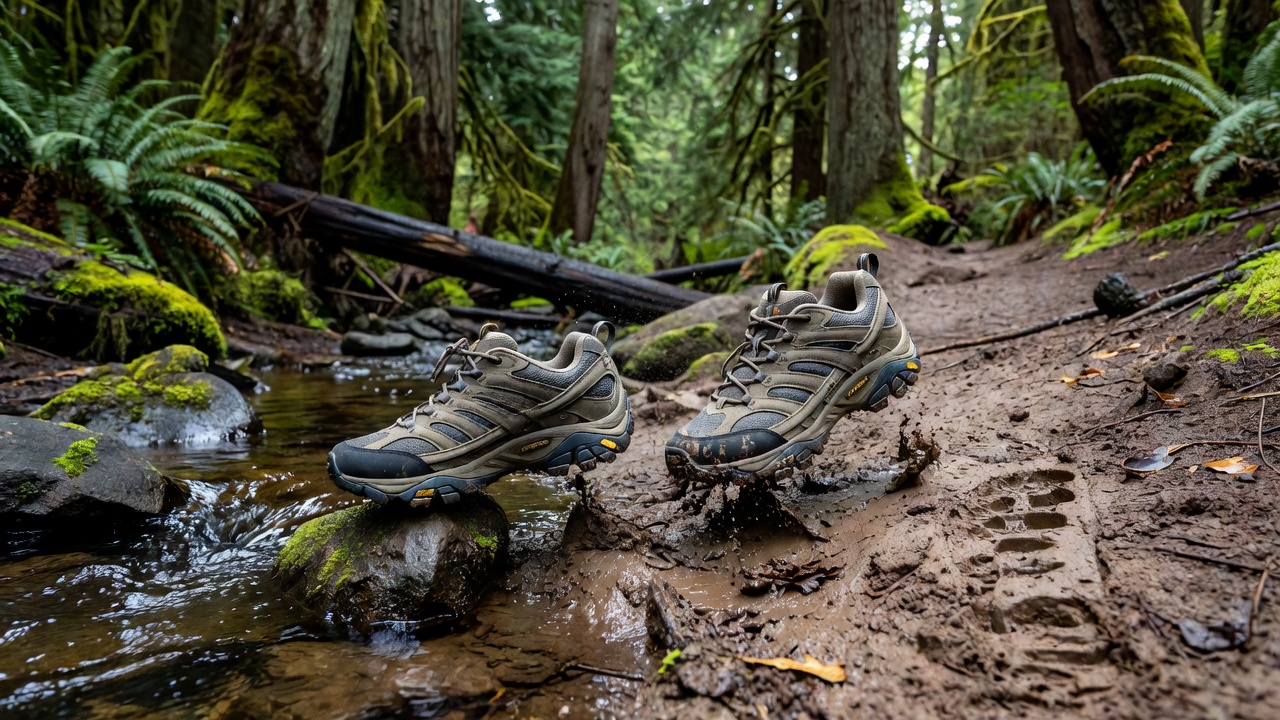
- Waterproof footwear: Merrell Moab 3 Waterproof — $129.95. Wet leaves and mud end the day early for mesh shoes.
- Merino socks: Darn Tough Hiker Micro Crew — $27.95. Wool stays warm when it is wet; cotton does not.
- A rain shell you will actually wear: Outdoor Research Helium Rain Jacket — $159.00. Packs to the size of a fist.
- Headlamp: Black Diamond Spot 400 — $39.95. Sunset is 6:30 PM; a phone flashlight is not a plan.
- Sunglasses for the low sun: goodr Circle G polarized sunglasses — $30.00. In October the sun hangs low all afternoon and drives straight into your eyes on west-facing trails, which is exactly when the sunglasses get left in the car.
- Poles for wet descents: Cascade Mountain Tech carbon poles — $49.95 for the budget pick, or Black Diamond Trail Cork — $109.88 for cork grips.
- What to wear: the fall hiking clothing guide pairs each layer with a temperature band.
The Golden Rule of Fall Hiking: Layers, Not One Big Coat
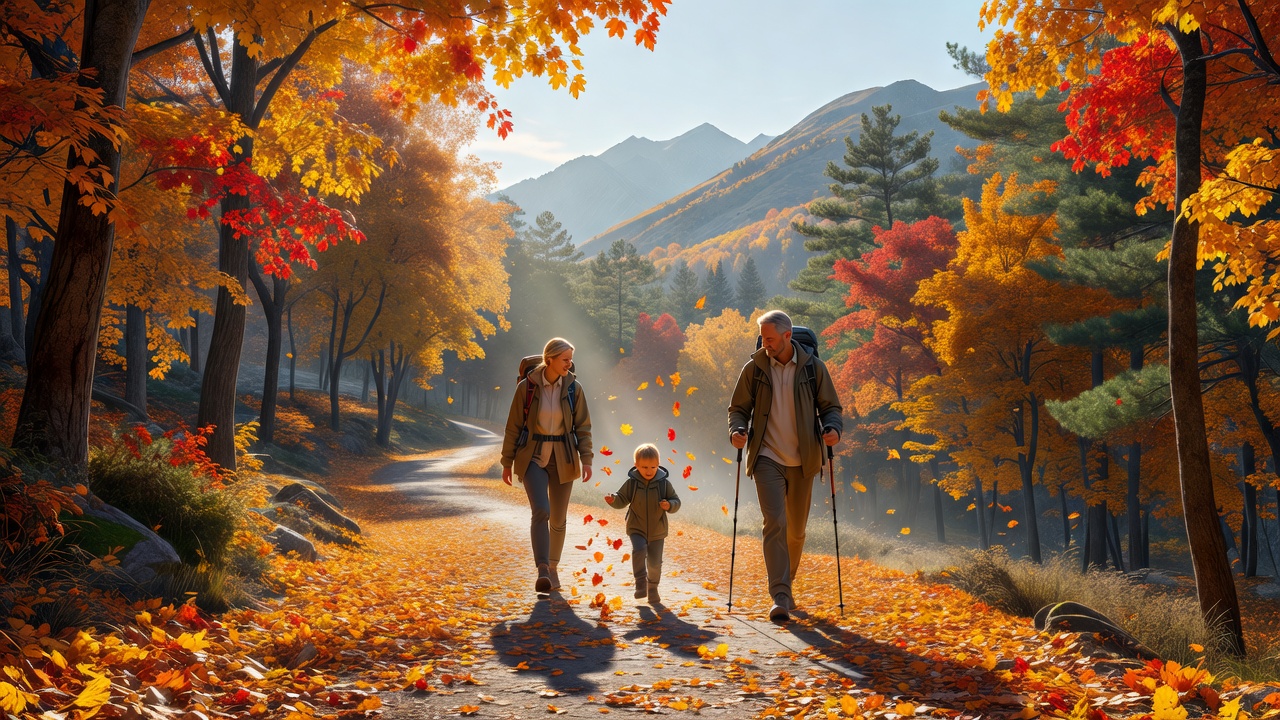
Fall weather doesn't stay constant — it cycles. You'll sweat climbing the first mile, freeze on the exposed ridge, and get damp when a brief squall rolls through. One heavy jacket can't handle that range. A layering system can.
The three-layer system that works for autumn trails:
- Base layer — moisture-wicking fabric against your skin (never cotton). This is non-negotiable; wet cotton against skin is how hypothermia starts, even at 50°F.
- Mid layer — insulation you can shed (fleece or a lightweight puffy) that traps warmth when you stop for lunch.
- Shell layer — a waterproof/breathable jacket that blocks wind and rain. It lives in your pack 80% of the time, and saves the day the other 20%.
A base layer + mid + shell setup covers the full fall range from 30°F trailhead starts to 70°F afternoons. When it warms up, the mid layer goes in the pack and you hike in base + shell.
For the clothing side of that system in full — pants, socks, boots, gloves, hats and what to wear at 30°F, 40°F, 50°F and 60°F — see our what to wear fall hiking guide.
Budget-friendly base layer: G Gradual Moisture-Wicking Tee ($16.99) — a perforated athletic tee that breathes during the climb and dries fast if a shower catches you. It's the cheapest upgrade you can make to your fall hiking wardrobe, and it does the one job a base layer must do: keep sweat off your skin.
The mid layer that lives in your pack: Columbia Men's Steens Mountain 2.0 Full Zip Fleece ($34.99) — the classic budget fleece for a reason: soft 100% polyester MTR filament fleece traps warmth at the 45°F lunch stop, zippered pockets keep your phone and keys secure, and at this price you can afford to keep one in the car all season. For women, the Columbia Women's Benton Springs Full Zip Fleece ($39.99) is the same soft-warm layering formula with a classic fit that slides under a rain shell. Neither is waterproof — that's the shell's job — but both pack small enough that "bring it anyway" is an easy call.
Fall Hiking Shoes: Waterproof Is Not Optional
Here's the thing about autumn trails: the leaves that make the views beautiful also hide the mud. October trails are a patchwork of dry stretches, leaf-covered roots, and boggy sections you can't see until you're in them. Waterproof footwear isn't a luxury in fall — it's the difference between dry feet at mile 5 and trench-foot misery at mile 5.
Our top fall pick: Merrell Moab 3 Waterproof ($129.95) — the waterproof version of the best-selling hiking shoe on earth. The M Select DRY membrane sheds morning dew, creek crossings, and rain-slicked grass, while the Vibram outsole keeps grip on wet leaves (which are slicker than they look). It's the shoe I recommend to anyone hiking more than a handful of fall weekends, and it's the value pick in our full hiking shoes comparison.
For wide feet and rougher terrain: KEEN Targhee 3 Waterproof ($187.00) — KEEN's roomy toe box and aggressive outsole make it the choice for hikers who need toe splay and extra stability on rocky autumn descents. The waterproof membrane handles the same mud and morning dew, with a heavier build that shrugs off abuse.
The sock that makes either shoe work: Darn Tough Hiker Midweight Micro Crew Socks ($27.95) — merino wool blend that stays warm when damp, wicks sweat on the climb, and comes with a lifetime warranty. In fall, your socks are your second line of defense after your shoes — a wet cotton sock turns a dry boot into a cold boot in minutes. Midweight merino is the fall sweet spot: warm enough for 40°F starts, breathable enough for noon heat.
The under-$50 fall starter combo: the G Gradual tee above plus a pair of Darn Tough socks plus your existing trail shoes gets you 80% of the way there. If you're only buying one new thing this fall, make it the socks — they're the highest-ROI item on this entire list.
The Rain Shell: The Most-Used Item in a Fall Pack
Fall is the rainiest hiking season in most of the US — and the most changeable. A clear blue morning can be followed by a 20-minute squall by 11 AM, then sunshine again by lunch. The hikers having a good day are the ones who threw a shell in their pack and never had to think about it.
Outdoor Research Helium Rain Jacket ($159.00) is the shell I pack every fall hike. It's genuinely waterproof (Pertex Shield with taped seams), packs down to fist-size, and weighs under 7 ounces — light enough that there's no excuse to leave it behind. It's also the shell that works as a windbreaker on exposed ridgelines, which is half its fall value.
Why it earns its spot in this guide over a cheaper poncho: fall rain is usually wind-driven, and a poncho in wind is a sail. A properly fitted shell keeps the rain off AND traps the warmth from your base layer — combined with your mid layer, a good shell turns a 45°F windy ridge into a comfortable lunch spot.
Buying for a family rather than a single hiker? Our best rain jackets for family camping and hiking compares adult and kids shells side by side, including which ones layer cleanly over a fleece.
Headlamp: Non-Negotiable When the Sun Sets at 6:30
This is the fall gear most people forget. In July, you can start a 2 PM hike and finish by daylight. In October, the same hike ends in full darkness — and if you're on a forested trail under a canopy, "dusk" arrives even earlier. A headlamp in your pack weighs 3 ounces and turns an accidental late finish from "dangerous" into "mildly annoying."
Black Diamond Spot 400 ($39.95) is the fall standard — 400 lumens with a red mode that preserves night vision, IPX8 waterproofing for rain and stream crossings, and dual-fuel compatibility (rechargeable battery or triple-As). The red light matters more in fall than summer: you'll be hiking out in the dark, and red light keeps your pupils adjusted.
Petzl ACTIK CORE ($79.95) is the upgrade pick — 625 lumens, rechargeable core battery, and a beam that reaches further for open-trail night hiking. Worth it if you'll do regular dusk and early-morning hikes through winter. Planning a full-moon hike or an evening summit attempt? Our night hiking gear & safety guide covers route planning, lighting strategy, and what to do when you're caught out after dark.
Fall-specific headlamp tip: check your batteries before the first fall hike, not after. That headlamp has been sitting in your pack since May — lithium batteries hold charge fine, but alkalines can leak over a summer in a hot car. The dual-fuel Spot 400 means you can pop in fresh AAs at the trailhead if you forgot to charge.
Trekking Poles: Your Knees Will Thank You on Wet Descents
Fall changes the trail underfoot: wet leaves over roots, mud-slicked rock, and downhill sections that were easy in July now slide. Trekking poles add two contact points that stabilize you on exactly those sections — and they're the single best knee insurance on a long autumn descent. If you're buying your first pair, our trekking pole buying guide covers the height-to-length chart, lock types, and picks from $45 to $256.
Black Diamond Trail Cork Trekking Poles ($109.88) — cork grips stay comfortable when your hands are sweaty or cold, flick-lock adjustment is quick to set, and the shock-absorbing tips eat the impact of rocky downhills. This is the pole most of our readers end up buying.
Budget alternative: Cascade Mountain Tech Carbon Fiber Poles ($49.95) — carbon fiber construction at half the price, with the same flick-lock adjustability and cork grips. They're slightly less refined but more than capable for weekend fall hiking.
Pole tip for leaf season: use the baskets (the little plastic rings near the tips). Fall trails are covered in a layer of leaves that can hide a mud hole — baskets keep the tips from punching through and sinking, which is the difference between a pole that helps and a pole that buries itself.
Hydration and Fuel for Cool-Weather Hikes
Cold weather hides dehydration. In summer you sweat visibly and drink constantly. In fall you sweat less, the air is dry, and you can hike three hours without feeling thirsty — then wonder why you have a headache and cold hands at the summit. Drink on a schedule, not on thirst.
The CIVAGO 32 oz Insulated Bottle ($19.99) does double fall duty: it holds ice water for the warm noon stretch, or a hot drink that stays hot into the afternoon. Stainless insulation and three lid options (straw, chug, and a standard cap) make it the most versatile bottle in the catalog for cold-season hiking.
Fall lunch logic: your trail lunch lands in the "cooler" category now — a sandwich and apple in a daypack at 50°F is fine for 4 hours. The Stanley All Day Julienne Soft Cooler Bag ($100.00) keeps lunch fresh and doubles as a carryall for layers you shed mid-hike. Soft-sided, easy to toss in the trunk, and it zips flat when empty.
What Goes in the Fall Daypack: The Full Checklist
Here's the complete fall day-hike packing list, distilled:
- Base layer — G Gradual moisture-wicking tee or similar synthetic
- Mid layer — fleece or lightweight puffy, packed not worn at the trailhead
- Shell — OR Helium Rain Jacket
- Footwear — Merrell Moab 3 Waterproof or KEEN Targhee 3
- Socks — Darn Tough merino, plus a spare pair in the pack
- Headlamp — Black Diamond Spot 400 or Petzl ACTIK CORE
- Poles — BD Trail Cork or Cascade Mountain Tech
- Water — CIVAGO insulated bottle, 1 liter per 2 hours minimum
- Lunch — anything, in the Stanley soft cooler
- Sunglasses + sunscreen — the fall sun is lower in the sky and hits your eyes directly
- Gloves and a beanie — 3 ounces in the pack, worth their weight on exposed summits
- TRENDOUX Winter Gloves (3M Thinsulate) ($19.99) — the packable liner pair, with touchscreen fingertips so you can check the map without bare hands
- Carhartt Waterproof Insulated Knit Cuff Glove ($32.99) — the wet-weather step up: a waterproof insert and a knit cuff that seals the wrist in freezing rain and wet snow
- Smartwool Merino 250 Reversible Beanie ($35.00) — merino stays warm when damp, so it survives a sweaty climb and the cold summit stop
That's the complete list. If you're new to day hiking entirely, our day hike essentials guide covers the broader basics, and the hiking for beginners guide walks through pace, navigation, and what to expect on your first trails.
Fall Hiking Mistakes I've Made (So You Don't Have To)
Trusting the forecast at the trailhead. Mountain weather in fall is local — the 70°F forecast for the valley can be 45°F and windy at the summit with zero warning. The shell and mid layer in your pack are your insurance. I've hiked in a t-shirt up a ridge in October and eaten every degree of that mistake on the descent.
Wearing cotton anything. Cotton socks, cotton tee, cotton hoodie — all of it soaks up sweat and stays wet, and wet cotton at 50°F with wind is a hypothermia recipe. This is the #1 gear mistake on fall trails, and the easiest to fix: synthetic base layer, merino socks.
Not accounting for shorter days. "It's a 2-hour hike, we'll be back by 5" stops being true in October when the sun sets at 6:20 and the trail is forested. Add 30 minutes of buffer per hour of hiking, and the headlamp goes in the pack regardless.
Starting with the mid layer on. You'll warm up fast on the first climb — starting dressed for the summit means sweating through your base layer in the first 20 minutes, and a damp base layer is cold all day. Start cool, hike warm, stop and layer up at breaks.
Forgetting traction on wet leaves. Wet leaves on rock or packed trail are as slick as ice in places. Poles help, slower descents help, and shoes with real lugs (like the Moab's Vibram or KEEN's outsole) make the biggest difference of all.
Hiking into hunting season without a plan. Archery season opens in September in many states, rifle season in November — both on the same public trails you're hiking. Blaze orange isn't just for hunters: a $15 vest or hat makes you visible at the distances rifle shots actually happen, and public-land rules in many states expect it. Hiking with a dog? They need orange too — our hunting-season blaze orange guide covers dog vests, collar lights, and how to handle a trail meeting with hunters.
Seasonal Transitions: When Fall Hiking Becomes Winter Hiking
The same layering system that handles October handles November — you just add more. When trailhead temps drop below freezing, swap the mid layer for a warmer puffy, add insulated gloves and a beanie to the permanent list, and check traction options for icy sections — the Yaktrax Pro Traction Cleats ($34.95) slip over your existing boots and turn sheet ice back into walkable trail. The headlamp, shell, merino socks, and poles all carry over unchanged — which is why building the fall kit right pays off all season.
The piece most cold-weather hikers forget is the neck: the Smartwool Merino 250 reversible neck gaiter ($32.00) closes the gap between a jacket collar and a hood, using the same Merino 250 knit as the layers above and staying warm when your breath wets it.
And if the fall chill has you thinking about the deeper cold, our winter camping guide for beginners covers staying warm through full winter overnight trips. When the shelter needs to handle real snow, the best 4-season tents guide walks through snow-rated options at three price points, and the winter camping gear checklist breaks down the rest of the cold-weather kit — bags, pads, and stove fuel — item by item. Planning to sleep out there instead of day-hiking? The complete fall camping gear checklist applies the same layering logic to overnight trips — sleeping bags, stoves, and lanterns for the long autumn nights.
That transition has its own kit — insulated boots sized for a wool sock, traction cleats, an insulated bottle instead of a bladder — and our winter hiking guide breaks it down by temperature band.
Where to Take This Kit: Fall Weekend Ideas
Gear only pays off if you actually go, and fall is the shortest window on the calendar. Seven autumn trips this kit covers well:
- Leaf peeping day hikes — how to time peak color by region and elevation, plus the overlook trails that are actually worth the drive.
- New Hampshire foliage walks — the Kancamagus pull-offs plus flat family trails (Lincoln Woods, Sabbaday Falls) that pair a foliage drive with an easy hike.
- Vermont foliage camping — Route 100 and Smugglers' Notch, plus the state-park closing deadline that ends the tent season right after Columbus Day.
- Apple picking + camping weekends — U-pick orchard mornings, then a campsite, campfire apple crisp, and a cold-night sleeping bag.
- Pumpkin patch camping weekends — the family version: hayrides and corn mazes with a campsite base instead of a dark two-hour drive home.
- Columbus Day weekend camping — the last three-day window before the season turns, with a holiday-aware packing list.
- State park camping weekends — the cheapest base for a fall hiking trip, plus the reservation windows and first-come sites that make a last-minute weekend possible.
Fall Hiking Outfit: What to Wear on an Autumn Trail
A fall hiking outfit is a temperature question, not a fashion question. Everything below assumes the core problem of the season: a trailhead that starts cold and a climb that runs hot. If the question is what to wear hiking in the fall, the short answer is three layers and no cotton; if it is what to wear for a fall hike, start with the 40°F row and adjust from there. The point of fall hiking wear is that it comes off in pieces, so anything you cannot remove mid-climb — a heavy coat, a sweaty cotton hoodie — is the wrong answer. Autumn hiking wear for a 55°F afternoon looks nothing like an autumn hiking outfit for a 38°F sunrise, and both can happen on the same Saturday.
If you are working backwards from a search box: fall hiking what to wear is the same answer as hiking clothes in fall and hiking in fall clothes — synthetic base, fleece mid, shell on top. For hiking outfit for fall or hiking outfit in fall, add leggings or hiking pants with pockets and merino socks. The fall outfits for hiking saved on a phone look like what do you wear hiking in the fall at the trailhead: a base layer under a light fleece, with the shell visible on the pack strap. Two edge cases worth naming — what to wear hiking in the cold adds gloves and a beanie to the same list, and what to wear for a cold hike is that list for a 30-35°F start.
| Your search | The answer |
|---|---|
| fall hiking clothes for women | Merino or synthetic base layer, midweight fleece you can shed, and a shell in the pack — not a puffer, which you cannot remove while climbing. The women's Benton Springs fleece is the cheap mid layer most readers end up with. |
| fall hiking clothes for men | Same three layers, wider temperature tolerance. The Columbia Steens Mountain fleece plus a moisture-wicking tee covers 38-65°F on its own. |
| best hiking clothes for fall | Waterproof shoes, merino socks, a synthetic base layer, a packable fleece, a rain shell. Everything else is preference. |
| hiking clothes for fall | Aim for synthetic or wool next to skin. Cotton holds sweat against you and stops insulating the moment it is wet — that is the whole reason fall hiking has a clothing rule. |
| fall hiking attire women | Leggings or hiking pants with real pockets, a quarter-zip fleece, merino crew socks, and a shell that fits over all of it. |
| hiking fall outfit men | Hiking pants rather than jeans — denim stays wet. Fleece or a light puffy in the pack, wool socks, and a shell. |
| fall hiking outfit women | Add a light beanie and liner gloves. They weigh almost nothing and they decide whether the summit stop is a nice ten minutes or a quick one. |
| autumn hiking outfit men | Skip the hoodie. A hoodie over a cotton tee is the classic fall mistake: warm at the trailhead, useless once you sweat into it. |
| hiking outfit october | October is shorts weather on the climb and fleece weather on the ridge in the same afternoon. Dress for the climb, carry for the ridge. |
| what to wear hiking in november | Below freezing at many trailheads. Same three layers, thicker mid, gloves and a beanie moved to the permanent list — see the winter transition section below. |
| what to wear hiking in september | Still warm enough that the shell rarely leaves the pack, but mornings are cold. Base layer plus a light mid, shell as insurance. |
| what clothes do you wear for hiking | Any synthetic or wool layers you already own will do. You do not need hiking-specific clothing to start — you need no cotton and a layer you can shed. |
| what are good hiking clothes | Good means dries fast, moves with you, and layers without bulk. Material matters far more than the label. |
| lightweight warm hiking clothes | A grid fleece plus a merino base layer gives the most warmth per ounce. Heavy cotton fleece feels warmer but dries slowly and packs huge. |
| warm hiking clothes for women | Merino base layer, fleece mid, insulated or puffy layer for stops. Three thin layers beat one thick one every time. |
| layered hiking outfits women | Layer widths should step up gradually. Two mid layers is often better than one fat one, because you get more control on a long climb. |
| fleece hiking clothes | Fleece is the correct mid layer for fall: it keeps some insulating value when damp, which down does not. It is not a shell and blocks almost no wind. |
| fleece hiking outfit | A fleece plus a shell handles 35-50°F comfortably. Add a base layer for anything colder. |
| hiking hat outfit | A light beanie, or a cap with a warm band. Most cold-head questions on a fall hike are answered by covering your ears. |
Fall Hiking Layers: Base, Mid, and Shell Explained
Fall layers are a system, not a garment. If the question is which fall hiking layers to buy first, the answer is the base layer — it is the cheapest item and the one that decides whether the day is comfortable. Cold hiking layers matter more than the jacket in your closet, because a single heavy jacket cannot be adjusted on a climb. If you have ever searched best layers for hiking in cold weather and gotten a list of jackets, this is the correction: base layer moves sweat, mid layer holds warmth, shell blocks wind and rain, and every one of them is removable. The rule is to start slightly cool and add at each stop. Alpine hiking layers and backpacking clothing layers follow the same logic, just with thicker versions of the same three items.
Layer mechanics in one place: how to layer clothes for hiking is base, then mid, then shell, in that order, with the mid removed first when you heat up. Layering hiking clothes only works if each piece is thin enough to stack — layering hiking outfits around one thick fleece gives you two settings instead of five. Pick mid layer hiking clothing as a full zip so you can vent without stopping, and make sure hiking outfit layers are all softer than your shell or you will feel every seam through it. Essential hiking layers are the same three items; different hiking layers means thicker versions of them, not different items. Best layering for hiking and best layering pieces for hiking both come down to a merino base plus a grid fleece, and best layers for fall hiking or best layers for cold hiking is that pair plus a shell. Autumn hiking layering is where most people over-pack: two mid layers of different weights beat one heavy one. Backpacking layers women, backpacking winter layers, backpacking base layer shirt and backpacking base layer pants are the same three items with a sleep layer added, because a multi-day trip needs one set that stays dry for the tent.
| Your search | The answer |
|---|---|
| best base layer for hiking | Merino wool or a synthetic grid knit. Both wick and dry; merino smells better over a multi-day trip and costs more. |
| best base layer for hiking in cold weather | Midweight merino, roughly 200 gsm, or a heavier synthetic. This is the highest-return clothing purchase in this entire guide. |
| base layer for cold hiking | Something that fits close to your skin without wrinkles. A loose base layer cannot move sweat off you, which is its only job. |
| base layer for hiking material | Merino wool, polyester, or a poly-wool blend. Cotton is the one material to avoid entirely. |
| best hiking base layer | A long-sleeve merino crew for shoulder season. Short sleeves are fine in September; by late October you want forearms covered. |
| best hiking base layer material | Merino for multi-day and cold trips, polyester for sweaty climbs and warm weather. A blend gets you most of both. |
| cold weather hiking base layer | Midweight merino with a zip neck, so you can vent without taking anything off. |
| best cold weather hiking base layer | 200 gsm merino, or a grid fleece worn as a second skin. Grid fleece breathes better on the climb; merino is warmer when you stop. |
| cotton base layer for hiking | No. Cotton holds water against your skin, and wet cotton at 45°F with wind is how hypothermia starts on an otherwise easy hike. |
| best hiking mid layer men | The Columbia Steens Mountain 2.0 fleece at $34.99 — full zip so you can dump heat without stopping, small enough to live in the pack. |
| best hiking mid layer women | The Columbia Women's Benton Springs at $39.99 fits under a shell and packs flat. |
| best hiking fleece midlayer | A full-zip fleece with a high collar. Half zips are harder to vent while you are walking. |
| best fleece for hiking | Lightweight grid fleece for hiking, heavier pile for standing around camp. If you buy one, buy the grid version. |
| fleece layer for hiking | Worn while moving at 40°F, in the pack above 55°F. That is the entire adjustment rule. |
| fleece or down for hiking | Fleece while moving because it tolerates damp; down when stopped because it packs smaller and is warmer per ounce. Fall hikers often carry both. |
| fleece or puffer for hiking | Puffer for the summit stop and the drive home, fleece for the climb. A synthetic puffer is the safer single purchase if you only want one. |
| are fleece good for hiking | Yes as mid layer, no as a shell. Fleece blocks almost no wind, so on an exposed ridge it needs a shell over the top. |
| does fleece retain heat | It traps air well and keeps some insulating value when damp — which is why it beats cotton, and beats down in wet fall conditions. |
| best fleece jacket for hiking men | Full zip, midweight, and pockets that actually zip. Open pockets are where phones disappear on descents. |
Cold-Weather Hiking Gear: The Rest of the Pack
Beyond layers, the cold-weather kit is small and cheap, and it is the part people forget. If you are assembling fall hiking essentials from scratch, the order of purchase is footwear, then the layer you will actually wear, then light. Hiking gear for autumn is not a different list from summer — it is the same day-hike kit with insulation, light and traction added. Searches like what to pack for a day hike, what to bring for a day hike and what to pack for a hike all resolve to the same ten or eleven items, and what gear do you need for hiking is usually asked by someone who already owns half of it. The rest of this section is the long tail: the specific cold-weather questions that decide whether a 45°F day is pleasant or miserable.
The same kit, in the phrasings people actually type: hiking gear for fall and autumn hiking essentials are the day-hike list plus insulation, and what are the 10 essentials for hiking still applies in October — navigation, sun protection, insulation, illumination, first aid, fire, repair, nutrition, hydration and shelter. Essential things to bring when hiking in the cold adds a spare layer and a light to that ten. What to pack for a long hike swaps the lunch for real food and the one-liter bottle for two; what to pack for a short hike deletes the repair kit and keeps the shell. If you are starting out, hiking gear for beginners is footwear first, then the layer you will actually wear, then light. Hiking gear for women, hiking gear for men, hiking gear ideas and hiking gear recommendations all resolve to the same short list with different fits. Winter hiking gear list, winter hiking gear checklist, winter hiking gear essentials and snow hiking gear list are the fall kit with traction, insulated gloves and a warmer mid layer, while fall backpacking gear list and fall backpacking checklist add a sleep system and a stove. And a waterproof hiking jacket packable enough to keep in the pack is the single item that converts the whole list from summer to fall.
| Your search | The answer |
|---|---|
| cold weather hiking gear | Shell, mid layer, base layer, beanie, gloves, headlamp, traction. The list is short because every item does one job. |
| cold weather hiking gear list | Layer system, a spare pair of merino socks, insulative gloves, a hat, a headlamp with spare battery, water you will actually drink, and something warm for the long stop. |
| cold weather hiking gear men | The same list as everyone else. The only men-specific issue is fit: a shell that closes properly at the neck. |
| cold weather hiking gear women | Same list, with attention to shoulder fit and a mid layer that does not bunch under a pack strap. |
| gear for hiking in cold weather | Waterproof footwear, merino socks, packable insulation, a windproof shell, and a light source — the sun is gone by 6:30 PM in October. |
| essentials for hiking in cold weather | Add a spare pair of socks and something warm to drink. Warm hands start with dry feet. |
| hiking cold weather jacket | A shell for wind and rain over a fleece — not one insulated jacket. A single jacket cannot be adjusted, so you overheat on the climb and freeze when you stop. |
| best hiking cold weather jacket | A waterproof-breathable shell you can pack. The OR Helium Rain Jacket is 7 ounces and adds real warmth worn over a fleece or a puffy. |
| gloves for hiking in cold weather | Liner gloves plus a shell mitt. Liners for the map and the camera, mitts for the windy sections. |
| best hiking cold weather gloves | Thin fleece liners are more useful than bulky gloves, because you can keep them on while adjusting a pack, poles or a zipper. |
| best hiking gloves for cold weather 2026 | TRENDOUX 3M Thinsulate liners ($19.99) keep the map, poles and camera usable on a 40°F start; the Carhartt waterproof insulated glove ($32.99) takes over once the ridge is in freezing rain or wet snow. |
| best hiking beanie for cold weather | The Smartwool Merino 250 reversible beanie ($35.00) — merino stays warm when damp and does not hold odor across a whole weekend, so one hat covers the trip. |
| best pants for hiking in cold weather | Softshell or synthetic hiking pants with stretch. Not jeans, and not cotton joggers. |
| pants for hiking in cold weather | A light softshell handles 30-50°F. Below freezing, add a base layer underneath rather than buying insulated pants for one season. |
| cold weather hiking pants men | Synthetic with a DWR finish — they shed dew-soaked grass and dry fast after a wet descent. |
| cold weather hiking pants women | The same, with a waistband that stays put under a pack hip belt. |
| cool weather hiking pants men | Regular hiking pants with a merino base layer underneath cover far more of the season than insulated pants do. |
| cool weather hiking pants women | Lightweight hiking pants plus a base layer: that combination covers September, October and most of November. |
| best leggings for hiking in cold weather | Fleece-lined or heavyweight synthetic leggings, worn under a shell when it is windy. Bare thin leggings are a summer item. |
| hiking pants fall weather | Hiking pants with stretch and real pockets. Fall means wet knees, so quick-dry fabric matters more than warmth. |
| warm hiking pants for men | Fleece-lined hiking pants, or a softshell over a base layer. Both beat shorts with cold legs. |
| warm hiking pants for women | Fleece-lined leggings or a softshell pant; either one over a merino base layer covers a 30°F morning. |
| best snacks for hiking in cold weather | High fat and easy to eat with gloves on — nuts, cheese, chocolate. Warm drinks matter as much as food, because cool weather hides dehydration. |
| hiking beanie warm | A merino or fleece beanie, packed on every fall hike. Head and hands lose heat fastest the moment you stop moving. |
Hiking in 40°F, 50°F, and Rain: What the Numbers Actually Mean
The temperature band questions are the most common things people ask before a fall hike, so here are the bands and the rain versions together. Can you hike in 40 degree weather? Yes, comfortably, if you layer and keep moving. Can you hike in 50 degree weather? That is ideal hiking weather, which is why October is busy. The trick is that the same hike can start at 40 and finish at 65, so the answer is never one outfit. If the search is what to wear hiking in 40 degree weather, start with a synthetic base layer, add a fleece, carry a shell; for what to wear hiking in 50 degree weather the fleece goes in the pack and the base layer does the work. The rain cases below are the ones where the answer changes from comfort to safety.
Answering the outfit searches directly: what should i wear hiking in 40 degree weather is a synthetic base layer, a fleece, and a shell in the pack — what to wear for hiking in 40 degree weather is that same list, and clothes for hiking in 40 degree weather are the pieces rather than the plan. Above 50 the fleece moves to the pack, so what to wear for hiking in 50 degree weather, hiking in 50 degree weather what to wear and clothes for hiking in 50 degree weather are all base layer plus shell. Hiking in 40 degree weather outfit and hiking in 50 degree weather outfit differ by one item, which is the mid layer. For colder mornings, best clothes for hiking in cold weather and outfits for hiking in cold weather mean a midweight base layer, a warmer mid and gloves, and hiking in cold weather outfit adds a beanie. Best material for hiking in cold weather is merino or synthetic. Is polyester good for hiking in cold weather? Yes — polyester wicks and dries fast, it just smells worse than wool on a multi-day trip. Tips for hiking in cold weather and safety tips for hiking in cold weather come down to three things: keep the base layer dry, eat and drink on a schedule, and turn around before you are cold rather than after. Hiking in the cold weather also means short daylight, so a headlamp belongs in the pack. Hiking in very cold weather, hiking in cold wet weather and hiking in cold rainy weather are the same answer with more margin: traction, a waterproof shell, gloves and a plan B. Hiking with dogs in cold weather has one extra rule — dogs cool down fast when they stop, so keep the stops short and check paws for ice.
Two more from the same family: what do you wear hiking in cold weather is the layered answer above, and is hiking in 40 degree weather good — yes, 40°F is better hiking weather than 80°F, provided you layer and keep moving.
| Your search | The answer |
|---|---|
| hiking in the rain gear | A waterproof shell with a hood, quick-dry pants, and footwear that already keeps water out. Avoid ponchos — in wind they act like a sail. |
| how to hike in the rain | Keep your core dry, keep moving, and eat on schedule. Once hands and feet are wet you are on a clock, so plan a shorter route and a warm car at the end. |
| is it safe to hike in the rain | Usually yes on established trails, but wet leaves on rock are as slick as ice. Poles and slower descents turn it back into a normal hike. |
| can you hike in the rain | Yes — fall is the rainiest hiking season in most of the US, so waiting out every shower means not hiking. Check for thunderstorms before committing to exposed ridgelines. |
| hiking gear for rain | A packable shell, rain pants, a pack cover or dry bag for essentials, and a spare pair of socks in a plastic bag. |
| hiking gear for the rain | The same kit plus a brimmed hat, so rain stays off your face and your glasses. Hood-only setups fog up on the climb. |
| hiking wet weather gear | Shell, rain pants, waterproof footwear, and something to keep your phone dry. Wet weather is a footwear problem more than a jacket problem. |
| hiking in rain pants | Worth it in steady rain and wet brush, because soaked hiking pants chill you for the rest of the day. Full-zip sides let you put them on without removing boots. |
| hiking rain jacket packable | Packable beats durable on a day hike — a shell you actually carry is worth more than a nicer one in the car. Fist-size is the target. |
| best hiking rain jacket lightweight | Lightweight, genuinely waterproof, taped seams, pit vents. The OR Helium Rain Jacket is the reference point most lightweight shells get compared to. |
| ultralight hiking rain jacket | Under 8 ounces with taped seams and no frills. You trade abrasion resistance and pockets for the weight. |
| hiking umbrella vs rain jacket | An umbrella wins on open trails in warm rain, but not in wind and not where you need both hands. Many fall hikers carry both. |
| hiking rain jacket vs poncho | A jacket fits, vents and stays put in wind; a poncho covers your pack but billows. In wind-driven fall rain, the jacket wins. |
| hiking rain jacket with pit zips | Buy the vents. Pit zips are what stop you sweating through your base layer on the climb, which is the usual reason people say a shell did not work. |
Fall Footwear and Socks: The Cold-Weather Questions
Footwear is where a fall hike is won or lost, and it is more than the shoe. If the question is what to wear hiking boots with, the answer is a midweight merino sock — not cotton, and not two thin pairs unless you are deliberately layering for fit. Wool for hiking socks is standard because it keeps insulating when damp; the question of layering socks hiking only comes up when your boots are slightly too big. Hiking sock layering done wrong, with a thin cotton liner under wool, is worse than a single good pair. And if you are searching wool socks for hiking boots, check that the height clears the boot collar before you buy.
Sock answers in one paragraph: what to wear hiking boots with is a midweight merino sock, and wool for hiking socks solves the wet-foot problem cotton creates. Wool socks for hiking boots should clear the boot collar so the seam does not sit under the tongue. Wool socks for hiking in summer and wool hiking ankle socks are the same sock with less height and less weight. Hiking double layer socks and layering socks hiking only make sense when the boot is slightly too big; hiking sock layering done deliberately means a thin liner plus a midweight wool sock, and hiking base layer socks should never be cotton. Are polyester socks good for hiking? Yes for a fast-drying summer hike, no for a wet cold-weather one, because polyester does not hold warmth the way merino does. Best socks for hiking in cold weather, hiking cold weather socks and socks for hiking in cold weather are all midweight merino crew socks. One fit note: wool for hiking shoes and wool for hiking boots should be sized with no pressure over the instep, because a tight sock is a cold sock.
| Your search | The answer |
|---|---|
| autumn hiking boots | Mid-height waterproof boots or waterproof trail shoes. Fall is the season mesh shoes stop working: dew, mud and wet leaves get in no matter where you step. |
| autumn hiking shoes | Waterproof low shoes are enough for most autumn day hikes. Choose boots only if you expect mud over the ankle or carry a loaded pack. |
| hiking fall boots | Waterproof with real lugs. Wet leaves on rock are the traction problem of the season, and tread pattern decides whether you slide. |
| fleece lined hiking boots | Useful for standing around at camp, overkill for hiking — your feet warm up within the first mile of any climb. Insulated socks solve the same problem with more control. |
| best shoes for hiking in cold weather | Waterproof with room for a thicker sock. Tight boots get cold feet faster than loose ones. |
| wool hiking compression socks | Compression helps recovery and long descents but adds warmth. In fall that is a reasonable trade; in summer it runs hot. |
| hiking boots fall apart | The two common failures are the membrane giving up, usually from being stored wet, and the sole delaminating from heat — never leave boots in a hot car between trips. |
| fleece hiking socks | Fine as camp socks, poor for hiking: fleece does not wick like merino and holds moisture against the foot. |
Packing for Kids and Dogs on a Fall Hike
Two searches come up constantly once fall turns cold: hiking with kids checklist and what to pack for hiking with dog. Both are really insulation questions. Kids stop moving and cool down fast, so their kit is built around spare layers, dry socks and snacks they will actually eat; dogs need the same layer logic, plus a plan for ice, paw abrasion and a short day. Here is the long tail of what people ask when they are packing for a fall hike with a family or a dog.
| Your search | The answer |
|---|---|
| hiking with kids checklist | Spare socks and gloves per child, a warm hat, water they will drink, snacks with fat and sugar, a headlamp each, and one extra layer beyond what they are wearing. |
| hiking with kids gear | Small pack so they carry their own water and snacks, layers they can manage themselves, and footwear with actual tread — sneakers are the usual weak point. |
| hiking with kids essentials | Dry socks, a warm layer in a dry bag, snacks, water, and a plan for turning around early. Kids cool down the moment they stop, and they stop unpredictably. |
| hiking with kids packing list | Base layer, fleece, shell, hat, gloves, spare socks, water, food, headlamp, and a small first-aid kit with blister plasters. |
| hiking with kids what to pack | Pack one more warm layer than you think you need, and put it in the child's own pack so nobody has to stop and dig for it. |
| what to pack for hiking with kids | The insulation, the snack and the headlamp are the three items that decide whether a fall family hike is fun. Everything else is optional. |
| hiking with dog checklist | Water and a collapsible bowl, a leash for the sections where they must be on lead, poop bags, a towel, and paw protection if the trail has ice or sharp rock. |
| hiking with dog gear | A harness rather than a collar for a longer hike, a short leash for descents, and a light or reflective tag — fall days end in darkness. |
| hiking with dog essentials | Water, food for a long day, paw checks at every stop, and a plan for hunting season. Many states require blaze orange on dogs in the fall. |
| what to pack for hiking with dog | The same ten essentials plus dog water and a towel. Cold weather hides a dog's dehydration as easily as it hides yours. |
| hiking with dog what to bring | Bring the leash even on trails where they usually run free — fall brings hunters, and off-leash dogs are the fastest way to ruin a good hike. |
| hiking with dog backpack | A dog pack only if your dog is conditioned to it and carries light. Water, not weight, is what most dogs should carry. |
Carrying the kid who's done walking is the other half of that equation. The Osprey Poco Child Carrier ($340) puts a toddler up on your back with a sunshade, leg stirrups and a kickstand that lets the pack stand while you load it, so a fall hike ends because you decided to turn around — not because a four-year-old did.
The Bottom Line
Fall is the hiking season most people miss because they're still packing for summer. The season kicks off earlier than you think — Labor Day weekend is the first cool-weather window of the year, and our Labor Day weekend camping checklist covers the last-minute trip audit that gets you out the door before the trails turn gold. The upgrade path is cheap and specific: waterproof shoes, merino socks, a packable rain shell, a headlamp, and poles for the descents. Five items, under $300 total if you shop smart, and every single one of them earns its place on every autumn trail day from September through November.
Start with the Merrell Moab 3 Waterproof if you buy one thing — dry feet are the foundation of every good fall hike. Then let the full hiking shoe guide help you dial in the rest of your kit. The trails are empty, the leaves are turning, and the weather is perfect — get out there while it lasts.
<!-- AFFILIATE_DISCLOSURE -->Layers, shells, and hiking socks are ranked together in our Best Clothing guide.
Virginia trails in October mean wet leaves on rock — the camping in Virginia guide covers footwear and traction for Blue Ridge descents alongside the Old Rag ticket requirement.
Smokies trails in October add one more constraint worth planning around: the Tennessee camping guide explains why dogs are barred from almost every trail inside the park boundary — and where to hike instead.
Cold-weather hiking makes fit problems worse — a shoe that feels fine in July can be painful with a midweight sock and a swollen foot in October. Our wide-feet hiking shoe guide covers how to keep room in the toe box as your layers (and your feet) get thicker. One footwear note for cold mornings: tight calves feel tighter in the cold, and calf tightness is a common driver of heel pain. Hiking shoes for plantar fasciitis covers the shoe side of that.
Fall Hiking Gear FAQ
Quick answers to the gear questions that come up most on cold-weather day hikes — the full reasoning for each is in the sections above.
What should I wear for a fall hike?
Layers, not one big coat. The core problem in fall is a 40°F trailhead that turns into 70°F by noon, so the goal is a system you can shed and re-add as you climb. Start with a moisture-wicking base layer (G Gradual moisture-wicking tee), add a midweight fleece (Columbia Men's Steens Mountain 2.0 or the women's Benton Springs), and carry a rain shell you can throw on over everything. A heavy insulated jacket is the wrong call: climb for 20 minutes and you'll sweat through your base layer, and a damp base layer stays cold for the rest of the day.
Do I really need waterproof hiking shoes in fall?
Yes — fall is the one season where waterproofing stops being optional. Dew-soaked grass, wet leaves, and mud will soak a mesh trail runner inside the first mile, and wet feet cool down fast the moment you stop moving. The two waterproof picks worth comparing are the Merrell Moab 3 Waterproof and the KEEN Targhee 3 Low. Pair either with a midweight merino crew sock like the Darn Tough Hiker Micro Crew — merino keeps insulating even when damp, which cotton will not.
Do I need to carry a headlamp on a day hike?
Yes, every fall day hike. Daylight is collapsing through September and October, and sunset in late September lands around 6:30 PM. If your plan has any margin at all — a late start, a wrong turn, a longer-than-expected descent — you can find yourself on trail in the dark. Build in roughly 30 minutes of buffer per hour of hiking, then carry a lamp anyway. The Black Diamond Spot 400 (400 lumens, dual fuel so it runs on AAA or its rechargeable cell) is the default; the Petzl ACTIK CORE is the rechargeable upgrade at 625 lumens.
Are trekking poles worth it for fall hiking?
Fall is the season where poles earn their keep. Wet descents, leaf-covered roots you cannot see, and slick rock all punish a bad step, and poles give you a way to test questionable ground before you commit your full weight to it. The Black Diamond Trail Cork are the comfort pick thanks to cork grips that stay grippy when your hands are damp; the Cascade Mountain Tech carbon fiber poles are the budget alternative that covers the same job for far less.
Is a rain jacket necessary if the forecast is clear?
It's the most-used item in a fall pack, and not just for rain. Mountain weather turns faster in autumn than any other season, and a lightweight shell doubles as a wind layer on exposed ridges. The Outdoor Research Helium rain jacket packs down to roughly the size of a fist, which is why it lives in the pack rather than the car. A clear forecast buys you nothing on a ridge in October.
How much water should I carry on a fall hike?
Plan on 1 liter per 2 hours of hiking as a floor. Cool weather is deceptive: you sweat less, so you drink less, and mild dehydration is easy to miss when you are not overheating. Carry it in an insulated bottle such as the CIVAGO 32 oz insulated bottle so the water does not turn ice-cold on the trail, and a warm drink in a Stanley soft cooler bag for the summit is a genuine morale upgrade on a 40°F morning.
When does fall hiking turn into winter hiking?
The transition is traction and insulation, not the calendar. Once overnight temperatures are regularly below freezing and the trail is carrying ice or packed snow, you need spikes — the Yaktrax Pro traction cleats run 14mm steel coils and fit over your existing boots — plus an insulating layer beyond a fleece and gloves that actually work when wet. If you are adding spikes and a puffy to the same kit, you have made the switch.
One calendar note worth acting on: National Public Lands Day (September 26) has passed, and it was never a systemwide National Park Service fee-free day in 2026. The next free-entrance dates are Tuesday, October 27 (Theodore Roosevelt's birthday) and Wednesday, November 11 (Veterans Day) — the last one of the year. Our 2026 fee-free calendar and family camping guide has both dates plus a plan for turning a midweek free gate into a long weekend.