Night Hiking Safety & Gear: 12 Essentials (2026)
Night hiking gear and safety rules for after dark: best headlamps for adults and kids, trekking poles, GPS safety and what to pack for fall hikes.
In this article · 12 sections
- Quick Answer: Night Hiking Essentials
- Why Hike at Night (and When It's Worth It)
- The Non-Negotiable Night Hiking Safety Rules
- The Gear: What Actually Matters After Dark
- The Family Night Hike Playbook
- The 10-Minute Night Hiking Checklist
- Is Night Hiking Dangerous? The Straight Answer
- Night Hiking Lights: Headlamps, Red Light, and Tent Light
- How Much Dark You Actually Get: The Sunset Calendar Nobody Checks
- Setting Up Camp in the Dark: The 10-Minute System
- The Bottom Line
- Night Hiking FAQ
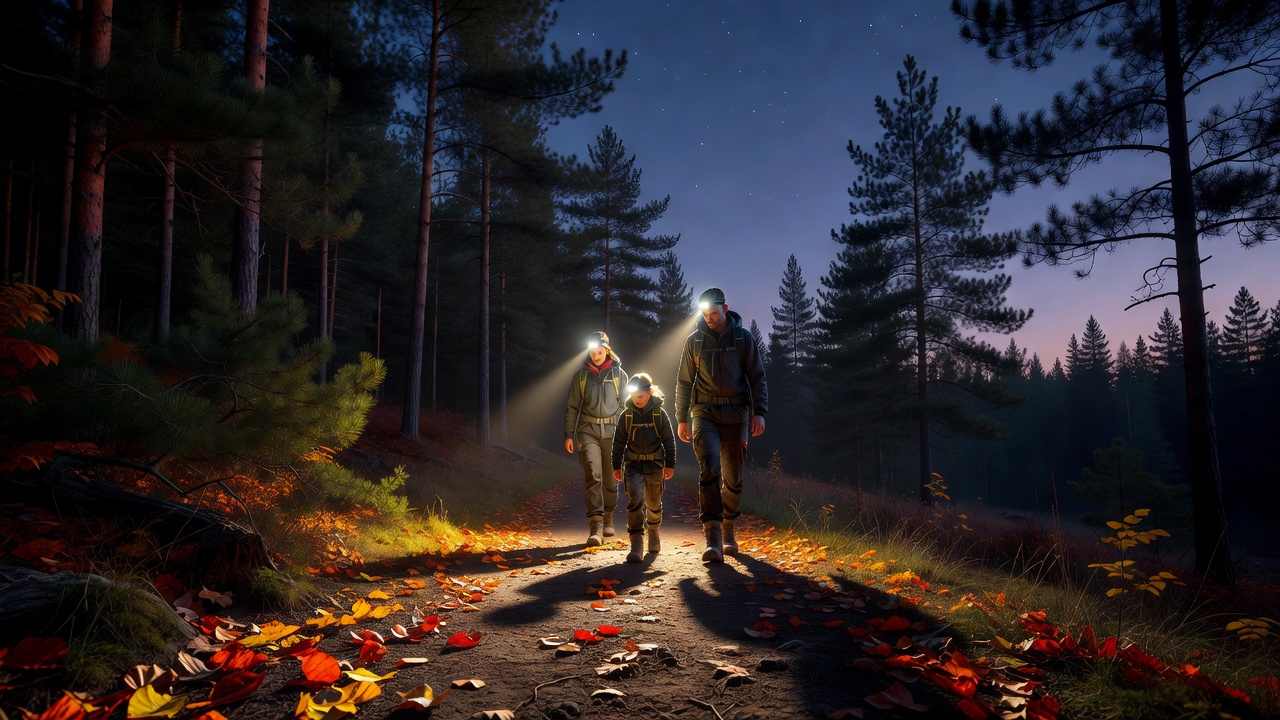
There's a moment on every night hike when the sun drops below the ridgeline and the trail suddenly stops being a path and starts being a question mark. The trees close in, the temperature slides, and every root looks like a step you didn't plan for. That's the moment night hiking separates people who prepared from people who hoped.
I used to be a hoper. My first after-dark hike — a quick "we'll be back before sunset" loop that turned into a full moonlit descent — taught me everything this guide covers, the hard way. The good news: night hiking is one of the most rewarding versions of the sport. Cooler air, empty trails, stars you can actually see, and a quiet that daytime crowds never get. The better news: with the right gear and a few non-negotiable safety rules, it's completely doable — even with kids in tow.
This guide covers the night hiking gear that actually matters (headlamps, poles, navigation, safety), the rules that keep you out of trouble, and a family-friendly checklist you can pack in ten minutes. If you're new to hiking altogether, start with our complete hiking for beginners guide first, then come back here for the after-dark upgrades.
Quick Answer: Night Hiking Essentials
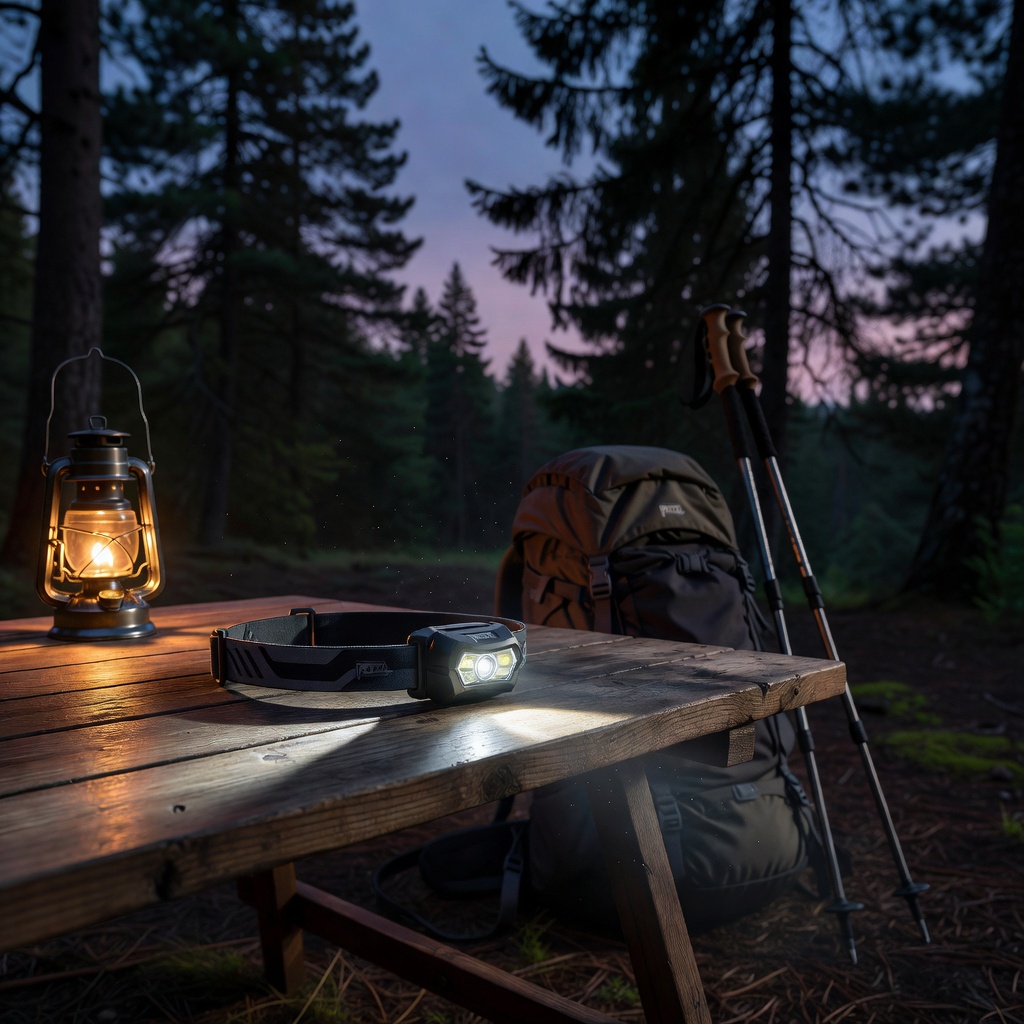
- Headlamp to buy first: Petzl ACTIK CORE — $79.95. 625 lumens, rechargeable, and a red mode that keeps your night vision intact.
- Best value light: Black Diamond Spot 400 — $39.95. 400 lumens and waterproof, for half the price.
- For the kids on the trail: Black Diamond Wiz Kid — $24.95. Child-safe brightness and a rechargeable battery.
- Safety net for solo night hikes: Garmin inReach Mini 2 — $349.99. Two-way satellite messaging where there is no cell signal.
- Camp light for after the hike: Goal Zero Lighthouse Micro Flash — $29.95. Lantern and flashlight in one, USB-rechargeable.
- Stability on dark descents: Cascade Mountain Tech Carbon Fiber poles — $49.95. Carbon weight at an aluminum price.
Why Hike at Night (and When It's Worth It)
Fall is prime night-hiking season, and it's not close. Days shrink fast after September, which means you can finish a workday, grab dinner, and still catch a golden-hour summit — or embrace full darkness deliberately for the experience.
The four best reasons to hike after dark:
- Cooler temperatures — summer trails that bake at noon are pleasant at 9 PM. This is the way to hike desert and exposed ridgeline trails in warm months.
- Fewer crowds — the most popular trailheads empty out by evening. You get the place to yourself.
- Wildlife viewing — dawn and dusk are when animals actually move. Moonlit hikes near water are your best chance to spot deer, owls, and foxes (from a respectful distance).
- A completely different trail — trails you've hiked a hundred times become new territory at night. Your senses recalibrate. It's genuinely exciting for kids, too.
When night hiking is not worth it: unfamiliar trails you've never walked in daylight, severe weather forecasts, and anything involving stream crossings or exposed scrambles in the dark. Night hiking is for trails you know — it's a familiarity sport, not an exploration sport.
The Non-Negotiable Night Hiking Safety Rules
Before any gear, these five rules. They've kept me (and my kids) out of trouble more times than any piece of equipment:
- Tell someone your plan. Route, trailhead, expected return time, and what to do if you're late. A satellite communicator turns "tell someone" from a hope into a certainty.
- Only night-hike trails you know. If you've never walked the trail in daylight, don't make the dark your first time. At minimum, study the map until you can recite the junctions.
- Check the weather — and the moon. Cloud cover turns a "moonlit" hike into a blackout hike. Check both before you go, and pack for 10°F colder than the forecast says.
- Carry a backup light for every person. Your primary headlamp WILL die, drop, or get left in the car eventually. A second small light per person is not optional — it's the difference between an inconvenience and an emergency.
- Slow down at junctions and descents. Route-finding mistakes happen when you're moving fast and visibility is 50 feet. When in doubt, stop, scan with your headlamp, and confirm against your map or GPS before continuing.
The Gear: What Actually Matters After Dark
1. The Headlamp Is Your Whole World (Buy Two Tiers)
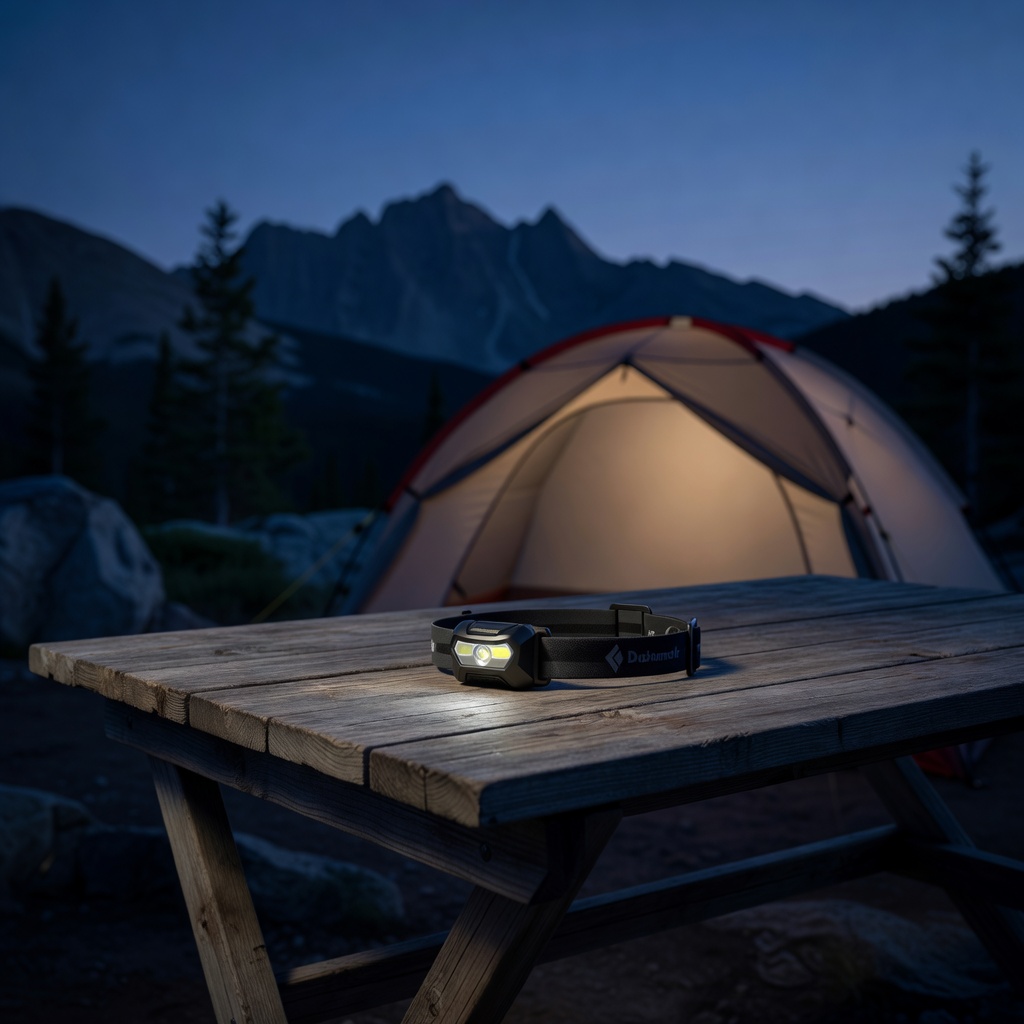
The single most important piece of night hiking gear is your headlamp — it's your visibility, your safety, and your kids' courage all in one. Hands-free light beats a flashlight every single time: you need both hands on poles and rocks in the dark.
The do-everything pick: The Petzl ACTIK CORE ($79.95) is what I reach for on every night hike. 625 lumens of real trail-illuminating power, a rechargeable battery that also runs on AAA backup, and — the feature that matters most at night — a red light mode that preserves your night vision and keeps you from blinding everyone in your group. It's also waterproof, which matters when a night hike meets fog or drizzle.
The value pick: The Black Diamond Spot 400 ($39.95) is the best balance of price and capability for most hikers. 400 lumens, waterproof, and dual-fuel (AAA or rechargeable). It's the headlamp I hand to guests and the one that lives permanently in my daypack as the backup.
The kids' pick: Night hiking with kids? The Black Diamond Wiz Kid ($24.95) is child-safe, rechargeable, and capped at a gentle 40 lumens — bright enough to light their own world, dim enough to never glare in a face. Kids who wear their own headlamp walk with ten times more confidence. Trust me, the "I have my own light!" factor is real.
Night-hiking headlamp rules I've learned:
- Buy a headlamp that has a red mode. It preserves night vision, keeps tent-mates sane, and is gentler on the eyes when you check a map.
- Set it to mid-power for walking, boost only for route-finding. Battery discipline matters when you're 3 miles from the car.
- Always carry a spare battery or a backup light. The Goal Zero Lighthouse Micro Flash Lantern ($29.95) does double duty: a backup 120-lumen light AND a tiny USB power bank for your phone. It lives in my pack permanently.
2. Trekking Poles: Your Third and Fourth Leg
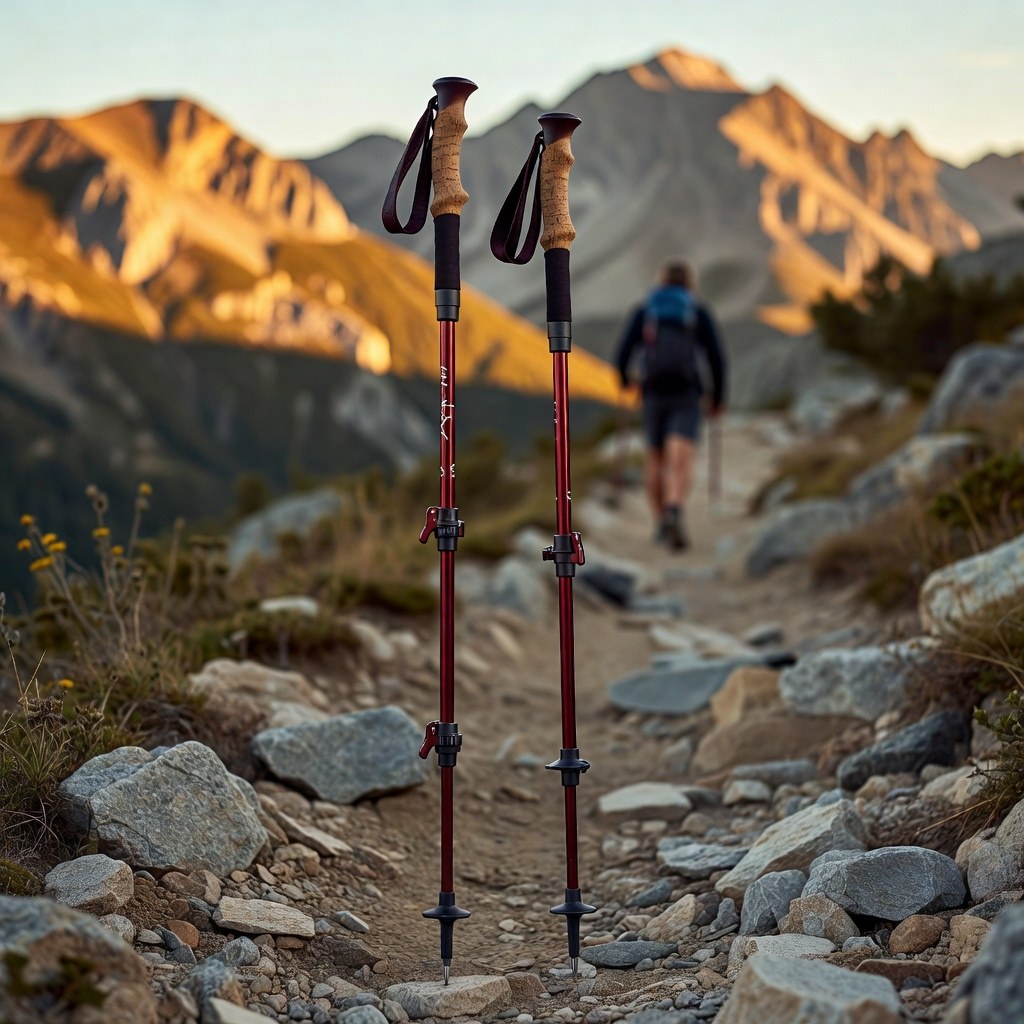
Here's the thing nobody tells you about night hiking: your eyes are less reliable, so your body needs more stability. Trekking poles aren't just for knees — they're your blind-spot detectors. A pole tip finds the edge of the trail, the depth of a puddle, and the angle of a step before your foot commits.
Budget pick: The Cascade Mountain Tech Carbon Fiber Trekking Poles ($49.95) are the most-loved budget poles on the market for a reason: carbon fiber, quick-lock adjustment, and 4,200+ reviews at 4.6 stars. At under $50 a pair, they're the perfect first poles for night hiking.
Premium pick: The Black Diamond Trail Cork Trekking Poles ($109.88) add cork grips (which feel dramatically better in cold night air than foam) and a more durable locking mechanism. If you night-hike regularly, the cork grip comfort is worth the jump.
One night-hiking pole tip: in the dark, keep your poles planted slightly wider than normal. You're trading a little efficiency for a lot of stability, and your ankles will thank you at the first hidden root.
3. Navigation: GPS Watch + Satellite Communicator
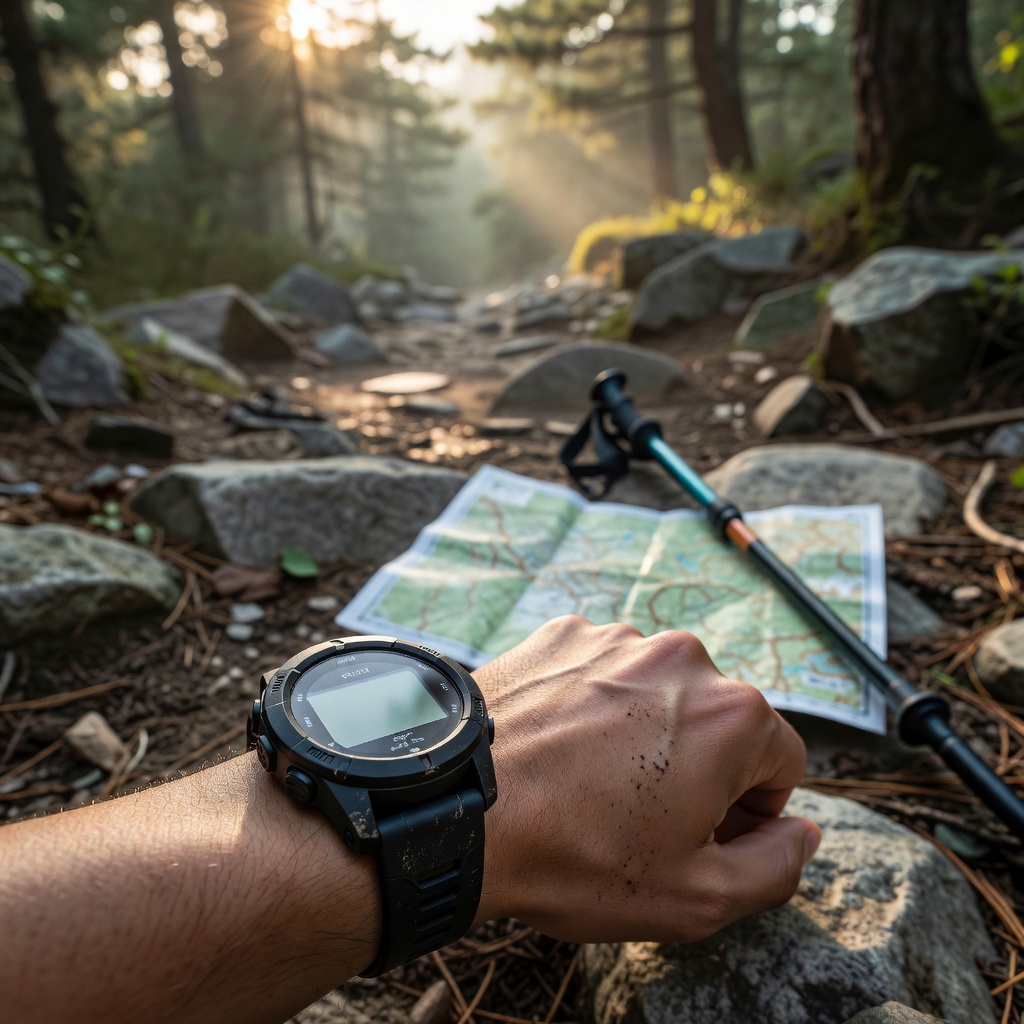
Getting turned around at night is the scariest failure mode in hiking — trail junctions look identical in headlamp beam, and landmarks you recognize in daylight vanish entirely. Navigation gear isn't a luxury at night; it's the difference between a story you tell and a story you're told.
The GPS watch: The Garmin Instinct 2 Solar ($278.99) is my go-to night navigation tool. Rugged, solar-charged (the battery basically never dies on multi-day trips), and it breadcrumb-trails your route so you can always see which way is back. The built-in flashlight mode is a nice bonus for map checks. It's the piece of gear that makes me feel the trail's geometry even when I can't see it.
The satellite communicator: If you night-hike in areas without cell service — which is most good night-hiking areas — the Garmin inReach Mini 2 ($349.99) is the most important safety device you can carry. It sends and receives text messages via satellite, and it has an SOS button that contacts emergency services anywhere on Earth. 8,000+ reviews at 4.7 stars. For family night hikes, it's the difference between "we're fine, just late" and a full search-and-rescue response. It pairs with the Instinct watch over Bluetooth, so your group status is always visible.
My night navigation rule: The GPS watch tells me where I am. The inReach tells my family that I'm OK. Phone-only navigation is fine for a daylight stroll — at night, on an unfamiliar stretch, it's a gamble.
4. First Aid That Fits a Headlamp Beam
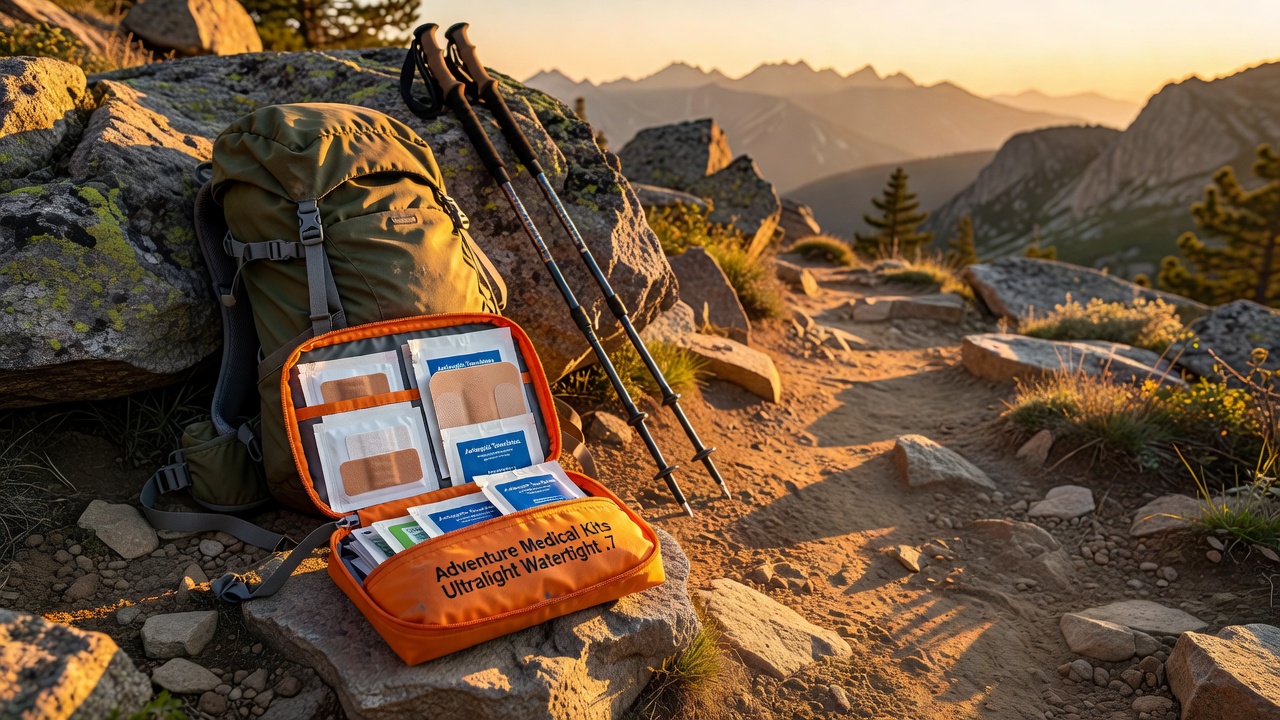
Night hiking injury patterns are specific: more ankle rolls, more knee tweaks, more scraped palms from feeling for handholds. Your first aid kit needs to cover those, and it needs to be organized well enough to use in the dark.
The Adventure Medical Kits Ultralight/Watertight Medical Kit .7 ($44.95) is the kit I carry on every night hike — it's the perfect size for a daypack, genuinely waterproof (which night fog and dew will test), and organized into labeled compartments you can navigate by feel. Bandaids, blister care, antiseptic wipes, and a small trauma kit. For the full family trip kit, pair it with the basics from our camping first aid checklist.
5. The Little Things That Make Night Hiking Work
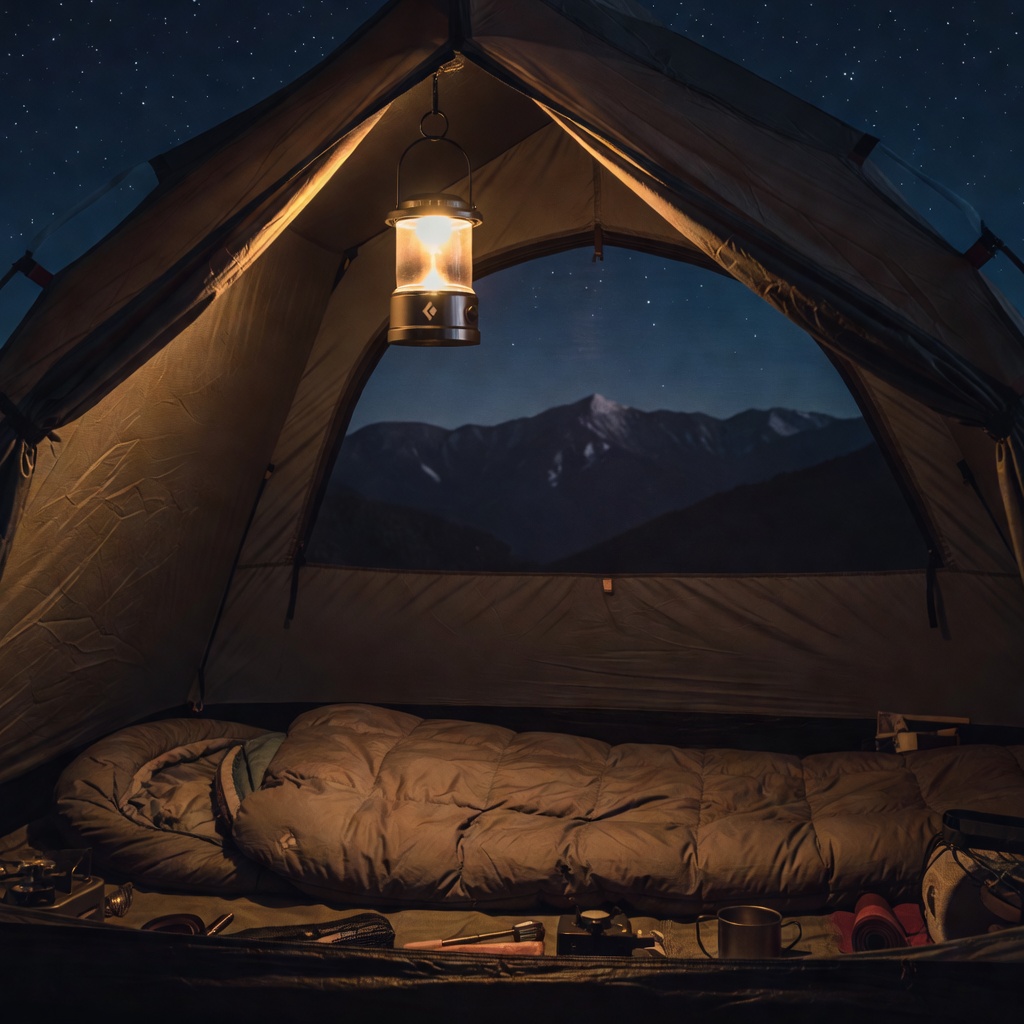
- Mark your camp or car return point. A set of Twinkle Star 100-LED String Lights ($19.99) hung at the trailhead or around your base camp turns "finding the car at 11 PM" into a non-event. They're also the single best campsite-ambiance upgrade for the price.
- A lantern for the "arrived" moment. When you stop for a snack at the summit, a headlamp-in-the-face situation is miserable. The Black Diamond Moji Lantern ($24.95) throws soft 200-lumen light over the whole group — it's the difference between eating a snack and eating a snack together.
- Layers, always. Night air drops fast. Our fall hiking gear checklist has the full layering system, but the short version: a warm mid-layer and a wind shell in your pack even if it's 70°F at the trailhead.
- Reflective anything helps. A reflective vest, patch, or even bright pack cover makes you visible to the rare late mountain biker or vehicle at trailhead crossings.
The Family Night Hike Playbook
Night hiking with kids is a completely different (and genuinely magical) experience — but it needs structure. Here's what works for us:
- Choose a short, known trail. Half your normal daylight distance. A 2-mile loop you've walked a dozen times is perfect.
- Start at dusk, not at dark. Kids adjust to darkness gradually. Watching the sunset turn into the night hike builds comfort instead of fear.
- Every kid gets their own headlamp (the Wiz Kid is purpose-built for this) — and a backup glow stick in their pocket.
- Make it a mission, not a walk. "We're looking for the owl that lives by the big oak" beats "let's go for a hike" every time.
- Pack the snack stop. A lantern, a warm drink, and a summit snack turn the halfway point into the highlight. This is where the Moji lantern earns its keep.
- Call it early. The second a kid says they're tired, you're on the way back. Happy endings build the habit of coming back.
For first-time hikers building up to this, our hiking for beginners guide covers trail choice, pacing, and the basics — and if your kids are new to the outdoors entirely, the family camping gear checklist is the natural next step after a successful night hike.
The 10-Minute Night Hiking Checklist
Print this, tape it to your pack, and check it every time the trailhead parking lot is emptier than it should be:
- Headlamp with fresh batteries (or full charge) — one per person
- Backup light per person (small flashlight, lantern, or second headlamp)
- Red-light mode set on your primary headlamp
- Trekking poles for stability (budget: Cascade Mountain Tech $49.95 / premium: Black Diamond Trail Cork $109.88)
- GPS watch or phone with downloaded offline map (Garmin Instinct 2 Solar)
- Satellite communicator if you're leaving cell range (Garmin inReach Mini 2)
- Small first aid kit (Adventure Medical .7)
- Warm mid-layer + wind shell per person
- Snacks + warm drink in an insulated bottle
- Trailhead/car marker (string lights for the return trip)
- Route and return time texted to someone who isn't on the hike
- Phone charged + power bank if you carry one (Goal Zero Lighthouse doubles as one)
Is Night Hiking Dangerous? The Straight Answer
Ask the question bluntly — is night hiking dangerous — and the honest answer is: darkness is not what hurts people. The same trail is not more lethal after sunset, and an enormous number of hikes finish in the dark every year without incident, often by accident. What changes at night is your margin for error, and there are five things that actually go wrong.
Navigation, not monsters. This is the first of the real dangers of hiking at night: walking past a junction, a cairn, or a spur you would have recognised instantly in daylight. That is the practical reason a night hiking guide always starts with an offline map and a marked return point.
Footing. Roots and loose rock are invisible until your ankle finds them, which is why ankle rolls and knee tweaks dominate night injury lists. Slower pace and poles are the fix.
Temperature and daylight math. Sunsets arrive 60-90 minutes earlier than most people estimate on a tree-lined trail, and a 55°F afternoon becomes a 38°F evening fast. Layer as if the hike ends an hour after you think it will.
Exposure and access rules. Is hiking at night safe on any land? Mostly yes on national forest and most state park backcountry, but plenty of front-country day-use areas, gated roads, and wildlife-management units close at dusk or ban night use outright. Is hiking at night illegal? Sometimes — check the specific land manager, not a general rule.
Doing it alone. Is hiking in the dark dangerous for a solo hiker? More than for a group, and not because of wildlife. A solo night hiker has no one to notice a turned ankle, no one to hold the second light, and no one to walk out for help. If you are hiking at night alone, shorten the route, share a live location, and set a hard turnaround.
So is hiking in the dark safe? For a prepared group on a familiar trail with real lights, yes — safer than the drive to the trailhead. The hiking in the dark tips that matter are boring ones: go where you already know the way, tell someone your plan, carry two lights per person, and treat "we are still out here" as a reason to slow down rather than hurry. Can I hike at night as a complete beginner? Yes — and the honest entry point is an evening hiking trail you already walked in daylight: short, flat, familiar, with a full moon overhead — that is how most people should try it, and it is how to hike at night without turning a first attempt into a rescue story.
If you want the full night hiking equipment list, the 10-minute checklist above is it. Everything else is comfort.
Night Hiking Lights: Headlamps, Red Light, and Tent Light
The lighting question is the one people search for most, so here it is in plain terms. The best camping headlamp for most people is not the brightest one — it is the one with a real red-light mode, enough runtime for a cold night, and a battery system you can actually replace or recharge.
Rechargeable vs dual-fuel. A rechargeable headlamp like the Petzl ACTIK CORE ($79.95) is the simplest answer to best camping headlamp rechargeable — USB-C in, 625 lumens, red mode, and no battery drawer to fumble open with gloves on. The Black Diamond Spot 400 ($39.95) is the best budget headlamp for camping that still counts as serious gear: 400 lumens, waterproof, and dual-fuel so it runs on AAAs when the internal cell dies. If you want the best rated camping headlamp overall for a family, those two are the pair we point at.
Red light is the night-vision feature. Both of those lamps carry it, and on a group hike you want the best camping headlamp with red light you can afford, because white light at full power in someone's eyes costs them several minutes of adjusted vision. For kids, the Black Diamond Wiz Kid ($24.95) is the best camping headlamp for kids — 40 lumens, a child-safe beam, and a rechargeable body. For backcountry trips where weight is the argument, the best headlamp for backcountry camping is the same Spot 400 and ACTIK CORE class; there is no need for a specialty lamp.
A flashlight is the wrong primary light. Night hiking flashlight use should be the exception — a handheld light occupies the hand you need on rocks and poles. Use a hand-held light as your backup, and treat night hiking head torch mode as the default — low output or red. Night hiking red light matters for the same reason: it preserves the night vision of whoever is walking behind you. Night hiking lights, in practice, means two per person: one on the head, one in the pack.
Then light the camp, not the forest. Electric tent light for camping has one job — let everyone find their sleeping bag without a beam in a face. The Black Diamond Moji ($24.95) is the best tent camping light for that job: dimmable, warm, and hanging from a loop. For a rechargeable lantern that doubles as a phone charger, the Goal Zero Lighthouse Micro ($29.95) is the one that earns its space, and the MalloMe 4-pack ($23.99) is the cheap way to give every kid a light of their own. A string of Twinkle Star LED lights ($19.99) at the trailhead or around the picnic table turns "which car is ours" into a non-question after dark.
How Much Dark You Actually Get: The Sunset Calendar Nobody Checks
Most night hikes don't start as night hikes. They start as a 4 o'clock trailhead and a loop that looked shorter on the map. The variable that decides whether you finish in daylight isn't your headlamp's lumen rating — it's how fast sunset moves once September ends.
At 40° north — the latitude of Denver, Columbus, Philadelphia and Sacramento — you lose roughly 50 minutes of evening light between September 1 and October 1, another 45 minutes by Halloween, and then a full hour in a single day when the clocks fall back on November 1. Local clock time shifts by roughly 20 minutes across a time zone, so treat this as the shape of the curve and check your own trailhead's sunset number before you commit.
| Evening at 40°N | Sunset | Headlamp genuinely needed | What changed |
|---|---|---|---|
| September 1 | 7:30 pm | ~8:00 pm | The last "hike after dinner" window |
| September 15 | 7:06 pm | ~7:35 pm | Losing about 2 minutes a day |
| October 1 | 6:39 pm | ~7:05 pm | 50 minutes gone in a month |
| October 15 | 6:17 pm | ~6:45 pm | Leaf season, short evenings |
| October 31 | 5:56 pm | ~6:20 pm | Last evening of daylight time |
| November 1 | 4:55 pm | ~5:20 pm | Clocks fall back — an hour vanishes |
| November 15 | 4:42 pm | ~5:05 pm | Dark before most people leave work |
| December 1 | 4:35 pm | ~4:58 pm | The floor of the year |
"Headlamp genuinely needed" is sunset plus about 25 minutes of civil twilight, when colors fade but the trail is still readable. That is the honest boundary — not the moment the sun disappears.
The daylight-saving cliff is the real deadline
October 31 and November 1 look one day apart. In usable light they are weeks apart. A 4:30 pm start on Halloween leaves you close to 90 minutes of evening light; the identical 4:30 pm start the next day leaves about 25, because the clock moved and the sun didn't.
This is why late-October plans age so badly. A route that felt generous on October 12 — "we'll be down well before dark" — is a headlamp hike by the first weekend of November with no change to the route, the pace, or the group. Search-and-rescue callouts and hunter incidents cluster on exactly this transition, because the light budget changed and nobody re-ran the numbers.
The planning fix is not a stricter turnaround, it's a calendar-aware one: in late October, subtract an hour from whatever finish time you were assuming, then rebuild the plan around the number you get.
Why your headlamp goes dim in the cold (it's the battery, not the lamp)
The single most common November night-hiking failure isn't a broken headlamp. It's a headlamp with a warm-weather battery in it. Alkaline AAA and AA cells lose roughly half their usable capacity by the time they're near 0°F and start sagging well before that; lithium cells keep most of theirs; rechargeable lithium-ion packs fade too, and a cold pack recharges more slowly than you expect. Nothing is broken — the chemistry just stops delivering the current that high mode needs.
The symptoms are specific and easy to misread: the beam turns yellow, then high mode drops to medium, then medium drops to a dim glow that still works on your kitchen table the next morning. People conclude the lamp is dying and buy a new one, when the lamp was telling them the battery was cold.
What actually works:
- Run lithium AAA/AA in the shoulder-season lamp. A dual-fuel headlamp like the Black Diamond Spot 400 ($39.95) takes either disposable chemistry, so you can load lithium for cold trips and alkalines for summer without owning two lamps.
- Carry the spares against your body, not in the pack. A spare set in a chest pocket stays near 90°F; the same set in an outside pocket sits at ambient all evening.
- Don't store the lamp in the car overnight. A headlamp that spent the night at 25°F starts the hike already behind, even with good cells.
- Warm it before the descent. Five minutes inside a jacket or a trouser pocket restores most of a cold lamp's output. Do it while you're still in daylight and can see what you're doing.
- Expect less runtime, not just less brightness. Plan cold-weather runtime at roughly two-thirds of the rated number, which is exactly why the second, cheaper lamp in your pack is not optional in November.
Two rules that replace all the calendar math
If you'd rather carry rules than a table, these two cover it:
- Turn around 45 minutes before sunset on any trail you don't know, and 75 minutes before on a loop with a climb on the return. That buffers navigation mistakes, a slow group member, and the fact that trail junctions look different in fading light.
- Two lights per person whenever sunset lands inside your walk. Once sunset is less than 90 minutes after your planned start, the walk is a night hike in training. A primary on the head and a small backup in the pack costs about $25 and removes the entire class of "we had one light and it died" outcomes.
That's the whole point of the table above: it converts a vague worry into a number you can check while still at the car. And if the trip slides past Halloween into true cold — frozen water bottles, closed campground loops — the month-specific detail lives in our November camping guide, which covers what's still open and how cold each region actually gets.
Setting Up Camp in the Dark: The 10-Minute System
Camping after dark is normal, not a failure — late arrivals, long drives, and short fall days all end with setting up camp in the dark. The difference between a calm 10 minutes and a 40-minute argument is doing things in order.
- Headlamp on your head, not in your hand. Both hands free is the entire point.
- Shelter first, everything else second. Tent, stakes, fly. Unpacking the car before the tent exists is how gear disappears into the dark.
- One light in the tent, high. Hang the Moji or Lighthouse from the ceiling loop and work in its glow instead of aiming beams at your tent-mate.
- Keep the car light off. A trunk light or dome light every 30 seconds resets night vision for everyone in the group.
- Cook only what needs no thought. Water, a hot drink, a simple one-pot meal. Camping in the dark is not the moment for a three-pan dinner.
- Water and breakfast staged before you sleep. A full bottle and the coffee kit at the tent door means the morning starts warm.
- Bear and wildlife storage in the dark, before bed. Scented items, food, and trash go up or into the can — a task that is far harder at 2 AM than at 10 PM.
- Lay out tomorrow's layers. Camping in the dark forest means a cold, damp start; having the layers inside the tent beats a headlamp crawl through a duffel at dawn.
Do those eight things and setting up camp after dark becomes a ritual instead of a scramble.
The Bottom Line
Night hiking doesn't require a gear closet full of specialty equipment — it requires intention. A good headlamp per person, a backup light, poles for stability, a way to navigate, and a way to call for help. That's the whole secret. Everything else is comfort and confidence, and those matter too.
Start small: a familiar trail, a full moon, a warm layer, and a kid who thinks "we're hiking in the DARK?!" is the best idea you've ever had. Because it kind of is.
Prices and availability checked August 2026 and may change. As an Amazon Associate, TrailMapz earns from qualifying purchases.
If your night hike runs short because heel pain cuts the mileage, that's a footwear problem more often than a lighting one — see best hiking shoes for plantar fasciitis.
Dark-sky camping is the other reason to own red-mode lighting, and Pennsylvania has the East's best example — camping in Pennsylvania covers Cherry Springs State Park and the state forest around it.
Want the full ranked list of lights and safety kit? Camping safety and tool gear has the headlamps, first-aid kits and tools we recommend, sorted by rating.
Night Hiking FAQ
What's the single most important piece of night hiking gear?
Your headlamp — it's your visibility, your safety, and your kids' courage all in one, because hands-free light beats a flashlight every time when you need both hands on poles and rocks. Buy two tiers: a serious primary light like the Petzl Actik Core or the Black Diamond Spot 400, plus a backup per person. Set red-light mode as your default so you don't blind everyone at the trailhead.
Are kids' headlamps actually different from adult ones?
Yes, and the difference matters. Kids' lights are lower output, have a limited beam, and are built so a child can't accidentally stare into max brightness. The Black Diamond Wiz Kid at 40 lumens is the right amount of light for a kid walking next to an adult with a real lamp — they can see their feet without wrecking their night vision.
Do I need trekking poles if I normally hike without them?
At night, yes. Your eyes are less reliable in a headlamp beam, so your body needs more stability — poles stop being a knee-saving extra and become your blind-spot detectors, catching the rock or root you didn't see. The Cascade Mountain Tech carbon poles are the budget pick; the Black Diamond Trail Cork is the upgrade.
How do I keep from getting lost after dark?
This is the scariest failure mode in hiking, because trail junctions look identical in a headlamp beam and landmarks you know in daylight simply vanish. Carry a GPS watch for the track and a satellite communicator for the "something went wrong" case: the Garmin Instinct 2 Solar and the Garmin inReach Mini 2. Mark your return point, too — a string of Twinkle Star LED lights at the trailhead turns "finding the car at 11 PM" into a non-event.
Is night hiking safe with kids?
It can be genuinely magical, but it needs structure rather than spontaneity. Keep the group tight, put the strongest light in the middle and an adult at the back, shorten the distance to well under half your daylight mileage, and give every kid a job (light-holder, map-checker, snack-carrier) so nobody's attention drifts. Start on a trail you already know in daylight.
What injuries should I actually prepare for at night?
Night injury patterns are specific: more ankle rolls, more knee tweaks, more scraped palms from feeling for handholds. Your kit needs to cover those, and it needs to be organized well enough to use by headlamp — the Adventure Medical Kits Ultralight .7 is watertight and compartmentalized for exactly that.
When is night hiking actually worth it?
Fall is prime night-hiking season and it isn't close — days shrink fast after September, which means you can finish a workday, eat dinner, and still catch a golden-hour summit or deliberately embrace full darkness. Summer heat is the other argument: a 9 PM start on a desert or exposed trail beats a noon start every time.
Can you hike at night?
Yes — and on a familiar trail it is one of the best things you can do with an evening. Can I hike at night as a beginner? Start short, flat, and known, in a group, with two lights per person and a paper or offline copy of the route. How to hike at night is mostly a lighting and pacing question: slow down, keep the group tight, and turn around while everyone still finds it funny.
Is hiking at night illegal?
Usually no, but not universally. National forests and most state park backcountry allow it; many front-country day-use areas, gated roads, and some wildlife or reservoir units close at dusk — and a few ban night entry outright. Check the specific land manager for the exact trailhead rather than assuming, and expect overnight parking rules to be stricter than hiking rules.
What is the best camping headlamp?
The best camping headlamp for most families is a 300-600 lumen rechargeable or dual-fuel lamp with a genuine red mode — the Petzl ACTIK CORE ($79.95) or the Black Diamond Spot 400 ($39.95). For backcountry trips, the same class is the best headlamp for backcountry camping; for children, the 40-lumen Black Diamond Wiz Kid ($24.95).
How do you set up camp in the dark?
Set up camp in the order of consequence: light on the head, shelter up first, one lantern hung inside the tent, food and scented items stored before bed, and tomorrow's layers and water staged by the door. Camping after dark only turns chaotic when the tent is still in the car while you are hunting for a stove in the trunk.
What time does it get dark when hiking in October?
At 40° north, sunset runs about 6:39 pm on October 1, 6:17 pm on October 15 and 5:56 pm on October 31, so a headlamp becomes genuinely necessary roughly 25-30 minutes after those times. The practical planning number is a turnaround 45-60 minutes before sunset, because the last mile of a descent always takes longer in fading light than it did on the way up. After November 1 the clocks shift and the same trail goes dark an hour earlier.
Why is my headlamp dim in cold weather?
Almost always battery chemistry, not a failing lamp. Alkaline cells lose roughly half their usable capacity near 0°F and sag before that, so the beam turns yellow and high mode drops to a dim glow that still works fine indoors the next morning. Fixes that actually work: run lithium cells in the shoulder-season lamp, keep spares in an inside pocket where body heat keeps them warm, don't leave the headlamp in a cold car overnight, and warm it under a jacket for five minutes before you need it. A rechargeable lithium-ion lamp behaves the same way — cold capacity is simply lower.
<!-- AFFILIATE_DISCLOSURE -->