Pop Up Camper Guide: Winter Warmth, Rain & Setup
Pop-up camper camping that stays warm and dry: how cold is too cold, why the canvas drips, rain and heater fixes, towing weight, and winterizing.
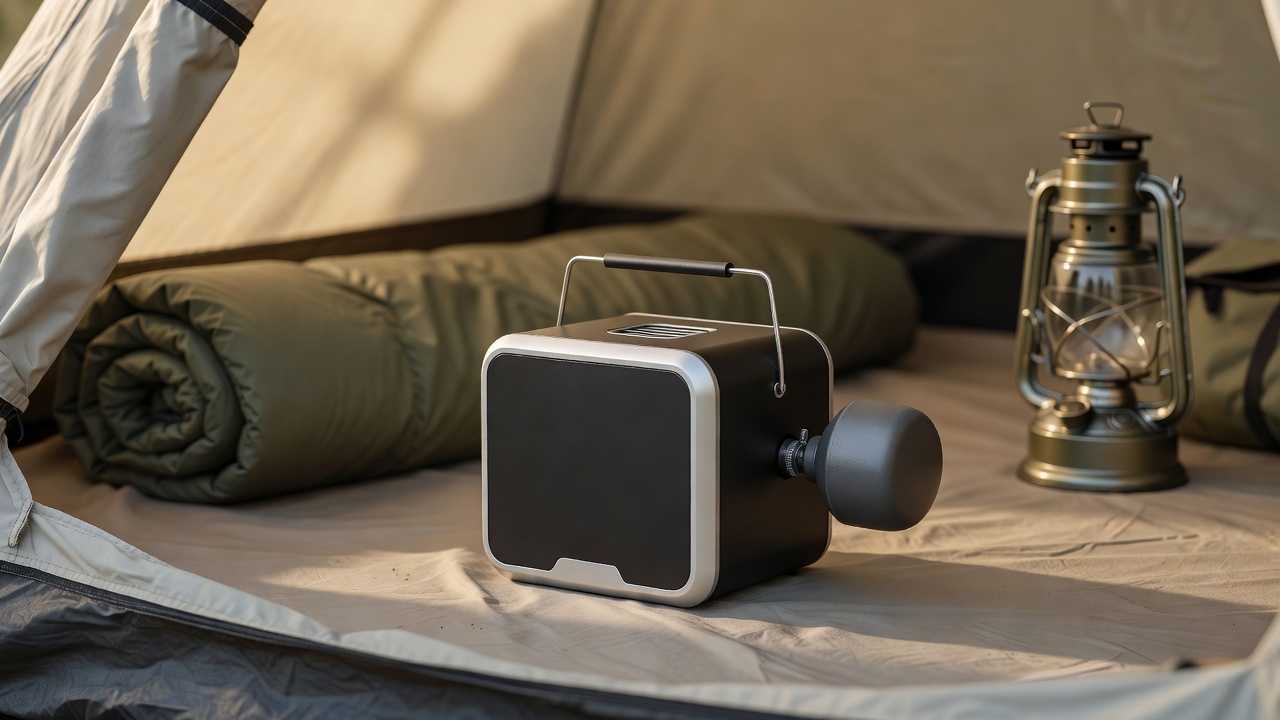 Mr. Heater F215100 Little Buddy 3,800 BTU Indoor-Safe Portable Radiant Propane Heater$69.99
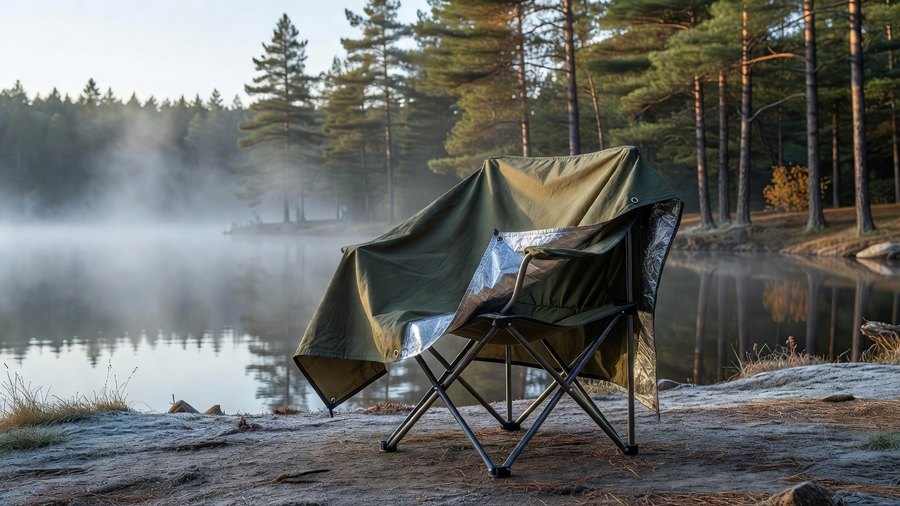 Arcturus Insulated Tarp Blanket — Reusable Thermal Survival Tarp (60 x 82 in, Olive)$24.99
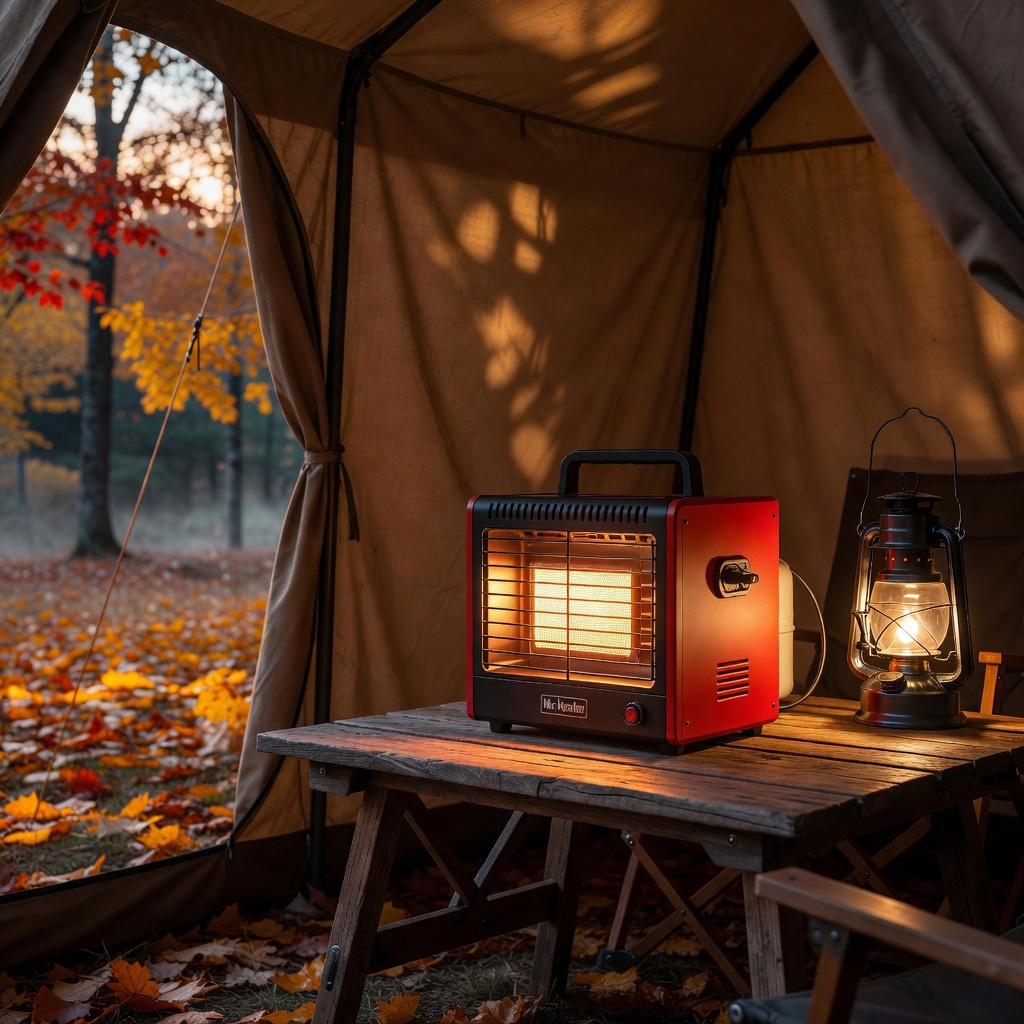 Mr. Heater F232000 MH9BX Buddy 4,000-9,000 BTU Indoor-Safe Portable Propane Radiant Heater$74.00
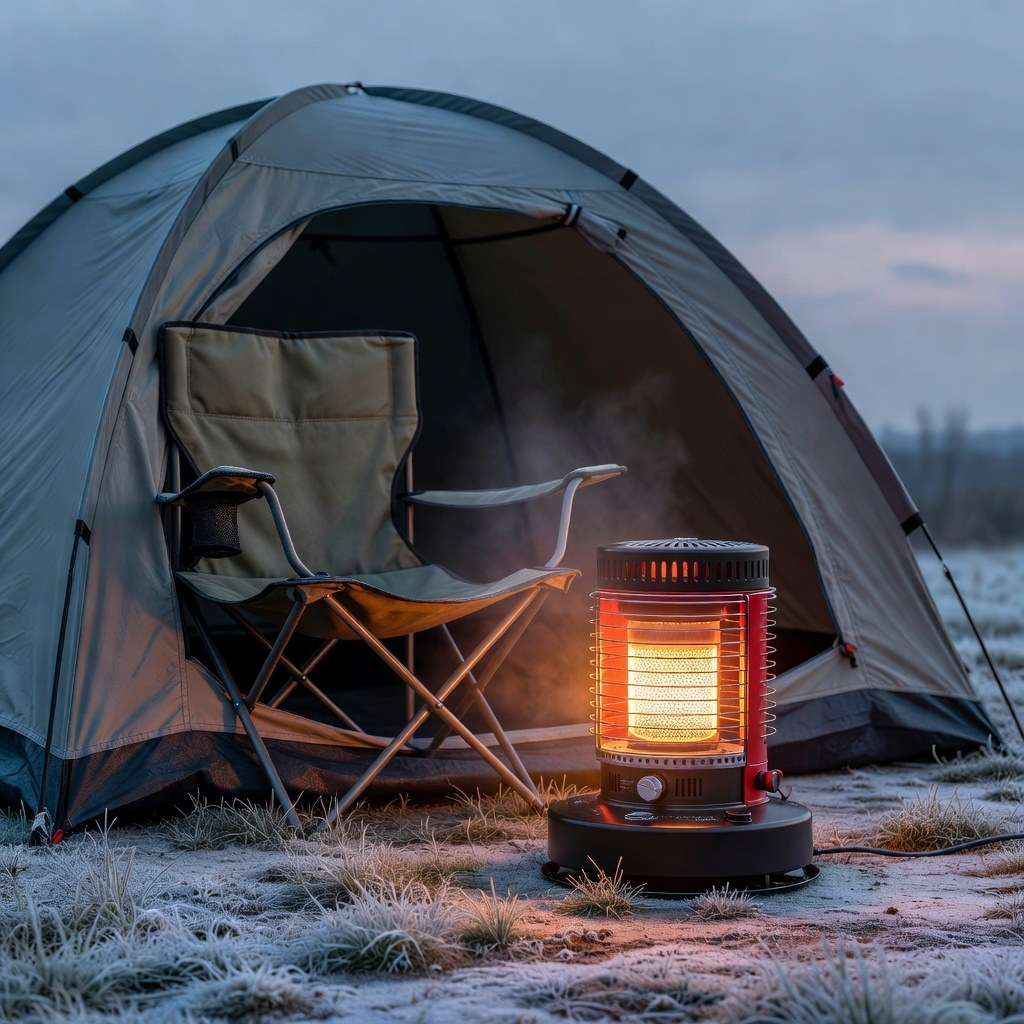 Mr. Heater F274830 MH18B Big Buddy 4,000/9,000/18,000 BTU Indoor-Safe Portable Propane Heater$146.48
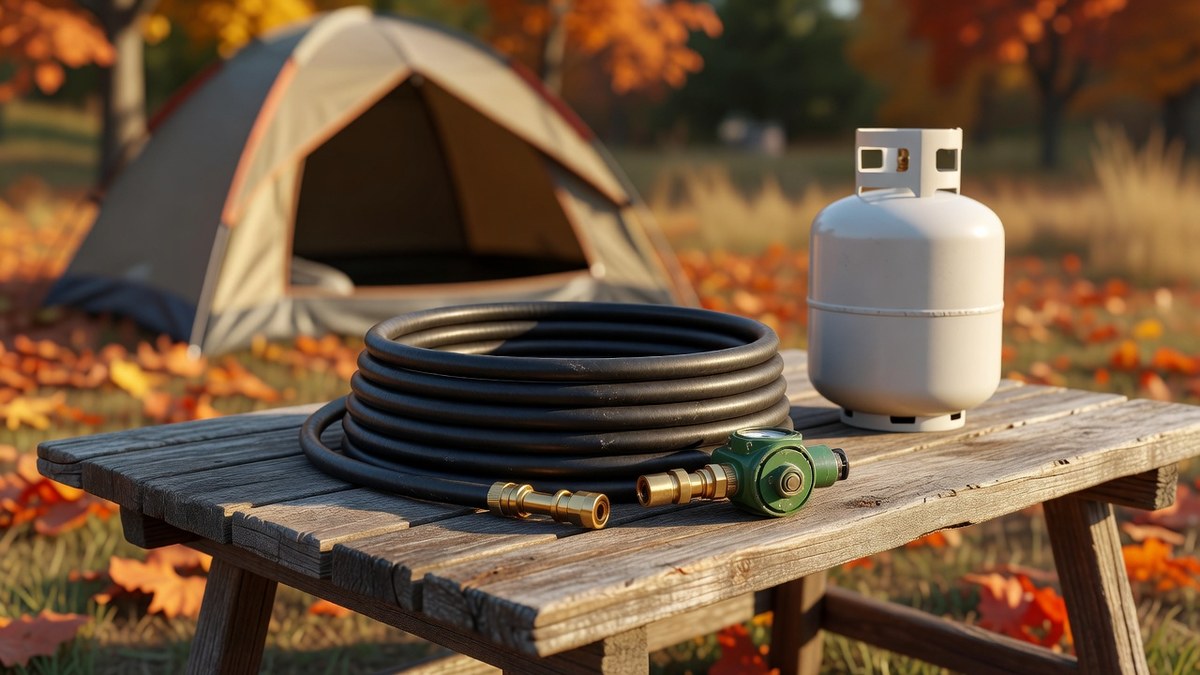 Mr. Heater F273704 Buddy Series Propane Hose Assembly, 10-Foot$17.99
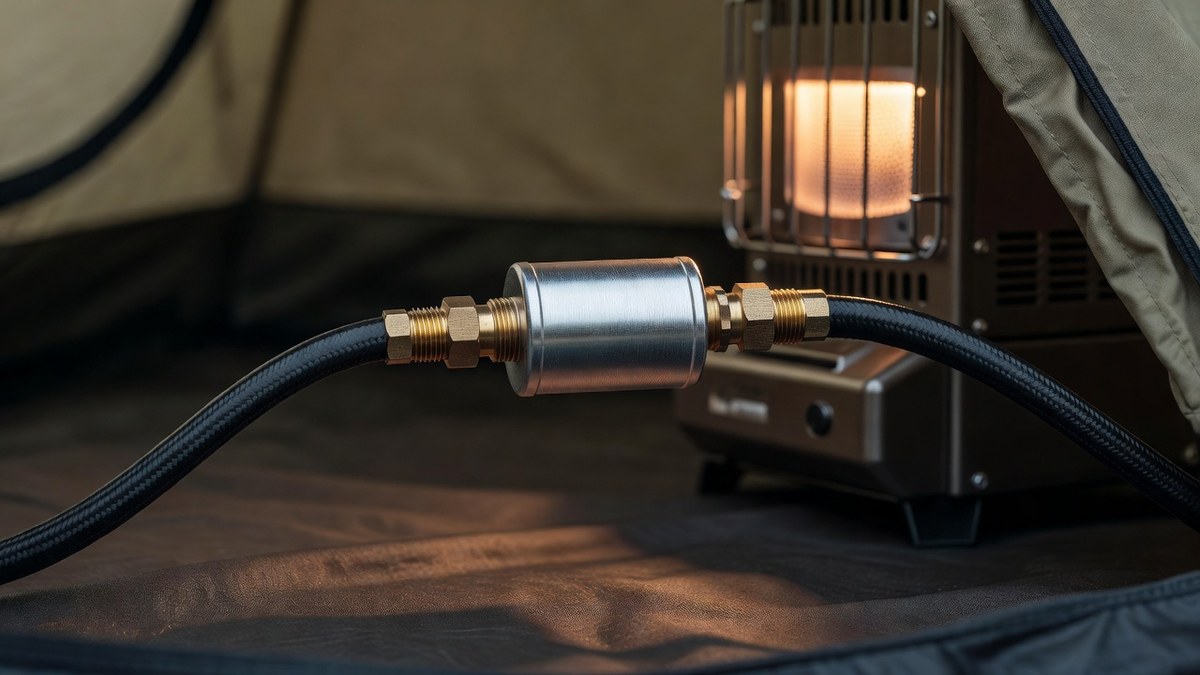 Mr. Heater F273699 Universal Propane Fuel Filter for Buddy Heaters$15.97
In this article · 15 sections
- What a Pop-Up Camper Actually Is (And Who It Fits)
- Can You Use a Pop-Up Camper in the Winter?
- How to Stay Warm in a Pop-Up Camper
- Pop-Up Camper Heater Problems
- Condensation Inside a Pop-Up Camper
- Rain: Are Pop-Up Campers Rainproof?
- Canvas Care, Patching and Replacement Cost
- Setup, Towing and Weight
- Electrical: Hookups, Battery and Solar
- The Fridge That Won't Cool
- Mattress, Bunk Ends and Sleeping Better
- Winter Storage and Winterizing a Pop-Up
- Packing List and Setup Checklist
- What Still Surprises First-Time Pop-Up Owners
- Pop Up Camper FAQ
It is 6:40 a.m. in late October, the campground is silent, and the inside of the bunk-end canvas is dripping onto your kid's sleeping bag. The furnace ran all night. The propane bottle is half gone. Nothing leaked from outside — the sky was clear.
That is pop-up camper camping in one paragraph: a folding trailer is the cheapest way to get a family of four off the ground and under a real mattress, and it is also the most condensation-prone, canvas-exposed, weather-sensitive box you can tow. The good news is that almost every complaint people have about pop-ups — cold bunk ends, wet canvas, a heater that blows cold, a fridge that never gets cold, a canvas that smells like a tent left in a garage — has a specific, unglamorous fix that costs less than a tank of gas.
This guide is written from the family-weekend angle: two adults, two kids, a dog, a Friday-night arrival and a Sunday-morning pack-up. It covers how cold a pop-up really goes, how to keep one warm without gassing your family, why the canvas drips, what to do when it rains for two days, what it actually weighs and can be towed by, and how to put it away so next April doesn't smell like a swamp.
What a Pop-Up Camper Actually Is (And Who It Fits)
A pop-up camper — also called a folding camping trailer or a tent trailer — is a hard-roofed trailer with canvas walls that fold down for travel and crank up at camp. The roof is rigid, the beds slide out on steel rails at each end, and the canvas bunk ends are the part that makes it feel like a tent and insulates like a tent: poorly.
That hybrid is the whole value proposition. You get a real mattress, a table that seats four, a furnace with a thermostat, a two- or three-burner stove, sometimes a small fridge and sink — at a fraction of a travel trailer's weight and price, and low enough to see over while towing. You also get canvas in the cold, which is the trade.
A pop-up fits a family weekend better than almost anything else when:
- You tow with a mid-size SUV or minivan and don't want a 5,000 lb trailer behind it.
- You want to be off the ground, dry, and able to stand up to cook when it rains.
- You camp two to ten weekends a season and can't justify a hard-sided trailer.
- You have young kids who need a table, a light, and a warm place to eat breakfast at 6 a.m.
A pop-up fits badly when you camp in real winter, camp in sustained wind, or expect the inside to stay dry in a multi-day downpour without prep. Those are solvable, but they are prep problems, not purchase problems.
Which pop-up fits your family
| Question, as people type it | The short answer |
|---|---|
| camping in a pop up camper | Sleeps 4–6 on two bunk ends plus a dinette conversion; sets up in 5–15 minutes once you know the order. |
| best pop up camper for family | Look for a 10–12 ft box with two king bunk ends, a furnace with thermostat, and a dinette that seats four. |
| best pop up camper for family of 4 | 10 ft box, two bunk ends, no slide-out — the sweet spot for weight, price, and setup time. |
| best pop up camper for family of 5 | 12 ft box with a slide-out dinette, or a model with a third bed (bunk over the dinette). |
| best pop up camper for family of 6 | 12 ft box plus slide-out, or a high-wall model; below that you are sleeping on the floor. |
| pop up camper for family of 3 | A 8–10 ft box is plenty and tows behind almost anything. |
| pop up camper for large family | Two pop-ups or a hybrid travel trailer beats overloading one canvas box. |
| types of pop up campers | Standard (canvas), high-wall (taller box, bigger fridge and stove), toy hauler, and off-road/overland models with bigger tires and more clearance. |
| first time pop up camper owner | Learn the crank order and the door first: roof up, beds out, door last. Reversing that is how doors get bent. |
| camping checklist pop up camper | See the packing list section below — the camper-specific items are chocks, a level, a water pressure regulator and a spare canvas patch kit. |
Can You Use a Pop-Up Camper in the Winter?
Yes — into the 20s Fahrenheit, with preparation. Below that, the canvas and the plumbing become the limit, not the furnace.
Here is the thing most pop-up buying advice skips: the furnace in a folding trailer is not a toy. Units in this class typically carry a Suburban NT-SEQ series furnace rated around 16,000–19,000 BTU, with sealed forced-draft combustion, electronic ignition, and a 12-volt blower that draws under 3 amps. That is enough heat to hold a 60°F interior at 25°F outside in a canvas box — if the bunk ends are insulated and the roof vent is cracked. It is not enough to overcome a bare canvas bunk end with wind hitting it.
The second limit is water. A pop-up's fresh tank, pump, and lines sit under the floor or in a cabinet with almost no insulation. If the overnight low is forecast at 25°F, drain the system and carry water in jugs. That single habit prevents the cracked fitting that ends a trip.
Cold-weather reality check
| Question, as people type it | The short answer |
|---|---|
| can you use a pop up camper in the winter | Yes, with the furnace running, insulated bunk ends, and the water system drained below about 25°F. |
| can you winter camp in a pop up camper | Yes — a prepared pop-up is a comfortable 20s-Fahrenheit shelter; below that you are managing canvas ice, not camping. |
| how cold is too cold for pop up camper | Most family pop-ups stop being comfortable around 20–25°F: the air stays warm, but bunk-end canvas condenses and freezes and the plumbing can't keep up. |
| how cold can you camp in a pop up camper | Plan for the 20s overnight. A hard-wall/hybrid or a four-season tent is the better tool below that. |
| do pop up campers stay warm | The main cabin does; the two canvas bunk ends are always 8–12°F colder than the middle of the camper. |
| do pop up campers stay warm in the winter | Yes when you insulate the bunk ends and run the furnace on its thermostat instead of blasting it on high. |
| best pop up camper for cold weather | One with a ducted furnace, thermostat, insulated or reflective bunk-end covers, and as little canvas as the floor plan allows. |
| cold weather pop up truck camper | Same canvas physics with less floor insulation — a truck-camper pop-up needs a mattress pad and bunk-end covers even more. |
| how to keep a pop up camper warm in the winter | Insulate the bunk ends, seal the door and roof vent gaps, cook inside once, and let the furnace hold a steady 62–65°F rather than cycling high. |
| how to stay warm in a pop up camper | Warm the bed, not the room: a pad with an R-value, a bag rated 20°F below the forecast, and a hat beats raising the thermostat. |
How to Stay Warm in a Pop-Up Camper
Warmth in a folding trailer is a four-layer problem, and the furnace is only one of the layers. In order of return on effort:
- Insulate the bunk ends. This is the single biggest gain. Reflective bunk-end covers (the PopUpGizmos-style solar covers) go over the outside of the canvas and bounce heat back in while blocking wind. Inside, a layer of reflective foam board or an insulated blanket between the mattress and the canvas stops the cold surface from pulling heat out of the bed.
- Warm the bed, not the air. A sleeping pad with a real R-value plus a bag rated well below the forecast is more efficient than running a furnace all night. A fleece liner adds roughly a season's worth of warmth for $40.
- Stop the drafts at the seams. The door frame, the roof vent, and the canvas-to-box Velcro are the three leaks. A roll of foam weatherstrip and ten minutes with a flashlight at night will find them.
- Run the furnace on its thermostat. Blasting heat to 75°F at bedtime and letting it fall to 45°F by 3 a.m. guarantees condensation on the canvas and ice on the windows. A steady 62–65°F is drier and uses less propane.
Warmth, insulation and heater choices
| Question, as people type it | The short answer |
|---|---|
| pop up camper heater | Two options: the built-in propane furnace (ducted, thermostatic, 12V blower) or a portable indoor-safe radiant heater as a supplement. |
| pop up camper propane heater | A catalytic radiant heater like the Mr. Heater Little Buddy ($69.99) is the usual supplement for bunk ends; it needs ventilation and a CO alarm, always. |
| how to stay warm in a pop up camper | Insulated bunk ends, a warm pad and bag, drafts sealed, furnace on a steady thermostat. |
| pop up camper insulation | Start with outside reflective bunk-end covers, then inside foam board between mattress and canvas. |
| pop up camper insulation ideas | Reflective bunk covers, foam board under mattresses, a blanket over the dinette window, and a rug on the floor. |
| pop up camper insulation kit | Kits are usually bunk-end covers plus cut-to-size reflective panels; buy the covers first, they do the most work. |
| pop up camper insulation panels | Half-inch reflective foam board cut to the bunk-end and window openings; tape the seams, leave a vent gap. |
| pop up camper insulation blanket | An insulated tarp blanket ($24.99) hung across the bunk end or laid under the mattress is the cheapest 5°F you can buy. |
| pop up camper insulation cover | Outside covers outperform inside blankets in wind; inside layers win on condensation. |
| pop up camper bunk end insulation | The bunk ends are the cold spot: cover the outside, pad the mattress from the canvas, keep bags off the canvas walls. |
| pop up camper bunk end covers | Reflective outside covers, sized to your bunk end, are the highest-value pop-up accessory there is. |
| pop up camper insulated end covers | Same product class, quilted or foam-lined; better in wind, bulkier to store. |
| pop up camper reflective bunk end covers | The classic silver bubble-wrap style — cheap, ugly, and genuinely effective. |
| pop up camper solar bunk end covers | "Solar" covers are the reflective type; the name refers to blocking radiant heat in summer and retaining it in winter. |
| pop up camper heat reflector | A heat shield in front of the furnace grille pushes warm air along the floor instead of straight up the ceiling. |
| pop up camper heat shield | Any non-combustible panel 12+ inches from the furnace discharge; never block the intake. |
| pop out camper insulation | Same fix as any folding camper: cover the canvas from the outside, pad the bed from the inside. |
| pop top camper insulation | Pop-top vans and campers behave identically — the lifting canvas is the heat loss. |
Pop-Up Camper Heater Problems
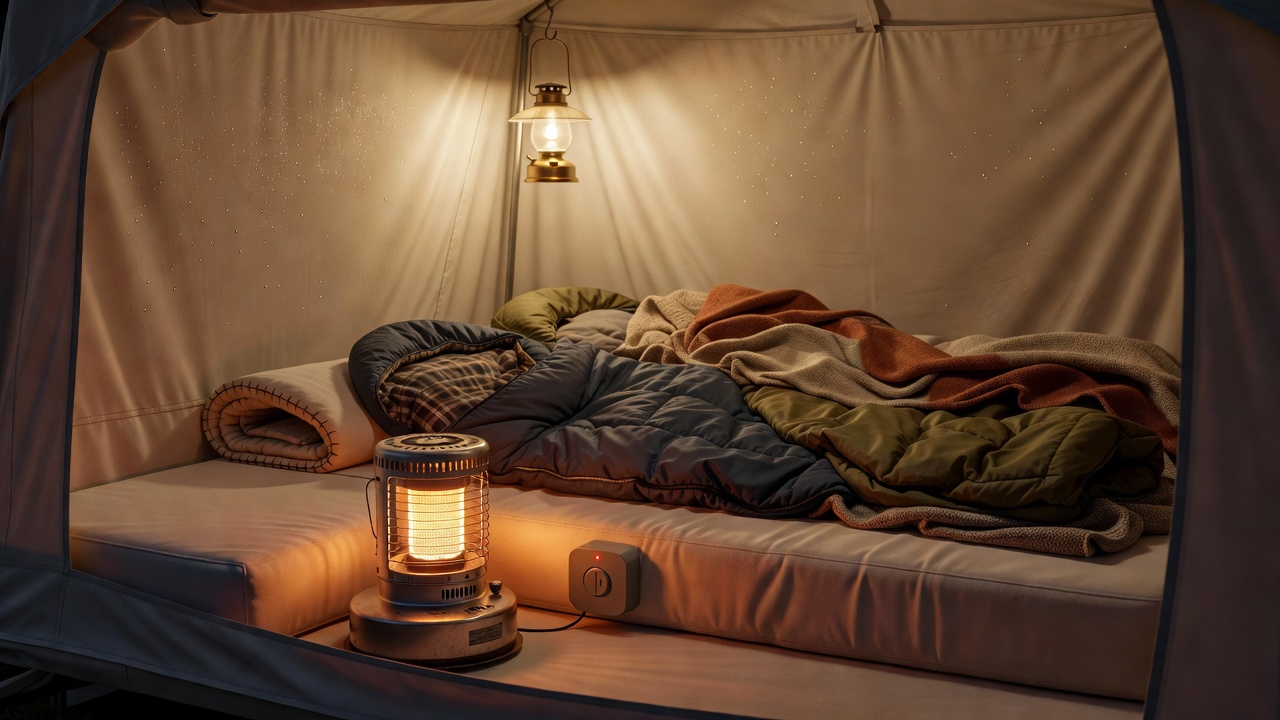
The furnace is the most common failure point on a used pop-up, and it fails in a small number of predictable ways. Before you touch anything, know that these units are sealed-combustion: the burner draws outside air and exhausts outside, and the blower pushes cabin air across the heat exchanger. A cracked heat exchanger or a blocked exhaust is a carbon monoxide event, not an inconvenience.
The pattern for almost every "heater blowing cold air" complaint is: the blower runs, the sail switch doesn't prove airflow (low battery voltage, a mud-dauber nest in the intake, a stuck sail switch), so the gas valve never opens. That's why the fix for half of these is a fully charged battery, not a new furnace.
Heater troubleshooting answers
| Question, as people type it | The short answer |
|---|---|
| pop up camper heater not working | Check 12V battery voltage first (below ~11.5V the blower is too slow to close the sail switch), then the sail switch, then the thermostat, then the gas valve. |
| pop up camper heater blowing cold air | Classic sail-switch or airflow fault: the blower runs, the burner never lights. Clean the intake, charge the battery, test the sail switch. |
| pop up camper heater troubleshooting | Sequence: voltage, intake/exhaust obstruction, sail switch, thermostat, gas supply at the bottle and the regulator. |
| pop up camper heater instructions | Light-off is automatic: thermostat to heat, set temperature, blower starts, ignition follows within ~30 seconds, heat after ~90 seconds. |
| pop up camper heater replacement | Match the BTU rating and cabinet size; a like-for-like Suburban NT-SEQ swap is the least invasive path. |
| camping trailer heater | Confirm it's a sealed-combustion RV furnace, not a catalytic "heater" — they behave completely differently in cold. |
| pop up trailer heater | Same diagnostics as any folding trailer: voltage, airflow, sail switch, gas. |
| tent trailer heater | Most tent trailers use the same Suburban/Camco-family furnaces; parts are widely available. |
| tent trailer heater not working | If the blower doesn't run at all, suspect the 12V feed, the thermostat, or the fuse at the converter before the furnace itself. |
For a full step-by-step teardown of the furnace itself, see our RV furnace won't ignite troubleshooting guide, and for tent-specific heater safety read the tent heater safety guide.
If you supplement with a portable heater, the Mr. Heater Buddy MH9BX ($74.00) is the mid-size option and the Big Buddy ($146.48) is what people use in a large box on a 20°F night. Run either on a bulk tank with the 10-foot Buddy hose ($17.99) so the bottle stays outside, and add the propane fuel filter ($15.97) if you refill 1 lb bottles — dirty fuel is the most common cause of a clogged catalytic pad.
Carbon monoxide: the one thing you cannot skip
A pop-up is a sealed box with a propane appliance and canvas walls. That combination kills people every year. Put a battery carbon monoxide detector ($23.97) in the camper and test it before every trip. Crack the roof vent and one window every night the furnace runs, even at 20°F — the heat you lose is trivial next to the risk. Never run a camp stove, a grill, or a generator inside, and never sleep with a catalytic heater in a fully sealed camper.
Condensation Inside a Pop-Up Camper
The autumn morning puddle isn't a leak. A family of four exhales roughly a liter of water per person overnight, and a propane furnace adds more water vapor as a combustion byproduct. That moisture hits the coldest surface in the camper — the bunk-end canvas — and condenses.
A pop-up has more condensing surface than a tent because the canvas is stretched over two large bunk ends and the roof is a hard, cold slab. Which is why the fix is two-part: reduce the moisture you put in the air, and keep the canvas warm enough that water doesn't form on it.
- Vent every night: roof vent cracked plus one window, even in the 20s.
- Cook outside or under an awning; boiling pasta inside adds a surprising amount of water to the air.
- Don't hang wet clothes, towels or swimsuits inside the camper overnight — that water goes into your bedding.
- Insulate the bunk ends from outside so the canvas stays just above the dew point.
- Wipe the canvas down in the morning with a microfiber towel before you pack; canvas packed wet is how you get mold.
For the full physics and the five-minute bedtime routine, read our tent condensation guide — the mechanism is identical, only the surface area is bigger.
Condensation and dampness answers
| Question, as people type it | The short answer |
|---|---|
| pop up camper condensation | Breath and propane combustion add water vapor; the bunk-end canvas is the coldest surface, so it collects there first. |
| condensation inside pop up camper | Vent nightly, insulate the bunk ends from outside, cook outside, and never store wet canvas. |
| how to stop condensation in a pop up camper | Roof vent cracked + one window, mattress lifted off the canvas, outside bunk covers, and a dry wipe-down before packing. |
| pop top caravan condensation | Same fix in a pop-top van: cross-ventilation plus a moisture barrier under the mattress. |
| pop up camper moisture | A passive absorber helps in storage; while camping, ventilation beats any desiccant. |
Rain: Are Pop-Up Campers Rainproof?
The canvas is water-resistant, not waterproof, and the seams are the weak point. A pop-up handles an ordinary rainy weekend well. It handles a two-day soaker only if you prepped the canvas, pitched with drainage in mind, and have somewhere to hang wet gear.
Three rain truths for folding trailers:
- Canvas wicks. Water beads on fresh canvas and soaks in on old canvas. If water darkens the fabric and the inside feels clammy, it needs re-waterproofing, not a new camper.
- Never touch the canvas from inside during rain. Contact breaks the surface tension and water wicks straight through that spot — the "why does my tent leak when I touch it" problem, and it is not a defect.
- Bunk ends drip at the seams, not the middle. Seam sealer on the bunk-end stitching is a 20-minute job that prevents most of the "my pop-up leaks" experience.
For heavy rain, a tarp over the bunk ends with a ridge in the middle — so water runs off instead of pooling — is the difference between a dry bed and a wet one. The OneTigris Bulwark tarp ($56.98) is large enough to cover a bunk end with an overhang.
Rain answers
| Question, as people type it | The short answer |
|---|---|
| are pop up campers rainproof | Water-resistant, not rainproof: fresh canvas and sealed seams shed ordinary rain; old canvas and unsealed seams wick. |
| do pop up campers leak when it rains | Usually it's seam wicking or condensation, not a hole — check the bunk-end stitching and the canvas-to-box Velcro first. |
| pop up camper in heavy rain | Add a ridge-pole tarp over the bunk ends, dig a small drainage trench on the uphill side, and keep gear off the floor. |
| pop up camper rain cover | A fitted cover is for storage; for camping you want a tarp with a ridge, not a cover. |
| pop up camper rain fly | Most pop-ups don't ship with one; an over-tarp sized to the bunk ends is the practical substitute. |
| pop up camper rain gutter | A drip rail or a length of split hose along the roof edge stops water running down the canvas and onto the door. |
| tent trailer camping in the rain | Prep the canvas, bring a tarp and a ridge line, and plan to cook under the awning instead of inside. |
If your canvas has moved from "damp" to "actually leaking," work through our tent leaking and waterproofing repair guide before buying anything.
Canvas Care, Patching and Replacement Cost
Pop-up canvas is the most expensive wear item on the trailer and the one most often neglected. It fails from UV, from being packed wet, and from mold that starts in a folded crease.
The maintenance routine that actually extends life:
- Clean with mild soap and water, never a pressure washer, and never a bleach-heavy cleaner on coated canvas.
- Re-waterproof annually with a product made for tents and gear — the Nikwax Tent & Gear SolarProof ($19.95) is the standard for coated canvas and adds UV protection at the same time.
- Patch small holes and tears with repair tape rather than stitching — the GEAR AID Tenacious Tape ($14.39) sticks to coated canvas and holds through folding.
- Store dry. Always. A canvas folded wet in October is a mold project by April.
- Treat the zippers once a season with a silicone or wax zipper lubricant; a stuck bunk-end zipper is how windows get torn.
When is replacement the answer? When the canvas is brittle at the folds, the stitching is failing along the roof line, or mold has gone through the coating. Replacement canvas for a standard pop-up typically runs about $1,000–2,000 for the material plus roughly $300–500 for professional installation — which is why a $20 bottle of proofer and a $14 roll of tape are worth taking seriously.
Canvas answers
| Question, as people type it | The short answer |
|---|---|
| pop up camper canvas | Vinyl-coated or acrylic canvas stretched over bunk ends and walls — the wear item that decides whether the camper stays dry. |
| pop up camper canvas cleaner | Mild soap and water, soft brush, no pressure washer, no bleach on coated fabric. |
| pop up camper canvas patch | Self-adhesive repair tape on the outside, rounded corners so it doesn't peel at the fold. |
| pop up camper canvas repair | Tape for holes and tears; seam sealer for stitching; a professional for a torn bunk-end corner. |
| pop up camper canvas repair kit | Tape, seam sealer, a patch of matching canvas, and a zipper lubricant covers 90% of field repairs. |
| pop up camper canvas replacement | Worth it when the coating is brittle or stitching is failing; expect roughly $1,000–2,000 in material plus installation. |
| pop up camper canvas replacement cost | Around $1,000–2,000 for canvas plus $300–500 professional install; DIY saves the labor, not the material. |
| pop up camper canvas waterproofing | Re-proof annually with a tent-and-gear proofer; canvas that darkens when wet is overdue. |
| pop up camper canvas covers | Storage covers protect from UV and weather; bunk-end covers are the camping-season version. |
Setup, Towing and Weight
A pop-up is the easiest tow in camping and the easiest thing to overload, because the box is small and the temptation to fill it is enormous.
Setup order matters. Crank the roof up first, pull the beds out, then install the door last — the door only fits with the roof fully raised and the beds supporting the frame. Reverse that and you bend door frames. Chock and level before you uncouple, and put the stabilizer jacks down after the roof is up, not before.
Weight is the number people get wrong. A typical 10-foot family pop-up runs roughly 1,500–2,500 lb dry, with tongue weight in the 150–300 lb range; 12-foot high-wall models push toward 3,000–3,500 lb loaded. Small "under 1,000 lb" models exist but sleep two, not four. Your tow vehicle's payload and tongue-weight rating — not its advertised "towing capacity" — is the number that gets exceeded.
Towing with a minivan or mid-size SUV works: a properly equipped Odyssey, Sienna, Pilot or Highlander is rated around 3,500–5,000 lb and tows a 10-foot pop-up comfortably with a weight-distributing hitch, trailer brakes on the heavier models, and mirrors. Crosswinds and 18-wheelers are where a light trailer reminds you it's light — slow down, and load heavy items over the axle, never behind the rear bunk.
Setup and towing answers
| Question, as people type it | The short answer |
|---|---|
| pop up camper setup | Chock, level, uncouple, roof up, beds out, door last, jacks down, hookups. |
| pop up camper setup checklist | Level side-to-side with a chock or leveling ramp, front-to-back with the tongue jack, then roof, beds, door, jacks, water, power. |
| pop up camper setup ideas | Practice the order once in your driveway before a Friday-night arrival in the dark. |
| pop up camper set up ideas | Keep a laminated card in the camper with the order; every second person who "helps" will otherwise touch the door first. |
| pop up camper setup video | Search your exact model plus "crank up" — different brands have different latch sequences. |
| pop up camper setup | Two adults, 10–15 minutes; one practiced adult, 20 minutes. |
| first time pop up camper owner | Learn leveling and the door sequence first; everything else is forgiving. |
| towing a pop up camper for the first time | Load heavy gear over the axle, check tongue weight, practice backing into a spot in an empty lot, and drive 55–60 mph. |
| pop up camper towing | Easy behind a mid-size SUV or minivan with a proper hitch setup; the enemy is crosswind, not weight. |
| pop up camper towing capacity | Match your vehicle's tow rating minus a 20% safety margin, and check payload separately. |
| pop up camper weight | Roughly 1,500–2,500 lb dry for a 10 ft family model; 3,000–3,500 lb loaded for a 12 ft high-wall. |
| pop up camper weight chart | Weigh it loaded at a truck scale — brochure dry weights exclude propane, battery, water and gear. |
| pop up camper weight limit | GVWR on the frame sticker is the ceiling; most families hit the axle rating before the hitch rating. |
| pop up camper weight limit on beds | Bunk-end limits vary by model and are usually in the 600–1,000 lb range; don't put two adults and a dog on a slide-out bunk rated for one. |
| pop up camper weight distribution hitch | Worth it on 12 ft and high-wall models, and on any tow vehicle near its rating. |
| pop up camper weight under 1000 lbs | Small two-berth models exist; a four-person family should plan on 1,500 lb or more. |
| pop up camper weight under 1500 lbs | Achievable with an 8–10 ft box, no slide-out, no water heater, single propane bottle. |
| pop up camper tow hitch | Class II minimum for light models, Class III with a brake controller on anything over ~2,000 lb loaded. |
| pop up camper tow behind | Any properly rated vehicle; check the hitch ball height so the trailer tows level. |
| towing pop up camper honda odyssey | The Odyssey is rated around 3,500 lb with the tow package and tows a 10 ft pop-up well within limits. |
| pop up camper awning setup | Unroll before the roof is fully cranked on some models; set the two outer poles first and pitch the awning low on the windward side. |
| pop up camper awning pole tips | Angle the poles so rain runs off one corner, and stake the legs — a pop-up awning becomes a sail in a gust. |
A pair of Camco wheel chocks ($12.99) lives in our camper permanently — chocking is the first thing to do on a sloped site and the first thing people skip.
Electrical: Hookups, Battery and Solar
A pop-up runs on two systems: 120V shore power through a converter, and 12V from a battery. The furnace blower, lights, water pump and fridge controls all run on 12V — which is why a weak battery looks like a broken furnace.
- Hookups: most pop-ups take a standard 30-amp RV cord (some small ones a 15/20-amp household plug via an adapter). Use a surge protector and never run the air conditioner off a household adapter.
- Battery: a single group-24 deep-cycle is common. A battery that reads 12.0V is already about half empty, and a furnace blower will drag it below the sail-switch threshold overnight in cold weather.
- Solar: a 100–200W folding panel into a charge controller keeps a furnace-running weekend alive without shore power. A portable power station is the simpler answer for lights, phones and a CPAP — see our CPAP camping power guide.
For a weekend basecamp without hookups, the Jackery Explorer 300 ($199.00) or the EcoFlow River 2 ($169.00) covers lights, phones, a fan and a small device charger; the Anker SOLIX C300 ($329.99) is the step up if you're powering a CPAP or a laptop all weekend.
Electrical answers
| Question, as people type it | The short answer |
|---|---|
| do pop up campers have electric hookups | Yes — most have a 30-amp shore power inlet feeding a converter that also charges the 12V battery. |
| pop up camper electric hook up | Bring a 30-amp cord, a 15-amp adapter, and a surge protector; check the pedestal breaker before plugging in. |
| pop up camper electrical hookup | The converter runs lights and outlets on shore power and charges the battery; the furnace still needs 12V. |
| pop up camper electrical outlet | Usually two to four 120V outlets plus 12V lights; assume no outlet at the bunk ends. |
| pop up camper electrical plug | Most use a 30-amp RV twist-lock inlet; small models may use a household-style plug. |
| pop up camper electrical wiring diagram | Model-specific — get the manual for your year and brand before changing anything at the converter. |
| pop up camper power converter wiring diagram | Same answer: the converter's 12V distribution panel is labeled, and a photo before disconnecting saves hours. |
| pop up camper battery setup | One deep-cycle group-24 or 27, charged by the converter on shore power and by solar off-grid. |
| pop up camper solar setup | A 100–200W folding panel plus a charge controller; size the panel to your daily furnace blower draw, not to the sticker wattage. |
| camper hook up installation | Have a shop install the brake controller and 7-pin wiring; do the water and power hookups yourself. |
The Fridge That Won't Cool
Most pop-up fridges are 3-way absorption units: they run on 120V, 12V, or propane, and they cool by moving heat, not by a compressor. That has two consequences people don't expect.
First, they must be level. An absorption fridge that's off-level stops circulating and slowly warms — the classic "my pop-up fridge worked at home and quit at camp" story. Second, 12V is for maintaining cold while driving, not for cooling a warm fridge. Start it on 120V or propane the night before you leave.
If it still won't cool: check that the vent behind the fridge isn't blocked (a vent cover or a stored item blocking airflow kills performance), confirm the propane burner is lit and the flue isn't rusted, and check the thermistor clip on the fin inside. Replacement is usually a like-for-like swap of a Dometic/Norcold-size unit, and the box opening size — not the brand — is what limits your options.
Fridge answers
| Question, as people type it | The short answer |
|---|---|
| pop up camper fridge | Usually a small 3-way absorption fridge: 120V, 12V, and propane. |
| pop up camper fridge not cooling | Level the camper first, then check airflow at the rear vent, the burner flame, and the thermistor clip. |
| pop up camper fridge not working | Test each mode separately: 120V at home, propane at camp, 12V only while driving. |
| pop up camper fridge operation | Start on 120V or propane 8–12 hours before loading food; use 12V for the drive. |
| pop up camper fridge removal | Disconnect the propane line at the shutoff, the 12V and 120V feeds, then the mounting screws — and photograph the wiring first. |
| pop up camper fridge replacement | Match the cabinet opening and vent path; absorption units need clearance at the back to shed heat. |
| pop up camper fridge size | Typically 1.9–3.0 cu ft in a folding trailer; measure the opening, not the old fridge's badge. |
| pop up camper fridge vent cover | A blocked or missing rear vent cover is a top cause of poor cooling — and a nesting spot for insects. |
| pop up trailer fridge | Same absorption technology and same leveling rule. |
| pop up camper refrigerator troubleshooting | Level, power source, rear airflow, burner/flue, thermistor — in that order. |
If the fridge is beyond saving for a weekend, an ice-retention cooler is the honest plan B — our cooler ice retention guide covers which ones actually hold ice for three days.
Mattress, Bunk Ends and Sleeping Better
The factory mattress in most pop-ups is a 3–4 inch foam slab. It's fine for a nine-year-old and brutal for an adult by the second night. You have three options: a topper, a replacement foam mattress cut to size, or a camping pad on top.
The bunk ends also have a storage trap: people pile duffels on the bunk-end mattress during the day, then sleep against a cold, compressed pad at night. Store gear in the aisle or the tow vehicle, keep the bunk-end mattress clear, and the bed stays both warmer and flatter.
Sleeping and bunk-end answers
| Question, as people type it | The short answer |
|---|---|
| pop up camper mattress | A 3–4 inch foam slab in most models; assume you'll add a topper for adult comfort. |
| pop up camper mattress sizes | Bunk ends are usually a short queen or a king; measure the actual bunk, they are not standard mattress sizes. |
| pop up camper mattress topper | The fastest fix — a 2–3 inch memory-foam or self-inflating topper transforms the bunk. |
| pop up camper mattress replacement | Cut-to-size foam is the value option; custom mattress makers charge multiples for the same result. |
| pop up camper mattress upgrade | Foam density matters more than thickness: 3 inches of firm foam beats 6 inches of soft foam in a cold bunk. |
| pop up camper mattress cover | A water-resistant cover protects the foam from condensation and spilled cocoa. |
| pop up camper mattress sheets | Short queen sheets or a fitted jersey sheet tucked under the mattress; standard queen sheets bunch at the corners. |
| can you put a regular mattress in a pop up camper | Not a spring mattress — it's too heavy for the bunk-end rails and won't fold with the roof; foam only. |
| pop up camper bunk end supports | Check the rails and the support poles before loading two adults; bent rails are a common used-camper defect. |
| pop up camper bunk end storage | Hanging shoe organizers and soft bins on the bunk-end wall keep gear off the mattress and out of the aisle. |
| pop up camper bunk end curtains | Privacy curtains that clip to the ceiling track; bring binder clips for the ones that sag. |
| pop up camper bunk end skirt | Skirting blocks wind under the bunk end — a real gain in cold weather and cheap to DIY from vinyl. |
| camper bunk ideas | Reading lights on the wall, a small shelf between the bunks, and a mesh bag for glasses and phones. |
For the bed itself, a pad with an R-value plus a bag rated colder than the forecast is the combination that works: the Exped MegaMat 10 ($239.95) is the plush option, the Klymit Insulated Static V ($94.99) packs small, the Teton Celsius 0° ($59.99) is the budget-strong bag, and the Kelty Cosmic 20 ($169.00) is the sweet spot for cold-weather comfort. Our sleeping bag guide explains the ratings that actually matter.
Winter Storage and Winterizing a Pop-Up
A pop-up dies in storage more often than it dies in use. Water left in the lines cracks a fitting over one hard freeze; canvas folded damp grows mold; a battery left connected in the cold sulfates and never comes back. A folded pop-up is also canvas, foam mattress, and wiring inside a warm box — one gap under a bunk end is all a mouse needs, so run the camper rodent-proofing audit before the roof comes down for the season.
Winterize in this order:
- Drain everything. Fresh tank, water heater, lines, and the low-point drains. Open the faucets and let them run dry.
- Bypass the water heater before adding antifreeze — the Camco water heater bypass kit ($35.45) means you use a gallon of antifreeze instead of six.
- Blow the lines with compressed air at 30–40 psi, or pump RV antifreeze through until it runs pink at every faucet, the toilet, and the outside shower.
- Pull the battery and store it indoors on a maintainer; a deep-cycle left in a cold camper over winter is a spring replacement.
- Clean and dry the canvas completely before the roof comes down, and leave a vent cracked if the camper is stored under cover.
- Check the anode rod if you have a water heater — a consumed magnesium anode ($18.90) means the tank is next.
- Cover it with a breathable cover, not a tarp. A tarp traps moisture against the roof and grows mold on the ceiling.
Storage and winterizing answers
| Question, as people type it | The short answer |
|---|---|
| pop up camper winterizing | Drain, bypass the water heater, blow the lines or add antifreeze, pull the battery, dry the canvas, cover breathable. |
| pop up camper winterizing kit | Bypass kit, two gallons of RV antifreeze, a hand pump or air adapter, and a small funnel. |
| winterizing pop up camper with compressed air | 30–40 psi at the city water inlet with every faucet open, one at a time, until nothing mists. |
| winterizing a rockwood pop up camper | Same sequence; Rockwood's water heater bypass valves are usually behind the dinette seat. |
| winterizing flagstaff pop up camper | Same sequence; confirm the low-point drain locations in your model's manual first. |
| pop up camper winter storage | Dry, covered, vented, battery removed, tires off the dirt or on blocks, roof fully down and latched. |
| pop up camper winter storage ideas | Store the cushions upright inside, leave a moisture absorber in a bucket, and check for mice monthly. |
| how to store pop up camper for winter | Clean canvas, dry canvas, drained plumbing, removed battery, breathable cover, and chocks under the tires. |
| pop up camper winter cover | Breathable fabric that lets moisture escape; never a blue tarp tied tight. |
| pop up camper maintenance checklist | Spring: canvas, seams, roof seal, tires, bearings, propane. Fall: plumbing, battery, canvas, cover. |
| pop up camper inspection checklist | Frame rust, bunk-end rails, canvas seams, roof sealant, tire date codes, and the furnace's exhaust path. |
| tent trailer winter storage | Same as a pop-up: dry, vented, covered, and elevated off wet ground. |
| tent trailer winterizing | Same plumbing sequence — the water system is the part that breaks. |
| tent trailer winter cover | Fit matters more than brand; a loose cover flaps and scuffs the roof coating. |
For the full plumbing sequence with photos of the bypass valves, see our RV winterization step-by-step checklist, and if you plan to camp in it rather than store it, our RV winter camping guide covers the shore-power and water tactics.
Packing List and Setup Checklist
The pop-up packing list is a tent list plus a trailer list. Most people forget the trailer half.
Camper and site: chocks, leveling ramp, tongue jack handle, water pressure regulator, 30-amp cord and adapter, surge protector, fresh water hose, grey water tote, small toolbox, spare fuses, a spare propane bottle.
Warmth and dry: bunk-end covers, mattress toppers, bags rated below the forecast, a fleece liner per kid, wool hats, dry socks, a microfiber towel per person for the morning canvas wipe-down, and a tarp with a ridge line.
Kitchen: two-burner stove fuel, lighter, a kettle, a dishpan, a collapsible drying rack, and a cooler that actually holds ice.
Safety: carbon monoxide detector, a fire extinguisher by the door, a first-aid kit, headlamps for everyone (the bunk ends are dark), and a printed card with the setup order.
Kid logistics: a bin per kid with clothes, a glow stick for the bunk, a small fan in summer, and a "quiet bag" for the 6 a.m. wake-up so the rest of the campground stays asleep.
Checklist answers
| Question, as people type it | The short answer |
|---|---|
| pop up camper camping checklist | Chocks and level, water and power hookups, bunk-end covers, CO detector, and a canvas wipe-down towel. |
| pop up camper checklist | Setup gear, warmth gear, kitchen gear, safety gear, kid gear — five bins, labeled, stored in the camper. |
| pop up camper packing list | Tent list plus trailer-specific items: hoses, cord, chocks, leveling ramp, pressure regulator. |
| pop up camper packing checklist | Pack heavy over the axle, light in the rear bunk, and nothing loose on the counter while towing. |
| pop up camper packing tips | Pre-load non-perishables the night before, keep clothes in soft duffels, and never pack the canvas wet. |
| pop up camper necessities checklist | Water, power, leveling, warmth, CO alarm, tools, and a tarp. |
| pop up camping checklist | Same list, one page, laminated, kept in the camper door pocket. |
| pop up camping checklist essentials | Chocks, level, 30-amp cord, water hose, bunk covers, sleeping bags, CO detector. |
| pop up camper hacks | Command hooks on the canvas frame, a shoe organizer for utensils, and a pool noodle on the bunk rail for toddlers. |
| pop up camper hacks for storage | Hanging organizers, soft-sided bins, and under-mattress mesh bags — no hard boxes that can't fold. |
| diy pop up camper hacks | Reflectix in the windows, a foam mattress topper cut to size, and a ridge line for hanging wet towels. |
| pop up camper tips | Vent every night, drain water below 25°F, and never touch the canvas from inside while it rains. |
| pop up camper tips and tricks | Learn the crank order, keep a laminated card, and carry a canvas patch kit. |
| pop up camper tricks | A cheap indoor-outdoor thermometer shows you exactly when the furnace is losing ground. |
| pop up camper storage ideas | Label bins by trip type — kitchen, warmth, tools — and refill them at home, not at the campsite. |
| pop up camper organization hacks | Soft bins, hooks, and a spice caddy; hard containers waste the folding space a pop-up is built around. |
| pop up camper cleaning tips | Mild soap on canvas, vacuum the seams, wipe the bunk-end tracks, and air everything before the roof comes down. |
| pop up camper ideas | Bunk-end reading lights, a shoe organizer outside the door, and a mat inside it. |
| pop up camper design ideas | Warm lighting instead of the factory ceiling light, and a small rug over the cold floor. |
| pop up camper with kids | Bunk-end nets, pool-noodle padding on rails, glow sticks, and a strict "no shoes on the mattress" rule. |
| pop up camper kids tent | A small pop-up play tent outside gives kids their own space and keeps sand out of the bunks. |
| camping in a pop up camper | Set up on arrival before anything else, chock and level first, then roof, beds, door, jacks. |
| pop up trailer camping | Same routine; the trailer body blocks wind on one side, so pitch your chairs in its lee. |
| tent trailer camping | Basically car camping with a hard roof, a table, and a furnace — the packing list is the difference. |
| tent trailer camping list | See the five-bin list above; the tent-trailer additions are hoses, cords, and chocks. |
| tent trailer camping essentials | Warmth, water, power, leveling, safety — and a tarp. |
| tent trailer camping hacks | Ridge-line tarp over the bunk ends, Reflectix in the windows, and a laminated setup card. |
| pop up tent trailer camping | The same camper by any name; treat the canvas as a tent and the box as a trailer and you'll be fine. |
What Still Surprises First-Time Pop-Up Owners
Three things, every time.
The furnace eats more propane than you think on a cold night — plan on a 20 lb bottle for a hard-freeze weekend and carry a spare if you're staying three nights. If you refill 1 lb bottles instead, read how to refill 1 lb propane bottles safely first; it is legal and safe only done a specific way.
A pop-up is louder in wind than a tent. The canvas drums. Parking with the trailer's body between you and the prevailing wind, and lowering the awning at night, buys a lot of sleep.
Everything takes longer than a tent the first three times. Then it's faster than a tent, forever. A ten-minute setup with a hot breakfast inside is the reason people move from tents to pop-ups in the first place.
If you're moving up from a tent, our camping tent size guide and 4-season tent buying guide explain what you're gaining and what you're giving up. If you're staying in a vehicle instead, the minivan camping guide and winter car camping guide cover the same cold-weather logic with no canvas at all. And if you're deciding whether to camp at all in the cold, how cold is too cold to camp has the temperature bands.
The rest of the questions people actually type
| Question, as people type it | The short answer |
|---|---|
| winter camping in a pop up camper | Yes, into the 20s: furnace on a steady thermostat, insulated bunk ends, water system drained, roof vent cracked. |
| winter camping in a pop up trailer | Identical setup — the limit is the canvas and the plumbing, not the furnace. |
| winter camping in a pop up truck camper | Same canvas physics with a colder floor; add a pad with an R-value and bunk-end covers. |
| pop up camper heater propane | The factory furnace is propane-fired with a 12V blower; catalytic radiant heaters are the supplement, never the replacement. |
| pop up camper towing weight | Roughly 1,500–2,500 lb dry for a 10 ft family model, 150–300 lb tongue weight. |
| pop up trailer towing weight | Same class: 12 ft high-wall models run 3,000–3,500 lb loaded. |
| pop up trailer towing | Load heavy gear over the axle, keep the ball height level, and drive 55–60 mph. |
| pop up camper weight capacity | GVWR minus the loaded dry weight — usually 500–1,000 lb of cargo, and water counts. |
| pop up trailer insulation | Outside reflective bunk-end covers first, then reflective foam board between mattress and canvas. |
| pop up trailer camper | Just another name for a folding camping trailer — same setup, same canvas care. |
| pop up trailer camper small | An 8 ft box, two berths, under 1,500 lb — great for a couple, tight for a family of four. |
| tent trailer camper | Same trailer by a different name; the plumbing and canvas rules are identical. |
| pop up camping setup | Chock, level, uncouple, crank the roof, slide the beds, install the door last. |
| pop up camping tips | Vent every night, drain water below 25°F, and never pack the canvas wet. |
| pop up camping tips and tricks | A laminated setup card and a labeled bin per trip type beat any gadget. |
| pop up camping hacks | Command hooks on the door frame, a shoe organizer for utensils, pool-noodle padding on bunk rails. |
| pop up trailer hacks | Ridge-line tarp over the bunk ends and Reflectix cut for the windows. |
| tips for camping in a pop up camper | Treat the canvas like a tent and the box like a trailer — that's the whole discipline. |
| pop up camper bunk end replacement | Bunk-end mattresses and boards are replaceable; measure the opening and match the thickness so the roof still latches. |
| dutchmen pop up camper setup | Latch order and crank sequence are model-specific — check the manual before forcing anything. |
| starcraft pop up camper setup | Same rule: roof fully up before the beds slide, door last, stabilizers after the roof. |
| pop up camper trailer off road | A lift and bigger tires help clearance; canvas and dust intrusion are the real off-pavement limits. |
| pop up camper trailer overland | Doable for forest roads, not for rocks — a folding trailer is a basecamp, not a trail rig. |
Pop Up Camper FAQ
Can you camp in a pop-up camper in freezing weather?
Yes, down to roughly 20–25°F overnight, with the furnace running, insulated bunk ends, and the water system drained. Below that, the canvas and the plumbing — not you — decide when the trip ends.
Why is the canvas wet inside my pop-up in the morning?
Condensation, almost always. Four people exhale close to a gallon of water overnight and the furnace adds more; it condenses on the coldest surface, which is the bunk-end canvas. Vent the roof and one window, insulate the bunk ends from outside, and wipe the canvas dry before packing.
Do pop-up campers leak in the rain?
Fresh canvas with sealed seams sheds ordinary rain. Water that darkens the fabric and feels clammy inside means the coating is tired and needs re-waterproofing. Also: never touch the canvas from inside during rain — contact wicks water straight through.
How much does a pop-up camper weigh?
A 10-foot family model is typically 1,500–2,500 lb dry and 2,000–3,000 lb loaded; a 12-foot high-wall pushes 3,000–3,500 lb loaded. Weigh yours at a truck scale with propane, water and gear aboard before trusting the brochure number.
Can a minivan tow a pop-up camper?
Yes. Properly equipped minivans are rated around 3,500 lb and tow a 10-foot pop-up comfortably. Check tongue weight and payload as well as towing capacity, and add a transmission cooler if you tow in mountains.
How do I stop the furnace from blowing cold air?
Charge the battery, clear the intake and exhaust, then test the sail switch. The blower running with no heat almost always means the sail switch isn't proving airflow — low voltage and insect nests are the two usual causes.
Is a pop-up warmer than a tent?
Yes — a hard roof, a real furnace, and a mattress off the ground make a 25°F night genuinely comfortable. The bunk-end canvas is the cold spot, which is why the first accessory to buy is an outside bunk-end cover.
<!-- AFFILIATE_DISCLOSURE -->