Camping in a Minivan: Setup, Sleeping & Van Picks
Can you camp in a minivan? Seats-out layouts, mattress and pad options that fit, which vans work, and the 20-minute family setup that sleeps four.
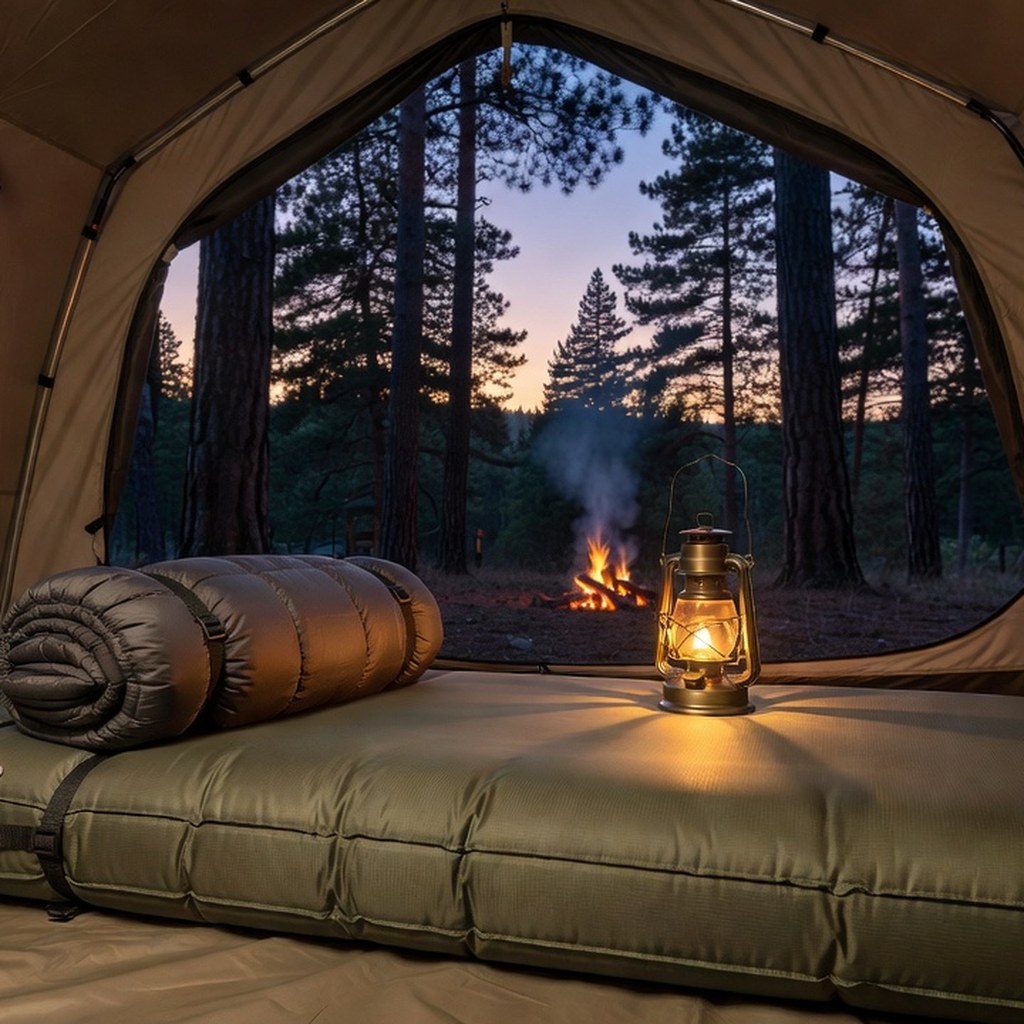 Exped MegaMat 10 Sleeping Pad$239.95
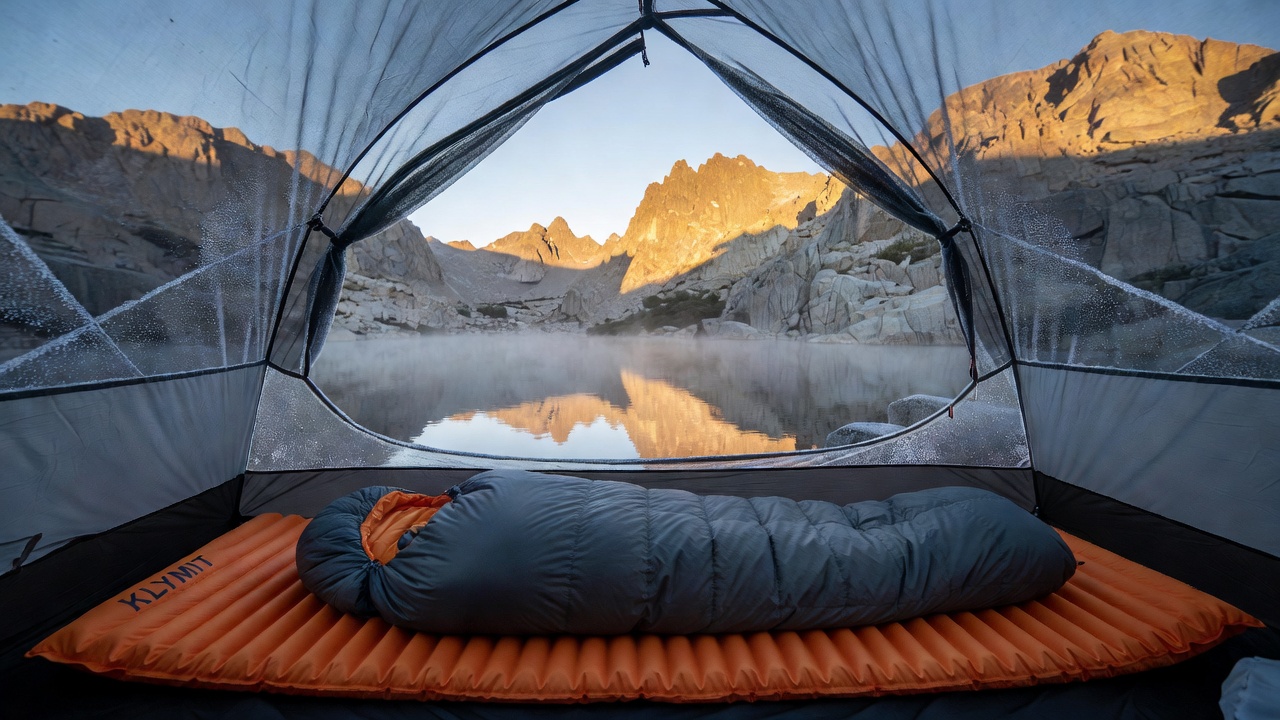 Klymit Insulated Static V Sleeping Pad$94.99
 Therm-a-Rest Z Lite Sol Sleeping Pad$54.95
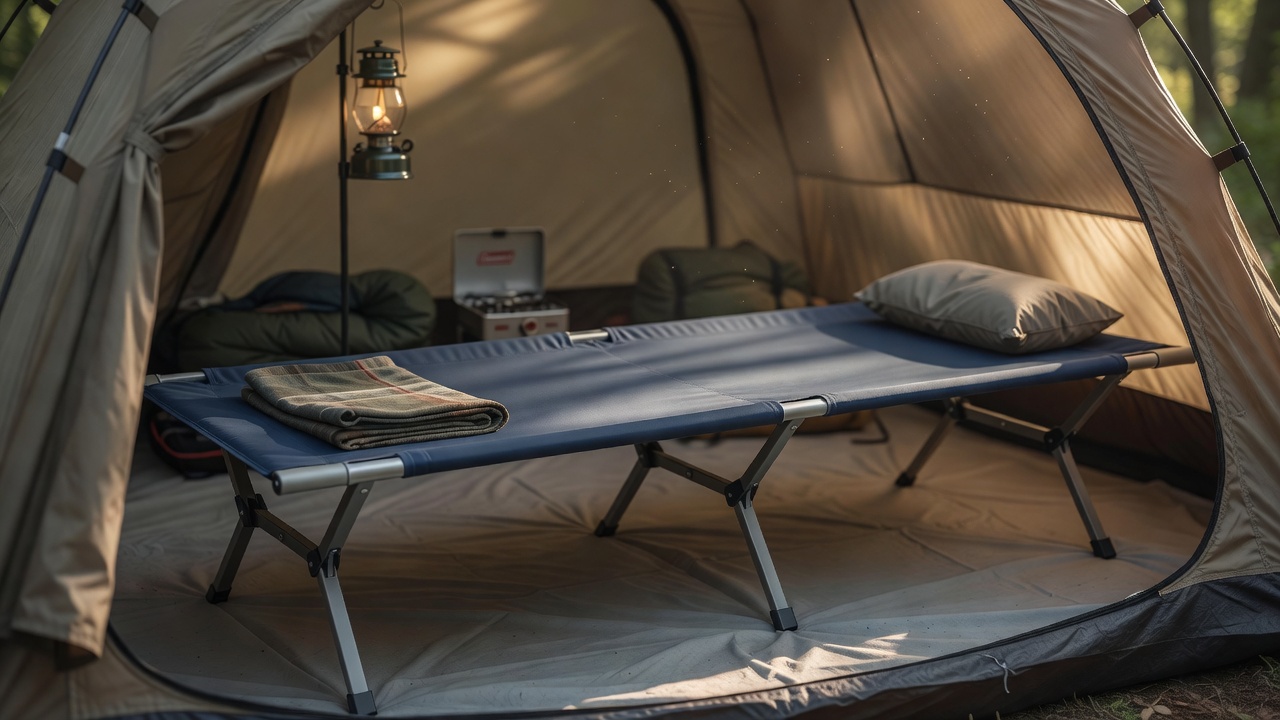 Coleman Trailhead II Large Folding Cot$54.99
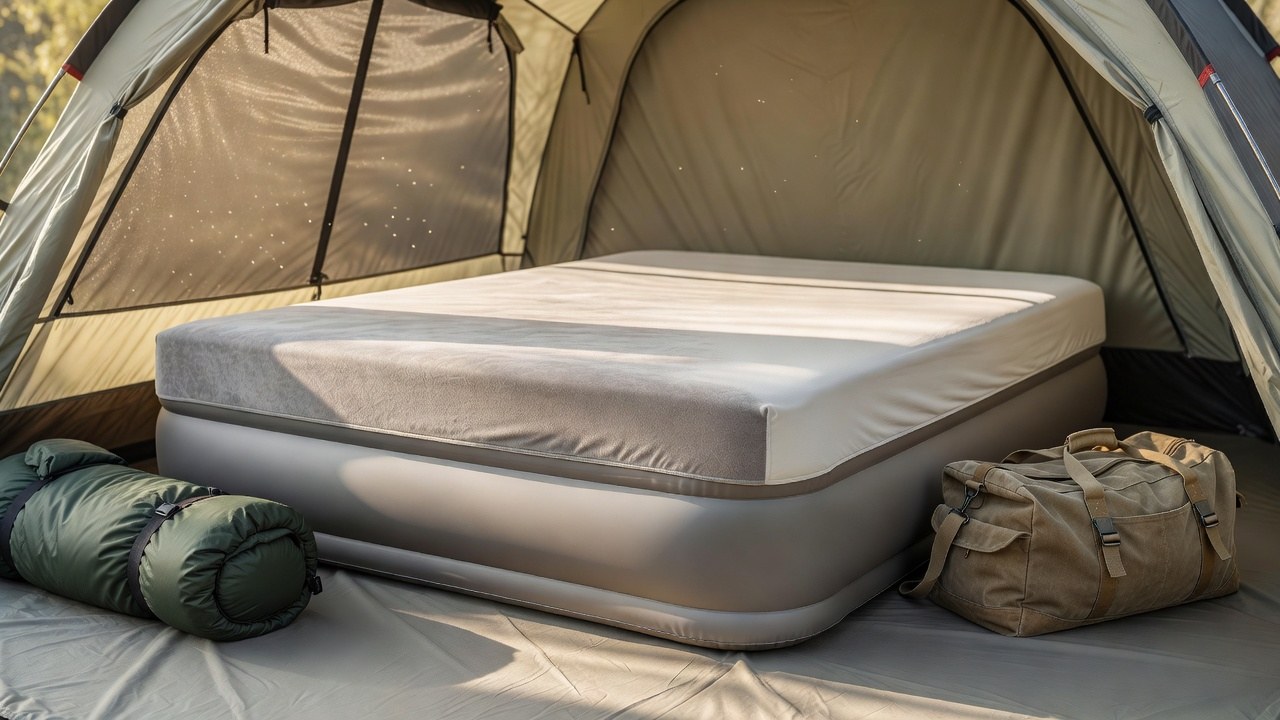 SoundAsleep Dream Series Raised Queen Air Mattress with Built-in Pump$149.95
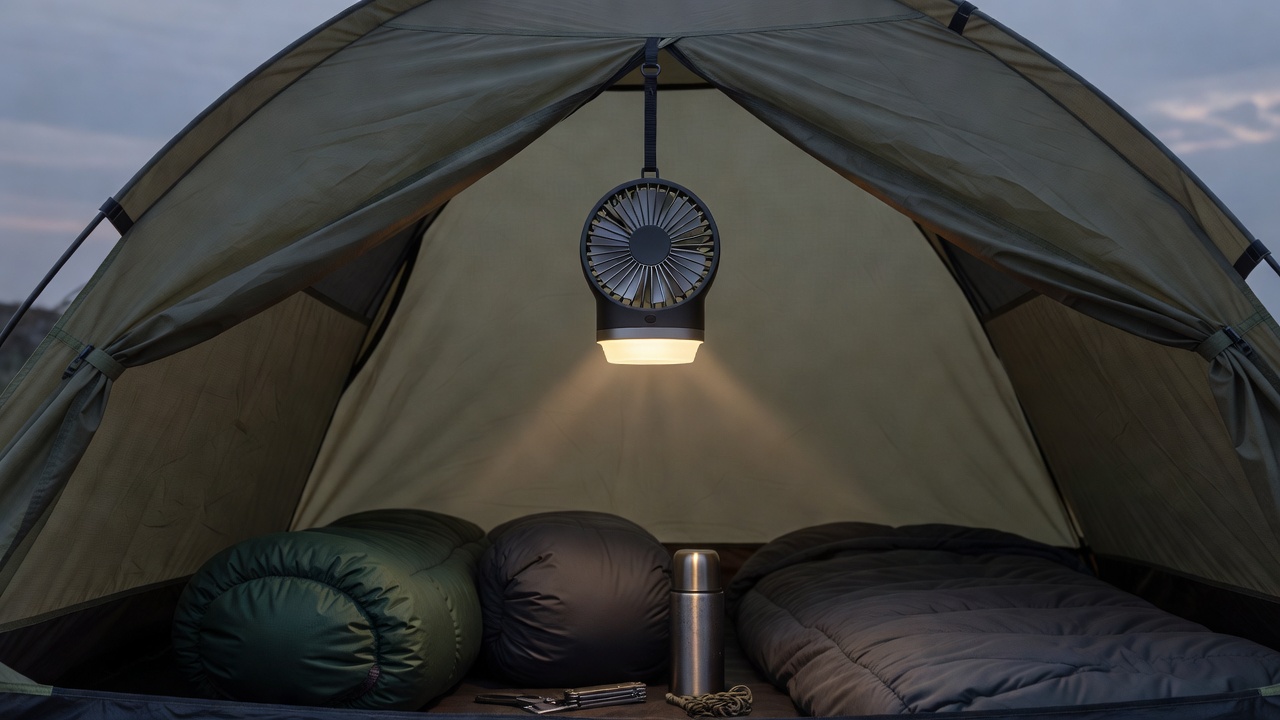 FRIZCOL 3-in-1 Camping Fan — 24000mAh Rechargeable Battery Powered Fan with LED Lantern$29.98
In this article · 16 sections
- Quick Answer: Can You Camp in a Minivan?
- Can You Sleep in a Minivan? The Three Numbers That Decide It
- Which Minivan Is Best for Camping?
- Minivan Camping Setup: The 20-Minute Build
- Minivan Camping Mattress: What Actually Fits
- The Minivan Sleeping Platform: DIY, Dimensions, and Whether You Need One
- Minivan Camping Accessories: The Kit That Earns Its Space
- Heat, Carbon Monoxide, and the Mistake That Kills People
- Camping in a Minivan With Kids, a Baby, and a Dog
- Minivan Camping Hacks That Actually Help
- Stealth Camping in a Minivan, and Where You Can Actually Sleep
- Minivan Camper Conversion: Kits, Cost, and the Honest Version
- Camping in a Minivan for Beginners: The First Trip
- Every Way People Search This Topic, Answered
- Camping in a Minivan FAQ
- The Setup, in One Sentence
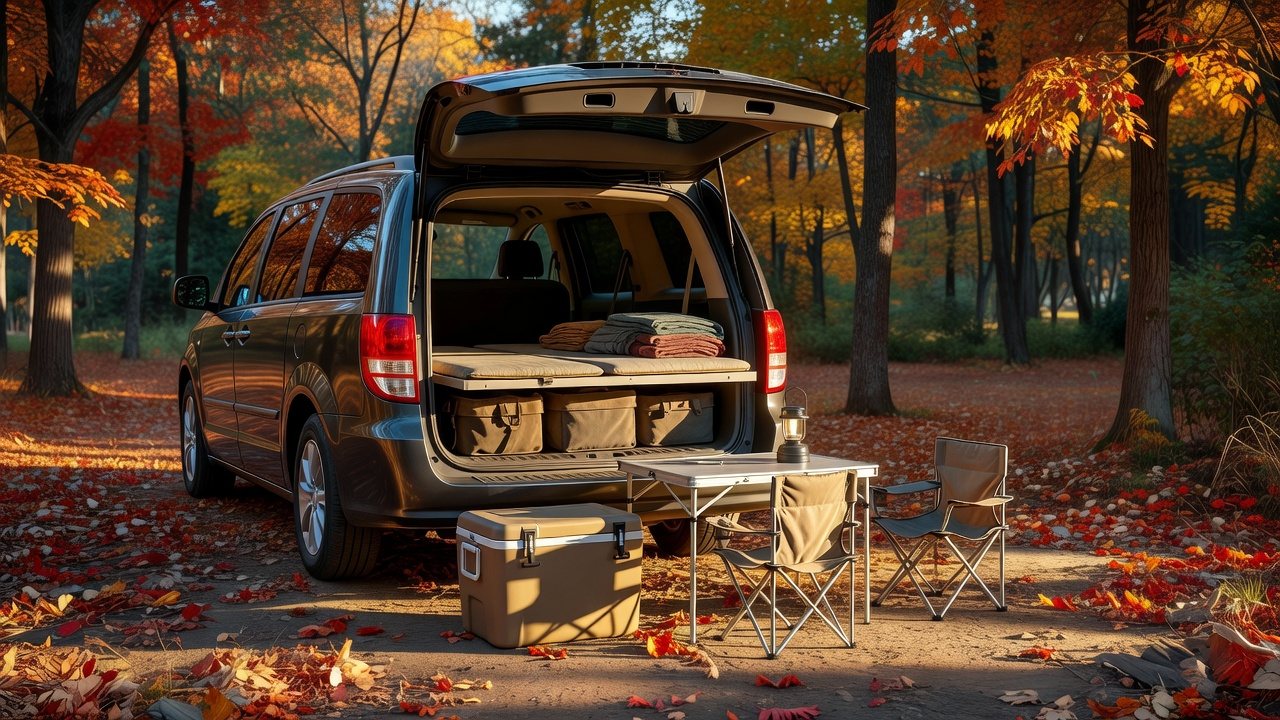
Most families already own the vehicle. That is the part nobody says out loud about van camping — you do not need to buy a Sprinter, a rooftop tent, or a $70,000 build. The minivan in the driveway has a flat floor once two seats come out, a roof that keeps rain off, and a back hatch that opens to a view. Camping in a minivan is the cheapest upgrade to a family camping weekend that exists, because the expensive part is already parked outside.
What it is not: a tent on wheels where you can do whatever you want. A minivan has three constraints that decide whether the night is good or miserable — floor length against the adults sleeping on it, ventilation against condensation, and heat, which is the one place families get themselves into real danger.
This guide covers all three, model by model, with the setups that fit and the ones that do not.
Quick Answer: Can You Camp in a Minivan?
Yes. A minivan is one of the most practical car-camping vehicles made: flat floor after seat removal, ~4 ft of interior height, seats for the drive home, and better fuel economy than any truck. The honest limits are the floor (about 48 in wide between the wheel wells), a usable sleeping length that depends entirely on which seats you pull, and ventilation at night.
| Question | Short answer |
|---|---|
| Can you camp in a minivan? | Yes — it is a legal, common car-camping setup. Register the site, park in a designated spot, sleep inside. |
| Can you sleep in a minivan? | Yes, if two adults fit on the floor: pull the second row and stow the third. Couples fit in almost any minivan; two adults plus a kid needs the long floor. |
| Can you sleep in a van on a campsite? | At a private or public campground, yes — you are a registered guest in a vehicle. Sleeping at a trailhead, rest area, or big-box lot is a different question with different rules. |
| Do you need a build? | No. Pads on a flat floor is a complete setup for a weekend. A platform only buys you storage underneath. |
Can You Sleep in a Minivan? The Three Numbers That Decide It
Every "will this work" question about camping in a minivan reduces to three measurements. Take a tape measure to your own van before you buy anything — trim levels differ enough that a published spec for "a 2022 Odyssey" can be two inches off your actual van.
- Floor length with the seats you are willing to remove. A 6 ft adult sleeping flat needs about 76 in; a 6 ft 2 in adult wants 78-80 in, or a diagonal lie.
- Floor width between the wheel-well humps. This is the number that kills air mattresses. Most minivans are around 48 in there, which means a queen air mattress (60 in) does not fit and two 25 in pads do.
- Height above the floor with the hatch closed. Cargo-height numbers on paper are measured to the headliner at one point; what matters is the lowest point over your shoulders when you sit up.
Write those three numbers on your phone before you shop. Everything below is chosen against them, not against a brochure.
Which Minivan Is Best for Camping?
The answer is the one whose second row comes out easiest, because a flat floor is the whole game. Here is how the common family vans differ in the ways that matter for sleeping in them.
| Van | Second row | The camping consequence |
|---|---|---|
| Chrysler Pacifica / Grand Caravan (Stow 'n Go) | Folds into the floor, no removal | Fastest empty floor in the class. Two latches, seats disappear, floor is flat in under a minute. The usual pick for families who want to switch between van and camper weekly. |
| Honda Odyssey | Lift-out seats (Magic Slide on higher trims) | Flat and long once the seats are out, but each second-row seat is heavy — plan on a two-person pull and a place to store them at home or in the garage. |
| Toyota Sienna | Lift-out second row on most trims | Long floor, and the hybrid drivetrain changes the camping math: climate control while parked in READY mode, engine cycling on and off instead of idling continuously. Read the safety section before you use that. |
| Kia Carnival | Second row does not stow into the floor on most trims | Check the trim and the owner's manual before assuming removable. Less convenient as a sleeper, still fine with pads on the folded third row for kids. |
Two caveats worth more than any spec table: verify seat removal on the exact trim you own (the manual lists it, and some trims delete it), and never remove a seat that carries a child-seat tether anchor and then use that anchor for a car seat without reinstalling the seat properly. Modification happens when you are parked, not when you are driving.
Minivan Camping Setup: The 20-Minute Build
This is the setup most families should start with, and it costs almost nothing beyond gear you may already own.
- Empty the floor. Stow the third row, remove the second row (or fold it flat if the van does that), pull the floor mats, and vacuum the grit. Grit under a pad is what makes a floor feel lumpy at 2 a.m.
- Level the van, then level the bed. Park on the flattest spot you can find and check with a phone level on the floor. A minivan parked nose-down by 3 degrees slides everyone toward the front all night.
- Insulate under you, not over you. A closed-cell foam pad or a self-inflating pad on the bare floor is the difference between a warm night and a cold one. The floor is a heat sink; a sleeping bag cannot fix it.
- Lay two singles, not one double. Two pads side by side cover more of the width than one wide mattress and let each person pick their own firmness — see the mattress section for what actually fits.
- Set ventilation before dark. Crack both front windows about an inch and open the rear vents or a hatch vent. Two people exhale roughly a liter of water each overnight; that water condenses on glass, and by morning the windows rain inside.
- Hang light, not lamps. One small lantern on a hook and a headlamp per person covers the whole cabin. See the camp lighting guide for the pieces that earn their space.
- Keep the kitchen outside. Cooking in a closed van is a carbon-monoxide and grease decision you do not want. Set the stove on a table under the hatch.
Minivan Camping Mattress: What Actually Fits
Here is the part where people waste money. A queen air mattress — the thing most first-timers buy — is 60 in wide and 80 in long. It does not fit between the wheel wells of a minivan, so it inflates into a bowl and pushes against both sliding doors.
What fits, in order of how well it works:
- Two single sleeping pads, side by side. Each pad is roughly 20-25 in wide, so two of them cover 40-50 in of floor — almost the full width — and 72-77 in of length. This is the setup that works in every minivan, every trip. The Exped MegaMat 10 at $239.95 is the most comfortable pad I would put on a van floor: 3 inches of open-cell foam that self-inflates, an R-value that handles frost, and a flat surface that does not roll you into the middle. For a budget single, the Klymit Insulated Static V at $94.99 packs small and insulates well enough for three-season nights. A closed-cell foam pad like the Therm-a-Rest Z Lite Sol at $54.95 is the indestructible option: nothing to puncture, works as a spare bed on the folded third row for a kid, and doubles as a picnic pad.
- A camp cot, if you have the height. A cot gets you off the floor and away from condensation, but it needs roughly 15-19 in of clearance and a full-length floor. The Coleman Trailhead II at $54.99 is a real cot for real money, and it works in a van with the second row out — measure your height above the cot before you commit, because sitting up on a cot in a minivan is where heads meet headliners.
- A foam topper, cut to fit. A 4 in memory-foam topper trimmed to your floor shape is cheap and comfortable, but it lives in your garage between trips. Fine for a dedicated summer van, wrong for a daily driver.
- An air mattress, sized to the van. If you want an air bed, buy a 48 in wide camping air bed, not a household queen. The raised double-high household mattresses (like the SoundAsleep Dream Series at $149.95) are excellent in a tent or an RV — they are simply the wrong shape for a minivan floor, and that is a spec problem, not a quality problem.
Sleeping pad vs air mattress vs cot, with the comfort trade-offs spelled out, is its own decision — our cot vs air mattress vs sleeping pad comparison walks through it, and sleeping pad vs air mattress covers the R-value side of the question.
The Minivan Sleeping Platform: DIY, Dimensions, and Whether You Need One
A platform is a plywood deck that sits above the floor so you can slide bins underneath. That is all it is. It does not make the floor more comfortable — a pad does that — and it costs you height.
Build it only if you want permanent storage. The version that works:
- Deck height 10-14 in, high enough for shallow bins, low enough that an adult can still sit up.
- Deck width 40-48 in, measured between the wheel wells, not the door panels. A 4 ft by 8 ft sheet of plywood will not fit between the humps in most minivans — that is why builds are narrower than people expect.
- Deck length cut to your measured floor, typically landing in the 72-78 in range once the second row is out and the third row is stowed.
- Support on the seat anchors and the wheel wells, never on the seat-belt tensioners, and never on anything that would block a seat from locking back in for the drive home.
- A hinge at the front third so you can lift the deck and reach the bins without unpacking the bed.
A DIY platform with 3/4 in plywood, two-by-four legs, and a coat of polyurethane costs about $60-90 in materials and an afternoon. A bolt-in conversion kit costs several hundred to a few thousand, and its advantage is that it comes apart and stores. Neither one makes the van sleep better than two good pads on a clean floor — it just makes the morning tidier.
Minivan Camping Accessories: The Kit That Earns Its Space
The temptation with a van is to fill it. The kit that actually improves a night is short.
| Piece | Why it earns the space |
|---|---|
| Battery fan | Moves air across two sleepers, which is the real fix for condensation and the only comfort lever on a warm night. The FRIZCOL 3-in-1 fan at $29.98 runs 24,000 mAh of battery, hangs from a grab handle, and doubles as a lantern. |
| Power station | Phones, a fan, a CPAP, a small cooler — a van weekend is a small electrical grid. The Jackery Explorer 300 at $199 is the sensible size for a family; the EcoFlow RIVER 2 at $169 is the lighter alternative, and the Anker SOLIX C300 at $329.99 adds capacity for longer trips. Our portable power station guide has the sizing math. |
| Cooler you can actually lift | Behind the stowed third row there is room for one real cooler. The Coleman 70-Quart Xtreme at $79.99 holds a family weekend of food and ice; the Stanley All Day Julienne at $100 is the day-trip bag you keep in the cabin. |
| Two lights | One overhead, one per person. The Goal Zero Lighthouse Micro at $29.95 hooks to a grab handle, and a Black Diamond Spot 400 at $39.95 lives in the glovebox. |
| CO alarm | The one item I will not camp in an enclosed vehicle without — see the next section. The Kidde portable CO detector is battery-powered and clips to a headrest. |
| Floor mat or blanket | Something washable on the floor keeps grit out of your pad. A waterproof picnic blanket at $24.99 doubles as the ground mat outside. |
Window screens, a small folding table, and a bin per person finish the kit. What does not earn space: a second cooler, an inflatable couch, and anything that needs to be inflated before bed.
Heat, Carbon Monoxide, and the Mistake That Kills People
This is the section I would put on a sticker on every minivan hatch.
Never run a propane heater, a gas camp stove, or a generator inside a closed van. Not for ten minutes, not with the windows cracked a little, not "just to take the chill off." Carbon monoxide is odorless, and a vehicle cabin is small enough that a Buddy heater can take the oxygen down before anyone wakes up. Every winter, families die this way in cars, vans, and RVs, and the setup always felt fine at first.
What actually works for a cold night in a minivan:
- Insulate under you. A pad with a real R-value, plus a bag rated below the forecast, is most of the battle.
- Layer warm without heat. Fleece liners, wool socks, hats, a hot-water bottle in a sock at your feet.
- Ventilate deliberately. Cracking the windows costs a little heat and prevents the condensation that makes a morning feel colder than it was.
- Add a CO alarm anyway. It is $20 and it covers the case where a neighboring site's generator, a running engine, or a fault you did not plan for puts CO in the cabin. The Kidde portable detector lives in the van permanently.
- If you must idle for heat, do it outside and know the risk. A vehicle engine can warm a cabin, but exhaust can enter through the rear hatch seals and the cabin floor, and a hybrid cycling on and off while parked can do it unattended. Never in a garage, never with people asleep inside unless you have a CO alarm and a plan.
Our winter car camping guide goes deeper on cold-weather vehicle nights, and how cold is too cold to camp gives the temperature limits by setup.
Camping in a Minivan With Kids, a Baby, and a Dog
The family version of this is the reason the vehicle exists.
With kids. The third row stays stowed, the second row comes out, and the floor becomes one big bed — or two kids sleep on the folded third row with pads while the adults take the main floor. Do not let anyone ride in a stowed or folded seat, and do not build a bed on top of a seat that is still in driving position. A pack-and-play does not fit on a van floor with two adults; if the baby is under about 18 months, plan on one adult plus the baby in the van and everyone else in a tent, or bring the tent anyway. Our camping with a baby and toddler guide covers the sleep logistics honestly.
With a baby, specifically. Everything is normal van camping except the sleep surface and the air. Babies should not sleep on an adult air mattress or between adults on a van floor. If you are working out camping in car with baby logistics for the first time, the safest arrangement is a firm, flat, dedicated infant sleep surface on the floor — and a real conversation about whether a tent is better for the first year.
With a dog. A van is a great dog vehicle and a terrible dog kennel. Camping in car with dog comes down to two things: the floor temperature and whether the dog has a spot that is not your sleeping bag. A short-haired dog on a cold van floor at 35°F is cold in a way people underestimate. Give the dog its own raised bed — the CANINE CANYON folding dog cot at $49.99 fits beside the sleeping area or outside under the hatch — and never leave a dog in a closed van in daylight, even at 70°F. Our camping with dogs guide and the cold-weather dog guide cover the rest.
Minivan Camping Hacks That Actually Help
The internet's minivan hacks are a mix of genuinely useful and mildly dangerous. These are the useful ones.
- Cut Reflectix for the windows you do not need to see out of. It kills the greenhouse effect in summer, holds warmth in winter, and blocks a campground light. Cut slightly oversize and press it into the frames.
- Magnetic hooks on the seat-belt pillars. One hook per sleeper for a headlamp, glasses, and a phone. Nothing rolls under a pad at night if it is hanging.
- A bin per person, labeled, at the foot of each pad. The difference between a tidy van and a floor of loose gear is three bins and a rule: everything back in its bin before the hatch closes.
- Screens over the open windows. A no-see-um mesh with magnets keeps mosquitoes out while you keep airflow — the whole point of cracking a window.
- A small fan pointed at the glass, not at you. Moving air across the windshield is what stops the inside rain. This is the highest-value $30 in the van.
- Level first, then inflate. Inflating a pad on a sloped floor means it ends up half against a door.
- A headlamp with a red mode so a midnight bathroom trip does not wake the van. The Spot 400 has one.
- String lights instead of a lantern, if the kids are wound up: the Twinkle Star LED string lights at $19.99 run off the power station and turn a van ceiling into a tent ceiling.
Stealth Camping in a Minivan, and Where You Can Actually Sleep
Two very different questions hide in "can you sleep in a van on a campsite."
At a campground: yes, routinely. A registered site with a vehicle on it is normal camping. Some private campgrounds have rules about sleeping in vehicles instead of tents or RVs, so ask when you book. Public campgrounds generally care that you paid, parked in your spot, and follow quiet hours.
Not at a campground: it depends on the jurisdiction. Sleeping in a vehicle on a city street, in a rest area, or in a store parking lot is governed by local ordinance and by the property owner. Some states and cities prohibit it outright; some tolerate overnight parking; a few public lands allow dispersed camping where a vehicle can park and you can sleep in or beside it. Reading a "stealth camping" forum will convince you everything is fine everywhere, and that is not true. Our dispersed camping guide and the RV boondocking guide cover the public-land version of the rules.
If you are new to this: book a real campsite for your first three trips. Sleeping in a van at a paid site with a bathroom 200 feet away is the version of this that your family will want to repeat.
Minivan Camper Conversion: Kits, Cost, and the Honest Version
The "conversion" industry sells a $2,000 box that turns a minivan into a tiny RV. It is a real product category and some of it is good. But be clear about what you get: a bed platform, storage, maybe a drawer, and a mounting system. Nothing in a conversion kit makes a van insulated, and nothing replaces ventilation.
| Approach | Typical cost | What you get | Who it suits |
|---|---|---|---|
| Pads on a clean floor | $0-150 | A bed tonight | Everyone's first three trips |
| DIY platform + bins | $60-150 in materials | Storage under the bed, flat deck | Families who camp monthly |
| Bolt-in conversion kit | $500-2,500 | Finished platform, drawers, mattress | Frequent weekend van campers |
| Full custom conversion | $5,000+ | Insulation, electrical, cabinetry | Van-life, not weekend camping |
If you are shopping for a conversion kit, the two things to check are whether it works with your seat configuration (a kit for a Stow 'n Go Pacifica is not a kit for an Odyssey with lift-out seats) and whether it leaves the seat anchors usable so you can put the van back together. "For sale" listings and marketplace kits are frequently built for one model year and one trim.
Camping in a Minivan for Beginners: The First Trip
If this is your first time, do the version that cannot go wrong:
- Book a drive-up site with a bathroom, 30-90 minutes from home.
- Go for one night, in good weather, with a tent in the trunk as a plan B.
- Take pads, bags, two lights, a cooler, a fan, and the CO alarm. Leave everything else at home.
- Arrive with two hours of daylight to spare — setup in the dark is how first trips go bad.
- Set ventilation before you sleep, and note how much condensation you find in the morning. That is your calibration for next time.
Then decide whether you want a platform, a bigger power station, or nothing at all. Most families land on "nothing at all" for the first season, which is the correct answer.
Every Way People Search This Topic, Answered
The phrasing for this subject flips constantly — "camping in a minivan," "minivan camping setup," "sienna camping mode," "honda odyssey camping bed." They all mean the same trip, so here are the plain answers in the order people type them.
The minivan camping phrasings
| As people type it | The answer |
|---|---|
| minivan camping / camping with minivan / camping in my minivan | Same trip: seats out, pads down, sleep in the van at a registered site. |
| minivan camping setup / minivan camping ideas / minivan camping hacks | 20-minute setup: empty floor, level, pad, ventilation, two lights, kitchen outside. |
| minivan camping accessories / minivan camping kit | Battery fan, power station, cooler, two lights, CO alarm, window screens, one bin per person. |
| minivan camping mattress | Two 25 in single pads, or a 48 in wide air bed. A household queen does not fit between the wheel wells. |
| minivan camping tent / minivan camping conversion | A separate tent beside the van, or a bolt-in platform kit — neither is required for a weekend. |
| car camping in a minivan / camping in a minivan for beginners | Book a drive-up site, one night, good weather, tent as backup. |
| winter camping in a minivan / car camping in a minivan in cold | Insulate the floor, vent deliberately, no propane heat inside, CO alarm. |
| sleeping in a minivan / camping in minivan reddit | The same setup as camping in one: pads on a clean floor, windows cracked, no flame inside. The forum consensus is "yes, crack the windows" — and it is right. |
| stealth camping in a minivan / camping in rental minivan / camping in your minivan | Rules vary by city and property. A rented van usually forbids modifications. |
| minivan camping conversion kit | A bolt-in platform kit, roughly $500-2,500, specific to the model and trim. Not required for a weekend. |
Honda Odyssey camping phrasings
| As people type it | The answer |
|---|---|
| honda odyssey camping / honda odyssey camping van | Strong sleeper once the second row is out — long flat floor, heavy seats. |
| honda odyssey camping setup / honda odyssey camping bed / honda odyssey camping platform | Third row stowed, second row removed, 40-48 in wide deck or pads on the bare floor. |
| honda odyssey camping accessories | Same kit as any van; measure width between the wheel wells before buying a mattress. |
| honda odyssey camping conversion / honda odyssey camping kit | Kits are trim-specific; keep the seat anchors usable so the van goes back together. |
| honda odyssey camping mattress | Two singles fit; a queen does not. |
| honda odyssey camping tent | A standalone tent is simpler than a van-mounted tent, and cheaper. |
Toyota Sienna camping phrasings
| As people type it | The answer |
|---|---|
| sienna camping / sienna camping car / sienna camping van | The hybrid is the standout feature: climate control while parked, engine cycling instead of idling. |
| sienna camping mode | Not an official button — owners leave it in READY with climate set. Same CO rules apply; never in a garage. |
| sienna camping setup / sienna camping bed / sienna camping conversion | Long floor with the second row out; pads or a platform built to your measured length. |
| sienna camping accessories / sienna camping kit | Fan, power station, cooler, lights, CO alarm. The hybrid battery makes a power station less urgent, not pointless. |
| sienna camping tent | Standalone tent beside the van; a van-mounted tent needs a specific hatch geometry. |
| camping in a sienna minivan | Same as any minivan: verify your trim's second-row removal before buying a bed. |
Minivan camper conversion phrasings
| As people type it | The answer |
|---|---|
| minivan camper conversion / minivan camper conversion diy / minivan camper conversion plans | Plywood deck 10-14 in high, 40-48 in wide, cut to your measured floor, hinged for storage access. |
| minivan camper conversion kit / minivan camper conversion kit for honda odyssey | Bolt-in kits start around $500 and are model- and trim-specific. Confirm seat configuration first. |
| minivan camper conversion kits for sale / minivan camper conversion for sale / minivan camper conversion companies | Check the return policy and whether the kit keeps seat anchors usable. Companies do full builds from about $5,000. |
| minivan camper conversion ideas / minivan camper conversion canada | A platform, a bin per person, and a battery fan cover 90% of weekend use. Availability differs by country. |
| how to live in a minivan | That is a different project from camping: insulation, power, water, and a legal place to park each night. |
Camping in a Minivan FAQ
Is it safe to sleep in a minivan?
Yes, with ventilation and no flame. Crack two windows, do not run any fuel-burning appliance inside, and keep a battery CO alarm in the cabin. The dangerous version of this question is always about heat — a propane heater or an idling engine in a closed vehicle is the way people die, and it feels fine for the first twenty minutes.
Can two adults sleep in a minivan?
Yes, in every minivan, if the second row comes out and the third row is stowed. Two 25 in pads side by side on the floor is the setup. Two adults plus a child needs a long floor and a willingness to sleep head-to-toe.
Do I need to remove the seats to sleep in a minivan?
You need a flat surface, not necessarily seat removal. Stow 'n Go vans give a flat floor with the second row folded into it; lift-out vans need the seats physically removed. Sleeping on top of folded seats works for kids and is uncomfortable for adults.
What mattress fits in a minivan?
Two single sleeping pads of about 20-25 in wide, or a camping air bed 48 in wide. A household queen air mattress is 60 in wide and does not fit between the wheel wells.
Can you sleep in a minivan at a campsite?
Yes at a campground where you are a registered guest in a vehicle. Sleeping in a van on a street, at a rest area, or in a parking lot depends on local ordinance and the property owner — it is not uniformly legal.
How do you stop condensation in a minivan at night?
Ventilate: crack two windows an inch and open a rear vent, and run a small battery fan across the glass. Two sleepers put about a liter of water into the air each night, and it lands on the coldest surface, which is the windows.
Is a minivan better than a tent for family camping?
For two adults in bad weather, yes — solid walls, a real bed, and a dry place to sit. For a family with kids, a tent is usually better, because the van cannot hold four sleepers comfortably. Many families end up with both: van for the adults' gear and the kids' tent.
<!-- AFFILIATE_DISCLOSURE -->TrailMapz earns a small commission from Amazon links at no extra cost to you. Prices are the ones we saw when this guide was written; check the product page before you buy.
The Setup, in One Sentence
Pull the second row, stow the third, level the van, lay two pads on a clean floor, crack the windows, and put the kitchen outside — that is camping in a minivan, and it takes twenty minutes.