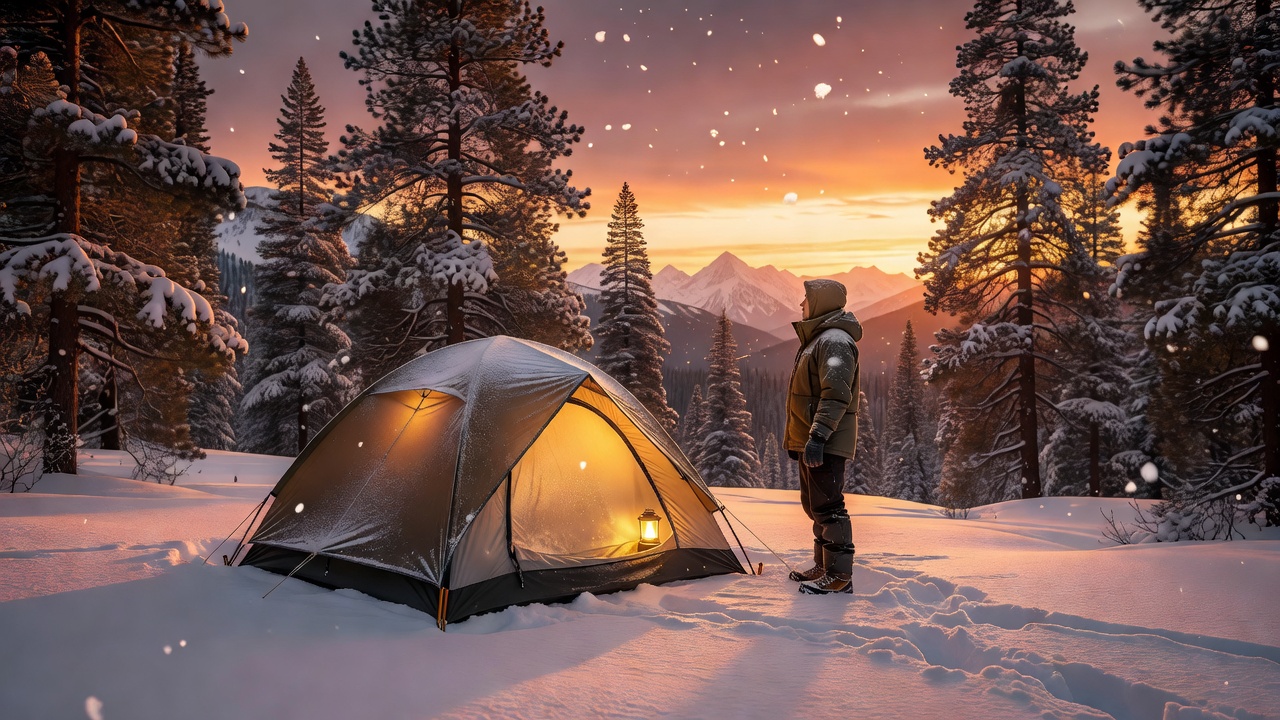
How Cold Is Too Cold to Camp? Real Limits by Setup
Where camping stops being fun: real temperature limits for tents, hammocks, cars and RVs, plus the margin kids, babies and dogs actually need.
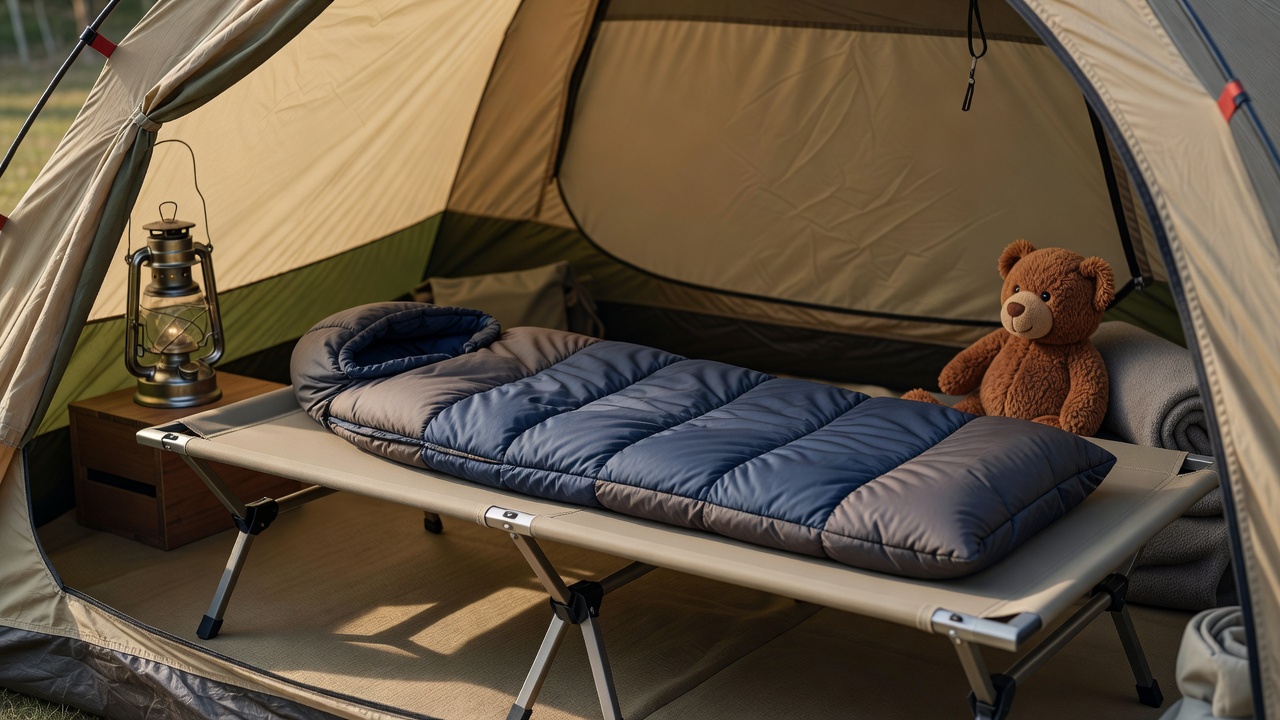 TETON Sports Celsius Jr Kids Sleeping Bag (20°F)$49.99
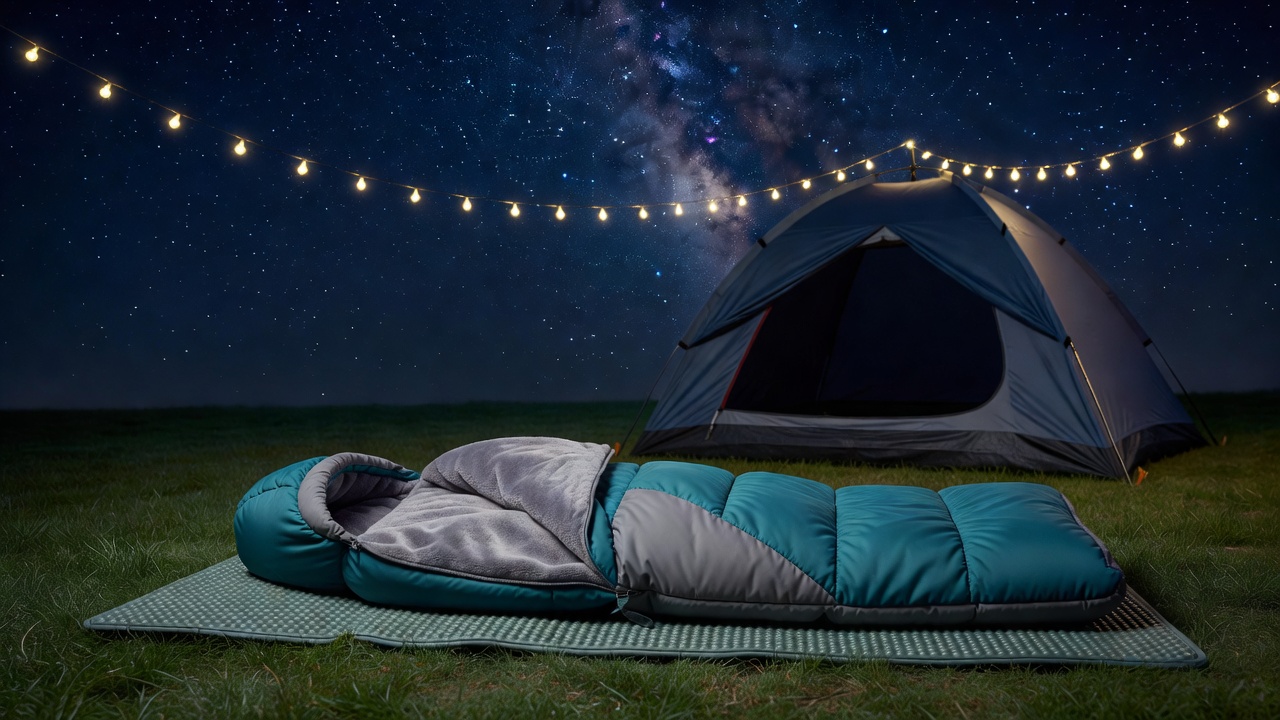 Kelty Woobie 30 Degree Kids Sleeping Bag$39.95
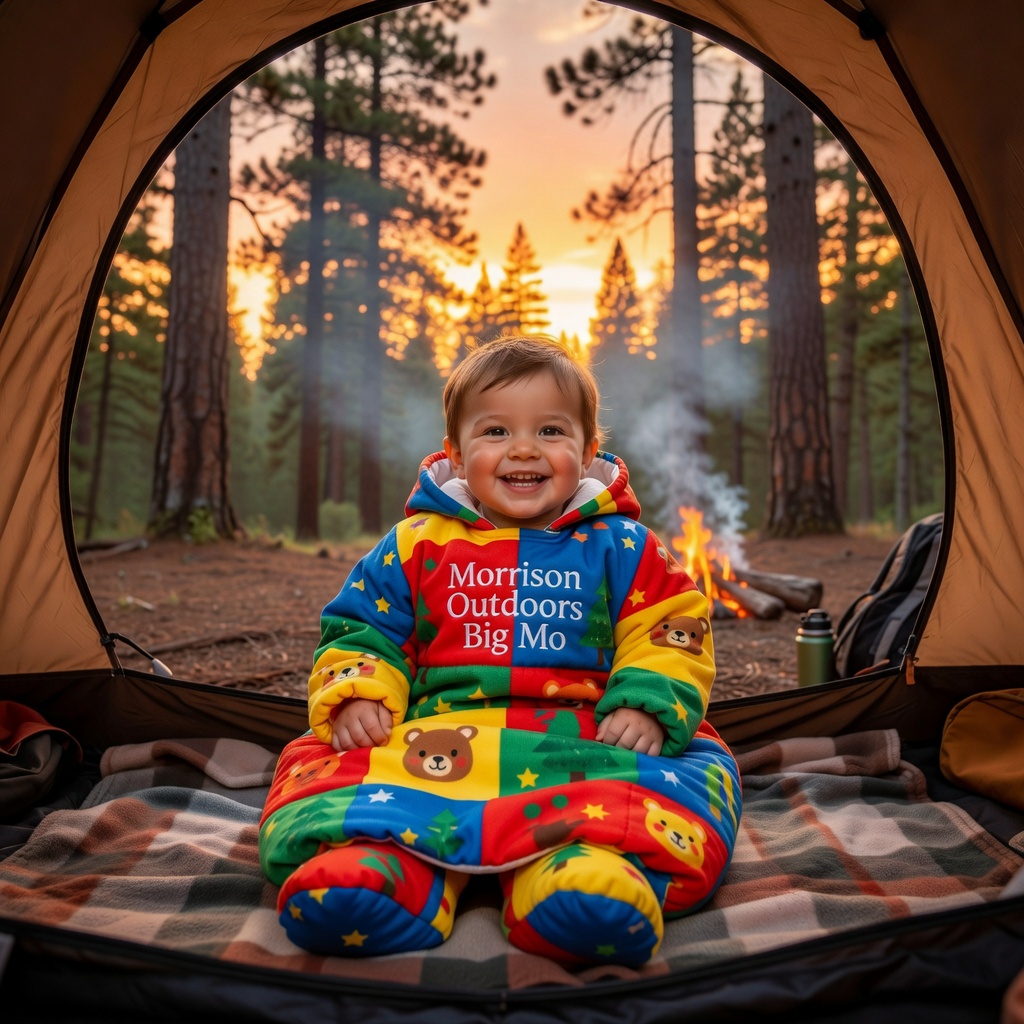 Morrison Outdoors Big Mo 40 Kids Sleeping Bag (Ages 2-4)$79.95
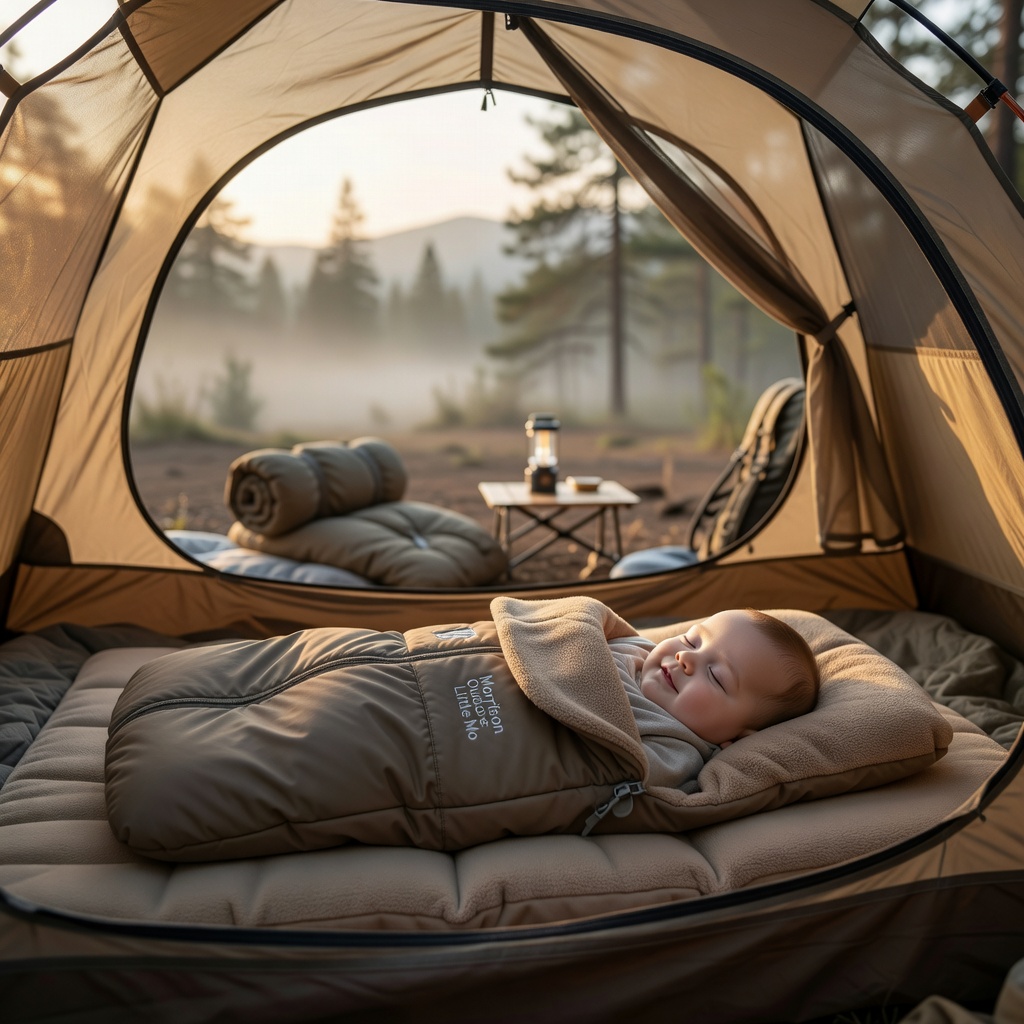 Morrison Outdoors Little Mo 40° Baby Sleeping Bag (6-18 Months)$69.95
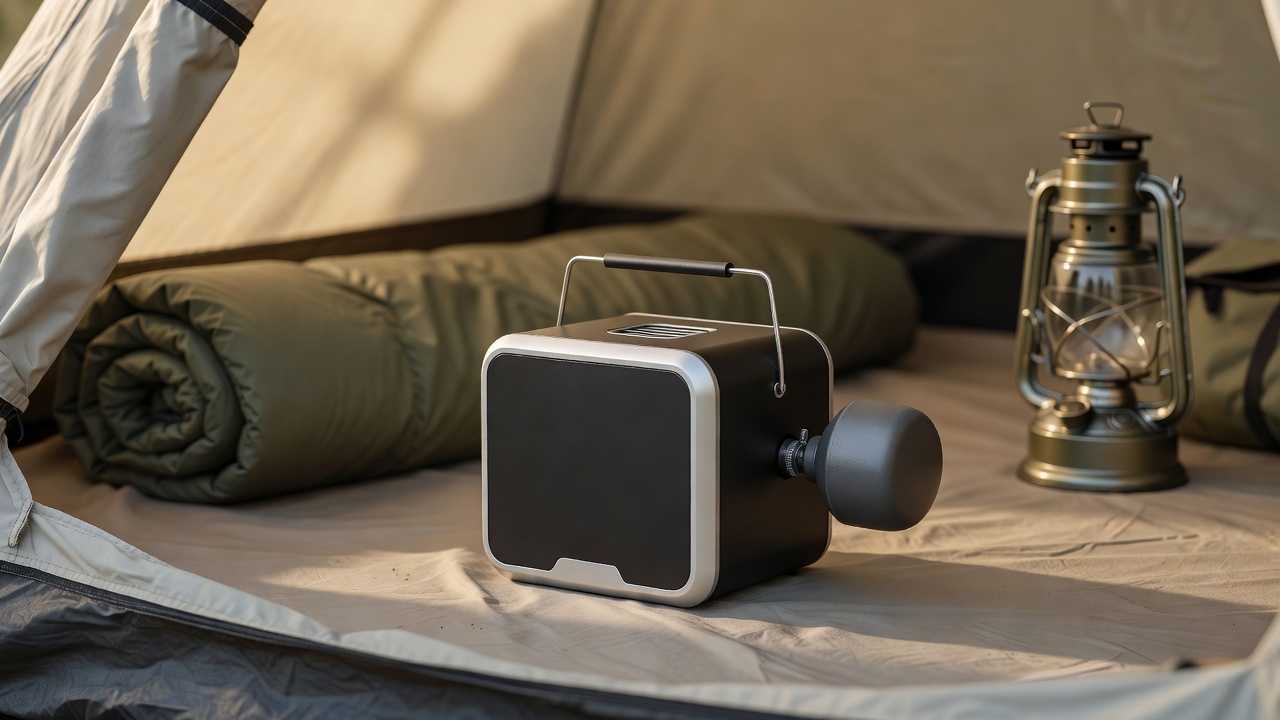 Mr. Heater F215100 Little Buddy 3,800 BTU Indoor-Safe Portable Radiant Propane Heater$69.99
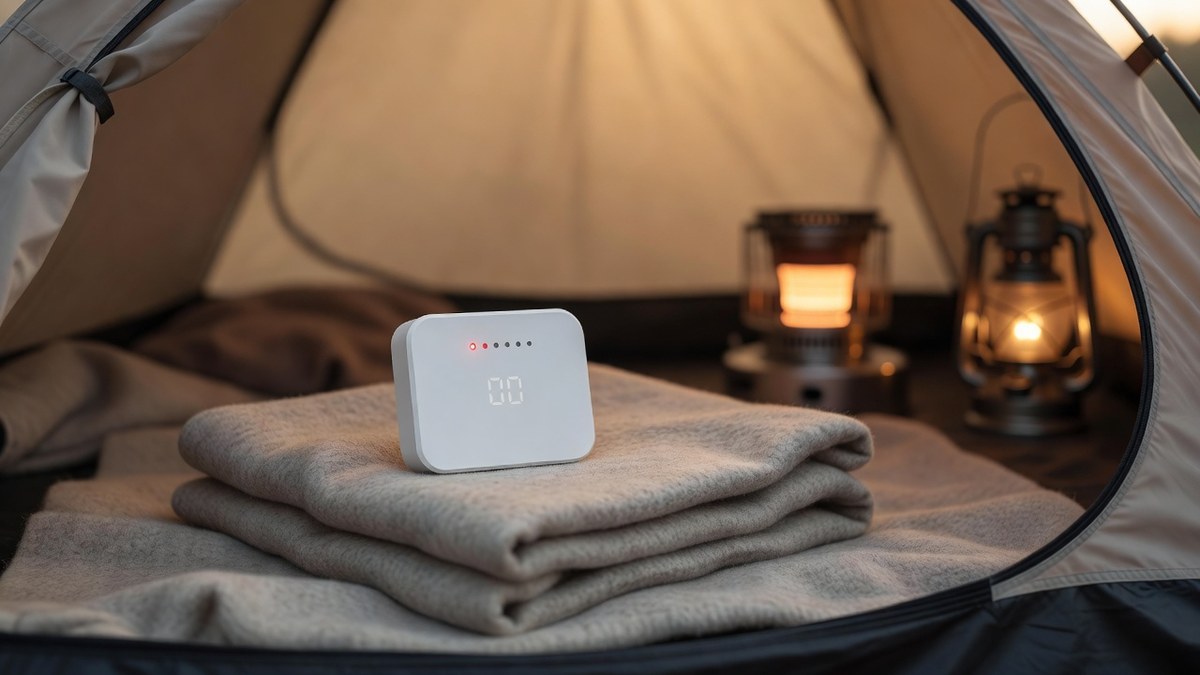 Kidde Carbon Monoxide Detector, AA Battery Powered, Portable for Travel or Home$23.97
In this article · 9 sections
- Quick Answer: The Short Version
- The Bag Rating Is Not the Temperature You Sleep At
- How Cold Is Too Cold to Camp? Every Way People Type It
- How Cold Is Too Cold by Who Is Sleeping In the Tent
- Is It Too Cold to Camp in October, November, or December?
- What Moves the Threshold More Than the Forecast
- Gear That Moves the Threshold (and What Does Not)
- When the Honest Answer Is "Too Cold"
- FAQ
The question arrives at a specific moment. It is 9 p.m., the forecast says 28°F, the kids are already in pajamas, and somebody says the sentence out loud: is this too cold to camp?
There is an answer, but it is not one number. It is a number per setup and per person — a tent at 28°F is a normal autumn night if the pad underneath you is real, and a miserable one if it is an air mattress. A hammock at 38°F is colder than a tent at 28°F for the simple reason that air moves under you all night. And a baby, a toddler and a short-haired dog each hit their own wall well before an adult does.
Here are the limits, with the reasoning behind each one, so you can decide at 9 p.m. instead of guessing.
Quick Answer: The Short Version
| Setup | Comfortable down to | Real limit with the right gear | What usually breaks first |
|---|---|---|---|
| 3-season tent, good pad, honest bag | ~40°F | ~20°F | The pad under you, not the bag |
| Hammock (no underquilt) | ~55°F | ~45°F | Air moving under the hammock |
| Hammock with a real underquilt | ~35°F | ~20°F | Cold spots at the shoulders and feet |
| Car or van camping | ~35°F | ~10°F | Condensation and ventilation |
| RV with a working furnace | ~25°F | ~0°F | Water lines and propane pressure |
| Hot tent with a wood stove | No practical summer limit | Below 0°F | Stove management, not temperature |
The practical version for a family weekend: a 3-season tent is a comfortable three-season tent down to about 40°F, and a survivable one down to about 20°F if the pad and the bag are both rated for it. Everything below that is winter camping, which is a different sport with a different gear list — our winter camping beginners guide is the honest starting point.
If you want the detailed version of any single band, these three pages already exist: camping in 50 degree weather, camping in 30 degree weather, and how to stay warm camping. This page answers the threshold question those pages assume you have already settled.
The Bag Rating Is Not the Temperature You Sleep At
Almost every "we froze" story starts here. The number printed on a sleeping bag is usually the lower limit — the temperature at which a standard 25-year-old man stays in thermal equilibrium while curled up. He is not comfortable at that number. He is not shivering badly enough to be in danger. Comfort typically sits 10–15°F warmer than the number on the tag.
So a 20°F bag is a comfortable bag at roughly 32–35°F, and an extreme rating is a warning label rather than a use case. Our sleeping bag temperature ratings guide breaks down the EN/ISO columns properly, and it is the reason we tell parents to buy a kids bag 10°F colder than the forecast rather than exactly at it.
The second half of the equation is what is under you:
- An uninsulated air mattress has essentially no insulating value. The air inside moves, moving air transfers heat, and you lose it into the ground all night. You can be perfectly cushioned and still cold.
- A closed-cell foam pad works at any temperature and cannot puncture, which is why it is the pad we trust below freezing.
- R-4 is the shoulder-season floor, R-5+ is winter territory. The math and a full chart: sleeping pad R-value explained.
A cheap fix that outperforms most gear purchases: put a closed-cell foam pad under whatever inflatable pad you already own. Two pads beat one expensive pad at 25°F.
How Cold Is Too Cold to Camp? Every Way People Type It
The head question, and its "in a tent / outside / car / hammock" versions
| What people search | The answer |
|---|---|
| how cold is too cold to camp | There is no universal number: 40°F is comfortable in a tent with a real pad, 40°F in a hammock without an underquilt is a cold night, and 40°F in an RV is nothing. Pick the row that matches your shelter. |
| how cold is too cold to camp in a tent | About 20°F with a genuine 0–20°F bag and an R-4+ pad. Below that you are in winter camping: moisture management, ventilation and a plan for 4 a.m. matter more than the forecast. |
| how cold is too cold to camp outside | Same as the tent answer, minus the shelter. Without a tent wall, wind becomes the deciding factor: a 35°F night with 15 mph wind is colder than a still 25°F night. |
| how cold is too cold to car camp | About 10°F in a vehicle with a proper bag and a cracked window. The failure mode is condensation, not cold — a sealed car soaks your bag from the inside by morning. |
| how cold is too cold for hammock camping | About 45°F without an underquilt, because air moves under you all night and compresses whatever is between you and it. Add an underquilt and the honest floor drops to roughly 20°F. |
The pattern behind all five rows: the shelter type changes the number more than the forecast does. If you are choosing between a tent and a hammock for a 35°F night and you own an underquilt, take the hammock. If you do not own one, take the tent — hammock camping is a warm-weather sport until you buy the underquilt.
"What temp is too cold" and "what temperature is too cold" wordings
| What people search | The answer |
|---|---|
| what temp is too cold to camp | For a family in a 3-season tent, 40°F is the comfort line and 30°F is the "bring the good bag" line. Below 25°F, assume you need winter gear. |
| what temp is too cold to camp with kids | The number moves about 10°F for children: a 30°F night needs a 20°F kids bag and an insulated pad, not the summer bag they used in August. |
| what temperature is too cold for camping | Below about 20°F for tent camping unless the whole sleep system is winter-rated. Cars, RVs and hot tents move that floor a long way. |
| what temperature is too cold to go camping | The number that cancels a trip is usually not the temperature but the combination: below 35°F with rain or sustained wind. Wet plus cold beats cold alone every time. |
| what temp is too cold to tent camp | About 20°F with a real winter sleep system; about 35°F with a summer bag and an air mattress, which is the setup most first-timers actually own. |
| what is too cold to tent camp | Same answer, and the second-order rule matters: a tent you cannot ventilate is too cold at 35°F, because the inside of the fly will rain on you by 3 a.m. |
| what is too cold to go camping | Anything that puts you below your bag's comfort rating with no backup layer. Treat the comfort rating as the trip's hard floor, not the tag number. |
The short forms: "too cold to camp" and friends
| What people search | The answer |
|---|---|
| too cold to camp | If you are asking the question at 9 p.m. with the forecast at 28°F: no, not too cold — if your pad is real and your bag is rated 20°F or lower. If you are on an air mattress with a 40°F bag, yes. |
| too cold to camp with kids | A different number than for adults. Kids lose heat faster, sleep through being cold, and will not tell you. Use a 20°F margin: what is comfortable for you at 35°F is where a child starts needing a warmer bag. |
| what is too cold to camp with kids | Below about 30°F for a first cold-weather family trip. Not because it is unsafe — because the first attempt should teach you the routine, not test it. |
| coldest temperature you can camp in | With a full winter system and experience: well below zero. With a 3-season tent, summer bag and air mattress: about 30°F, and not well. The gap between those two answers is gear plus practice. |
| camping in freezing temperatures | Freezing changes mechanics, not comfort. Butane stoves stop vaporizing at 31–32°F, water bottles freeze solid, propane pressure drops and zippers frost shut. |
| camping in below freezing temps | Doable and ordinary for winter campers. The non-negotiables: no cotton, a dry layer set aside for morning, and ventilation so condensation does not soak the bag from inside. |
| camping in sub freezing temps | Treat it as winter. A 0°F bag, an R-5+ pad, a hat dedicated to sleeping, and a hot drink before bed. |
| camping in sub zero temperatures | Expert territory in a 3-season tent. Rent a cabin, or bring a hot tent and a stove. Our snow camping guide covers what changes. |
| car camping in freezing weather | The easiest cold-weather camping there is, because you can retreat. Ventilate a crack, keep the bag dry, and never run an unvented heat source in a closed vehicle. |
| is 40 degrees too cold to camp | No — 40°F is the sweet spot for a first cold-weather family night. A 40°F bag plus a decent pad is comfortable, and the trip teaches you what 30°F will demand. |
| is 40 degrees too cold to tent camp | No. It is genuinely comfortable with a 3-season tent and an R-4 pad, and it is where most "cold camping" complaints start when somebody brings an air mattress. |
| is 40 degrees at night too cold to camp | No, provided you plan for 4 a.m. rather than bedtime. Expect to lose 20–30°F after dark and pack for the low, not the high. |
How Cold Is Too Cold by Who Is Sleeping In the Tent
This is the part the temperature tables never cover, and it is the part that decides whether a family trip works.
Kids
| What people search | The answer |
|---|---|
| how cold is too cold to camp with kids | About 30°F for a first cold-weather trip, 20°F once the routine is established. The margin is not about danger; it is about a child who cannot fix their own bedding at 2 a.m. |
| how cold is too cold to tent camp with kids | Same number, plus one rule: every kid needs their own rated bag. A 40°F kids bag at 30°F is a bad night, not a slightly chilly one. |
| camping in cold weather with kids | Give each child a bag rated 10°F colder than the forecast, an insulated pad, a hat that stays on, and one sealed dry outfit for the morning. The winter camping with kids guide walks the bedtime routine. |
The gear that does the work, sized to the child rather than to "they'll grow into it": the TETON Sports Celsius Jr 20°F ($49.99, 4.5★, 4,500 reviews) for ages 5+ and cold nights, the Kelty Woobie 30 ($39.95, 4.5★) as the packable 30°F option, and the Morrison Outdoors Big Mo 40 ($79.95, 4.5★) for ages 2–4 with a liner when the low drops under 35°F. The buying logic is in our kids sleeping bags guide.
Babies and toddlers
| What people search | The answer |
|---|---|
| how cold is too cold to camp with a baby | About 40°F for a first overnight with a 6–18 month old, using a bag rated for that range plus a base layer and a hat. Under 4 months, skip the overnight entirely — babies that young cannot regulate temperature and cannot tell you. |
| how cold is too cold to camp with a toddler | About 30°F, and the real problem is mechanical: toddlers kick bags off and cannot re-cover themselves. Use a hooded bag they cannot slide out of, and skip hand warmers inside a bag on small skin. |
| camping with a baby in cold weather | A bag rated about 10°F colder than the forecast, a hat that stays on all night, a real insulated pad under the bag, and the tent vented a crack. Two nights maximum for a first cold attempt. |
| camping with toddler in cold weather | Wool or fleece base layer rather than cotton, a hooded bag, and a 2 a.m. check of the back of the neck — not the hands, which normally run cool. |
For the baby stage, the Morrison Outdoors Little Mo 40 ($69.95, 4.5★) is built exactly for a 40°F night, and the layering answer below 40°F is one more layer rather than a second bag. The full word-by-word breakdown of baby and toddler phrasing lives in our camping with a baby and toddler guide.
And the one hard rule that outranks every temperature in this article: if you run heat in a tent with a child in it, use an indoor-rated unit with the tent vented and a carbon monoxide detector inside the sleeping space. The Mr. Heater Little Buddy ($69.99, 4.5★, 8,794 reviews) plus the Kidde portable CO detector ($23.97, 4.7★) is the pairing we use. Our tent heater safety guide explains why an unrated heater is the single most dangerous shortcut in family camping.
Dogs
| What people search | The answer |
|---|---|
| how cold is too cold to camp with a dog | It depends more on the dog than the thermometer. 40–50°F is fine for hardy adult dogs; 32–40°F is where the ground stops being cool and starts being a heat sink; below 20°F every dog needs insulated bedding, a dry coat and a sheltered spot. |
| what temperature is too cold for dogs to sleep outside | Below about 40°F assume a dog needs insulation under it, and below freezing assume it needs a coat and a bed off the ground. Small, thin-coated, old and wet dogs hit the wall much sooner. |
| keeping your dog warm camping | Insulate from below first: a closed-cell pad under a raised cot or a real dog bed. A blanket alone does nothing, because conduction into cold ground is what actually drains a dog. |
The gear: the CANINE CANYON folding raised dog cot ($49.99, 4.6★) with a foam pad on top — bare, a raised cot is colder than a ground pad below freezing, because air flows underneath it. The Ruffwear Stumptown insulated jacket ($55.99, 4.5★) covers the thin-coated end of the range. Full threshold table: camping with dogs in cold weather.
Is It Too Cold to Camp in October, November, or December?
| What people search | The answer |
|---|---|
| is it too cold to camp in october | No — October is the best camping month in most of the country. Nights of 35–45°F are the norm, and a 20–40°F bag plus a real pad is comfortable. What closes trips in October is rain and wind, not temperature. |
| is it too cold to camp in november | No, but it is a gear line. Expect 20–35°F nights in the northern states: a 20°F bag, an insulated pad and a hat stop being optional. Warmer states stay solidly in three-season territory — our camping in November guide is state by state. |
| is it too cold to camp in december | Depends entirely on latitude. December camping in the South and Southwest is ordinary; in the upper Midwest and mountain West it is winter camping with a 0°F bag or a cabin. |
| is it too cold to camp in september | No. September nights land around 45–55°F almost everywhere, which is the range where a summer bag plus a liner is genuinely enough. |
| is it too cold to camp in march | No, and March is the underrated shoulder month: cold nights, empty campgrounds, and no bugs. Treat it like November and watch for rain. |
Two pages take this further: where to camp in December for the latitudes that still work, and where to camp in October for the fall peak.
What Moves the Threshold More Than the Forecast
Four variables change the answer more than a few degrees of forecast do:
- Wind. A 15 mph wind at 35°F removes heat faster than still air at 25°F. A windbreak — the car, a tarp, a hedge — is worth more than a bag upgrade.
- Wet. Damp insulation loses most of its value. A 45°F night in a soaked cotton hoodie is a hypothermia scenario; the same night dry is comfortable. No cotton, ever, and one sealed dry layer for morning.
- The ground. Conduction is the biggest single heat loss for a sleeper, and it is the one people skip. Two pads beat one expensive pad. A cot lifts you off the ground but adds no insulation by itself.
- Food, drink and fatigue. A warm, fatty dinner and a hot drink before bed genuinely change how a 30°F night feels. Alcohol does the opposite: it makes you feel warm while pushing heat to your skin and away from your core.
If water bottles are part of your cold-night plan, keeping water from freezing is a separate small skill worth ten minutes.
Gear That Moves the Threshold (and What Does Not)
- Litume fleece sleeping bag liner ($57.98, 4.6★) — the cheapest way to push an existing bag 10–20°F colder. It does not turn a summer bag into a winter bag, but it is the difference between 35°F and 30°F in real use.
- Therm-a-Rest Z Lite Sol ($54.95, 4.7★, 11,500 reviews) — closed-cell, indestructible, and the pad to put under an inflatable at any temperature below 40°F.
- Klymit Insulated Static V ($94.99, 4.5★) — the value insulated pad for a three-season family trip.
- NEMO Tensor All-Season ($199.95, 4.6★) and Exped MegaMat 10 ($239.95, 4.6★) — R-5+ winter territory, and the two pads we would buy if the trips keep going into December.
- TETON Sports Celsius 0°F ($59.99, 4.5★, 18,000 reviews) — a real winter-range bag without the expedition price.
- Arcturus military wool blanket ($42.99, 4.6★, 15,493 reviews) — wool still insulates when damp, which is why it earns a spot as an extra layer at 25°F.
- FORICOM 2-pack hot water bottles ($16.18, 4.7★) — the free heater: fill at bedtime, wrap in a sock, put it at the foot of the bag.
- Mr. Heater Buddy ($74.00, 4.7★, 25,065 reviews) — indoor-rated radiant heat for a ventilated tent, and the piece that turns a 25°F night into a normal evening.
What does not move the threshold: a second blanket over the top of the bag when there is nothing under it, an uninsulated air mattress in any configuration, and a "4-season" label on a tent that only adds a second door. The winter camping gear checklist is the version of this list built for a car.
When the Honest Answer Is "Too Cold"
- Cancel if the forecast low is below your bag's comfort rating, rain or wind is likely, and nobody in the group has camped at that temperature before. The trip is not worth the lesson.
- Car-camp instead if you have a vehicle you can retreat into. A 20°F night in a car with a good bag and a vented window is a normal night; the same night in a thin tent with a summer bag is a 3 a.m. drive home.
- Upgrade the one thing that matters if you camp in this band more than once a season: the pad first, the bag second, the heater third. That order is not a preference — it is the order the heat actually leaves your body.
We link to the gear we would take ourselves; purchases through those links support the site. Temperatures in this guide are based on manufacturer ratings, EN/ISO rating conventions and our own cold-weather trips — always check the specific model's rating before you rely on it for a family trip.
FAQ
Is 30 degrees too cold to camp in a tent?
No. Thirty degrees is a normal autumn night in a 3-season tent if you have an R-4 or better pad under you and a bag rated 20–30°F. It becomes a cold night when the pad is an air mattress and the bag is a 40°F summer bag — that combination is what produces the "we froze at 30°F" stories.
Is 40 degrees too cold to camp?
No — 40°F is the most comfortable cold-weather camping temperature there is, and the best first cold-weather trip you can plan with kids. A 40°F bag, a real pad and a hat are enough. Below 40°F is where you start needing a wider margin.
Can you camp below freezing in a normal tent?
Yes, with the right sleep system and one habit: ventilate. Below freezing, the inside of a sealed tent condenses and the moisture freezes on the fly, then drips onto your bag. Crack the vents, keep gear off the walls, and you can camp in the 20s in a 3-season tent. Below about 20°F, a proper winter tent and a 0°F bag stop being optional.
How cold is too cold to camp with a baby?
About 40°F for a first overnight with a 6–18 month old. Under four months, skip the overnight entirely: a baby that young cannot regulate body temperature and cannot tell you they are cold. If you use any heat source, it must be indoor-rated with the tent vented and a CO detector in the sleeping space.
Do I need a heater to camp below freezing?
No. Insulation is what keeps you warm; a heater supplements it. If you do use one in a tent, use an indoor-rated catalytic unit like the Mr. Heater Buddy, keep the tent vented, and put a battery-powered CO detector in the sleeping space. A cold tank also loses propane pressure — if the heater is weak on a cold night, our propane tank frosting guide is the fix.
What about an RV in cold weather?
An RV with a working furnace is comfortable down to about 25°F, and the limit is usually the plumbing rather than the sleeping. Our RV winter camping guide covers the water-line side of that question.