Camping at Ski Resorts: Cheap Winter Lodging That Works
Camping at ski resorts is the cheapest way to sleep near the lifts: who allows overnight RV parking, who bans it, and where year-round campgrounds sit.
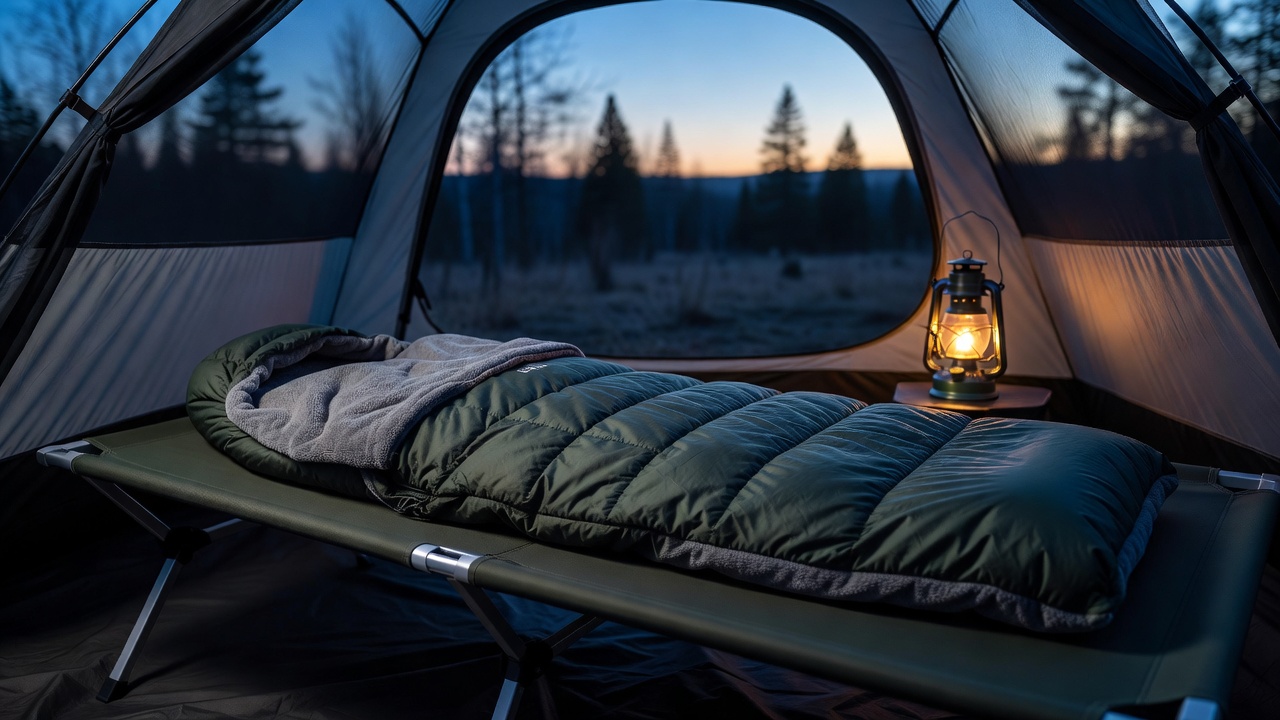 TETON Sports Celsius Regular 0 Degree Sleeping Bag$59.99
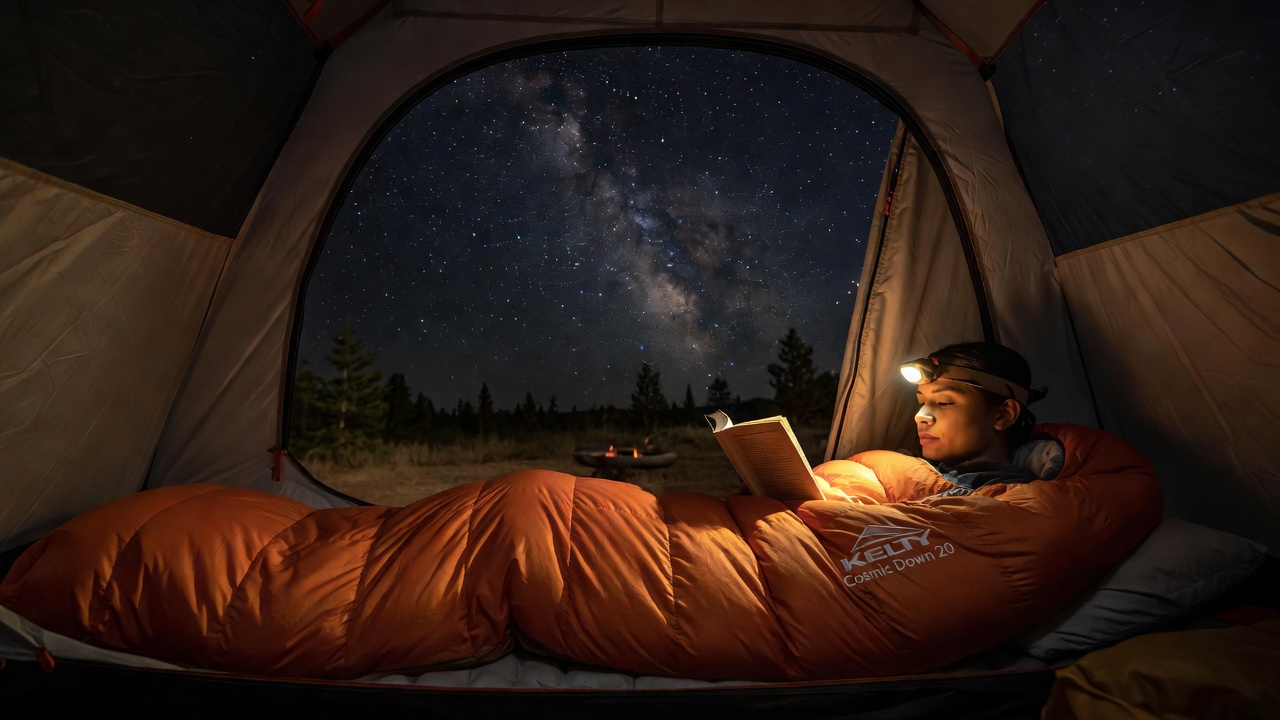 Kelty Cosmic Down 20 Degree 550 Down Sleeping Bag$169.00
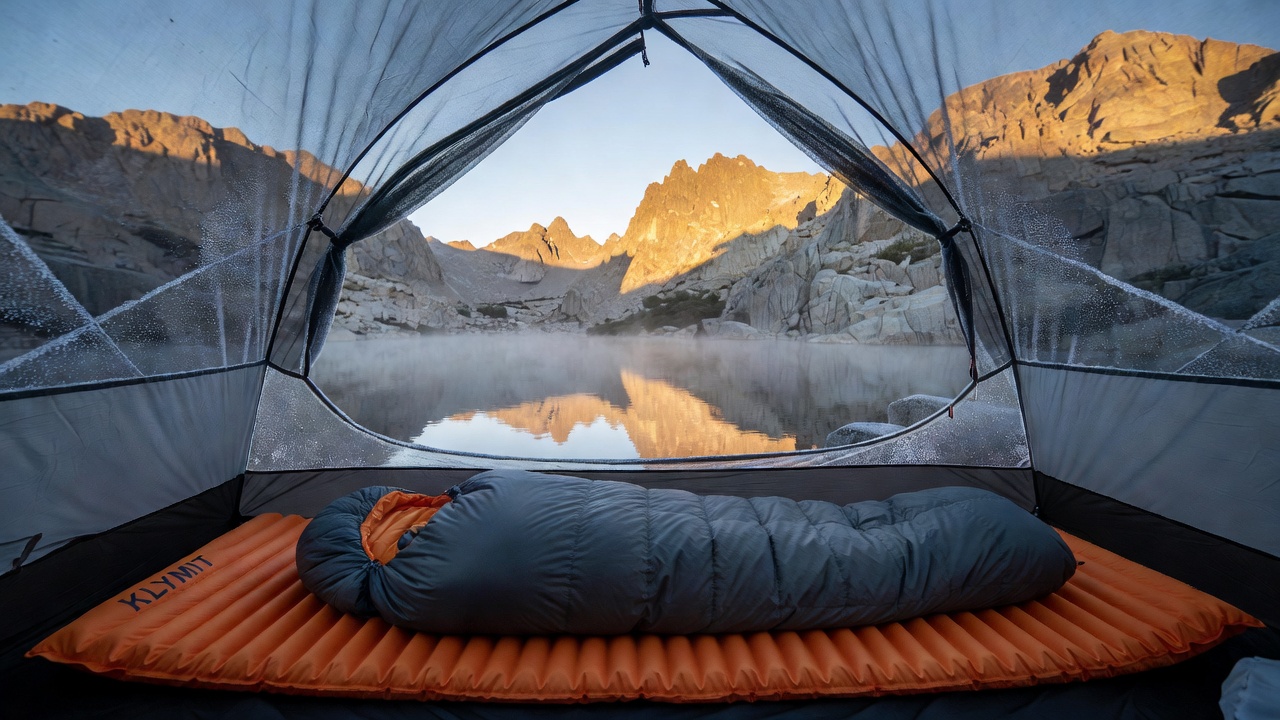 Klymit Insulated Static V Sleeping Pad$94.99
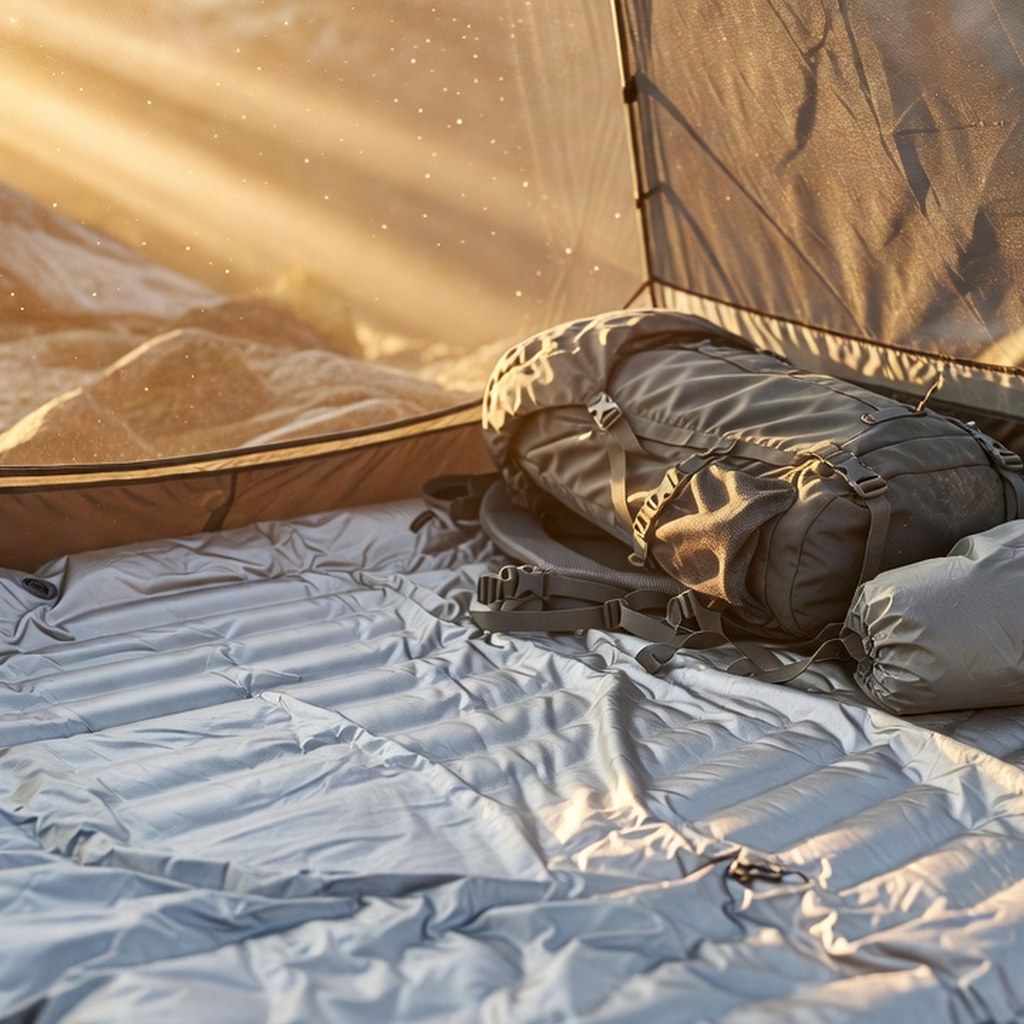 NEMO Tensor All-Season Ultralight Insulated Sleeping Pad$199.95
 Therm-a-Rest Z Lite Sol Sleeping Pad$54.95
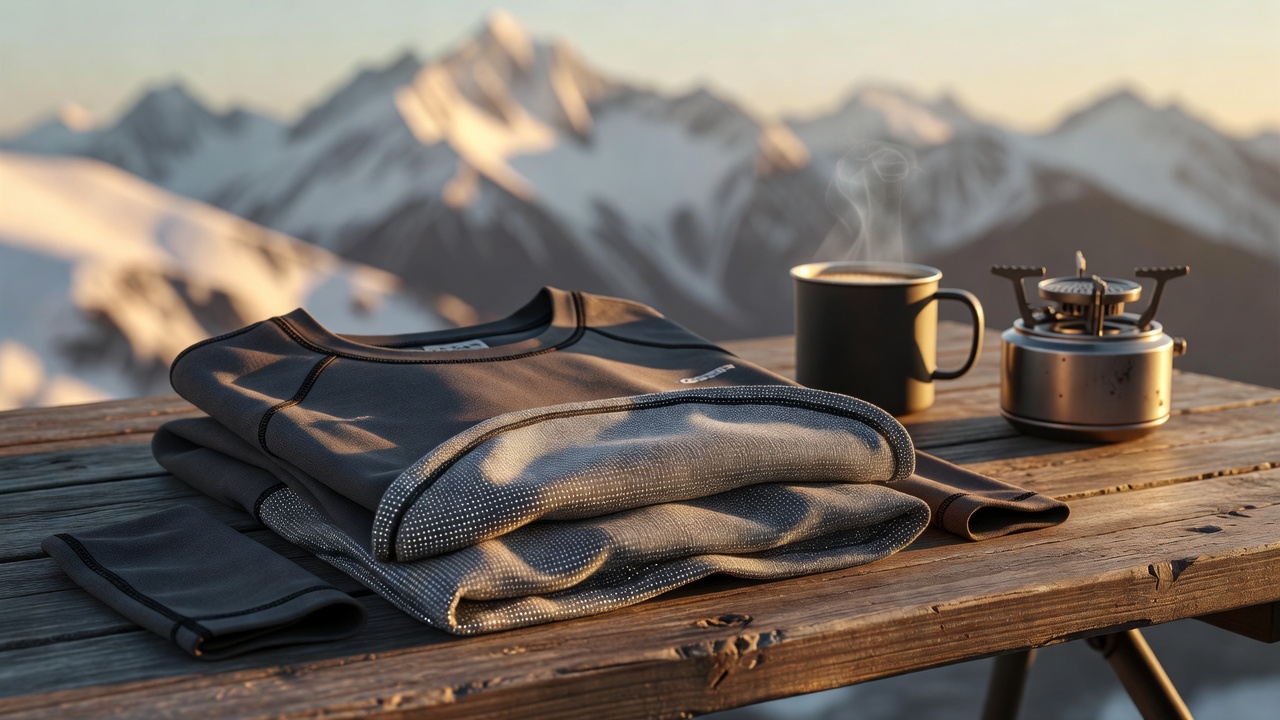 Columbia Men's Midweight Stretch Omni-Heat Base Layer Top — Thermal-Reflective Crew$49.99
In this article · 11 sections
- Quick Answer: Can You Camp at a Ski Resort?
- The Three Ways People Actually Do It
- Which Mountains Actually Allow It
- What "Open Year Round" Actually Means in a Ski Town
- The Cost Math, Honestly
- Sleeping Warm at 10°F: The Gear That Decides the Trip
- Fuel and Water: The Two Things That Break First
- With Kids and With Dogs
- The Five-Question Check Before You Book
- Camping at Ski Resorts FAQ
- Every Way People Ask This Question
Quick Answer: Can You Camp at a Ski Resort?
Sometimes — and the answer is never the same at two mountains. Camping at ski resorts falls into three completely different arrangements, and only one of them is really "camping":
- Resort-run overnight parking or an RV lot. A handful of mountains sell or allow slopeside overnight stays. Crystal Mountain in Washington runs overnight and RV parking with an RV season pass; Stevens Pass keeps an RV lot open six days a week during winter operations with 30-amp hookups; Killington in Vermont has offered free winter camping from November into June, with pet-friendly areas.
- A year-round RV park or campground a few miles down the access road. This is the reliable option and the one most families end up using. Mammoth Mountain RV Park stays open 365 days a year, about 1.4 miles from the Village. Tiger Run Resort near Breckenridge has 371 full-hookup sites five miles from town. Fireside Resort outside Jackson has been running year-round hookups since 1963.
- A public-land campground inside the national forest. In ski country these are usually the ones that close first — many lose their water and their gates in October or November and reopen around Memorial Day. Some stay open as snow-parks or with vault toilets only.
And then there are resorts that say no outright. Big Sky in Montana does not allow overnight parking or camping at all unless you are a lodging guest with a designated pass. That is not unusual, and it is exactly why you check the mountain's own parking page before you plan a night in the lot.
If you want the one-line version: camp near the lifts, not at them. The best cheap ski bed is almost always a full-hookup site 3–6 miles from the base area, not a spot in the resort lot.
The Three Ways People Actually Do It
1. Slopeside RV parking (the most convenient, least comfortable)
When a resort allows it, you are paying for a parking space with power, not a campsite. That means: no tent on the asphalt, no campfire, generator and idle rules, plow crews that may ask you to move, and shared bathhouse access that may or may not exist in winter. What you get in exchange is a two-minute walk to the lift and no morning drive on an icy access road.
This works well in a hard-sided RV or a van with a real heater and a proper battery bank. It works badly in a tent, and most resorts that allow overnight parking specifically do not allow tents.
2. A year-round RV park down the road (the reliable option)
Full hookups change winter camping completely. With 30- or 50-amp power you can run an electric heater instead of burning propane all night, keep water in the tank without it freezing, and dry wet gloves and base layers on a line inside. You also get a plowed road, a dump station that works, and a front desk that knows which restaurants are open.
The trade-off is a 10–20 minute drive each morning, plus the cost of the site. On a holiday weekend that drive and that fee are still usually far cheaper than a ski-town hotel room for a family of four — but run your own numbers, because peak-week rates at popular mountains move a lot.
3. A national forest campground (cheap, often closed)
The campgrounds inside the national forests around most western mountains are the cheapest legal option and the first thing to disappear when the snow starts. A campground that takes reservations all summer can be gated shut in November, or left open with no water and no trash service. When one stays open, it is often the best value on the mountain — just plan on carrying water, packing out everything, and possibly digging out a parking spur.
Which Mountains Actually Allow It
Every row below is the resort's or campground's own published policy. These change season to season, so confirm on their site the week you go.
| Resort | State | Where you actually sleep | Published status |
|---|---|---|---|
| Mammoth Mountain | California | Mammoth Mountain RV Park, ~1.4 mi from the Village; gondola from the Village to Canyon Lodge | Open year-round, 365 days |
| Breckenridge | Colorado | Tiger Run Resort, ~5 mi from town, 371 full-hookup sites | Open year-round |
| Killington | Vermont | Resort-run winter camping with pet-friendly areas | Free winter camping, November through June |
| Crystal Mountain | Washington | Resort overnight and RV parking, plug-in slopeside; RV season pass | Allowed, pass-based |
| Stevens Pass | Washington | Resort RV lot with 30-amp hookups | Open 6 days a week during winter operations |
| Jackson Hole | Wyoming | Fireside Resort, full hookups, operating since 1963 | Year-round |
| Big Sky | Montana | No camping option at the resort | Overnight parking and camping not allowed |
Two lessons fall out of that table. First, "camping at ski resorts" is really a question about which mountains sell an overnight product — Crystal and Stevens Pass treat it as a pass you buy, Killington has treated it as a free amenity, and Big Sky treats it as a liability. Second, the mountains that make it easiest are usually the ones with a town at the base: Mammoth, Breckenridge, and Jackson all have year-round commercial campgrounds within a few miles because the town itself operates in winter.
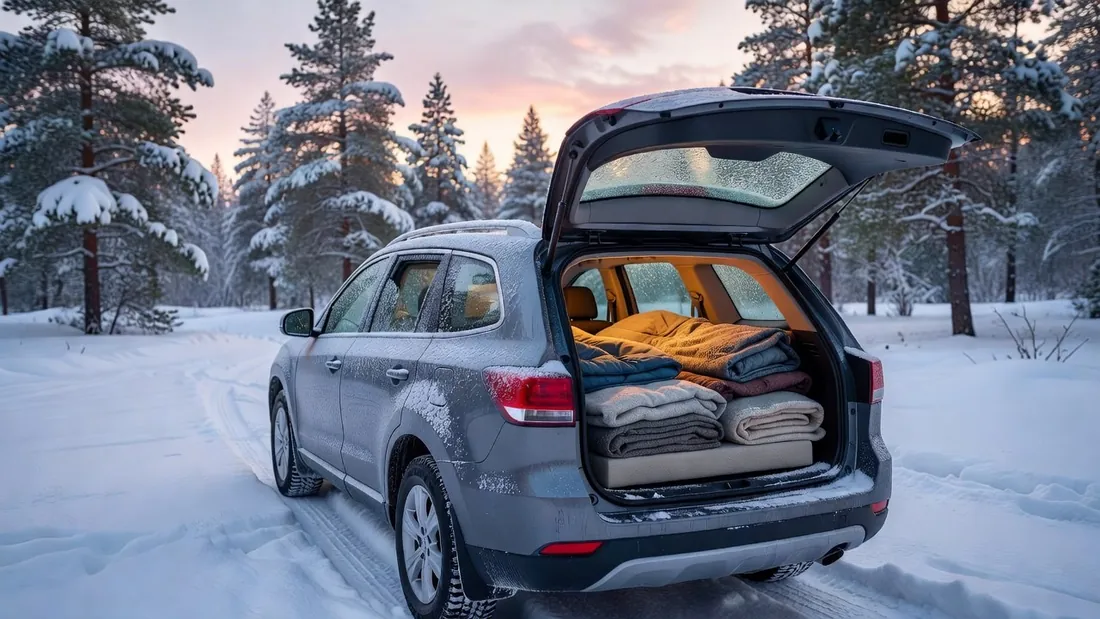
What "Open Year Round" Actually Means in a Ski Town
A campground can be open and still be a bad night. Four things decide whether winter camping near a ski resort is comfortable or miserable:
- Water. Many parks keep sites open but shut the water spigots off to protect the lines, so you fill your tank on arrival or carry jugs. Ask specifically whether the water at your site is on in January.
- Power. 30-amp service runs one heater plus lights; add a second heater and an electric kettle and you will trip the pedestal. 50-amp sites are worth the upgrade in winter if the park has them.
- The dump station. A frozen dump station turns a two-minute job into a problem. Ask before you commit to a long stay.
- The road. Chain controls and a steep access road decide more trips than temperature does. If your rig cannot climb a snow-packed grade, camp lower and drive up.
The Cost Math, Honestly
Camping does not make a ski trip cheap. Skiing is expensive and camping only removes one line from the bill. But it is usually the biggest line after lift tickets, and the savings scale with the size of your group:
- Hotel math: you pay per room, and a family of four in a ski town on a holiday weekend often needs two.
- Campground math: you pay per site, and the same site holds the whole family plus a kitchen and a drying line.
- The hidden saving: you cook breakfast at the rig instead of buying it at the base lodge, which is often the difference between a $40 morning and an $8 one.
The break-even is not the same everywhere. At a mountain where the only nearby option is a resort pass-based lot, camping may cost nearly as much as a cheap motel in the valley. At a mountain with a year-round RV park in town, camping is usually the clear winner. Do the arithmetic for your specific mountain and dates rather than trusting a blog's average — including this one.
Sleeping Warm at 10°F: The Gear That Decides the Trip
Below about 15°F the margin for error disappears. Four pieces of gear do almost all of the work.
The sleeping bag is a rating, not a guarantee
A 0°F bag is the right starting point for winter camping near the lifts, and it needs to be a real 0°F bag — not a "0°F comfort" claim on a $40 bag. The Teton Sports Celsius 0°F bag at $59.99 is the honest budget entry: heavy, bulky, genuinely warm. The Kelty Cosmic Down 20 at $169 is the better trip bag if you are sleeping in a tent and carrying it. If you are unsure how the numbers work, sleeping bag temperature ratings explained is the five-minute version: the rating assumes a pad, base layers, and a closed shelter.
The pad matters as much as the bag
You lose heat into the ground all night, and snow is a very good heat sink. An insulated pad with a real R-value is not optional in winter. The Klymit Insulated Static V at $94.99 is the value pick; the NEMO Tensor All-Season at $199.95 is what you buy when you also want to backpack with it. The Therm-a-Rest Z Lite Sol at $54.95 is a closed-cell foam pad that cannot puncture and is the classic "add it under whatever else you have" answer. Our R-value chart maps the numbers to temperatures.
What you wear to bed
Cotton is the enemy. A Columbia Omni-Heat midweight base layer at $49.99 plus dry wool socks and a hat is the whole system — the reflective lining does real work in a cold tent. Add rechargeable hand warmers at $39.99 or a bulk pack of HotHands air-activated warmers at $29.99 for the kids' pockets and the boot-drying job in the morning.
Heat, light, and power
In a hard-sided rig or a big four-season tent, a Mr. Heater Buddy at $74 is the standard answer — and it must never be used in a sealed space without ventilation, because it produces carbon monoxide. In a tent, assume you cannot heat it safely and buy a warmer bag instead. For light and phone charging, a Black Diamond Spot 400 headlamp at $39.95 and a Jackery Explorer 300 at $199 (or the EcoFlow River 2 at $169) cover the electronics side of a winter base camp.
If you are considering a tent with a stove jack, read our four-season and hot-tent guide first — the Naturehike Massif hot tent at $269 is the affordable way into that setup, and it is a different animal from a summer cabin tent.
Fuel and Water: The Two Things That Break First
Butane quits before propane does. A butane canister stove — like the cheap Coleman one-burner butane stove at $29.99 — is a great summer car-camping stove and a frustrating winter one, because butane stops vaporizing near freezing. Propane keeps working well below 0°F with a bit of coaxing. That single fact decides which stove you pack in December, and our propane vs butane vs isobutane guide covers the pressure curve in detail. If you are running 1 lb bottles, refilling them safely is the cheapest fuel strategy going — and this cost comparison shows what a 20 lb tank saves on a multi-night trip.
Water freezes in the line, not in the tank. A campground spigot, a hose, an exposed pump — all of it is a problem at 20°F. How to keep water from freezing while camping is the practical version: insulate the hose, drain it at night, keep a jug inside, and never leave a full hose connected below freezing.
For the broader setup, winter car camping and how to stay warm camping are the two pages most people actually need, and camping in 30-degree weather is the gentler southern version of the same problem.
With Kids and With Dogs
Camping at a ski resort with kids is mostly a logistics exercise, and the wins are unglamorous:
- Nap and lunch at the rig. Being able to walk back to the camper at noon instead of paying lodge prices for a tired four-year-old is the single biggest reason families camp at ski areas.
- Dry everything every night. Wet gloves and goggles ruin the second day. A line strung inside a heated rig, plus hand warmers in the boots, is the whole solution.
- Feed them before the lodge. Breakfast at the campsite, one hot chocolate on the mountain, dinner back at the rig.
- Bring the boring layers. Snow pants that actually fit, spare socks, and a helmet that is not borrowed.
With dogs, the rules are per-mountain and they matter: Killington's winter camping areas are published as pet-friendly, but most resort lots and lodges are not, and dogs are rarely allowed on lifts or in lodges. Snow boots and traction for dogs covers the ice-ball problem between the toes, which is the thing that ends most cold-weather dog walks early.
The Five-Question Check Before You Book
- Does the resort's own parking page allow overnight stays — and does it allow them in a tent, or only in a hard-sided RV?
- Is the campground's water on in the month you are going, or do you fill on arrival?
- Is the dump station open, and is there a backup plan if it is frozen?
- What is the chain-control rule on the access road, and can your vehicle meet it?
- What is the cancellation policy at the campground if the mountain gets 40 inches in two days? Winter weather is the one thing you can count on to change your plan.
Camping at Ski Resorts FAQ
Can you camp at ski resorts?
At some, yes — either in a resort-run RV or overnight lot (Crystal Mountain, Stevens Pass, and Killington's free winter camping are published examples) or at a year-round campground a few miles away. At others it is explicitly banned; Big Sky does not allow overnight parking or camping at all. There is no nationwide rule, so the resort's parking page is the only authority.
Which ski resorts allow overnight RV parking?
Crystal Mountain in Washington sells overnight and RV parking with an RV season pass. Stevens Pass keeps an RV lot open six days a week in winter with 30-amp hookups. Killington has published free winter camping from November through June. Policies change yearly, so verify before you drive.
Is it cheaper to camp than to stay in a ski town hotel?
Usually yes for a family, because you pay for one site instead of two rooms, and you cook breakfast at the rig. The gap narrows at mountains where the only option is a paid resort lot or a peak-week commercial park. Run the numbers for your specific mountain and dates.
Can you camp at a ski resort in a tent in winter?
Almost never in a resort lot — many ban tents on asphalt outright. A tent is realistic at a year-round campground or in dispersed camping on public land, and only with a real winter bag, an insulated pad, and a plan for condensation.
What is the nearest camping to Mammoth Mountain?
Mammoth Mountain RV Park is open year-round, 365 days, about 1.4 miles from the Village, and the Village gondola connects to Canyon Lodge. It is the standard answer for winter camping in Mammoth Lakes.
What about camping near Breckenridge?
Tiger Run Resort has 371 full-hookup sites and stays open year-round, roughly five miles from Breckenridge. Full hookups matter more in Breckenridge than almost anywhere, because January nights there are routinely in the single digits.
Do you need a four-season tent to camp near a ski resort?
Only if you are sleeping in a tent. At a full-hookup RV park, a three-season setup plus a heated rig is enough. In a tent in the mountains in winter you want a true four-season shelter or a hot tent with a stove jack, and even then condensation is the limiting factor.
What breaks first when winter camping?
Water — hoses, spigots, and pumps — then butane canisters, then batteries, which lose a large share of their capacity in the cold. Deal with those three and the trip usually holds together.
Every Way People Ask This Question
You will see this same question typed a dozen ways, and they all land here:
Camping at ski resorts is the most common form, followed by camping near ski resorts and simply ski camping. Then the specific ones: car camping at ski resorts, RV camping at ski resorts, winter camping at ski resorts, and the practical version, can you camp at ski resorts. Overnight-parking phrasing shows up as overnight parking at ski resorts and ski resort overnight parking. And a large share of the demand is place-named rather than generic: camping near Mammoth Mountain, camping near Breckenridge, camping near Killington, camping near Jackson Hole, camping near Crystal Mountain, camping near Stevens Pass, and camping near Big Sky. If your mountain is not in the table above, the answer is on that mountain's parking page, and it will be one of the three arrangements described here.
Wherever you end up, pack for the low, not the forecast: our winter camping gear checklist is the list to pack against, and if your trip slides past New Year, camping in January picks up the coldest month with the same logic.
<!-- AFFILIATE_DISCLOSURE -->