Best National Parks to Visit in Winter 2026: What's Open
Twelve national parks checked against NPS winter rules: what stays open to cars, where you can still camp, and the gear that keeps kids warm.
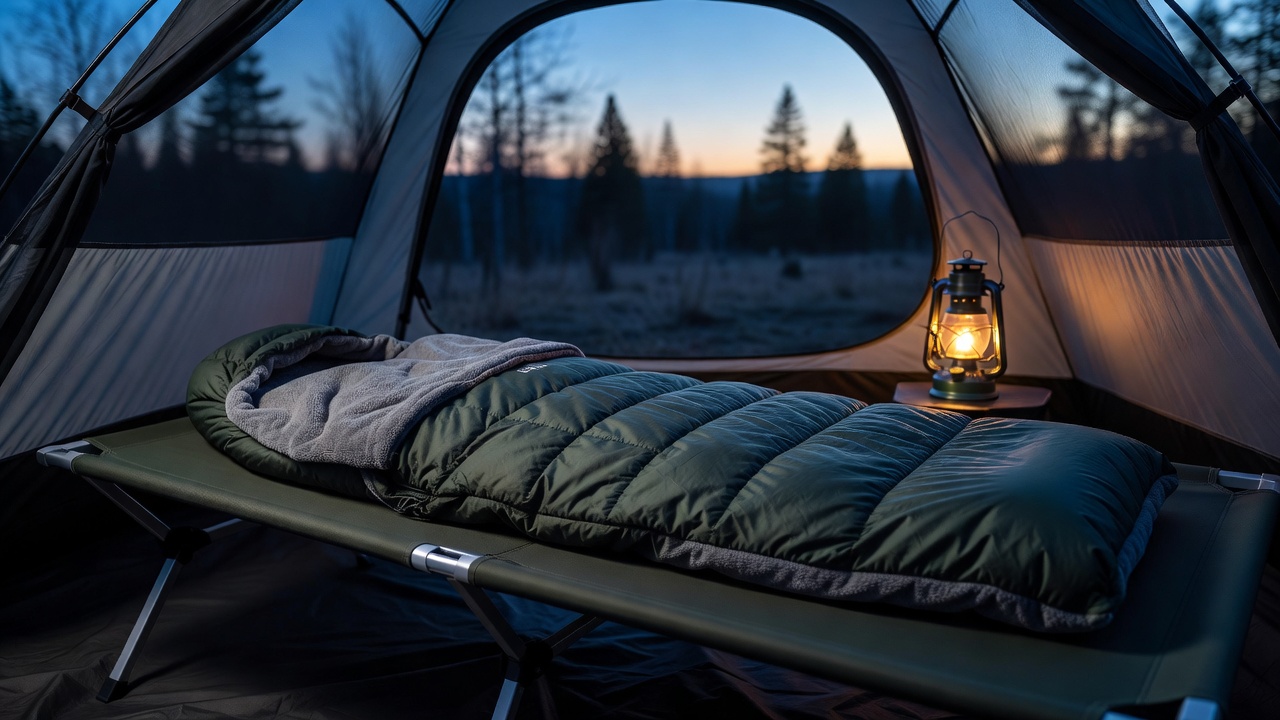 TETON Sports Celsius Regular 0 Degree Sleeping Bag$59.99
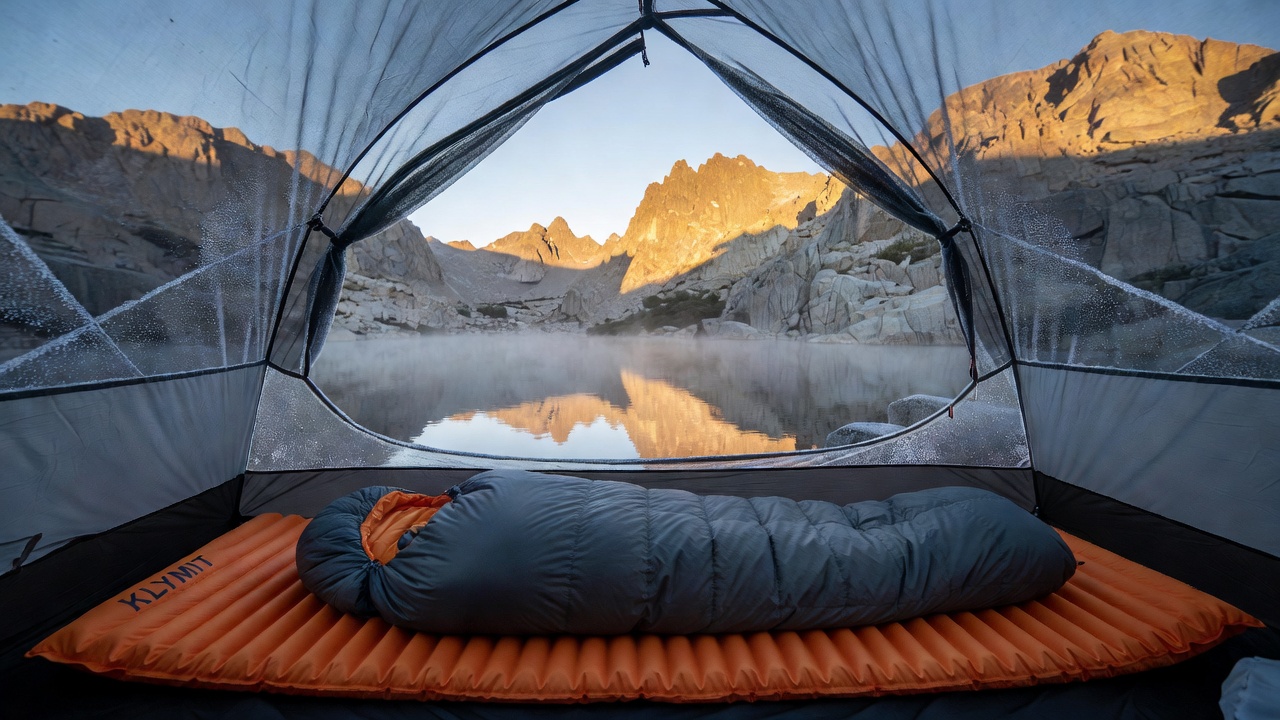 Klymit Insulated Static V Sleeping Pad$94.99
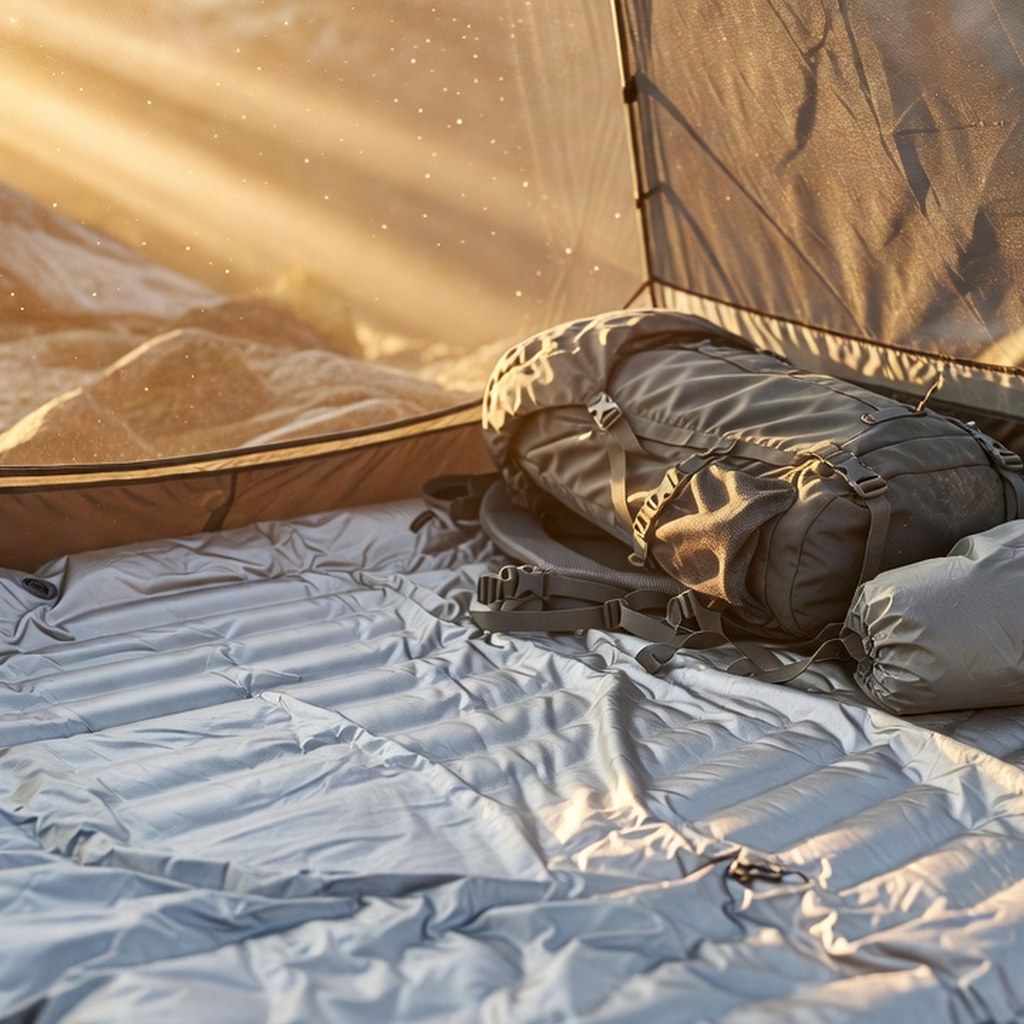 NEMO Tensor All-Season Ultralight Insulated Sleeping Pad$199.95
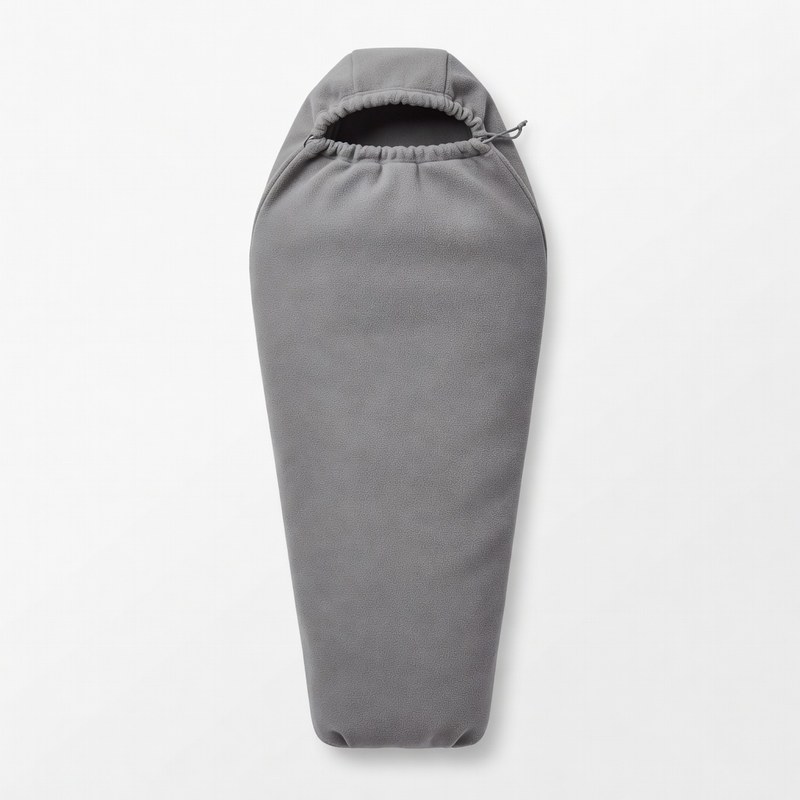 Litume Fleece Sleeping Bag Liner — Mummy Sack, Adds Up to 27°F$57.98
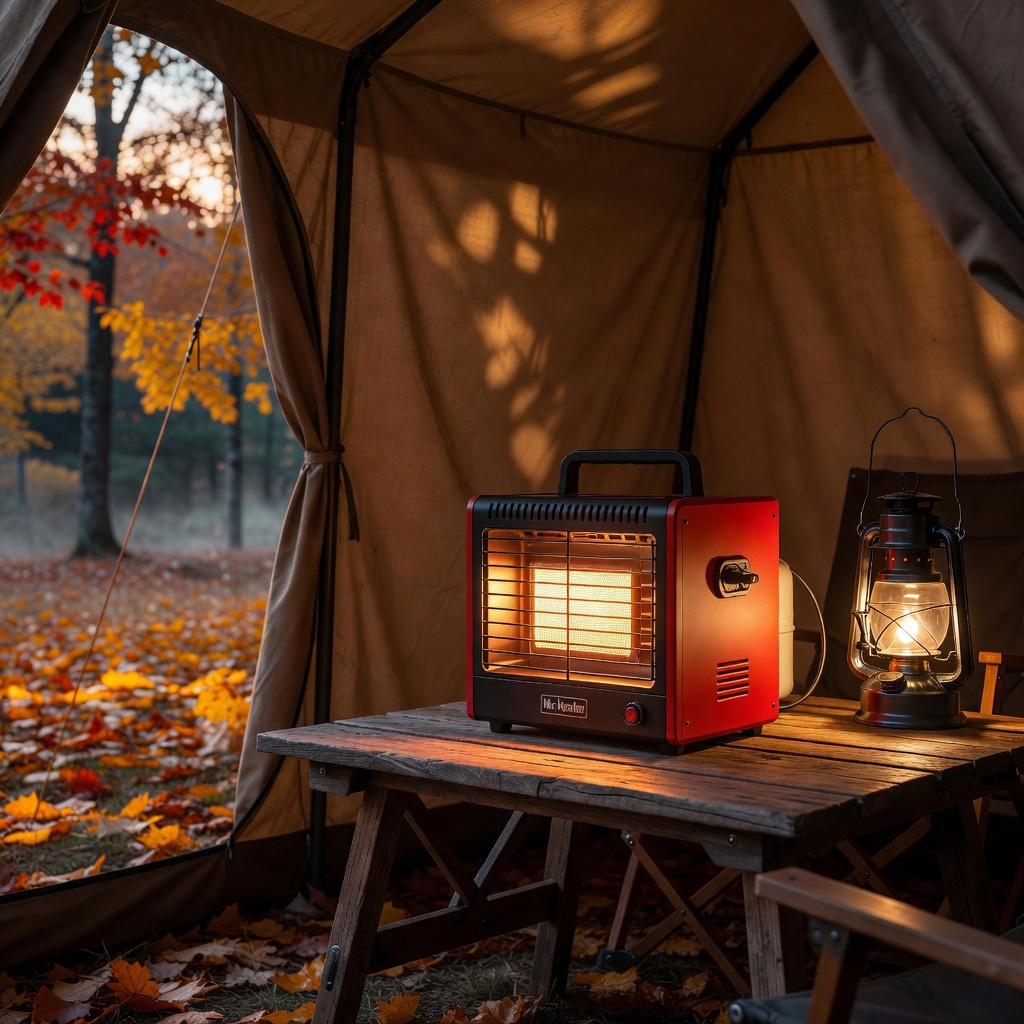 Mr. Heater F232000 MH9BX Buddy 4,000-9,000 BTU Indoor-Safe Portable Propane Radiant Heater$74.00
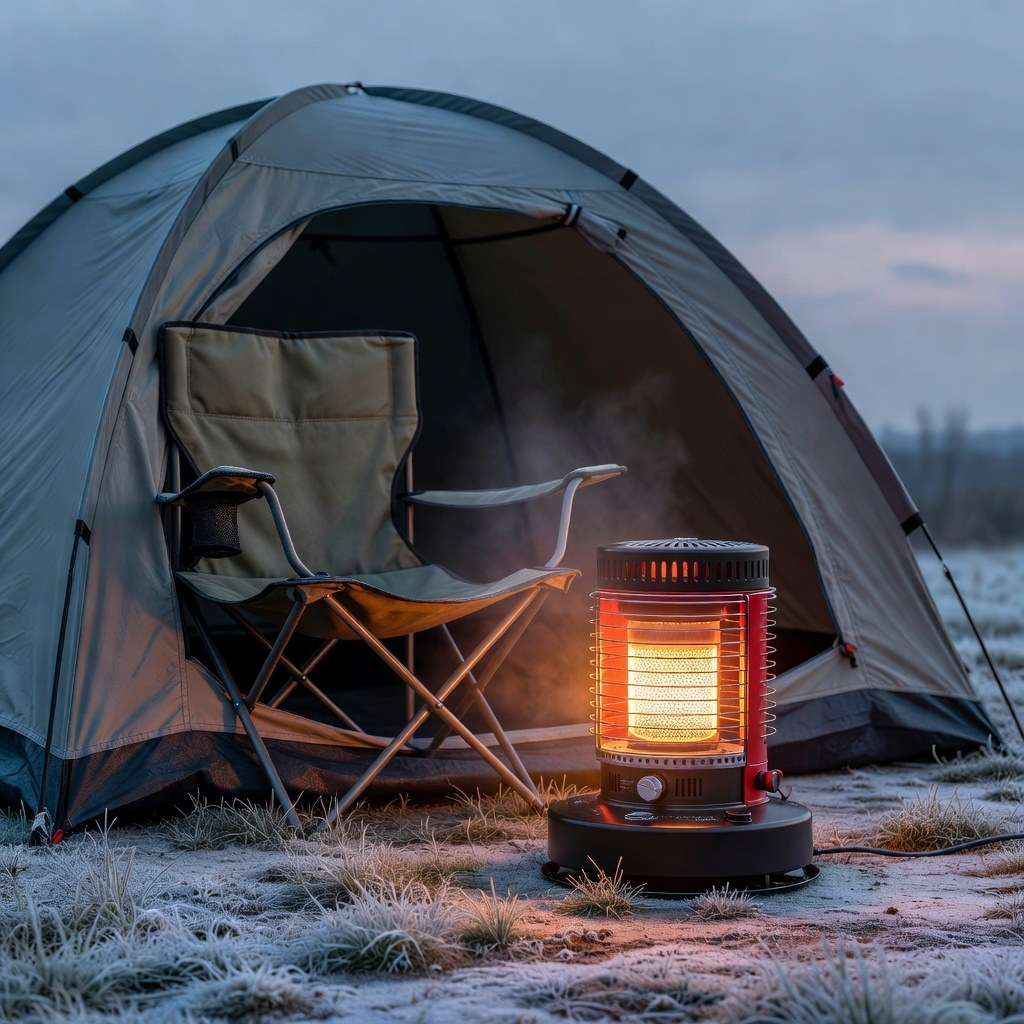 Mr. Heater F274830 MH18B Big Buddy 4,000/9,000/18,000 BTU Indoor-Safe Portable Propane Heater$146.48
In this article · 15 sections
- The Short Answer: Best National Parks to Visit in Winter
- National Parks Open in Winter: The 12-Park Status Table
- National Parks in Winter With Family: What Actually Works
- National Park Winter Camping: Where You Can Actually Sleep In the Park
- Warmest National Parks in Winter
- Yellowstone in Winter: The One Park Where the Road Decides
- Yosemite in Winter: Valley Access, Chains, and Badger Pass
- Bryce, Zion, Arches, Canyonlands: The Utah Winter Loop
- Acadia in Winter: Closed to Cars, Open to People
- Olympic, Rocky Mountain, Sequoia: The Snow-Play Parks
- Grand Canyon and Great Smoky: The Year-Round Two
- What to Pack for a National Park Winter Trip
- The Answer Key: What People Actually Type
- National Parks in Winter FAQ
- Five Mistakes That Ruin Winter Park Trips
Winter is the best season to see a national park with kids, and it is also the season where the most trips fall apart — not from cold, but from a road gate. Half the parks on every "best parks for winter" list keep their signature road closed to cars from November to May. You drive six hours, arrive at a barricade, and turn around.
So this guide is built the other way around. Instead of the prettiest photos, it starts with what NPS actually allows in winter: which roads take a normal car, which campgrounds stay open, which facilities shut for the season, and what the temperature really is at the elevation you will be standing at. Twelve parks, each checked against its own NPS winter or current-conditions page.
Then the second half is the practical part — how to dress a family for a 20°F morning, which gear earns its space in the trunk, and the answer key for the exact questions people type about winter parks.
The Short Answer: Best National Parks to Visit in Winter
If you only read one section, read this. The "best" winter park depends on which of four trips you are actually taking.
- Best overall winter park for a first visit: Grand Canyon's South Rim. Open all year, both entrances open 24/7, and the canyon in snow is the version most people never see.
- Best for mild weather and a real campground: Zion. Winter daytime temperatures typically run 30°F to 60°F, and Watchman Campground is open year-round.
- Best for kids who want snow, not scenery: Olympic's Hurricane Ridge, Rocky Mountain above 8,000 feet, or Sequoia — all three are snow-play parks first and scenic drives second.
- Best for winter camping without a snow cave: Arches and Canyonlands. Both keep a first-come campground open, and both are dry, sunny and quiet in winter.
- Best for wildlife and photography: Yellowstone, with one catch — in winter almost every road is closed to your car.
| Park | Best for in winter | The one access fact that decides your trip | With kids? |
|---|---|---|---|
| Grand Canyon (South Rim) | First winter park visit | South and East entrances open all year, 24/7 | Yes — short rim walks |
| Zion | Mild days, real campground | Watchman Campground open year-round | Yes — easy canyon walks |
| Arches | Winter camping, quiet trails | Park open year-round; Devils Garden has 25 first-come sites Nov–Feb | Yes — short trails |
| Canyonlands | Solitude, dark skies | Willow Flat Campground open first-come in winter | Older kids |
| Bryce Canyon | Snow on red rock | Main road can close beyond Mile 3 after storms | Yes — amphitheater first |
| Yellowstone | Wildlife, photography | Only the North–Northeast road takes a normal car in winter | Older kids |
| Yosemite | Waterfalls, Valley walks | Valley and Wawona open by car; Tioga and Glacier Point closed | Yes |
| Grand Teton alternative — Rocky Mountain | Snow play above 8,000 ft | Snow-packed trails Oct–early June | Yes, short walks |
| Sequoia & Kings Canyon | Snowplay, big trees | Expect icy roads and sudden closures | Yes |
| Olympic | Snow play plus storm watching | Hurricane Ridge Road opens Fri–Sun, weather permitting | Yes |
| Acadia | Icy coastal hikes | Park Loop Road closed to vehicles Dec 1–Apr 14 | Older kids |
| Great Smoky Mountains | Year-round camping | Cades Cove and Smokemont open year-round | Yes |
National Parks Open in Winter: The 12-Park Status Table
"Open in winter" means three different things at three different parks: the gate is open, the road is open, and the facilities are open. This table separates them, because a park can be 100% open and still have nothing running when you arrive.
| Park | Roads and access in winter | Facilities and camping | Typical winter temperatures |
|---|---|---|---|
| Yellowstone | Most park roads closed to regular vehicles; the road between the North and Northeast entrances is open to automobiles year-round | Old Faithful Snow Lodge and Mammoth Hot Springs Hotel open; Mammoth Campground first-come, first-served; most facilities closed | Zero to 20°F through the day; sub-zero common at night and at elevation |
| Yosemite | Yosemite Valley and Wawona accessible by car all year; Tioga Road closed (usually by sometime in November); Glacier Point Road closed, but the Badger Pass road is plowed mid-December to early April | Tire chains often required — you must carry them and know how to use them | Valley and Wawona: 53°F high / 28°F low |
| Acadia | Park Loop Road closed to vehicles Dec 1–Apr 14, except Ocean Drive (Schooner Head Road to Otter Cliff Road) and the Jordan Pond Road section | No winter camping anywhere in the park; entrance station at Schooner Head Road open year-round | Coastal Maine cold; ice is the main hazard, not snow depth |
| Arches | Open year-round; road plowed just past the entrance, but can close for hours after a snowfall | Devils Garden Campground open year-round with 25 first-come sites Nov–Feb; visitor center open daily 9–4, closed Dec 25 | Highs 30–50°F, lows 0–20°F |
| Canyonlands | Open; paved roads may close temporarily after snow for plowing | Willow Flat Campground open first-come in winter; water only at Island in the Sky visitor center, none at the campground | Highs 30–50°F, lows 0–20°F |
| Bryce Canyon | Main road occasionally closes beyond Mile 3 after storms; only the Fairyland Point and Paria View spur roads close for the whole season | Amphitheater area plowed first, so it stays reachable during closures | Cold and snowy; traction devices needed on packed trails |
| Zion | Main canyon accessible; shuttle does not define the winter experience | Watchman Campground open year-round; South Campground and Lava Point close seasonally in winter; reservations required | Winter daytime 30°F to 60°F |
| Grand Canyon | South Rim open all year; South Entrance and East Entrance open 24 hours a day; select North Rim areas open for the 2026 season | South Rim services year-round | Rim is cold and windy; inner canyon much warmer |
| Great Smoky Mountains | Roads open, but Newfound Gap–area roads close in ice and snow | Visitor centers open year-round except Christmas Day; Cades Cove and Smokemont campgrounds open year-round, the other eight close seasonally; backcountry campsites open year-round | Mild by winter standards; ice is the risk |
| Olympic | Most areas of the park remain accessible; Hurricane Ridge Road opens Friday through Sunday, weather permitting | Many facilities closed; snow play concentrated at Hurricane Ridge; coast is usually snow-free | Wet and windy on the coast; deep snow at Hurricane Ridge |
| Rocky Mountain | Park roads open to lower elevations; high-country trails snow-packed from October to early June | Traction devices advised, snowshoes may be needed; March and April historically among the snowiest months | Cold and windy above 8,000 ft |
| Sequoia & Kings Canyon | Open, but expect icy roads and sudden closures; storms can drop feet of snow | Check current conditions before arriving; carry a sleeping bag and food in case a road needs plowing | Cold, with heavy snow at elevation |
Two patterns explain almost every winter disappointment. First, the road that makes the park famous is usually the road that closes — Tioga, Glacier Point, Going-to-the-Sun, Trail Ridge. Second, campgrounds close earlier than parks do. A park can be open and have zero campsites running.
National Parks in Winter With Family: What Actually Works
A winter park day with kids is a two-to-three hour day, not a seven-hour one. The limiting factor is not fitness, it is hand temperature. Plan around that and winter parks become easy.
Pick one short objective. At Bryce, that is the amphitheater from the rim. At Arches, it is Balanced Rock or the first mile of Devils Garden. At Great Smoky, it is Cades Cove loop. One objective, then warm up.
Start at the warmest hour. Late morning to early afternoon. Winter daylight is short, and trails that are crusty ice at 8 a.m. are soft slush by noon — better footing, better moods.
Plan the warm-up stop before you need it. Visitor centers are the winter MVP: bathrooms, water, heat, rangers. At Arches the visitor center is open daily 9–4 (closed December 25); Great Smoky's visitor centers are open year-round except Christmas Day.
Traction for everyone, not just adults. This is the single most common family failure. Packed snowpolish on a popular trail is worse than deep snow — kids slide, adults catch them, someone twists an ankle. Microspikes or ice cleats sized for kids' boots change the day completely.
| Age band | What works in a winter park | What to skip |
|---|---|---|
| 2–4 years | Visitor center, a plowed viewpoint, 20 minutes of snow play, then the car | Anything with a slope or exposed ice |
| 5–8 years | One short trail with traction devices, sledding or snow play, hot chocolate stop | Long scenic drives with no stops |
| 9–12 years | Two to three miles with elevation, snowshoeing, ranger programs | Ridge walks with wind exposure |
| Teens | Real hikes, photography, dark-sky viewing | Being treated like luggage |
Keep the drive boring on purpose. Winter park trips fail on the road, not the trail. Leave earlier than summer, plan a meal stop, and assume one unplanned hour of delay for chains or plowing closures.
National Park Winter Camping: Where You Can Actually Sleep In the Park
Winter camping inside a national park is a short list, and it is mostly desert parks plus two outliers. These are the ones NPS confirms run through winter.
| Park | Campground | Winter status |
|---|---|---|
| Arches | Devils Garden | Open year-round; 25 sites first-come, first-served November through February; restrooms and drinking water on site |
| Canyonlands | Willow Flat | Open first-come, first-served during winter; no water at the campground, water only at Island in the Sky visitor center when open |
| Zion | Watchman | Open year-round; reservations required; South Campground and Lava Point close seasonally in winter |
| Great Smoky Mountains | Cades Cove and Smokemont | Both open year-round; the park's other eight campgrounds and five horse camps close seasonally |
| Yellowstone | Mammoth | Camping available first-come, first-served |
| Acadia | — | No backcountry camping, out-of-bounds camping, overnight parking, or winter camping allowed anywhere in the park |
Everything else is either closed for the season or a long snowshoe from a gate. If winter camping in a park is the goal, the desert four are the realistic answer: Arches, Canyonlands, Zion and Great Smoky.
The sleep system is the whole trip
Winter camping is warm-or-miserable based on three numbers, and none of them is the bag's marketing name.
Bag rating versus real temperature. A 0°F bag is a comfort estimate for an average sleeper, not a promise. If the forecast low is 20°F, a 0°F bag is right. If it is 0°F, you want a 0°F bag plus a pad with real insulation and a liner. The TETON Sports Celsius 0 Degree Sleeping Bag at $59.99 is the value option we keep coming back to for family car camping — heavy, but genuinely warm and cheap enough to buy three.
Pad R-value, not pad thickness. Ground steals heat faster than air does. An insulated pad is not optional below freezing. The Klymit Insulated Static V at $94.99 is the practical middle; the NEMO Tensor All-Season at $199.95 is the one to buy if you also backpack.
A liner buys you a season. A fleece liner adds real warmth and keeps the bag clean. The Litume Fleece Sleeping Bag Liner at $57.98 is rated to add up to 27°F — treat that as an optimistic ceiling, but it comfortably turns a three-season bag into a cold-night bag.
Heaters and tents: the rule that matters
A propane heater inside a closed tent is a carbon-monoxide risk, not a comfort upgrade. Mr. Heater Buddy-style units are indoor-safe only within their stated ventilation requirements, and a zipped tent in still air is not that. If you are heating a campground, heat the space, not the sleeping bag — or skip it. We covered the mechanics properly in the camping heater and tent safety guide.
If you do run a Buddy heater in a well-ventilated vestibule or a camper, the Mr. Heater MH9BX Buddy at $74.00 is the standard 4,000–9,000 BTU unit, and the Big Buddy at $146.48 adds the 18,000 BTU setting for a bigger space.
Warmest National Parks in Winter
"Warm" in a winter park means low elevation, not southern latitude. The verified numbers from this pass:
- Zion: winter daytime typically 30°F to 60°F. Mildest real park on this list for a family walk.
- Arches and Canyonlands: highs 30–50°F, lows 0–20°F. Sunny and dry, but the nights are genuinely cold.
- Grand Canyon: the rim is cold and windy while the inner canyon is much warmer — the temperature gradient is the reason people underestimate it.
- Olympic's coast: usually snow-free, which makes it the winter option for a family that does not want snow at all.
True warm-winter parks are the low desert and subtropical ones — the ones where winter is the season. We did not verify operations for those in this pass, so treat any list you find as a starting point, then check the park's own current-conditions page before booking.
Yellowstone in Winter: The One Park Where the Road Decides
Yellowstone in winter is the best wildlife experience in the lower 48 and the most logistically restricted. Both facts come from the same cause: snow closes almost everything.
What is open to your car. Exactly one road: between the North Entrance and the Northeast Entrance (the Gardiner-to-Cooke City corridor, through Lamar Valley). That is open to automobiles year-round. Every other park road is closed to regular vehicles.
How you see the rest. Most park roads open to limited snowmobile and snowcoach travel from mid-December to mid-March. That means guided tours, not a self-drive loop. Old Faithful in winter is a tour, booked in advance.
Where you sleep. Old Faithful Snow Lodge and Mammoth Hot Springs Hotel are the two lodges open in winter — book as far ahead as you can. Camping is first-come, first-served at Mammoth Campground.
What it feels like. NPS puts winter daytime temperatures at zero to 20°F, with sub-zero nights common, especially at higher elevations. Boardwalks near thermal areas get slick; traction aids over your boots are the standard advice, not an optional extra.
With kids. Lamar Valley from a car is the win: wolves, bison, foxes, and no hiking required. Bison own the road, so plan for delays. Keep kids inside when animals are near, and skip thermal-basin boardwalks in icy conditions with small children.
Photography and tours. Winter tours and photography tours run through park partners and concessioners, and packages usually bundle lodging plus snowcoach. If you are pricing a trip, the tour cost is the number that decides it, not the flight.
If you cannot get a booking, Great Smoky Mountains in winter gives you a year-round campground and open roads without a snowcoach requirement — a much easier first winter park with kids.
Yosemite in Winter: Valley Access, Chains, and Badger Pass
Yosemite is the easiest big-name winter park to actually do, because the famous valley is reachable by car all winter.
Roads. Yosemite Valley and Wawona stay accessible by car all year. Tioga Road closes — usually by sometime in November — and vehicles are not permitted between Crane Flat and Tioga Pass once it does. The Glacier Point Road also closes, usually in November.
The Badger Pass exception. From mid-December through early April, the Glacier Point/Badger Pass road is plowed to Badger Pass Ski Area, where downhill and cross-country skiing both run. This is the family answer for Yosemite in winter: a plowed road to a small ski hill, then back to the Valley.
Chains. Tire chains are often required on park roads. When they are, you must carry them and know how to use them, regardless of what you drive. Practice once in a parking lot before the trip.
Weather. NPS lists Yosemite Valley and Wawona at roughly 53°F high and 28°F low in winter. Snow on the Valley floor is hit or miss; waterfalls are almost always flowing at least a little.
Things to do. Valley walks, Bridalveil Fall, the Mariposa Grove (when the road is closed, the Washburn Trail is a two-mile route with about 500 feet of gain — snowshoes may be appropriate), and Badger Pass.
Where to stay. Inside the Valley if you can, Wawona if you want quieter, and outside the park if you are pricing it. Late December and early January are the busiest weeks — expect congestion and full parking lots.
With kids. Yosemite in winter is a snow-play-plus-short-walk trip. The Valley floor trails that stay accessible are the right call; anything heading up is a summer trip.
Bryce, Zion, Arches, Canyonlands: The Utah Winter Loop
Utah national parks in winter are the most reliable bet on this list, for one reason: the roads stay open and the crowds vanish.
Zion. Winter days 30–60°F, Watchman Campground open year-round with reservations required, South Campground and Lava Point closed for the season. Easy canyon walking, and the shuttle pressure of summer is gone.
Bryce Canyon. Snow on red rock is the photograph everyone wants, and the amphitheater — Bryce Point, Inspiration Point, Sunset Point, Sunrise Point — is the first area plowed, so it stays reachable even when the scenic southern drive closes. After big snowfalls, most day trails need snowshoes; a few days later they are packed ice that needs traction devices instead. The only roads closed for the whole season are the short spurs to Fairyland Point and Paria View.
Arches. Open year-round, most trails open year-round, Devils Garden Campground running 25 first-come sites November through February. Delicate Arch and Devils Garden get slick after snow, and drifting snow can cover trail markers — cairns disappear, so carry a map, not just a phone.
Canyonlands. Willow Flat Campground open first-come in winter, no water at the campground, water at Island in the Sky only when the visitor center is open. Sandstone with snow on it is genuinely treacherous, and some backcountry roads stay impassable for long stretches after a storm.
A realistic Utah winter loop is three nights: Zion, Bryce, then Arches or Canyonlands. Add a night if you want a dark-sky session — winter skies here are the best of the year.
Acadia in Winter: Closed to Cars, Open to People
Acadia in winter flips the usual script: the road closes and the park gets better, as long as you are on foot.
What closes. From December 1 through April 14, the Park Loop Road, including Cadillac Mountain, is closed to vehicles. Two sections stay open: Ocean Drive from the Schooner Head Road intersection to Otter Cliff Road, and the Jordan Pond Road section that reaches Jordan Pond. The entrance station at Schooner Head Road stays open year-round for passes and information.
What that means practically. You park at a gate and walk or ski in. Forty-five miles of carriage roads are open to skiing, snowshoeing, walking and biking, and volunteers set cross-country tracks when snow depth passes six inches and the ground is frozen.
No camping. Period. NPS is explicit: no backcountry camping, no out-of-bounds camping, no overnight parking, no winter camping anywhere in the park. Acadia is a day-trip park in winter.
Traction is the gear. Microspikes, crampons, cleats or ice grippers are described by NPS as essential for the snow-packed and icy trails. Routes that are merely challenging in summer are ill-advised in winter; Ship Harbor, Ocean Path and the carriage roads are the sensible picks.
Olympic, Rocky Mountain, Sequoia: The Snow-Play Parks
If the goal is kids in snow rather than a scenic checklist, these three are the specialists.
Olympic. Most of the park stays accessible, but many facilities are closed for the season. Hurricane Ridge is the winter hub — snowshoeing, cross-country and downhill skiing, snowboarding, tubing — and Hurricane Ridge Road opens Friday through Sunday, weather permitting, with storms or avalanche hazard able to close it at any time. Meanwhile the Pacific coast is usually snow-free: storm watching, low-tide beach walks, and the Hoh and Quinault rain forests at their greenest.
Rocky Mountain. NPS is blunt about the season: from October to early June, expect snow-packed trails and winter conditions in most areas of the park. Above 8,000 feet, traction devices are advised and snowshoes may be needed; below 8,000 feet trails can be anything from icy to muddy to dry. March and April are historically among the snowiest months — spring break here is a winter trip.
Sequoia & Kings Canyon. Winter is a snowplay destination: snowshoeing, skiing, snow play, with the caveat that storms can hit suddenly at higher elevations and drop feet of snow that lingers for days or weeks. Roads can be icy and closures can be sudden — carry warm clothing, a sleeping bag, water and emergency food in case you wait for a plow.
Grand Canyon and Great Smoky: The Year-Round Two
Two parks need no winter planning gymnastics, which makes them the best first winter park trips for a family.
Grand Canyon, South Rim. Open all year. Both the South Entrance north of Tusayan and the East Entrance at Desert View are open 24 hours a day, seven days a week. Select North Rim areas opened for the 2026 season. The rim in snow, with the canyon dropping away in layers, is the version photographers wait for.
Great Smoky Mountains. Visitor centers open year-round except Christmas Day. Cades Cove and Smokemont campgrounds remain open year-round, while the park's eight other campgrounds and five horse camps close seasonally. Backcountry campsites stay open year-round, and Cades Cove, Deep Creek, Greenbrier and Metcalf Bottoms picnic areas are open year-round. Winter here is mild enough that the constraint is ice on the roads, not snow depth.
What to Pack for a National Park Winter Trip
Winter park gear is a layering system plus two pieces of safety kit. This is what we actually carry, category by category.
| System | What we use | Why it earns the space |
|---|---|---|
| Traction (adults) | ICETRAX V3 Tungsten Crampons — $23.74 | Packed snowpolish is the real hazard; these fit over normal boots |
| Traction (kids) | Kids Ice Cleats, 14 stainless spikes — $19.95 | Kid-sized cleats are the difference between a walk and a carrying job |
| Base layer | Columbia Omni-Heat Midweight Base Layer Top — $49.99 | Wicking layer does more than a thicker jacket |
| Mid layer | Columbia Steens Mountain 2.0 Fleece — $34.99 | The layer you take off at noon |
| Outer layer | Columbia Powder Lite II Insulated Jacket — $94.91 | Warm without bulk in a car seat |
| Hands | Carhartt Waterproof Insulated Gloves — $32.99 | Waterproof matters more than thick |
| Head | Smartwool Thermal Merino Beanie — $35.00 | Cheapest warmth per ounce on the list |
| Feet | Darn Tough Light Hiker Micro Crew Socks — $24.95 | Merino dries fast after a wet crossing |
| Boots | Merrell Moab 3 — $89.99 | Room for a thick sock without cutting circulation |
| Kids' boots | Columbia Youth Bugaboot Celsius — $64.99 | Insulated and rated for real snow play |
| Sleeping | TETON Celsius 0°F bag — $59.99 | Honest cold-weather bag at a family price |
| Sleeping pad | Klymit Insulated Static V — $94.99 | Insulation under you beats fill above you |
| Bag liner | Litume Fleece Liner — $57.98 | Turns a three-season bag into a cold-night bag |
| Hands/feet heat | HotHands Hand Warmers, 40 pairs — $29.99 | The cheap fix for cold kids |
| Hot drinks | THERMOS Stainless King 40 oz — $39.99 | Soup or cocoa at a trailhead with no services |
| Light | Black Diamond Wiz Kid Headlamp — $24.95 | Short winter daylight, kid-safe design |
Two extras that are not gear but decide trips: cash or a pass for entrance stations (Acadia's Schooner Head entrance is open year-round for passes) and offline maps, because connectivity is limited or nonexistent in the winter corridors of parks like Yellowstone.
For a fuller packing list by trip length, our winter camping gear checklist walks through the same systems with quantities, and the winter hiking clothing guide covers what to wear on the trail rather than at camp.
The Answer Key: What People Actually Type
The questions below are the real search forms we see for this topic. Where a park is in our verified table, the answer comes from NPS. Where it is not, we say so instead of guessing.
| Question, as people type it | The answer |
|---|---|
| national parks in winter | Between eight and twelve of the big parks stay genuinely usable in winter. The rest keep their signature road closed to cars. |
| best national parks in winter | Grand Canyon South Rim, Zion, Arches, Canyonlands, Bryce and Great Smoky Mountains — then Yosemite and Yellowstone with road restrictions. |
| national parks in winter usa | Yes — the reliable winter set is Grand Canyon, Zion, Arches, Canyonlands, Bryce, Great Smoky Mountains, plus Yellowstone and Yosemite with road restrictions. |
| visiting national parks in winter | Plan by road, not by park. Check the park's current-conditions page the week you go, then again the morning you drive. |
| best national parks to visit in winter | Grand Canyon South Rim for a first visit, Zion for mild days and a real campground, Arches and Canyonlands for winter camping. |
| best national parks to visit in winter with family | Grand Canyon South Rim and Great Smoky Mountains — both open year-round with year-round campgrounds and short, easy objectives. |
| best national parks to visit in winter months | December and January are the quietest and cheapest; February adds snow at Bryce and Zion without adding crowds. |
| best us national parks to visit in winter | The US advantage is desert parks in winter: Zion, Arches and Canyonlands are at their best from November to February. |
| best national parks to see in winter | For scenery in snow: Bryce Canyon, Grand Canyon South Rim, and Yosemite Valley. |
| great national parks to visit in winter | The ones with year-round roads and at least one open campground: Grand Canyon, Zion, Great Smoky Mountains, Arches. |
| 7 best national parks to visit in winter | Grand Canyon, Zion, Arches, Canyonlands, Bryce, Great Smoky Mountains, Olympic — the seven we would put on a first list. |
| best national parks to visit in december | Early December is the sweet spot: snow at elevation, no holiday crowds yet. Zion and Grand Canyon are the safest weather bets. |
| visiting national parks in december | Book campgrounds now if you want Great Smoky's Cades Cove or Smokemont; Zion's Watchman requires reservations year-round. |
| visiting national parks in january | Coldest but quietest. Desert parks stay open; expect snow at Bryce and ice at Acadia. |
| national parks open in winter | All national parks are open in the sense of being accessible; what varies is whether the roads, campgrounds and visitor centers are open. |
| national parks warm in winter | Low-elevation desert parks: Zion runs 30–60°F in winter days, Arches and Canyonlands run 30–50°F highs. |
| warmest national parks in winter | Zion has the mildest verified winter days of the parks in this guide. Coastal Olympic is usually snow-free. |
| national park winter camping | Arches (Devils Garden, 25 sites Nov–Feb), Canyonlands (Willow Flat), Zion (Watchman), Great Smoky (Cades Cove, Smokemont), Yellowstone (Mammoth). |
| utah national parks in winter | All five Utah parks stay accessible in winter; Bryce's main road can close beyond Mile 3 after storms, and Zion's South Campground closes for the season. |
| visiting utah national parks in winter | Two or three nights: Zion, Bryce, then Arches or Canyonlands. Winter is the only season you can do this without shuttle queues. |
| best state parks to visit in winter | State parks beat national parks in winter for one reason: many keep cabins and year-round campgrounds. Start with your own state's reserve system. |
| state parks in winter | Most stay open; check whether the campground, not the park, is open. Winter camping availability is the real filter. |
| state park winter camping | Look for year-round campgrounds with electric hookups, and ask about water being shut off at the spigot. |
| yellowstone in winter | Only the North–Northeast road takes a normal car. Everything else is snowcoach or snowmobile, mid-December to mid-March. |
| visiting yellowstone national park in winter | Book a snowcoach or tour, stay at Old Faithful Snow Lodge or Mammoth Hot Springs Hotel, and plan for zero to 20°F days. |
| yellowstone in winter with kids | Lamar Valley from the car — wolves, bison and foxes with no hiking. Skip icy thermal boardwalks with small children. |
| yellowstone in winter itinerary | Three days: Lamar Valley day one, snowcoach to Old Faithful day two, Mammoth and the North road day three. |
| yellowstone in winter time | Winter operations run roughly mid-December to mid-March; outside that window the snowcoach and snowmobile rules do not apply. |
| yellowstone in winter tours | Guided tours run through park concessioners and partners; book lodging and tour together, because the two sell out in the same order. |
| yellowstone in winter photography tours | Photography tours use the same snowcoach access; the difference is timing — early light in Lamar, thermal basins at sunrise. |
| yellowstone in winter packages | Most packages bundle snowcoach plus lodge nights. Price the tour first; the flight is usually the smaller number. |
| yellowstone in winter pictures | What you are buying is steam and frost: thermal basins at sunrise, bison with snow on their backs. |
| yellowstone in winter documentary | NPS's own winter pages and park films cover the season well; they are also the most accurate source on which roads open. |
| yosemite in winter | Yosemite Valley and Wawona are accessible by car all year. Tioga Road and Glacier Point Road close, usually in November. |
| yosemite in winter weather | Snowy and cold but often sunny; Valley and Wawona about 53°F high, 28°F low. |
| yosemite in winter temperature | Valley floor and Wawona near 53°F / 28°F; much colder at elevation and at Badger Pass. |
| yosemite in winter things to do | Valley walks, Bridalveil Fall, Badger Pass skiing, Mariposa Grove via the Washburn Trail when the road is closed. |
| yosemite in winter itinerary | Two days: Valley floor and waterfalls, then Badger Pass or Mariposa Grove. |
| yosemite in winter where to stay | In the Valley for access, Wawona for quiet, outside the park for price. Late December and early January are the crunch. |
| yosemite in winter with kids | Badger Pass is the answer — a plowed road to a small ski hill, then easy Valley walks. |
| yosemite in winter photos | Waterfalls running low but flowing, snow on granite, and no crowds at Tunnel View. |
| yosemite in winter time | Winter is December through March by NPS definition; chain requirements can apply on any park road in that window. |
| acadia national park winter camping | There is none. NPS prohibits winter camping, backcountry camping, out-of-bounds camping and overnight parking anywhere in the park. |
| zion national park winter camping | Watchman Campground is open year-round with reservations required; South Campground and Lava Point close seasonally in winter. |
| sequoia national park winter camping | Winter is a snowplay season here with icy roads and sudden closures; check current conditions before committing to a night. |
| olympic national park winter camping | Most of the park stays accessible but many facilities close; Hurricane Ridge Road opens Friday–Sunday, weather permitting. |
| shenandoah national park winter camping | Not verified in this pass — check NPS Shenandoah's alerts and campground season dates before you plan around it. |
| glacier national park winter camping | Not verified in this pass — check NPS Glacier's current conditions and seasonal closures before booking. |
| visiting glacier national park in winter | Not verified in this pass; Glacier's access is unusually season-dependent, so start with the park's own winter page. |
| visiting lassen national park in winter | Not verified in this pass — Lassen's elevation makes winter access the whole question. Check NPS Lassen first. |
| visiting olympic national park in winter | Hurricane Ridge for snow, the coast for storm watching and snow-free beach walks, rain forests at their greenest. |
| visiting sequoia national park in winter | Snowplay, skiing and snowshoeing — with sudden storms that can drop feet of snow at higher elevations. |
| visiting zion national park in winter | Winter days 30–60°F, Watchman open year-round, and the canyon without summer shuttle pressure. |
National Parks in Winter FAQ
Are national parks open in winter?
Yes — the parks themselves are open, but three separate things can be closed: roads to cars, campgrounds, and visitor centers. The realistic winter set with year-round roads and at least one open campground is Grand Canyon (South Rim), Zion, Arches, Canyonlands, Great Smoky Mountains, plus Yellowstone and Yosemite with road restrictions.
Can you camp in a national park in winter?
Yes, at a short list of campgrounds: Arches' Devils Garden (25 first-come sites November through February), Canyonlands' Willow Flat (first-come in winter, no water at the campground), Zion's Watchman (year-round, reservations required), Great Smoky's Cades Cove and Smokemont, and Yellowstone's Mammoth (first-come, first-served). Acadia allows no winter camping of any kind.
What is the warmest national park in winter?
Zion has the mildest verified winter days in this guide, typically 30°F to 60°F. Arches and Canyonlands run 30–50°F highs with 0–20°F lows — sunny days, genuinely cold nights. Olympic's Pacific coast is usually snow-free, which makes it the choice for a family avoiding snow entirely.
Do you need chains or snow tires for a winter park trip?
At Yosemite, tire chains are often required on park roads, and when they are you must carry them and know how to use them regardless of your vehicle. In the Utah parks and at Bryce, the issue is packed ice on trails rather than the road. Pack traction devices for your boots either way — NPS recommends them at Yellowstone, Bryce, Acadia and Rocky Mountain.
Which national park is best in winter with kids?
Grand Canyon's South Rim for a first trip, because both entrances are open 24/7 and the objectives are short. Great Smoky Mountains is the easiest camping answer with year-round campgrounds. For snow play specifically, Olympic's Hurricane Ridge, Rocky Mountain above 8,000 feet, or Sequoia.
What should you not do in a winter national park?
Do not plan around a road you have not confirmed is open. Do not run a propane heater in a sealed tent. Do not walk thermal-basin boardwalks in ice with small children. And do not assume a park's campground is open because the park is — Acadia, for example, is open with zero camping.
Five Mistakes That Ruin Winter Park Trips
Assuming "open" means "drivable." Yellowstone is open in winter and its main roads are closed to your car. Check the road, not the park.
Skipping traction devices. Every park in this guide that talks about winter trails mentions them. Packed snowpolish on a popular trail is the single most common injury setup.
Booking lodging before checking the road. Old Faithful Snow Lodge is lovely and useless if you assumed you could drive there.
Treating a 0°F bag as a 0°F promise. Ratings are survival-oriented and optimistic. Pair the bag with an insulated pad and a liner, and add a hat.
Heating a sealed tent. Carbon monoxide is the winter-camping failure that does not get a second chance. Ventilate, or use the heater outside the sleeping space.
<!-- AFFILIATE_DISCLOSURE -->TrailMapz earns a commission on purchases made through links on this page, at no extra cost to you. Park rules and seasonal operations change — always confirm with the park's official NPS page before you travel.