Camping in Yosemite With Kids 2026: Family Campgrounds, Reservations and Rules
Yosemite family camping in 2026: the 13 campgrounds, the exact 7 a.m. reservation windows, the rules that catch families, and the gear that fits.
Yosemite is the park most American families put at the top of the list, and it is also the park where the most families end up sleeping in a hotel in Oakhurst because they assumed they could just drive in and find a site. You cannot. Every campsite in Yosemite is inside one of 13 designated campgrounds, they run on reservations April through October, and the releases happen at 7:00 a.m. Pacific time on a fixed day — then sell out in minutes.
The good news: the rules are published, the windows are predictable, and once you understand which campground fits which kind of family trip, Yosemite becomes a planning problem instead of a lottery. This guide walks through family campgrounds, the exact reservation calendar, the regulations that actually trip families up, dogs, late-season camping, and the gear that works in a park with no hookups anywhere.
If you want the generic version — bear boxes, reservations in general, what a "developed campground" means — start with our national parks camping guide. This page is the Yosemite-specific one.
Quick Answer: Can You Camp in Yosemite With Kids?
Yes — but only in a designated campground, and almost always with a reservation. Yosemite has 13 popular campgrounds, all reservable from April through October. Reservations for the five big ones open five months ahead, on the 15th of the month, at 7 a.m. Pacific, and disappear in minutes. In winter, Camp 4, Wawona, and Hodgdon Meadow switch to first-come, first-served.
Four numbers worth memorising before you plan anything:
- 6 people per campsite, children included — a family of seven needs two sites.
- 2 motor vehicles per campsite (trailers and RVs don't count if they fit on the pad).
- Pets are allowed in campgrounds but not on trails — and not in Camp 4.
- No hookups and no utility connections anywhere — plan on battery power.
Can You Camp Anywhere in Yosemite?
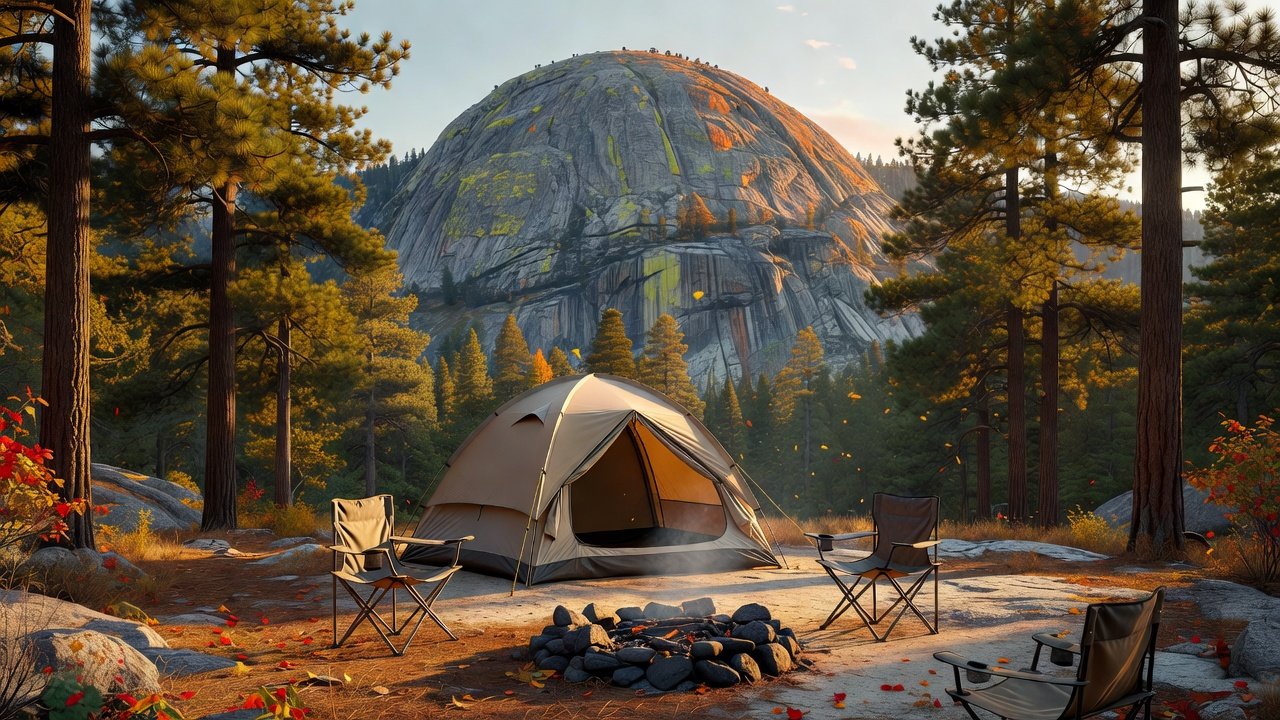
No. Camping and sleeping in vehicles is permitted only in designated campsites — this is one of the park's core regulations, and rangers enforce it. There is no "find a pullout and pitch a tent" option inside the boundary, and sleeping in your car is not allowed unless you are parked in a campsite you have registered for.
The 13 campgrounds group naturally by where you enter and what kind of trip you want:
- Yosemite Valley — Upper Pines, Lower Pines, North Pines, and Camp 4. This is the family default: flat, paved, walk-to-the-shuttle, closest to Yosemite Falls, Half Dome views, and the Village store. Upper Pines is the only one open all year.
- Wawona and the south — Wawona (open all year) and Bridalveil Creek. Quieter, in the trees, close to the Mariposa Grove of giant sequoias.
- Big Oak Flat entrance — Hodgdon Meadow, open all year, a straightforward drive-in base on Highway 120.
- Tioga Road (high country) — Crane Flat, Tamarack Flat, White Wolf, Yosemite Creek, Porcupine Flat, and Tuolumne Meadows. These are seasonal summer campgrounds; several close in early October.
For a first family trip with kids, the Valley campgrounds are the ones worth fighting for — the tent size guide is worth a read first, because Valley sites are smaller than they look on a map.
Yosemite Camping Reservations: When Each Campground Opens
This is the part where most family trips are won or lost. Yosemite does not have one reservation date — it has four different systems running at once. Here is how the park actually releases sites:
Five months in advance — on the 15th of the month, 7 a.m. Pacific. This covers the campgrounds families want most: Upper Pines (open all year), plus Lower Pines, North Pines, Wawona, and Hodgdon Meadow during their reservable season (roughly April into October, with Wawona and Hodgdon open all year but reservation-only in season).
Two months in advance — 15th of the month. Half of the campsites at Tuolumne Meadows (the high-country campground, open roughly July into late September). The other half rolls out on a two-week window.
Two weeks in advance — rolling daily. Bridalveil Creek, Crane Flat, Tamarack Flat, White Wolf, Yosemite Creek, Porcupine Flat, and the second half of Tuolumne Meadows. These are released 14 days before the arrival date, every day.
One week in advance — rolling daily. Camp 4, the walk-in campground in the Valley. Reservations are required roughly April 18 through October 31, then it returns to first-come, first-served.
So an arrival in mid-October was bookable in mid-May, and a July arrival opened in February. The release calendar runs like this:
| Arrival window | 5-month release date | Tuolumne (2-month) |
|---|---|---|
| Sep 15 – Oct 14 | May 15 | Aug 15 |
| Oct 15 – Nov 14 | June 15 | Sep 15 |
| Nov 15 – Dec 14 | July 15 | Oct 15 |
| Dec 15 – Jan 14 | Aug 15 | Nov 15 |
| Jan 15 – Feb 14 | Sep 15 | Dec 15 |
What that means in practice for a fall trip. If you are reading this in October and want to camp in Yosemite this month, the five-month window closed months ago. Your realistic plays are (a) the two-week rolling campgrounds — Crane Flat, Tamarack Flat, Porcupine Flat and Yosemite Creek, checked daily, though most close in early October; (b) cancellations, refreshed constantly on Recreation.gov; and (c) the winter first-come campgrounds once the season turns.
Book at Recreation.gov or by phone at 877/444-6777, and note the park's own reminder: you may only make two reservations per website visit or phone call — you can start over to book more, but budget the extra minutes.
Camping in Yosemite Without a Reservation
Two honest routes exist, and neither is a guarantee.
Winter first-come camping. Once the reservation season ends, Camp 4, Wawona, and Hodgdon Meadow operate first-come, first-served. This is the genuinely underrated family window: fewer crowds, valley fog, and no 7 a.m. click race — but the park warns these can still fill on holidays and weekends, so arrive early in the day, not at dusk.
Cancellations. Sites are released back into the pool continuously as people cancel. A daily check of Recreation.gov in the two weeks before your dates is the single most effective tactic for a Valley site outside the release window.
If the park is full — the honest alternative. Do not plan to sleep in your car; it is prohibited outside a registered campsite. The real fallback is national forest land just outside the park gates, where developed family campgrounds are cheaper and far easier to book, or a state-park base in the Sierra foothills with a day trip into the Valley. Our state park camping guide covers the reservation mechanics for that plan B, and the California camping guide puts the whole state in order. Always confirm current forest orders and fire restrictions before you commit to a dispersed site.
Is It Safe to Camp in Yosemite?
Yes — Yosemite is a developed-park camping experience, not a wilderness one, and the risks are the manageable kind. Four things actually matter:
Black bears and food. Yosemite's bears are famously food-conditioned. You must keep your food properly stored 24 hours a day, and "properly" means in the provided food lockers or a bear canister — never in your tent, and never visible in a car. Yosemite bears recognise coolers and have opened cars for them. If you're heading past the last bear box into the backcountry, bring your own canister: the BearVault BV450 Jaunt ($89.99) is IGBC-certified, holds three to four days of food in 450 cubic inches, and is accepted at the park's backcountry permit desks.
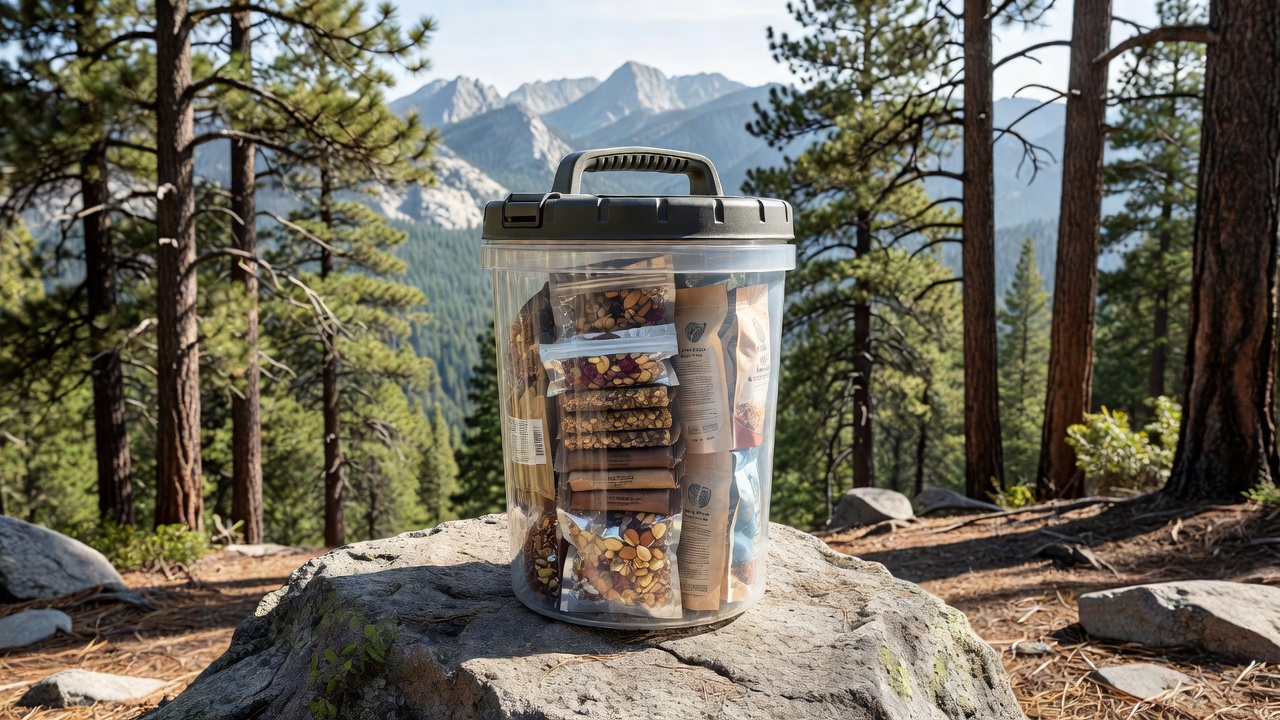
Fire rules change with the season. Campfires are generally allowed in open campgrounds when fire restrictions are not in effect, but from May through September, wood fires in Yosemite Valley and Hodgdon Meadow are only allowed between 5 p.m. and 10 p.m., and must be completely out by 10. From October through April, fires are allowed at any time. Stove and charcoal fires are allowed in campgrounds 24 hours a day. Fires must be attended and drowned with water — no smouldering, ever.
Firewood. Don't bring firewood from more than 50 miles away (it spreads forest pests). Collection is limited to dead-and-downed wood under six inches in diameter, is not permitted in Yosemite Valley except within campground boundaries, and pine cones, needles, and sequoia wood are off limits. Buy firewood locally near the campground.
Altitude and temperature swing. The Valley floor sits around 4,000 feet; Tuolumne Meadows is closer to 8,600. Kids dehydrate and tire faster at elevation — front-load water and keep the first day short. And the day-night swing in the Sierra is genuinely large: a 70°F afternoon in October can drop to freezing overnight, which is why the cold-weather sleep setup later in this guide isn't optional.
The Yosemite Camping Rules Families Trip Over
These are the published regulations that most often catch a family at the gate:
- 6 people maximum per campsite, including children. Two families of four travelling together need two sites.
- 2 motor vehicles per campsite. Most sites fit two, but check the individual site details on Recreation.gov — some accept only one. Trailers don't count against the limit as long as they fit on the parking pad; RVs and trailers are not allowed at group campsites.
- Camping limit: 30 nights per calendar year in the park — and from May 1 to September 15 the limit is 14 nights, only 7 of which may be in Yosemite Valley or Wawona.
- No hookups, anywhere. Connecting to a water spigot or electrical outlet in the campground is prohibited, which is exactly why a power station belongs on your list.
- Quiet hours are 10 p.m. to 6 a.m. Generators are limited to 7–9 a.m., noon–2 p.m., and 5–7 p.m.
- Check-in and checkout are at noon. With a reservation you can arrive any time after noon on your arrival date — but you must check in by 10 a.m. the morning after your first night, or the reservation is cancelled. Late-arriving families get caught by this one.
- Wastewater goes in designated utility drains, and sewage at the dump stations in Yosemite Valley, Wawona, and Tuolumne Meadows.
- Hammocks and clotheslines are allowed if padded and not hazardous — but slacklines are only permitted within 200 feet of Camp 4, and never on oak trees.
Family Camping Gear That Fits Yosemite's Rules
Because every site is unpowered, unreserved-for-hookups, and bear country, the gear list for Yosemite is narrower than a generic car-camping list. Here's what earns its space.
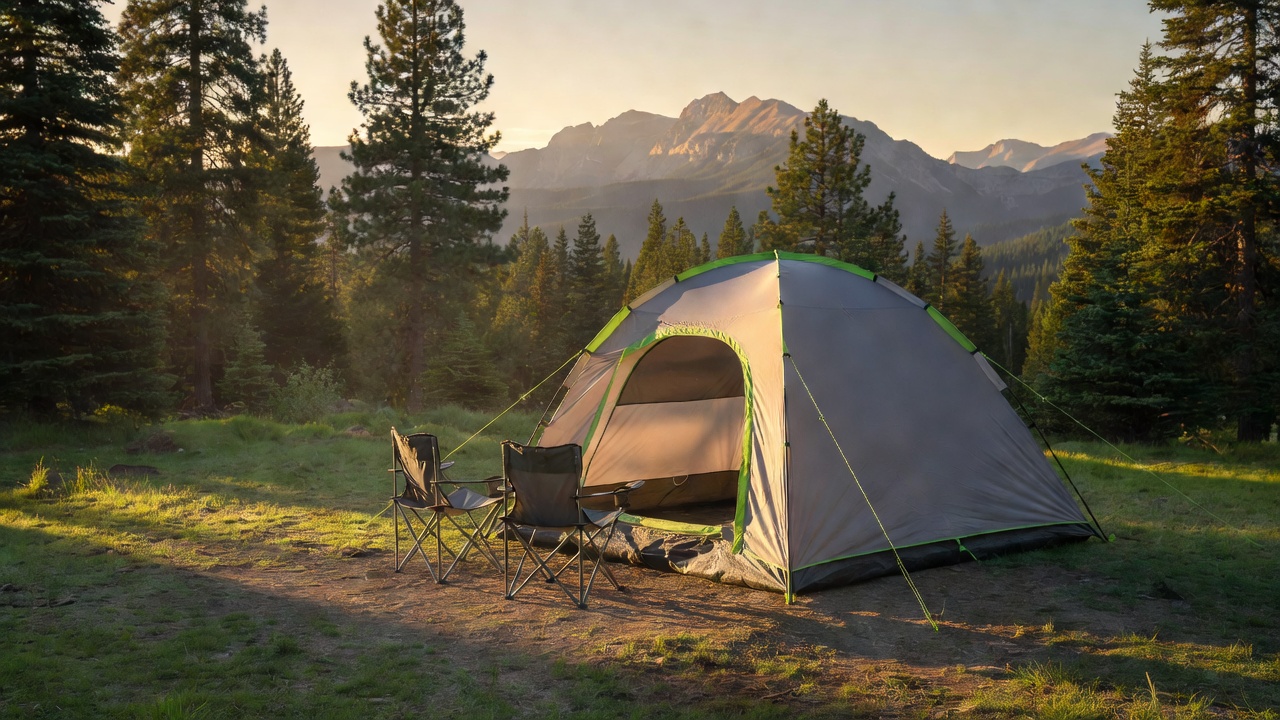
A tent sized to the 6-person rule. The CORE 6-Person Instant Cabin ($169.99) pitches in about a minute, which matters after a long drive through the park gates, and it sleeps a family of four to five comfortably. Families who want a darker morning sleep-in for the kids should look at the EVER ADVANCED 6-Person Blackout Tent ($169.99). If you're running two sites for a bigger group, the CAMPROS 8-Person Cabin ($159.98) splits into two rooms.
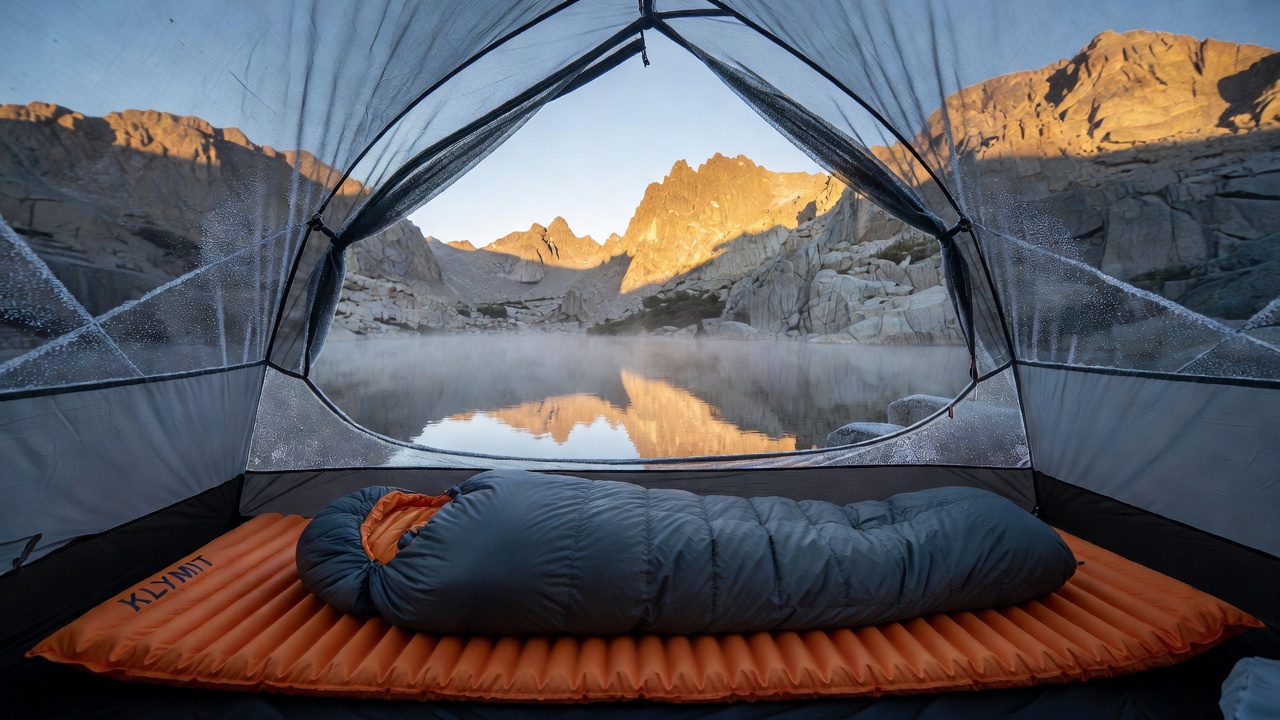
A sleep system built for a 30-degree night. Valley nights in fall routinely hit freezing. The Teton Sports Celsius 0°F bag ($59.99) is the value pick, and the Kelty Woobie 30° Kids Bag ($39.95) gives a child their own correctly-sized bag instead of a borrowed adult one. Underneath, an insulated pad beats an air mattress for warmth — the Klymit Insulated Static V ($94.99) pairs well with sleeping bags in a cold Valley night.
Food storage that satisfies the bear rule. A BearVault BV450 ($89.99) covers oatmeal, snacks, and smellables for a family weekend — and it doubles as a backcountry canister if you ever earn a permit.
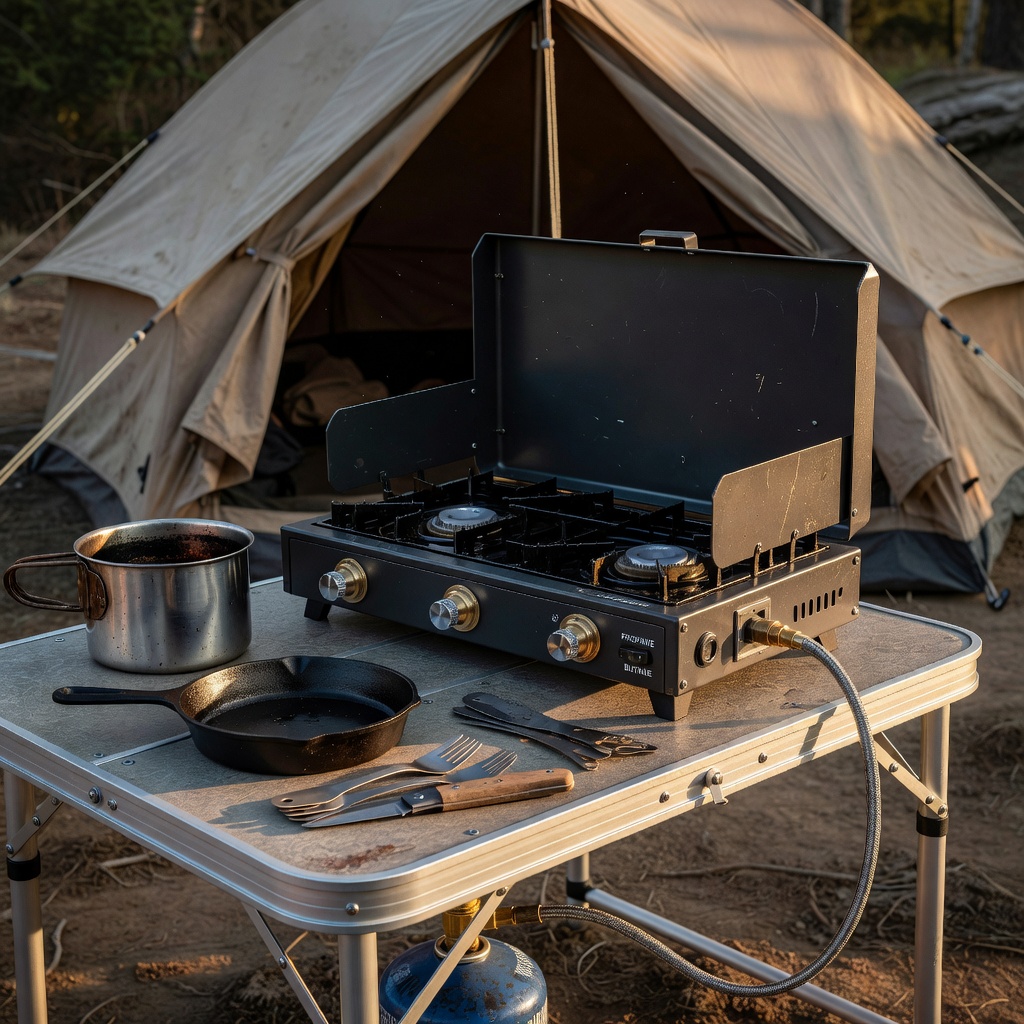
A camp kitchen for a no-hookup site. The Gas One GS-3400P dual-fuel stove ($34.99) runs on either propane or butane, which is handy when the park store is out of one canister type. For a family of four cooking three meals a day, the Coleman Triton 2-Burner ($149.99) is the more realistic tool.
 Keep the perishables in a Coleman 70-Quart Xtreme cooler ($79.99) — five-day ice retention covers a long weekend plus the drive.
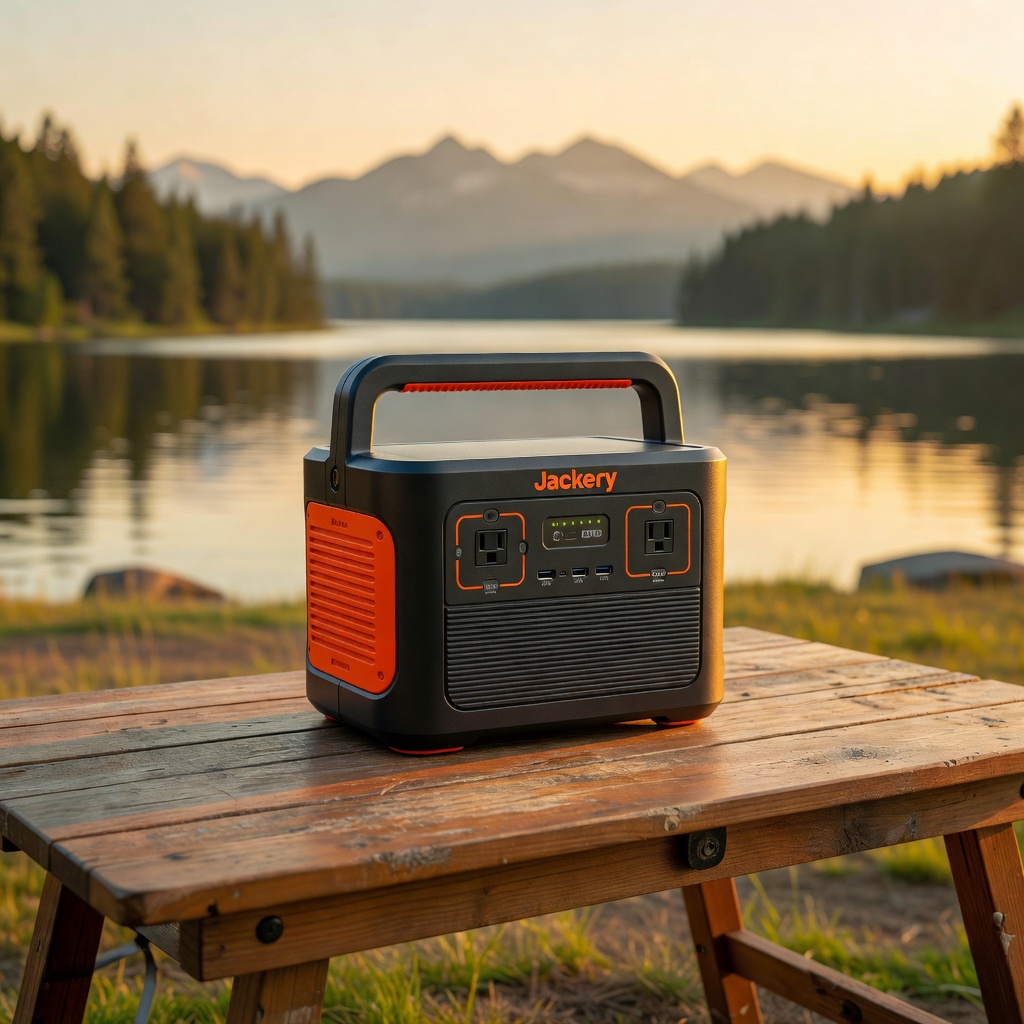
Power, because there are no outlets. The Jackery Explorer 300 ($199.00) charges phones, a camera, and a lantern off one charge, which is the whole point in a park with no hookups.
Light and camp comfort. A Black Diamond Spot 400 headlamp ($39.95) for each adult, a Mallome lantern 4-pack ($23.99) so each kid has their own, and a Coleman chair with a built-in cooler ($39.99) for the evenings around the fire ring.
Day gear for the Valley floor. The Osprey Daylite ($65.00) is the right size for a family day hike with water and jackets, TrailBuddy trekking poles ($44.91) help on the Mist Trail's steps, and a Nalgene 32 oz ($16.99) per person covers the hydration math at altitude. Toss in OFF! Clean Feel picaridin repellent ($11.99) — Valley mosquitoes are real in early fall.
One note for anyone used to hiking in grizzly country: bear spray is not the tool for Yosemite. Yosemite's bears are black bears managed by food storage and hazing, not spray — the canister and the food locker are what you need here.
Camping in Yosemite With Dogs
Yosemite is not a dog park, and the rules are stricter than most national parks'. The short version: dogs are welcome in campgrounds, and almost nowhere else.
- Allowed in all campgrounds — except Camp 4 and all group campsites.
- Leash required, maximum six feet, and pets may not be left unattended (including tied to a tree).
- Allowed on: developed areas, fully paved roads, sidewalks and bike paths — including the Bridalveil Fall trail, the Lower Yosemite Fall trail, the paved trail through Cook's Meadow, and the paved road to Mirror Lake.
- Not allowed on: any trail (even carried), wilderness and undeveloped areas, meadows, beaches and waterways, shuttle buses, public buildings, lodging areas, or unplowed snow roads. The one trail exception is the Wawona Meadow Loop.
- Pet food is bear food — store it exactly as you store human food.
- Emotional support and companion animals follow the pet rules; only trained service dogs get full access.
- Yosemite runs a B.A.R.K. Ranger program — kids can pick up a pledge card at any visitor centre, which is a surprisingly effective way to get a five-year-old to remember the leash rule.
For gear, the Ruffwear Front Range harness ($44.95) is comfortable for long campground days, and a reflective Spot the Dog collar ($18.99) matters once the Valley goes dark at 7 p.m. If your trip is genuinely dog-first, our dog-friendly national parks guide compares the parks where dogs actually get trails.
Camping in Yosemite in October and November
Late season is the best-kept family window in the park — and it comes with real logistics.
What improves. Crowds thin dramatically after Labor Day, the fire-hours restriction lifts on October 1 so campfires are allowed at any time again, the light goes gold, and the Valley is quiet enough that kids can actually hear it.
What closes. This is the catch. Tuolumne Meadows closes in late September. The Tioga Road campgrounds — White Wolf, Yosemite Creek, Porcupine Flat, Tamarack Flat, Crane Flat — close in early to mid October, and Tioga Road and Glacier Point Road close with the first significant snow. Lower Pines and North Pines stop taking reservations "sometime in October." By November, your realistic options are Wawona, Hodgdon Meadow, and Camp 4, all first-come, first-served.
What to plan for. Freezing nights, short daylight, and ice on shaded trails. Bring the 0°F bag, not the 40°F one; pack a heater safe for tent use and understand the ventilation rules before you run one — our tent heater safety guide walks through carbon monoxide and clearance, and the how to stay warm camping guide covers the layering math. Check the when do campgrounds close guide for the general seasonal pattern, and the where to camp in October guide for alternatives if Yosemite is booked solid.
Yosemite Family Camping Checklist
- Tent sized to your group — and remember the 6-person site cap when you choose it.
- Sleep system: 0°F-rated bags in fall, insulated pads under everyone, a kids' bag for each child.
- Food storage: the campground food locker first, plus a bear canister if you're going beyond the road.
- Two-burner stove + fuel — the park store sells out of canister types in busy weekends.
- Cooler with five-day ice retention for a long weekend.
- Power station for phones and lights (no hookups, no exceptions).
- Headlamp per adult, lantern per kid.
- Layered clothing and a warm hat — the Valley is 15–25°F colder at night than the afternoon high.
- Water bottles, refilled at the campground spigots (drinking, not connecting).
- Firewood bought within 50 miles, plus a hatchet and a way to drown the fire.
- First-aid kit and any medication — the nearest full hospital is outside the park.
- Printed or downloaded campground confirmation — cell coverage in the Valley is patchy at best.
First trip with young kids? The first camping trip starter kit covers the setup that makes night one smooth, and the camping toilet and sanitation guide answers the question every parent asks before booking.
Can You Camp for Free in Yosemite?
No. All of Yosemite's camping is in designated campgrounds, every one charges a fee, and camping outside a designated site is prohibited. There is no free dispersed camping inside the park boundary, and sleeping in a vehicle is not a workaround — it is prohibited anywhere except a registered campsite.
If free camping is the goal, the answer is national forest land outside the park, where dispersed camping and lower-cost developed campgrounds exist on Stanislaus, Inyo, and Sierra National Forest land. Forest orders and fire restrictions change year to year, so confirm with the relevant forest before you drive out — and plan to day-trip into the park, which still requires the entrance fee.
Kentucky is the other red-rock option if the western parks are booked out — our Camping in Kentucky guide walks the Red River Gorge permit, Koomer Ridge and the free dispersed nights on Daniel Boone National Forest.
Camping in Yosemite FAQ
Can you camp anywhere in Yosemite?
No. Camping is permitted only in the park's 13 designated campgrounds, and sleeping in vehicles is allowed only in a campsite you have registered for. There is no roadside or backcountry camping without the relevant permit.
Is it safe to camp in Yosemite?
Yes. It's a developed-park experience with real rangers and published rules. The genuine risks are food storage (black bears are food-conditioned — store food 24 hours a day), fire rules, altitude, and large day-night temperature swings.
Can you camp for free in Yosemite?
No. Every campground charges a fee, all sites are inside designated campgrounds, and dispersed camping is not allowed in the park. Free camping means national forest land outside the boundary.
Do you need a reservation to camp in Yosemite?
From April through October, yes for essentially every campground. The five biggest release sites five months ahead at 7 a.m. Pacific on the 15th of the month. In winter, Camp 4, Wawona, and Hodgdon Meadow are first-come, first-served.
Can you camp in Yosemite with dogs?
Yes, in all campgrounds except Camp 4 and group sites, on a leash no longer than six feet. Dogs are not allowed on trails, in meadows, or on shuttle buses — the only trail exception is the Wawona Meadow Loop.
What should I bring camping in Yosemite?
A tent sized to your group, a cold-rated sleeping bag and insulated pad, a bear canister or the campground food locker, a stove and cooler, a power station (there are no hookups), headlamps and lanterns, and layered clothing for a 30-degree night.
Is camping in Yosemite in October worth it?
Yes — it's the best crowd-to-weather ratio of the year. Fires are allowed at any hour again from October 1, and the Valley is quiet. The trade-off is that Tioga Road campgrounds and Tuolumne Meadows close in early to mid October, and nights drop to freezing.
<!-- AFFILIATE_DISCLOSURE -->TrailMapz is a participant in the Amazon Services LLC Associates Program. If you buy through a link on this page, we may earn a commission at no extra cost to you. Campground regulations, fees, and reservation windows change — always confirm current details with the National Park Service at nps.gov/yose and Recreation.gov before you travel.