How to Insulate a Tent for Winter Camping: 9 Fixes That Actually Work (2026)
How to insulate a tent for winter camping, from DIY groundsheet tricks to R-value pad stacking — 9 proven fixes ranked by warmth per dollar, with the gear that does the work.
 Therm-a-Rest Z Lite Sol Sleeping Pad$54.95
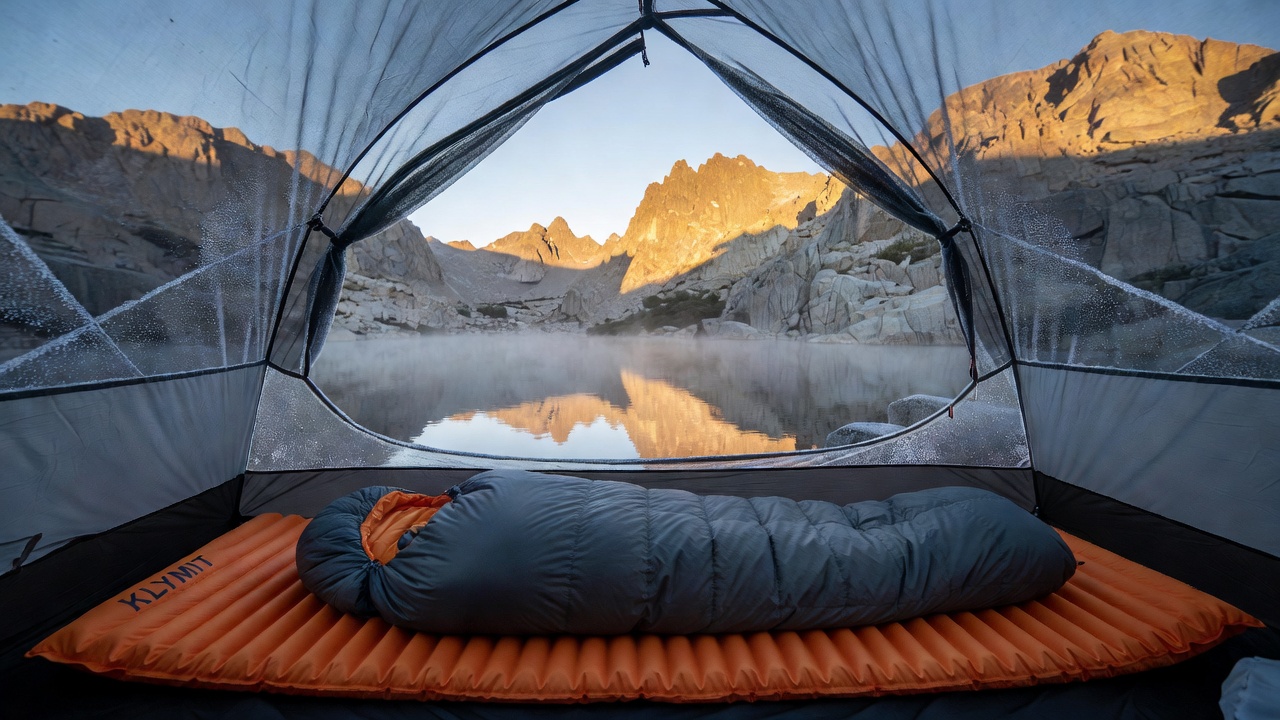 Klymit Insulated Static V Sleeping Pad$94.99
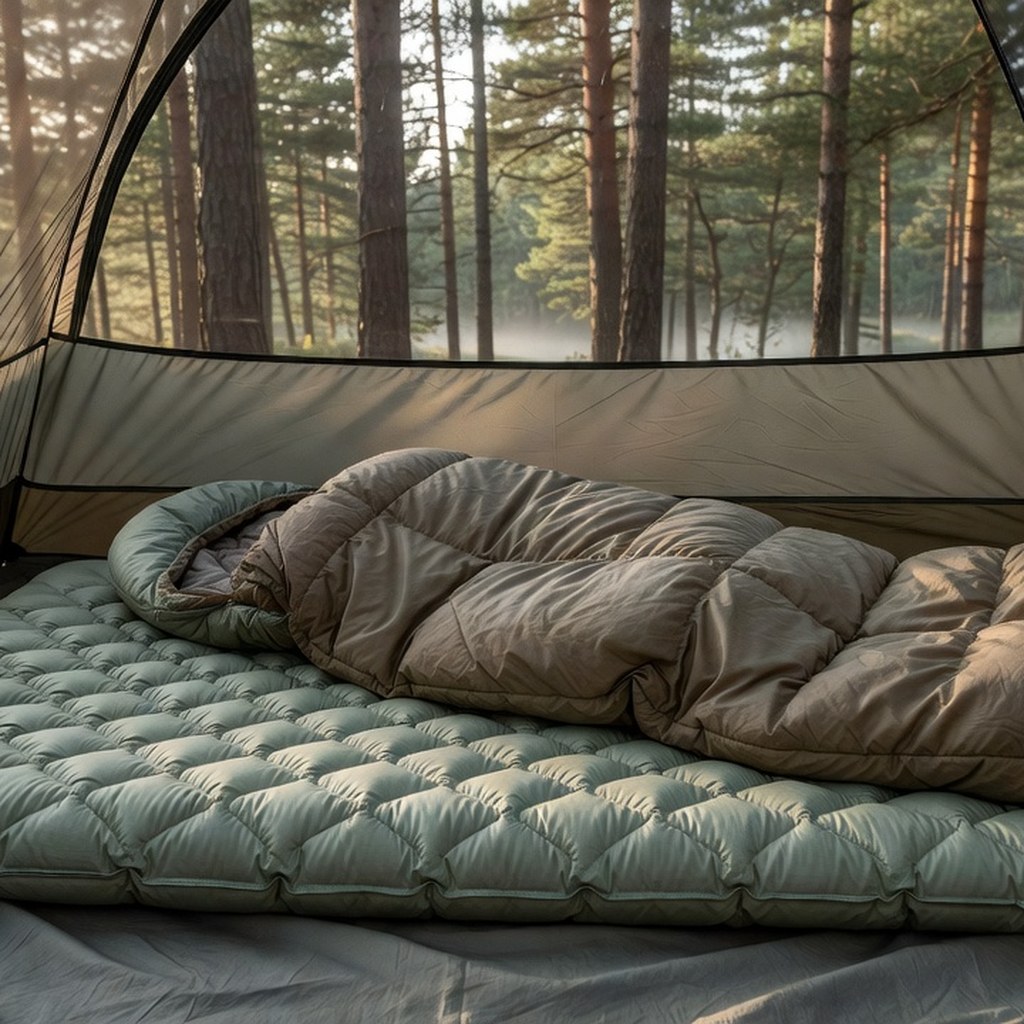 Sea to Summit Ether Light XT Insulated Sleeping Pad$219.95
 NEMO Tensor All-Season Ultralight Insulated Sleeping Pad$199.95
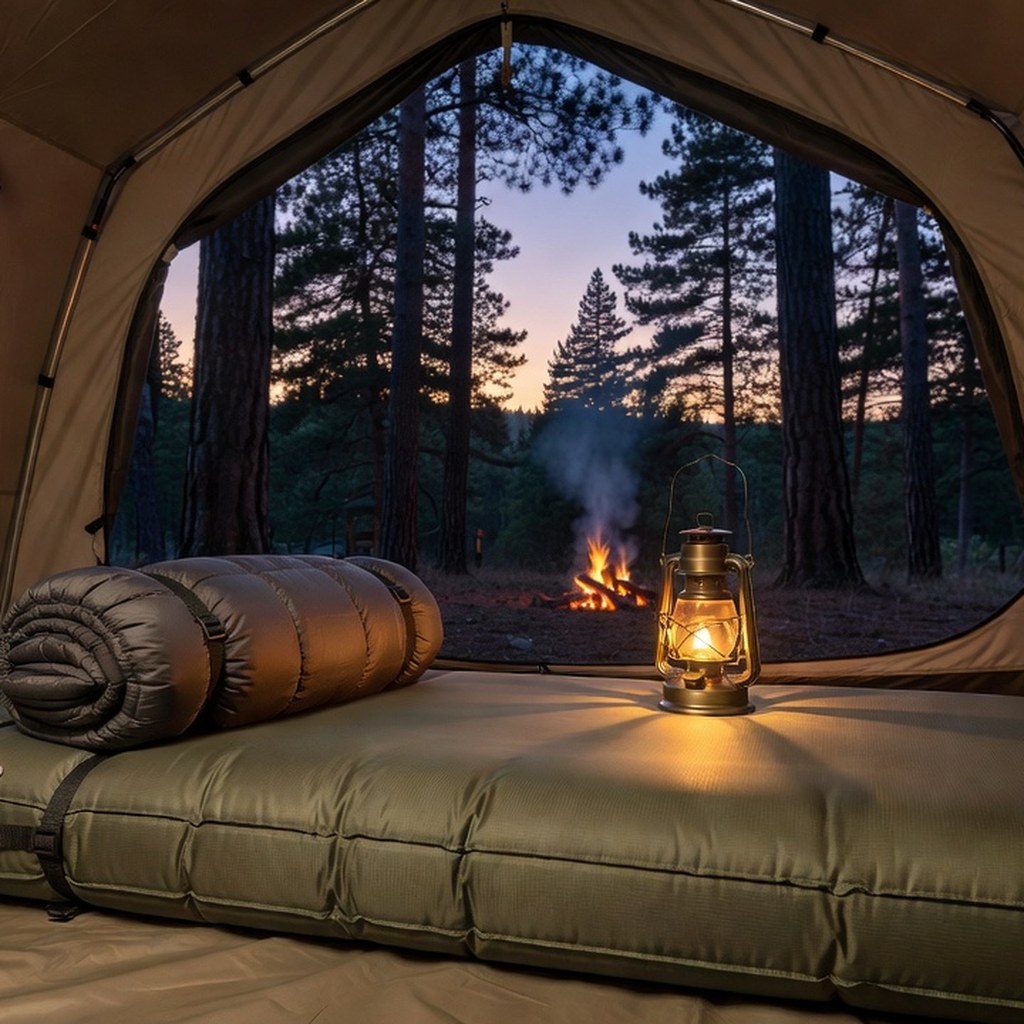 Exped MegaMat 10 Sleeping Pad$239.95
 Gear Doctors Oxylus 4.3 R-Value Insulated Self-Inflating Sleeping Pad$49.99
In this article · 15 sections
- The Three Ways a Tent Loses Heat
- Quick Answer: The 9 Fixes, Ranked by Warmth per Dollar
- Fix 1: Stack Two Sleeping Pads — the Single Biggest Win
- Fix 2: Put a Groundsheet Under the Whole Tent Floor
- Fix 3: Pick the Site Like It's Part of the Insulation
- Fix 4: Add a Sleeping Bag Liner — 5 to 27 Degrees, Cheap
- Fix 5: Ventilate on Purpose (Yes, in Winter)
- Fix 6: Reflective Layers on the Ceiling and Walls
- Fix 7: Tent Carpet, Rugs, and Foam Floors
- Fix 8: A Tent Heater — Safe Only With Rules
- Fix 9: Upgrade the Shelter Class
- What NOT to Do: Common Tent-Insulation Mistakes
- The One-Night Checklist (Print This)
- How This Fits the Rest of the Winter System
- FAQ
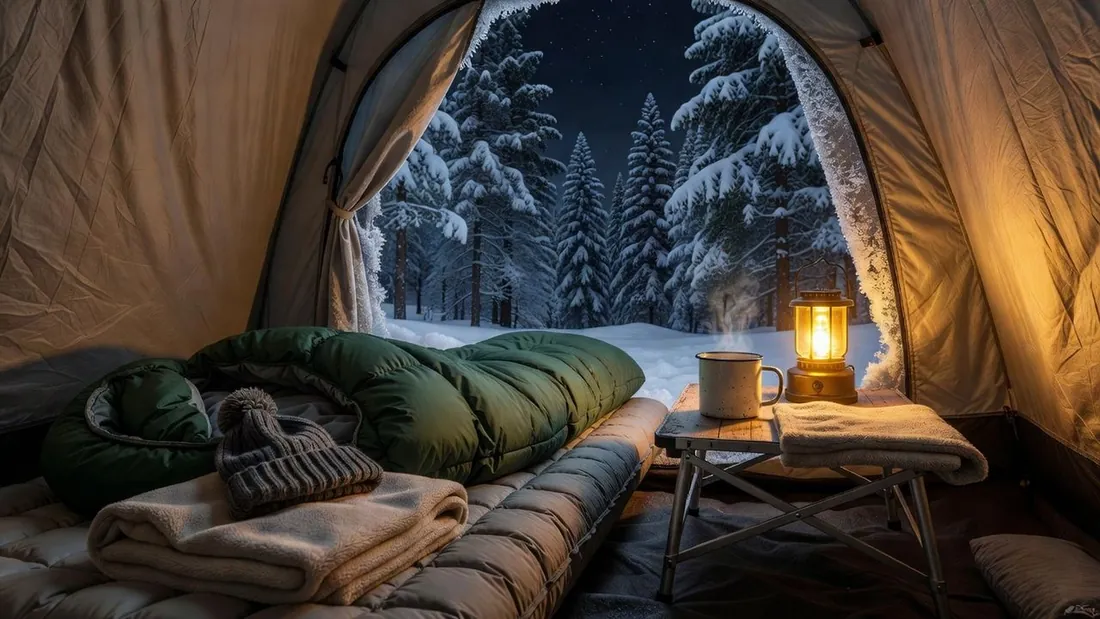
The first winter night I ever camped, I owned a good sleeping bag and froze anyway. Not because the bag failed — because the tent itself was leaking heat in three places I hadn't thought about: the frozen ground underneath, the thin fabric walls, and the gap where my breath turned to frost on the ceiling by midnight. Insulating a tent for winter camping is a different skill than buying a warmer bag, and almost nobody explains it clearly, so here is the whole system: what actually stops heat loss, ranked by warmth per dollar, with the DIY versions and the gear versions side by side.
If you are new to cold-weather trips entirely, start with the winter camping beginner's guide for the full kit, then come back here for the tent-specific fixes. This article assumes the trip is happening and your job is to make the shelter hold heat.
The Three Ways a Tent Loses Heat
Every fix below attacks one of these. Knowing which one is killing you on a given night tells you which fix to spend on.
1. Conduction into the ground (the big one). Frozen soil or snow pulls heat out of your body far faster than cold air does. This is why a person with a $90 pad and a $100 bag sleeps warm while someone with a $300 bag on a cheap air mattress shivers all night. If you fix only one thing, fix this.
2. Convection through the fabric. Tent walls are one thin layer of nylon. Wind moving across the outside strips heat; a draft through a door zipper or a vent bleeds warm air all night. This is fixable with windbreaks, a better pitch, and — in real winter — a hotter shelter class entirely.
3. Radiation and moisture. Your body radiates heat to the cold ceiling, and your breath condenses on that ceiling, wetting your bag and the air in the tent. Wet loft is cold loft. This is where ventilation (yes, in winter), reflective surfaces, and moisture management come in.
Quick Answer: The 9 Fixes, Ranked by Warmth per Dollar
| Rank | Fix | Cost | What it attacks |
|---|---|---|---|
| 1 | Two-pad sleep system (R-value stacking) | $55–$150 | Conduction |
| 2 | Close-cell foam groundsheet under the whole tent | $25–$55 | Conduction |
| 3 | Site selection + windbreak pitch | Free | Convection |
| 4 | Sleeping bag liner | $25–$71 | Personal warmth |
| 5 | Ventilation discipline (anti-condensation) | Free | Moisture |
| 6 | Reflective / emergency blanket on the ceiling | $5–$15 | Radiation |
| 7 | Tent carpet or foam floor tiles | $20–$60 | Conduction + comfort |
| 8 | A safe tent heater (with rules) | $70–$150 | Air temperature |
| 9 | Upgrade the shelter class (4-season / hot tent) | $200–$600 | All three |
The rest of this article walks through each fix in the order I would actually apply them on a family car-camping trip, because that is who this site is for — if you are backpacking, your budget and weight constraints reorder things, and the snow camping guide covers that version.
Fix 1: Stack Two Sleeping Pads — the Single Biggest Win
If you remember one thing: the ground steals more heat than the air, and no single budget pad beats a stacked pair.
The standard winter formula is a closed-cell foam pad on the ground with an insulated inflatable on top. Closed-cell foam cannot puncture and does not care about snow; the inflatable adds thickness and comfort. Stacked, you are looking at roughly R-5 to R-7 — enough for genuinely frozen ground.
- Foam base: Therm-a-Rest Z Lite Sol ($54.95, R-2.0 on paper, more in practice because the ridges trap air). It doubles as a sit pad around camp and will outlive the tent.
- Inflatable on top: Klymit Insulated Static V ($94.99, R-4.4) is the value pick for car camping. Side sleepers who want plush should look at the Sea to Summit Ether Light XT Insulated ($219.95) or the NEMO Tensor All-Season ($199.95), and the Exped MegaMat 10 ($239.95, R-8.1) is the "it's a mattress" endgame.
- Budget one-pad fallback: the Gear Doctors Oxylus ($49.99, R-4.3) on top of a cheap foam mat or even a folded tarp-and-blanket layer.
⚠️ One warning that catches people every winter: an uninsulated air mattress is a giant cold balloon. If your family camps on an air bed in summer, it actively works against you below freezing. Put closed-cell foam or a wool blanket under it, or read the sleeping pad vs air mattress comparison before your first frost trip.
Fix 2: Put a Groundsheet Under the Whole Tent Floor
Most people put a tarp under the tent to protect the floor from rocks. In winter, the same move is insulation: a layer of trapped air between the frozen ground and the tent floor slows conduction before it ever reaches your pad.
- Closed-cell foam mat cut to the floor size is the best version — the Z Lite Sol does double duty if you're solo, and cheap foam tiles from a hardware store work fine for car camping.
- A standard tarp helps less but still traps a boundary layer — better than nothing, and you already own one.
- Foam puzzle tiles ($20–30 for a pack) are the family car-camping cheat code: they cover the whole floor, take five minutes, and make the tent feel like a room.
Keep the groundsheet slightly smaller than the floor outline so it doesn't wick rain or meltwater under the tent.
Fix 3: Pick the Site Like It's Part of the Insulation
Free, and worth more than any $50 accessory:
- Pitch out of the wind — behind a hill, treeline, or rock wall. Wind is the tent's heat tax.
- Avoid valley bottoms and creekside sites. Cold air drains downhill and pools; a site 30 feet higher can run 5–10°F warmer. This is the same valley-cold rule from the how cold is too cold to camp thresholds.
- Face the door east or away from the prevailing wind, and pitch in the afternoon sun so the ground under the tent is as warm as it will get all day.
- Pack the snow down before pitching on snow. Loose, boot-deep snow insulates under the floor only if you stomp it into a firm platform first — otherwise your body heat melts into it and you wake in a body-shaped crater.
- Hang a tarp or emergency blanket as a windbreak on the windward side if there's no natural cover.
Fix 4: Add a Sleeping Bag Liner — 5 to 27 Degrees, Cheap
A liner is the cheapest way to buy real degrees. It adds loft-free insulation to your bag, keeps the bag's interior clean so it holds its rated warmth longer, and works as a standalone cover on mild nights.
- Fleece liner with a hood: REDCAMP Fleece Sleeping Bag Liner ($24.99) — the budget workhorse, roughly +8–12°F.
- Mummy fleece liner: Litume Fleece Sleeping Bag Liner ($57.98) — rated to add up to 27°F in the stacked system, which is a lot of warmth for under $60.
- Silk liner: BROWINT Silk Sleeping Bag Liner ($70.99) — lighter, packs tiny, adds less warmth but is the right pick for a bag that's already close to sufficient.
The liner stacks with every other fix here — it's personal insulation, so it helps even in a borrowed tent on a group trip where you control nothing else.
Fix 5: Ventilate on Purpose (Yes, in Winter)
This is the fix people skip because it feels backwards, and it's the one that ends winter trips early. Your breath releases roughly a pint of water overnight. In a zipped-shut tent it condenses on the cold ceiling, drips onto the bag, and soaks the loft — and a wet bag is a cold bag no matter its rating.
- Crack a high vent or leave a fingertip of gap at the top of the door, even below freezing.
- Never dry wet gear inside the sleeping area overnight — it dumps its moisture straight into your air.
- Wipe the ceiling down in the morning and air the tent over breakfast.
The full mechanics — single-wall vs double-wall, where the moisture actually comes from, and the pitch adjustments that fix it — are in the tent condensation guide. If you wake up damp every winter morning, that page is your problem, not your bag.
Fix 6: Reflective Layers on the Ceiling and Walls
Radiant heat loss to a cold ceiling is real but small compared to the ground — which is why this fix ranks sixth, not first. A mylar emergency blanket ($5 for a two-pack) taped or clipped to the ceiling with the reflective side down bounces body heat back and adds a surprising amount of comfort for the weight. Reflective windshield shades work the same way and are stiffer and easier to position.
Honest caveat: this is a marginal gain — a few degrees of perceived warmth, most noticeable in a small tent. Do it after fixes 1–5, not instead of them. Where reflective material genuinely shines is as a windbreak panel or a heat reflector behind a radiant heater (see fix 8), not as your primary insulation.
Fix 7: Tent Carpet, Rugs, and Foam Floors
For family car camping, comfort insulation is a legitimate category. A cheap outdoor rug or the foam tiles from fix 2 turn a cold nylon floor into something kids will actually sit on in socks. Warm-feeling floors change behavior — people stop huddling in bags at 7 p.m. and the evening becomes the good part of the trip. Combined with the camping with kids in winter approach — warm layers, hot drinks, a planned activity — this is the difference between kids who tolerate winter camping and kids who ask to go back.
Fix 8: A Tent Heater — Safe Only With Rules
A heater doesn't insulate the tent; it adds heat faster than the tent leaks it. That's a legitimate strategy for family camping in the 20s–40s, but it comes with non-negotiable rules:
- Propane radiant heaters must be rated indoor-safe and still need ventilation — they consume oxygen and produce some CO. The tent heating safety guide covers clearances, CO alarms, and the canister-cold problem in detail.
- The Big Buddy (18,000 BTU) Mr. Heater F274830 ($146.48) heats a large family tent for the evening wind-down; the smaller Buddy MH9BX ($74.00) suits a 2–3 person tent.
- Never run any heater unattended or all night — heat the tent to bedtime, shut it off, and let the pad-and-bag system do the sleeping hours. The heater guide's decision table matches BTU to tent size and temperature.
- Electric options (heated blankets, hot water bottles) sidestep the CO question entirely: the cordless heated blanket ($65.98) and a pair of 2L hot water bottles ($16.18 for two) are the quiet MVPs of a family winter tent.
A reflective layer (fix 6) placed behind a radiant heater pushes its output back into the tent instead of into a wall — the one place the mylar blanket earns its rank.
Fix 9: Upgrade the Shelter Class
If you winter camp more than a couple of nights a year, the ceiling of this whole article is the tent itself:
- A 4-season tent has stronger poles, lower-profile geometry, and better snow/wind behavior. Our best 4-season tents for winter camping guide has picks by budget. Note that 4-season tents are built for weather, not primarily for warmth — insulation still comes from fixes 1–4.
- A hot tent with a stove jack — like the Naturehike Massif hot tent ($269) — lets you run a wood stove, which dries the air, dries your gear, and makes the tent the warmest room in camp. It's the most transformative winter upgrade on this list and also the most work.
What NOT to Do: Common Tent-Insulation Mistakes
I've made most of these so you don't have to:
- Sleeping in your puffy jacket inside the bag. It compresses the bag's loft at the shoulders and you end up colder. Wear a dedicated base layer instead — the Omni-Heat thermal top ($49.99) exists for exactly this.
- Covering every vent to "keep heat in." You'll trap breath moisture, wet your bag, and lose more warmth than the draft ever cost you. Fix 5 beats draft-hunting.
- Using an uninsulated air mattress "because it's thick." Thickness without insulation is a cold balloon. Foam underneath or don't bring it.
- Relying on the space blanket as your main plan. It's a marginal layer (fix 6), not a system.
- Skipping the groundsheet because "the tent floor is waterproof." Waterproof isn't insulating — the ground pulls heat straight through it.
- Heating the tent all night with a propane heater. You'll burn through canisters, risk CO buildup, and wake to a dead heater at 3 a.m. Heat to bedtime, insulate for the night.
The One-Night Checklist (Print This)
- Foam groundsheet down (fix 2)
- Tent pitched out of the wind, door away from weather (fix 3)
- Snow packed firm if on snow (fix 3)
- Two-pad system under every sleeper (fix 1)
- Liner in the bag (fix 4)
- High vent cracked (fix 5)
- Dry gear stored in the vestibule, not the bedroom (fix 5)
- Hot water bottles filled before bed (fix 8)
- Heater run to bedtime only, ventilated, CO-aware (fix 8)
- Dry base layer for sleeping, puffy stays outside the bag
How This Fits the Rest of the Winter System
Tent insulation is one third of staying warm. The other two:
- The person: layering, food, and the sleep system are the subject of the how to stay warm camping guide — the single most complete warmth page on this site.
- The gear list: everything that goes in the tent, packed and checked, is the winter camping gear checklist.
And if the forecast has you questioning the trip itself, the threshold numbers by age group and setup are in how cold is too cold to camp.
For every other winter angle — heaters, clothing, food, where to go, camping with kids — the full collection lives on the winter camping hub.
FAQ
How do you insulate a tent for winter camping?
Layer from the ground up: foam groundsheet under the tent, a two-pad sleep system (closed-cell foam plus insulated inflatable, combined R-5+), a sleeping bag liner, a cracked high vent to control condensation, and wind protection at the pitch. Reflective layers and an indoor-safe heater add marginal warmth on top. The ground fixes matter most — frozen earth conducts heat away faster than any draft.
What is the cheapest way to insulate a tent?
A closed-cell foam pad under your sleeping pad, plus a $25 fleece bag liner. Together they're under $80 and they attack the two biggest heat losses — conduction into the ground and your own bag's ceiling. The free versions: pick a wind-sheltered site, pack snow firm before pitching, and crack a vent to keep the bag dry.
How do you insulate a tent with DIY materials?
Hardware-store foam puzzle tiles under the tent floor, a mylar emergency blanket on the ceiling (reflective side down), a wool blanket or tarp as a ground layer, and windshield reflectors as wall panels or a heater heat-shield. A hot water bottle in the bag replaces a heater for one person. These work, but they cap out around the freezing mark — real sub-freezing comfort needs the pad R-values of fix 1.
Does putting a blanket under an air mattress help?
Yes, meaningfully — an uninsulated air mattress is the single worst common sleep surface in cold weather, and a wool blanket or closed-cell foam underneath slows the conduction. It's a patch, not a fix: an insulated pad or foam-under-mattress setup still beats it.
Is it warmer to sleep with a tent light or heater on?
Neither adds meaningful insulation, and a propane heater run all night is a CO and canister-budget problem. Heat the tent before bed, shut it off, and let insulation do the night work. Battery lanterns are fine but generate almost no heat.
How much warmer does a tent get with insulation?
Stacked correctly — groundsheet, two pads, liner, windbreak, dry air — the sleep system feels 15–25°F warmer than a bare summer setup on the same night. The tent air itself might only gain a few degrees, but the air isn't what wakes you up cold; the ground and the wet bag are.
<!-- AFFILIATE_DISCLOSURE -->