Tent Heating Safety Guide: Mr. Buddy Heater, CO & Ventilation (2026)
The complete winter tent heating safety guide: Mr. Buddy Heater setup, carbon monoxide rules, ventilation math, fuel run-times and what to do when things go wrong.
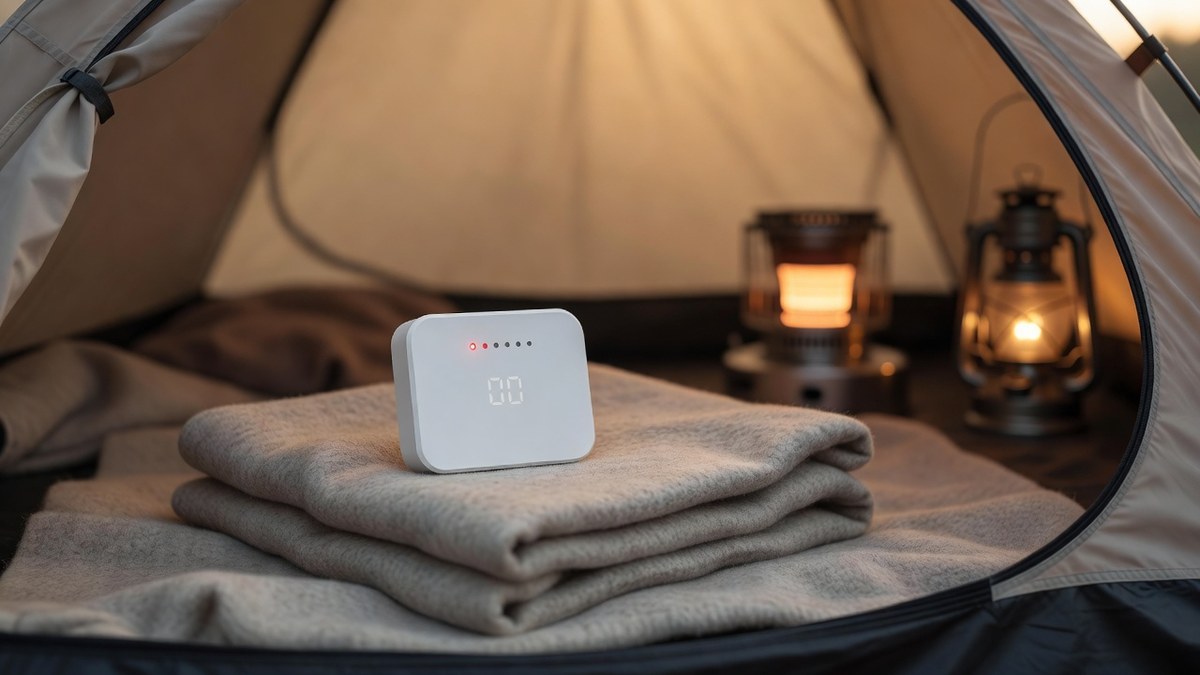 Kidde Carbon Monoxide Detector, AA Battery Powered, Portable for Travel or Home$23.97
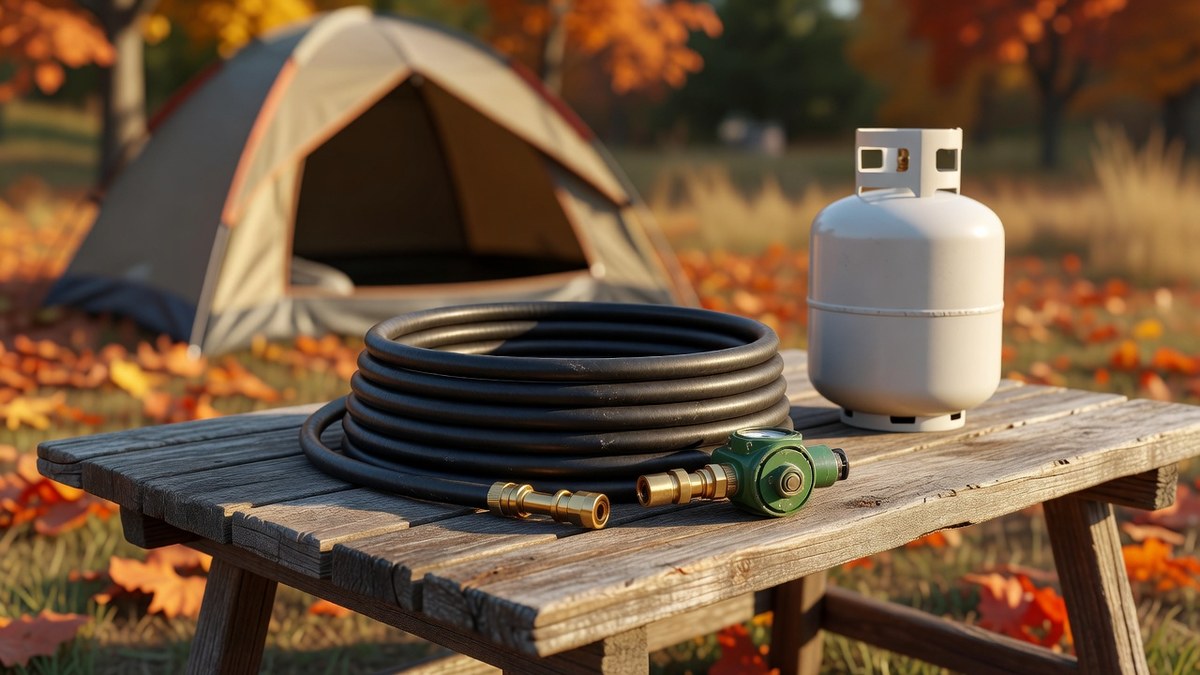 Mr. Heater F273704 Buddy Series Propane Hose Assembly, 10-Foot$17.99
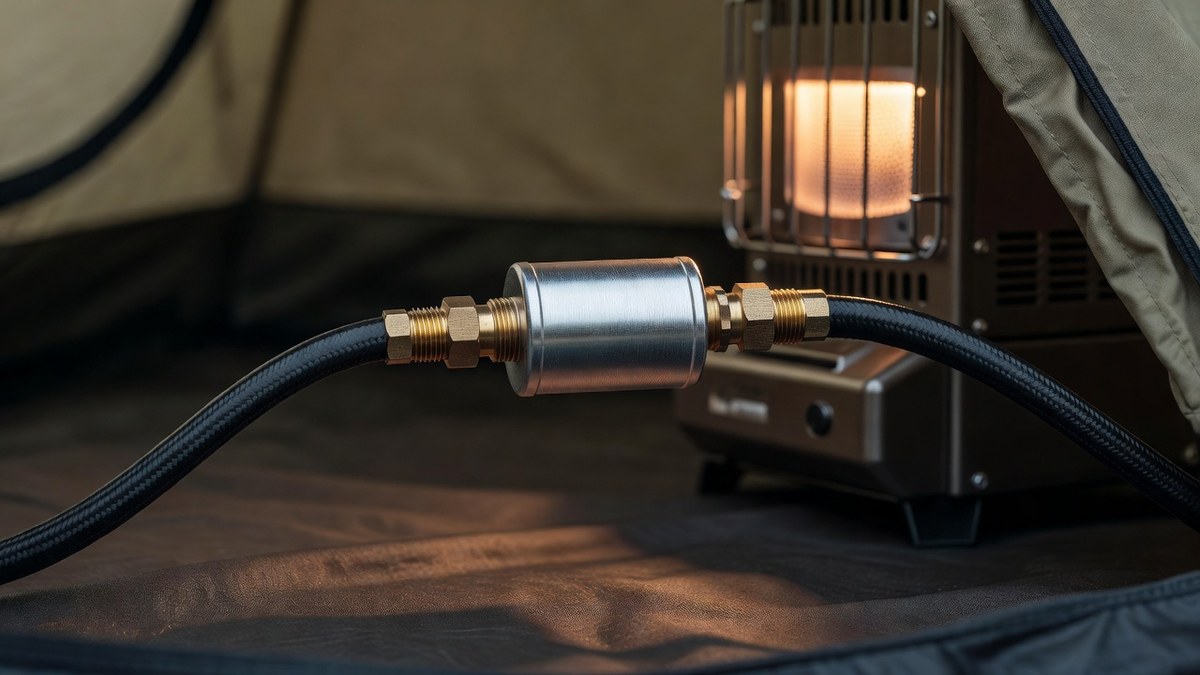 Mr. Heater F273699 Universal Propane Fuel Filter for Buddy Heaters$15.97
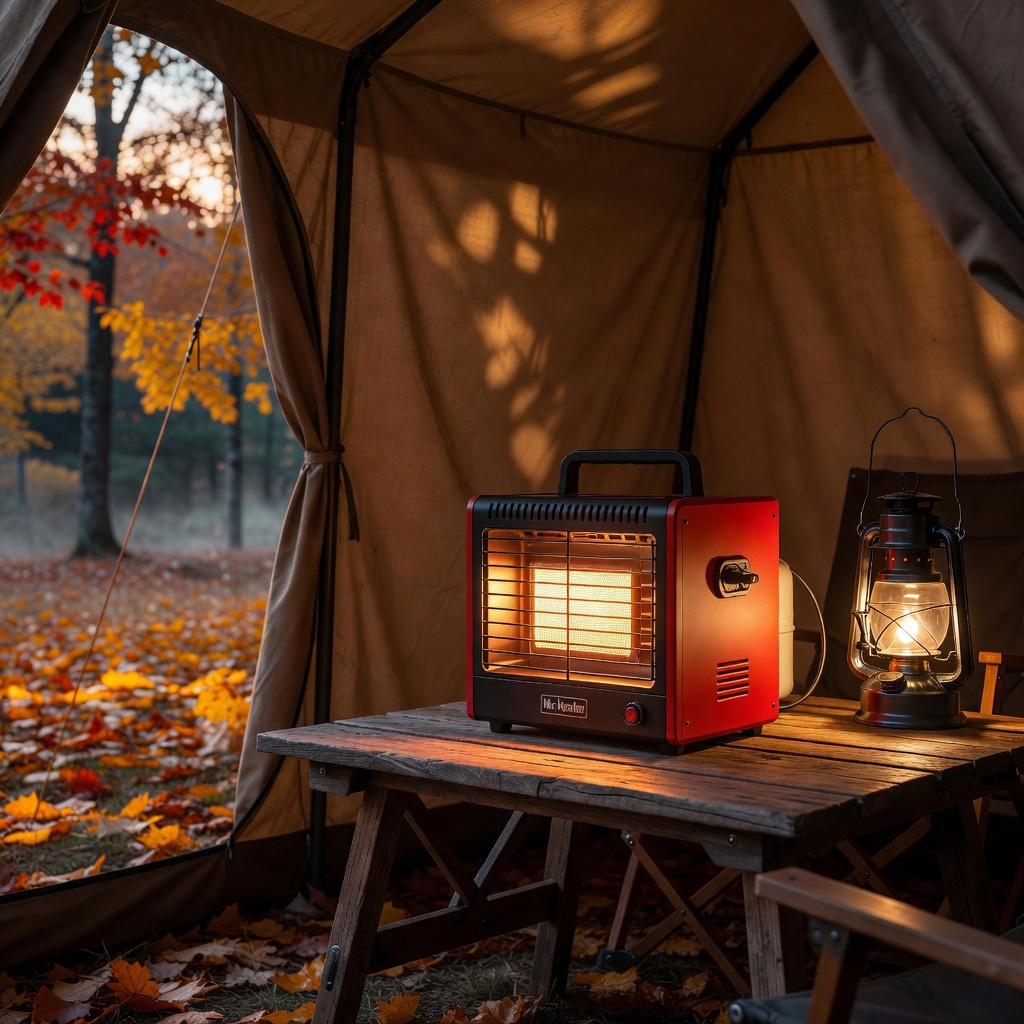 Mr. Heater F232000 MH9BX Buddy 4,000-9,000 BTU Indoor-Safe Portable Propane Radiant Heater$74.00
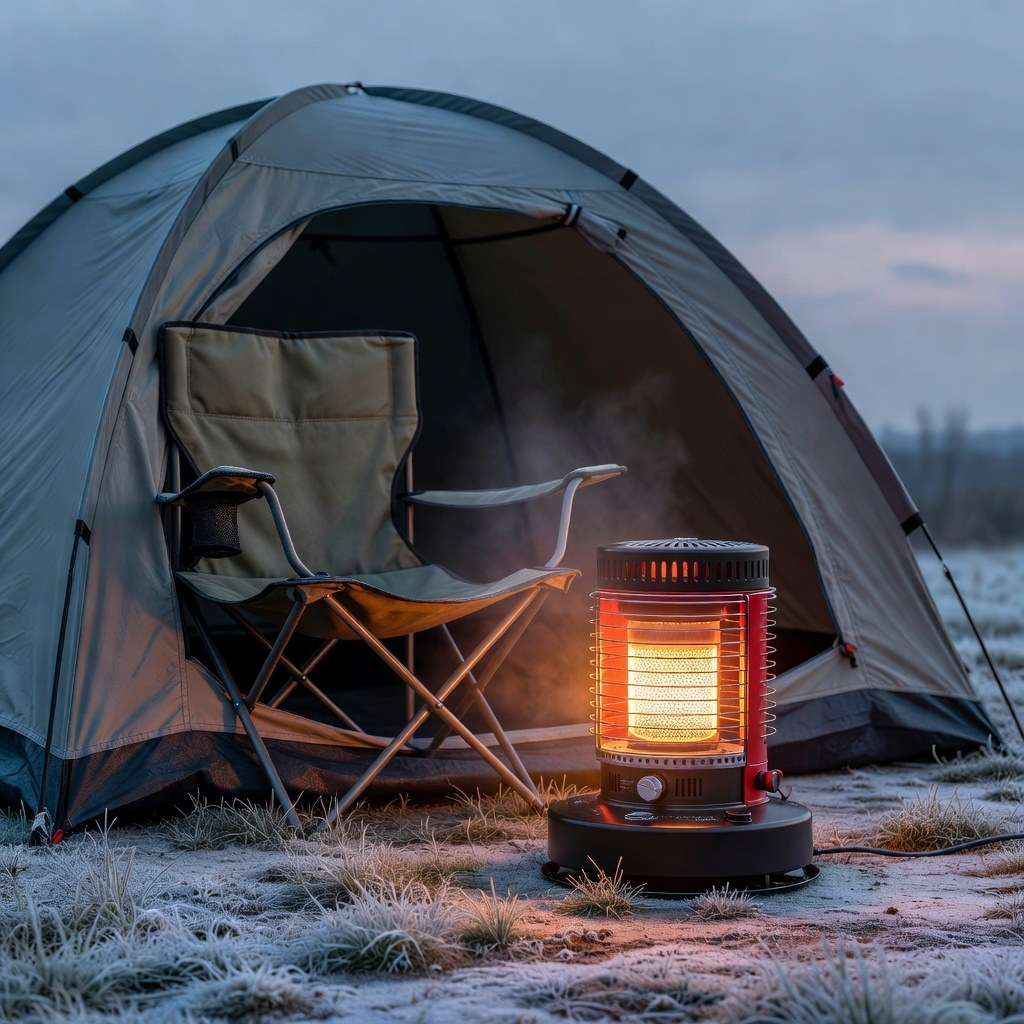 Mr. Heater F274830 MH18B Big Buddy 4,000/9,000/18,000 BTU Indoor-Safe Portable Propane Heater$146.48
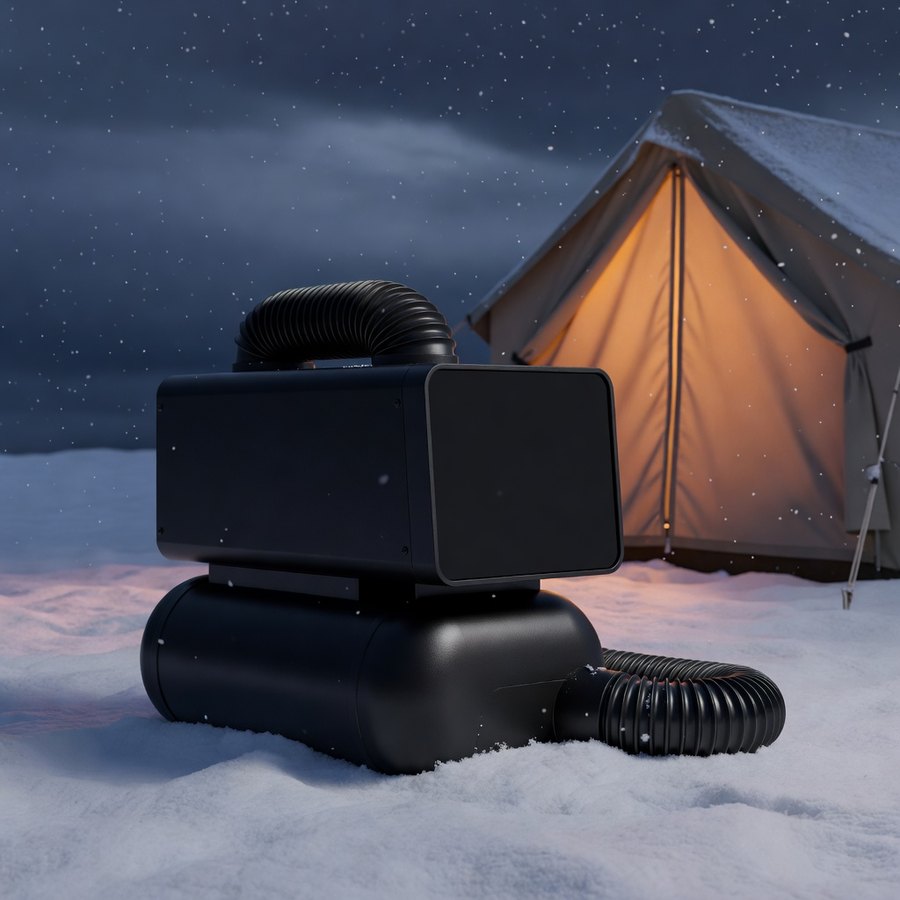 LF Bros 5KW Diesel Heater, 12V/24V/110V Diesel Parking Air Heater for Vans, RVs and Cold-Weather Camping$249.99
In this article · 8 sections
- The 5 Non-Negotiable Safety Rules for Tent Heating
- Carbon Monoxide: What It Is and Why ODS Isn't Enough
- Ventilation Math: How Much Air Does a Buddy Heater Need?
- Mr. Buddy Heater Setup Checklist (Do This Every Time)
- Choosing a Heater: Match the BTU to the Tent
- When Things Go Wrong: Troubleshooting Map
- The Complete Safe-Heat Setup (Shopping List)
- Tent Heating Safety FAQ
Heating a tent in November and December is the single fastest way to turn a miserable cold-weather trip into a great one — and the single fastest way to get hurt if you skip the safety rules. Every winter we see the same two questions in search: is it safe to run a Mr. Buddy heater in a tent overnight? and why did mine shut off / smell like propane / keep going out?
This guide is the safety-side answer to both. It covers the carbon monoxide and ventilation rules, correct heater setup, real fuel run-times, and links out to the deep troubleshooting guides for every failure mode. Read it once before your first heated-camping trip and you'll know exactly what "indoor-safe" means — and what it doesn't.
The 5 Non-Negotiable Safety Rules for Tent Heating
- Only use a heater rated "Indoor-Safe." The Mr. Heater Buddy line (MH9BX Buddy, MH18B Big Buddy, F215100 Little Buddy) has an oxygen depletion sensor (ODS) that shuts the burner down when oxygen in the space drops below a safe level. A generic construction heater or a camp stove has no such sensor — never heat a tent with a cooking stove.
- Always run a CO detector. ODS protects against oxygen loss; it is not a carbon monoxide alarm. A battery-powered travel CO detector placed at sleeping height near the beds is the only device that actually tells you CO is building. This is a $25 item — it is not optional.
- Ventilate on purpose. Crack a low vent or door zipper 2–3 inches so fresh air enters low and warm air can escape high. "Indoor-safe" assumes some air exchange; a fully sealed 4-season tent can still starve the burner. See the ventilation math below.
- Clearance: 3 feet in front, 2 feet on top and sides. Keep the heater off the sleeping bag, away from tent walls, and on a stable, non-flammable surface. Most tent fabric scorch marks come from a heater tipped or leaned against a wall.
- Fuel outside, flame out. Connect and disconnect 1 lb canisters outside the tent, and never refill, change, or store a canister near an operating heater or lantern.
Carbon Monoxide: What It Is and Why ODS Isn't Enough
Propane combustion produces water vapor and CO₂ when everything is perfect — and carbon monoxide when it isn't. A partially blocked burner, a tip-over, or a starved-air flame shifts the burn rich and starts producing CO. The symptoms are sneaky because they mimic normal camping fatigue: headache, drowsiness, nausea. You don't smell anything, because CO is odorless.
Two facts to internalize:
- The ODS sensor kills the flame on low oxygen, not on CO. It's a canary for suffocation risk, not for poisoning risk.
- CO accumulates fastest in small, sealed volumes — exactly what a 2-person winter tent is at 2 a.m.
So the practical standard is: ODS-equipped heater + battery CO detector + passive low vent = the minimum safe configuration. If any of the three is missing, don't run the heater while you sleep. Warm the tent before bed, then shut it off.
Where to Place the CO Detector
- At sleeping height, not on the ceiling — CO mixes evenly with warm air in a tent, and the ceiling in a tent is fabric, not a mounting surface.
- Between the heater and the sleepers, a foot or two off the ground (hang it from a gear loop).
- Test the button before every trip. A dead CO detector is worse than none, because it creates false confidence.
Ventilation Math: How Much Air Does a Buddy Heater Need?
You don't need an engineering degree — the rule of thumb is simple:
- A Mr. Heater Buddy (MH9BX) burns at most ~9,000 BTU/hr, consuming roughly 0.04–0.05 gallons of propane per hour on high.
- Complete combustion of that fuel needs about 200–250 cubic feet of air per hour. A typical 4-person tent has 250–400 cubic feet of volume — meaning the heater can consume the tent's entire air volume in roughly an hour if the tent were perfectly sealed.
- In reality no tent is airtight, but a 4-season winter tent is close. So: open a low vent or the door zipper 2–3 inches and you replace several times the heater's consumption per hour with zero meaningful heat loss. The warm air you lose through a low vent is a fraction of what the heater adds.
Practical setup: vent low (fresh air in), keep the heater 3+ feet from bedding, CO detector hung at bed level. That's the whole configuration.
Mr. Buddy Heater Setup Checklist (Do This Every Time)
- Level, stable surface — a folding table, a camp stool, or flat ground cleared of snow. Never directly on snow (it melts a puddle and can tip).
- Connect the 1 lb canister outside, hand-tight only, and check for the smell of propane before bringing it in. If you smell gas, see our propane smell troubleshooting guide.
- Screw in the canister after the heater is upright and the control knob is OFF.
- Light, then set to LOW for sleeping. High is for warming the tent up; low holds temperature overnight and stretches fuel.
- Re-check clearance once everyone's bags and pads are laid out — gear migrates toward heaters all night.
Fuel Run-Time Reference (Real Numbers)
| Heater | BTU | Run-time on 1 lb canister |
|---|---|---|
| Little Buddy (F215100) | 3,800 | ~5.6 hours |
| Buddy (MH9BX) | 4,000–9,000 | ~3 hrs high / ~6 hrs low |
| Big Buddy (MH18B) | 4,000–18,000 | ~3 hrs high / ~6 hrs low (2 canisters or hose) |
Plan on two 1 lb canisters per night for a Buddy on a low-med setting, or connect the Big Buddy to a 20 lb tank with a 10-foot hose assembly — that's the setup that turns winter car camping into a genuinely comfortable routine. If you run from 20 lb tanks, a universal fuel filter is recommended by Mr. Heater to keep tank debris out of the regulator.
For the full fuel-consumption math (including why "run-time on low" claims vary), see our dedicated guide: how long does a Buddy heater last — 1 lb vs 20 lb.
Choosing a Heater: Match the BTU to the Tent
| Tent type | Right heater | Why |
|---|---|---|
| 1–2 person backpacking tent | Little Buddy (3,800 BTU) | Small volume warms fast; smallest footprint |
| 3–4 person family tent | Buddy MH9BX (4,000–9,000 BTU) | The all-rounder — our pick for most families |
| 4+ person cabin / canvas tent | Big Buddy MH18B (up to 18,000 BTU) | Twice the burner, 20 lb tank option |
All three are ODS-equipped and indoor-safe rated. The Mr. Heater Buddy MH9BX is the one we recommend for family weekend camping — 25,000+ reviews, tip-over shutoff, and it warms a 4-person tent in about 15 minutes. Step up to the Big Buddy MH18B for canvas tents or sustained sub-freezing trips. If you're running a van or RV, a diesel air heater vents exhaust outside entirely — a different safety model (sealed combustion) that removes the CO question from the living space.
When Things Go Wrong: Troubleshooting Map
Every common Buddy Heater failure has a dedicated guide with step-by-step fixes:
- Heater lights, then goes out after a minute or two → almost always the thermocouple/ODS or a low-fuel pressure issue. Full fix sequence: Mr. Heater won't stay lit — troubleshooting guide.
- Smell of propane during or after operation → connection seating, O-ring, or a canister problem — and the one failure mode you should treat as urgent. Fixes: Mr. Heater smells like propane — 7 causes.
- Heater shuts off randomly overnight → usually the ODS doing its job in an under-ventilated tent, or tip-over switch. Re-read the ventilation section above before assuming the heater is faulty.
- Weak yellow flame / soot → contaminated fuel or a clogged burner; run the fuel filter and clean the orifice per the manual.
The Complete Safe-Heat Setup (Shopping List)
- Mr. Heater Buddy MH9BX — $74 — the family-tent workhorse
- Kidde battery CO detector — $24 — the non-negotiable companion
- 10-ft hose + 20 lb tank adapter — $18 — overnight run-time without canister changes
- Propane fuel filter — $16 — required for 20 lb tank use
That whole stack is under $135 and covers every safety rule in this guide.
Tent Heating Safety FAQ
Is it safe to sleep with a Mr. Buddy heater on in a tent? With the full configuration — ODS-rated Buddy, working battery CO detector at sleeping height, and a 2–3 inch low vent — yes, that is the use case the "indoor-safe" rating describes. Without the CO detector or the vent, no: warm the tent, then shut it off.
Does a Mr. Buddy heater produce carbon monoxide? Any propane flame can produce CO. The Buddy's ODS prevents the low-oxygen condition that produces most of it, but a tip-over or dirty burner can still generate CO — which is why the detector, not the sensor, is the safety device.
How much ventilation does a tent heater need? A low vent or door gap of 2–3 inches is sufficient for a Buddy-class heater in any family tent. The goal is continuous air exchange, not a sealed warm box.
Can I use a camp stove to heat my tent? No. Camp stoves have no ODS, no tip-over shutoff, and no low-heat setting designed for enclosed spaces — they are the most common source of tent CO incidents. Use a heater rated indoor-safe.
Why does my Buddy heater keep shutting off at night? Usually the ODS responding to low oxygen (add more vent) or the tip-over switch (stabilize the base). If it dies within minutes of lighting, it's the thermocouple — see the won't-stay-lit troubleshooting guide.
How warm does a Mr. Buddy actually make a tent? A Buddy MH9BX raises a 3–4 person nylon tent 20–30°F above ambient in 15–20 minutes on high — enough to turn a 25°F night into a comfortable 50°F sleeping environment, especially paired with a good pad's R-value.
<!-- AFFILIATE_DISCLOSURE -->