Camping Without Electricity: What You Actually Need
No hookup, no problem. How to run light, heat, food and water for a family camping weekend with no electricity — including the power math that matters.
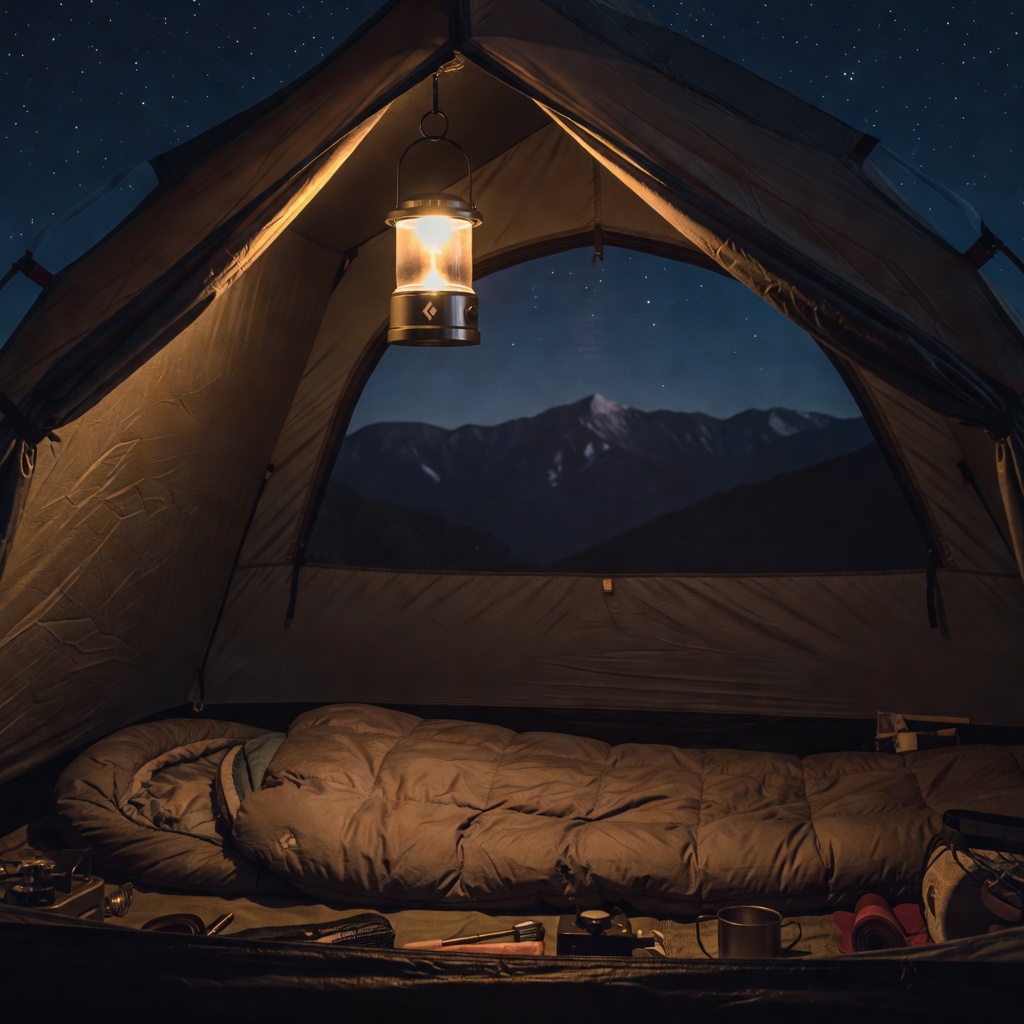 Black Diamond Moji Lantern — Compact 200 Lumen Dimmable Camping Lantern$24.95
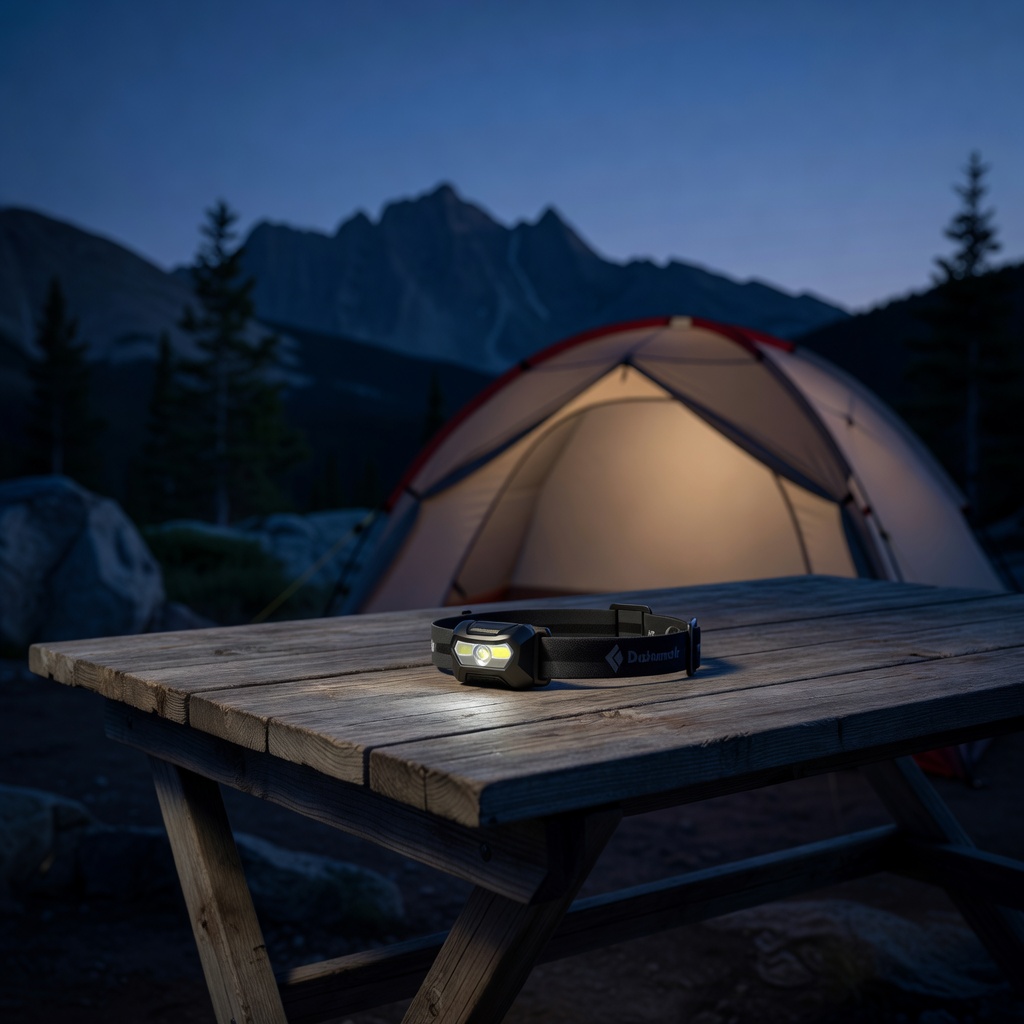 Black Diamond Spot 400 Headlamp — 400 Lumen Waterproof Dual-Fuel Camping Light$39.95
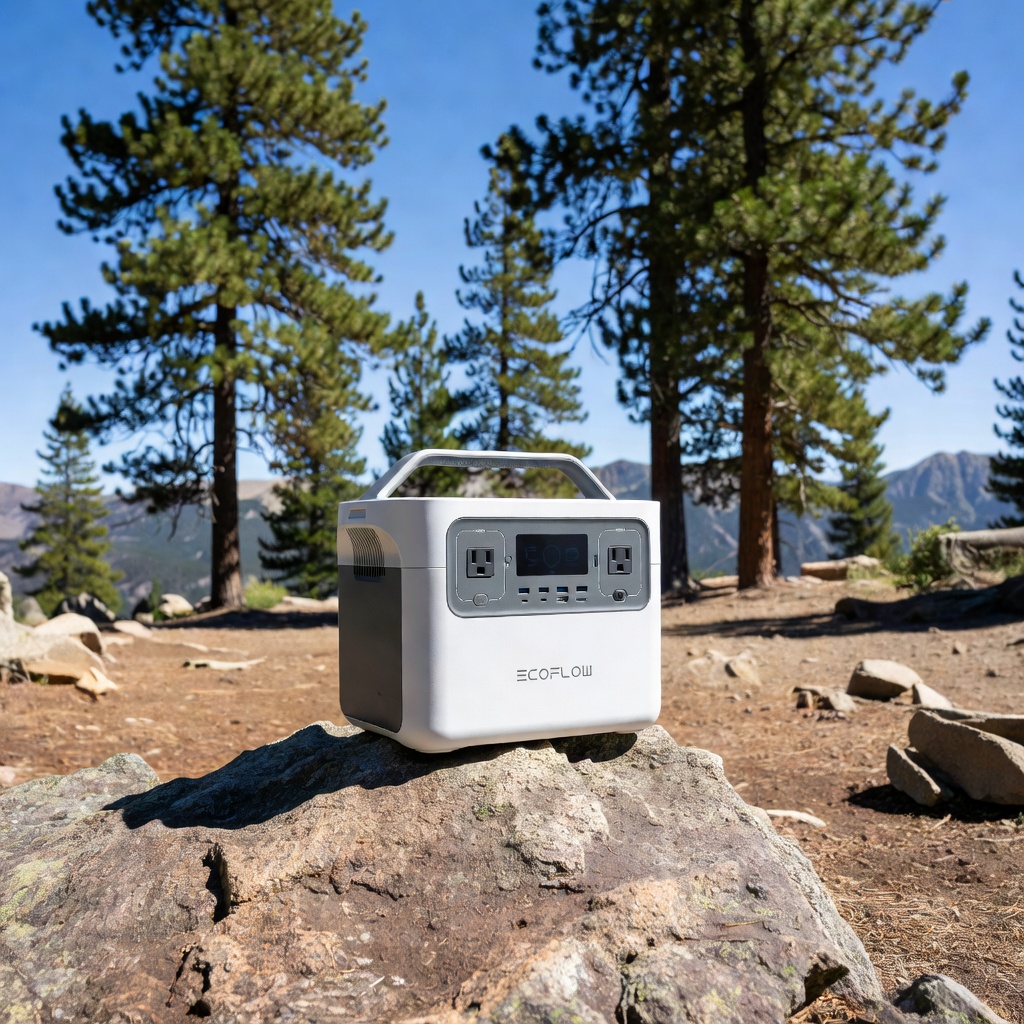 EF ECOFLOW RIVER 2 Portable Power Station, 256Wh LiFePO4 300W Solar Generator$169.00
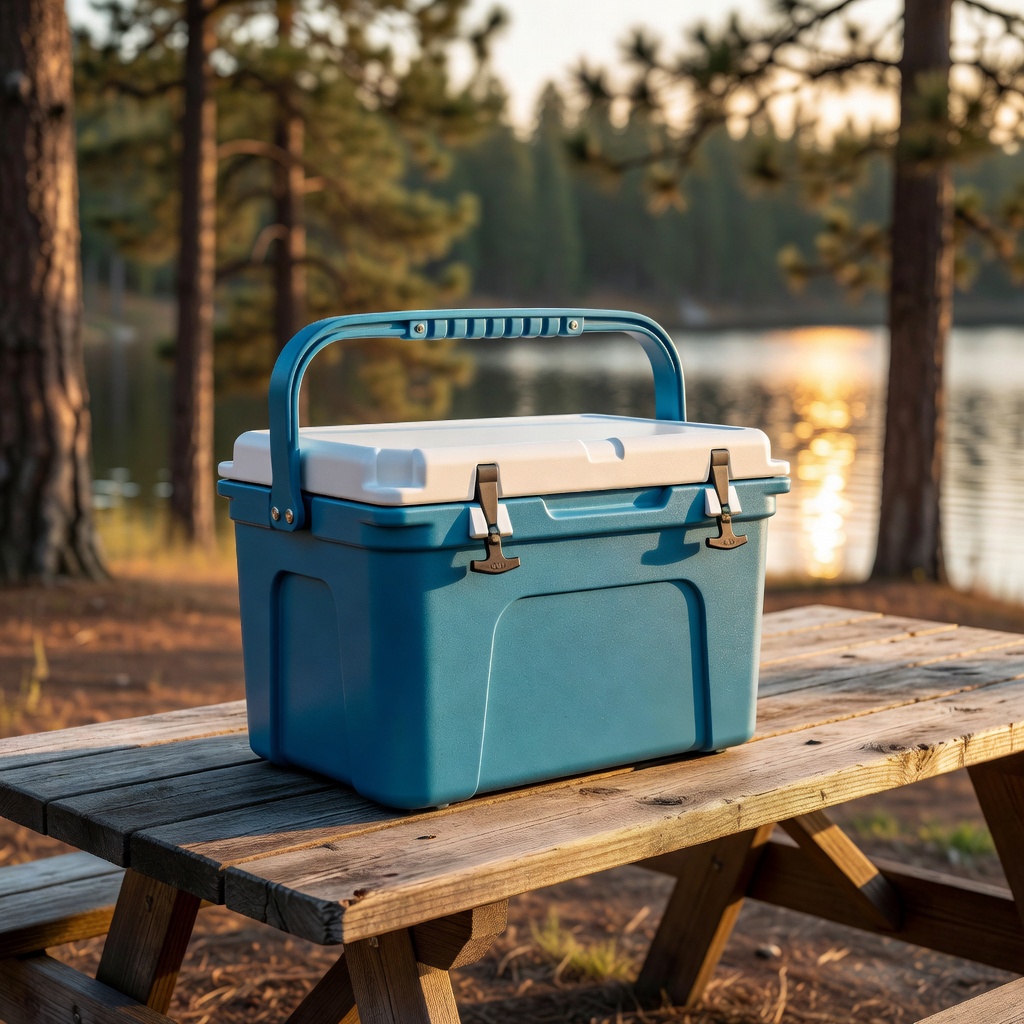 YETI Roadie 24 Cooler$250.00
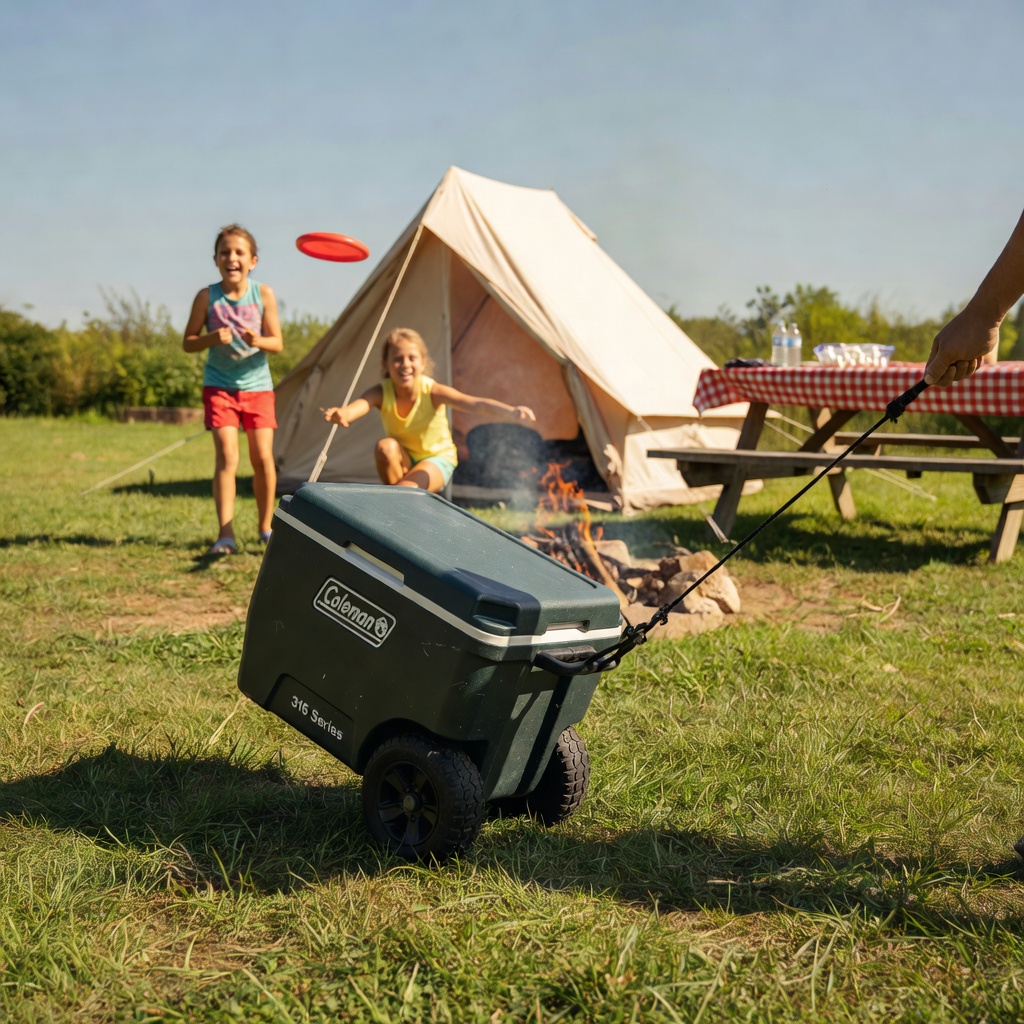 Coleman 316 Series Wheeled Cooler 62QT$84.99
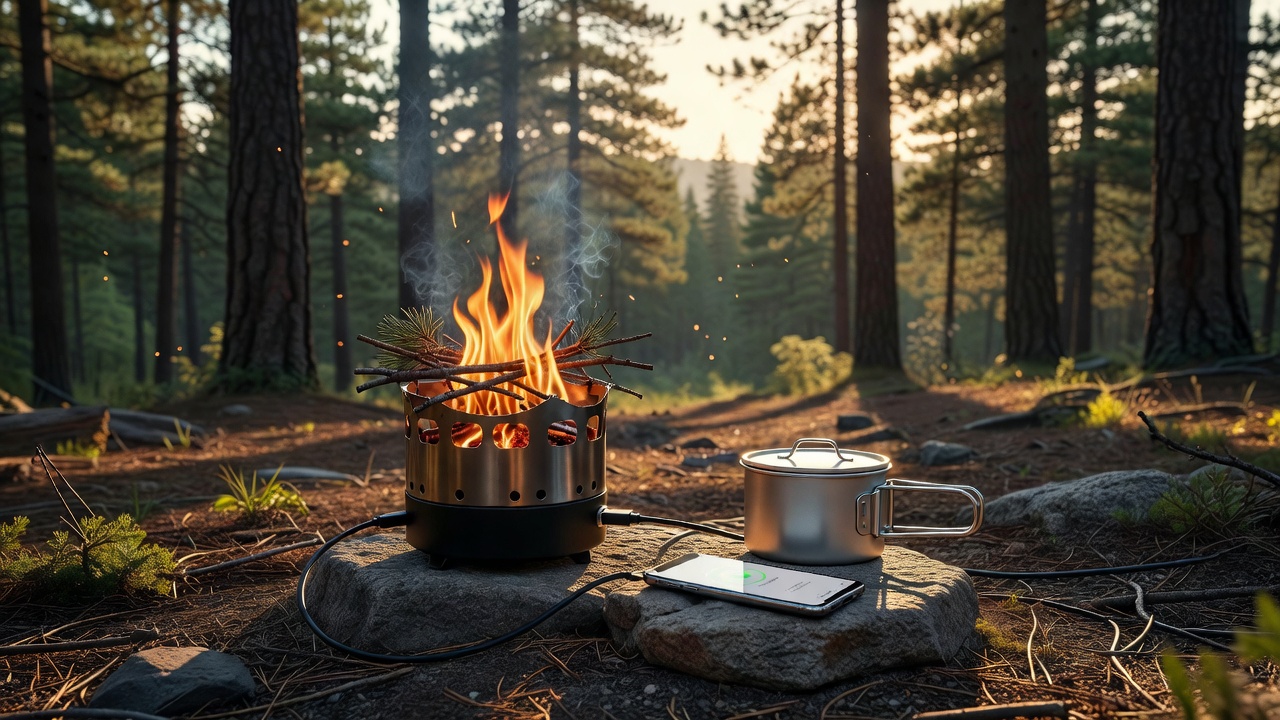 BioLite CampStove 2+ Wood Burning & USB Charging Camp Stove Bundle with Charge 80 Power Bank$199.95
In this article · 10 sections
- What Is Camping Without Electricity Called?
- Camping Without Electricity Checklist: The Ten Things That Matter
- The Power Math: How Much Battery Do You Actually Need?
- Camping Without Electricity Food Ideas
- Ten Camping Without Electricity Hacks
- Camping Without Electricity or Water: Handling Both at Once
- Campsite Without Electricity: What Changes After Dark
- Safety: The Two Rules That Actually Matter
- What a Three-Day No-Hookup Family Trip Looks Like
- Camping Without Electricity FAQ
The site looked perfect in the photos: a flat gravel pad, a fire ring, pines on three sides. Then the camp host mentioned, almost apologetically, that there were no hookups and no outlet at the bathhouse.
That is the moment most families discover the gap between "camping" and "camping without electricity." Nobody starves. But the phone dies, the air mattress pump quits halfway, the cooler turns into a warm puddle by Sunday, and someone spends the evening holding a flashlight in their teeth.
None of that is hard to avoid. It just has to be planned as a system instead of a pile of gear. Here is the version we use for a three-day family weekend with no hookup at all — what to bring, how much battery you genuinely need, how to keep food cold, and the safety rules that matter more than any gadget.
What Is Camping Without Electricity Called?
People use four different words for the same trip, and the word changes what you should expect:
- Dry camping — a designated campground with no hookups. You get a picnic table, a fire ring, usually a vault toilet or a bathhouse. No power pedestal.
- Boondocking — camping on public land with no facilities at all, usually accessed by dirt road. Water and toilets are your problem.
- Primitive camping — a step beyond boondocking: no water, no toilets, no trash service, sometimes no established site. Often a walk-in or paddle-in site.
- Dispersed camping — the Forest Service and BLM term for camping outside a developed campground, typically limited to 14 days in one spot.
- Off-grid camping — the gear-oriented term. It describes how you run the trip (battery, solar, propane) rather than where you park.
If someone says "we dry camped," they usually mean a no-hookup campground. If they say "we boondocked," they mean they found their own spot. Both are camping without electricity, and both are covered by the same short list below.
Camping Without Electricity Checklist: The Ten Things That Matter
The honest version of a no-hookup checklist is shorter than the internet suggests. You are replacing four things — light, refrigeration, device power, and hot food — plus a safety layer. Everything else is comfort.
| Need | Why it matters without a hookup | What we use |
|---|---|---|
| Light | Sunset is 5:30 pm in fall; cooking, cleanup and kid-wrangling all happen after dark | Black Diamond Moji lantern plus one headlamp per person |
| Hands-free light | Lantern light is ambient; you need a beam for knots, stoves and latrines | Black Diamond Spot 400 headlamp |
| Battery bank | Phones, headlamps, pump, camera — the trip dies without one | EcoFlow River 2 |
| Refrigeration | Ice is the only cooling you have; ice management is the whole game | YETI Roadie 24 for a family, Coleman 316 wheeled 62qt for a crowd |
| Cooking | Propane or wood; no microwave, no kettle, no air fryer | BioLite CampStove 2 or any canister stove |
| Air movement | No AC and no fan means a stuffy tent by 9 pm in shoulder season | FRIZCOL 3-in-1 fan and lantern |
| Tent lighting | A ceiling light beats three flashlights pointed at the roof | Coleman Skydome 4P with LED lighting |
| CO alarm | Any flame or fuel heater indoors is a carbon-monoxide risk | Kidde battery CO detector |
| Water | No spigot means you carry it or filter it | Two 5-gallon jugs plus a filter; see water and freezing |
| Trash and grey water | Nothing gets hauled away for you | Sealed bin, and a plan for dishwater |
The must-haves are the first three rows. Everything after that is quality of life, and the two rows at the bottom are what separates a clean site from a raccoon incident.
The Power Math: How Much Battery Do You Actually Need?
This is where most packing lists quietly fail. A 256 Wh power station sounds enormous until you find out what a family of four actually draws in an evening.
The unit is watt-hours. One watt-hour is one watt for one hour. A device rated at 10 W for 5 hours uses 50 Wh. Add up everything and compare it to your battery's capacity, then subtract roughly 15% for conversion losses.
| Device | Draw | Hours per day | Watt-hours per day |
|---|---|---|---|
| Two phones | 10 W | 2 | 20 |
| Three headlamps (recharge) | 5 W | 2 | 10 |
| Air mattress pump | 60 W | 0.2 | 12 |
| LED lantern and tent light | 4 W | 5 | 20 |
| Portable fan overnight | 8 W | 8 | 64 |
| Camera and tablet | 15 W | 2 | 30 |
| CPAP machine (no humidifier) | 30 W | 7 | 210 |
That is about 156 Wh for a normal family evening, or 366 Wh if someone uses a CPAP. Which explains why the EcoFlow River 2 at $169 (256 Wh) is right for most families for a two-night trip, while the Anker Solix C300 at $329.99 (288 Wh) is the better pick once you add a fan all night or a medical device. Only one of those two numbers is a real planning problem, and it has its own guide: camping with CPAP power.
Longer trips change the answer. Three days without sun on a 256 Wh bank means rationing. That is when a folding panel earns its place — a 200 W bifacial panel can refill a small station in a long afternoon, though never as fast as the marketing implies. Panel placement, angle and cloud cover are covered in our off-grid solar guide, and the broader buyer's view is in how to choose a portable power station.
Two rules that save a trip:
- Charge the battery bank and every headlamp the night before you leave, not the morning of. Departure morning is chaos.
- Never run a portable power station in a closed tent or car. Lithium stations are safe, but inverter heat and a sealed nylon box are not a good pairing.
Camping Without Electricity Food Ideas
No hookup means no fridge, which means ice is your only cooling. The practical rule for a family weekend is one block of ice per day per cooler, plus a separate small cooler for drinks so the food cooler is not opened every ten minutes. An insulated soft cooler for the day-hike lunch keeps the main cooler closed until dinner.
What actually works for meals without power:
- Night one is fresh meat, cooked over fire or a stove. It is the only meal that has to happen early.
- Night two is shelf-stable. Pasta with jarred sauce, canned chili, tortilla-and-bean wraps, instant rice with pouch chicken.
- Breakfast is coffee and eggs. Eggs travel better than people expect if they stay in the original carton at the bottom of the cooler. A stovetop camp coffee setup matters more than any appliance.
- Lunch is no-cook. Cheese, salami, apples, crackers, peanut butter. Nobody wants to light a stove at noon on a hike.
- Freeze water bottles at home and use them as cooler ice. They keep food cold and give you drinking water as they melt.
Cooler discipline is the entire trick: drain the water daily, keep the lid shut, and put a towel over the cooler in direct sun. Our weekend cooler packing guide has the layer order that gets three days out of one block of ice.
Ten Camping Without Electricity Hacks
These are the ones that survived real trips, not the ones that sound clever:
- Headlamp on the water jug. A cheap headlamp strapped around a 5-gallon jug turns it into a glowing lantern that lights a whole table.
- Charge in the car while driving. A 12 V USB-C adapter is the cheapest watt-hours you own on a road-trip leg.
- Pre-chill the cooler at home. A cooler loaded with warm food burns through ice twice as fast.
- Solar path lights around the site. They charge all day and mark trip hazards for kids and dogs after dark.
- Battery-powered string lights under the awning make cooking and card games possible without blinding anyone.
- A power bank in the sleeping bag. Cold drains lithium; a warm battery holds its charge overnight.
- Label the cooler zones — "day one," "day two," "drinks." It stops the archaeological dig that lets all the cold air out.
- One outlet strip on the power station so four devices charge from a single port and you can see what is plugged in.
- Turn the phone to airplane mode and low-power mode. It cuts idle draw enough to double standby time.
- Bring a backup of the one thing you cannot replace — a spare headlamp, a spare canister, a spare phone cable. Redundancy is cheaper than a two-hour drive to a gas station.
If you are camping on public land rather than in a campground, the rules and site selection differ enough to read first: dispersed camping and RV boondocking for beginners cover access, stay limits and the leave-no-trace basics.
Camping Without Electricity or Water: Handling Both at Once
Primitive sites remove water too, and water is heavier than any battery. Budget one gallon per person per day — two in heat or with a dog — and split it into a drinking jug with a spigot and a utility jug for dishes and handwashing.
Three things make a dry site manageable:
- A wide-mouth filter so a stream or lake becomes a refill instead of a drive. Filtering is a chore, but it beats hauling 15 gallons.
- A wash basin system: one basin with soapy water, one with rinse water, dishes wiped clean first. Never dump grey water in or near a water source.
- A tarp for rain collection if the forecast is wet — a corner-tied tarp can fill a bucket in an hour of steady rain.
Never drink untreated surface water because it "looks clear." Giardia does not announce itself.
Campsite Without Electricity: What Changes After Dark
A no-hookup site has no pole light, no bathhouse glow, and no ambient light at all. That is the best part of the trip and also the part that trips people up.
Build light in three layers: an area light for the cooking and sitting zone, task light on each person's head, and a dim night light in the tent so nobody steps on the dog at 2 am. Our lantern and headlamp guide compares the two families of light properly, and night hiking safety covers the case where you are still on the trail when the sun goes.
Fire is light and heat, but not a plan. Wind, burn bans and wet wood all cancel it — check camping during a fire ban before you count on a fire for dinner.
Safety: The Two Rules That Actually Matter
Everything above is convenience. These two are not.
Carbon monoxide first. Any propane heater, lantern, or stove that burns fuel inside an enclosed space produces CO. A tent is an enclosed space. A battery-powered CO detector costs about as much as lunch and belongs in the gear bin permanently — not just on cold trips. Heaters inside tents have their own rules, covered in tent heater safety.
Never run a generator or a fuel-burning appliance inside a tent or vehicle. Not for five minutes, not with a window cracked. If you need heat overnight, the safe options are a proper sleeping bag and pad rated for the temperature, not a burner.
The second-order rule is about batteries: keep lithium banks out of direct sun, never charge a swollen pack, and do not leave a power station in a hot car in summer. Cold is a performance problem. Heat is a safety problem.
What a Three-Day No-Hookup Family Trip Looks Like
A real shortlist, not a catalog:
- One 256–288 Wh power station, charged at home, plus one 10,000 mAh phone bank as backup
- Three headlamps and one area lantern, all charged, plus spare AAAs for the lantern
- One hard cooler with block ice and a separate soft cooler for drinks and lunch
- Two 5-gallon water jugs, one filter, one wash basin
- Canister stove plus two fuel canisters for a weekend of coffee, eggs and one pasta dinner
- CO detector, first aid kit, and a fire extinguisher or a bucket of water
- Solar path lights for the tent guy-lines and the walk to the toilet
- A fan for shoulder-season nights and a warm layer for everyone, including the dog
That list fits in one tote plus a cooler. It is also the difference between a trip where the kids ask to go again and a trip where nobody sleeps.
The last thing worth saying: electricity is not the point of the trip. It is the thing that stops being a problem so the rest of the trip can happen. Get light, cold food, charged phones and a CO alarm handled, and a no-hookup weekend is more comfortable than a powered one — quieter, darker, and a lot less screen time.
Camping Without Electricity FAQ
Can you camp without electricity for a week?
Yes, with two changes: you need a way to recharge (a folding solar panel or a car charger on supply runs) and food has to shift to shelf-stable after the ice runs out. Most families do three days on one cooler and one battery bank, then resupply.
How many watts do I need to camp without electricity?
For a family of four on a two-night trip, plan on roughly 150–200 Wh per day, so a 256 Wh station covers a weekend with margin. Add 200+ Wh per day if anyone uses a CPAP, and add 60–70 Wh per night for a fan.
Does a no-hookup campsite have water or toilets?
It depends on the designation. A no-hookup campground usually still has water spigots and vault or flush toilets; a primitive or dispersed site usually has neither. Check the site listing before you leave — this is the single most common surprise.
Is it safe to use a propane heater in a tent without electricity?
Only with strict ventilation and a CO alarm, and never while you sleep with the tent sealed. A battery CO detector is not optional if any fuel-burning device runs inside. If it is cold enough to need heat all night, upgrade the sleeping system instead of the heat source.
Can I run a CPAP without electricity while camping?
Yes. A 256 Wh station runs a CPAP without a humidifier for a full night and then some; with the heated humidifier on, expect about half that. Test the exact machine at home on a meter before the trip — the numbers vary more than the marketing suggests.
<!-- AFFILIATE_DISCLOSURE -->