Camping With Two Dogs (and a Puppy): Real Setups
Two dogs at camp means two tie-outs, two beds, and a campsite pet limit nobody tells you about. Plus when a puppy is actually old enough to go.
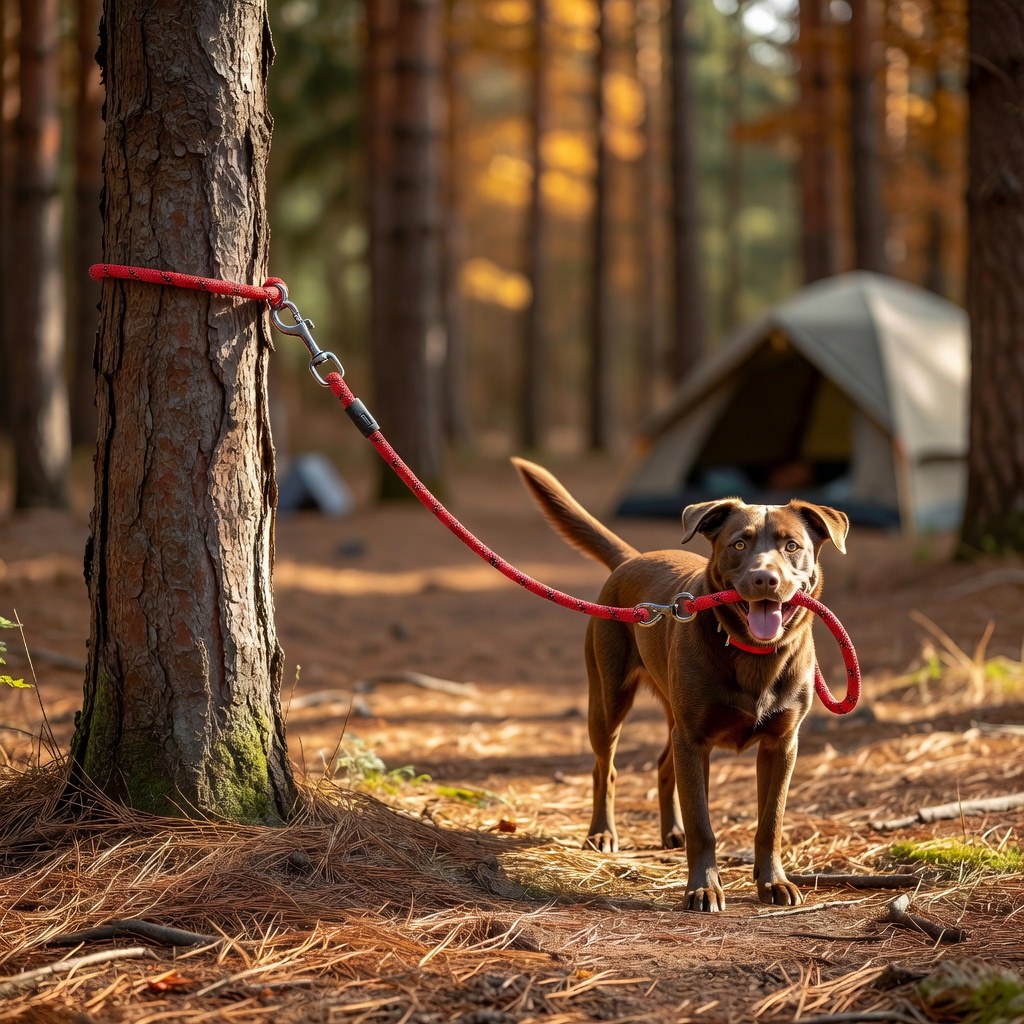 Ruffwear Knot-a-Hitch Dog Hitching System — 28.5 ft Campsite Tie-Out with Swivel Carabiner$99.99
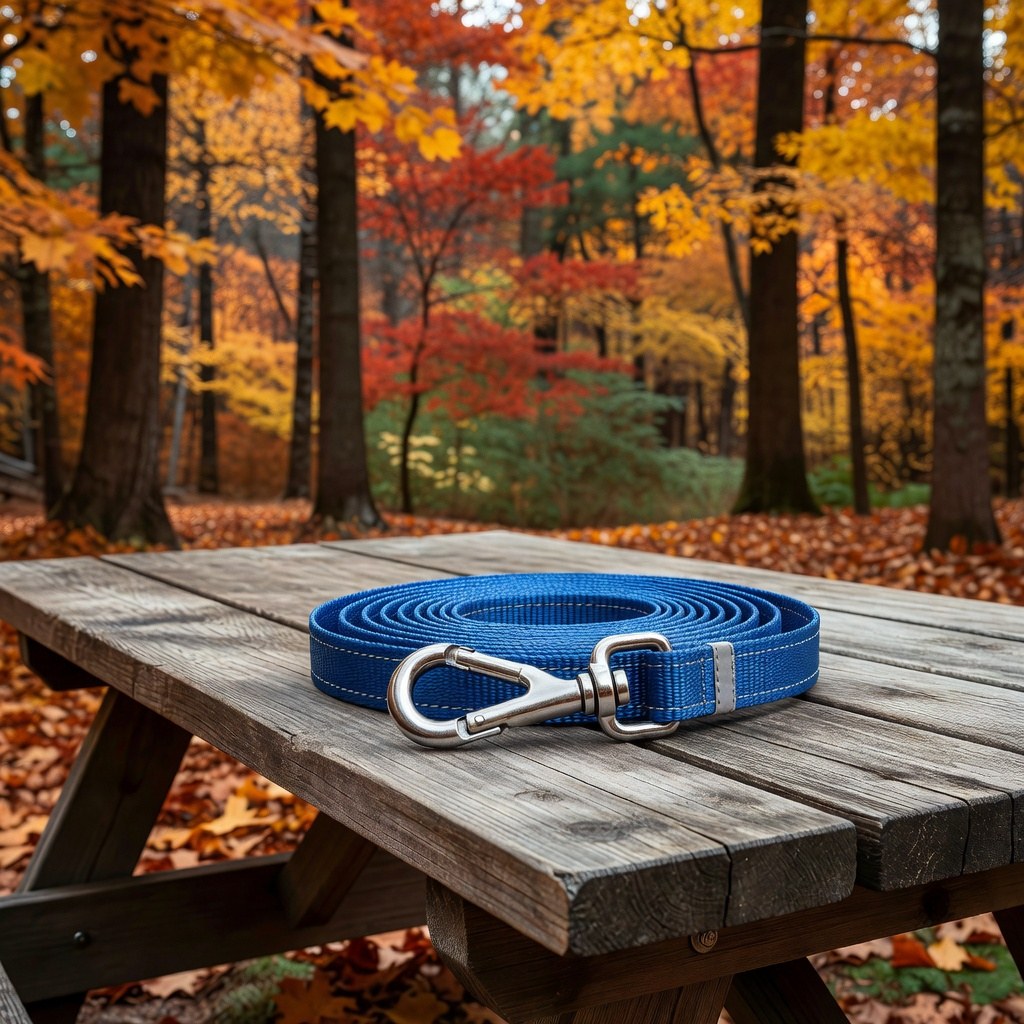 Kurgo Quantum 6-in-1 Dog Leash — 6 ft Lead, Traffic Handle, Waist and Tether Modes$29.95
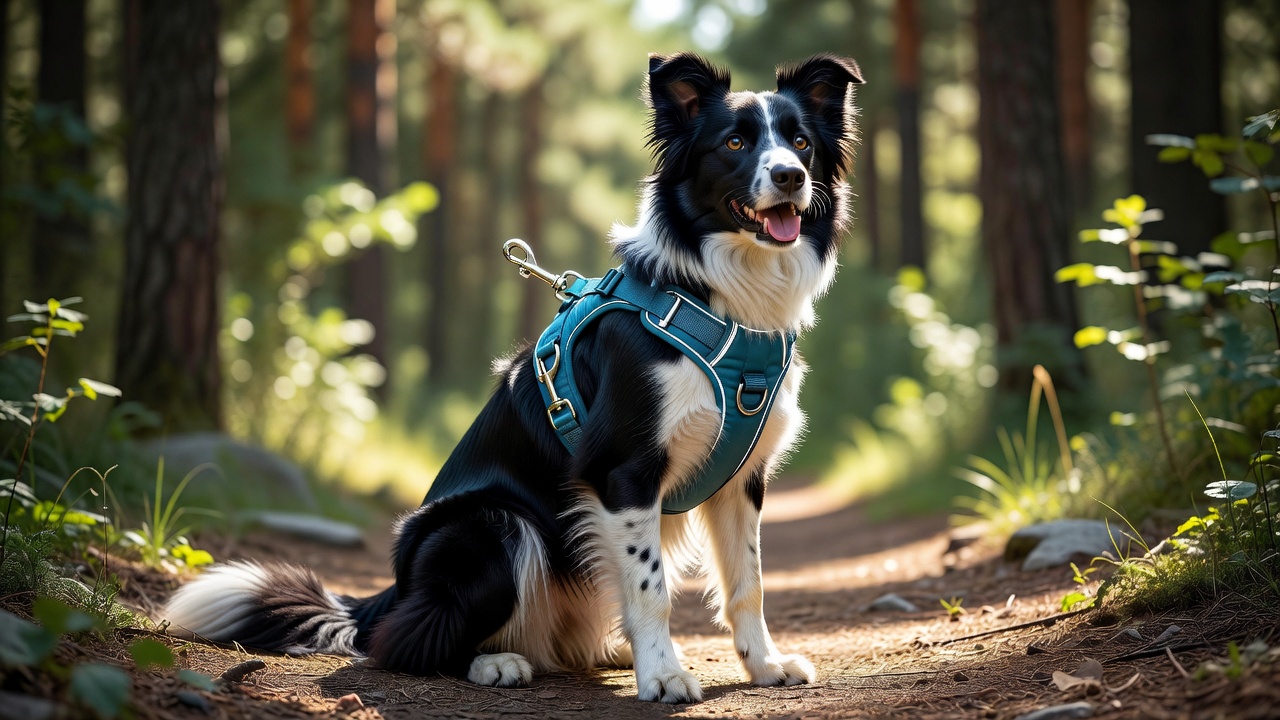 Ruffwear Front Range Dog Harness$44.95
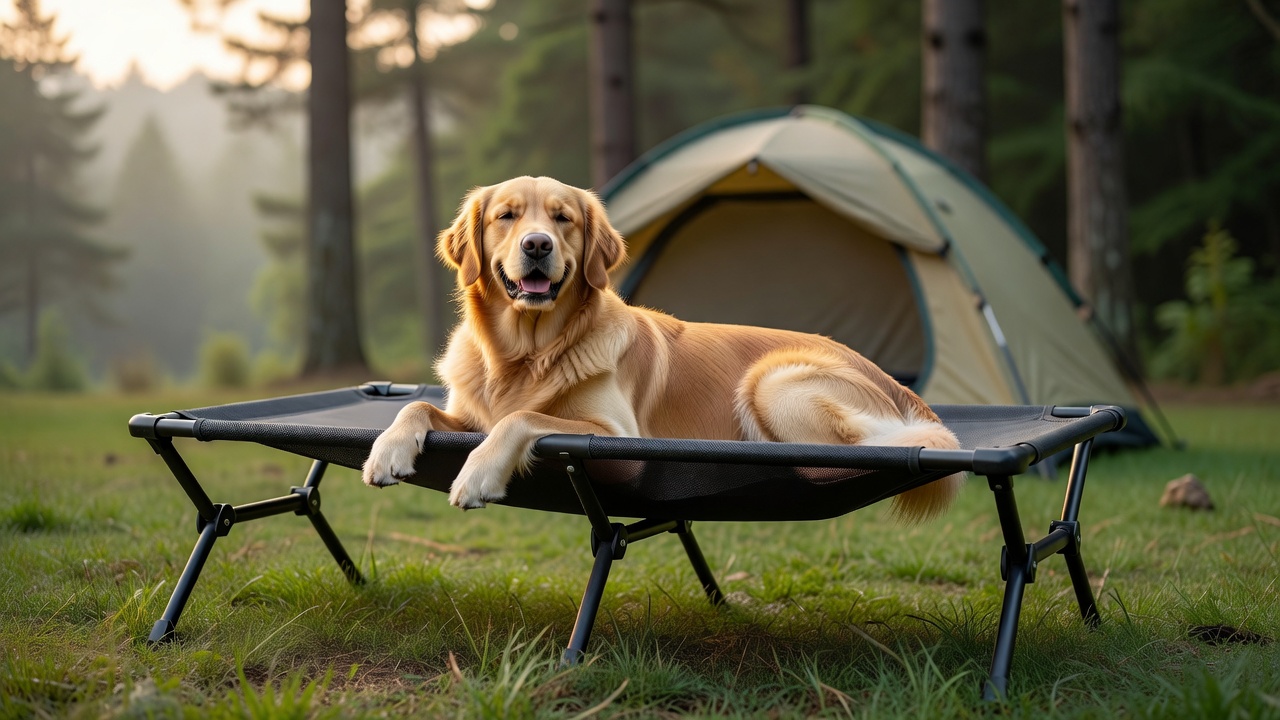 CANINE CANYON Folding Raised Dog Cot, Large Outdoor Elevated Dog Bed$49.99
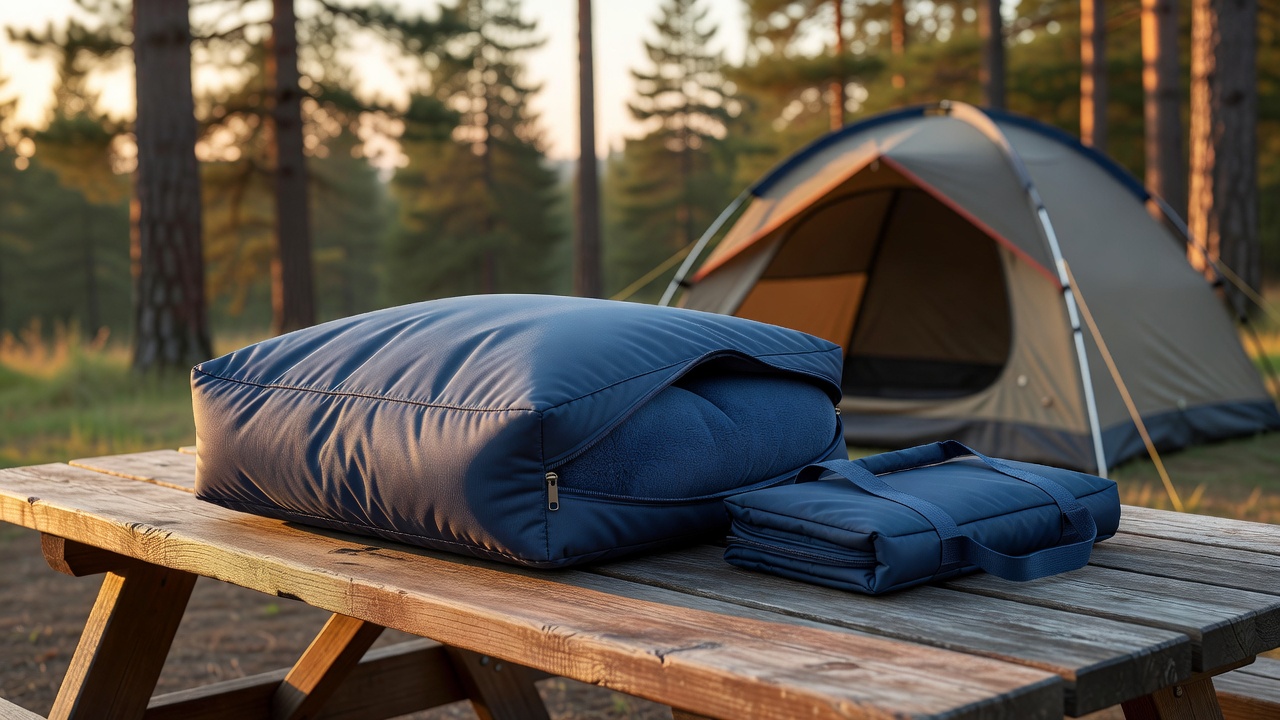 Chuckit! Travel Pillow Dog Bed, Water Resistant$29.99
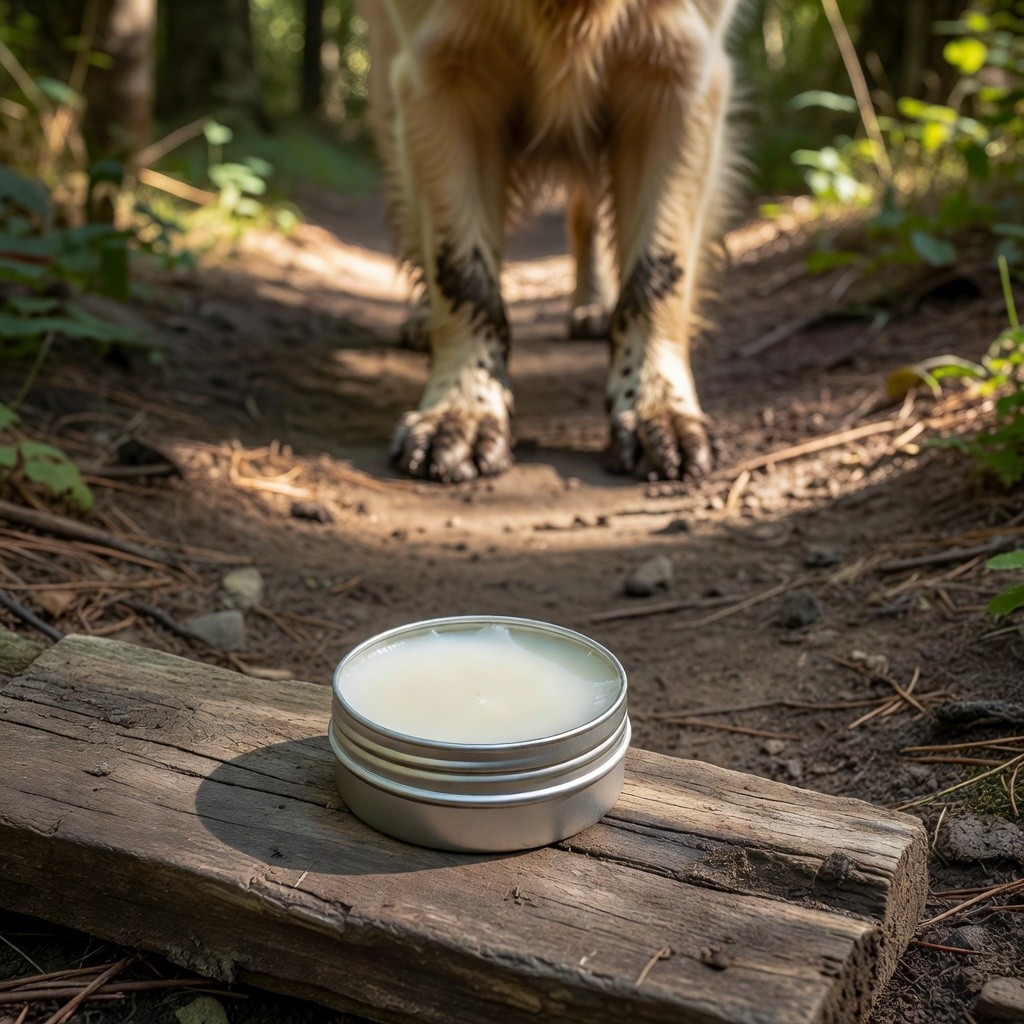 Musher's Secret Paw Wax, 200g$24.99
In this article · 19 sections
- Quick Answer: What Two Dogs (or a Puppy) Actually Need
- Camping With Two Dogs: Start With the Tie-Out, Not the Tent
- How Much Tent Do Two Dogs Actually Need?
- Tent Camping With 2 Dogs: Feet, Claws, and the Night Shift
- Car Camping With Two Dogs (and Car Camping With 2 Dogs)
- RV Camping With Multiple Dogs
- Camping With Two Large Dogs: The Size Reality Check
- Camping With Three Dogs: What Actually Changes
- Dog Camping Pen: What Works at a Real Campsite
- Camping With a Puppy: The Age Gate Comes First
- Puppy's First Camping Trip: A 24-Hour Plan
- Feeding Two Dogs at Camp (and a Puppy)
- Off-Leash, Etiquette, and the Rules That Actually Get Enforced
- Two Dogs, One Car: How to Travel With Multiple Dogs
- Multi-Dog and Puppy Packing List
- Common Mistakes (Learn From Mine)
- Every Version of This Question: The Answer Key
- Camping With Two Dogs FAQ
- You Might Also Like
One dog at a campsite is a companion. Two dogs is a system. And a puppy is a third thing entirely — closer to a toddler with teeth than to either of them.
I ran one dog for years, then added a second, then a puppy, and the failure modes were never the ones I expected. It wasn't the barking or the hiking. It was the tie-out tangles at 2 a.m., the second dog who wouldn't drink from a bowl the first dog had claimed, and the campground host who politely told us the site limit was two dogs, not three.
This guide is the setup that finally worked, in the order you actually need it: camp rules first, then hardware, then sleeping, then the puppy-specific question of when they're even allowed to go.
Quick Answer: What Two Dogs (or a Puppy) Actually Need
- Check the pet limit before you book. Many public campgrounds cap pets at two per site, and some cap one. The written "pet policy" line on the park's own page is the only version that counts.
- Two separate tie-outs beat one shared anchor. Tangled lines are how dogs get hurt, and a shared anchor is how the more confident dog drags the shyer one.
- Two beds, not one big one. Dogs choose their own space, and a shared bed turns into a resource to defend at 3 a.m.
- A puppy needs its core vaccines finished — usually around 16 weeks — plus your vet's OK. Before that, the risk isn't the tent, it's the ground where unknown dogs have been.
Everything below expands on those four, because each one has a version that works and a version that quietly ruins the trip.
Camping With Two Dogs: Start With the Tie-Out, Not the Tent
The single biggest upgrade for a two-dog camp is a campsite tie-out system with a swivel, not a longer leash. A long leash loops around the fire ring, the cooler, and your ankle; a proper tie-out rides above all of it and lets each dog circle without wrapping the other.
The one that changed our trips is the Ruffwear Knot-a-Hitch campsite tie-out system — $99.99, 4.7 stars over 120 reviews. It runs a 28.5 ft line between two trees or two stakes with a swivel carriage, so two dogs share the run without sharing a knot. It is genuinely the difference between dogs that settle and dogs that pace.
Cheaper, simpler, and fine for a first season: one Kurgo Quantum 6-in-1 leash per dog ($29.95, 4.4 stars, 3,300+ reviews), used in waist mode or tied with a proper quick-release. What you must not do is clip two dogs to one short line and hope.
The hardware that makes two dogs manageable
- Two anchors, at least 10 feet apart. Distance is what prevents boxing, guarding, and the tug-of-war over a single patch of shade.
- Two water stations. Not one bowl in the middle. A shared bowl is the number-one flashpoint in a multi-dog camp — and the second dog often just quietly stops drinking.
- Quiet-release hardware. Whatever you use, you should be able to unhook a dog one-handed in the dark, in the rain, with the other dog pulling.
- One harness per dog, fitted at home. The Ruffwear Front Range harness ($44.95, 4.5 stars, 17,000+ reviews) is the one I keep coming back to because the padding doesn't rub on a full day of hiking and the front clip stops the lunge.
How Much Tent Do Two Dogs Actually Need?
This is where multi-dog camping goes wrong before anyone leaves the driveway. Dogs don't sleep in the "extra" floor space you think you have — they sleep on the pads, on the bags, or in the doorway.
The working rule: treat a medium dog as one adult human's worth of floor space, and a large dog as one and a quarter. A 4-person tent rated for four adults is a comfortable two adults plus two medium dogs. It is not four people plus two dogs.
A sizing table that matches how tents are actually sold:
| Tent class | Fits with two medium dogs | Fits with two large dogs |
|---|---|---|
| 2-person backpacking | No | No |
| 3-4 person dome | Adults only, no dogs | No |
| 4-person cabin | 2 adults + 2 medium dogs | 2 adults, barely, no gear |
| 6-person cabin | 3 adults + 2 medium dogs | 2 adults + 2 large dogs |
| 8-person cabin | 4 adults + 2 medium dogs | 3 adults + 2 large dogs |
If your actual question is sizing with kids in the mix, our tent size guide for 2 adults, 2 kids and a dog works the same math with different occupants, and best tents for camping with dogs covers door placement and floor materials.
Two Dogs in a Tent: The Sleeping Layout
- Put the dogs between you and the door, not in the middle of the floor. They'll guard the entrance anyway; give them the job.
- Use separate beds with a gap. The CANINE CANYON folding raised cot ($49.99, 4.6 stars) keeps a large dog off cold ground and off your sleeping pad; the Chuckit! travel pillow bed ($29.99) is the lighter second bed.
- Anticipate the 3 a.m. renegotiation. One dog will decide the other's bed is better. A gap of a foot stops most of it; a shared bed guarantees it.
- Trim nails before the trip. A dog walking on a nylon floor at midnight sounds like someone unpacking a tarp.
Tent Camping With 2 Dogs: Feet, Claws, and the Night Shift
Tent camping with 2 dogs is the version where the floor matters most. Two dogs tracking damp sand across a bathtub floor turns the tent into a slip hazard by morning.
What works: a small towel by the door that you use on four feet, every single entry, no exceptions. Paw wax is the second half of that routine — Musher's Secret ($24.99, 4.7 stars, 13,000+ reviews) protects pads from hot rock and rough granite, and it makes the towel pass faster because grit doesn't stick.
For ticks, do a hands-on check at the door, not in the sleeping bag. A tick remover tool ($14.39 for three) lives in the tent pocket in our setup because finding one at 11 p.m. with no tool is a genuinely bad hour.
Car Camping With Two Dogs (and Car Camping With 2 Dogs)
Car camping with two dogs is mostly a space-allocation problem, and the fix is one barrier, not two beds.
- Cover the whole cargo area, not one seat. A dog car seat cover ($65.99, 4.6 stars, 46,000+ reviews) across the full bench means both dogs can shift as the road turns without one sliding onto the other's seat.
- One divider or crate wall between them if either dog guards space. Two dogs loose in a cargo area at highway speed is the one configuration I'd refuse now.
- Water on the road, not at the stop. A portable dog water bottle with a food compartment ($14.98, 4.8 stars) means you can water both dogs at a rest stop without wrestling a bowl in wind.
For car camping with a large dog specifically: measure the length they actually take when lying flat, add six inches, and that's your minimum. A 90 lb dog sprawled is longer than most people estimate, and the difference between a comfortable ride and a miserable one is usually six inches of cargo length.
RV Camping With Multiple Dogs
RV camping with multiple dogs is easier in one way and harder in three. Easier: air conditioning, hard floors, a door that closes. Harder: the stepwell (dogs balk at the metal stairs), floor space at night (an RV is all corridor), and campground pet rules, which apply exactly as they do to a tent.
What actually helps:
- A mat at the entry step so nails don't skate on the vinyl, and so the same two feet get wiped twice a day.
- Beds that tuck under the dinette — the raised cot above nests better than a puffy bed.
- Two tie-outs outside, same rule as a tent site. An RV awning is not a fence, and "she'll stay" is a story people tell before the third search.
If you're new to the vehicle side of this, our dog camping hub collects the packing, cooling, and safety pieces in one place.
Camping With Two Large Dogs: The Size Reality Check
Camping with two large dogs is not "two dogs, scaled up." It's a different trip, and the constraints show up fast:
- You cannot carry both. If a dog goes lame four miles out, two large dogs means one person can't evacuate one and hold the other. Plan shorter loops and carry a real first-aid kit.
- The tie-out has to be rated for the pull, not the weight. Two 80 lb dogs hitting the end of the same line at once is a lot of shock load.
- Shade is a resource. Two large dogs need twice the shade at midday, and a single tarp corner doesn't cover it.
- The tent door, not the tent size, is usually the bottleneck — a big dog going through a small D-door twice an hour destroys the zipper before it destroys anything else.
How to camp with a large dog, in one line: give them their own real estate, not a share of yours. A dedicated raised outdoor cot in the large size is cheaper than replacing a sleeping pad they've decided is theirs.
Camping With Three Dogs: What Actually Changes
Camping with three dogs — or with two dogs and a puppy, which is functionally three dogs — changes exactly two things, and neither is gear.
First, the legal one. Campsites that allow 3 dogs are a minority. Many public campgrounds cap pets at two per site; some cap one; private RV parks vary wildly. The line is usually buried in a "Pet Policy" or "Camping Rules" section of the park's own page, not in the booking flow. Call if it's ambiguous — arriving with three and being turned around at 8 p.m. is a real outcome.
Second, the social one. Three dogs in one campsite creates a small pack with its own politics, and the dog at the bottom of it will spend the trip stressed. The version that works:
- Three separate anchor points, spaced far enough that no dog can reach another's bed or bowl.
- Rotate who is loose. At any moment, one dog on a long line with you, two tied out — then swap. Everyone gets real exercise; nobody gets to build a perimeter.
- Keep the puppy out of the pack dynamic entirely for the first trip: separate pen, separate sleep spot, separate feeding.
Dog Camping Pen: What Works at a Real Campsite
A dog camping pen is the third option between "tied out" and "in the tent," and it's the one people get wrong most often. The failure is almost never the pen — it's the ground.
A fabric pen with short stakes works on turf and fails on decomposed granite, sand, and anything a determined dog can nose under. What I'd buy instead:
- A pop-up mesh dog tent ($69.99, 4.5 stars) — a floor, a roof, and shade in one piece. It doubles as the puppy's sleeping space and as a safe zone while you cook.
- A rigid x-pen plus eight-inch landscaping stakes if you'll be somewhere windy. The stakes are the actual product; the pen is just fabric.
- A ground tarp under the pen. Every pen without a floor becomes a digging project at the exact moment you sit down with food.
Camping dog pen ideas that survive wind
Camping dog pen ideas that get posted online are mostly for fenced yards. At a real campsite:
- Face the tallest side into the wind and weight the windward corners — a full water jug works better than a rock.
- Never leave a pen under a tarp edge unless the tarp is properly tensioned; a flapping corner teaches a dog to climb out.
- Put the pen beside you, not across the site. A pen out of sight is a pen being tested.
Large dog camping pen
For a large dog, most fabric pens are a suggestion. Two honest options: a pen with a top (a pop-up with a roof, or an x-pen with a fitted mesh lid), or skip the pen and use a proper tie-out. A 70 lb dog standing on the top rail of a 24-inch fabric pen is not a hypothetical. Campground dog pen rules also often specify the pen has to sit on your own site, not in the treeline.
Camping With a Puppy: The Age Gate Comes First
Everything else in this guide is a preference. This part is not.
When can I take my puppy camping?
The usual answer from vets: after the core vaccine series is complete, which typically lands around 16 weeks, plus whatever your vet adds for your region (lepto, bordetella, and tick-borne risk all vary). Until then, the risk isn't the tent — it's the ground. Parvovirus lives in soil where infected dogs have been, and a campground is the highest-traffic dog ground there is.
A practical path that doesn't waste the season:
- Before vaccines are done: camp in your own yard, or on private land with no unknown dogs. Same tent, same gear, same night-out training. Our backyard camping with kids guide applies to puppies line for line.
- Two weeks after the final puppy shot: a quiet, low-traffic campground midweek — not a holiday weekend, not a dog beach.
- Only then: normal campgrounds, trails, and the multi-dog life.
Camping with an unvaccinated puppy
Camping with an unvaccinated puppy is the one thing I'd tell a friend not to do, and the reasoning is narrow: it's not about dirt or weather, it's about shared ground. If you must be out there — a family trip you can't move — keep the puppy on a blanket or in the pop-up pen, carry water from home, avoid the day-use areas where dogs congregate, and don't let them walk the loop road. Then talk to your vet before the next trip rather than after.
Puppy's First Camping Trip: A 24-Hour Plan
A puppy's first camping trip should be boring. Boring is the win.
- Noon — arrive, set up the pen first. Before the cooler, before the chairs. The puppy gets a known space with a bed and water while everything else moves around them.
- 1-3 p.m. — one short walk, on leash, same route twice. Familiarity beats novelty for a puppy. Let them sniff the same bush four times.
- 3-5 p.m. — nap inside the pen, in shade, with you nearby. Overtired puppies are the ones that scream at midnight.
- Dinner early, then a chew in the pen. Chewing is how a puppy self-regulates in a new place.
- First dark — into the tent before they're exhausted. Lights down, same bedtime routine as home, no campfire social hour for the puppy.
- Night — expect one wake-up. Not because something's wrong, but because the sounds are new. Calm, boring, back to the bed.
Camping With My Puppy: Night One
Camping with my puppy the first time, the mistake was letting him fall asleep by the fire. He woke at 11 p.m. in a strange tent with no idea where he was, and that's a hard hour to recover. Put the puppy down in the sleeping spot while they're still drowsy, not after they've crashed somewhere else.
Feeding Two Dogs at Camp (and a Puppy)
Two dogs means two bowls, six feet apart, and a human standing between them for the first three minutes. That last part isn't optional; it's the entire fix.
- Collapsible bowls save real space: the Ruffwear Quencher ($19.95, 4.6 stars, 12,000+ reviews) is the water bowl, the Kurgo Zippy Bowl ($15.99, 4.5 stars) is the food bowl for a bigger dog.
- Feed at the same time, in separate spots, every meal. Staggering meals teaches the faster dog to hover.
- For a puppy, a slow-feeder bowl ($16.99) keeps a gulper from inhaling dinner and then getting the hiccups at bedtime. Use the small size for a puppy, not the large.
- Never refill one bowl in front of both dogs. Refill both, or refill out of sight.
Off-Leash, Etiquette, and the Rules That Actually Get Enforced
Nobody enforces "keep your dog quiet." Everybody enforces the leash rule, the pet limit, and the poop bag. In practice, in a season of multi-dog camping, the three things that got a ranger's attention were: a dog off leash in a leashed area, three dogs on a two-dog site, and a dog left alone and barking.
Two extra notes that matter seasonally:
- Hunting season. If you're camping or hiking with dogs in fall, visibility is a safety item, not a style choice — a blaze orange reflective dog vest ($34.99, 4.4 stars) is the cheap version of that insurance. Our blaze orange dog guide has the season dates and the state rules.
- Heat and cold hit dogs unevenly. Two dogs means two different tolerances. The summer paw and heat safety guide and the cold-weather dog camping guide cover the two ends; a dog jacket matters for the short-coated one, not the double-coated one, and knowing which is which is half the job.
Two Dogs, One Car: How to Travel With Multiple Dogs
How to travel with multiple dogs comes down to three decisions made before you load:
- Who rides where, fixed. Same spot every trip. Changing seats between dogs on a road trip is how resource guarding starts.
- Fed when? Three hours before departure, or at the destination. Feeding right before a mountain road is a guaranteed cleanup.
- Stops every two hours, both dogs out, both dogs watered. A single stop for one dog creates a fight over the other one's space.
Multi-Dog and Puppy Packing List
- Two tie-out anchors + swivel line (or two leashes with quick-release hardware)
- Two harnesses, fitted
- Two beds with a gap between them, one raised
- Two bowls for food, two for water
- Pop-up pen or x-pen with real stakes (puppy's bedroom, large-dog containment)
- Paw wax and a door towel
- Tick remover and a hands-on check at the tent door
- Long line for the "one loose at a time" rotation
- Blaze orange vest in fall
- A 2-week supply of the puppy's current food, plus water from home for the first trip
Common Mistakes (Learn From Mine)
- Buying one big bed for two dogs. They will not share it, and one of them will guard it at night.
- One water bowl, refilled all day. The lower-ranking dog drinks less than you think, and you won't notice until they're lethargic at 2 p.m.
- Booking a two-pet site with three dogs. The rules are enforced at check-in, at the worst possible moment.
- Taking a puppy to a dog beach at 12 weeks. The beach is the single highest-risk ground there is; it's also the most tempting.
- Assuming a fabric pen holds a large dog. It holds them until a squirrel happens.
- Clipping two dogs to one short line. This is how you spend the night untangling instead of sleeping.
Every Version of This Question: The Answer Key
The same question gets typed a dozen different ways, and the answer doesn't change much. Here they are, answered directly.
| How people type it | The short answer |
|---|---|
| camping with 2 dogs | Two anchors at least ten feet apart, two beds with a gap, one water bowl each. The first night is about settling in, not covering miles. |
| how to go camping with 2 dogs | Set up both tie-outs before the cooler, walk them separately around the site on leash, then feed in separate spots. Do less than you planned. |
| camping with 3 dogs | Book a site that actually allows three pets, use three separate anchors, and rotate: one dog loose with you, two tied out, then swap. |
| rv camping with large dogs | Mat at the stepwell so nails don't skate, beds that tuck under the dinette, two tie-outs outside. An awning is not a fence. |
| car camping with large dog | Measure the dog lying flat, add six inches, cover the full bench. Two large dogs also want a divider or a crate wall. |
| tent camping with big dogs | Door width is the real bottleneck, not floor area. A 4-person cabin is two adults plus two large dogs at best, before gear. |
| camping with a puppy tips | Pen up first, one short familiar walk, nap in shade, dinner early, and put them down in the actual sleeping spot while still drowsy. |
| camping with a new puppy | Same routine, shorter trip: one night, your own yard or private land, until the vaccine series is finished. |
| tent camping with a puppy | The puppy sleeps in its pen inside the tent or right beside the door — never loose on the pads at night. |
| camping with puppy essentials | Pen with a floor, one bed, two bowls, the food they already eat, water from home, one chew, and your vet's go-ahead. |
| camping with unvaccinated puppy | Don't, unless it's your own land with no unknown dogs. Parvovirus lives in shared ground, and a campground is the most-shared ground there is. |
| camping puppy pen | A pen is only as good as its stakes. Pick stakes for your ground type, add a floor or tarp, and place it beside you. |
| how to camp with a puppy | Wait until the core series is done — usually around 16 weeks — then take a boring, low-traffic, midweek trip. |
| dog camping play pen | An x-pen plus eight-inch landscaping stakes and a ground tarp. A pop-up with a roof beats fabric alone for anything bigger than a small dog. |
| camping with dogs off leash | It's a park-by-park leash law, not a training question. In leashed areas use a long line for exercise, and in fall add blaze orange. |
Camping With Two Dogs FAQ
Can you camp with two dogs?
Yes — most public campgrounds allow two pets per site, which is exactly the two-dog case. Check the park's own pet policy line before booking, bring two separate tie-outs and two beds, and plan for one dog to be the confident one and one to be the cautious one. The trip works best when you stop treating them as a single unit.
Do campgrounds allow 3 dogs?
Often not. Many public campgrounds cap pets at two per site, some at one, and private parks set their own limits. The number is usually in a "Pet Policy" or "Camping Rules" section rather than the booking flow, so read that page or call the office. If three dogs are non-negotiable, book a private park or a dispersed site where the rule doesn't apply — and keep all three on leash near other campers.
Can you leave dogs alone at a campsite?
Not safely and not usually legally. A tied-out dog left alone is a barking complaint, a chewed line, and a welfare problem in heat or rain. If you're hiking somewhere dogs can't go, one person stays with them or the trip changes shape. Leaving them in a closed car is worse — a shaded 75°F day turns a car into an oven.
How do you camp with a puppy?
Wait until the core vaccine series is finished — usually around 16 weeks — and get your vet's go-ahead for your region. Then take a boring, low-traffic midweek trip: set up the pen before anything else, walk the same short loop twice, nap in shade, dinner early, and put the puppy down in its own sleeping spot while it's still drowsy. One wake-up at night is normal; a puppy that's never been in a tent before is the only real risk factor.
What's the minimum gear for a two-dog campsite?
Two anchors spaced at least ten feet apart, two harnesses, two beds, and two water bowls. Everything else — pens, cots, seat covers — is comfort and convenience on top of those four.
You Might Also Like
If you're still setting up the rest of the trip, the complete dog camping guide covers the single-dog basics, the dog camping checklist is the printable version, dog-friendly national parks tells you where dogs are actually allowed, and for the family side of a two-dog weekend our baby and toddler camping guide handles the human equivalent of the same problems.
<!-- AFFILIATE_DISCLOSURE -->