How Much Propane Is Left in a 1 lb Tank? 3 Ways to Check
How to tell how much propane is left in a 1 lb tank: the weigh-it math, the hot-water line test, and flame signs, with a weight-to-cook-time chart.
The only reliable check is weight: a full 1 lb cylinder weighs about 2 lb on a scale, an empty one about 1 lb, and the difference is your fuel — every 0.2 lb of propane is roughly 25 minutes of stove time. The hot-water cold-line trick and a yellow, lazy flame are decent field backups, but a 'feels light' shake test lies, because an empty 1 lb canister still weighs about 14 oz.
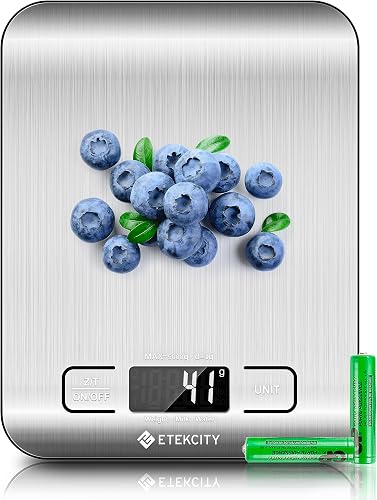 Etekcity Food Kitchen Scale, Digital Grams and Ounces, 11lb$13.99
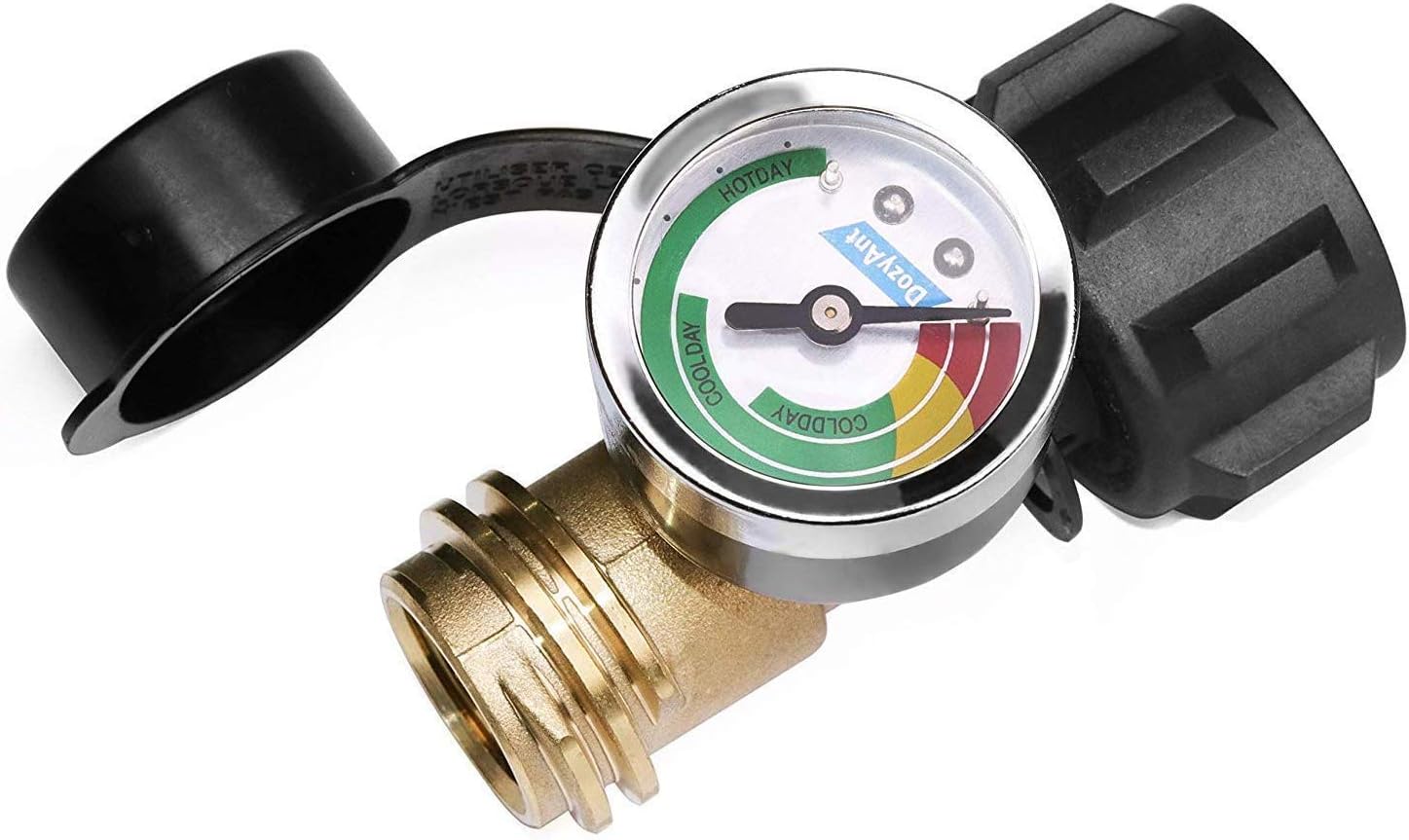 DOZYANT Universal Propane Tank Gauge Level Indicator (QCC1 Type 1)$15.99
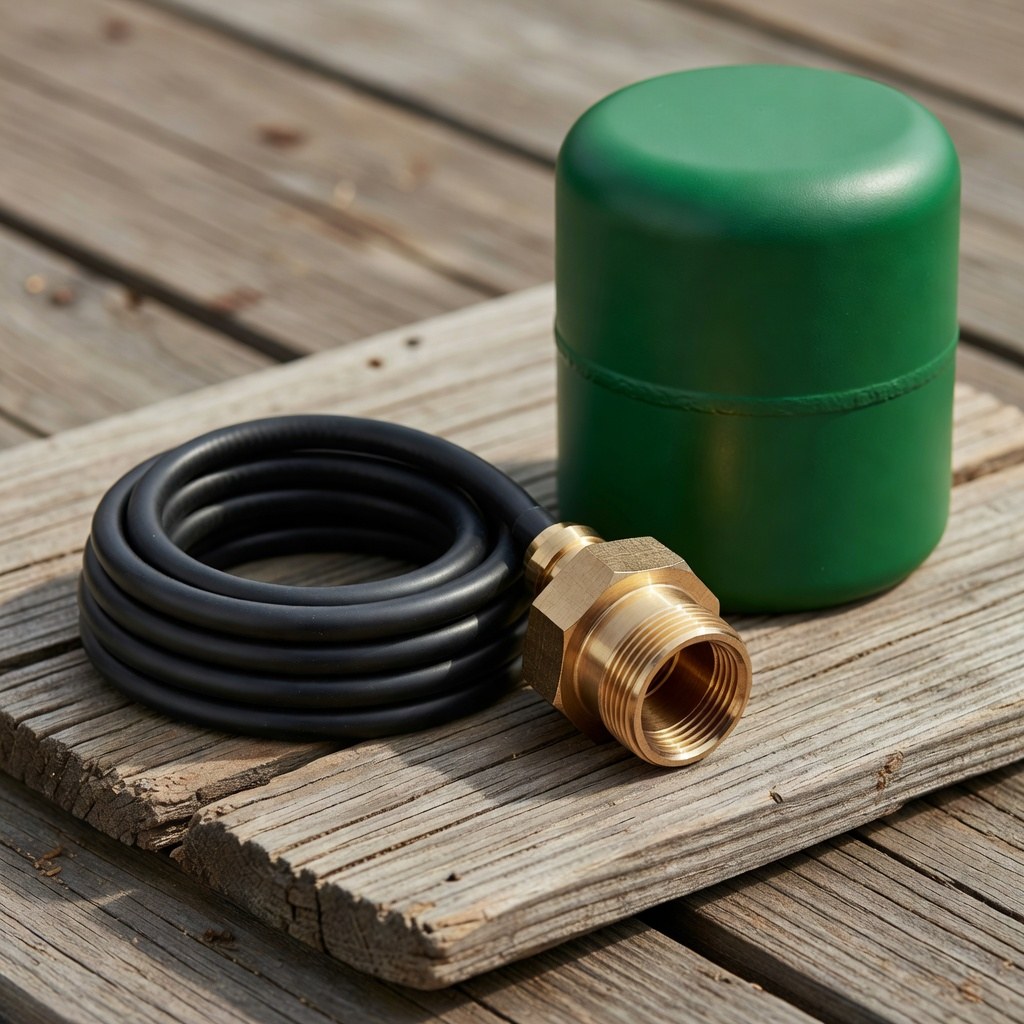 Gas One Propane Refill Adapter with 4-Ft Hose (1 lb to 20 lb)$14.99
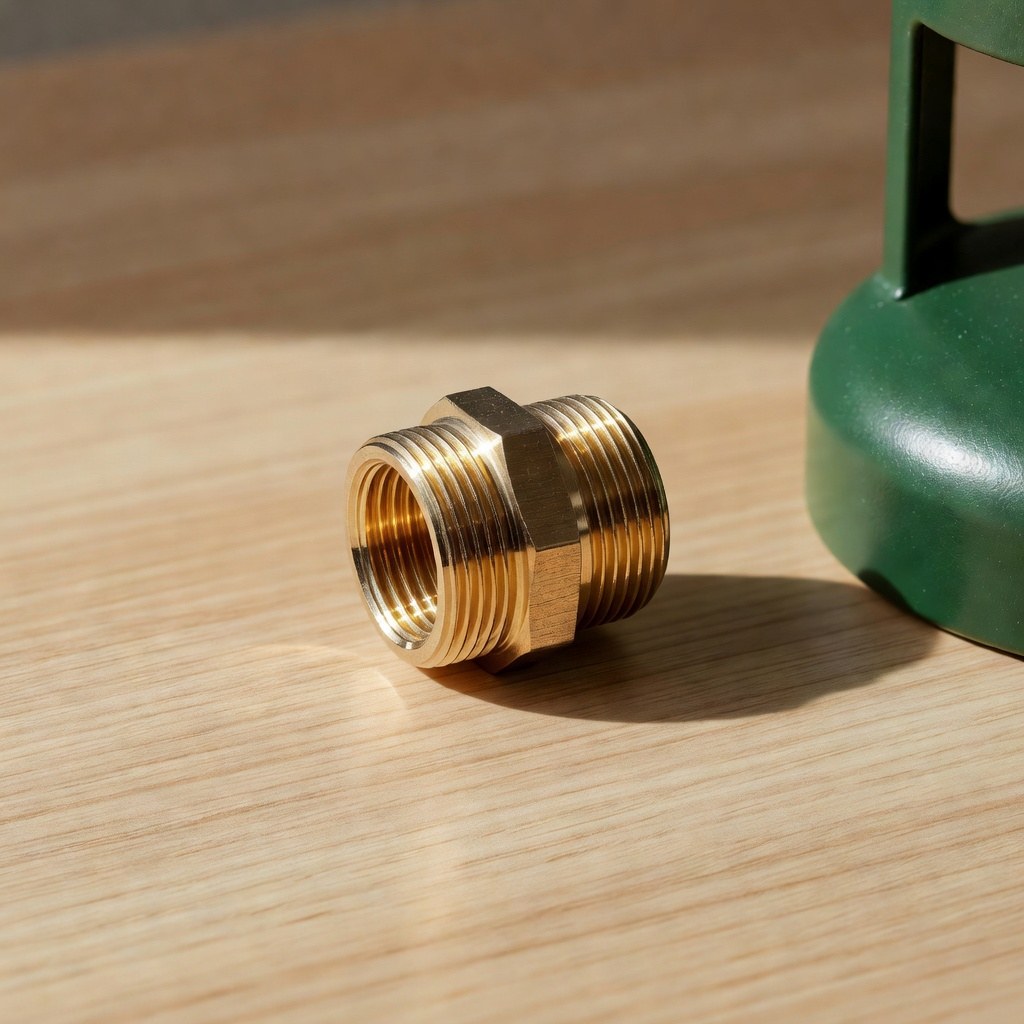 GASPRO Solid Brass 20 lb to 1 lb Propane Tank Adapter$9.98
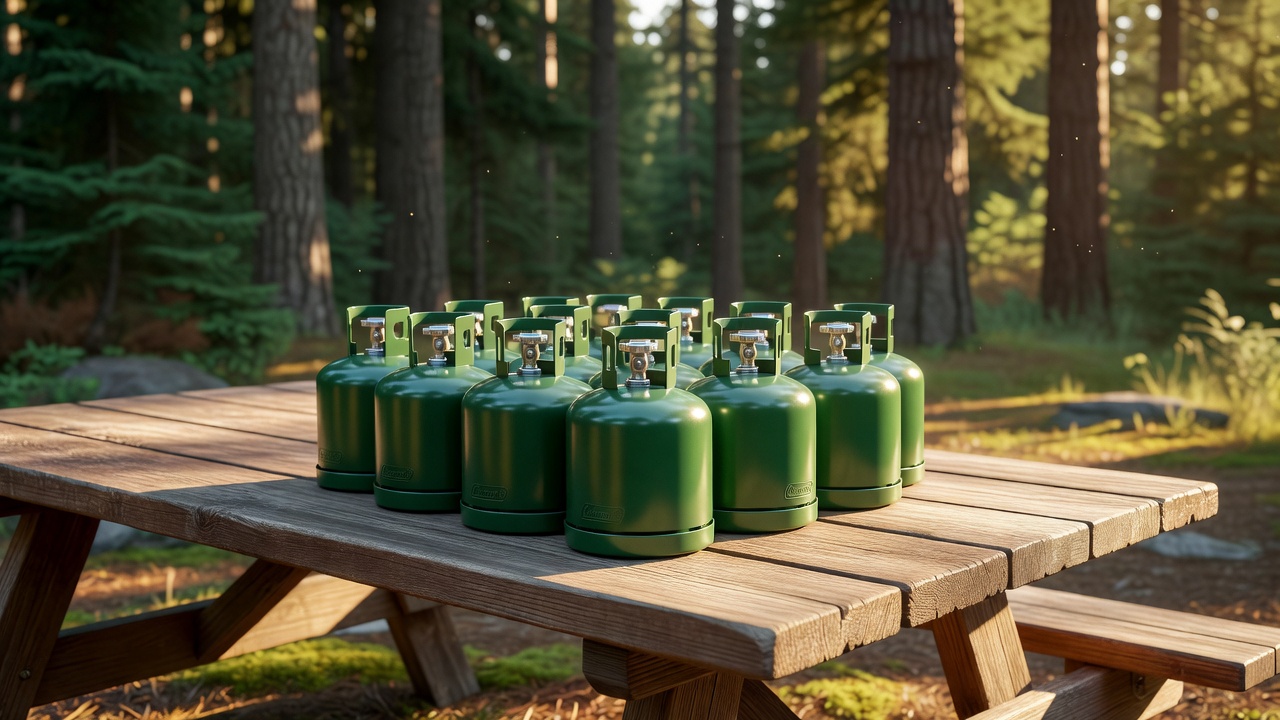 Coleman 16.4 oz Propane Camping Cylinder (12-Pack)$64.99
In this article · 8 sections
Halfway through dinner on night two, the flame on your stove drops to a whisper. Now you're shaking a green canister next your ear like a snow globe, trying to divine whether there's enough left for morning coffee. Every camper does it, and the shake test is exactly why so many people carry "backup" cylinders they never needed — or run dry with a full breakfast planned.
Here's the part most campers never learn: an empty 1 lb propane cylinder still weighs about 14 oz (0.9 lb). The steel shell doesn't disappear when the fuel does, so "feels light" can mean half full. There are three ways to check a 1 lb tank that actually work — one precise, one free, one that happens passively while you cook. None of them is the shake test.
Quick Answer: Weigh It
The math fits on a sticky note:
- Full 16.4 oz cylinder: about 2 lb (32 oz) total — roughly 1 lb of steel plus a true ~1 lb of propane
- Empty cylinder: about 1 lb (14-16 oz) — the steel shell alone
- Every 0.2 lb of propane ≈ 45,000 BTU ≈ 25 minutes of full-blast stove time (a 10,000 BTU burner burns about 0.46 lb per hour)
So a cylinder that weighs 1 lb 10 oz has about 10 oz of fuel left — call it an hour of cooking. If you want the full burn-time table by appliance, our 1 lb propane tank run-time guide has the numbers for stoves, heaters, and griddles.
Method 1: The Scale (the Only Check That Can't Lie)
Put the cylinder on any kitchen or luggage scale and read the total weight. Subtract the stamped tare weight — the "TW 14.7 oz" or similar marking on the collar — and the remainder is your actual fuel.
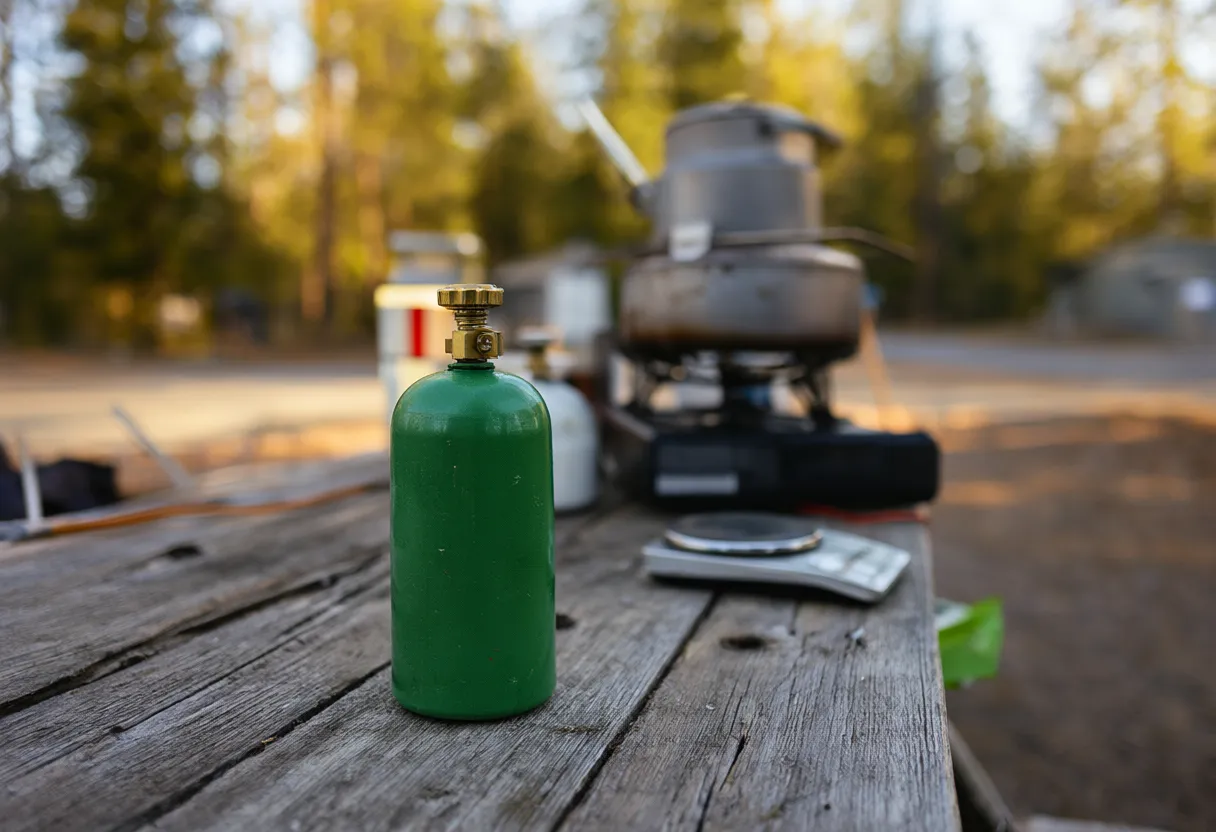
A basic digital kitchen scale makes this trivial. The Etekcity 11 lb kitchen scale ($13.99, 4.6★ from 177,893 owners) is the one we keep in the camp kitchen bin — it reads in 1-gram increments, so you can tell a 60%-full bottle from a 70%-full one, and it doubles for measuring refill amounts if you refill your own 1 lb bottles from a 20 lb tank.
Weight-to-fuel cheat sheet for a standard 16.4 oz cylinder with a ~15 oz tare:
| Scale reading | Propane left | Cook time left (10,000 BTU stove) |
|---|---|---|
| 2 lb 0 oz | ~17 oz (full) | ~2.2 hours |
| 1 lb 12 oz | ~13 oz | ~1.7 hours |
| 1 lb 8 oz | ~9 oz | ~1.2 hours |
| 1 lb 4 oz | ~5 oz | ~40 min |
| 1 lb 0 oz | ~1 oz | fumes — swap it |
The same scale trick scales up: on a 20 lb bulk tank, subtract the stamped TW (usually 17-18 lb) from the total, and our 20 lb tank guide walks through that math in detail. And if you'd rather skip the arithmetic entirely, the propane calculator converts any cylinder weight into cook time for your specific burner's BTU rating.
Method 2: The Hot-Water Trick (Free, 30 Seconds)
No scale? Pour a cup of hot water — tap-hot is fine, boiling is not required — down the side of the cylinder and wait about 15 seconds. Then run your hand down the metal.
The steel above the liquid fuel level warms up and feels dry-warm; the steel below it stays noticeably colder, because liquid propane inside absorbs heat as it boils off. The cold band's top edge is your fuel line. It's crude — you get "a third left," not "9.2 oz" — but it never runs out of batteries and it works on any steel tank, including the 20 lb one on the RV.
Two field notes: do it on level ground so the liquid sits flat, and wipe the cylinder dry afterward — a wet canister in a cold night bin is how you get surface frost that reads like a phantom fuel line. If your tank genuinely frosts up in use, that's a different problem — see our propane tank frosting guide.
Method 3: Read the Flame (Passive, But Late)
Propane appliances tell you when they're starving — you just have to know the signs:
- Flame turns yellow and lazy instead of crisp blue: you're into the vapor phase, burning off the last fumes in the headspace. You have minutes, not meals.
- Burner sputters or pulses: liquid is sloshing as the cylinder tips on an uneven table — tip it upright and you may buy a few more minutes.
- Output drops in cold weather with fuel still showing: that's not an empty tank, that's cold-slowed vaporization. Warm the cylinder in your jacket for ten minutes and output recovers. Our cold-weather camp stove guide covers why this happens and which stoves handle it.
The catch with Method 3 is that it announces the end at the end. Use it as a confirmation, not a plan.
Why the Shake Test Fails
Shaking works for aerosol cans with a float ball or for water, where the slosh tells you something. A 1 lb propane cylinder gives you almost nothing: liquid propane is only about half the canister's volume even when full, the steel shell is most of what you feel, and a partially-full can sloshes nearly like an empty one. In our experience the shake test overestimates what's left more often than it underestimates — which is exactly how breakfast gets cancelled.
What About Gauges for 1 lb Tanks?
Inline gauges exist for small cylinders, but the honest answer is that on a 1 lb bottle they add cost without adding information. Pressure-based gauges read vapor pressure, and vapor pressure stays nearly flat until the liquid is almost gone — that's why gauges on any propane tank "drop suddenly" near the end. On a 1 lb cylinder, the scale already told you more, more precisely, for $14.
Where a gauge genuinely earns its money is on a refillable 20 lb tank: a DOZYANT propane tank gauge ($15.99, 4.4★ from 5,954 owners) threads between the QCC1 valve and the regulator, reads the level as the tank sits, and doubles as a leak-down check between trips. If you run Buddy heaters, a two-burner stove, or an RV grill off bulk propane, it's the set-and-forget option — the weigh-it method for people who don't want to weigh anything.
One last planning note for the cold months: fuel checks matter more in winter, because a canister that reads "half full" in November behaves differently at 20°F — output drops, and a stove that ran two hours in October can fade in forty minutes. Before your next cold trip, skim our winter camping gear checklist so the fuel plan is part of the packing plan, and if you're debating how cold is worth it at all, the how cold is too cold to camp guide puts real numbers on the decision.
Never Run the Math Again: Carry a System, Not a Guess
Two cheap upgrades end fuel anxiety for good:
- A scale in the camp bin — the Etekcity above weighs bottles, refill portions, and honestly, your coffee beans. One-time $14.
- A refill setup — a Gas One refill adapter with hose ($14.99, 4.5★) lets you top off your own 1 lb cylinders from a 20 lb donor tank, and a GASPRO 20 lb to 1 lb adapter ($9.98, 4.6★) runs a 1 lb appliance straight off the big tank. Refill works out to roughly $1-1.50 per pound of propane versus $1.70-2.30 for exchange bottles — the full cost breakdown is in our refill vs exchange comparison.
- Or just buy in bulk — a Coleman 12-pack of 16.4 oz cylinders ($64.99, 4.8★) works out to about $5.40 per canister, and with the weight chart above you'll know exactly how many a season burns.
The 30-Second Version
- Weigh the cylinder. Total minus ~15 oz tare = fuel left. Every 0.2 lb ≈ 25 minutes of stove time.
- No scale? Hot water down the side, hand on the steel — the cold band is the fuel line.
- Yellow, lazy flame means you're minutes from done. Plan the swap, don't wing it.
- Skip the shake test. It can't tell a half-full bottle from a nearly empty one.