Best Butane Camp Stove (2026): Coleman Classic vs Gas One GS-3400P
Coleman Classic vs Gas One GS-3400P butane camp stove comparison for 2026: specs, price, cold-weather limits, and fuel flexibility for picnics, beach days, and car camping.
A butane camp stove is one of the easiest ways to make camp food feel normal. Slide in a cartridge, click the ignition, and you can make coffee or eggs without dragging out a hose, regulator, and large propane bottle.
It also has a hard limit: cold mornings. I would bring a butane-only stove for a beach breakfast, tailgate, picnic, or summer campground. I would not make it my only cooking plan for a mountain trip, a shoulder-season weekend, or a forecast that can dip below 45°F.
For most shoppers, the choice comes down to two good options:
- The Coleman Classic 1-Burner Butane Camp Stove costs $29.99. It is the simple pick for warm trips.
- The Gas One GS-3400P Dual Fuel Camp Stove costs $34.99. It accepts butane and propane, so it gives you a backup when the weather turns.
If you only remember one rule, use this one: buy the Coleman when your trip stays mild; pay the extra $5 for Gas One when you want flexibility.
Quick answer: which butane stove should you buy?
Buy the Coleman Classic if you want a compact tabletop stove for fair-weather cooking. Its 7,650-BTU burner, push-button ignition, wind baffle, and hard carrying case cover the basics without asking you to learn another fuel system. It fits a 10-inch pan, which is enough for coffee, soup, eggs, or a one-pan dinner for one or two people.
Buy the Gas One GS-3400P if your camping calendar includes cool mornings or you do not know what fuel you will find near camp. It runs on side-loading butane cartridges and, with its included hose, small propane cylinders. The 8,000-BTU output is close to the Coleman, but the propane option changes the decision for spring, fall, elevation, and road trips.
Neither stove suits a family breakfast with two pans going at once. These are single-burner cookers. For a couple, a solo camper, or a family that makes one-pot meals, that tradeoff often feels fine. For pancakes, bacon, coffee, and a pot of oatmeal all at the same time, use a larger two-burner propane stove instead — or add a second single-burner like the Coleman Bottle-Top Propane Camp Stove ($21.99) that screws straight onto a 1-pound propane cylinder. That setup gives you two independent burners without buying a full two-burner unit, and it sidesteps the butane cold-weather limit entirely.
If you want a deeper look at full two-burner options, our best camp stove for car camping guide compares tabletop and freestanding propane stoves for families. And if price is the deciding factor, the best budget camp stoves roundup ranks affordable single and dual-burner picks under $50.
Coleman Classic vs Gas One GS-3400P
Side-by-side spec comparison
Before the walkthrough, here is the quick side-by-side. The two stoves look similar, but the differences that matter show up on a cold morning or a long road trip.
- Price: Coleman Classic $29.99 vs Gas One GS-3400P $34.99 (a $5 gap).
- Burner output: Coleman 7,650 BTU vs Gas One 8,000 BTU (close in practice).
- Fuel: Coleman butane only vs Gas One butane + propane (dual fuel, hose included).
- Ignition: Both push-button auto-ignition.
- Carrying case: Both include a hard plastic case.
- Wind protection: Coleman wind baffle vs Gas One three-sided wind guards.
- Cold-weather ceiling: Coleman ~45°F vs Gas One no hard limit on propane.
- Best trip: Coleman beach/picnic/summer vs Gas One spring/fall/elevation/road trips.
If your trip is warm and short, the spec gap is too small to justify the extra fuel system. If your trip includes any cold or unknown-fuel variable, the $5 for dual fuel pays for itself the first time a butane cartridge sputters at 40°F.
Coleman Classic: best for a simple warm-weather setup
The Coleman Classic is the better buy when convenience matters more than versatility. The stove and case live together in a camp bin. At the site, you put the stove on a stable table, load a cartridge, and cook. That routine works well for a morning at the lake, a park picnic, or a summer campground where you plan to eat outside.
The hard case matters more than it sounds. It keeps the stove from collecting loose utensils, dust, and food crumbs in the car. The built-in ignition also saves you from hunting for a lighter before your first coffee.
Choose Coleman if these details fit your trip:
- You camp during warm months and expect overnight temperatures above 45°F.
- You need one burner for coffee, breakfast, or simple skillet meals.
- You want the lowest upfront cost.
- You value a compact stove that stores in its own case.
Its limits are clear. The Coleman cannot switch to propane when a cold front arrives. You also need to find butane cartridges before leaving town, since rural gas stations do not stock them as consistently as propane bottles.
Gas One GS-3400P: best for mixed weather and first-time campers
The Gas One GS-3400P costs $5 more than the Coleman, yet it gives you two fuel paths. Use butane for a warm Saturday cookout. Pack a 1-pound propane cylinder when you expect a cold campsite breakfast. That flexibility removes a common beginner mistake: showing up with a butane cartridge that has lost pressure overnight.
The Gas One has auto-ignition, a carrying case, three-sided wind guards, and 8,000 BTUs of output. It remains a single burner, so the dual-fuel design does not turn it into a family-sized kitchen. It does make one stove usable across more trips.
Choose Gas One if these details fit your trip:
- You camp in spring or fall, or at higher elevation.
- Your forecast may fall below 45°F overnight.
- You drive to campsites where fuel options are uncertain.
- You would rather own one adaptable stove than a separate propane and butane model.
I would pick this one for a first car-camping stove. A $5 difference is small next to the cost of a trip, and the included propane connection gives you a straightforward Plan B.
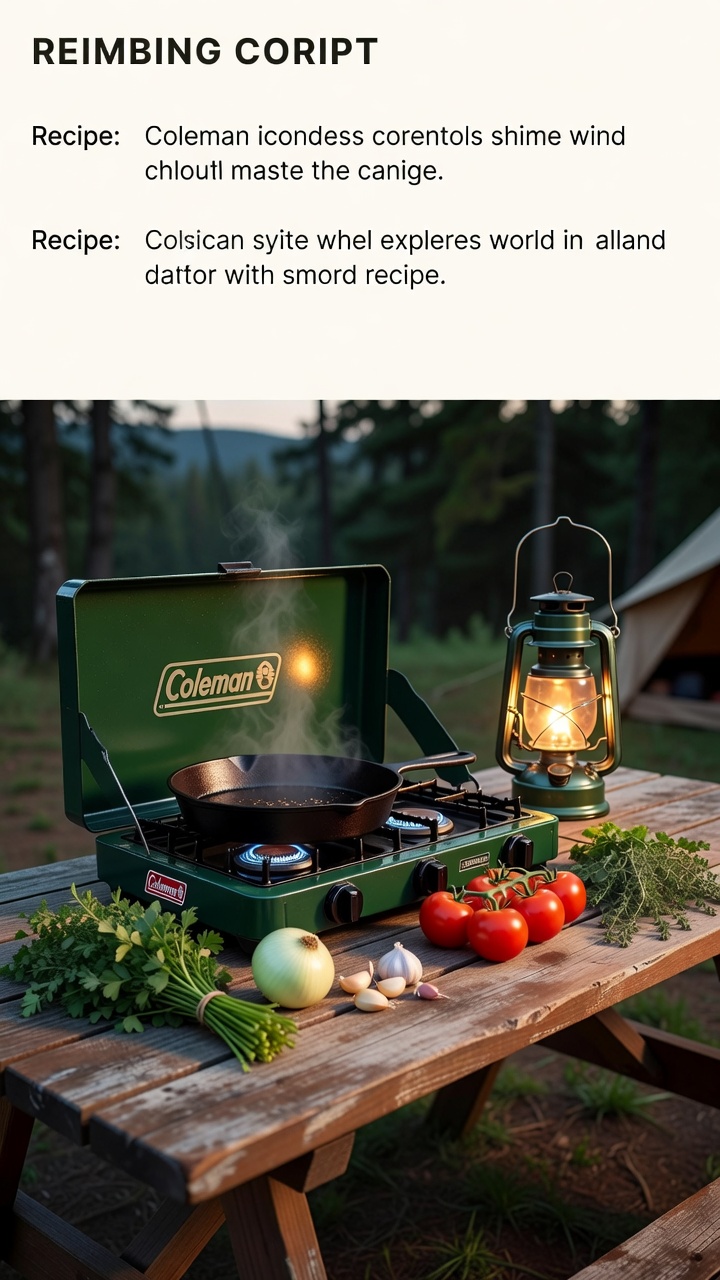
Weather decides more than the label on the box
Butane vaporizes poorly as temperatures approach its 31°F boiling point. You will notice the problem before freezing: a weaker flame, slower boils, and sputtering when the cartridge gets low. Wind and altitude make the experience worse.
Use this practical temperature guide when you pack:
- 50°F and warmer overnight: A butane stove is a comfortable choice for a picnic or campground meal.
- 45°F to 50°F: Butane can work, but bring a spare cartridge and shelter the stove from wind.
- Below 45°F or at altitude: Pack propane or use the Gas One with its propane hose.
- Backpacking: Choose the MSR PocketRocket 2 and a threaded isobutane canister. Its 2.6-ounce burner belongs in a small-pot trail cook kit, not under a family skillet.
Our propane vs butane vs isobutane fuel guide explains why the fuel loses pressure and how the different canister connections work. Read it before buying fuel for a trip with cold nights or high elevation.
Fuel, pan size, and the setup details that prevent a bad breakfast
A good stove will not fix a bad setup. Put any tabletop stove on a level, stable surface outside the tent. Keep the cartridge compartment and hose clear of heat. Do not use a stove on a plastic folding table that flexes under a full pan.
For a butane-only trip, buy more cartridges than you think you need. A high-heat session can drain a cartridge in around 1.25 hours. For a weekend of coffee, eggs, and one dinner each day, I would bring three cartridges for two people. You may return with one unused. That beats searching a small town for the right canister at 7 AM. When those cartridges run dry, dispose of them the right way — our camping fuel canister safety and disposal guide covers the recycling, puncture, and refill questions most campers get wrong.
Match the cookware to the burner. A 10-inch skillet or small pot keeps the flame under the cooking surface and leaves room around the stove for safe airflow. Oversized pans spread heat poorly and put handles where people walk past them. A pre-seasoned Lodge cast iron skillet ($9.38, 6.5-inch) holds heat evenly on a single burner and shrugs off campfire abuse — it pairs well with either butane stove for eggs, quesadillas, or searing a steak after dark.
For meal ideas that do not demand a full camp kitchen, start with our camp cooking for beginners guide. If you are building a more complete setup with cookware and cleanup gear, the camp kitchen setup guide will help you avoid packing five tools for a two-pan meal.
Who should skip a butane camp stove?
Skip a butane-only model if you camp in cold weather, chase fall colors at elevation, or need to feed a large group. The temperature limit is not a minor drawback. It can leave you with a cartridge that clicks into the stove but cannot provide enough pressure for breakfast.
You should also skip it if you need two burners. A single burner makes sense for coffee plus one skillet. It becomes slow when you want coffee, bacon, pancakes, and oatmeal at once. Families who cook full breakfasts need more workspace and a larger propane setup.
Backpackers should skip both tabletop models. The MSR PocketRocket 2 costs $49.95 and works with threaded isobutane canisters. It provides quick hot water for one or two people while adding far less weight to a pack.
The bottom line
The Coleman Classic is the best butane camp stove for warm-weather campers who want an easy, affordable tabletop cooker. At $29.99, it covers beach days, picnics, tailgates, and summer car-camping meals without extra gear.
The Gas One GS-3400P is the smarter all-around choice for most new campers. At $34.99, it adds propane compatibility for only $5 more. That small upgrade matters when the weather changes, the campsite sits above town, or the closest store has propane but no butane cartridges.
Pick your stove around the coldest morning of the trip, not the warmest afternoon. That one decision prevents more bad camp breakfasts than any feature list.
<!-- AFFILIATE_DISCLOSURE -->