Hiking With a Baby or Toddler: Carrier Guide (2026)
Hiking with a baby or toddler: which carrier fits which age, how to find kid-friendly trails, and the gear that keeps a family day hike short and warm.
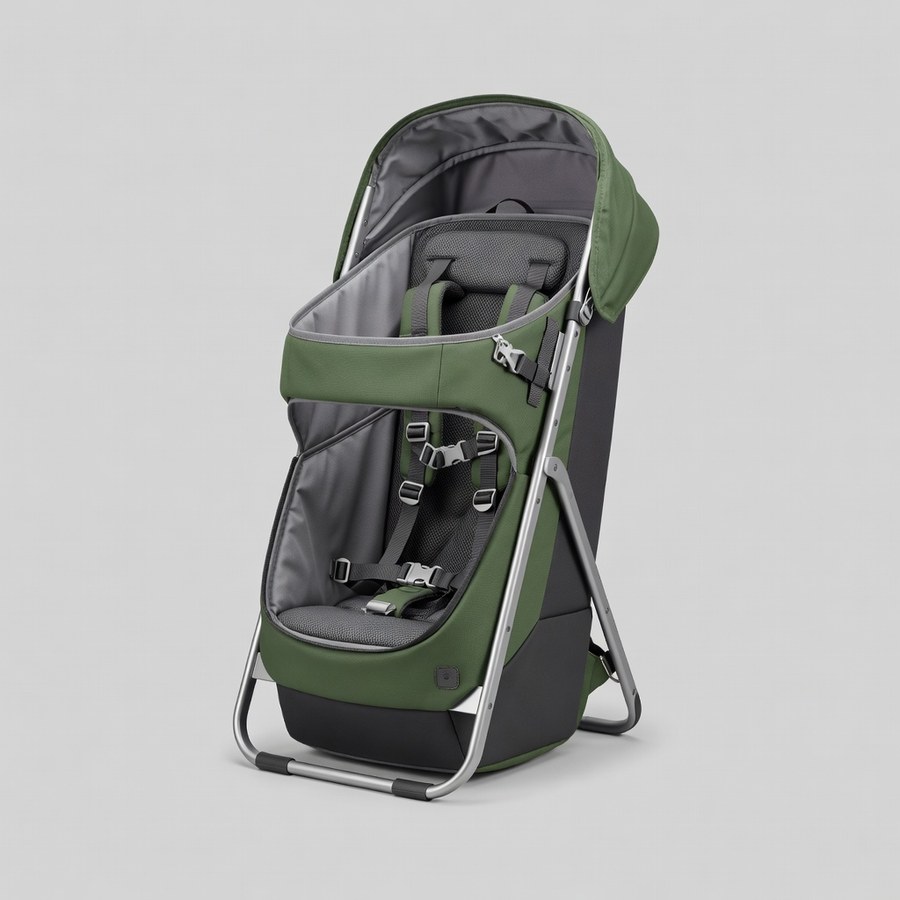 Osprey Poco Child Carrier Backpack$340.00
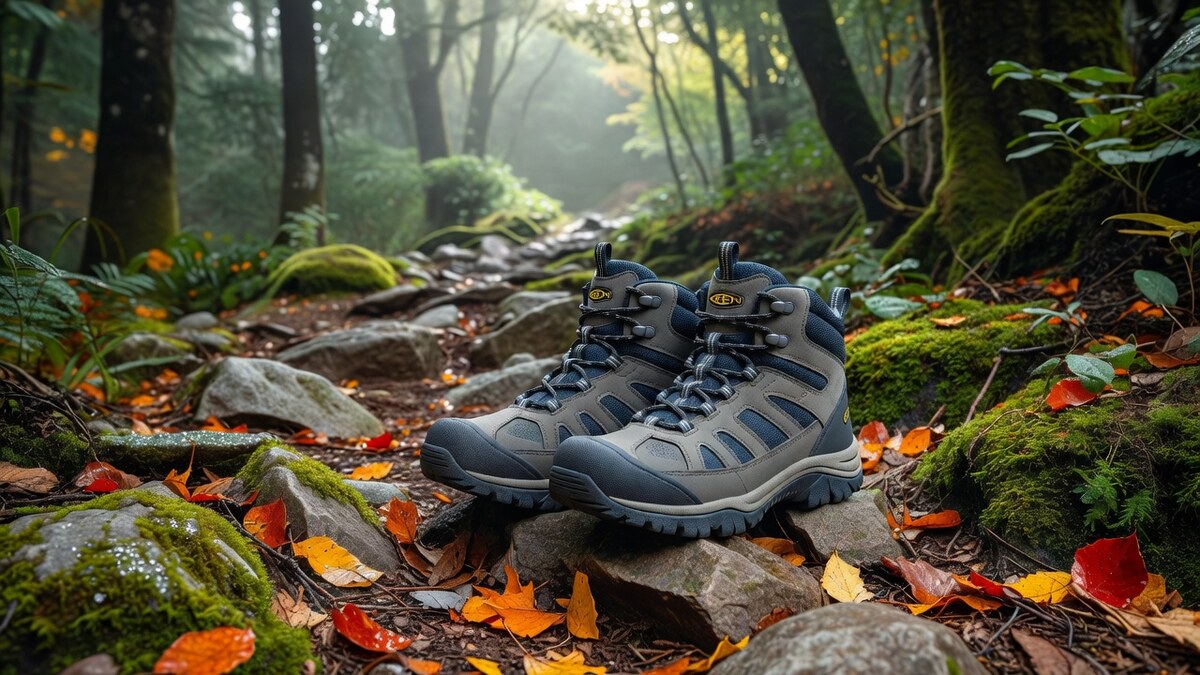 KEEN Unisex-Child Targhee Mid Height Waterproof Hiking Boot$74.95
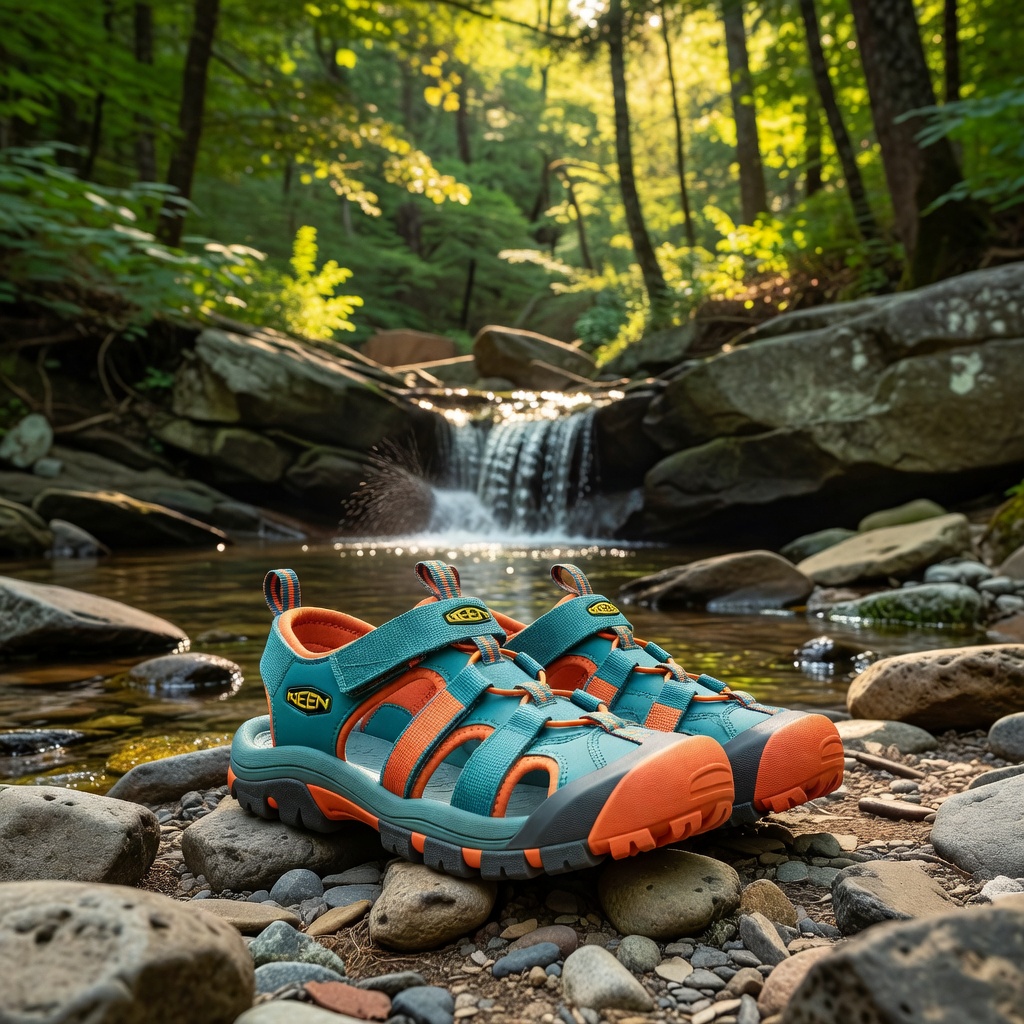 KEEN Unisex-Child Newport H2 Closed Toe Water Sandals$55.00
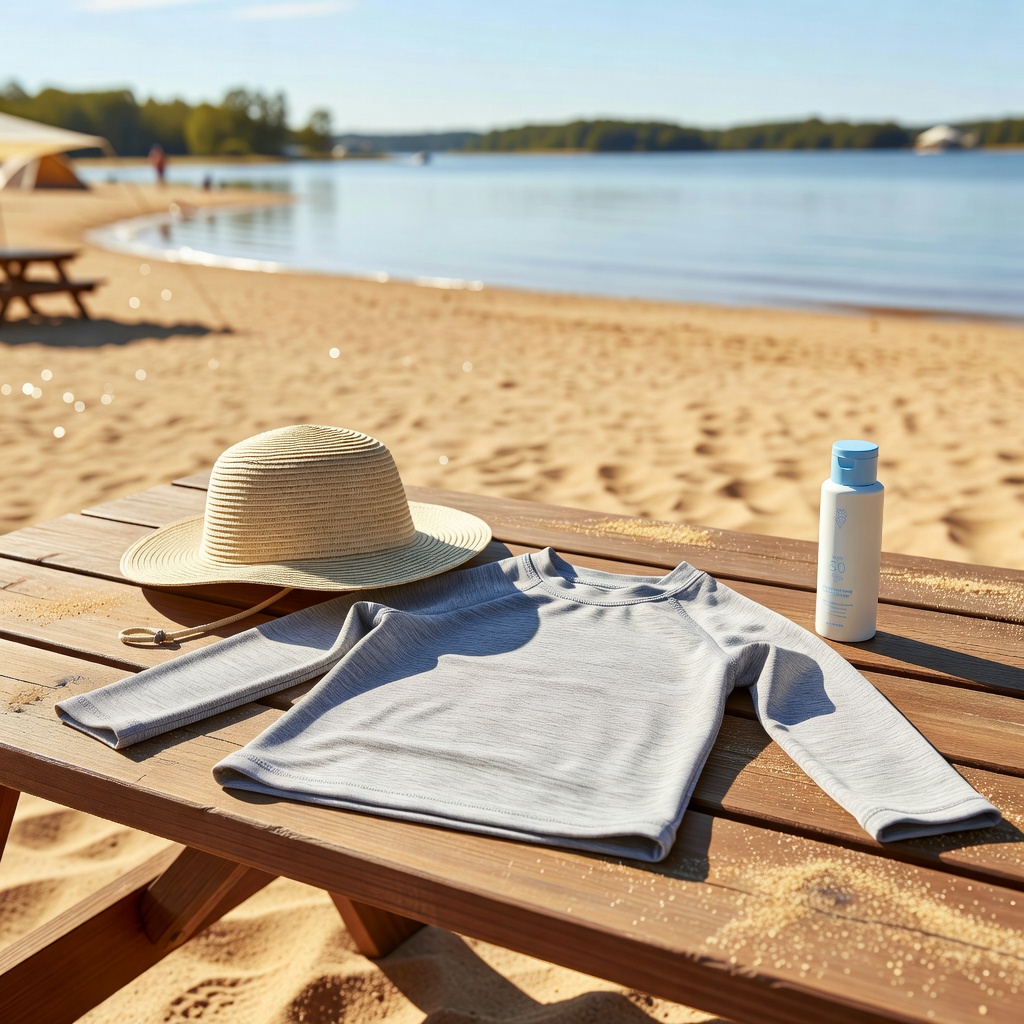 Coolibar Kids' Long Sleeve Sun Shirt - UPF 50+$32.00
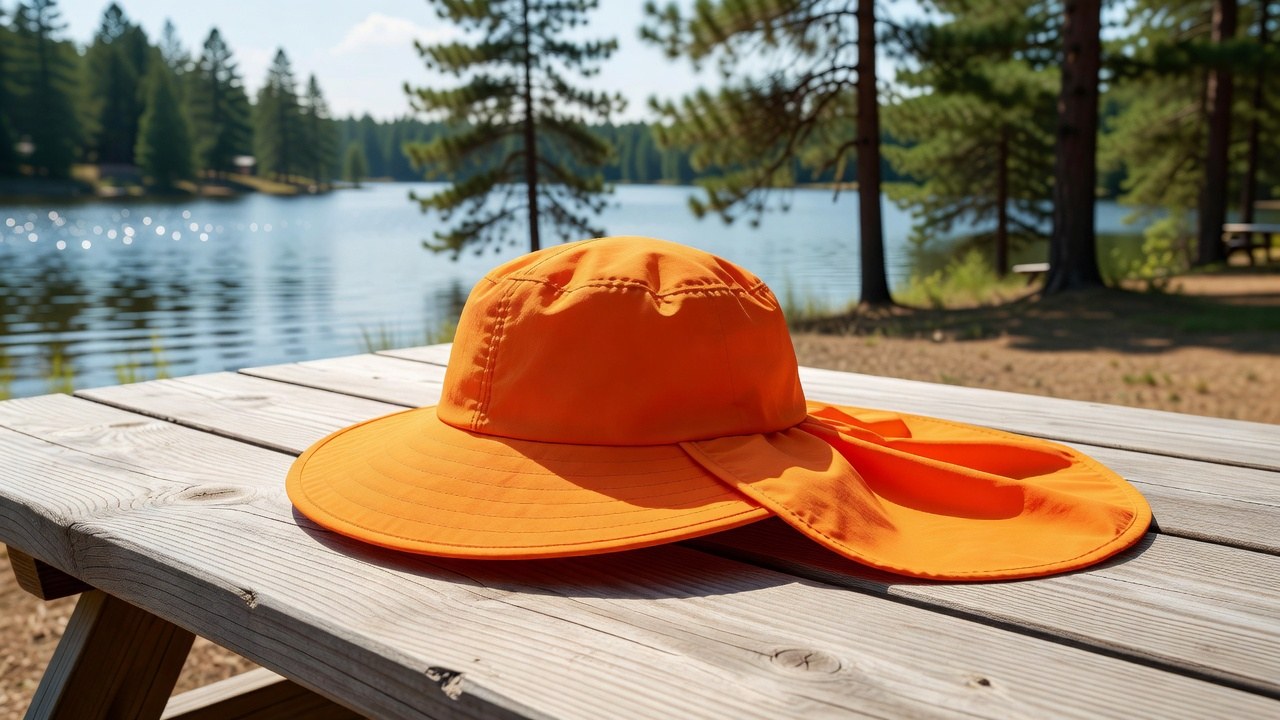 Sunday Afternoons Kids' Ultra Adventure Hat - UPF 50+ Sun Hat for Boys & Girls with Neck Cape$34.00
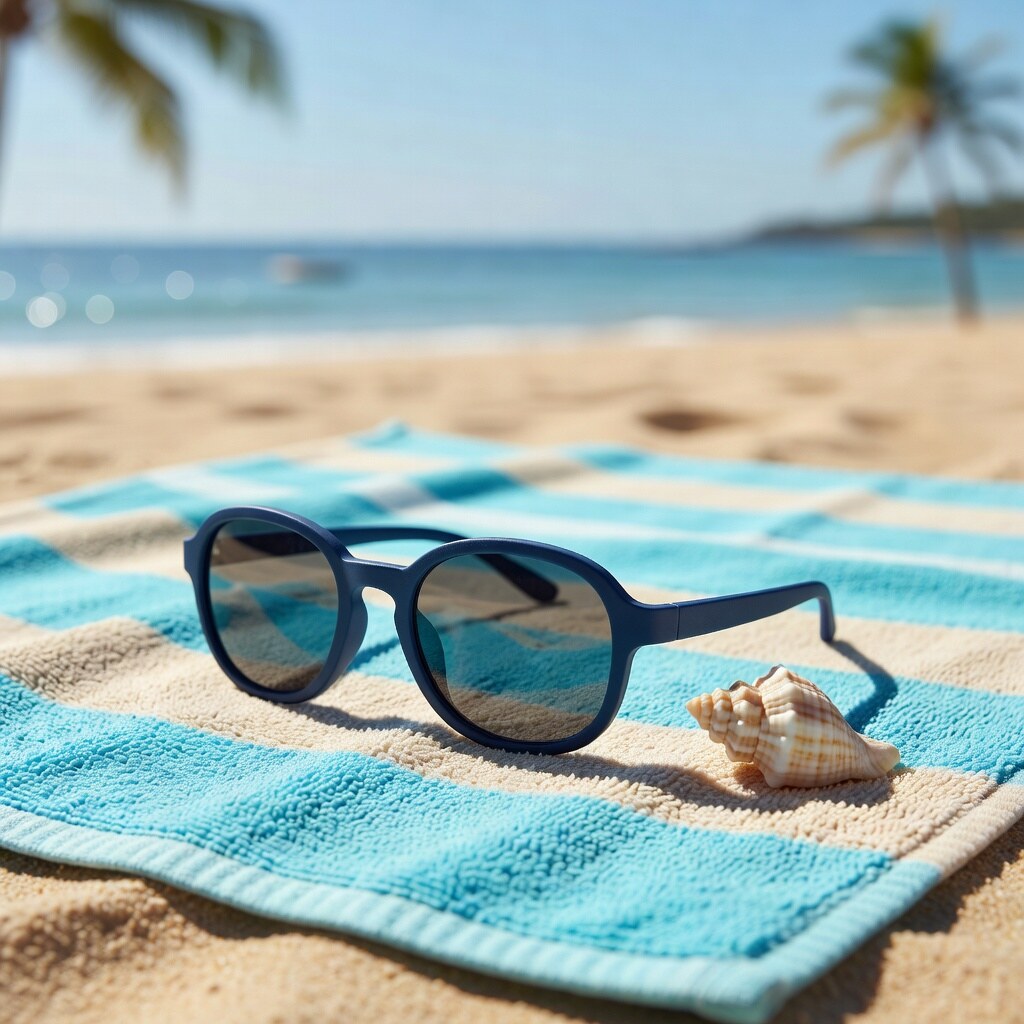 Babiators Baby Navigators — Polarized Kid Sunglasses with 100% UV Protection (Ages 0-2)$19.99
In this article · 13 sections
- Quick Answer: The Carrier Decides the Hike
- When Can a Baby Go in a Hiking Carrier?
- Carrier Types, Rated Honestly
- The Framed Carrier: What $340 Actually Buys
- Hiking With a Baby: The Questions People Actually Type
- Hiking With a Toddler Is a Different Trip
- Finding Kid-Friendly Trails Without Guessing
- Feet, Sun, Bugs, and Rain: The Gear That Changes the Day
- Heat and Cold Are Two Different Problems
- The Day-Hike Pack List With a Baby
- Common Mistakes (Learn From Mine)
- Hiking With a Baby and Toddler FAQ
- Bottom Line
Quick Answer: The Carrier Decides the Hike
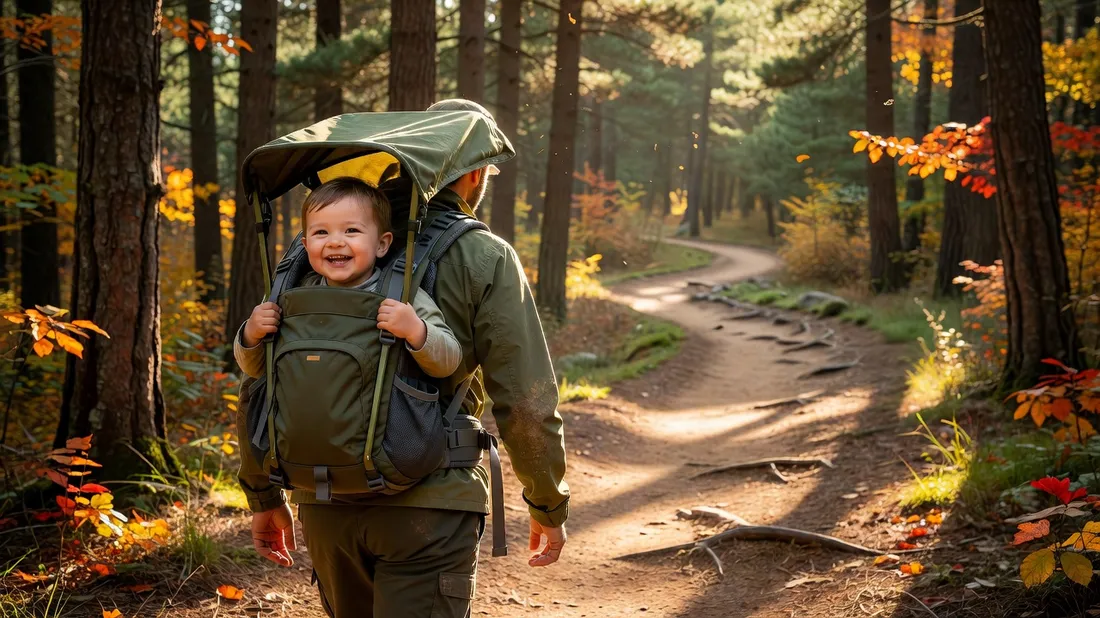
Hiking with a baby or toddler works because of one piece of gear, and the piece changes with age. Under about six months — before a baby sits up with steady head control — you are carrying in a soft carrier or wrap and you should keep the hike short, shaded, and close to the car. From the moment they can sit up on their own, a framed child carrier takes over and the trail opens: both hands free, gear stowed underneath, and a real day hike becomes possible again.
- 0–6 months (not yet sitting independently): soft carrier or wrap, rated by the baby's weight, on an easy out-and-back of a mile or two. Nap logistics decide the schedule, not the map.
- 6 months to about 40 lb: a framed child carrier like the Osprey Poco (rated from roughly 6 months to 40 lb, $340) carries the passenger, the diapers, and the water. This is the window where families get their hiking back.
- Walking toddler onward: you now carry both a child and a pace of one mile an hour. The trip becomes a scavenger hunt with a trail attached — and the carrier stays in the car as the bail-out option for the walk back.
The rest of this guide is the detail behind those three lines: what each carrier type is actually rated for, how to pick a trail a small person will finish happily, and the gear that changes how the day goes.
When Can a Baby Go in a Hiking Carrier?
The gate is not a birthday, it is head and trunk control. A baby who cannot hold their head steady is a baby who needs a soft carrier worn high and tight on your chest, not a framed cockpit they slump inside. Every carrier publishes an age and weight rating on its label — read that before anything else, because the label is the only authority that matters for your specific carrier.
Two rules survive every carrier brand:
- Face visible, chin off the chest. A baby worn too low, or curled chin-to-chest, has a compromised airway. The common check is that you can see the face without moving fabric, and the head is close enough to kiss.
- Short and shaded beats long and ambitious. A newborn hike is a walk near the trailhead where a diaper change and a feed can happen on a tailgate. Think 30 to 60 minutes, flat, close to the car.
Once a child sits up independently — usually around six months, and always in combination with the carrier's own minimum weight — a framed pack becomes the better tool. Osprey rates the Poco from about six months (roughly 16 lb) up to a 40 lb child, which is a genuinely long window: for a lot of families it covers the entire span from "sits up" to "walks the whole loop themselves."
Soft carriers have a lower ceiling. Most are rated from about 7–8 lb up to somewhere in the 25–35 lb range, which is why the framed pack shows up right when the baby gets heavy enough to make your shoulders vote.
Carrier Types, Rated Honestly
There is no single best way to carry a child on a trail. There are four arrangements, and each wins in a specific situation.
| Carrier type | What it is rated for | Where it wins | Where it fails |
|---|---|---|---|
| Wrap or stretchy sling | Newborn weight range on the label, worn high on the chest | The first three months; skin-to-skin; naps on a flat rail trail | Anything over about an hour; hot weather; a baby who wants to look around |
| Soft structured carrier (SSC) | Roughly 7–8 lb up to the 25–35 lb range | Quick trips, airports, one-hour local walks, tandem carrying with a stroller | Long climbs — the load sits entirely on your shoulders with no frame or stand |
| Hip seat | Toddler weight, seat-supported | A walking toddler who wants up-down-up-down every few minutes | No hands-free carry; nothing to put the child down into |
| Framed child carrier | Roughly 6 months to 40 lb, plus gear | Real trails, 2–4 hour hikes, two parents sharing one pack | Bulk and weight when empty; not a substitute for a daypack |
Two hybrids deserve their own line because they solve a different problem than a carrier does. A wagon replaces the carrier on flat, wide surfaces — rail trails, campground loops, beach paths, festival grounds — and it also hauls the cooler. A trail stroller with a fixed front wheel will do gravel and hardpack, and nothing else; do not buy one expecting singletrack.
If you are choosing only one piece for a hiking family, choose the framed carrier. Everything else is a supplement.
The Framed Carrier: What $340 Actually Buys
The Osprey Poco child carrier is the reference point in this category, and it is worth being precise about what the money goes to, because the specs explain the price.
- A real child cockpit. An adjustable Double Halo harness and padded seat hold the passenger with soft contact surfaces, ventilated side panels, and an anatomical fit — the child sits in structure instead of hanging from webbing.
- 6 in / 15 cm of torso adjustment, on the fly. This is the feature that matters most and gets mentioned least: a shorter and a taller parent can share one carrier without tools, so the carrying does not default to one person for the entire trip.
- An AirSpeed backpanel that holds your back off the pack. On a climb in July, ventilation is not a luxury spec.
- Aluminum frame plus kickstand legs. The pack stands upright when you set it down, which is what makes loading a wriggling child a two-hand job instead of a wrestling match.
- Zippered front and lower storage. Diapers, wipes, snacks, and a shell layer live under the child, separate from the cockpit.
The honest downside is written on the price tag and the scale: $340 is more than many families spend on a first tent, and a framed carrier is heavy and bulky when empty rather than doubling as a daypack. Storage is split between the cockpit and two small pockets, so a full day of adult gear still needs a second pack. That is the trade — you are buying a child seat welded to a ventilated frame, not a do-everything backpack.
If you are still camping with the baby as well as hiking, our camping with a baby or toddler guide covers the sleep and feeding side, which is a different problem from the trail.
Hiking With a Baby: The Questions People Actually Type
Most of what parents search for about baby hiking is the same six or seven questions in different word orders. Here they are, answered.
| Question, as people type it | The answer |
|---|---|
| hiking with a baby carrier | A framed carrier is rated from about 6 months and a 40 lb child; before that, a soft carrier rated for the baby's weight. Match the carrier to the age, not to the trail you want. |
| hiking with a baby essentials | Carrier, sunshade, diapers and wipes in the carrier pocket, the baby's bottle or a nursing cover, sun hat, sunglasses, one extra layer, a snack for you, and a small first-aid kit. Nothing in your hands. |
| hiking with a baby tips | Start the hike at the baby's best hour, not yours. Feed right before you set off. Plan the turnaround at half the baby's usual awake window, so the nap happens on the walk back rather than at the far end of the trail. |
| hiking with a baby backpack | "Backpack" usually means the framed child carrier. If you meant a normal daypack for the adult's gear, a 20–25 L pack plus a framed carrier is the pair most families end up with. |
| hiking with a baby in hot weather | Go early, stay in shade, keep the carrier's side panels open, and put a hat and sunglasses on the baby rather than relying on a shade hood alone — a hood traps heat as well as blocking sun. Check the baby's neck for heat, not their hands. |
| how long can you hike with a baby | As long as the awake window allows, which for a six-month-old is often 1.5–2 hours door to door including feeding. Two miles is a good first target; add distance only after a trip that ended with a happy baby. |
| hiking with a baby in winter | Layer the baby more than yourself, add a hat and booties, keep the carrier's harness over — not under — bulky layers so it tightens properly, and shorten the plan: cold cuts a baby's tolerance faster than an adult's. |
If you are still assembling the adult half of the kit, the day hike essentials checklist is the baseline, and the beginner hiking guide covers pace and planning.
Hiking With a Toddler Is a Different Trip
A toddler hike is not a hike with a smaller passenger. It is a nature walk with a variable-speed engine, and the only planning that survives contact is planning for the walk back.
What actually changes:
- The distance does not matter; the exit does. Pick out-and-back trails, not loops, so the bail-out point is always "turn around." A loop with a tired toddler in a carrier is a forced march.
- Walking pace is roughly one mile an hour with stops. A widely used rule of thumb among hiking families is about a mile per year of age for the total distance a child can cover in a day. A three-year-old's three miles takes all morning.
- The carrier comes anyway. Even a child who insists on walking will want to be carried for the last third. A framed carrier on your back that is empty on the way out is the cheapest insurance on the trip.
- Give the walk a job. A scavenger list — three acorn caps, one feather, a lichen-covered rock — turns "how much further" into "what's next." Our screen-free camping activities list has a dozen versions of this.
| Question, as people type it | The answer |
|---|---|
| hiking with a toddler carrier | Same framed carrier, used differently: they walk the first half, ride the second. Set the carrier's harness for the child's current weight and height before the trip, not on the trailhead. |
| toddler hiking shoes | A real shoe with a lugged outsole and a protected toe. Sneakers slip on wet roots and gravel; open sandals collect pebbles. See our kids hiking shoe guide for the fit checks that matter at this age. |
| toddler hiking boots | Worth it for cold, wet, or rocky trails; overkill for a flat gravel path in July. A mid-height waterproof boot is the pick when the trail is muddy or the weather is uncertain — that is exactly the slot the KEEN Targhee Mid below fills. |
| best way to hike with a toddler | Out-and-back, morning start, snack at the turnaround, carrier on the way home. Let them set the pace on the way out and you set it on the way back. |
| easy hiking trails for toddlers near me | Filter for distance under 2 miles, under 200 ft of elevation gain, and a "stroller friendly" or "kid friendly" tag. Trail apps carry both filters; so do most state park trail lists. |
| hiking with a toddler backpack | Two different things: the child-carrier backpack (framed pack, adult wears it) and a toddler's own tiny backpack with a water bottle and a snack. Both help — the second one mostly helps by making the walk feel like a job. |
Finding Kid-Friendly Trails Without Guessing
The single biggest mistake families make is picking a trail from a photo. What you want is measurable:
- Distance under 2 miles, gain under 200 ft for a first toddler hike. Under 1 mile and flat for a baby in a soft carrier.
- Filter on the word "stroller," not just "easy." A trail tagged stroller-friendly is surfaced and graded enough that a wagon or a stroller can survive it — which also means a toddler can walk it. That makes it a reliable proxy for "wide, smooth, and short."
- Out-and-back over loop, every time. One decision point instead of a navigation problem with a tired child.
- Water at the turnaround. A creek, a lake shore, or a waterfall gives the walk a destination a child can understand. It also means the walk back starts with something to talk about.
- Check the trailhead facilities. A vault toilet and a parking area you can see from the trail are worth more than a better view.
Three reliable sources, no subscription required: national park sites list their own short trails and run a junior ranger program with activity booklets at visitor centers; state park trail pages grade their easy loops honestly; and rail-trail networks are flat, wide, and continuous by design, which makes them the best first "real" hike for a toddler who wants to walk the whole thing.
If you want the multi-generation version of this planning — grandparents, parents, and kids on one trip — our three-generation camping guide covers the pace negotiation.
Feet, Sun, Bugs, and Rain: The Gear That Changes the Day
Four categories do almost all the work. Everything else is optional.
Feet. A toddler's feet decide the trip. The KEEN Kids Targhee Mid ($74.95, 1,500+ ratings) is the waterproof mid-height boot in this slot: a KEEN.Dry membrane, a mid collar for ankle support on rocky ground, and a wide toe box so toes can spread on a long day. It runs roughly toddler size 10 through youth 7. For creek walks and lake shores, closed-toe sandals beat boots — the KEEN Newport H2 ($55, 19,800+ ratings) has a rubber toe bumper, quick-dry webbing, and an outsole that holds on wet rock. Blisters are the other failure mode, and they are almost always a fit problem: our blister prevention guide covers the sock and lacing fixes.
Sun. High-elevation and open-water hikes burn kids faster than a backyard does. A UPF 50+ long-sleeve shirt covers the torso and arms without re-application — the Coolibar kids sun shirt ($32) is a quick-dry knit rated to block 98% of UV. For the head, the Sunday Afternoons Kids' Ultra Adventure Hat ($34) has a 3.25-inch brim plus a 5.5-inch neck cape and a chin strap that survives wind. For babies who hate hats, the Babiators Baby Navigators ($19.99, ages 0–2) are polarized, bend rather than snap, and come with a replacement guarantee — which matters, because they will be lost. Adults need the same treatment: the Sunday Afternoons Ultra Adventure Hat ($135.01) is the full-coverage version with a folding brim.
Bugs. A shaded trail in late summer is a mosquito pipeline, and ticks are the reason to check everyone at the car rather than at bedtime. Our bug and tick prevention guide has the clothing and repellent approach that works with kids, including what not to put on a baby's hands.
Weather that turns. A one-piece waterproof suit is the difference between a rainy hike and a cancelled one, because it keeps the child dry and means you do not have to strip a soaked toddler at the trailhead. The OAKI Kids Rain and Trail Suit ($32.99, 8,500+ ratings) is seam-sealed nylon Taslon with neoprene cuffs and reflective strips. In heat, the hot weather camping gear guide covers the cooling side.
Two things that make the walk easier rather than safer, and both are legitimate: a Radio Flyer 3-in-1 EZ Fold Wagon ($109.99, 12,000+ ratings) for flat rail trails, campground loops, and beach paths — it hauls two riders or the gear, and folds to 7 inches; and a pair of Occer 12x25 compact binoculars ($35.99) with a big focus wheel small fingers can actually turn. A Black Diamond Wiz Kid headlamp ($24.95) earns its place on any hike that might end near dusk — 40 lumens, an eye-friendly beam, a battery door that needs a tool, and a breakaway strap.
Heat and Cold Are Two Different Problems
Heat is a passenger problem. A baby in a carrier cannot escape the wearer's body heat, and the carrier's own panels hold warmth. In practice:
- Hike early. Before 9 a.m. beats any gear decision you can buy.
- Open the carrier's ventilation, and use a hat plus sunglasses instead of draping a shade cloth over the cockpit — a closed hood traps heat.
- Carry water for the adult and the child separately, and drink on a schedule rather than on thirst.
- Check the back of the baby's neck. Warm and dry is fine; hot and damp means stop and get shade.
Cold is a layering problem, with one carrier-specific rule: the child's harness goes over their layers, not under them, or it cannot be tightened properly and the passenger rides loose. Add a hat, mittens, and booties before you add another jacket, since a baby loses heat from the extremities first. And shorten the plan — a cold baby's tolerance is much shorter than an adult's, and a mid-trail turnaround is not a failure. Our winter gear checklist covers the layering stack in detail.
The Day-Hike Pack List With a Baby
Everything fits in the carrier's pockets and one small adult daypack. If it does not, you are overpacking.
- Diapers and wipes — two more than you think, in the carrier's lower pocket.
- A full feed — bottle, or a nursing cover; feed at the trailhead.
- One change of clothes for the baby, one for the toddler who will find the mud.
- Sun kit — hat, sunglasses, a small sunscreen stick for exposed skin.
- One extra layer per person, worn or packed, never "in the car."
- Water — for the adult, and a bottle or straw cup for the child.
- Snacks that survive a backpack — the turnaround snack matters more than the trail snack.
- A small first-aid kit with blister plasters and tick tweezers.
- Phone in a chest pocket, charged, with the trail downloaded. Reception at the trailhead is not reception on the trail.
- A trash bag — for diapers and for whatever the toddler collects.
Common Mistakes (Learn From Mine)
- Buying the carrier after the first trail instead of before. The trip that goes badly is usually the one where a soft carrier was asked to do a framed pack's job on a climb.
- Planning the hike around the view instead of the nap. The trail does not care about the awake window; the baby very much does.
- Loading the framed carrier until it hurts. The Poco carries diapers and water, not the whole family's gear. Carry a second pack and split it between two adults.
- Skipping the shoe fitting. A half-size-too-big boot on a downhill is a blister factory. Fit with the socks you will hike in, and check the heel lock.
- Wearing the baby too low in a soft carrier. Face visible, chin off the chest, high on your chest — the fabric position is a safety issue, not a comfort preference.
- Doing a loop with a toddler. Loops remove the option to turn around early, which is the only option you will actually need.
- Forgetting the adult's own sun protection. Parents burn on kid hikes more than anywhere else, because both hands are busy and the hat stayed in the car.
Hiking With a Baby and Toddler FAQ
How old does a baby have to be for a hiking carrier?
Match the carrier's own label. A soft carrier can be used from the newborn weight range printed on it; a framed pack is typically rated from about six months, once a baby sits up with head control. Osprey rates the Poco from roughly six months to a 40 lb child.
Is hiking with a baby in a carrier safe?
It is safe when the carrier fits, the baby's face stays visible with the chin off the chest, and the hike is sized to the baby rather than to the adult's ambition. Treat heat, cold, and feeding windows as hard constraints, and keep early hikes short and close to the car.
How far can you hike with a toddler?
About a mile per year of age is a workable rule of thumb for the total day, at roughly one mile an hour with stops. Most families do better with a 1–2 mile out-and-back and a destination — a creek, a lake, a waterfall — than with a longer loop.
Do I need a framed carrier or will a soft carrier do?
A soft carrier is enough for short, flat walks with a small baby. A framed carrier earns its price on real trails: it carries a child up to about 40 lb plus the diapers and water, it stands up when you set it down, and its torso adjustment lets two differently sized parents share the carrying.
What should a toddler wear hiking?
A lugged, closed shoe with a protected toe, synthetic socks, and layers that can come off. Add a waterproof mid-height boot when the trail is muddy, cold, or rocky, and a long-sleeve UPF 50+ shirt plus a brimmed hat with a neck cape for exposed or high-elevation hikes.
How do I find stroller-friendly hikes near me?
Filter trail apps for distance under 2 miles, elevation gain under 200 ft, and the stroller-friendly or kid-friendly tag, and favor out-and-back routes. Rail trails and state park easy loops are the most dependable options, and national park visitor centers can point you at their own short trails.
Bottom Line
Hiking with a baby is a carrier decision; hiking with a toddler is a pacing decision. Get the carrier matched to the age and weight on the label, pick an out-and-back trail short enough that the walk back is still fun, and treat heat, cold, and the nap window as the real itinerary. The framed carrier is the piece that buys the most trail back — and the second-most important item is a snack you did not eat on the drive.
<!-- AFFILIATE_DISCLOSURE -->