Dog Winter Camping Gear Checklist: 23 Items, Cold-Tested (2026)
The complete winter gear list for camping with your dog: insulated beds, coats, paw wax, boots, heaters, and the cold-weather extras most lists forget. Every item tested at 20-40°F nights.
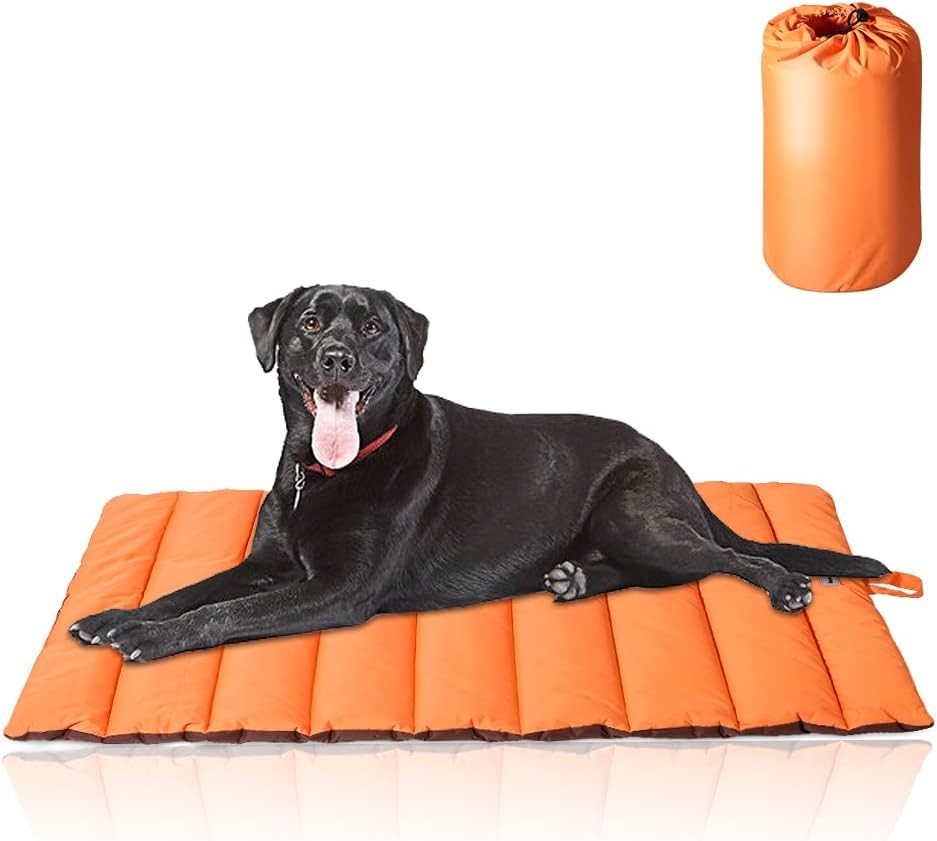 CHEERHUNTING Waterproof Outdoor Dog Bed$29.99
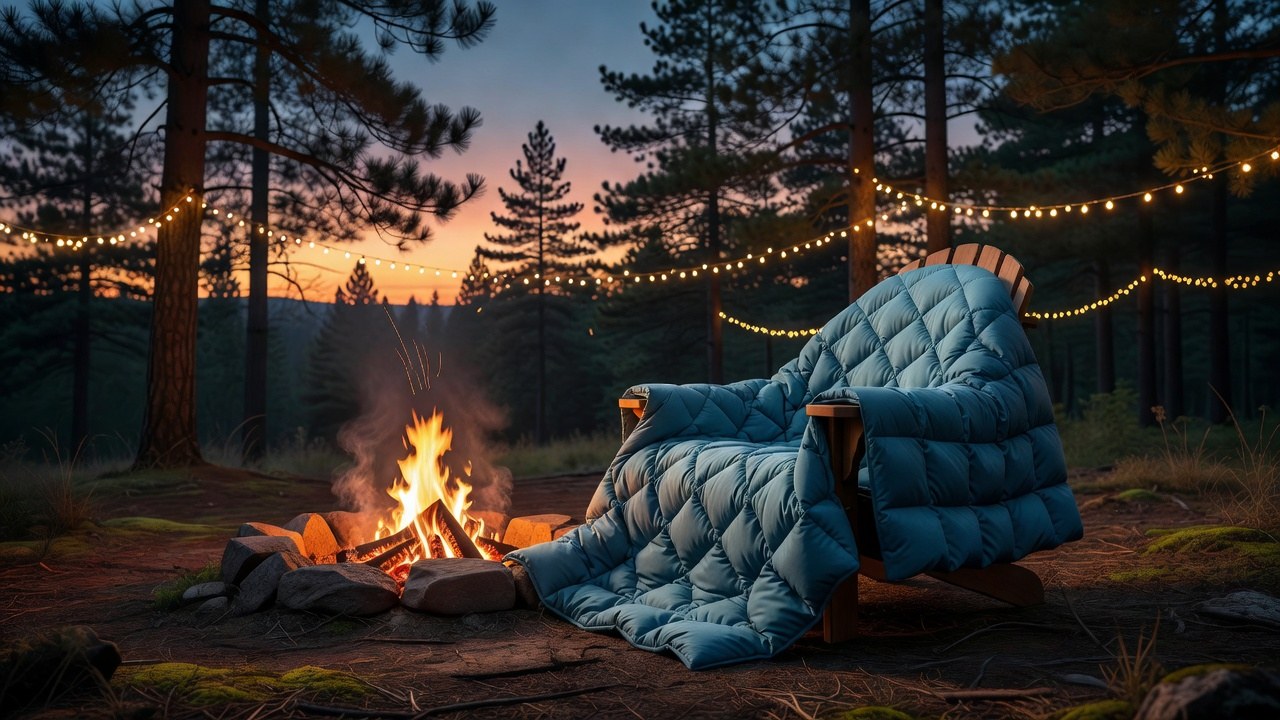 Rumpl Original Puffy Blanket — Warm, Water-Resistant Camping Blanket with 100% Recycled Synthetic Insulation (52" x 75")$139.00
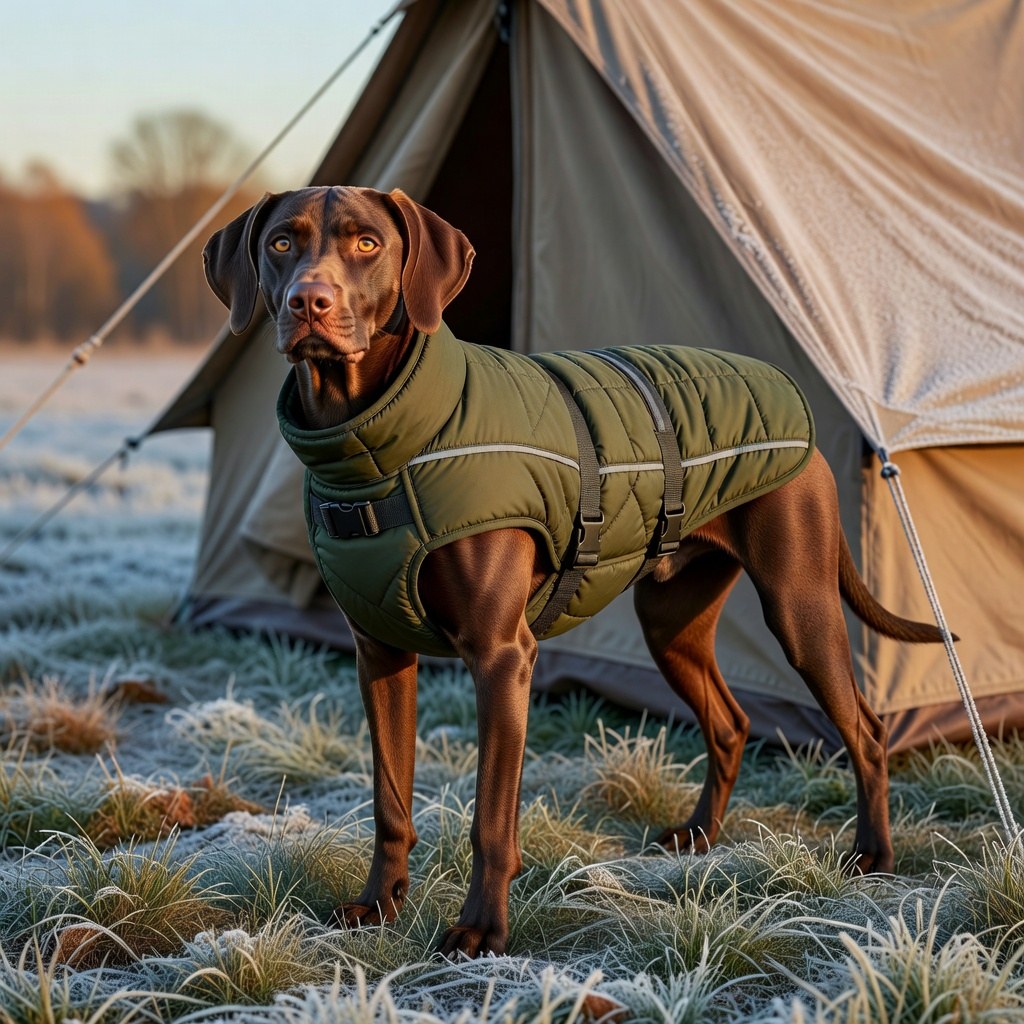 Ruffwear Stumptown Insulated Dog Jacket — Quilted Cold-Weather Dog Coat$55.99
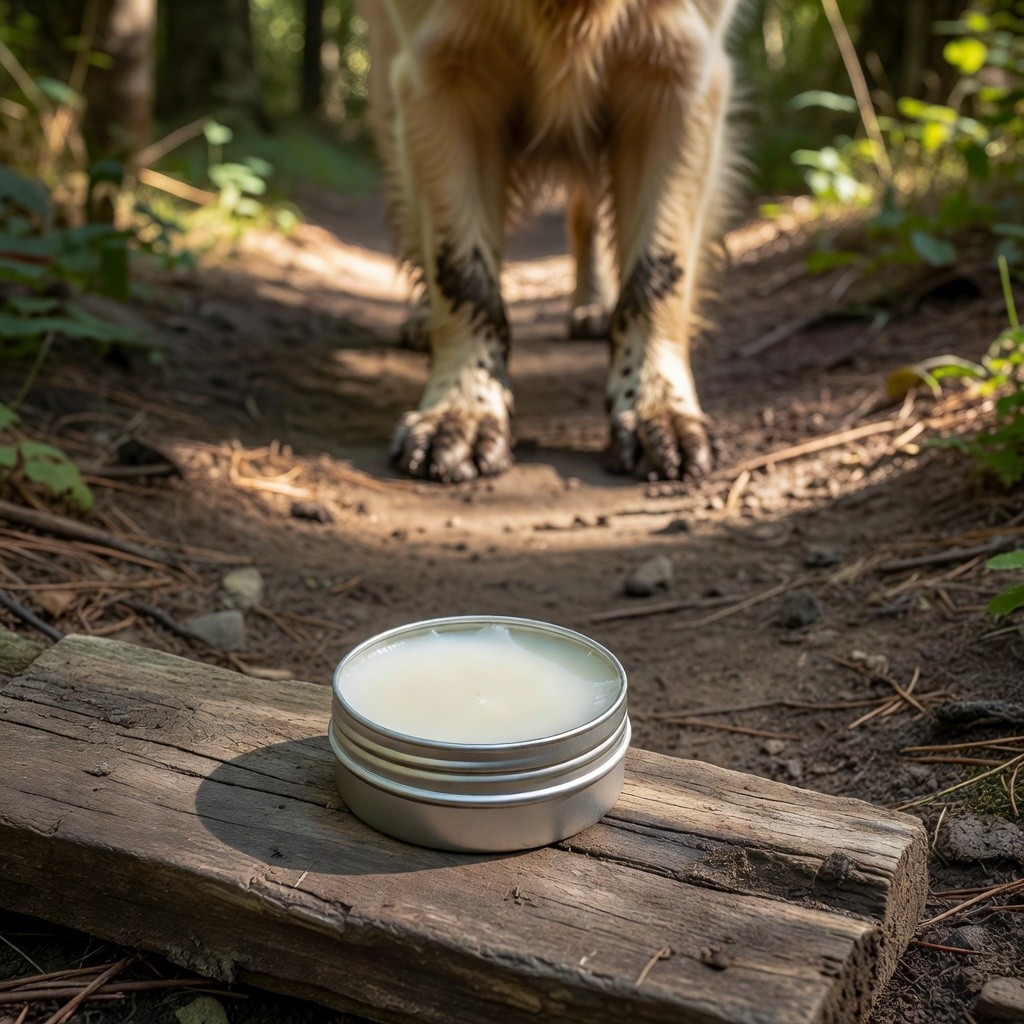 Musher's Secret Paw Wax, 200g$24.99
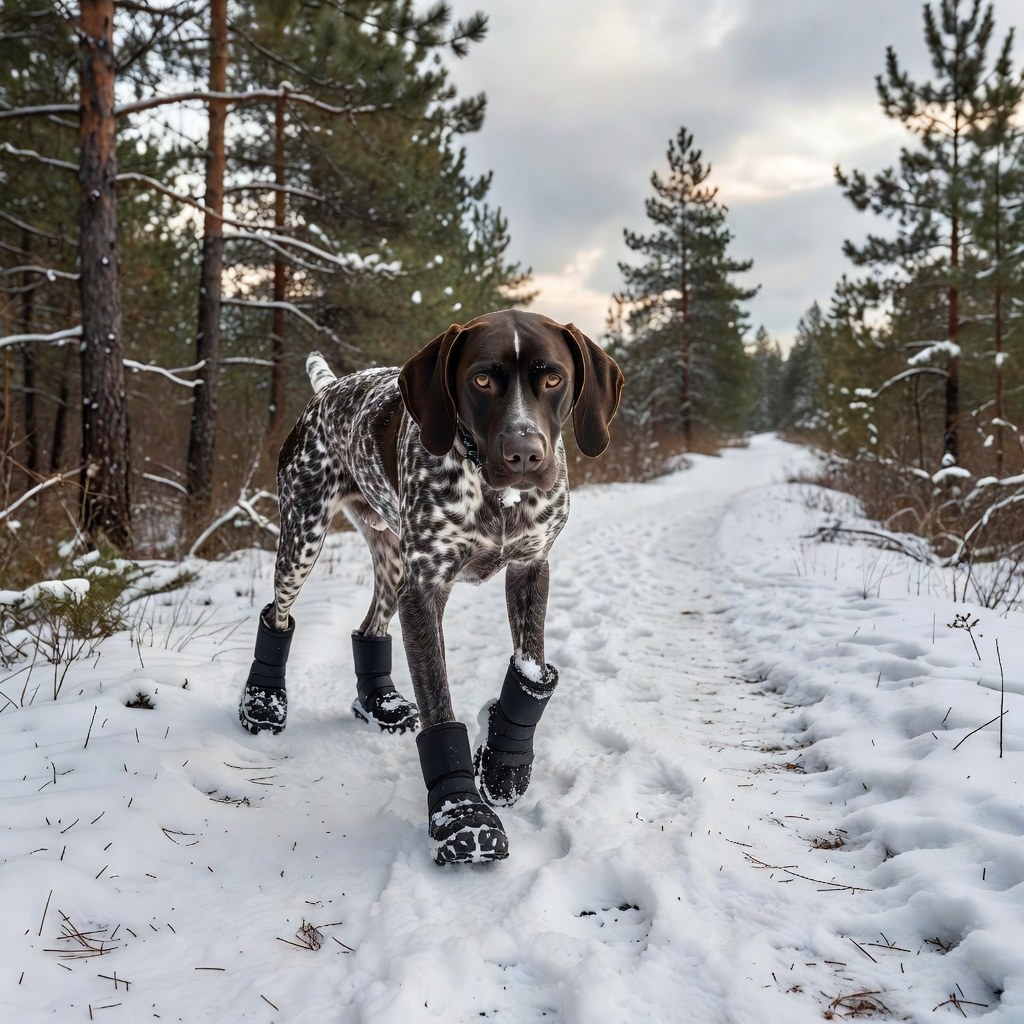 Ruffwear Grip Trex Dog Boots — Vibram-Soled Paw Protection for Snow and Ice$49.99
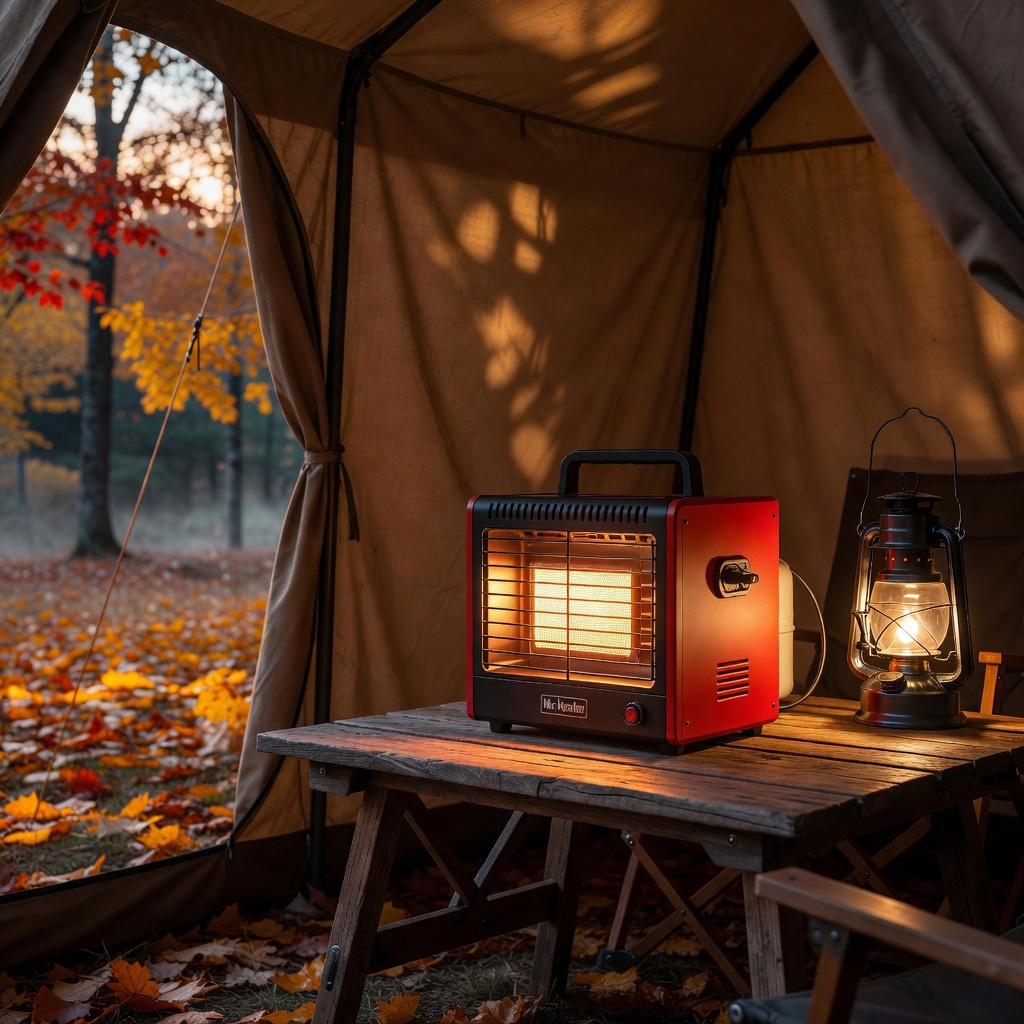 Mr. Heater F232000 MH9BX Buddy 4,000-9,000 BTU Indoor-Safe Portable Propane Radiant Heater$74.00
In this article · 12 sections
- Quick Answer: The Winter Dog Camping Kit
- The One Rule Before Any Gear: Cold Ground Beats Cold Air
- Dog Coats: Who Actually Needs One
- Paw Protection: Wax First, Boots Second
- Heat Sources: The Part Where Most Lists Get Dangerous
- Food, Water, and Calories in the Cold
- Visibility: Winter Is Also Hunting Season
- The Full Winter Dog Camping Checklist
- Common Winter Dog Gear Mistakes
- What People Search About Winter Dog Camping Gear
- Dog Winter Camping Gear FAQ
- Final Word: Build the Kit Once, Camp All Winter
Winter is when the dog gear list actually changes. Summer trips are a water bottle and a bowl; the moment nights drop toward freezing, the failures show up in a specific order — cold ground first, then paws, then everything else. This is the complete dog winter camping gear checklist we run on 20–40°F nights, item by item, with prices and the reason each piece earns its place in the bin.
If you want the printable all-season version, our dog camping packing list covers documents, meds, and the summer deltas. This page is the winter layer only — the gear that matters once the forecast dips below freezing.
Quick Answer: The Winter Dog Camping Kit
- Sleep: an insulated waterproof dog bed ($29.99) over a foam barrier, topped with a Rumpl puffy blanket ($139.00)
- Coat: the Ruffwear Stumptown insulated jacket ($55.99) for short-haired, small, senior, or lean dogs
- Paws: Musher's Secret paw wax ($24.99) before every walk; Ruffwear Grip Trex boots ($49.99) for ice and salted pavement
- Heat (attended only): the Mr. Heater Buddy MH9BX ($74.00) with a portable CO detector — never overnight, never unattended
- Visibility: a blaze-orange reversible collar ($18.99) — hunting season is the season your winter trips overlap
The One Rule Before Any Gear: Cold Ground Beats Cold Air
A dog loses more heat downward than sideways. A $30 bed on a $0 barrier outperforms a $140 bed on bare tent floor every single time, because the tent floor leaches body heat into the ground all night. Build the sleep system bottom-up:
- Barrier layer — closed-cell foam between the tent floor and the bed. A Therm-a-Rest Z Lite Sol ($54.95) folded double under the bed, or a piece of foam gym matting, works. This is the layer most first-timers skip and it's the one doing the real insulation work.
- The bed — thick, insulating, and sized so the dog can curl fully. The Chuckit! Travel Pillow Bed ($29.99) packs small for car camping; the CHEERHUNTING waterproof bed ($29.99) survives wet vestibule floors. For a raised setup, the CANINE CANYON folding cot ($49.99) keeps the dog off cold ground air — but a cot alone is colder than a floor bed in winter because air moves underneath; put a pad on top of it.
- The topper — a Rumpl Original Puffy ($139.00) draped over the dog's back half. Dogs curl to conserve heat; the blanket replaces the den they're trying to make.
The full layering logic — including when a cot beats a floor bed — is in our dog sleeping pad and camp bed guide.
Dog Coats: Who Actually Needs One
Not every dog needs a coat, and the wrong call goes both ways. Huskies and other double-coated breeds can overheat in an insulated jacket at 30°F. Short-haired, lean, small, senior, and puppy dogs genuinely need one below ~40°F.
The Ruffwear Stumptown ($55.99) is the one we'd buy: quilted synthetic insulation that still works if it gets damp, a harness port so the coat goes on under the walking gear, and coverage that reaches the belly — where dogs lose the most heat.
Fit rule: snug at the chest, no gap at the belly, and the dog should still be able to relieve itself without you unclipping anything. If your dog wears a harness all day, the Front Range harness ($44.95) sits flat under the coat without bunching.
Signs your dog is cold at camp (coat decision made in real time): curling tight, tucked nose, shivering after 10 minutes of stillness, lifting paws off the ground, reluctance to leave the tent in the morning. Any two of those — the coat goes on.
Paw Protection: Wax First, Boots Second
Frozen ground, ice melt crystals, and salted campground roads are three different paw problems, and they need different answers.
- Musher's Secret paw wax ($24.99) — apply before every walk, every day. It's the base layer: conditions pads, prevents snow-packing between toes, and takes 30 seconds. This is the item that goes in the jacket pocket, not the bin.
- Ruffwear Grip Trex boots ($49.99) — for ice, salted roads, and dogs with cracked or shaved pads. Introduce boots at home weeks before the trip; a dog wearing boots for the first time at camp walks like its feet are on fire and you'll both be miserable.
Between walks: check pads for ice balls (they form between the toes and are painful to break out), and wipe paws with a towel before the dog enters the tent — salt and wax off the bedding, mud stays outside.
Heat Sources: The Part Where Most Lists Get Dangerous
A heater is legitimate winter dog-camping gear — with rules. Dogs and unattended heaters are a bad combination: a dog can knock a propane unit over, and a sleeping dog can't tell you the room is filling with CO.
- Mr. Heater Buddy MH9BX ($74.00) — 4,000–9,000 BTU, indoor-safe rated, tip-over shutoff. Run it during evening hours while you're all awake in the tent, then shut it off before sleep. Our tent heater safety guide covers placement and ventilation, and the Buddy heater run-time guide covers fuel math.
- Kidde battery CO detector — non-negotiable pairing with any heater. It's the one item on this list that protects everyone in the tent, dog included.
- Sealy 12-volt heated blanket ($31.99) — for the drive home. A chilled dog warms up faster on a heated blanket in the car than on your lap.
- HotHands bulk pack ($29.99, 40 pairs) — activated, wrapped in a towel, and placed under bedding — never against skin. Two under the dog bed take the edge off a cold night. The rechargeable OCOOPA warmers ($39.99) do the same job pocketable for walks.
Food, Water, and Calories in the Cold
Cold dogs burn significantly more calories just staying warm — outdoor-working dogs can need 1.5–2× their normal ration in freezing weather. Feed the evening meal early and warm: a dog that goes to bed with a full stomach generates more overnight heat.
- Collapsible bowls: the Ruffwear Quencher ($19.95) for food, the Kurgo Zippy Bowl ($15.99) clipped to the pack for trail water.
- Water freezes. The bowl left outside the tent overnight will be a solid puck by morning. Bring water into the tent overnight, or top the bowl with warm water before bed. A frozen spigot at the campground is common in winter — assume the water you pack is the water you have.
- Treats live in your pocket, not the car or the bin — frozen treats are useless for trail rewards when you need recall most (ice, dark, wildlife).
Visibility: Winter Is Also Hunting Season
This is the winter-specific item that general dog lists never carry: your November-to-January camping trips overlap deer and small-game seasons across most of the US. A dark dog moving through brush at dawn looks like a target.
- Blaze-orange reversible collar ($18.99) — orange side out for every trail day in season. The blaze orange dog safety guide maps the state rules and season dates.
- Reflective bandana ($18.99 with the collar set) for the pre-dawn and after-dinner walks inside the campground loop.
- Petzl ACTIK CORE headlamp ($79.95) — red mode lets you keep an eye on the dog at night without nuking your own night vision or the neighbors'.
For the tie-out: the Ruffwear Knot-a-Hitch system ($99.99) gives a dog a movable line between two trees — better than a stake in frozen ground, which you may not be able to drive at all once the soil is hard.
The Full Winter Dog Camping Checklist
Sleep system
- Barrier layer (closed-cell foam or folded blanket under the bed)
- Insulated dog bed
- Puffy blanket topper
- Dog coat (if short-haired, small, senior, or lean)
- Harness that fits under the coat
Paws
- Paw wax (pocket-sized, applied daily)
- Boots if ice or salt is likely
- Paw towel for tent entry
- Pad check for ice balls after every walk
Warmth and safety
- Heater (attended use only) + CO detector
- Hand warmers, wrapped, for under bedding
- Heated blanket for the car
- Headlamp with red mode
- Blaze-orange collar or bandana in hunting season
Food and water
- Extra day of food (cold = more calories)
- Evening meal fed early and warm
- Water bottles that can come inside the tent overnight
- Two bowls (food + trail water)
Camp logistics
- Tie-out or hitch system that works in frozen ground
- Poop bags (pack out — nothing decomposes in freezing ground)
- Tick remover (HomeSake 3-pack, $14.39 — ticks are active on any day above freezing)
- Vet numbers and vaccine records saved offline
Common Winter Dog Gear Mistakes
- Buying the coat, skipping the barrier. The coat keeps the dog warm while it's moving; the bed system keeps it warm for the eight hours it's asleep. The floor wins every time.
- Boots on a dog that's never worn them. First-time boots at camp = a dog that refuses to walk. Break them in at home on three walks minimum.
- Running the heater overnight. Tip-over risk plus CO plus a sleeping dog that can't warn you. Evening hours only, detector always, off before sleep.
- Leaving water outside. Frozen bowl by 10 PM. Water comes inside, or you're melting snow at 6 AM.
- Forgetting it's hunting season. A brown dog in brown brush in November is invisible. Orange collar, every walk, no exceptions during season.
- Feeding the summer ration. Cold dogs need more calories. Underfed dogs shiver at night no matter how good the bedding is.
What People Search About Winter Dog Camping Gear
| How people search it | The short answer |
|---|---|
| dog winter camping checklist | The sleep system (barrier + bed + topper), coat for the right dogs, paw wax daily, heater attended-only with a CO detector, orange collar in hunting season — full list above |
| winter gear for dogs | Bed insulation first, then coat, then paws — in that order of importance |
| large dog winter gear | A cot rated for weight with a pad on top, plus a coat that covers the belly; large short-haired dogs (pointers, vizslas) get cold faster than fluffy small ones |
| dog cold weather gear | The five categories: sleep, coat, paws, heat source, visibility |
| best dog camping gear for winter | The items in the Quick Answer box — all under $140 each, most under $50 |
| what to pack for dog winter camping | 23 items in the checklist above; the three most forgotten are the barrier layer, the paw towel, and water that comes inside overnight |
Dog Winter Camping Gear FAQ
How cold is too cold for a dog to camp?
There's no single number — coat type, size, and age matter more than the thermometer. Above 45°F, most dogs are fine with bedding alone. 32–45°F, short-haired and small dogs need a coat and everyone needs a real sleep system. Below freezing, the full list on this page applies, and below ~20°F is where we'd leave puppies, seniors, and thin-coated dogs home. The cold-weather dog camping guide has the full threshold breakdown, and the how cold is too cold to camp guide covers the human side.
Does my dog need a sleeping bag?
Not usually — a dog's own curl-plus-tail-nose position is its sleeping bag, and a blanket topper beats a bag because the dog can self-regulate. A dog sleeping bag earns its place only for dogs that shiver even in the full three-layer bed system, or for true winter (sub-20°F) trips.
Where does the dog sleep in the tent?
Inside, on its own defined spot: barrier, bed, topper — away from the door draft and away from the heater. A dog with one consistent spot settles faster and doesn't pace the tent at 2 AM.
Do dogs' paws need boots in snow?
For deep snow and salted roads, yes. For packed campground loops in dry cold, paw wax alone usually does the job. Watch for the ice-ball tell: a dog that stops repeatedly to lick its paws is packing snow between its toes.
What temperature does a dog need a coat?
Below ~40°F for short-haired, lean, small, senior, or puppy dogs; below ~32°F for most other dogs on still mornings; and never judge by air temperature alone — a 38°F rainy day strips heat faster than a 28°F dry one. Double-coated breeds (huskies, malamutes, goldens) typically don't need one until well below freezing.
<!-- AFFILIATE_DISCLOSURE -->Final Word: Build the Kit Once, Camp All Winter
The whole kit — bed, barrier, coat, wax, heater, detector, orange collar — runs about $350 new, and every piece except the coat works year-round. Buy the sleep system first, because that's the failure that ends trips early, then the paws, then the extras. When the trip is planned around a frozen campground rather than a dog, the December camping guide covers where to actually go, and the winter camping gear checklist is the human version of this page. For November-specific rules — hunting season, freeze lines, the month's short days — the camping with a dog in November guide is the seasonal deep dive.