How to Store Propane Tanks Safely: Garage, Winter, Summer (2026)
Where a propane tank can live: garage yes, basement no, hot trunk never. Storage rules by season and tank size, plus the checks before you reuse one.
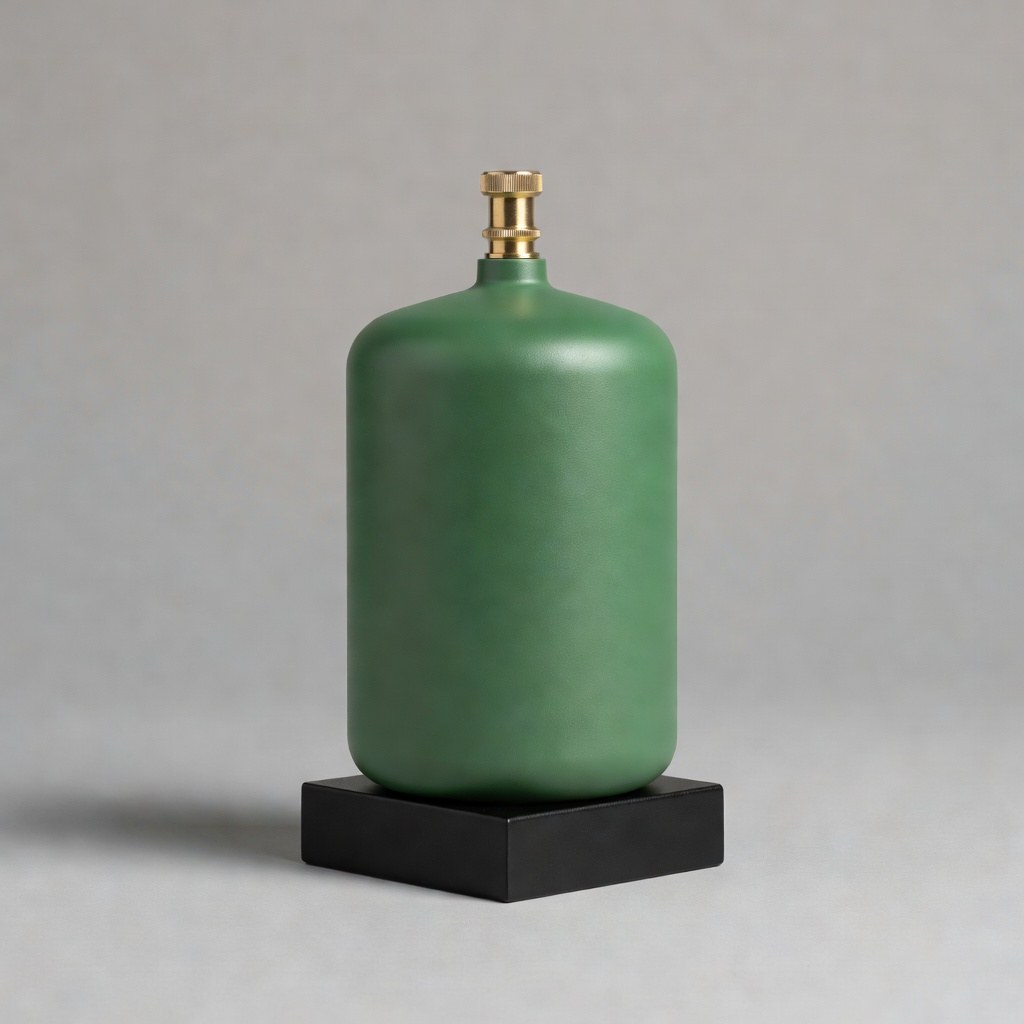 Flame King Refillable 1 lb Propane Cylinder with Refill Kit (DOT Compliant)$59.99
 GASPRO Solid Brass 20 lb to 1 lb Propane Tank Adapter$9.98
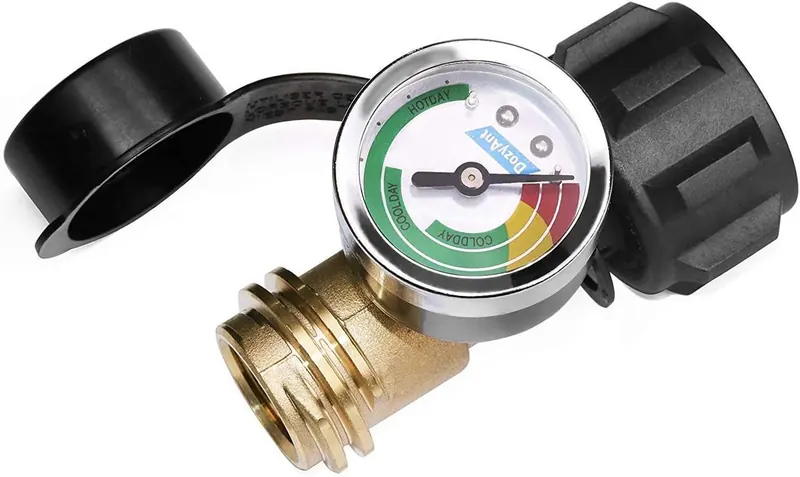
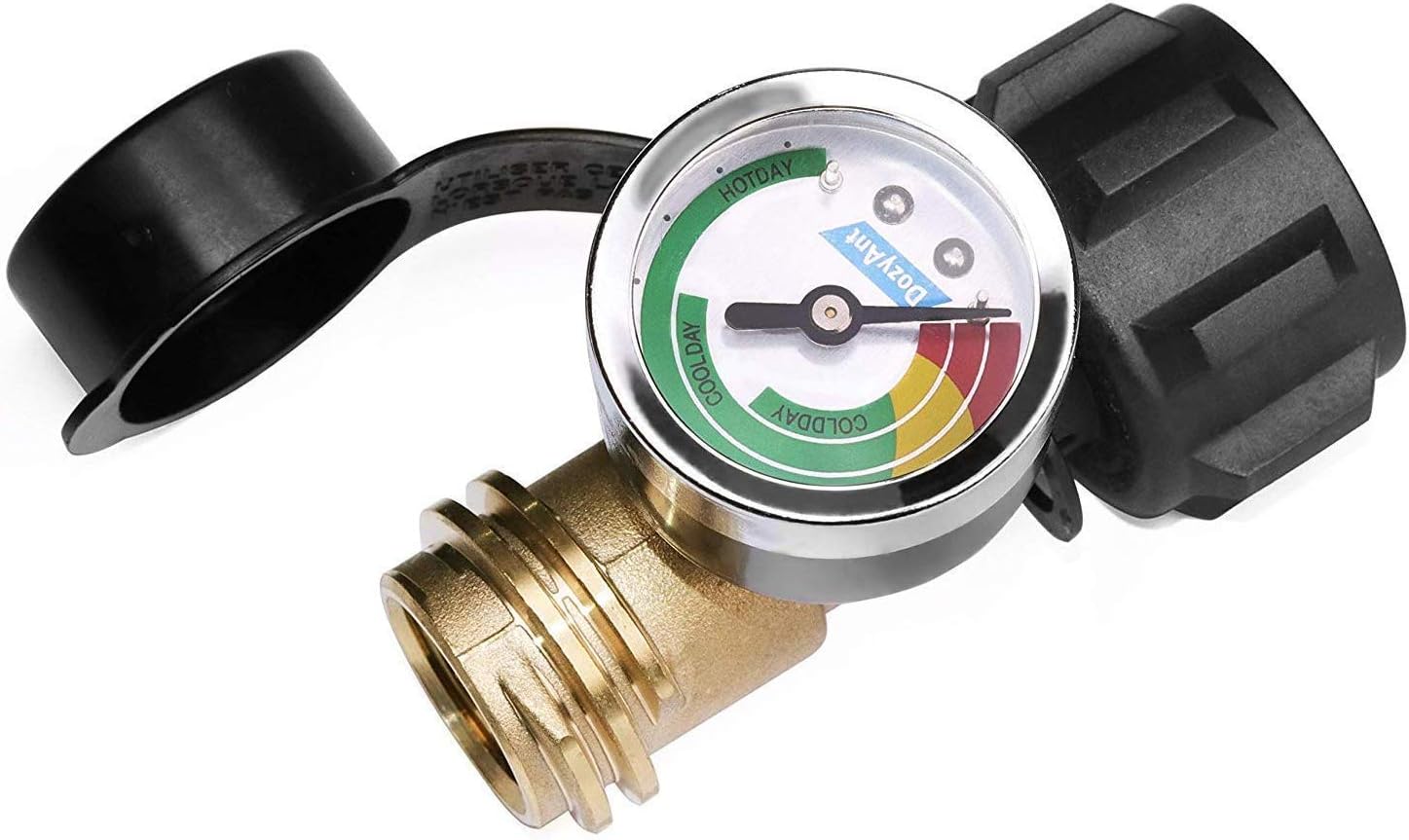 DOZYANT Universal Propane Tank Gauge Level Indicator (QCC1 Type 1)$15.99
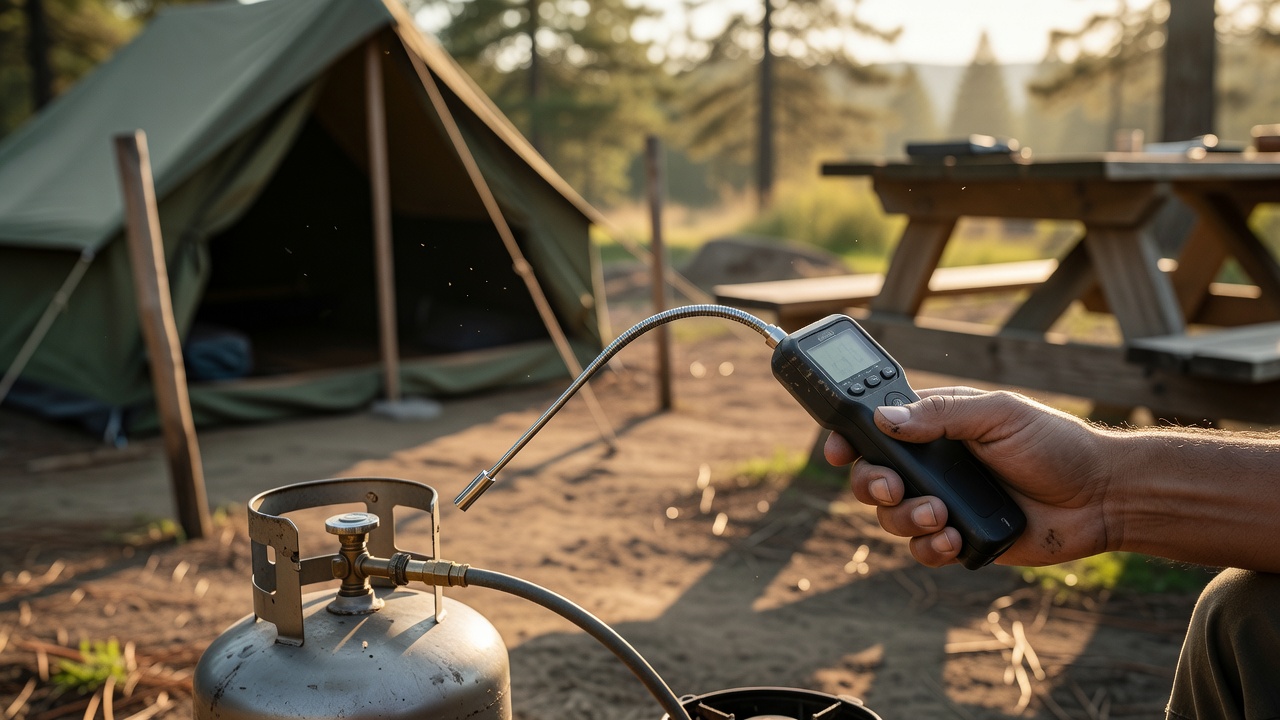 TECHAMOR Y201 Pro Portable Gas Leak Detector, Combustible Gas Sniffer for Propane, Methane, LPG & Natural Gas$25.99
In this article · 9 sections
- Where You Can Store a Propane Tank — Every Location, Answered
- Storing 1 lb Propane Bottles vs 20 lb Tanks
- Winter Propane Tank Storage
- Summer Propane Tank Storage
- Propane Tank Storage Temperature: What Actually Matters
- Before You Reuse a Stored Tank: The 5-Point Check
- Refilling a Stored 1 lb Bottle: The Short Version
- The Storage Questions, Answered as People Type Them
- Propane Tank Storage FAQ
Quick Answer: How do you store a propane tank safely? Four rules cover it: upright (the pressure relief valve is designed to vent vapor, and it only sits in the vapor space when the tank stands on its base), ventilated (a leak in open air disperses; a leak indoors pools at floor level because propane is heavier than air), valve closed and capped (a capped valve can't be bumped open in a bin or a trunk), and away from heat and ignition sources (direct sun, a furnace pilot, a water heater, a hot car). For temperature: propane stays liquid down to about −44°F, so cold never damages the tank — it only lowers pressure. Heat is the real limit: keep tanks out of direct sun and never leave one in a closed vehicle on a hot day, where cabin temps can pass 120°F.
Those are the physics rules. The rest of this page is the version people actually search for: can a tank live in the garage, what to do differently for winter and summer, whether 1 lb bottles follow the same rules, and the cylinder checks that matter more than any storage trick — because the gas inside a propane tank effectively never goes bad, and the container is what ages. (We cover the shelf-life side in detail in how long propane lasts unused in storage.)
One framing note before the rules: most "propane storage requirements" you'll find online are written for OSHA/NFPA regulated bulk installations — the 100-gallon and 500-gallon tanks at homes and job sites, with distance-to-opening rules and dedicated cages. If you searched propane tank storage requirements osha because you saw those numbers, relax: a 20 lb grill cylinder or a 1 lb camp bottle is consumer equipment, and the rules that govern it are the common-sense physics above plus your local fire code. This page is written for the camper's tanks.
Where You Can Store a Propane Tank — Every Location, Answered
Can you store a propane tank in the garage?
Yes — a detached or well-ventilated garage is one of the best places for a camping cylinder, and it's the answer behind most of the can I store propane tank in garage searches. The conditions that make it safe:
- Stand it upright on the floor, not on a shelf it can fall from. A 20 lb tank is top-heavy; a valve strike is the most common damage a stored tank takes.
- Keep it away from ignition sources. In practice: not next to a furnace, water heater, or a workbench where grinding/sparking tools live. A few feet of separation satisfies the spirit of the rule; your local fire code sets the letter of it for larger cylinders.
- Leave the valve closed. If the tank has a protective collar or a brass cap, use it.
- Ventilation is the whole game. An attached garage is acceptable if it isn't sealed tight — the failure mode is a slow leak pooling at floor level near a pilot light, not the tank itself misbehaving.
What the garage doesn't fix: a tank past its 12-year requalification date, a rusted foot ring, or a sticky valve. Storage conditions don't renew a cylinder; the date stamp on the collar governs it.
Can you store a propane tank in the house, basement, or attic?
Basement: no for 20 lb tanks. Propane sinks and pools, and a basement drain or floor crack gives it somewhere to collect below your living space. Most fire codes draw exactly this line — small cylinders (1 lb bottles) are commonly permitted inside living space in limited quantity, while larger refillable cylinders belong outside or in an attached garage/ventilated shed. Attic: no for a different reason — attics cook in summer, and a tank on its side up there can corrode unnoticed.
Inside the living space day-to-day: no for connected appliances you don't use indoors. A 1 lb bottle screwed into a camp stove used on the patio this afternoon is normal use, not storage. Storage means the appliance is done for the day: disconnect it.
Can you store propane tanks outside?
Yes — outside, upright, out of direct sun, on a non-combustible surface is the preferred arrangement for a 20 lb cylinder, and it's what outside propane tank storage and can you leave propane tank outside winter are really asking. The details that matter:
- On gravel, concrete, or pavers — not directly on bare dirt, which holds moisture against the steel foot ring and accelerates rust from the bottom up.
- Out of standing water. A tank that sits in a puddle all winter rusts at the base weld.
- Shade if you have it. Sun heats the tank and raises pressure; a tank in afternoon sun routinely runs warmer than the air around it. Propane tanks have a relief valve and are built for this, but shade is free.
- Not against the house wall next to a dryer vent or HVAC exhaust.
- A tank cover is fine — it keeps rain and UV off the paint. It does nothing thermal, so don't buy one expecting it to "keep the propane warm."
Can you store a propane tank in a shed?
Yes — a ventilated shed is arguably the ideal spot: out of the sun, off the dirt, away from living space, and not sealed like a trunk. Leave a vent gap or crack the door in deep summer; a shed that regularly bakes past 120°F inside is the one version to avoid.
Can you store a propane tank in a car or trunk?
Transport: yes, briefly. Storage: never. A trunk in normal weather for the drive to the campground is how everyone moves a tank, and it's fine — valve closed, tank upright and secured so it can't roll or take a valve strike. What's forbidden is leaving one there: a closed car in summer sun is an oven, and it's the single most common way a casual camper turns a safe cylinder into a venting one. Same rule for the hot trunk version of the question: unload the tank when you arrive.
Can you store a propane tank on its side?
Refillable 20 lb tanks: no. The pressure relief valve communicates with the vapor space at the top of the tank — that's a physics fact about where the valve sits, not a regulation quirk. On its side, liquid propane can reach the relief valve, and a relief valve venting liquid behaves very differently than one venting vapor. Disposable 1 lb bottles: they're built to tolerate it in a gear bin, but upright costs nothing and keeps the valve thread out of contact with whatever else is in the bin.
Storing 1 lb Propane Bottles vs 20 lb Tanks
The rules are the same physics with different emphasis, and the difference trips people up in both directions.
20 lb refillable cylinders (grill/camp size):
- Upright always, valve closed, cap or collar on
- Outside, garage, or ventilated shed — not in the basement, not in living space
- The 12-year requalification stamp governs whether the tank may be refilled, and no storage practice changes that
- Disconnect it from the appliance for storage; hoses and regulators age faster than tanks
Disposable 1 lb bottles:
- They have no requalification cycle at all — they're single-use by law, which is exactly why refillable small cylinders like the Flame King refillable 1 lb cylinder with DOT-compliant kit exist as a category: same CGA 600 connection your stove already takes, stamped and rated for repeated fills.
- Indoor storage in a gear bin is generally acceptable for small quantities — this is the one case where "inside" gets a yes, and it's why can you store 1lb propane tanks inside is such a common search. Keep them out of the sun, away from the furnace room, and don't store a partially-connected bottle.
- Inspect the seam and the valve thread before reuse after any bin season — dents at the seam are the failure mode, not fuel age.
- A partial bottle stores exactly like a full one. There's no "use it up before winter" rule for propane.
- Topping up spares from your 20-lb tank takes one small brass fitting — the GASPRO solid brass 20-lb-to-1-lb refill adapter ($9.98, 4.6★) screws the bottle onto the big tank's POL outlet for an over-the-winter fill; the fill procedure and the 80%-weight rule are in the 1 lb refill safety guide.
A note on 20 lb tank storage racks and cages: the propane tank storage cage and storage rack searches are mostly workplace-equipment queries — OSHA wants secured, ventilated storage for job-site cylinders. At home, a simple stand that keeps the tank upright and off the dirt accomplishes the same thing. If you store multiple 20 lb tanks, the principle worth borrowing from the commercial rules is separation from ignition sources, not a steel cage.
Winter Propane Tank Storage
Cold does not harm propane. The fuel stays liquid down to roughly −44°F, so can you leave propane tank outside in winter has a clean yes — freeze-thaw cycles are hard on water lines and people, not on a sealed steel cylinder. What cold actually does is lower the vapor pressure, which is why an appliance can seem weak on a freezing morning. That's a pressure problem, and the fixes (a full tank, warmth before use, a bigger cylinder) live in our cold-weather stove guide, not in the storage shed.
Winter storage checklist:
- Disconnect the tank from the appliance. Left connected all winter, the hose is the part that fails — it dries, cracks, and collects grit in the orifice. Store the hose indoors. Our camping gear maintenance guide walks the full off-season pass.
- Close the valve and cap it. Keeps grit out of the threads and prevents a bumped-open valve.
- Store it upright, out of standing water. Winter puddles at the base weld are the rust story.
- Garage or outdoors are both fine. Bring it into the garage if you want to — do it for convenience and rust avoidance, not because the propane is suffering.
- Don't bring a 20 lb tank into the living space for the winter. The basement rule doesn't take a season off.
- Spring check before first use: leak-test the connection (soapy water, look for bubbles), inspect the hose for cracks, and read the collar date. The two-minute version is in the propane leak safety guide.
One winter-specific trap: a tank that sat outside all winter and then comes into a warm garage will show condensation on the steel. That's water on the outside of the tank. Dry it off — repeated wet-dry cycles are how paint fails and rust starts — and don't confuse it with anything happening inside.
Summer Propane Tank Storage
Heat raises pressure rather than degrading fuel, so the summer rules are the year-round rules with the emphasis moved:
- Shade beats everything. A tank in direct afternoon sun runs measurably hotter than the air. Under the eave, in the shed, under the deck skirt — anywhere out of direct sun.
- The hot car is the one hard no. Closed cabin, 90°F day, an hour of sun: cabin temps pass 120°F and a trunk worse. Never store a tank in a parked vehicle; transport upright and unload on arrival.
- 120°F is the practical ceiling people cite for where relief-valve margin starts to matter. You will not reach it in shade or a ventilated shed in any US summer; you can reach it in a closed car.
- Don't store next to the grill. A tank under or beside a grill that gets lit every evening violates the ignition-source separation for no reason — move it one wall over.
- Check the relief valve seat area for corrosion at summer storage, since heat cycles are when a marginal valve makes itself known.
Propane Tank Storage Temperature: What Actually Matters
The propane tank storage temperature searches deserve a straight answer:
- Cold floor: about −44°F — propane's boiling point at atmospheric pressure. Below that the tank still holds liquid propane but pressure collapses and appliances won't run well. No storage damage occurs; no US winter storage location gets near this as a storage problem.
- Heat ceiling: ~120°F is the practical comfort zone people cite; cylinder design margins and the relief valve sit above it, but consumer guidance (and most cylinder labels) says keep tanks below 120°F. Shade, ventilation, and out-of-the-car are how you comply.
- The temperature that matters most is the one you can't feel: sustained ground moisture. A tank stored cold and dry for ten years outlives a tank stored in a warm damp corner for three.
So the answer to what temperature should propane be stored at is: anywhere between roughly −40°F and 120°F, dry, ventilated, and upright. That range covers every garage, shed, and outdoor spot in the country — which is why the storage location question is really about ventilation and ignition sources, not thermostats.
Before You Reuse a Stored Tank: The 5-Point Check
Storage doesn't age propane, but time ages cylinders. Before the first burn of the season:
- Read the collar date. 12 years from manufacture, then requalification every 5. Past date = exchange it, even if it looks perfect. Refill stations can and do refuse expired cylinders.
- Rust inspection: the foot ring and base weld. Surface rust on the side wall is cosmetic. Rust at the base, flaking metal, or a foot ring that's corroded through is a replacement.
- Dents near a weld. A dent in smooth cylinder wall is usually fine; a dent on or beside a weld seam is a structural question mark — exchange it.
- Valve operation. It should turn smoothly and fully. A sticky valve or damaged thread is an exchange.
- Leak test the connection. Soapy water on the connection, open the valve, look for bubbles. Two minutes, and it's the check most people skip.
If any check fails, the honest math: a tank exchange costs about the same as one camp meal. Don't negotiate with a suspect cylinder.
Want to know what's left in the tank without guessing? The Dozyant universal propane tank gauge ($15.99, 4.4★, 5,900+ ratings) reads level by pressure on QCC1/Type 1 connections — handy for the "is the stored tank actually full" question at the start of a season, and it doubles as a leak-check point. For a gas-detecting second opinion in the storage space itself, the TECHAMOR Y201 portable gas detector ($25.99, 4.4★) sniffs propane, methane and LPG — the tool version of "why do I smell propane in the garage."
Refilling a Stored 1 lb Bottle: The Short Version
Storage and reuse meet at the refill question, because the cheapest way to head into a season is a box of 1 lb bottles you refilled yourself. The rules that matter after storage: only refill 1 lb bottles that pass the same 5-point check above (undented seams, clean valve threads, no rust at the base), never exceed 80% fill by weight, and do it outdoors with the bottle upright and the scales — not the hose — deciding when to stop. The full step-by-step, including the overfill failure mode that ruins a stove regulator, is in the 1 lb propane refill guide. And if the bottle won't take a charge or the stove sputters on a freshly refilled one, that's a bottle problem, not a storage problem — the propane leak and stove safety guide covers the diagnosis order.
The Storage Questions, Answered as People Type Them
| Question, as people type it | The answer |
|---|---|
| can you store propane tank in garage | Yes — upright, valve closed, away from furnace/water heater/pilot lights, ventilated space. Detached garage is ideal; attached is acceptable. |
| can you store propane tank in house / inside | 1 lb bottles in limited quantity: generally yes. 20 lb tanks: no — outside, garage, or ventilated shed. |
| can you store propane tank in basement | No. Propane pools at floor level; basements are where it collects below living space. |
| can you leave propane tank outside in winter | Yes. Cold doesn't harm propane (liquid to ~−44°F). Keep it upright, out of standing water, valve closed. |
| propane tank in hot car | Transport only — upright, secured, unload on arrival. Never store a tank in a parked vehicle. |
| propane tank storage temperature | Roughly −40°F to 120°F is the practical band. Cold only lowers pressure; heat above ~120°F in a closed car is the real hazard. |
| propane tank storage requirements osha | OSHA/NFPA rules govern bulk/job-site installations. Consumer cylinders: upright, ventilated, capped, away from ignition — plus local fire code. |
| how to store 1lb propane tanks | Gear bin is fine in limited quantity: out of sun, away from heat, valve clean, seams undented. No requalification cycle exists for them. |
| propane tank on its side | 20 lb refillable: no — the relief valve must sit in the vapor space. 1 lb bottles tolerate it in a bin; upright costs nothing. |
| how long can you store a propane tank | The fuel: indefinitely. The cylinder: until the 12-year requalification stamp (then every 5 years) or until rust/dents/valve damage say otherwise. |
| where to store propane tanks in apartment | Balcony out of direct sun (check your lease/city code), or a ventilated storage closet NOT shared with gas water heaters. Never indoors overnight in quantity. |
| store propane tank attached to grill | Close the tank valve, then close the grill knobs. Short-term between uses: fine. Off-season: disconnect and store the hose indoors. |
Propane Tank Storage FAQ
How far should a propane tank be from the house?
For a 20 lb consumer cylinder there is no single national setback number — that's a bulk-tank rule. Common practice and most local codes are happy with a few feet from any opening, out of direct sun, on a firm surface. If your city has a specific residential cylinder ordinance, it will say so on the fire department's page.
Do I need to empty a propane tank before storing it?
No. A partial tank stores exactly like a full one — propane doesn't oxidize or settle. Close the valve, cap it, store upright. In fact, "use it up" leads people to leave valves half-open or vent cylinders deliberately, which is the one genuinely bad idea in this whole space.
Is it safe to store a propane tank in a hot attic in summer?
No. Attics routinely exceed 130°F in sun, tanks up there are forgotten and un-inspected, and a leak has nowhere to disperse. Shed, garage, or shaded outdoor spot instead.
Can I store my camping 1 lb canisters in the tent or RV during the off-season?
In an RV: yes in a ventilated exterior storage bay, no in the living area for long-term. In a tent: there's no such thing as tent storage between trips — a tent is for camping. Gear bin rules apply: dry, upright, seams checked.
What's the single most common storage mistake?
Leaving the tank connected to the appliance in the garage all winter. The hose ages out, the connection stays live, and the spring "why won't it light" is usually a cracked hose or grit in the orifice — all preventable by one disconnect in November.
Does storing a tank on concrete damage it?
No — concrete is actually the good surface (non-combustible, dry, flat). The old "don't store on concrete" folklore applies to some other fuels and old tank designs; a modern cylinder on dry concrete is textbook storage.
<!-- AFFILIATE_DISCLOSURE -->Storage is one branch of the fuel family — the Camp Stoves, Propane & Fuel hub indexes the runtime math, refill safety, and stove-pick guides, and the shelf-life guide covers the cylinder-age side of the same question.