How to Stay Warm Camping: The Layering System & Gear That Actually Works
Learn the 3-layer clothing system, tent insulation tricks, and hot-meal strategies that keep you warm from sunset to sunrise. Complete cold-weather camping guide for 2026 with real gear picks (OR, Darn Tough, Merrell, EVER ADVANCED).
I've been that person — shivering inside a sleeping bag at 2 AM, watching my breath fog inside the tent, wondering why I thought camping in shoulder season was a good idea. The campground was dead silent except for my teeth chattering.
Twenty minutes later I had the Coleman Triton boiling water for a Nalgene hot water bottle and my layers sorted properly. The rest of the night was fine.
Staying warm camping isn't about buying the most expensive gear. It's about understanding how heat loss actually works and layering your system — clothing, shelter, food, and habits — to trap heat where it matters. Here's exactly how.
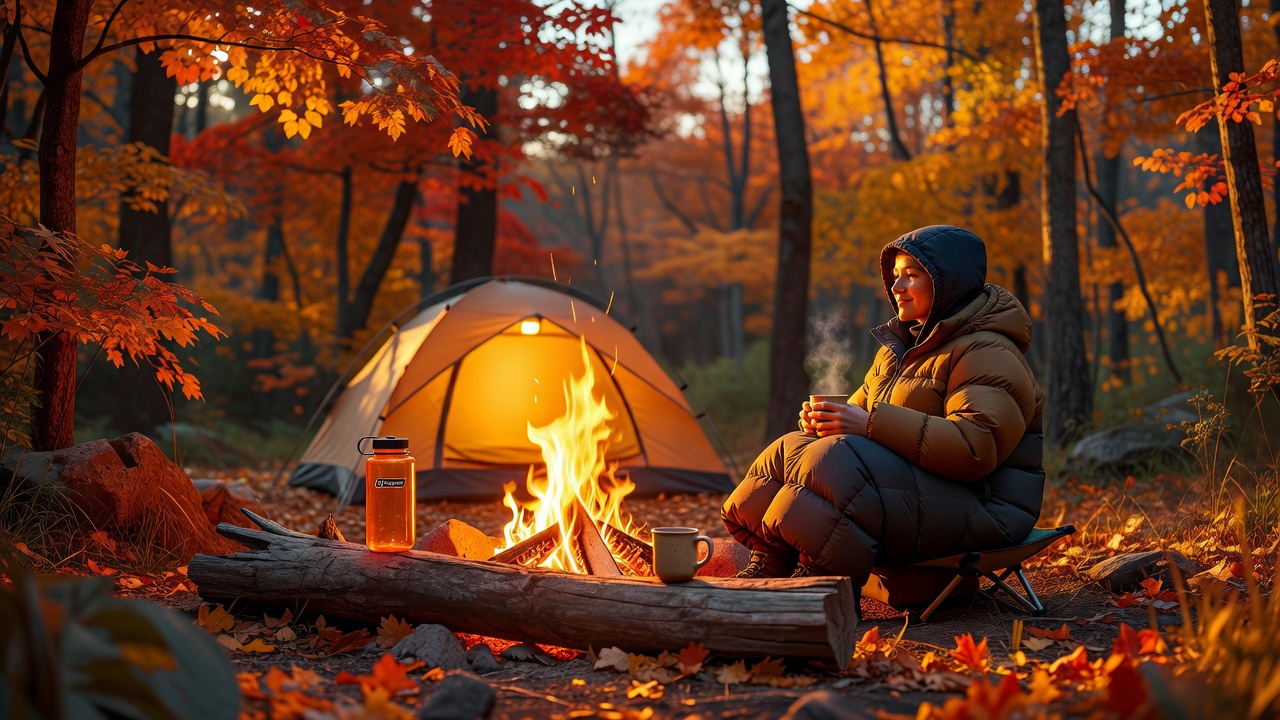
The 3-Layer System (It's Not Just for Hiking)
Every outdoor clothing guide talks about base layers, mid layers, and shell layers for hiking. But the same system applies to camp — and most people only get it half right. They nail the hiking part and freeze at camp because they didn't plan for the transition.
Here's what actually keeps you warm from trailhead to tent:
Base Layer (Wicking): Moves sweat away from skin. If your base layer is damp when you stop moving, you'll chill in minutes — evaporative cooling works on humans exactly like it works on swamp coolers. Synthetic or merino wool. Never cotton — "cotton kills" is a cliché because it's true.
Mid Layer (Insulation): Traps warm air. Fleece, down, or synthetic puffy. This is the layer you add the moment you stop hiking. Don't wait until you feel cold — by then you're already losing heat you have to earn back.
Shell Layer (Protection): Blocks wind and rain. Even a light breeze at 50°F strips heat 2-3x faster than still air. Your shell goes on whenever the wind picks up, even if it's not raining.
The whole system fails if you don't have all three accessible. I keep my mid layer in the brain of my pack — not buried under the tent body — so I can grab it in 5 seconds flat.
Base Layer Picks
The Outdoor Research Astroman Sun Hoodie ($89.00) doubles as my warm-weather sun shirt AND cool-weather base layer. The hood adds neck warmth without a separate gaiter, and the fabric wicks surprisingly well for a UPF 50+ shirt. It's the piece I reach for on 80% of trips.
For feet, Darn Tough Hiker Midweight Micro Crew socks ($27.95) are the gold standard. Merino wool insulates even when damp, the midweight cushion adds warmth without bulk, and — critically — they're backed by Darn Tough's lifetime warranty. I've worn the same pair for 3 seasons and they look nearly new.
Your Shelter Is Your Furnace
A tent doesn't generate heat — you do. The tent's job is to trap the heat your body produces and block wind from stripping it away. Get this wrong and no amount of clothing saves you.
Tent size matters more than you think. A massive 8-person tent for two people is a refrigerator — your body heat dissipates into too much air volume. A properly sized tent warms up noticeably within 20 minutes of you being inside.
The EVER ADVANCED 6-Person Blackout Tent ($199.99) is a standout for cold-weather car camping. The blackout fabric isn't just for sleeping in — it absorbs solar heat during the day and the instant-cabin design means you're not wrestling poles with numb fingers at dusk. For a family of 3-4, it's the right volume-to-occupant ratio for retaining warmth.
Ground insulation is the #1 heat thief. More body heat escapes into cold ground than into cold air — conduction beats convection every time. A closed-cell foam pad under your inflatable pad adds R-value for under $20. Even a TETON Sports Camp Pillow ($24.99) makes a difference — elevating your head off cold ground reduces contact surface area and keeps your neck warmer than balling up a fleece.
Ventilation paradox: Crack a vent even when it's cold. The moisture from your breath condenses on tent walls overnight, and wet insulation loses 40-60% of its R-value. One inch of vent opening trades negligible heat for dramatically drier air inside.
Hot Food & Drinks = Warm Body
A hot meal before bed raises your core temperature enough to fall asleep comfortably, and the metabolic heat from digesting keeps you warmer for hours. Cold-weather camping without a stove is just suffering with extra steps.
The Coleman Triton 2-Burner Stove (read our full review, $84.99) is my go-to for car camping. Two independent burners let you boil water for hot drinks while simmering dinner — no waiting, no cold food. The wind-blocking side panels are the killer feature. On a breezy ridgeline at 7,000 feet, this thing boiled a full pot in 8 minutes while my friend's single-burner took 25.
For one-pot hot meals, the Lodge 5-Quart Deep Camp Dutch Oven ($54.99) is unmatched. Cast iron retains heat for 20-30 minutes after you pull it off the flame — your second serving is as hot as the first. Beef stew, chili, or just heating water for a Nalgene 32oz hot water bottle ($15.99) inside your sleeping bag. The wide-mouth Tritan plastic is rated for boiling water, and the wide opening means no fumbling with caps in the dark.
Morning is critical too — cold mornings kill motivation faster than cold evenings. The AeroPress Go ($39.95) makes genuinely good coffee in 90 seconds with no electricity. It packs into its own cup and weighs 11.5 oz. I've converted three non-campers to weekend warriors by promising them "coffee that's better than your apartment's drip machine."
The 5-Minute Warm-Up Routine (Do This Before Bed)
- Boil water. Fill your Nalgene. Put it in your sleeping bag at the foot end. It'll still be warm at 3 AM.
- Change into DRY base layers. The shirt you hiked in all day has sweat in it — evaporative cooling will wake you up shivering at midnight.
- Eat something small and fatty — a handful of trail mix, a chunk of cheese. Fat metabolism generates more heat per gram than carbs.
- Do 10 bodyweight squats outside the tent. Sounds ridiculous. Works immediately. Blood flow to extremities = warm feet in the sleeping bag.
- Pee. Your body wastes significant energy keeping a full bladder warm. Yes, getting out of the tent sucks. It sucks less than being cold all night.
Feet First: Why Cold Feet Ruin Everything
Cold feet aren't just uncomfortable — they disrupt your entire temperature regulation. Your body vasoconstricts extremities to protect the core, which makes your feet colder, which makes you more miserable, which tenses your muscles, which burns energy, which makes you colder. It's a spiral.
Shoe choice is the foundation. The Merrell Moab 3 Hiking Shoes ($109.95) have a Vibram TC5+ outsole that insulates from ground cold better than standard EVA foam soles. The waterproof membrane keeps feet dry in morning dew and creek crossings — wet feet lose heat 25x faster than dry feet.
For wetter conditions, the KEEN Targhee 3 Waterproof Hiking Shoes ($145.00) add a higher-volume toe box that fits thicker wool socks without compression. Compressed insulation doesn't insulate — if your toes are jammed, the $30 merino socks are doing nothing.
Sock system at camp: The socks you hiked in are damp even if they don't feel wet. Swap to a dedicated pair of thick wool camp socks the moment you stop moving. Keep them in your sleeping bag stuff sack so they're warm when you put them on. I learned this the hard way on a 28°F night in the Sierras — dry socks felt like a heated blanket by comparison.
Common Warm-Camping Mistakes (Learn From Mine)
- Overdressing in the sleeping bag: A sleeping bag works by trapping your body heat in lofted insulation. Wearing too many layers compresses the loft and reduces the bag's effectiveness. One dry base layer inside the bag is enough — pile the extra layers ON TOP of the bag as additional insulation.
- Breathing into your sleeping bag: Every exhale contains water vapor. Over 8 hours, that's roughly a pint of moisture condensing inside your bag's insulation. Wet down loses essentially all insulating value. Keep your mouth and nose outside the bag opening.
- Setting up in a low spot: Cold air pools in depressions — the same way fog settles in valleys. A campsite 15 vertical feet above a meadow can be 5-8°F warmer than the meadow itself. Walk the site before pitching.
- Tight boots at camp: Your feet swell slightly during the day. Lacing boots tight "for warmth" actually restricts circulation and makes feet colder. Loosen laces at camp, or better yet, switch to camp shoes.
- Skipping the midnight snack: Your body temperature dips naturally around 3-4 AM — it's a circadian thing, not just cold weather. Having a granola bar or trail mix within arm's reach of your sleeping bag means you can eat without fully waking up. The metabolic heat from digestion peaks about 30 minutes after eating.
Pro Tips From Cold Nights I Won't Repeat
- The tarp-under-tent trick: A footprint or tarp under your tent blocks ground moisture but also adds a thin insulation layer. On snow or frozen ground, double it up — two cheap blue tarps stacked under your tent floor make a measurable difference.
- Sleep with tomorrow's clothes: Put your hiking shirt, socks, and mid layer inside your sleeping bag — not at the foot, but against your torso. Body heat pre-warms them so getting dressed in the morning isn't a shock.
- Hand warmers in your boots: Drop a chemical hand warmer into each boot 10 minutes before you put them on. Frozen boots are the single worst part of cold-weather mornings, and this costs under $2.
- Sit on something, always: Even a folded sit pad or a chunk of closed-cell foam between you and a log or rock prevents conductive heat loss through your butt and thighs. Camp chairs with mesh seats are summer furniture — in cold weather, you want solid insulation between you and the ground.
- The hot drink hand-warmer: Make your morning coffee or tea FIRST, before breaking down the tent or packing. Hold the hot mug with bare hands for 30 seconds. The direct heat transfer warms your hands faster than any glove.