Complete Dog Camping Gear Checklist: 15 Essentials for Trail-Ready Pups (2026)
Everything your dog needs for a safe, comfortable camping trip — from voice-controlled training collars and flea protection to hydration gear and night-safety lights. Our trail-tested dog camping checklist covers all four seasons.
You know that moment when your dog spots a squirrel at the exact second you're pouring boiling water for coffee? One second of inattention and your campsite becomes a canine crime scene. I've been there. Chasing a muddy golden retriever through someone else's tent flap at 7 AM is not how you want to start a camping morning.
Camping with your dog should be the best part of the trip, not a source of stress. The difference between chaos and bliss comes down to having the right gear, the kind that works when things get wet, muddy, and unpredictable.
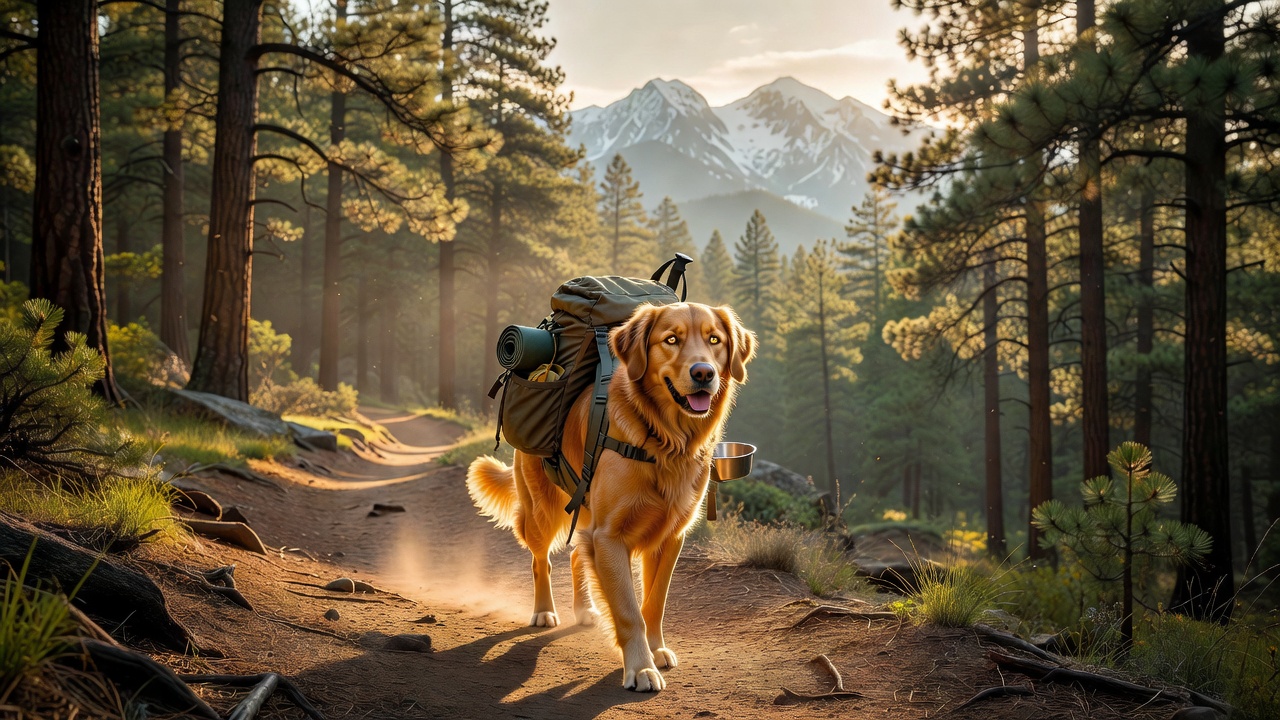
Here's the complete dog camping checklist I've built across dozens of trips with my own trail dog. These 15 essentials cover safety, comfort, hydration, and the million little things that turn "why did we bring the dog" into "I'm never camping without her again."
Training & Control: The Foundation Everything Else Rests On
Before you buy a single piece of dog camping gear, you need reliable off-leash control. A campground is sensory overload for a dog: new smells, strange people, other dogs, wildlife, food everywhere. A dog that ignores recall here can bolt into traffic, harass wildlife, or wander into another campsite where the occupants may not love dogs as much as you do.
Voice-Controlled Training Collars: The Game-Changer
Traditional remote collars require you to fumble for a handheld transmitter. When your dog is streaking toward a porcupine at full speed, those two seconds of pocket-digging matter. Voice-controlled collars solve this by responding to spoken commands directly.
The oitickly Smart Dog Training Collar ($39.99) is the standout in this category. 4,500-foot range, voice-command mode, and waterproof (my dog swam in a lake with it on and it didn't miss a beat). At under $40, it punches well above its weight against collars that cost twice as much.
Feature comparison:
- Range: 4,500 ft vs typical 1,000-3,000 ft on competitors
- Voice command: Built-in vs hard to find at this price
- Waterproofing: IPX7 submersion-rated vs splash-resistant on most budget collars
- Battery: USB-C rechargeable, 15-day standby
- Modes: Beep, vibrate, and 16 levels of static stimulation
For leash walks around camp, pair the collar with a standard 6-foot leash. The collar handles recall in open areas, the leash handles campground etiquette.
Related reading: Voice Training Collar for Off-Leash Hiking: full deep-dive on training protocols and real-world testing results.
Flea, Tick & Pest Protection: The Non-Negotiable Layer
You're taking your dog into tick country. That's not dramatic. It's what forests and tall grass are. A single deer tick can transmit Lyme disease before you even notice it's attached. Flea prevention at camp is as critical; campgrounds with heavy dog traffic are flea highways.
Pre-Trip Shampoo Defense
Bathing your dog with a flea-and-tick shampoo 24-48 hours before the trip creates a protective barrier that lasts through the first few days outdoors. These three are in our catalog and all work for camping prep:
- Veterinary Formula Flea & Tick Shampoo ($7.84): vet-recommended, kills fleas and ticks on contact, 16 oz bottle lasts multiple trips
- FURminator deShedding Shampoo ($10.82): reduces shedding so your tent doesn't become a fur factory, plus it removes loose undercoat that traps dirt
- Zesty Paws Flea & Tick Shampoo ($17.47): veterinarian-formulated, kills fleas, ticks, and their eggs, plus soothes irritated skin
Pro tip: Bring a small travel-size bottle of the shampoo to camp for post-hike paw washes. Mud between paw pads dries into sharp crusts that crack and bleed. A quick rinse at the end of the day prevents this.
Related reading: Pet Cooling & Safety for Summer Hiking & Camping: heatstroke prevention, cooling gear, and recognizing early warning signs.
Hydration: Your Dog Drinks More Than You Think
A 50-pound dog hiking on a warm day can drink 2-3 liters of water. That's about as much as the human carrying the pack. You need to plan for their water intake the same way you plan your own.
Water Bottles & Reservoirs for Shared Use
- Owala FreeSip Sway 40oz ($32.99): the FreeSip spout design means you can drink from the straw while pouring from the wide mouth for your dog. No swapping lids. Insulated stainless steel keeps water cold for hours.
- CamelBak Crux 3L Reservoir ($37.00): if you're backpacking with your dog, a 3L reservoir means you both drink from the same supply. The Crux delivers 20% more water per sip than previous models.
Hydration math for a weekend trip: Two humans + one 50lb dog = minimum 3 gallons of water for a 48-hour trip. Bring a collapsible water bowl. Dogs drink more from a bowl they can see the bottom of, and campground spigots don't have dog-height fountains.
Night Safety: See and Be Seen
Campgrounds after dark are obstacle courses: tent stakes, guy lines, fire pits, and uneven ground. Your dog navigates better than you in low light, but other campers don't see them. A lit-up dog is a safe dog.
Headlamps for Humans (So You Can Watch the Dog)
- Petzl ACTIK CORE Headlamp ($79.95): 650 lumens with red-light mode (preserves night vision and doesn't blind other campers). Rechargeable via USB. The red light is perfect for checking on your dog without waking the whole tent.
Dog Visibility Gear
A light-up collar or clip-on LED is non-negotiable for after-dark campsite time. Even the best-trained dog becomes invisible at 50 feet in a dark campground. Look for:
- USB-rechargeable LED collar (no disposable batteries to pack out)
- At least two color modes (solid + flashing)
- Waterproof rating (your dog WILL find water)
Campground Comfort: Sleeping, Eating, and Staying Clean
Sleeping Setup
Your dog sleeps in the tent with you. Not in the car, not tied to a tree. Here's what makes the difference between a dog that sleeps through the night and one that paces at 3 AM:
- Dedicated dog sleeping pad or blanket: A closed-cell foam pad (cut to dog size) insulates them from the cold ground. Even a 60-pound dog loses body heat through direct ground contact.
- Microfiber camp towel: One for you, one for the dog. Dry dogs before they enter the tent; wet fur in a sleeping bag is a recipe for a cold, miserable night.
- Paw balm: Apply before bed on trips with rocky terrain. Cracked paw pads swell overnight and make the next day's hike miserable.
The Campsite Routine That Prevents Chaos
- Arrival: Dog stays on leash until you pitch the tent. They get a designated "place" (sleeping pad + chew toy) while you set up.
- Perimeter walk: Walk the campsite boundary on-leash so they learn the edges. Do this once and they'll respect it all weekend.
- Feeding: After you eat, not before. This reinforces the pack hierarchy and prevents begging at the camp stove.
- Last call: Final potty walk 30 minutes before bed. No water in the last hour before sleep (or you'll be up at 2 AM).
Related reading: Camping With Dogs: Complete Guide: campsite setup, dog etiquette, and multi-day trip planning.
The "Don't Forget These" Grab List
These items don't need their own sections but WILL ruin your trip if forgotten:
- Extra collar with ID tag: dogs lose collars in brush. The spare has your phone number and campsite number written on masking tape.
- Tick removal tool: not tweezers. A proper tick key costs $5 and removes the entire tick including the head. Keep one in your pocket, not buried in the first aid kit.
- Poop bags (double what you think): campgrounds have trash bins, backcountry doesn't. Pack them ALL out.
- Dog first aid add-ons: Vet wrap (self-adhesive bandage), styptic powder (stops bleeding from torn nails), and Benadryl (1mg per pound for allergic reactions. Ask your vet first).
- Long tie-out cable (20-30 ft): For campsites without trees. Wraps around a picnic table leg or tire.
Related reading: Hiking With Dogs: Safety Guide: trail hazards, wildlife encounters, and emergency protocols.
Rain, Mud & Wet Weather
Camping with a wet dog is camping on hard mode. Everything gets damp, everything smells, and your dog is somehow simultaneously miserable and exhilarated.
Related reading: Dog Rain Gear for Wet-Weather Hiking: rain jackets, paw protection, and drying strategies that work on muddy trails.
For beach trips, our Beach Camping With Your Dog guide covers sand management, salt-water safety, and keeping a wet dog warm after sunset.
Common Dog Camping Mistakes (Learn From Mine)
1. "He Doesn't Need a Leash Here Because There's Nobody Around"
There's always somebody around. A ranger, another camper, a deer, or the campsite host who noticed your unleashed dog. Leash rules at developed campgrounds are almost universal and strictly enforced. Use the long tie-out for freedom without the fine.
2. "The Sleeping Bag Is Big Enough for Both of Us"
It's not. Your dog's claws will shred the nylon lining within two nights. Give them their own pad and blanket, positioned so they can touch you (they sleep better knowing you're there) without being inside your expensive down bag.
3. "I'll Share My Trail Food"
Human trail snacks are loaded with salt, sugar, and ingredients dogs shouldn't eat (xylitol, chocolate, raisins, macadamia nuts). Bring dedicated dog food in a sealed container. Freeze-dried raw food is lightweight, calorie-dense, and doesn't attract bears as strongly as kibble.
4. "The Campfire Keeps Them Warm Enough"
Fire warmth is uneven. Your dog's face roasts while their back freezes. They need a sleeping pad (insulation from below) more than proximity to fire. A dog trembling at a campfire isn't being dramatic. They're cold.
Quick Checklist for Your Pack
Before you zip the pack, run through this list:
- Voice training collar (charged, tested)
- Leash + long tie-out cable
- Flea/tick shampoo (applied pre-trip)
- Collapsible water bowl + shared water bottle
- LED collar or clip-on light
- Dog sleeping pad + blanket
- Microfiber towel
- Paw balm
- Tick removal tool + dog first aid
- Poop bags (double-count)
- Dog food (sealed container)
- Current ID tag with phone number
- Vaccination records (some campgrounds require them)
Further reading: Our Dog-Friendly Camping Gear Guide covers product-specific recommendations, and the Dog-Friendly Beach Camping Gear Checklist has everything you'll need for coastal trips. For gear selection, check out Best Dog Backpacks for Hiking. A pack lets your dog carry their own water and food on day hikes.
<!-- AFFILIATE_DISCLOSURE -->