Dog-Friendly Camping: Complete Gear Guide for Camping With Your Dog in 2026
Everything you need for camping with your dog: harnesses, backpacks, training collars, and essential human gear for a stress-free trip. $39-$300 range.
Camping with your dog sounds idyllic — sunrise hikes, campfire naps, and that look of pure contentment on your pup's face. But the reality often involves a tangled leash around a tent stake, a wet dog shaking off inside your sleeping bag, and the sudden realization that you forgot the one thing that would've made this trip actually enjoyable.
I've made every mistake in the book. My dog has pulled me face-first into a creek, stolen an entire package of hot dogs while I set up the tent, and once — memorably — decided that my sleeping pad was a chew toy. I've learned the hard way what gear actually matters and what's just marketing.
This guide covers the dog-specific gear you need AND the human camping essentials that make dog-friendly trips work. No filler, just trail-tested recommendations.
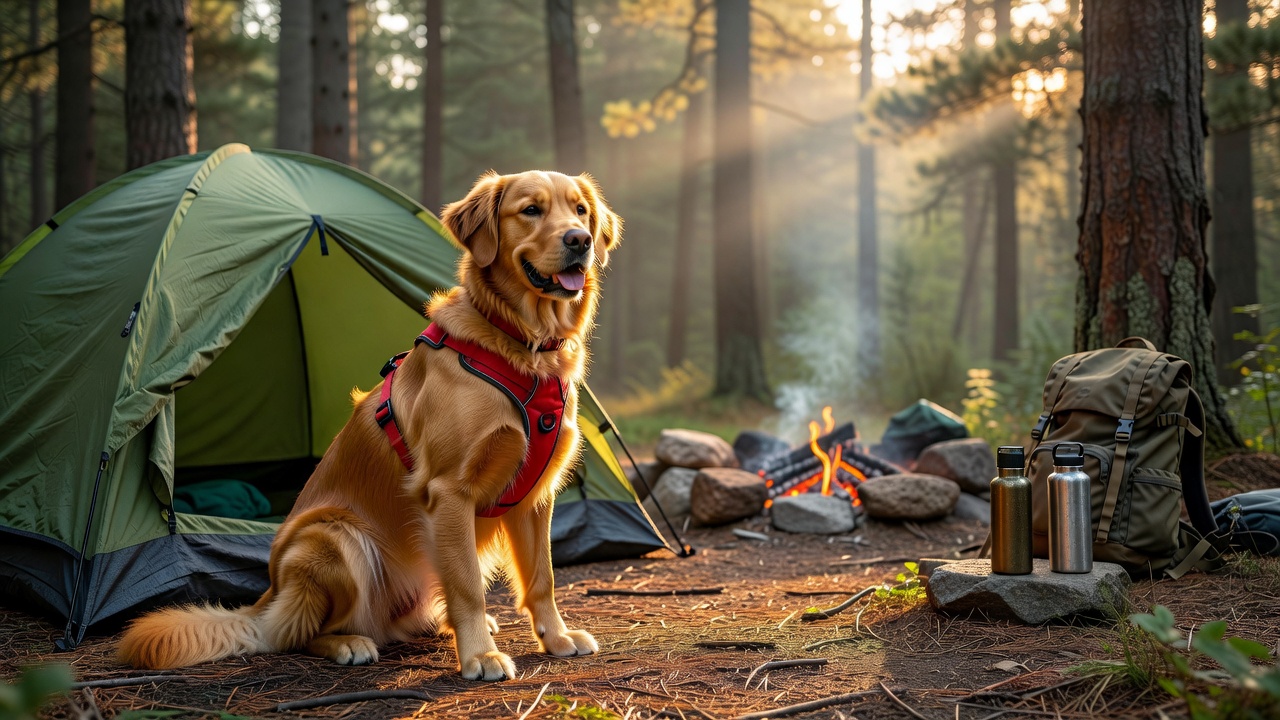
Dog Gear: What Your Pup Actually Needs on the Trail
A Real Harness (Not the $12 One From the Pet Store)
The difference between a proper trail harness and a cheap pet-store harness is the difference between a controlled hike and a shoulder-jerk marathon. A good harness distributes pressure across the chest, has a front clip option for pullers, and won't chafe after three miles.
The Ruffwear Front Range Dog Harness ($49.95) is the gold standard. Padded chest and belly panels, reflective trim for low-light visibility, and two leash attachment points (back clip for relaxed walking, front clip for training). It's the harness you'll grab every single time — and after one hike with a chafing-cheap-harness, you'll understand why it's worth the money.
💰 Budget Pick: Let Your Dog Carry Their Own Weight
If your dog is medium-to-large (30+ lbs), a dog backpack is a game-changer. Your pup carries their own food, water, and collapsing bowl — you carry less.
The Kurgo Baxter Dog Backpack ($44.99) is the sweet spot of capacity, fit, and price. Saddlebag-style design with balanced weight distribution, adjustable straps that don't slip, and a handle on top for lifting over obstacles. Dogs adapt to it surprisingly fast — start with empty bags on short walks, then gradually add weight.
🐕 Smart Training Collar: Voice Control at 4500 Feet
Off-leash reliability is the dream, but most dogs need help getting there. A training collar bridges the gap between "I hope he comes back" and "he comes back every time."
The oitickly Smart Dog Training Collar ($39.99) punches well above its weight class. 4500-foot range (most competitors top out at 1000-1500ft), voice command mode, and fully waterproof — because your dog WILL find the one creek within a mile radius. It includes beep, vibration, and static modes so you can customize the training approach. At under $40, it's genuinely the best value in the category.
Training tip: Spend two weeks at home introducing the collar before taking it camping. Let your dog associate the collar with treats and praise — never punishment. The first camping trip becomes a reinforcement session, not a confusing new experience.
Post-Hike Cleanup: Waterless Shampoo
After a weekend of rolling in things that smell... interesting, your dog needs a cleanup before getting back in the car. Waterless shampoo is the answer when there's no hose at the campsite.
Wahl USA Pet Friendly Waterless Shampoo ($8.99) — lavender and chamomile formula, no rinse required, works on all coat types. Just lather, towel off, and your dog goes from "what died in the woods" to "acceptable car passenger."
For a deeper clean at home, MRS. MEYER'S Clean Day 3-in-1 Dog Shampoo ($9.99) uses plant-derived ingredients and leaves a light white peach scent that doesn't trigger the post-bath zoomies quite as aggressively.
Human Camping Gear: The Dog-Friendly Edition
Your gear choices change when you're camping with a dog. A solo ultralight setup doesn't work when 60 pounds of Labrador wants to share your sleeping bag.
🏕️ Tent: Go Bigger Than You Think
Add 2-3 people to whatever the tent box says. A "4-person tent" fits 2 people and maybe a duffel bag. A "4-person tent" with a dog means 2 people and a dog-sized space you didn't account for.
The EVER ADVANCED 6-Person Camping Tent ($199.99) solves the problem with actual floor space. Blackout fabric keeps the morning sun from roasting everyone at 6 AM — including the dog, who WILL wake you up the moment it gets bright. Instant cabin design means you spend 2 minutes setting up instead of 20 minutes wrestling poles while your dog tangles himself in the guylines.
This tent earned its spot in my best camping tents breakdown for a reason — it's the tent I recommend to anyone camping with more than one living creature.
🛏️ Sleeping Bag: No, Your Dog Cannot Share Yours
I've tried it. The dog steals the bag, you wake up freezing, nobody wins. Bring a second bag — or at minimum, a dedicated dog blanket.
For you: the TETON Sports Celsius XXL Sleeping Bag ($79.99) gives you extra width (your dog WILL curl up against the outside) and a comfort rating that handles shoulder-season nights. The flannel lining doesn't make that swishy nylon sound that spooks some dogs.
If you're camping with kids too, the TETON Sports Celsius Junior ($54.99) is sized right and uses the same durable construction. The first family camping trip checklist covers the full family setup.
🌳 Hammock: The Dog Nap Zone
An afternoon hammock serves double duty — human relaxation AND dog nap station. My dog figured out hammocks in about 90 seconds and now considers them his property.
The ENO DoubleNest Hammock ($74.95) holds 400 lbs and packs to the size of a softball. String it between two trees and you've got the best dog-watching perch in camp. The double-wide design means there's room for both of you — assuming your dog allows it.
Camp Kitchen: Feeding Two Species
🔥 The Stove Situation
You need a stove that can handle morning coffee, human dinner, AND the inevitable "oh right, I should heat water to rehydrate the dog's food because he won't eat it cold" moment.
The Coleman Tabletop 2-in-1 Grill & Stove ($89.99) gives you a grill grate on one side and a burner on the other. Grill the burgers, boil the dog-safe plain rice on the side, done. If you're new to camp cooking, my best camp stove guide walks through every option from ultralight to luxury.
🥘 Meal Planning
Dog-friendly camping meals are actually simpler than regular camping meals — your dog is nature's pre-rinse cycle. But you still need a plan. My weekend car camping meal plan has a complete Friday-Sunday schedule with grocery lists, and it accounts for the dog-friendly modifications (no onions, no garlic, no chocolate anywhere near the cooler).
💧 Water: Two Species, Twice the Hydration
Dogs drink more on the trail than you'd expect — especially if they're wearing a backpack. Bring at least 1 liter per 25 lbs of dog per day, plus your own supply.
The CIVAGO 32 oz Insulated Water Bottle ($19.99) keeps water cold for 24 hours and the wide mouth works as an impromptu dog bowl in a pinch. Bring a collapsible silicone bowl too — they're $5 and weigh nothing.
🎒 The Dog Packing Checklist
Here's what goes in the dedicated dog duffel:
- Harness + 6-foot leash (no retractable leashes on trails — they're dangerous and most campgrounds ban them)
- Kurgo Baxter Dog Backpack with balanced load
- oitickly Training Collar for off-leash practice
- Food — 1.5× normal daily portion (dogs burn extra calories hiking)
- Collapsible bowl + water (1L per 25 lbs per day)
- Wahl Waterless Shampoo + microfiber towel
- Paw balm (Musher's Secret or similar — hot rocks and rough trails shred pads)
- Tick key + tweezers (check your dog thoroughly every evening)
- Copy of vaccination records (some campgrounds require them)
- Glow stick or LED collar for nighttime visibility
- Poop bags (the heavy-duty kind — thin grocery bags are a terrible idea, trust me)
- First aid: vet wrap, antiseptic wipes, Benadryl (check with your vet on dosage)
🚫 Common Dog Camping Mistakes (Learn From Mine)
- "He'll be fine off-leash" — He won't. New environment, new smells, wildlife everywhere. Use the long line or training collar until you've tested recall in the actual campsite.
- "One water bowl is enough" — It's not. One gets kicked over, one gets full of pine needles, and suddenly it's 8 PM and your dog is panting. Bring two.
- "The tent floor is durable" — Dog nails go through tent floors. Bring a closed-cell foam pad or old yoga mat to put under your sleeping bag where the dog will lie.
- "I'll just share my food" — Camp food is full of onion, garlic, and spices that are toxic to dogs. Pack plain kibble or pre-portioned dog meals.
- "He won't chase wildlife" — He absolutely will. A deer at 20 yards hits every instinct your dog has. Keep the leash on unless you're in a controlled area.
🗺️ Finding Dog-Friendly Campgrounds
Not all campgrounds allow dogs, and those that do have varying rules. Check these before booking:
- National Forests: Generally dog-friendly, fewer restrictions than National Parks
- National Parks: Highly restrictive — most only allow dogs on paved roads and in campgrounds, never on trails
- State Parks: Varies by state — California state parks allow dogs in campgrounds but not on most trails; Colorado is more lenient
- Private campgrounds (KOA, Hipcamp): Usually dog-friendly, often have dog runs
When booking, always confirm: leash rules, breed restrictions (rare but exists), and whether the campground has a dedicated dog area.
The Bottom Line
Camping with your dog is worth every bit of extra planning. The gear in this guide — the Ruffwear harness , Kurgo backpack , oitickly training collar , and the human camping essentials — covers the full 衣·食·住·行 framework: clothing (harness as wearable gear), kitchen (stove + water), shelter (tent + bag + hammock), and mobility (backpack for the trail).
Start with the harness and a short overnight trip close to home. Add gear as you learn what your dog needs. By the third trip, you'll have a system — and a camping buddy who's more excited about the trailhead than you are.
<!-- AFFILIATE_DISCLOSURE -->