What to Wear Hiking in Summer: The Complete Trail Clothing & Layering Guide (2026)
Sweating through the wrong shirt on a summer hike? Here's exactly what to wear hiking in hot weather — moisture-wicking layers, the best trail shoes, and the rain jacket that won't cook you alive.
Why Your Hiking Clothes Matter More Than You Think
Picture this: you are three kilometres into a trail on a sweltering July morning. The sun is blazing, and your cotton t-shirt is plastered to your back like a second skin. Your jeans — yes, jeans — are chafing in places you did not know could chafe. Your trainers, never built for anything rougher than pavement, slide around with every step. You are meant to be enjoying nature, but you are counting the minutes until it is over.
We have all seen that hiker. Maybe you have been that hiker. What you wear on a summer trail is not about looking the part — it is the difference between a memorable day out and a miserable trudge you will never repeat.
Summer hiking demands clothing that solves several problems at once: staying cool while getting enough sun protection, freedom of movement with durability for trailside scrub, managing sweat so you do not get chilled at a windy ridgeline. And somewhere in your pack, a rain jacket should be waiting — because summer thunderstorms do not care about your forecast.
Once you understand moisture management, sun protection, and smart layering, you can build a hiking wardrobe that works as hard as you do. Here is exactly what to wear.
The Summer Hiking Layering System
Layering is the single most effective way to regulate body temperature in changing conditions. The classic three-layer system adapts well to summer — just with different priorities than winter.
-
Base Layer — Moisture-Wicking Next-to-Skin. A short-sleeve or sleeveless shirt in polyester, nylon, or merino wool. Its job: move sweat away from your skin fast. Cotton has no place here — it absorbs moisture and holds onto it, leaving you wet, heavy, and chafed. A good summer base layer should feel nearly dry within minutes of stopping.
-
Mid Layer — Sun Protection and Light Coverage. In winter, this is fleece. In summer, it is a lightweight long-sleeve sun hoodie or a button-up shirt with rollable sleeves. Breathable enough to wear while working hard, with enough coverage to shield your arms and neck from UV.
-
Outer Layer — Packable Rain and Wind Shell. Even on a blue-sky morning, a lightweight waterproof shell belongs in your pack. Mountain storms roll in fast, and a sudden drenching can drop your core temperature dangerously. Your summer rain jacket should be breathable, packable, and ideally feature pit zips.
Start cool mornings with all three, strip the mid layer as the day warms, deploy the rain shell when clouds gather — then pack it all away when the sun returns.
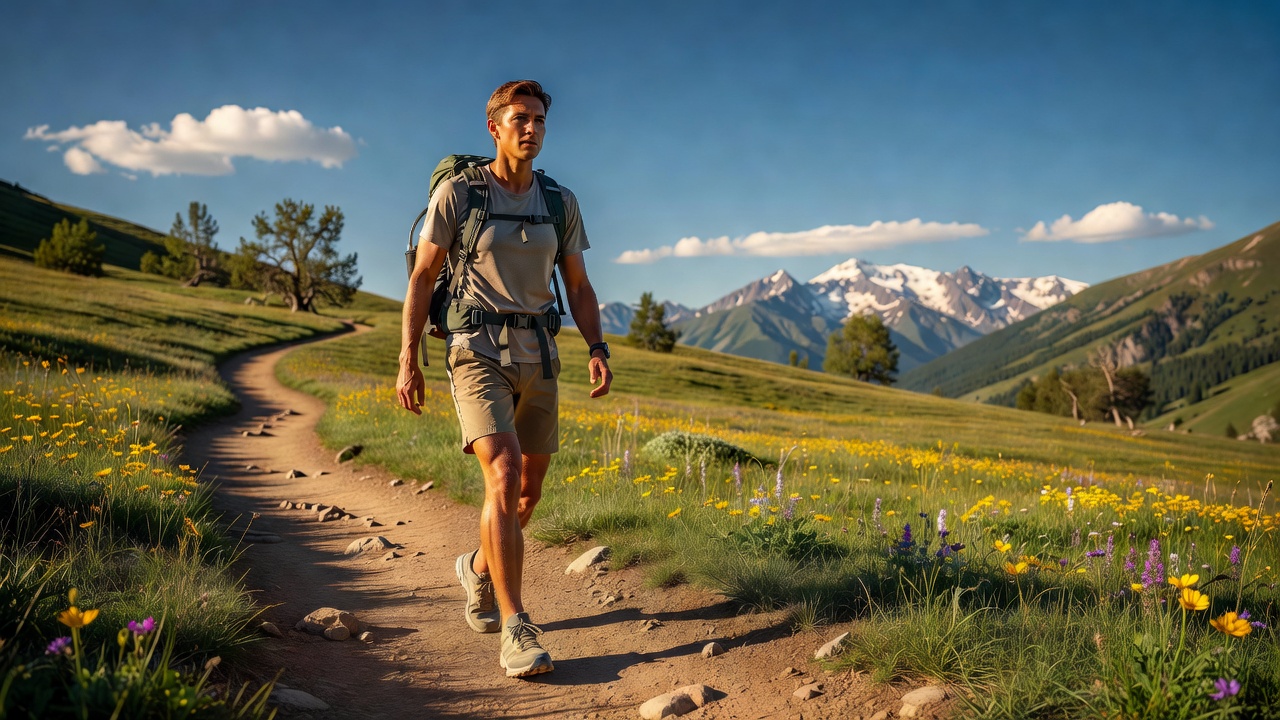
Best Hiking Shirts for Hot Weather
Your shirt is the foundation of your kit. Here is how the main fabrics compare:
- Cotton: Avoid it entirely. Absorbs moisture, dries slowly, chafes. The saying "cotton kills" exists for a reason.
- Polyester: Lightweight, dries fast, wicks well, budget-friendly. Modern polyester is far softer than the scratchy fabrics of decades past. Can retain odour, though anti-microbial treatments help.
- Merino Wool: Naturally odour-resistant, temperature-regulating, soft against skin, insulates even when damp. Pricier and slightly slower to dry than polyester, but for multi-day trips it is worth every penny.
- Nylon Blends: Durable, stretchy, moisture-wicking. Many top hiking shirts use nylon-polyester-spandex blends for trail toughness with all-day comfort.
Our Top Shirt Picks
The G Gradual Men's Athletic Workout T-Shirt (£16.99) outperforms its humble price. The moisture-wicking polyester blend has mesh ventilation panels, dries impressively fast, and packs down to nothing. Flatlock seams reduce chafing under a daypack. Read our full review →
For a sleeveless option, the BGOWATU Women's Sleeveless Golf Polo (£14.99) is a genuine summer trail workhorse. The three-button placket lets you dial in ventilation, four-way stretch fabric moves with you, and the collared design protects your neck better than a standard tank top. Read our full review →
If you prefer long sleeves for sun protection, the Columbia Men's PFG Tamiami II Long Sleeve Fishing Shirt (£44.99) is purpose-built for heat. Columbia's Omni-Shade fabric blocks UV (UPF 40), while Omni-Wick pulls moisture away from your skin. Hidden mesh back vents create airflow, and roll-up sleeve tabs convert it to short sleeves in shade. Read our full review →
Hiking Shorts and Pants: What to Wear on Your Legs
Shorts are the obvious summer choice — maximum ventilation, unrestricted movement. Look for 5-9 inch inseams, quick-dry fabric, and enough secure pockets for essentials. Trousers make more sense on overgrown trails, in bug territory, or at high altitude where UV is intense. Modern summer hiking trousers use thin, stretchy fabrics that breathe surprisingly well.
-
SANTINY Women's Hiking Cargo Shorts (£28.89): The 5-inch inseam balances coverage and cooling. Quick-dry fabric sheds sweat and light rain, four-way stretch handles high steps effortlessly, and multiple zippered pockets secure your phone and keys. Read our full review →
-
PULI Men's Golf Dress Shorts (£27.54): The 7-inch flat-front design looks sharp enough for a post-hike pub stop, but the quick-dry hybrid fabric and hidden stretch panels perform on the trail. Deep front pockets and secure rear pockets hold essentials. Read our full review →
Whatever you choose, the rule is the same as for shirts: avoid cotton. Denim shorts become heavy, restrictive, and a fast track to chafing misery.
The Most Important Piece: Your Hiking Shoes
Nearly every trail-ruining problem — blisters, bruised soles, twisted ankles — starts from the ground up. Summer shoes need to breathe, grip loose dry terrain, and support your chosen distance.
The Merrell Moab 3 Hiking Shoes (£109.95) have earned near-legendary status among hikers. The Vibram TC5+ outsole grips everything from dusty switchbacks to wet rock. The air-cushioned heel absorbs shock on jarring descents, and the mesh upper breathes without sacrificing durability. Best of all, the Moab 3 requires almost no break-in — many hikers go straight from box to trail without a single hot spot. Read our full review →
Fit and Sock Strategy: Your shoes should secure your heel and midfoot while leaving room for toes to swell — feet expand on a long hike. Try shoes on late in the day with the socks you intend to wear. For socks, lightweight merino or synthetic pairs wick moisture and cushion pressure points. Pack a spare pair; changing into dry socks at the halfway point is one of the trail's great small pleasures.
Packable Rain Jacket: The Summer Essential Nobody Thinks About
A rain jacket on a sunny morning feels unnecessary — until it is not. Summer storms build fast, especially in the mountains. Wet clothing conducts heat away roughly 25 times faster than dry. Even on a warm day, a soaking can lead to hypothermia if wind picks up.
-
Columbia Men's Watertight II Jacket (£49.99): This is the benchmark for affordable rain protection. Columbia's Omni-Tech waterproof-breathable membrane keeps rain out while letting sweat vapour escape. It packs into its own hand pocket — roughly grapefruit-sized — and weighs under 400 grams. Adjustable hood and cuffs round out a feature set impressive at twice the price. Read our full review →
-
Rab Downpour Jacket (£125.00): For hikers who want higher-tier breathability, the Rab Downpour delivers. Pertex Shield fabric offers genuine waterproof protection with a softer, quieter feel than hardshell alternatives. Pit zips — rare on budget jackets — let you dump heat without removing the jacket, invaluable during summer downpours. The wired hood peak keeps rain off your face. Read our full review →
Accessories That Make a Difference
A few well-chosen extras dramatically improve a summer hike:
- Wide-Brim Hat or Cap: Face and neck take the brunt of sun exposure. Prioritise breathable fabric and a chin cord so it does not sail off a ridgeline.
- Sunglasses with UV Protection: Polarised lenses cut glare; wraparound styles keep dust and wind out.
- Sunscreen (SPF 30+): Apply before you set out and reapply every two hours. Sweat and pack straps wear it away faster than you think.
- Trekking Poles — Black Diamond Trail Ergo Cork (£99.95): Ergonomic cork grips wick sweat. Dual FlickLock adjusters handle quick length changes. Poles take roughly 20% of the load off your knees on descents — thousands of kilos of impact spared over a 10-mile hike. Read our full review →
- Daypack — Osprey Daylite Plus 20L (£74.95): The ideal summer day-hike size. The AirScape back panel maintains airflow between pack and back. Twenty litres fits your rain jacket, food, water, first-aid kit, and sunscreen without encouraging overpacking. Read our full review →
For more on pack selection, see our guide on how to choose a hiking backpack.
Hydration: The Fourth Layer
We call hydration the "fourth layer" because in summer, your water system matters as much as any piece of clothing. Dehydration impairs temperature regulation — even the best shirt cannot keep you cool without enough fluids. Read our complete summer hiking hydration guide for a full strategy breakdown.
Our top picks:
- Owala FreeSip Insulated Bottle (£23.99): Dual-drink design — sip upright through the built-in straw or tilt and swig from the wide mouth. Triple-layer insulation keeps water cold up to 24 hours. Read our full review →
- Nalgene Wide Mouth 32oz (£15.99): The indestructible classic. Virtually unbreakable, dishwasher-safe, and the wide mouth simplifies filling from streams or adding electrolyte powder. Read our full review →
- CamelBak Crux Reservoir (£42.00): For hikers who prefer continuous sipping without stopping. Delivers 20% more water per sip than previous designs, and the Quick Link system simplifies hose removal for refilling. Read our full review →
What NOT to Wear Hiking in Summer
Knowing what to leave at home matters as much as what you pack:
- Cotton Everything: Holds moisture, dries slowly, chafes. Leave it in the drawer.
- Jeans or Denim Shorts: Heavy, restrictive, useless when wet, and take hours to dry.
- Flip-Flops or Casual Sandals: No ankle support, grip, or toe protection. One misplaced step equals injury.
- Heavy Hiking Boots: Full-grain leather boots are overkill for summer day hikes — hot, heavy, and stiff. Lightweight shoes or trail runners are the better warm-weather choice.
- Dark Colours: Black and navy absorb sunlight. Light colours and earth tones reflect it and keep you cooler.
- No Rain Layer: A sub-400-gram rain jacket in your pack is the cheapest insurance you will ever buy.
- Brand New, Unworn Shoes: Break them in on short walks before committing to a full trail day.
Summer Hiking Clothing Checklist
Everything to pack for a single-day summer hike:
- Moisture-Wicking Base Shirt — short-sleeve or sleeveless (worn)
- Lightweight Long-Sleeve Sun Shirt or Mid Layer (worn or packed)
- Quick-Dry Hiking Shorts or Lightweight Trousers (worn)
- Moisture-Wicking Underwear (worn)
- Merino or Synthetic Hiking Socks (worn, plus spare pair packed)
- Hiking Shoes or Trail Runners (worn, properly broken in)
- Packable Waterproof Rain Jacket (packed)
- Wide-Brim Hat or Cap (worn)
- Sunglasses with UV Protection (worn)
- Sunscreen, SPF 30+ (packed; reapply regularly)
- Water Bottles or Hydration Bladder with sufficient capacity
- Daypack, 20–30 litres
- Trekking Poles (optional, recommended for longer or steeper routes)
- Lightweight Fleece or Insulated Gilet (packed for altitude or changeable weather)
- Small First-Aid Kit including blister plasters (packed)
Final Tips for Staying Cool on the Trail
- Start Early. The coolest hours are the first two after sunrise. Aim for the trail by 7:00 a.m. and finish the bulk of your distance before midday heat peaks.
- Take Shade Breaks. A 10-minute rest under a tree with your hat off resets your body temperature. No shade? Use trekking poles to prop up your rain jacket as an improvised sun shelter.
- Wet Your Buff or Hat. Dipping a neck gaiter or hat brim in a stream and putting it back on provides instant evaporative cooling at pulse points.
- Know the Signs of Heat Exhaustion. Heavy sweating, clammy skin, headache, nausea, dizziness, and muscle cramps mean your body is struggling. Stop immediately, find shade, drink water, and cool your skin. Heat exhaustion can escalate to heat stroke — hot dry skin, confusion, loss of consciousness — if not addressed.
- Listen to Your Body, Not Your Ego. The mountain will be there next weekend. If the heat overwhelms, water runs low, or something feels wrong, turn around. The best decision is always the one that gets you home safely.
New to hiking? Our complete beginner hiking guide covers route planning, navigation, and everything you need to get started. Prefer hitting the trail alone? Read our solo camping for introverts guide — solitude is not loneliness, it is freedom. For tent recommendations that pair well with long trail days, check our best camping tents of 2026 roundup. And for a deeper dive on staying hydrated in heat, see our summer hiking hydration guide.
<!-- AFFILIATE_DISCLOSURE: TrailMapz participates in affiliate marketing programmes. If you purchase products through links on this page, we may earn a small commission at no additional cost to you. This does not influence our recommendations — every product featured is one we genuinely believe in and would use on our own hikes. -->