Solo Camping for Introverts: Why Going Alone Is the Best Decision You'll Make This Summer
Solo camping isn't lonely — it's liberating. Here's everything you need for your first solo trip, from gear to mindset, written by someone who actually prefers the woods to small talk.
Let's be honest: group camping trips are 30% nature, 70% logistics committee meetings. Someone forgot the matches. Two people want to hike different trails. By the time everyone agrees on dinner plans, the sun is already setting.
Solo camping solves all of that. No group consensus required. No schedule compromise. Just you, the trail, and a level of peace that's genuinely hard to find anywhere else.
I've been solo camping for years, and every trip reminds me why I keep coming back: there's something primal about being self-sufficient in the woods. You carry what you need, you make your own decisions, and if you want to sit by a stream reading a book for three hours, nobody's going to suggest a group activity.
Here's everything you need to know — from mindset shifts to the specific gear that makes solo camping comfortable, not just survivable.
Why Solo Camping Hits Different
Group camping has its place. But solo camping offers something nothing else can: complete autonomy.
When you camp alone, you discover things about yourself that daily life never reveals. Can you navigate by map? Build a fire in the rain? Sit with your own thoughts for an entire evening without reaching for your phone? These are skills that atrophy in modern life, and solo camping brings them roaring back.
The practical benefits are just as real:
- Total schedule freedom — wake up at 5 AM for sunrise or sleep until 10. No debates.
- Faster packing and setup — you're not waiting on four other people to find their tent stakes
- Deeper nature connection — you notice more when you're not narrating the experience to someone else
- Way cheaper — you're only feeding and equipping one person
And for introverts specifically? It's not just recreation — it's recharging. No performing, no entertaining, no managing group dynamics. Just existing in a beautiful place at your own pace.
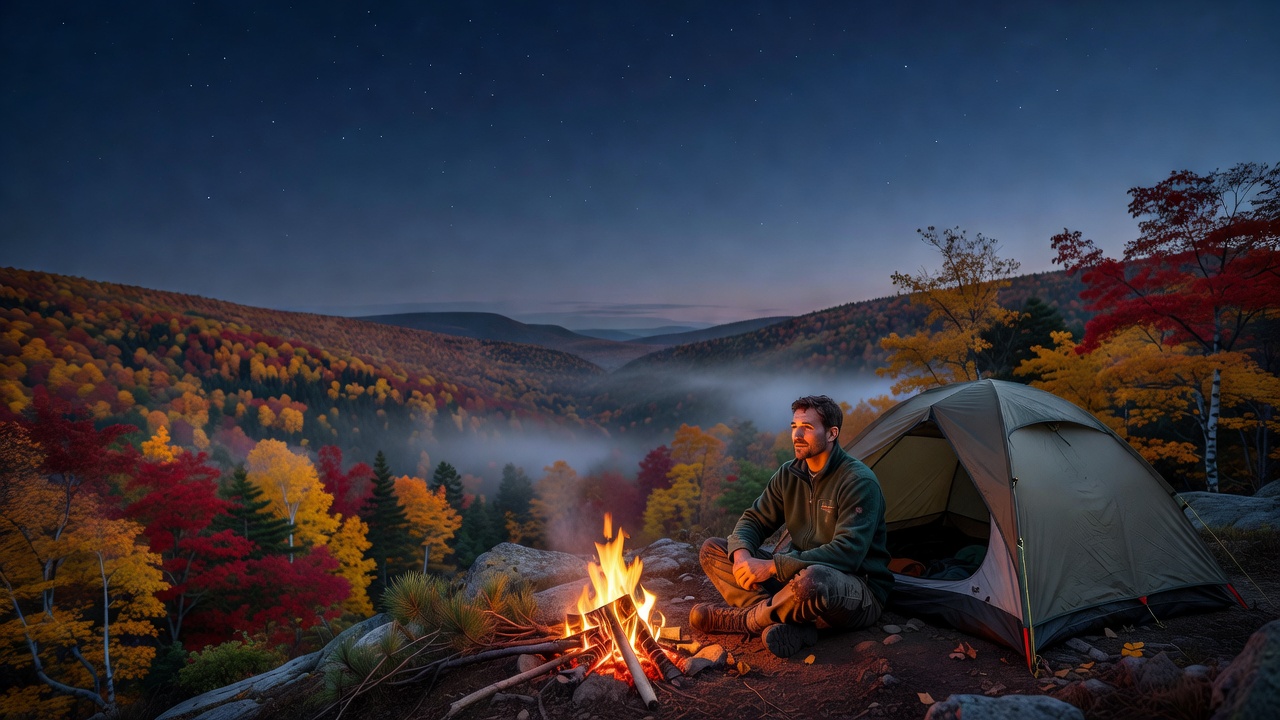
The Solo Camper's Gear List (What You Actually Need)
Solo camping changes your gear calculus. Without a group to share the load, everything you bring rides on your back. But you also don't need the oversized equipment designed for families and friend groups.
Here's the gear that matters, organized by function — with picks that balance weight, durability, and price.
Your Solo Shelter: Tent + Sleep System
Tent: If you're carrying everything yourself, a 2-person backpacking tent is the sweet spot. It gives you room to bring your pack inside at night (important in bear country or heavy rain) without the weight penalty of a family tent.
For solo trips, the Kelty Late Start 2-Person Backpacking Tent ($159.95) hits the mark. It weighs under 5 pounds, sets up in about 3 minutes with color-coded poles, and the vestibule gives you a dry spot for muddy boots. For summer solo camping, you don't need anything burlier than this.
Sleeping bag: You want something rated 10-15°F below your expected low — mountain forecasts are humbling. The TETON Sports Celsius XXL Sleeping Bag ($79.99) is rated to 0°F but works great unzipped as a blanket in warmer months. The XXL cut gives you room to move without feeling mummified.
Sleeping pad: Don't skip this thinking the ground will be "soft enough." It won't be. The Therm-a-Rest Z Lite Sol ($44.95) is a closed-cell foam pad that can't puncture, weighs nothing, and doubles as a camp seat. For solo minimalist setups, it's the gold standard.
Kitchen for One: Stove, Water, Fuel
Cooking for yourself is one of the quiet pleasures of solo camping. No one's judging your ramen-with-extra-vegetables creation, and the satisfaction of a hot meal after a long hike is unbeatable.
Camp stove: The 2-Burner Camping Stove with Windshield ($69.99) gives you 24,000 BTU of cooking power and the windshield actually works — important when you're camping on exposed ridges or beaches. Two burners means you can boil water for coffee while eggs are cooking. For car-camping solo trips, this is perfect; for backpacking, swap to a single-burner.
Water filter: Don't gamble with stream water. The Katadyn BeFree 1.0L ($44.95) filters down to 0.1 microns, weighs 2.3 ounces, and flows fast enough that you're not standing there squeezing for five minutes. Fill the flask from any clear water source and drink immediately.
Water bottle: Stay hydrated without plastic taste. The Owala FreeSip Insulated Bottle ($23.99) keeps water cold for 24 hours and the dual drinking mode (sip through straw or chug from wide mouth) is genuinely useful on trail.
Navigation & Light: See Where You're Going
Headlamp: Hands-free light is non-negotiable for solo campers. Setting up a tent in the dark with your phone flashlight is a special kind of misery. The Petzl Actik Core ($69.95) puts out 600 lumens with a rechargeable battery, and the red light mode preserves your night vision for stargazing.
Trekking poles: They're not just for balance — poles save your knees on descents and double as tent poles for ultralight shelters. The Black Diamond Trail Ergo Cork ($99.95) has natural cork grips that won't get slick with sweat and FlickLock adjusters that actually stay locked.
The Right Pack: Carry It All
Your backpack is the foundation of a solo trip — pick the wrong one and you'll feel every pound by mile three.
For day hikes from a base camp, the WATERFLY Packable 20L Daypack ($23.99) folds into its own pocket and weighs under 8 ounces. Stash it in your main pack and pull it out for side hikes.
If you're carrying everything in one bag, the Osprey Daylite Plus 20L ($74.95) offers Osprey's legendary suspension in a compact package. The AirSpeed back panel actually vents, which matters more than you'd think in July.
What You're Wearing
Hiking shoes: Trail runners have replaced boots for most solo backpackers — lighter, dry faster, need zero break-in. The Merrell Moab 3 ($109.95) has Vibram outsoles that grip on everything from granite to mud and a toe cap that has saved my feet from more rocks than I can count. Go a half-size up for downhill descents.
Safety When You're Alone (The Non-Negotiables)
Solo camping safety isn't paranoia — it's preparation. Here's what actually matters:
- Tell someone your plan: Specific trailhead, expected return time, and a "worry if you don't hear from me by X" deadline. Text them when you're back at the car.
- Download offline maps: Cell service disappears faster than you think. Gaia GPS or AllTrails with offline layers is worth the subscription.
- Carry a satellite messenger: A Garmin inReach Mini lets you send check-in messages and SOS from anywhere with sky visibility. For solo trips, it's the single best insurance policy you can buy.
- Know your limits — and respect them: That 14-mile loop looks reasonable on paper. At altitude, with a pack, alone? Add 30% to estimated hiking time and start early. Turning back isn't failure — it's wisdom.
- Bear safety: Bear spray on your hip belt (not in your pack), food in a bear canister or hang 100 yards from camp, and never cook where you sleep.
The Introvert's Guide to Actually Enjoying It
Here's the part nobody tells you: the first hour alone at camp feels weird. Your brain is so accustomed to constant stimulation that silence registers as wrong. Push through it — that discomfort evaporates by dusk.
Things that make solo camping genuinely enjoyable:
- Bring a book you've been meaning to read — you'll actually finish it
- Learn one camp skill per trip — bowline knot, fire without matches, reading weather from clouds
- Journal at night — your unfiltered observations are gold when you re-read them months later
- Embrace the boredom — that's where creativity lives. Let your mind wander.
The best solo camping trips are the ones where you forget what day it is.
The Cost Breakdown
Solo camping is surprisingly affordable once you own the core gear. Here's what a weekend trip costs:
- Campsite: $15-30/night (or free on BLM/National Forest land)
- Food: $20-30 for two days of camp cooking
- Fuel: $10-20 for gas + stove canister
- Total weekend: under $100
Compare that to a weekend in a city with hotels and restaurants, and the math is embarrassingly one-sided. Plus, the gear pays for itself in 3-4 trips.
Just Go
Solo camping isn't about being antisocial. It's about being comfortable enough with yourself that you don't need an audience to enjoy a sunset.
Start with one night at a campground 30 minutes from home. Bring good food, a comfortable sleeping setup, and zero expectations. If you hate it, you're a short drive from your own bed. If you love it — and most people do — you've just found a lifetime hobby that costs less than one concert ticket per weekend.
The woods are waiting. Alone.
<!-- AFFILIATE_DISCLOSURE -->