Camping for Beginners: The Complete Starter Guide (2026)
New to camping? This complete beginner's guide covers everything from choosing your first tent to packing the right gear. Start your outdoor adventure with confidence.
So you've decided to go camping. Maybe you scrolled past one too many sunset-tent photos on Instagram, or your friends won't stop talking about their weekend trips. Whatever sparked it — you're here, and that's step one.
Here's what nobody tells you: camping isn't about having the fanciest gear or knowing every knot in the book. It's about being outside, cooking over fire, and waking up to birds instead of alarms. This guide walks you through everything you need for your first trip — start to finish.
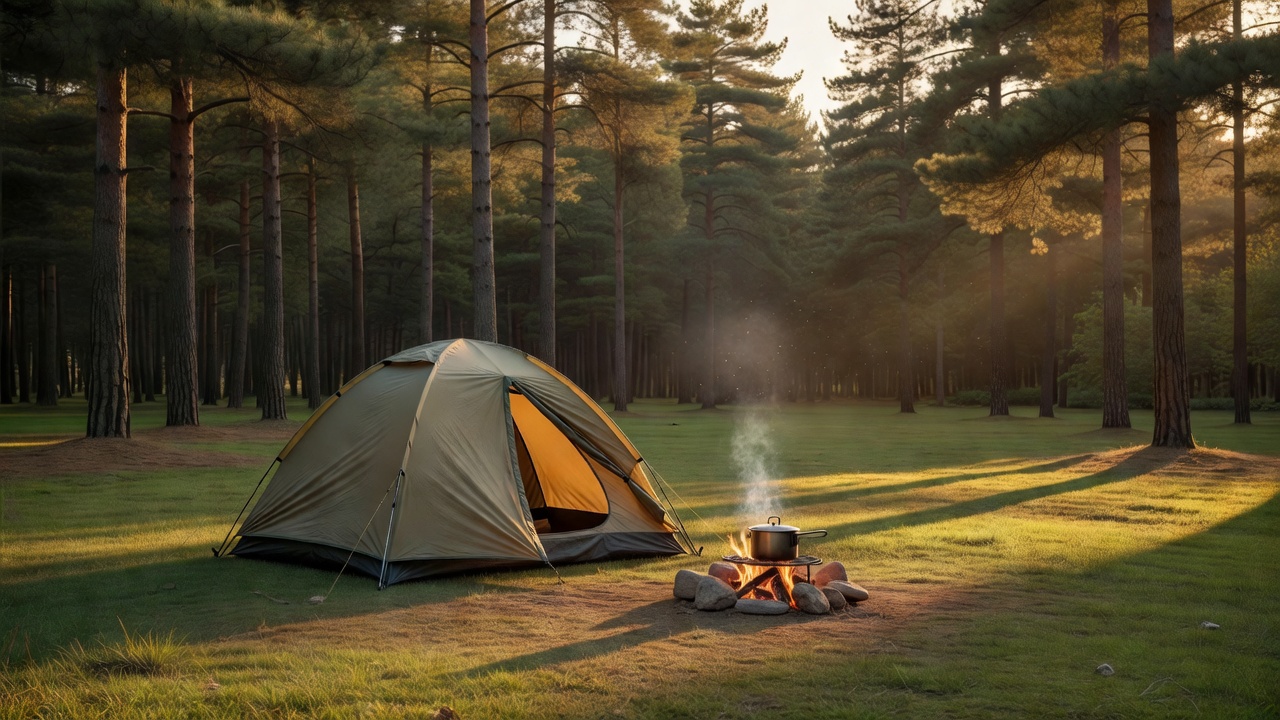
Choosing Your First Tent (Don't Overthink This)
Walk into any outdoor store and the tent wall will paralyze you. Four-season? Three-season? Ultralight? Double-wall? Here's the simple version: for your first tent, get a 3-season dome tent that fits one more person than you plan to sleep.
Why the "+1" rule? A 2-person tent fits two people — and nothing else. No bags. No boots. No elbow room. A 3-person tent for two campers gives you breathing space and room for gear. We've written a complete guide to tent sizing if you want to dive deeper.
For most beginners, these hit the sweet spot:
-
Solo/duo trips: The Kelty Late Start 2 ($159.95) is a no-fuss backpacking tent that sets up in under 5 minutes. Two poles, clip-on design, done.
-
Family camping: The Coleman Instant Tent ($199.99) lives up to its name — pre-attached poles mean setup is literally unfold-and-click. Available in 4/6/8/10-person sizes.
-
Group trips: The EVER ADVANCED 6-Person Tent ($169.99) has a blackout design that keeps the interior dark for sleeping in, plus near-vertical walls for walk-around headroom.
Still not sure which tent type suits your style? Check out our roundup of the best camping tents for 2025 with head-to-head comparisons.
The Sleep System: Pad + Bag + Pillow
A bad night's sleep ruins a camping trip faster than rain. Three things matter:
-
Sleeping pad — this isn't just comfort; it's insulation from the cold ground. The Therm-a-Rest Z Lite Sol ($44.95) is the gold standard for beginners: indestructible, warm, and doubles as a camp seat.
-
Sleeping bag — match the temperature rating to your expected lows, then subtract 10°F. A 30°F bag rated for comfort keeps you warm down to about 40°F in real conditions.
-
Pillow — stuff clothes into a stuff sack, or bring a compact camp pillow. Your neck will thank you.
Camp Kitchen: What You Actually Need to Cook Outdoors
Your first trip doesn't need a full chuckwagon setup. Start with:
-
2-Burner Camp Stove ($69.99) — 24,000 BTU output with a windshield, handles two pots simultaneously. Way more practical than a single-burner for anything beyond boiling water.
-
Cast iron skillet or camp pot set — one good pan covers 80% of camp meals.
-
Cooler — keeps food cold for 2-3 days. Freeze water bottles ahead of time as dual-purpose ice packs + drinking water.
-
Camp lantern ($16.99 for 2-pack) — a headlamp is essential, but a lantern creates ambient light for cooking and hanging out after dark.
Comfort Items That Punch Above Their Weight
Camp chairs look like a luxury until sunset hits and you're sitting on a log for two hours. The ALPS Mountaineering King Kong ($59.99) supports 800 lbs and has a built-in cup holder — it's absurdly sturdy and worth every ounce if you're car camping.
A few other game-changers: a compact camp table for food prep, a dedicated fire-starting kit (lighter + dryer lint in a ziplock), and a dry bag for electronics.
Planning Your First Trip
The difference between a great first trip and a "never again" experience comes down to planning. We have a step-by-step first-trip planning guide that covers permits, reservations, weather windows, and route scouting — read it before you book anything.
The short version: pick a developed campground (bathrooms, water, fire rings) within 90 minutes of home. Arrive with 3 hours of daylight left. Set up your tent before you need it. Cook something simple — hot dogs and canned beans count.
What to Pack: The Non-Obvious Stuff
Everyone remembers the tent and sleeping bag. Here's what beginners always forget:
- Headlamp (not a flashlight — you need both hands)
- Trash bags (pack it in, pack it out)
- First aid kit with blister supplies
- Sunscreen and bug spray (the forest doesn't care about your skincare routine)
- Extra socks (wet feet = miserable trip)
- Toilet paper and hand sanitizer
- Camp shoes (sandals or Crocs for around camp)
For the definitive packing list, bookmark our ultimate camping checklist — it covers every item from tent stakes to coffee setup.
Bringing Your Dog? Read This First
Camping with a dog doubles the fun but adds complexity. Dogs need their own gear (leash, water bowl, sleeping pad), trail etiquette awareness, and a plan for wildlife encounters. Our camping-with-dogs guide covers training prep, breed-specific considerations, and the gear that makes it work.
The short checklist: a hands-free leash, collapsible water bowl, paw balm for rough terrain, and a LED collar for night visibility.
The Mindset Shift
Here's the thing experienced campers know that beginners don't: something will go wrong. You'll forget the coffee. It'll rain. The tent pole will be confusing for 20 minutes. That's not a failure — that's camping. The skill isn't avoiding problems; it's handling them without letting them ruin the trip.
Start small. One night. Close to home. Car camping with backup options. See how it feels, then adjust. Camping is a skill you build trip by trip, and the learning curve is half the fun.
Now go get outside.
<!-- AFFILIATE_DISCLOSURE -->