High-Altitude Camping & Hiking: The Complete Gear + Acclimatization Guide (2026)
Everything you need to camp and hike above 8,000 feet without getting sick — acclimatization strategy, altitude-specific gear picks, and hard-won lessons from the high country.
Above 8,000 feet, everything changes. Your stove sputters, your head pounds, and that "easy" 5-mile trail feels like a marathon. I learned this the hard way on my first Colorado 14er attempt — I packed the same gear I used in the Appalachians and paid for it with a splitting headache and a 2 AM bail-out down the mountain.
High-altitude camping isn't just camping at a higher number. The air is thinner (40% less oxygen at 12,000 feet), UV radiation doubles roughly every 3,000 feet of gain, temperatures swing 40°F between noon and midnight, and weather rolls in with zero warning. Your gear choices — and your pacing — make the difference between a life-list summit sunrise and a miserable, dangerous retreat.
This guide covers what I wish I'd known before my first high-country trip: the acclimatization protocol that actually works, the gear that's worth the weight, and the mistakes that send people home early.
The Altitude Problem: Why You Feel Terrible (and When to Worry)
Altitude sickness isn't weakness — it's physiology. Above 8,000 feet, your body's oxygen saturation drops. Your heart rate spikes to compensate. You breathe faster, pee more, and sleep like garbage. These are normal — they're your body adapting (acclimatizing), not failing.
Here's what to expect by elevation band:
- 8,000–10,000 feet: Shortness of breath on climbs, drier skin, more frequent urination. Most people adjust within 24–48 hours.
- 10,000–12,000 feet: Headaches are common, especially if you ascended quickly. Sleep becomes noticeably worse. Appetite drops.
- 12,000–14,000 feet: This is where things get serious. AMS (Acute Mountain Sickness) risk spikes. Symptoms include pounding headache, nausea, dizziness, and "feeling like you have the flu." If these worsen rather than improve over 6–12 hours, descend — no gear or summit is worth HAPE or HACE.
The golden rule of altitude: hike high, sleep low. Gain elevation during the day, then descend 1,000–2,000 feet to camp. Your body adapts during sleep, and sleeping high before you're ready is what triggers most AMS cases.
The 48-Hour Acclimatization Protocol That Actually Works
Ignore the "drive up Friday night, summit Saturday morning" plan. That's how people end up in the ER. Here's the timeline that's worked for me across Colorado, the Sierras, and the Andes:
- Day 1: Arrive at base elevation (5,000–7,000 feet). Do a short, easy walk — nothing strenuous. Hydrate aggressively. No alcohol.
- Day 2: Day hike to 9,000–10,000 feet. Return to base elevation to sleep. If you feel good, you're on track. If you have a mild headache, that's normal — ibuprofen and water, not panic.
- Day 3: Move camp to 8,000–9,000 feet. Short hike, set up camp, rest.
- Day 4: Summit day — go for the high point (12,000+), then descend to sleep lower.
Hydration at altitude: You lose water faster through respiration in dry, thin air. Aim for 4–6 liters per day, not the 2–3 you'd drink at sea level. A Nalgene Wide Mouth 32oz ($15.99) is my go-to — wide mouth makes it easy to scoop from alpine streams, and the Tritan plastic handles boiling water if you're melting snow. Pair it with the Sawyer Squeeze Water Filter ($34.95) — every alpine stream has giardia, and at altitude the last thing you need is a gut infection on top of AMS symptoms.
Clothing at Altitude: The Layer System That Saves Your Trip
Altitude weather follows one rule: assume it will change dramatically in 30 minutes. I've started hikes under bluebird skies at 70°F and finished in sleet at 35°F. Your clothing system needs to handle everything without weighing you down.
Base Layer: Socks and Sun Protection
Start from the ground up. Blisters at altitude are worse than at sea level because your feet swell slightly and thinner air slows healing. Darn Tough Hiker Midweight Micro Crew Socks ($27.95) are worth every penny — 63% merino wool means no blisters after 15-mile days, and the lifetime unconditional guarantee means you buy them once. The True Seamless toe construction eliminates hot spots that cheap socks create after mile 8.
Sun protection at altitude isn't optional — UV radiation doubles roughly every 3,000 feet, and there's less atmosphere to filter it. At 12,000 feet, you're getting roughly 4× the UV exposure of sea level. Sunscreen sweats off in an hour. What doesn't sweat off? A Columbia Bora Bora Booney UPF 50 Sun Hat ($23.99) for your face and neck, and an Outdoor Research Astroman Sun Hoodie ($89.00) for your arms, shoulders, and back.
The OR Astroman is what PCT thru-hikers live in above treeline — UPF 30–50 blocks 97%+ UV, it weighs under 8 ounces, and the 3-panel hood fits over a baseball cap. No greasy sunscreen reapplication every 2 hours. Put it on at the trailhead, wear it all day. At $89 it's not cheap, but it replaces $30 worth of sunscreen over a season — and never sweats into your eyes.
Mid Layer and Pants
prAna Stretch Zion II Pants ($98.00) are the most versatile hiking pants I've worn above 10,000 feet. The stretch fabric moves with you on scrambles, the DWR finish shrugs off light precipitation, and they breathe well enough for a 70°F afternoon yet layer comfortably under rain pants when the temperature drops. Roll-up leg snaps let you convert them to capris for creek crossings without packing a second pair.
Rain Shell — Non-Negotiable Above Treeline
Afternoon thunderstorms are a near-daily feature of high-altitude summer. When you're exposed above treeline with nowhere to shelter, your rain jacket isn't a comfort item — it's safety gear. The Rab Men's Downpour Jacket ($125.00) uses Pertex Shield 2.5-layer waterproof-breathable fabric, weighs just 12 ounces, and packs into its own pocket. The hood fits over a climbing helmet if you're doing technical routes. Hypothermia is a real risk even in July at 13,000 feet — don't bring a non-breathable poncho and hope for the best.
Footwear
Merrell Moab 3 Hiking Shoes ($109.95) have been my high-country workhorses for three seasons. The Vibram TC5+ outsole grips loose scree and granite slabs equally well, the air-cushioned heel absorbs shock on long descents, and they require effectively zero break-in time. For high-altitude use specifically, size up a half-size — feet swell at altitude, and tight shoes will destroy your toes on the descent.
Sleeping at Altitude: Tents, Bags, and Why You Won't Sleep Well
Sleep quality above 10,000 feet is universally worse. Periodic breathing (Cheyne-Stokes respiration) — where you stop breathing for 10–15 seconds, then gasp awake — is common and not dangerous, just annoying. The key is making everything ELSE about your sleep setup as comfortable as possible.
The Kelty Late Start 2P Backpacking Tent ($159.95) hits the sweet spot for high-altitude use: 4 lbs 11 oz means you're not hauling a car-camping palace up 3,000 feet of switchbacks, but the 31.9 square feet of floor space gives you room to spread out gear and actually sleep comfortably. The pre-bent pole design creates near-vertical walls — you're not claustrophobic at 12,000 feet when weather forces you inside for hours. The single-door design saves weight, and the full-coverage rainfly handles alpine wind and spindrift.
Two headlamps in your kit — one primary, one backup. High-altitude nights are 12+ hours long, and fumbling without light at 3 AM when you need to pee (altitude makes you pee constantly — it's the body dumping bicarbonate to compensate for respiratory alkalosis) is miserable. The Black Diamond Spot 400 ($49.95) is my primary: 400 lumens on max, IPX8 waterproofing (can be submerged), and a PowerTap feature that lets you cycle straight to max brightness with a finger tap. For a backup that doubles as a camp lantern, the Petzl ACTIK CORE ($79.95) has 650 lumens, a rechargeable battery (with AAA backup compatibility), and red-light mode that preserves your night vision at 2 AM.
Cooking and Hydration at Altitude
Stoves: Canister vs. Liquid Fuel
At altitude, canister stoves struggle. Isobutane-propane mixes lose pressure as temperatures drop and elevation increases. Below freezing above 10,000 feet, a canister stove that boiled water in 3 minutes at sea level might take 8 minutes — or fail to light entirely.
The MSR PocketRocket 2 ($49.95) is my go-to because at 2.6 ounces it's absurdly light and, critically, MSR sells a 4-season canister mix (ISO/Pro) that performs better in cold, thin air. Pro tip: sleep with your fuel canister in your sleeping bag. A warm canister at 8,000 feet lights instantly; a cold one at 12,000 feet sputters and dies.
For coffee drinkers — and at altitude, the ritual of a hot drink at sunrise is basically spiritual — the AeroPress Go ($34.95) is unbeatable. It brews faster than a French press at altitude (water boils at a lower temperature, so extraction takes longer), the cleanup takes 10 seconds, and everything packs into the included cup. At $35, it's a frivolous weight until you're watching the sunrise from a 13,000-foot ridge with real coffee in your hands — then it's the best $35 you ever spent.
Water: Why You're Always Dehydrated
You lose water faster at altitude through respiration — the air is bone-dry and you're breathing twice as fast. The Nalgene + Sawyer combo I mentioned earlier is the system: filter everything (alpine streams look pristine but carry giardia and crypto from wildlife), drink more than you think you need, and if you're melting snow, add a little liquid water to the pot first to prevent scorching.
Carry electrolyte tablets. Altitude masks thirst — you can be significantly dehydrated without feeling thirsty — and electrolyte tabs (Nuun, LMNT, or whatever brand you prefer) make the water more palatable while replacing what you're losing through increased respiration and urination.
Emergency Kit: The Ounces That Save Your Trip
At altitude, a minor problem becomes a major one faster. A twisted ankle at 6,000 feet is an inconvenience. The same ankle at 13,000 feet with weather moving in is an emergency. Your kit needs to reflect that.
The Sabre Frontiersman Bear Spray ($39.94) is high-country essential in grizzly and black bear territory. The 7.9 oz canister delivers a 35-foot fog pattern — enough range to deter a bear before it's close enough to be a real threat. Carry it accessible (hip belt or chest harness, not buried in your pack), and know that bear spray is more effective than firearms in bear encounters according to multiple peer-reviewed studies. Practice removing the safety clip before your trip — you don't want to figure it out while a bear is approaching.
Pack GEAR AID Tenacious Tape ($7.95) — weighs nothing, fixes everything. Ripped rain fly? Tape it. Torn puffy jacket leaking down? Tape it. Sleeping pad puncture at midnight? Tape it. Above treeline, a torn tent is a survival problem, not an Amazon return. Two feet of tape in your repair kit costs $8 and 0.3 ounces.
Altitude-Specific Packing Checklist
Here's what changes from your sea-level packing list:
- Extra water capacity: 4–6 liters per day, not 2–3. Electrolyte tabs.
- Sun protection: Sun hoodie + sun hat + SPF lip balm + UV-rated sunglasses (snow-blindness is a real thing above treeline, even without snow)
- Insulation layer: A puffy jacket lives in your pack, even on 70°F starts. Alpine weather doesn't negotiate.
- Headlamp with fresh and backup batteries: 12+ hour nights. Red mode for preserving night vision.
- Water filter: Alpine streams aren't safe untreated
- Ibuprofen: The first-line treatment for mild AMS headache. Also acetazolamide (Diamox) if prescribed by your doctor for aggressive ascents.
- Repair kit: Tenacious Tape, duct tape wrapped around a trekking pole, spare stove O-ring
- Warm sleeping bag liner: Adds 5–10°F of warmth for 4 ounces. Worth it when your 30°F bag is facing 25°F at 12,000 feet.
Common High-Altitude Mistakes (Learn From Mine)
- Ascending too fast: The #1 cause of AMS evacuations. If you're driving from sea level to a 10,000-foot trailhead, spend night 1 below 8,000 feet. One night of acclimatization cuts AMS risk dramatically.
- Skipping meals: Altitude suppresses appetite, but your body is burning 20–30% more calories at rest. Force yourself to eat on schedule, not on hunger cues.
- Ignoring early AMS symptoms: A mild headache at camp is normal. A headache that worsens over hours, combined with nausea or dizziness, is NOT. Descend 2,000 feet. The mountain will be there tomorrow.
- Assuming cell service: Above 10,000 feet, you probably don't have it. Carry a satellite communicator (Garmin inReach, ZOLEO) if you're solo or in remote terrain. At minimum, leave a detailed itinerary with someone who will call for help if you don't return on schedule.
- Trusting the weather forecast: High-altitude forecasts are less reliable than sea-level ones — the terrain generates its own weather. Afternoon thunderstorms form on a 30-minute timescale. Start before dawn, summit by noon, be below treeline by 2 PM.
Final Thoughts: The High Country Is Worth It
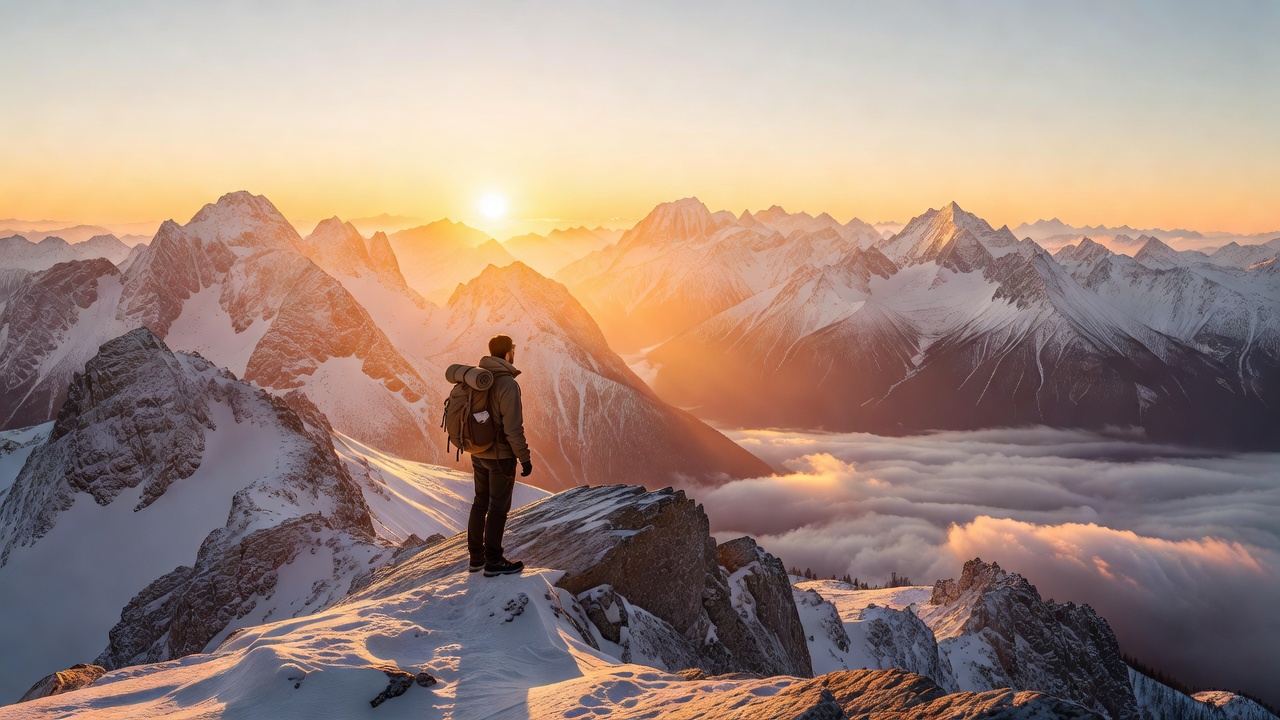
High-altitude camping is harder than lowland camping in every measurable way — it's colder, thinner, drier, and less predictable. But the payoff — standing on a 13,000-foot ridge as the sun rises over a sea of peaks, the air so clear you can see 100 miles — is worth every gasp of thin air and every shiver at 3 AM.
Respect the altitude, pack the right gear, and give your body the acclimatization time it needs. The mountains aren't going anywhere — and neither should you, as long as you're smart about the climb.
<!-- AFFILIATE_DISCLOSURE -->TrailMapz is reader-supported. When you buy through links on our site, we may earn an affiliate commission at no additional cost to you.