Bikepacking for Beginners: Complete Gear Checklist & Route Planning Guide (2026)
Everything you need to start bikepacking — lightweight camping gear, bike setup tips, route planning advice, and a complete beginner's checklist. Hit the trail this weekend.
Bikepacking for Beginners: Complete Gear Checklist & Route Planning Guide (2026)
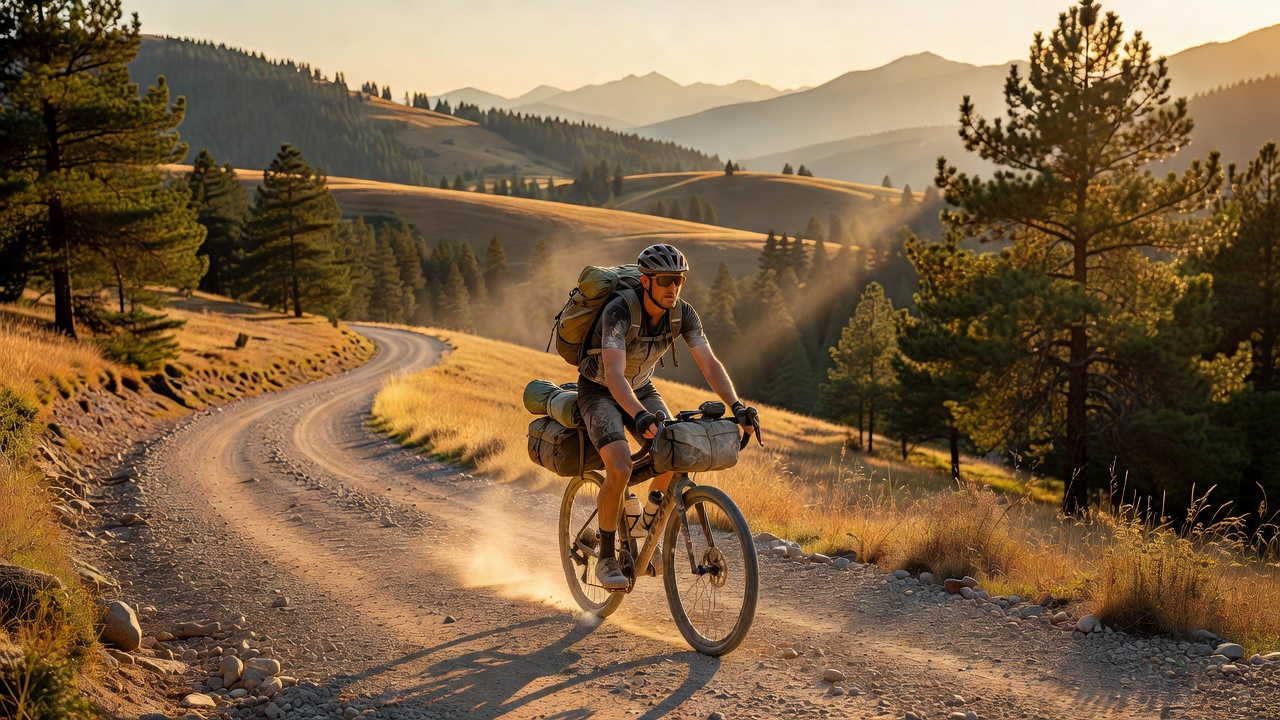
Bikepacking is what happens when backpacking and cycling have a baby. You strap a tent and a sleeping bag to your bike, pedal into the woods, and wake up somewhere a car could never take you. No parking lots, no crowds — just you, your bike, and whatever you remembered to pack.
The tricky part? You're carrying everything on two wheels instead of two shoulders. Weight distribution matters. Volume matters more. And nobody tells you that the best camp coffee of your life tastes even better when you earned it with 40 miles of gravel grinding.
Here's everything you need to know — and gear up with — for your first bikepacking trip.
Why Bikepacking Beats Car Camping (and Sometimes Even Backpacking)
Car camping is basically tailgating in the woods. You bring the kitchen sink, the giant cooler, and the 10-person tent that takes 45 minutes to set up. Fun, sure — but you're not exactly exploring.
Backpacking strips it down, but you're limited to what your legs can carry on foot. 10 miles is a solid day.
Bikepacking splits the difference. On a bike, 30-40 miles on gravel roads or singletrack is a comfortable day. You cover 3-4× the distance of a hiker, with about the same amount of gear. You can ride through three ecosystems in a weekend, camp where cars can't reach, and still have energy to cook a hot meal at camp.
The gear has to be ultralight, compact, and bike-friendly — but that's part of the fun.
The Bikepacking Gear Pyramid: What Actually Matters
There's a tendency to overthink gear. I've done it. Here's the hierarchy that actually affects your trip quality:
- Sleep system — If you sleep badly, the whole trip is miserable. Prioritize this.
- Hydration — You'll drink more than you think. Carry capacity + reliable filtration.
- Navigation & safety — Helmet, headlamp, multi-tool. Non-negotiable.
- Cooking — Hot food and coffee are morale multipliers. Keep it simple.
- Bike-specific gear — Racks, bags, repair kit. Functional, not flashy.
Sleep System: Pack Small, Sleep Big
You need three things: shelter, insulation from the ground, and warmth. For bikepacking, every cubic inch counts.
The Kelty Late Start 2-Person Backpacking Tent ($159.95) is a sweet spot for solo bikepackers who want room for gear. At just over 3 lbs packed, it won't weigh down your bike, and the two-person size means you can stash your panniers inside overnight without playing tent-Tetris. Clip-pole design sets up fast — important when you roll into camp at dusk.
For a sleeping pad, the Therm-a-Rest Z Lite Sol ($44.95) is the bikepacker's secret weapon. Closed-cell foam means no punctures, no inflation, and no pump to carry. Fold it flat against your rear rack or strap it to the handlebars. The reflective coating adds meaningful warmth, and at 14 oz, it's weight you won't notice.
Bikepacking sleep tip: Bring a TREKOLOGY Ultralight Inflatable Camping Pillow ($16.99). It packs to the size of a soda can and weighs 2.8 oz. Your neck will thank you after a day hunched over handlebars.
Hydration: You're Burning Way More Than You Think
Cycling burns 400-700 calories per hour. You'll go through 2-3 liters of water on a warm afternoon ride alone. A bike bottle cage holds ~24 oz — that's not enough.
The CamelBak Crux Water Reservoir ($42.00) holds 3 liters and fits in most frame bags or daypacks. The Crux delivers 20% more water per sip than previous models, which matters when you're panting up a 7% grade and don't want to stop. The wide mouth opening makes filling and cleaning easy — a genuine quality-of-life feature you'll appreciate at 6 AM.
Pair it with an Osprey Daylite Plus Daypack ($74.95). At 20 liters, it's the Goldilocks size for bikepacking day rides — big enough for layers, snacks, and a first-aid kit, small enough that your back doesn't become a sweaty mess. The mesh back panel helps airflow, and the side pockets fit an extra water bottle or AeroPress Go Travel Coffee Press ($39.95) for camp coffee that actually tastes like coffee.
Navigation & Safety: Don't Be the Guy Who Gets Lost
Three items I won't ride without:
-
Giro Fixture II MIPS Mountain Bike Helmet ($59.99) — MIPS technology means the helmet's inner shell rotates on impact, reducing rotational forces to your brain. It's the same protection standard as Giro's $200+ helmets, at a price that doesn't hurt. 18 vents keep your head cool on climbs. If you buy one piece of gear from this guide, make it this one.
-
Petzl Actik Core Rechargeable Headlamp ($69.95) — 600 lumens is bright enough to set up camp, cook dinner, and find the bear bag tree at midnight. Rechargeable via USB (no hunting for AAA batteries in trail towns), and the red light mode preserves night vision for stargazing. The reflective headband doubles as a safety marker if you're riding near roads after dark.
-
UST Monarch 5-in-1 Survival Tool ($29.99) — Fire starter, whistle, compass, signal mirror, and emergency tinder in one palm-sized package. Weighs 4 oz. Clip it to your bike bag and forget about it until you need it. The whistle alone is worth carrying — it carries further than shouting if you take a spill on a remote trail.
Cooking: Coffee Is Non-Negotiable
You can eat cold-soaked oatmeal. You cannot drink cold instant coffee. These are the rules.
The AeroPress Go Travel Coffee Press ($39.95) changed my camp mornings. It brews real espresso-strength coffee in 60 seconds, cleans with a quick rinse, and nests into its own travel mug. The entire kit fits in a bike jersey pocket — at 11.5 oz, it's lighter than most portable French presses. Bring pre-ground beans and a BIC Maxi Pocket Lighter for your camp stove.
For actual meals, the Coleman Tabletop 2-in-1 Grill & Stove ($114.99) is the bikepacker's luxury item. Grill surface on one side, stove burner on the other — cook burgers AND boil pasta water simultaneously. At 10 lbs it's not ultralight, but if you're bikepacking with a group (or a significant other you're trying to impress), the weight is worth the hot breakfast. Perfect for base-camp setups where you ride loops out and back to the same site.
Bike-Specific: Racks, Bags, and the Stuff That Keeps You Rolling
The Saris Bones EX 3-Bike Trunk Rack ($229.99) isn't for the trail itself — it's how you get your bike TO the trailhead. Fits sedans, SUVs, and hatchbacks without roof rails. The arc-shaped arms accommodate modern frame geometries, and the ratcheting straps are tool-free. Rust-free construction means it'll outlast your current bike. If you're driving 3 hours to a trail system, this is the rack that gets your bike there without becoming a highway anxiety attack.
What Nobody Tells You About Your First Bikepacking Trip
You Will Pack Too Much
Everyone does. My first overnighter, I brought a full-size camp chair strapped to my rear rack. It caught crosswinds like a sail, and I used it for exactly 17 minutes. Bring the TETON Sports Camp Pillow ($24.99) instead — it packs smaller, serves an actual purpose, and you'll use it for 8 hours instead of 17 minutes.
Your Dog Might Want to Come
If you're riding dog-friendly trails, the Ruffwear Front Range Dog Harness ($39.95) is the gold standard. Padded chest and belly panels mean no chafing after miles of trotting alongside your bike. The reflective trim keeps them visible if you're riding near dusk. Two leash attachment points (back for casual, chest for training) make it versatile. Start with short 3-5 mile rides to gauge your dog's endurance — some dogs can do 15 miles, others tap out at 5.
Trekking Poles on a Bike? Yes.
If your route includes hike-a-bike sections (and most good bikepacking routes do), a pair of LEKI Makalu FX Carbon Trekking Poles ($169.95) is worth the weight penalty. Collapse to 16 inches, strap to your top tube, deploy in 15 seconds. They turn a sketchy stream crossing into a stable wade, and you can use them to prop up a tarp shelter in a pinch. The carbon shafts absorb shock — your knees will notice the difference on rocky descents.
Beginner Bikepacking Routes (No Car Needed)
Start with a sub-24-hour overnighter (S24O) — ride out Saturday afternoon, camp, ride back Sunday morning. These routes build confidence without committing to a multi-day sufferfest:
- C&O Canal Towpath (MD/DC) — 184 miles of flat gravel, free campsites every 5-10 miles. The perfect first trip. No navigation skills needed — follow the canal.
- Katy Trail (MO) — 240 miles of crushed limestone across Missouri. Shuttle services available if you bite off more than you can chew.
- Great Allegheny Passage (PA/MD) — 150 miles connecting Pittsburgh to Cumberland. Well-maintained, gentle grades, small-town resupply stops every 10-15 miles.
- Your local rail-trail + state forest — Pull up TrailLink, find a rail-trail near you, find a state forest with primitive camping within 25 miles of the trail. Boom — custom S24O.
Final Checklist
On your bike:
- Helmet (MIPS certified)
- Water reservoir (3L minimum) + backup bottle
- Multi-tool + spare tube + tire levers + mini pump
- Frame bag with snacks, phone, map
In your pack or panniers:
- Tent + sleeping pad + sleeping bag or quilt
- Headlamp (rechargeable, 300+ lumens)
- Camp stove + fuel + lighter
- Coffee kit (AeroPress + grounds)
- First aid kit + emergency whistle
- Rain jacket + warm layer
Leave at home:
- The full-size camp chair (seriously)
- More than two pairs of socks
- The "just in case" dutch oven
- Your anxiety about doing it wrong — the first trip is the learning trip
Bikepacking rewards the prepared and punishes the overprepared. Bring what you need, leave the rest, and remember: the best camp coffee is the one you made yourself, six miles from the nearest road, watching the sun come up over a ridge you climbed yesterday.
Now go get your bike dirty.
<!-- AFFILIATE_DISCLOSURE -->