Bike Camping for Beginners: Your Complete Bikepacking Gear Checklist (2026)
Want to combine cycling and camping? This bikepacking guide covers everything from bike racks and lightweight tents to hydration and camp cooking — perfect for first-timers.
Bike camping — also called bikepacking — is one of the most rewarding ways to experience the outdoors. You get the freedom of cycling with the adventure of camping, all while carrying everything you need on two wheels. No car required, no expensive RV, just you, your bike, and the open road (or trail).
But packing for a bike camping trip is nothing like throwing gear in a trunk. Weight matters. Space matters. And you need the right mix of cycling accessories and camping equipment to make it work. Here's everything you need to know.
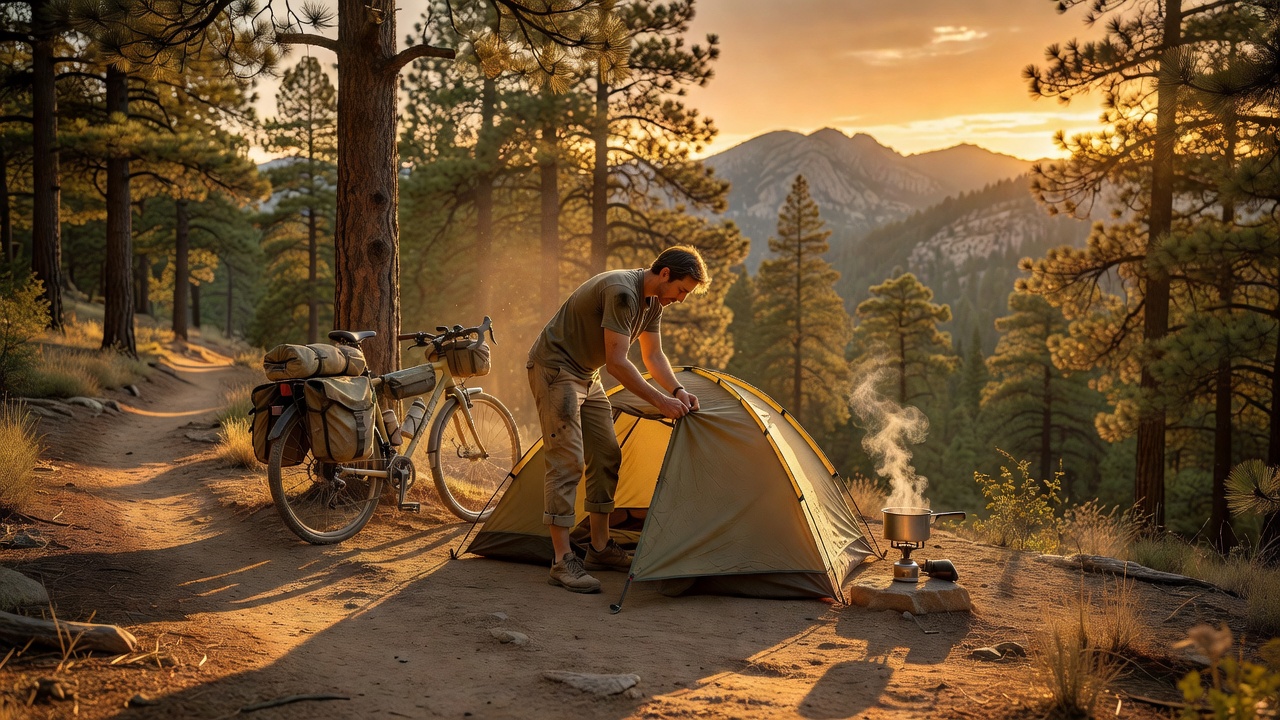
Why Bike Camping?
Bike camping sits at the intersection of two booming outdoor trends. Cycling exploded during the pandemic and never looked back. Camping participation hit record highs. Put them together and you get an experience that's cheaper than RV travel, more adventurous than car camping, and accessible to anyone with a bike and a weekend.
The best part? You don't need a $3,000 touring bike to start. A hybrid or mountain bike with a sturdy bike rack and some lightweight camping gear is all it takes.
Bike Racks: How to Carry Your Gear
Your bike's carrying capacity is the single biggest constraint in bikepacking. You have three main options:
Trunk Racks
The Saris Bones EX 3-Bike Trunk Rack ($229.99) is the workhorse of bike racks. It fits most vehicles without a hitch, has rust-free construction, and carries up to 3 bikes. For weekend warriors who drive to the trailhead and then ride in, this is the most versatile option.
Hitch Racks
If your car has a hitch receiver, the Thule Epos 2 ($749.95) is the gold standard. Tool-free tilt, holds 2 bikes securely, and built with Thule's legendary durability. It's an investment, but if you bike camp regularly, the convenience pays for itself.
On-Bike Storage
For carrying gear while riding, you have several lightweight backpack options:
- Osprey Daylite Plus Daypack (20L, $74.95) — the premium choice. Ventilated back panel, hydration compatible, and Osprey's All Mighty Guarantee.
- WATERFLY Packable Backpack (20L, $23.99) — budget-friendly and folds into its own pocket when not in use. Great for day rides from basecamp.
- INOXTO Hydration Vest (1.5L bladder, $23.99) — the ultralight option for riders who prioritize speed. Insulated bladder keeps water cold for hours.
- BECOJADDE 15L Backpack ($25.99) — packable, ultralight, and surprisingly durable for the price.
Hydration: Water on the Go
Cycling burns through water fast. On a hot day, you'll drink 1-2 liters per hour. Here's how to stay hydrated without weighing down your bike.
The CamelBak Crux Water Reservoir ($42.00) delivers 20% more water per sip than previous models and fits most hydration-compatible backpacks. The big advantage over bottles: you drink while riding without taking your hands off the handlebars.
For filtering stream or lake water at camp, the Katadyn BeFree 1.0L ($44.95) filters 1 liter in about 30 seconds — no pumping, no hassle. It's the lightest filter on the market at just 2.3 ounces.
Pro tip: Carry the BeFree as your camp water solution and the CamelBak for riding. This combo covers all your hydration needs for under 6 ounces total weight penalty.
Shelter: Lightweight Tents for Bike Campers
Weight is everything when you're pedaling your shelter up hills. A 6-person family tent is overkill (and impossible to carry). You need something that packs small and weighs under 5 pounds.
The Kelty Late Start 2-Person Tent ($159.95) hits the sweet spot. At just over 4 pounds, it's light enough for bike travel but roomy enough for two people plus gear. The pre-bent poles create near-vertical walls, so you're not sleeping with fabric brushing your face.
Lighting: Headlamps for Camp and Trail
A good headlamp serves double duty — light for setting up camp after dark AND emergency visibility if you're riding at dusk.
The Petzl Actik Core ($69.95) puts out 600 lumens with a rechargeable battery (also takes AAA as backup). Red light mode preserves night vision, and the reflective headband adds visibility. At 2.6 ounces, you won't notice it in your pack.
Camp Kitchen: Cooking on Two Wheels
You're not eating energy bars for every meal. A proper camp kitchen makes bike camping feel like an adventure, not a survival exercise.
Your stove options:
- Coleman Triton 2-Burner ($89.99) — if you're car-assisted bike camping. Two burners mean coffee AND breakfast simultaneously. Best for basecamp setups where you drive in with the bike rack and ride out from camp.
- 2-Burner Camping Stove with Windshield ($69.99) — 24,000 BTU output with built-in wind protection. The windshield is clutch when you're cooking at an exposed campsite.
For keeping food cold, the YETI Tundra Haul Wheeled Cooler ($450.00) is the premium option. Bear-resistant, rotomolded construction, and — crucially for bike campers — it has WHEELS. Drag it from car to campsite in one trip.
What to Wear: Cycling + Camping Apparel
You need clothes that work on the bike AND at camp. The Columbia PFG Tamiami II Shirt ($44.99) is the perfect crossover piece. UPF 40 sun protection, moisture-wicking fabric, and a vented back that prevents the dreaded "sweaty cyclist" look when you roll into camp.
For off-bike hiking from your basecamp, Black Diamond Trail Ergo Cork Trekking Poles ($99.95) collapse small enough to strap to a bike frame and give you the option to explore trails you wouldn't tackle on two wheels.
Sample Weekend Bike Camping Packing List
Here's what a complete weekend setup looks like:
On the bike:
- Bike rack (Saris Bones EX or Thule Epos 2 for transport)
- Hydration pack (CamelBak Crux or INOXTO vest)
- Daypack (Osprey Daylite Plus or WATERFLY packable)
Shelter & sleep:
- Kelty Late Start 2P tent
- Sleeping bag + pad
- Petzl Actik Core headlamp
Kitchen:
- 2-burner stove
- Collapsible cookware
- Katadyn BeFree water filter
- YETI cooler (basecamp only — leave at camp while riding)
Clothing:
- Columbia PFG shirt (riding + camp)
- Rain jacket
- Cycling shorts + camp pants
- Extra socks (non-negotiable)
Extras:
- Trekking poles for side hikes
- First aid kit
- Multi-tool + tire repair kit
Getting Started: Your First Bike Camping Trip
Pick an easy route. Your first trip shouldn't be a 50-mile mountain pass. Find a state park with a campground 10-15 miles from your parking spot. Ride in, set up, explore, ride out the next day. Low stakes, high fun.
Test your gear at home. Set up the tent in your backyard. Cook a meal on the stove. Load the bike rack and ride around the block. You don't want to discover a missing tent pole at 9pm in the woods.
Pack light, then remove half. First-time bike campers always overpack. Lay everything out, then ask: "Do I absolutely need this?" If the answer is anything short of "yes," leave it.
Tell someone your route. Cell service is spotty in the best camping spots. Share your planned route and expected return time with a friend.
Bike camping is one of those rare activities that's better than the sum of its parts. The rhythm of pedaling, the reward of camp, the simplicity of carrying your world on two wheels — it's a different kind of outdoor experience. And with the right gear, anyone can do it.
Ready to start? Check out our full Bike Camping Gear Collection for all the essentials.
<!-- AFFILIATE_DISCLOSURE -->