Best Hydration Bottles for Hiking and Camping in 2025
Stay hydrated on the trail with our picks for the best water bottles and hydration systems for hiking, camping, and outdoor adventures.
Whether you're tackling a 14er, thru-hiking a section of the PCT, or just getting in a solid weekend day-hike, the one piece of gear you cannot compromise on is your hydration setup. Dehydration is the fastest way to turn a great day on the trail into a miserable, dangerous slog. But with so many options — insulated vs. uninsulated, stainless steel vs. plastic, bottles vs. bladders — finding the best water bottle for hiking can feel overwhelming.
We've tested dozens of bottles across hundreds of trail miles to bring you our definitive guide to hydration gear hiking enthusiasts actually rely on. Below you'll find our top picks, detailed reviews, and everything you need to know to choose the right bottle for your next adventure.
Why Hydration Matters on the Trail
Before we dive into the gear, let's talk about why choosing the right hydration system matters. The average hiker loses 0.5–1 liter of water per hour through sweat and respiration, more in hot weather or at altitude. Mild dehydration (losing just 1–2% of body weight in water) can cause headaches, fatigue, reduced coordination, and impaired decision-making — none of which you want when navigating rocky terrain or making route-finding calls.
A good hiking water bottle does more than just hold water. It should:
- Keep your water at a drinkable temperature
- Be durable enough to survive drops on rock
- Fit in standard backpack side pockets
- Provide easy, one-handed drinking on the move
- Be easy to clean and maintain on multi-day trips
Let's look at the best options available right now.
Our Top Picks at a Glance
| Product | Price | Rating | Best For |
|---|---|---|---|
| Owala FreeSip Insulated | $29.99 | 4.7★ | All-around best |
| Nalgene Wide Mouth | $14.99 | 4.6★ | Budget + durability |
| Hydro Flask Standard Mouth | $34.95 | 4.7★ | Insulation king |
| CamelBak Chute Mag | $22.00 | 4.6★ | One-handed drinking |
| Platypus DuoLock SoftBottle | $12.95 | 4.4★ | Ultralight packing |
| Klean Kanteen Reflect | $32.95 | 4.5★ | Sustainability focus |
Best Overall: Owala FreeSip Insulated Bottle
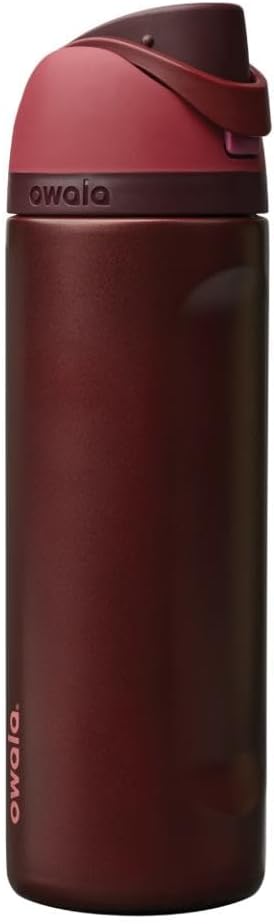
Price: $29.99 | Rating: 4.7★ | Reviews: 123,000+
When we set out to find the single best water bottle for hiking in 2025, the Owala FreeSip Insulated kept rising to the top of every category that matters for trail use. With over 123,000 reviews and a stellar 4.7-star rating, this bottle has earned its reputation as a trail favorite.
What Makes It Great
The FreeSip's signature feature is its dual-mode lid. You can sip through the built-in straw (without tilting your head back — huge plus when you're hiking uphill) or tip it back to chug through the wide opening. No other bottle we've tested transitions between sipping and chugging this seamlessly.
The double-wall insulation keeps water cold for up to 24 hours. On a scorching summer hike, that's the difference between refreshing cold water at mile 8 and lukewarm plastic-tasting water at mile 3. The copper-lined vacuum insulation also prevents condensation on the outside, so your gear stays dry in your pack.
The spout cover flips back and locks into place, keeping the drinking surface clean from trail dust and debris. When you're done, it clicks shut securely — no accidental leaks in your pack.
Trail Performance
We took the 24-ounce Owala FreeSip on a 10-mile out-and-back on the Appalachian Trail in July. Temperatures hit 88°F with high humidity. After four hours and 5 miles to the turnaround point, the water was still noticeably cold — not just "still drinkable," but genuinely cold. On the return leg, the straw-sip feature meant we didn't have to stop or slow down to hydrate. That steady sipping added up to nearly a full bottle consumed without breaking stride.
The bottle fits snugly in most backpack side pockets, including Osprey, Gregory, and Deuter packs. The 24-ounce size is the sweet spot for day hikes; the 32-ounce version is better for longer outings where water sources are scarce.
Pros and Cons
Pros:
- Best-in-class dual-drink lid (sip + chug)
- Excellent 24-hour cold retention
- No condensation on exterior
- Leak-proof lid locks securely
- Wide range of color options
- Dishwasher safe
Cons:
- Slightly heavier than non-insulated bottles (~15 oz for 24 oz version)
- Straw mechanism adds a few parts to clean
- Not compatible with most bottle cage filters
Who Should Buy It
Anyone looking for a do-it-all hiking bottle that excels on day hikes, long trail runs, and casual camping trips. The Owala FreeSip is the bottle you'll reach for every single time, whether you're heading into the backcountry or just to the gym.
Best Budget Pick: Nalgene Wide Mouth Bottle
Price: $14.99 | Rating: 4.6★ | Reviews: 85,000+
The Nalgene Wide Mouth is the Honda Civic of hiking water bottles — not flashy, not fancy, but absolutely indestructible and impossible to beat for the price. If you're looking for affordable hydration gear hiking beginners can trust, start here.
These BPA-free Tritan plastic bottles have been the standard for camp counselors, backpackers, and field researchers for decades. The wide mouth makes it easy to add ice cubes, electrolyte powders, or purification tablets. The 1-liter (32 oz) size is perfect for filtering and treating water from backcountry sources.
The trade-off: No insulation, so water warms up fast in summer and can get uncomfortably cold (or hot) against your lips. But at under $15, it's an unbeatable backup or primary for budget-conscious hikers.
Best Insulated: Hydro Flask Standard Mouth
Price: $34.95 | Rating: 4.7★ | Reviews: 110,000+
When temperatures are extreme, the Hydro Flask Standard Mouth is the gold standard for insulation. TempShield double-wall vacuum insulation keeps cold water cold for up to 24 hours and hot drinks hot for up to 12 hours. The proprietary Flex Cap attaches to your pack or belt loop with a loop-top, so you never lose it.
The standard mouth opening (vs. wide mouth) is more comfortable for sipping directly, though it means slower drinking and harder ice-cube loading. The powder-coated exterior provides excellent grip even with sweaty or wet hands — a real safety boost when scrambling over wet rocks.
Who it's for: Hikers who prioritize ice-cold water above all else and don't mind paying a premium for top-tier insulation.
Best for One-Handed Drinking: CamelBak Chute Mag
Price: $22.00 | Rating: 4.6★ | Reviews: 67,000+
CamelBak knows hydration, and the Chute Mag bottle proves it. The magnetic cap tethers to the side of the bottle while you drink — no dangling, no dropping, no losing it. The angled spout delivers a fast, controlled stream of water without needing to tilt the bottle fully vertical.
This is our pick for trail runners and fast-packers who need to grab, drink, and stash quickly without fumbling with caps or straws. The 25-ounce size strikes a great balance between capacity and packability.
Best Ultralight: Platypus DuoLock SoftBottle
Price: $12.95 | Rating: 4.4★ | Reviews: 19,000+
When every gram counts — on a thru-hike, alpine climb, or ultramarathon — the Platypus DuoLock SoftBottle is the lightest reliable hydration option available. At just 1.3 ounces for the 1-liter size, it's over 10x lighter than a comparable stainless steel bottle.
The DuoLock closure is leak-proof and easy to open even with cold, numb fingers. When empty, the bottle rolls up to the size of a granola bar. The major downside: no insulation, and the soft plastic can be harder to fill from shallow streams. But for weight-obsessed backpackers, nothing beats it.
Hybrid tip: Use a Platypus as your backup/extra water capacity, and pair it with an insulated primary bottle like the Owala FreeSip.
Best Sustainable: Klean Kanteen Reflect
Price: $32.95 | Rating: 4.5★ | Reviews: 30,000+
If environmental impact is a deciding factor, the Klean Kanteen Reflect is the clear winner. Made from 90% post-consumer recycled stainless steel with no interior liner or coating, it's 100% recyclable at end of life. The Electropolished interior won't retain flavors from coffee, tea, or electrolyte drinks.
The Reflect's narrow loop cap is compatible with most backpack side pockets, and the 27-ounce size is a great middle-ground capacity. It's not as well-insulated as the Hydro Flask or Owala, but it's noticeably lighter — a worthwhile trade-off for eco-conscious hikers.
How to Choose the Best Water Bottle for Hiking
To find the best water bottle for hiking for your specific needs, consider these four factors:
1. Capacity
- Day hikes (< 5 miles): 20–24 oz is usually sufficient
- Half-day hikes (5–10 miles): 32 oz (1 liter) minimum
- Full-day hikes (10+ miles): 1–2 liters total capacity (may need multiple bottles or a filter)
- Multi-day trips: 2+ liters capacity plus a water filter/purifier
2. Material
- Stainless steel (insulated): Best for temperature retention, most durable, heaviest. Ideal for day hikes and car camping.
- Stainless steel (single-wall): Durable but heavy and no insulation. Good for ultralight stovetop use.
- Tritan plastic (Nalgene-style): Light, cheap, nearly indestructible. No insulation. Best for budget or basecamp use.
- Soft plastic (Platypus-style): Extremely light and packable. No insulation. Best for ultralight backpacking.
3. Drinking Mechanism
- Wide mouth: Easy to fill, add ice, and clean. Can be awkward to drink from while moving.
- Straw lid: Convenient for sipping without tilting. More parts to clean.
- Chug-style spout: Fast drinking, one-handed operation. Can spill if not closed properly.
- Bite valve (bladder): Hands-free drinking on the move. Harder to maintain water volume visibility.
4. Insulation
- Insulated: Heavier, bulkier, but water stays cold 12–24 hours. Worth it in hot conditions.
- Non-insulated: Lighter, cheaper, fits more easily in packs. Water reaches ambient temperature quickly.
Hydration Tips for Hikers
- Pre-hydrate: Drink 16–20 oz of water 2–3 hours before your hike.
- Sip don't gulp: Take small, frequent sips (every 10–15 minutes) rather than chugging at rest stops.
- Electrolytes matter: On hikes longer than 2 hours or in hot weather, add electrolyte tablets to your water or use a mix like Tailwind or Nuun.
- Know your water sources: Always carry a map of water sources on your route. Treat all natural water with a filter (Sawyer Squeeze, Katadyn BeFree) or purification tablets.
- Mark your bottle: Use a piece of tape or a silicone band to mark your water level so you can track your intake.
- Don't forget night water: Keep an insulated bottle in your tent at night so you have cold water when you wake up — especially important at altitude.
Hydration Bladders vs. Bottles: Which Is Better?
Many hikers face the hydration bladder vs. bottle debate. Here's our take:
Hydration bladders (CamelBak, Platypus, Osprey) are better for:
- Hands-free drinking on technical terrain
- Even weight distribution in your pack
- High-volume water needs (2–3 liters)
- Trail running and mountain biking
Bottles are better for:
- Knowing exactly how much water you have left
- Easy cleaning and drying (no mold issues)
- Temperature retention (insulated bottles)
- Durability (hard bottles don't puncture)
- Compatibility with water filters (most bladders don't fit a Sawyer Squeeze directly)
Our recommendation: Use both. Carry a 2–3 liter hydration bladder for your main water supply and a 24-oz insulated bottle (like the Owala FreeSip) for drinking water you want to stay cold. This combo covers all bases.
Caring for Your Hydration Gear
Proper care extends the life of your hydration gear hiking setup and prevents mold and bacteria buildup:
- Daily: Rinse with hot water and air dry with the cap open.
- Weekly: Deep clean with a bottle brush, mild soap, and hot water. For stubborn odors, use a baking soda soak or specialized cleaning tablets (like Bottle Bright).
- Monthly: Sanitize with a diluted bleach solution (1 teaspoon unscented bleach per quart of water, soak for 1 minute), then rinse thoroughly.
- Storage: Store bottles and bladders completely dry with caps off. For bladders, hang them upside down in a well-ventilated area.
- Replace: Inspect soft bottles and bladders for cracks or leaks before each season. Replace Tritan plastic bottles every 2–3 years if heavily used. Stainless steel bottles can last a lifetime.
Final Verdict
After testing dozens of bottles across hundreds of trail miles, the Owala FreeSip Insulated Bottle is our pick for the best water bottle for hiking in 2025. Its dual-mode lid is genuinely innovative (not just a gimmick), the insulation is top-tier, and the build quality justifies the $29.99 price tag. With 123,000+ reviews and a 4.7-star rating, it's the bottle the hiking community trusts most.
That said, the "best" bottle ultimately depends on your specific needs. On a budget? The Nalgene Wide Mouth is a legend for good reason. Need ultralight? The Platypus DuoLock saves serious pack weight. Want maximum insulation? Hydro Flask still rules.
For most hikers, we recommend starting with the Owala FreeSip as your primary bottle and adding a lightweight backup or bladder as your adventures get longer. Hydration is the most important system in your pack — invest wisely, and drink up.
Happy trails from the TrailMapz team!
As an Amazon Associate, we earn from qualifying purchases. All prices and ratings are accurate as of June 2025.